The Secret Language of Connection: How Cats Form Social Bonds (And How You Can Strengthen Yours)
For centuries, cats have been misunderstood as solitary, aloof creatures who merely tolerate human presence for food and shelter. But if you’ve ever been greeted by enthusiastic head bunts, watched your cat follow you from room to room, or been serenaded by a soft purr as they curl in your lap, you know the truth: cats form deep, complex social bonds.
The way cats form social bonds is a subtle, nuanced language of trust, communication, and mutual respect one that often goes unnoticed by those expecting canine-level enthusiasm. Understanding this process doesn’t just satisfy curiosity; it transforms your relationship, turning coexistence into a profound companionship built on genuine feline friendship.
Key Takeaways: Understanding Feline Social Architecture
- Cats are socially flexible: They are not strictly solitary; their social structure is “facultative,” meaning they can live alone or form colonies based on resource availability and early socialization.
- Trust is earned, not given: Bonding is a slow, patient process built on consistent positive associations, respect for boundaries, and predictable routines.
- Communication is multisensory: Bonds are formed and maintained through a blend of scent exchange (cheeking, rubbing), gentle physical contact (allogrooming, leaning), vocalizations (purrs, chirps), and visual signals (slow blinking).
- Early experience is critical: The primary socialization window (2-7 weeks) is crucial for kittens to learn how to interact positively with humans, other cats, and their environment.
- Human-cat bonds are unique: Cats form selective, individual attachments to their people, often showing clear preference and behaviors like greeting, following, and seeking comfort that mirror secure attachment styles.
Decoding the Feline Social Blueprint: Are Cats Really Solitary?
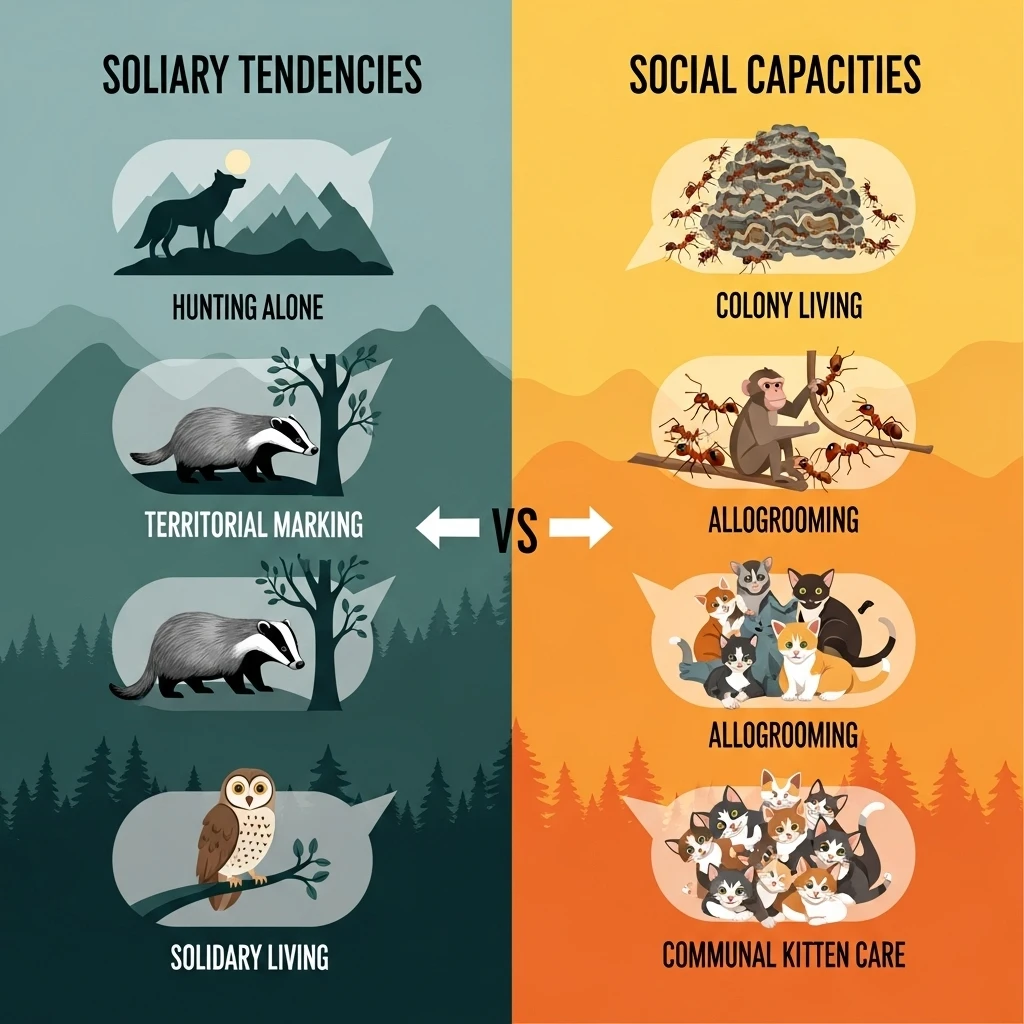
The persistent myth of the “lone cat” stems from observing their wild ancestor, the African wildcat, which is largely solitary. However, domestication and the concentration of resources (like food in human settlements) have shaped cats into remarkably socially adaptable creatures. Their social system is best described as facultative sociality.
In environments where resources are scarce, cats tend to be more solitary. But where resources are plentiful and stable like in our homes, barns, or managed colonies cats readily form complex social groups. Research on feral cat colonies shows established hierarchies, cooperative kitten-rearing, and clear affiliative behaviors like allogrooming and resting together. This proves their inherent capacity for social connection.
Understanding this baseline is crucial. It means your cat isn’t “broken” or “mean” if they are cautious; they are assessing the social landscape. It also means that the potential for a deep bond is written into their very biology, waiting for the right conditions to blossom.
The Kitten Foundation: How Early Life Shapes Bonding Potential
The most critical period in a cat’s social development is the primary socialization window, between 2 and 7 weeks of age. During this time, a kitten’s brain is exceptionally receptive to forming positive, non-fearful associations.
- Kittens handled gently and regularly by multiple humans during this period are far more likely to grow into confident, sociable adults who seek human interaction.
- Positive exposure to other friendly cats teaches them proper feline etiquette how to communicate, play without hurting, and establish boundaries.
- Introduction to various household sights and sounds (vacuum cleaners, televisions, different people) helps prevent fearfulness later in life.
A kitten removed from its litter and mother too early (before 8 weeks) often misses these vital lessons, which can lead to difficulties in reading social cues, inappropriate play biting, and heightened anxiety. Conversely, a kitten with no positive human contact during this window may remain feral or deeply fearful of people for life. When considering how cats form social bonds, this early programming is the first and most powerful chapter.
For those bringing home an adult cat with an unknown or difficult past, don’t despair. While early socialization is ideal, adult cats retain a significant capacity for learning and trust-building through a process called secondary socialization it just requires more patience, consistency, and understanding.
The Silent Conversation: How Cats Communicate Bond and Trust
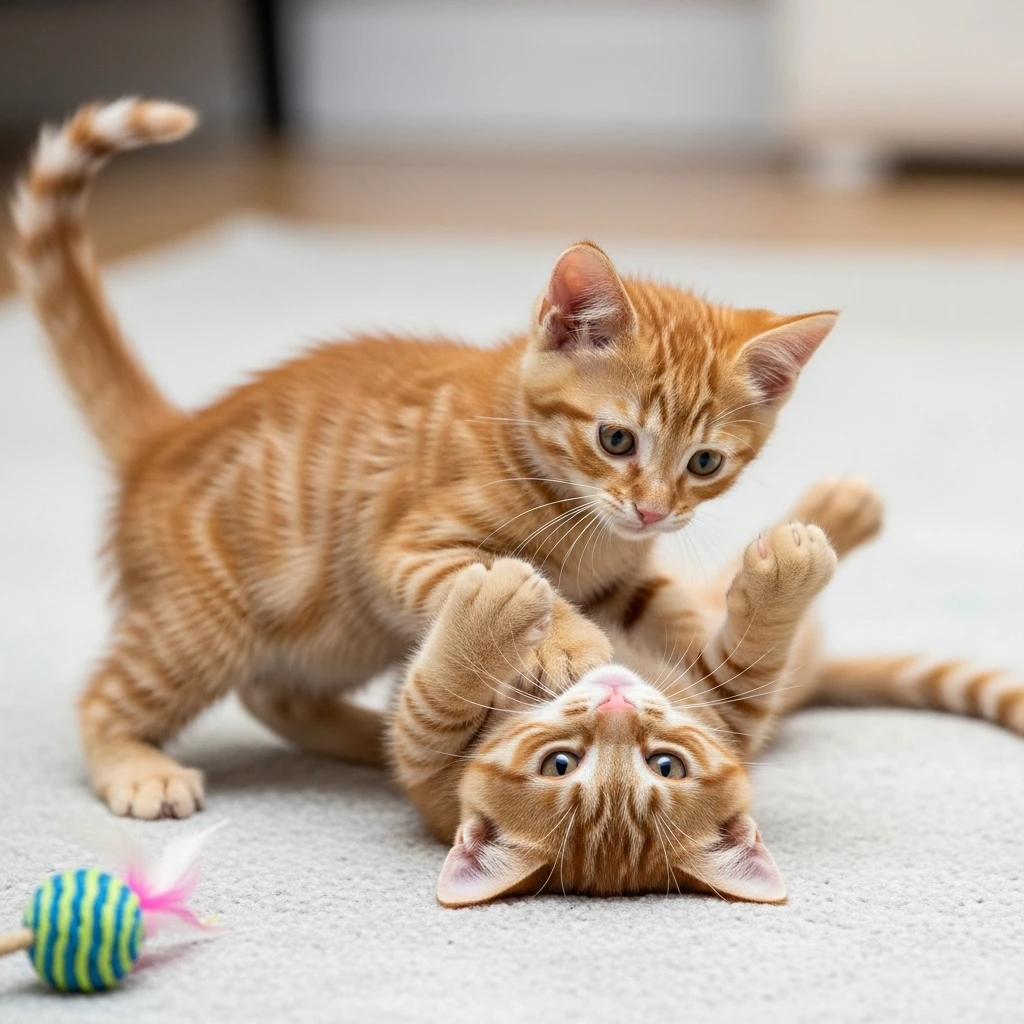
Cats don’t bond with speeches or grand gestures. They bond through a quiet, continuous dialogue of scent, touch, sight, and sound. Learning this language is the key to reciprocating and strengthening your connection.
1. The Scent Symphony: Creating a “Family Odor”
Cats live in a world of scent. Their primary method of creating a social group is through communal scent sharing.
- Cheeking & Head Bunting: When your cat rubs their cheek or head on you, the corner of your sofa, or your bag, they are depositing pheromones from scent glands located in those areas. These “friendly” pheromones mark you and items as safe, familiar, and part of their social group. You are being scent-tagged as family.
- Allorubbing: This is when cats rub against each other, mingling scents to create a unified colony odor. When your cat weaves through your legs, they are engaging in allorubbing with you.
- The Ultimate Sign: Flopping & Exposing the Belly: This is not always an invitation for a belly rub (which can trigger a defensive play attack). It is, however, a supreme display of trust. Your cat is showing you their most vulnerable area, indicating they feel utterly safe in your presence.
How to reciprocate: Offer your hand for them to sniff and rub against. Avoid overwhelming them with strong perfumes or cleaners that disrupt this scent-based bond.
2. The Language of Gaze: The Power of the Slow Blink
In cat language, a direct, unwavering stare is a threat or a challenge. The slow blink where a cat looks at you, half-closes their eyes, and opens them slowly is the exact opposite. It’s a “cat kiss,” a signal of relaxed, trusting affection.
Studies have shown that cats are more likely to slow blink at humans who slow blink at them first, and they are more likely to approach a person who uses this signal. It’s a conscious, communicative act of trust-building.
How to reciprocate: Try the “slow blink technique.” Catch your cat’s gaze, softly half-close your own eyes, hold for a moment, and slowly open them. Repeat. You are literally telling them “I trust you” in their native tongue.
3. The Bond of Touch: Allogrooming and Social Contact
Mutual grooming (allogrooming) is a cornerstone of feline social bonding, used to reinforce relationships, comfort each other, and, of course, maintain hygiene in hard-to-reach spots.
- When your cat gently licks your hand or hair, they are extending this social grooming behavior to you, a clear sign of acceptance and affection.
- Kneading (“making biscuits”) is a leftover kitten behavior from nursing, used to stimulate milk flow. In adulthood, it becomes a sign of ultimate contentment, comfort, and security—often directed at a trusted person or a soft surface that evokes the safety of their mother.
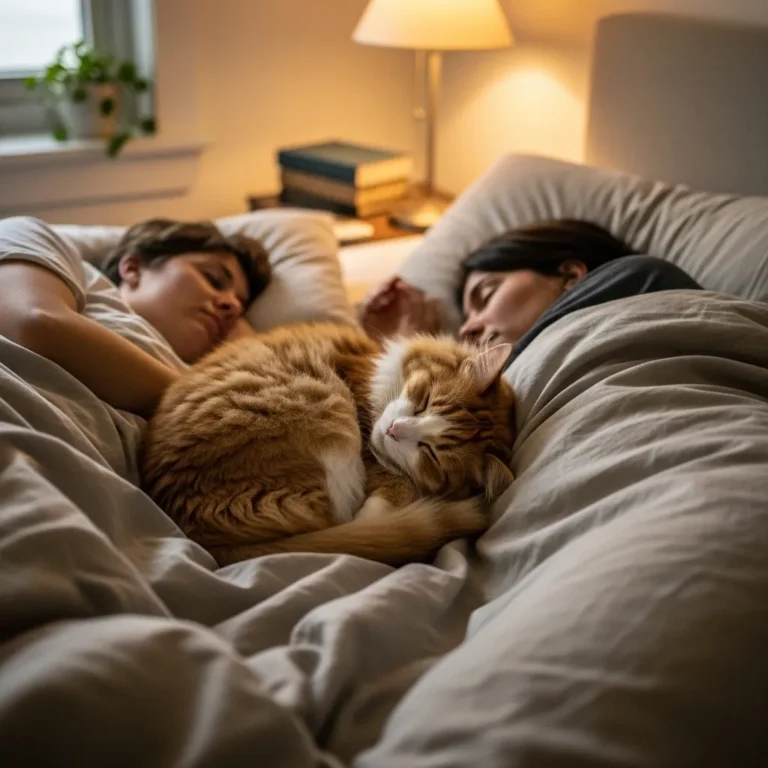
- Simply leaning against you, or sleeping pressed to your side, is a passive but powerful sign of bonded comfort.
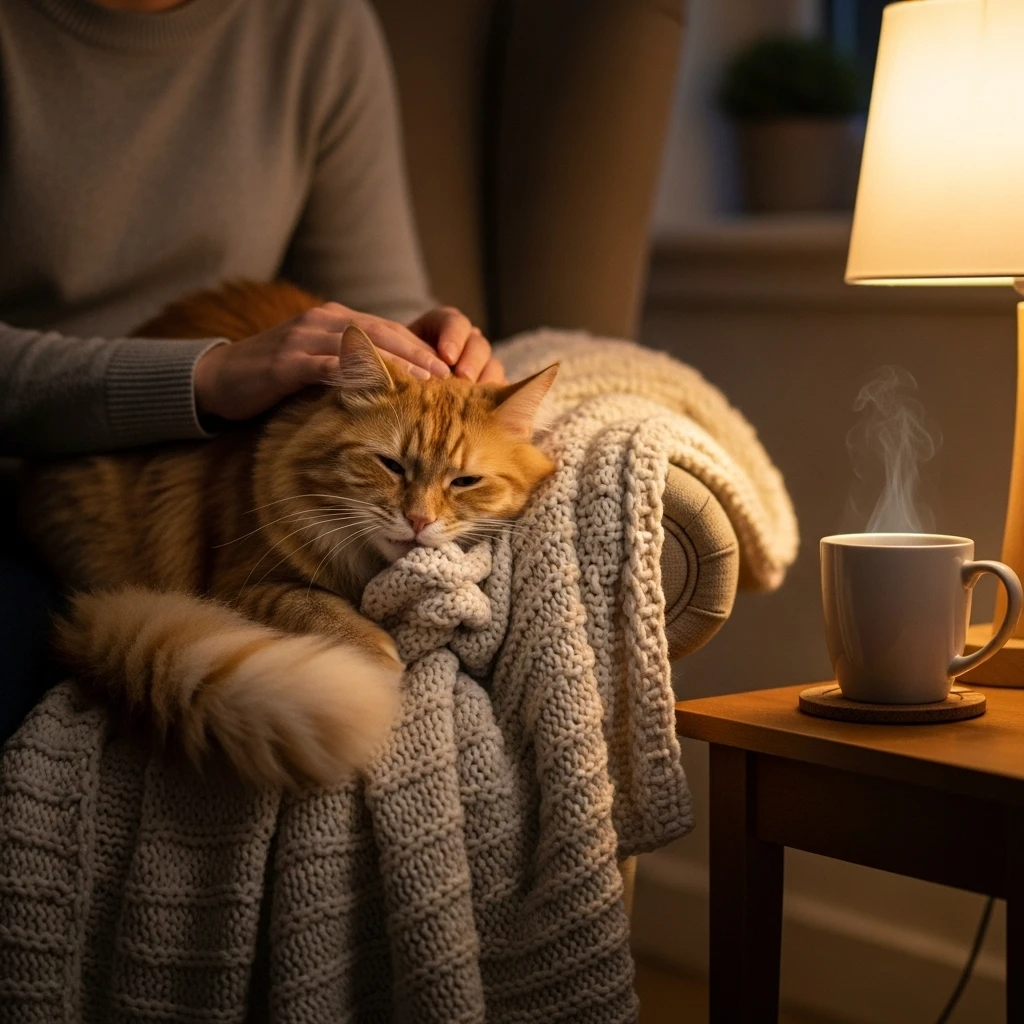
How to reciprocate: Engage in gentle, respectful petting in their preferred areas (often the cheeks, under the chin, and base of the tail). Watch for signs of overstimulation (tail twitching, skin rippling) and stop before they occur. Let grooming sessions be on their terms. For more on affectionate behaviors, explore our guide on why cats purr when you pet them.
4. The Vocal Bond: From Meows to Purrs
While cats use scent and body language with each other, they have developed a vocal language largely for communicating with humans.
- The solicitation purr often mixed with a high-pitched, insistent meow is used to request food or attention from their human. It’s a specialized tool for the human-feline relationship.
- A soft, rhythmic purr while resting on you is a contentment purr, signaling deep relaxation and trust. Research also suggests purring may have healing properties, making it a self-soothing and bonding behavior.
- Chirps and trills are excited, friendly greetings, often used by a mother cat to call her kittens. When your cat greets you with a “brrp!” sound, they are expressing happy recognition.
Building the Bridge: A Human’s Guide to Bonding with a Cat
Understanding how cats form social bonds is one thing; actively fostering them is another. Here is your actionable, step-by-step guide to building an unshakeable bond with your feline friend.
Phase 1: The Foundation of Trust (For New or Shy Cats)
- Control the Environment: Provide a safe, quiet “base camp” room with all necessities (litter box, food, water, bed, hiding spot like a cardboard box). Let them acclimate without pressure.
- Become the Source of Good Things: Never force interaction. Simply sit quietly in the room, reading or on your phone. Toss high-value treats (like chicken or tuna) near you, progressively closer, without making direct eye contact. You are associating your presence with positive outcomes. This is the core principle behind cat trust building.
- Introduce Play as Communication: Use a wand toy to initiate interactive play from a distance. This allows the cat to engage without physical pressure, building confidence and positive associations with you. Discover engaging methods in our article on how to keep your cat entertained.
Phase 2: Deepening the Connection (For Established Relationships)
- Respect the “Choice Principle”: Always allow your cat to choose to interact. Extend a hand to sniff, but let them be the one to initiate the head rub. An invitation is always more powerful than an imposition.
- Establish Predictable Rituals: Cats thrive on predictability. Consistent feeding times, a regular play session before bed, or a morning grooming ritual create a framework of security. They learn to anticipate and trust the positive patterns you provide.
- Communicate on Their Terms: Use their language. Practice the slow blink. Speak in a soft, calm voice. Avoid sudden movements or loud noises when they are relaxed near you.
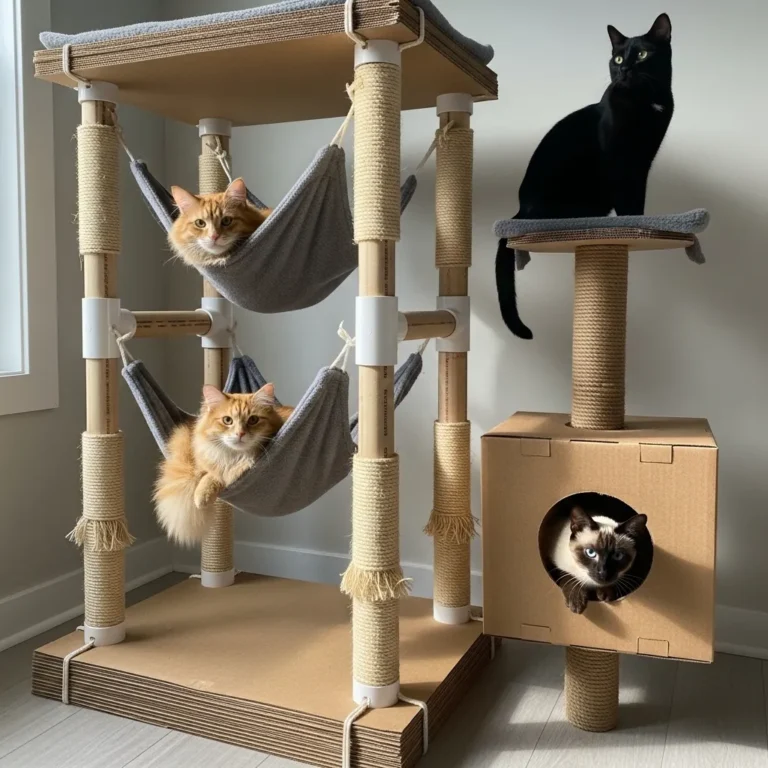
- Provide Enrichment, Not Just Sustenance: A bored cat is often a distant or problematic cat. Offer puzzle feeders, vertical territory (cat trees, shelves), window perches, and regular novel toys. A mentally and physically stimulated cat is a happier, more engaged companion. For inspiration, see our ideas for DIY cat toys and enrichment.
The Unique Human-Cat Bond: It’s Not “Ownership,” It’s Friendship
Modern science confirms what cat lovers have always felt: cats form secure attachments to their human caregivers. In studies modeled on human infant attachment research, cats showed clear signs of being securely attached to their owners using them as a safe base to explore from and a source of comfort in stressful situations.
They are also remarkably perceptive. Cats can recognize their owner’s voice, often choosing to respond to it over a stranger’s. They observe our routines, moods, and even our health. This bond is a genuine, cross-species friendship built on mutual benefit, communication, and, yes, love.
FAQs: How Cats Form Social Bonds
How long does it take for a cat to bond with you?
There is no universal timeline. It depends on the cat’s age, past experiences, and personality. A confident, well-socialized kitten may bond in days. A shy or traumatized adult cat may take months or even a year of patient, consistent work. The bond deepens continuously over a lifetime.
Do cats get bonded to one person?
Yes, cats often form the strongest bond with the person who provides the most consistent, positive, and respectful interactions this isn’t always the one who feeds them. It’s the person who plays, communicates gently, and respects their boundaries.
How do you know if your cat has bonded with you?
Signs include: greeting you at the door, following you room-to-room, slow blinking, head bunting, gentle grooming (licking you), sleeping on or pressed against you, showing their belly, and a relaxed, upright tail posture around you.
Can a cat’s bond be broken?
Trust can be severely damaged by traumatic events, prolonged neglect, or punishment. However, with immense patience, a return to positive association-building, and possibly professional behavioral help, it can often be repaired over time.
How do I bond with an aloof or scared cat?
The key is passive bonding. Be present without demanding. Sit quietly in their space, speak softly, use food and play as positive reinforcements from a distance. Let them set all the early pace. Avoid direct eye contact and reaching for them. Our guide on cat trust building offers a detailed roadmap.
The Lifelong Conversation
Understanding how cats form social bonds reveals a beautiful truth: the aloof cat is a myth. In its place is a sensitive, intelligent creature capable of profound loyalty and affection, expressed in a subtle language of scent, soft blinks, and quiet companionship. This bond is not given freely, but earned through patience, respect, and a willingness to speak their language. It is a quiet pact of mutual trust that, once formed, becomes one of the most rewarding relationships imaginable.
The journey of bonding with your cat is a lifelong conversation. It asks you to be more observant, more patient, and more gentle. In return, it offers a unique friendship a small, warm presence that chooses you, trusts you, and enriches your world in countless silent, purring ways.
Ready to deepen your understanding of your feline friend? Explore more expert guides on cat behavior, care, and the secrets of the human-cat bond in our comprehensive library at Cat Bloom Haven. From decoding cat tail language to mastering introductions between cats, we’re here to help you build a happier, healthier life with your cat.