How Social Media Changed Cat Culture: From Solitary Pets to Global Superstars
In the quiet homes of the mid-20th century, cats were largely private creatures beloved pets whose antics were witnessed only by their families. Today, they command global audiences of millions, shape internet trends, and have sparked an entire economy of content, products, and community. This transformation isn’t subtle; it’s revolutionary. The story of how social media changed cat culture is one of technology amplifying feline charm into a cultural force, reshaping everything from pet adoption to our understanding of cat behavior itself. What began with grainy webcam feeds has evolved into a complex digital ecosystem where cats are not just pets but personalities, therapists, comedians, and icons.
This article explores this profound shift. We’ll trace the digital paw prints from early internet forums to the TikTok stars of today, examine the tangible impacts on cat welfare and ownership, and unpack the sometimes surprising psychological reasons behind our collective obsession. Whether you’re a casual scroller or a dedicated cat parent, understanding this evolution reveals not just how we view cats, but how we connect in the digital age.
Key Takeaways: The Social Media Feline Revolution
- From Private to Public: Cats transitioned from family pets to global micro-celebrities, creating parasocial relationships with millions.
- Adoption & Awareness Boom: Viral campaigns and shelter showcases on platforms like Instagram and TikTok have dramatically increased adoption rates and awareness of breed diversity and special needs cats.
- Behavior Decoded & Democratized: Shared videos have created a crowdsourced library of cat behavior, helping owners understand normal and concerning traits, though sometimes spreading misinformation.
- The Rise of the “Cat Economy”: A new market has emerged for cat-centric products, from aesthetic furniture to high-tech gadgets, heavily influenced by social media trends.
- Community & Mental Health: Online cat communities provide vital support, education, and comfort, turning solitary pet ownership into a shared, supportive experience.
- Not Without Downsides: The trend raises ethical concerns about pet influencer welfare, the pressure of aesthetic breeding, and the potential for neglect when the novelty fades.
The Pawsome Timeline: A History of Cats Conquering the Web
The internet, as many have observed, is essentially made of cats. But this didn’t happen overnight. The journey has distinct phases, each fueled by evolving technology and changing online behaviors.
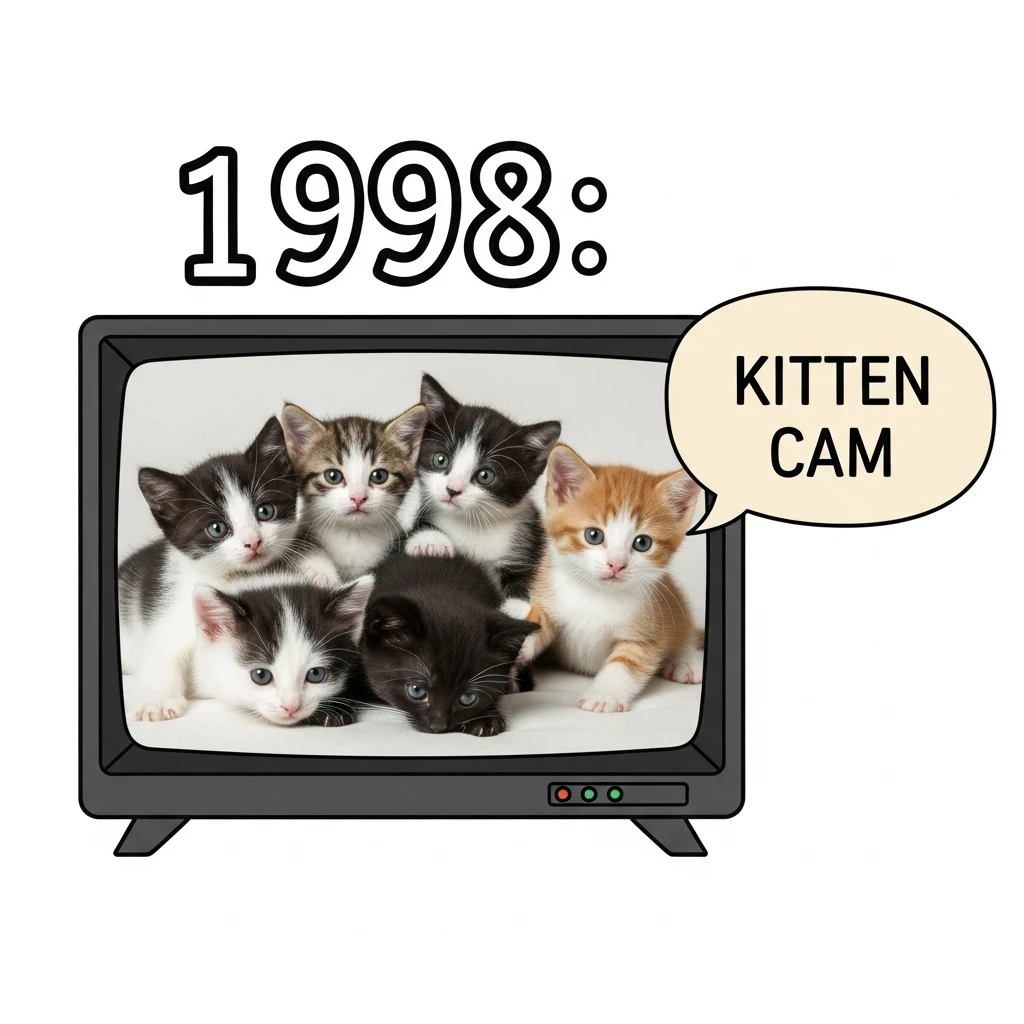
The Dial-Up Dawn (1990s – Early 2000s): In the era of slow connections and basic HTML, cat culture found its first digital home in forums like “alt.fan.cats” and early personal websites like “The Kitten Cam” (1998). These were niche spaces for enthusiasts to share text-based stories and low-resolution photos. The humor was often in the “lolcat” meme format deliberately misspelled, grammatically incorrect captions over pictures of cats (“I CAN HAZ CHEEZBURGER?”). This was the grassroots, user-generated foundation where the simple joy of sharing a cat picture became a core internet behavior.
The YouTube & Blog Boom (Mid-2000s – Early 2010s): With faster broadband and the rise of platforms like YouTube (2005) and blogging sites, cats moved from static images to video stars. This era birthed the first true viral cat celebrities. Grumpy Cat (Tardar Sauce), with her permanent frown due to feline dwarfism, became a media empire. Lil Bub, a perpetually kitten-like “perma-kitten” with genetic anomalies, charmed millions with her tongue-out appearance and her owner’s uplifting message. Maru, the Scottish Fold from Japan, became synonymous with a love of boxes, showcasing universal cat behavior. These weren’t just memes; they were personalities with dedicated followings, merchandise, and even movie appearances. Platforms like Instagram, launched in 2010, became perfect galleries for aesthetically pleasing pet photography, shifting the focus to lifestyle and beauty.
The Algorithmic Age (Mid-2010s – Present): The current era is defined by platforms like TikTok, Instagram Reels, and YouTube Shorts, where discoverability is driven by powerful algorithms. This has democraticated feline fame. Any cat with a quirky habit a unique chirp, a dramatic reaction, an unusual friendship can find a global audience overnight. The content is faster, more visceral, and often more authentic (or authentically curated). It has also diversified: we now have cats who are skincare enthusiasts (@nala_cat), fashion icons (@iamlilputo), and emotional support animals whose calming purrs are broadcast to millions. The connection feels more intimate, fed by daily Stories, live streams, and direct creator-audience interaction.
The Purrfect Impact: How Social Media Transformed Real-World Cat Care
The influence of social media on cat culture extends far beyond the screen. It has fundamentally altered the practicalities and perceptions of cat ownership.
1. Revolutionizing Adoption and Shelter Awareness
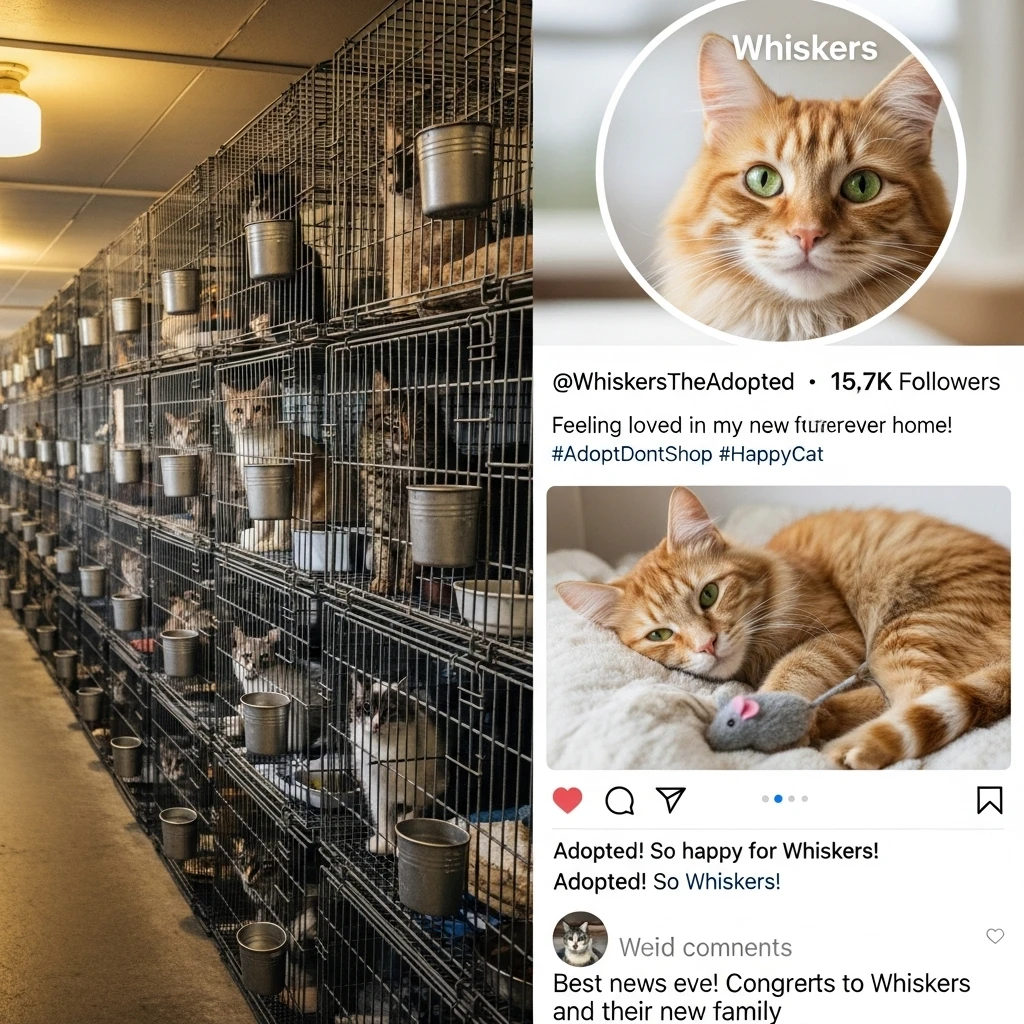
Perhaps the most positive impact is on cat welfare. Platforms have become powerful tools for shelters and rescues.
- #AdoptDontShop: This hashtag movement, fueled by influencers and everyday adopters, has mainstreamed the preference for rescue pets. Sharing “before and after” transformation stories of shelter cats is a potent genre that highlights their potential.
- Showcasing “Unadoptables”: Social media gives a platform to senior cats, black cats (who statistically are adopted less), and cats with disabilities or medical needs. By sharing their daily lives and personalities, advocates break down biases and find them loving homes. Our guide on cat adoption delves deeper into this rewarding journey.
- Live-streaming Kittens: Many shelters now stream kitten rooms, creating engaging, low-pressure windows into shelter life that build emotional connections with potential adopters miles away.
2. Democratizing Feline Education and Behavior Understanding
Before social media, cat behavior advice came primarily from books or vets. Now, there’s a vast, crowdsourced knowledge base.
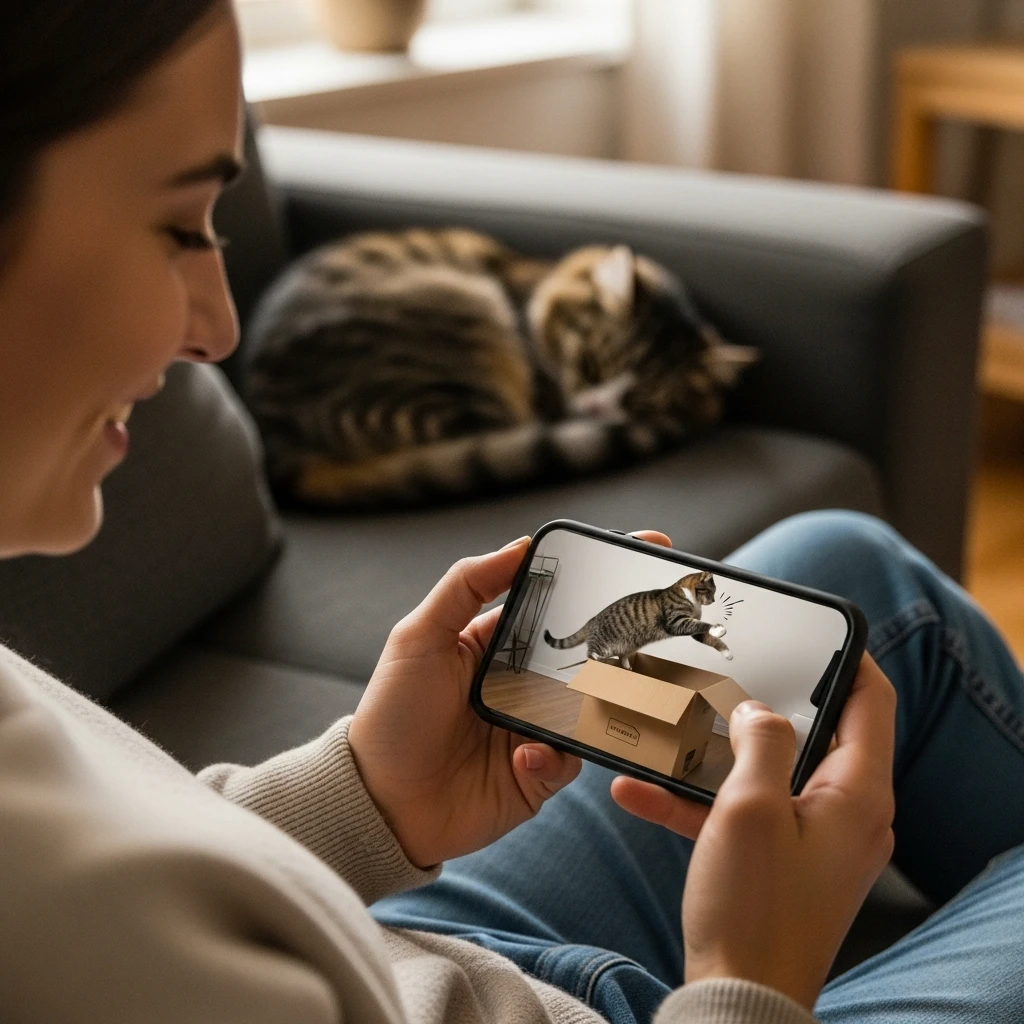
- Normalizing Quirks: A cat owner wondering why their pet is knocking things off shelves or burrowing under blankets can find thousands of videos showing the same behavior, immediately providing reassurance. Our article on why cats knock things over explores the reasons behind this common quirk.
- Spotting Health Issues: Videos can also help identify problems. A distinctive head tilt or change in gait noticed in a viral video might prompt an owner to recognize similar signs in their own pet. However, this comes with a caveat: social media is not a substitute for veterinary care. For serious concerns, like understanding cat urinary health, always consult a professional.
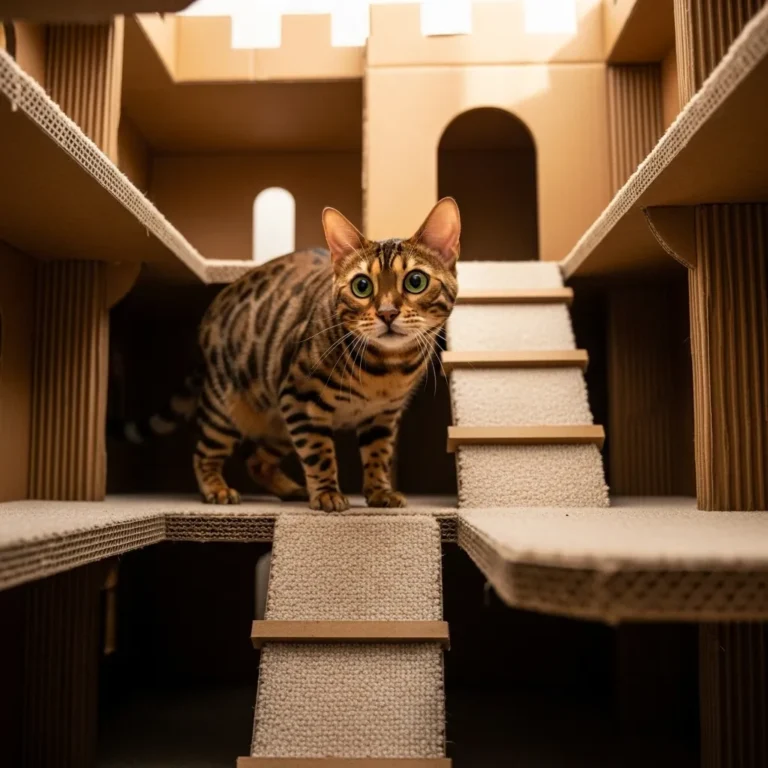
- Training and Enrichment: Channels dedicated to clicker training, puzzle feeders, and DIY cat furniture have popularized the concept of cat enrichment, moving beyond the basics of food and shelter to address their cognitive and physical needs. Discover DIY cat enrichment ideas to keep your feline engaged.
3. Fueling the “Pet Humanization” and Premium Product Economy
Cats are now seen as full-fledged family members, and social media drives consumer trends in pet care.
- Aesthetic and Lifestyle Products: The “catio,” designer wall shelves, minimalist litter boxes, and aesthetically pleasing food bowls are all products heavily showcased online. Owners are inspired to create beautiful, cat-friendly spaces that fit a human-design aesthetic.
- Health and Wellness Focus: Trends in human wellness, like probiotics and organic food, have crossed over. There’s heightened interest in high-protein, grain-free diets, water fountains to encourage hydration, and monitoring gadgets. Learn about choosing the right cat food for your pet’s specific needs.
- Breed Popularity Waves: Viral stars can cause sudden spikes in demand for specific breeds (like Scottish Folds after Maru, or Munchkins), a phenomenon that requires careful, ethical consideration from potential owners. It’s crucial to research breed-specific health issues before falling for a trend.
The Other Side of the Scratching Post: Criticisms and Ethical Concerns
The social media cat phenomenon isn’t without its shadows. As with any major cultural shift, critical questions arise.
- Animal Welfare vs. Content: The line between sharing a pet’s life and exploiting it for content is thin. Is a cat distressed by constant costumes, travel, or staged situations? Responsible creators prioritize their animal’s comfort and clearly show consent cues (a relaxed cat vs. a tense one). The welfare of pet influencers is a growing topic of debate.
- The Pressure of Aesthetics: The drive for the “perfect” Instagram cat may inadvertently promote selective breeding for extreme, sometimes unhealthy, physical traits or contribute to a bias against ordinary-looking cats.
- Impulse Adoption & Return Rates: The “cuteness overload” effect can trigger impulsive decisions to adopt without proper consideration of the 15-20 year commitment, potentially leading to returns or neglect. Our guide on cat adoption red flags helps ensure you’re fully prepared.
- Misinformation: While education is a benefit, bad advice can also spread quickly. A home remedy suggested in a comments section could be dangerous. Always cross-check information with trusted sources like veterinarians.
The Human Element: Why We Can’t Look Away
The psychology behind our collective cat content consumption is as fascinating as the cats themselves.
- Stress Relief and the “Cute Response”: Studies show that watching cat videos can boost energy, increase positive emotions, and decrease negative feelings. The phenomenon of kawaii (cuteness) triggers a caregiving response and a hit of dopamine.
- Parasocial Relationships: We form one-sided bonds with these online cats and their owners. Following their daily routines provides comforting, low-stakes companionship, a feeling that was especially valuable during periods of social isolation.
- Shared Identity and Community: Online cat groups provide spaces for owners to celebrate, grieve, and seek advice. Sharing a picture of a sick cat or a lost pet can mobilize a local community overnight. It transforms the solitary act of pet ownership into a communal experience.
The Future of Feline Digital Culture
Where do we go from here? The trajectory points toward deeper immersion.
- Live Streaming & Interactive Pets: The rise of treat-dispensing cameras and interactive toys means we may not just watch, but remotely play with cats.
- AR/VR and “Virtual Pets”: The lines may blur further with augmented reality experiences.
- Continued Advocacy: The tools for promoting welfare, adoption, and responsible ownership will only become more sophisticated and widespread.
The core of this evolution, however, will remain the same: the timeless, captivating allure of the feline spirit. Social media didn’t create our fascination with cats; it simply gave it a microphone, a camera, and a global stage.
Frequently Asked Questions (FAQ)
Q: Has social media been good or bad for cats overall?
A: The net effect appears largely positive, primarily due to increased adoption awareness and funding for shelters. However, it requires responsible consumption and creation to mitigate risks like impulse adoption or animal exploitation.
Q: Can my cat become “famous” on social media?
A: While the barrier to entry is low, consistent fame is rare and requires strategy, high-quality content, and often a unique “hook” or personality trait. The primary goal should always be sharing joy, not seeking fame.
Q: How can I use social media to help cats in my community?
A: Follow and share posts from local shelters, amplify lost/found pet notices, use your platform to educate about spay/neuter programs, and consider fostering to create shareable content that gets cats adopted.
Q: Are viral cat trends (like putting cucumbers behind cats) safe?
A: Often, no. Many viral “prank” trends can startle or stress cats. Always prioritize your cat’s well-being over content. When in doubt, consult resources on cat stress signs.
Q: How has social media changed veterinary medicine?
A: Vets often see owners bringing in questions or concerns inspired by online content. It can facilitate early detection but also requires vets to gently correct misinformation. Telehealth for pets has also grown.
Conclusion: A Culture Forever Changed
The journey of how social media changed cat culture is a mirror to our own digital evolution. It reflects our desire for connection, comfort, and community, projected onto our most enigmatic companions. Cats have transitioned from the shadows of our homes to the spotlight of our screens, teaching us about behavior, driving charitable action, and yes, providing an endless source of joy and humor.
This new culture demands mindfulness from choosing to adopt responsibly, to critically evaluating the content we consume and share. But at its heart, it celebrates the simple, profound bond between humans and cats, now amplified for the world to see. The story continues with every photo shared, every video posted, and every life changed because a cat’s purr, meow, or silly antics made its way from a living room to a global feed.
Explore more expert insights into cat behavior, care, and the fascinating world of feline companionship in our complete library of guides at Cat Bloom Haven. From understanding your cat’s unique personality to creating the perfect home environment, we’re here to help you nurture a happier, healthier life with your cat.