Choosing Cat Food: Your Ultimate Guide to What to Look for in Cat Food and Why It Matters More Than Ever
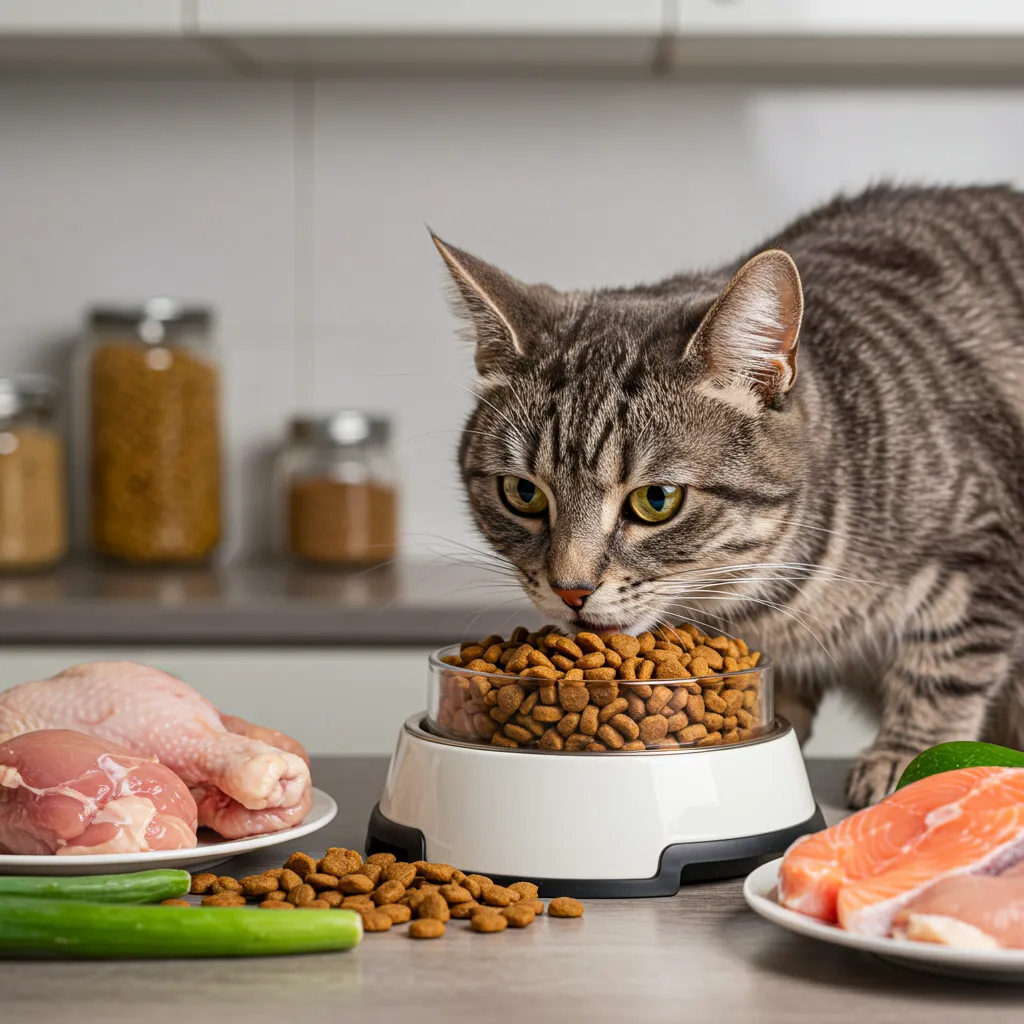
Hey there, fellow cat lover picture this: It’s 3 a.m., and your fluffy overlord is staring at you with those laser-focused eyes, demanding breakfast like it’s the end of the world. You stumble to the kitchen, grab the nearest bag or can, and pour it out. But here’s the kicker:
What if that “convenience” food is secretly sabotaging your cat’s energy, coat shine, or even long-term health? I’ve been there, staring at endless aisles of colorful labels promising “premium” everything, feeling like I’m decoding ancient hieroglyphs. Sound familiar?
If you’re like most cat parents, choosing cat food feels overwhelming. With flashy ads hyping grain-free miracles or “all-natural” wonders, it’s easy to second-guess every scoop. The real problem? Not all cat foods are created equal—some are loaded with fillers that leave your kitty undernourished, while others pack the punch they need to thrive. But here’s the good news:
This guide is your no-BS roadmap. Drawing from years of vet consultations, AAFCO standards, and real-world testing (yes, my own cats have been unwitting taste-testers), we’ll break down what to look for in cat food, spotlight the best cat food ingredients, and arm you with actionable steps to nail how to choose the right cat food. By the end, you’ll feel confident serving meals that fuel zoomies, not vet bills. Let’s pounce in!
Key Takeaways: Quick Wins for Smarter Cat Food Choices
Before we dive deep, here’s a cheat sheet to bookmark—because who has time for fluff when Whiskers is circling your ankles?
- Prioritize Protein Power: Aim for at least 30-40% protein from animal sources (think chicken, turkey, or fish). Cats are obligate carnivores—they need this for muscle maintenance and heart health.
- Scan for AAFCO Approval: Look for the label stating “complete and balanced” for your cat’s life stage. This ensures it meets nutritional essentials for cats like taurine (for vision) and omega-3s (for skin).
- Ditch the Junk: Avoid by-products, artificial preservatives (like BHA/BHT), and excessive carbs from corn or wheat. Opt for healthy ingredients in cat food like organ meats and cranberries instead.
- Life Stage Matters: Kittens need growth formulas (higher calories); seniors crave joint support. No one-size-fits-all here.
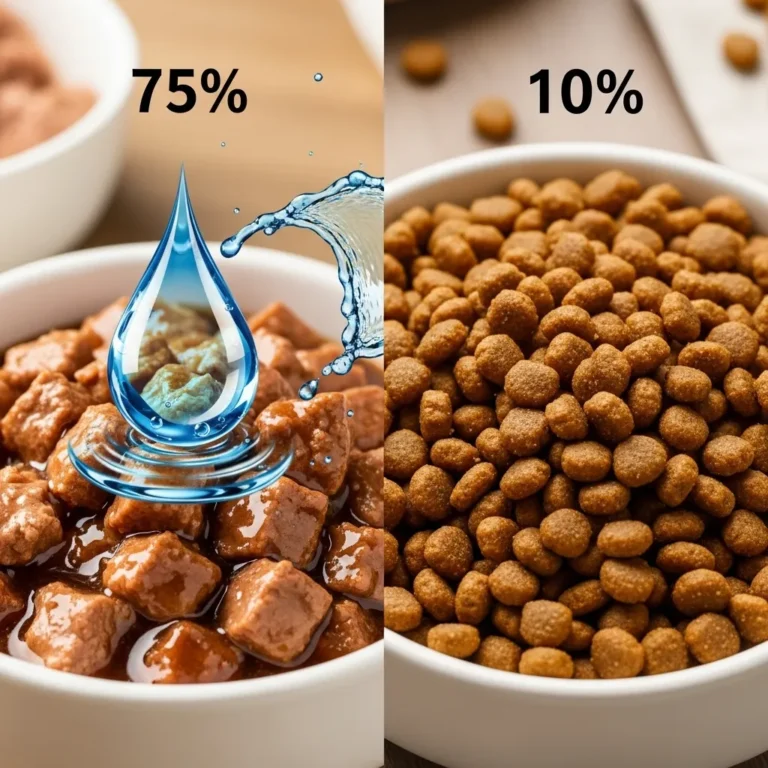
- Wet vs. Dry Debate: Wet food boosts hydration (crucial for kidney health); dry is convenient but watch for carbs. Mix ’em for the win.
- Budget Hack: Top brands like Purina Pro Plan or Hill’s Science Diet deliver quality without breaking the bank—often under $2 per day.
These nuggets alone could save you hours of label-reading regret. Now, let’s unpack why ingredients are the real MVP.
The Importance of Healthy Ingredients in Cat Food: Building Blocks for a Purring Powerhouse
Ever wonder why some cats bound around like caffeinated squirrels while others nap through life? It boils down to healthy ingredients in cat food. Cats evolved as hunters, not grazers, so their meals should mimic that—high in meaty goodness, low in plant fillers. Skimping here can lead to dull coats, weight woes, or worse, nutrient gaps like taurine deficiency (hello, heart risks).
What Ingredients Are Good in Cat Food? The Heroes Your Cat Craves
Focus on these best cat food ingredients to keep things feline-friendly:
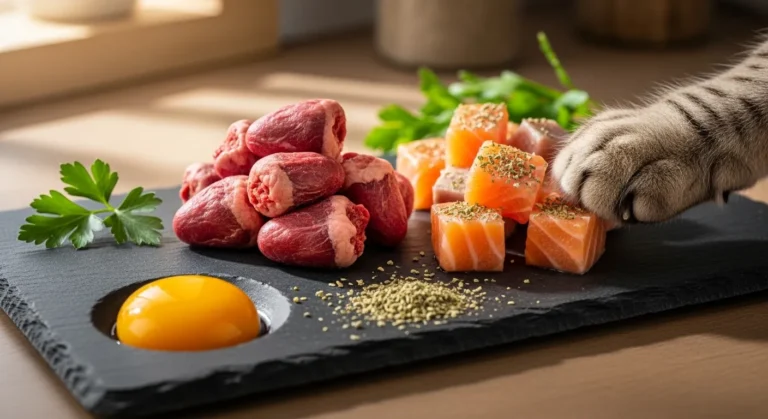
- Named Animal Proteins First: Chicken, turkey, salmon, or beef as the top ingredient. These deliver complete proteins with essential amino acids. Pro tip: Organ meats like liver or heart? Gold—they’re nutrient bombs packed with vitamins A and B12.
- Healthy Fats for Shine and Smarts: Fish oil or chicken fat for omega-3s and 6s. These fight inflammation, support brain function, and give that enviable glossy coat.
- Veggies and Fruits in Moderation: Pumpkin for digestion, cranberries for UTIs—what ingredients are good in cat food includes these as sidekicks, not stars. They add fiber without carb overload.
- Supplements That Stick: Taurine (minimum 0.1% for adults), glucosamine for joints, and probiotics for gut harmony.
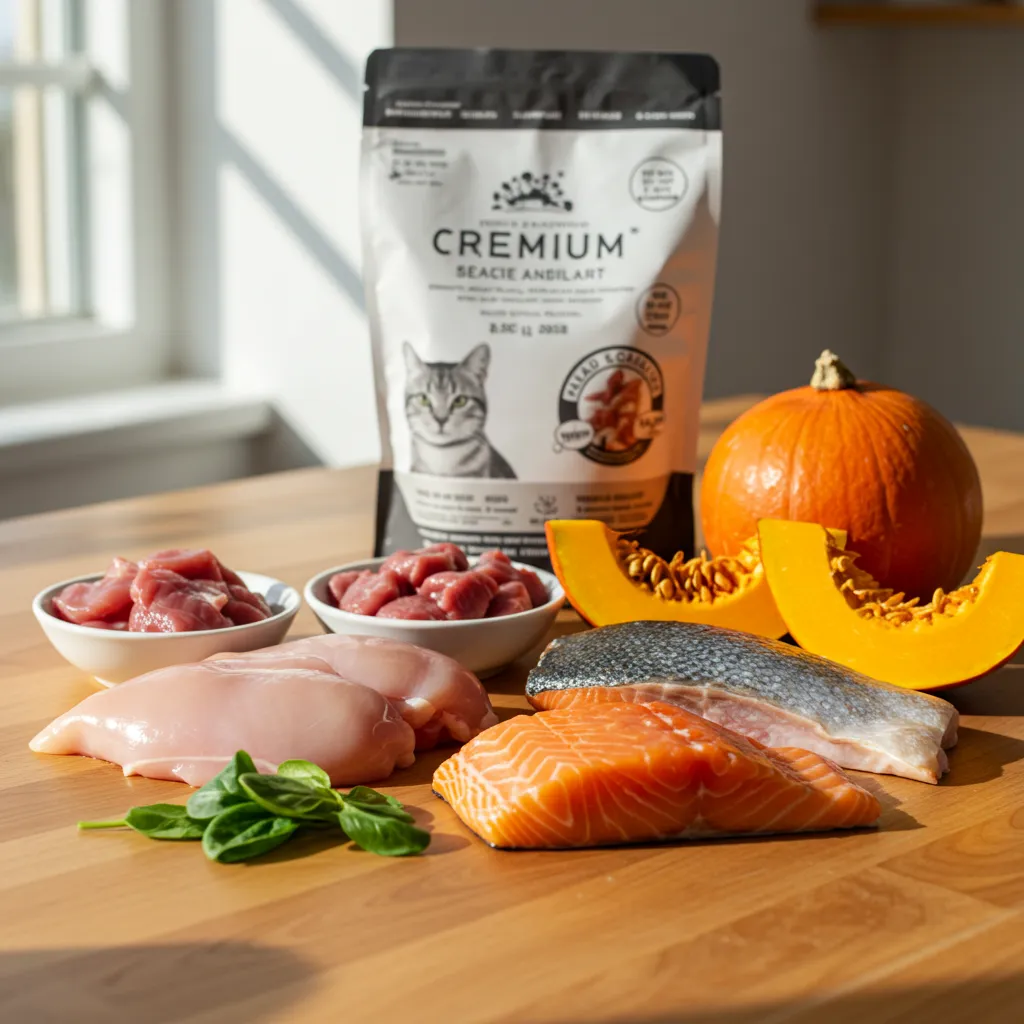
Real-life example: My tabby, Luna, used to have itchy skin from a cheap kibble heavy on corn. Switching to a formula with salmon oil and deboned chicken? Her dandruff vanished in weeks. Science backs it—studies show high-protein diets improve muscle mass in seniors by up to 20%.
Cat Food Without Fillers: Why Skipping the Junk Pays Off
Fillers like corn gluten or brewers rice? They’re cheap volume-boosters that spike blood sugar and add empty calories. Cat food without fillers means more nutrition per bite—think sustained energy, not crashes. A 2025 vet survey found cats on filler-free diets had 15% fewer digestive issues.
| Filler Red Flags | Why Avoid? | Better Swap |
|---|---|---|
| Corn/Wheat/By-Products | Low digestibility; potential allergens | Dehydrated chicken or peas (in moderation) |
| Artificial Colors/Preservatives | Linked to hyperactivity or cancer risks | Natural tocopherols (Vitamin E) |
| Excessive Sugars | Weight gain, diabetes trigger | Berries for natural sweetness |
Bottom line: Read labels like a detective. If the first five ingredients aren’t mostly meat, keep walking.
High Protein Cat Food: Fueling the Inner Hunter
High protein cat food isn’t a trend—it’s biology. Cats need 26-30% protein minimum (AAFCO), but aim higher for actives. Benefits? Leaner muscles, sharper focus, and fewer “senior slump” worries. Tiki Cat’s Born Carnivore line clocks 44% protein from chicken and organs—my test cats demolished it.
Pros of High-Protein:
- Energy Boost: Sustained playtime without the post-meal nap.
- Weight Management: Protein curbs hunger better than carbs.
- Heart Health: Taurine-rich meats prevent deficiencies.
Cons: Pricier (but worth it—$1.50/serving vs. $0.80 for low-protein). Overdo it without balance? Possible kidney strain in seniors—vet check first.
Understanding Different Types of Commercial Cat Food: Wet, Dry, and Everything In-Between
Types of cat food boil down to format, but each has perks. No holy grail—just what fits your routine and kitty’s quirks.
The Benefits of Dry Cat Food (Kibble): Crunchy Convenience Done Right
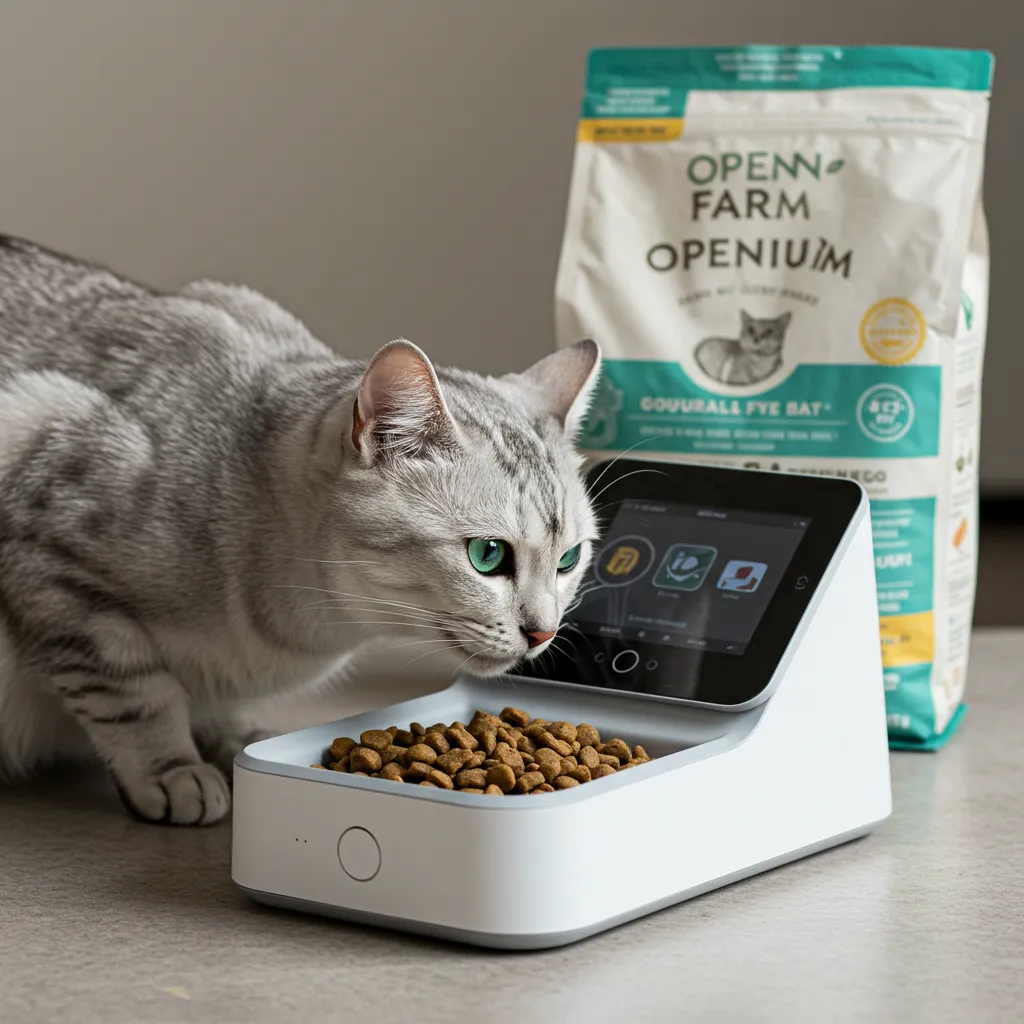
Best dry cat food 2025 picks like Open Farm Wild-Caught Salmon (42% protein) or Dr. Elsey’s Cleanprotein shine for dental scraping and affordability. Pros: Shelf-stable, portion-easy, and great for puzzles.
But watch carbs—kibble’s extrusion process amps them up. Tip: Soak in water for hydration. My multi-cat household swears by it for free-feeding without waste.
| Top Dry Picks 2025 | Protein % | Key Perk | Price/Serving |
|---|---|---|---|
| Open Farm Salmon | 42% | Ethical sourcing | $0.25 |
| Dr. Elsey’s Chicken | 59% | Ultra-high protein | $0.30 |
| Acana Grasslands | 35% | Grain-free variety | $0.28 |
The Appeal of Canned Cat Food: Moisture Magic for Thirsty Tabbies
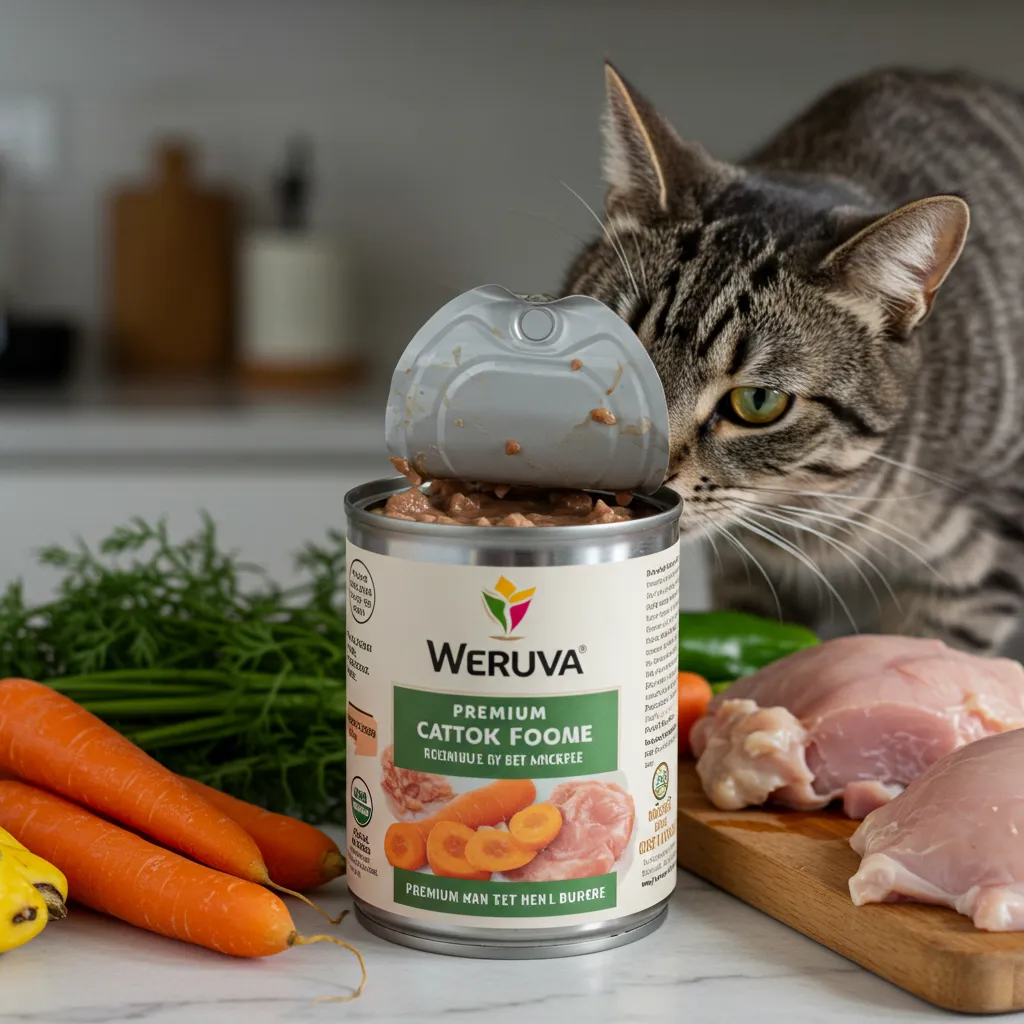
Best canned cat food brands like Weruva (high-protein shreds) or Fancy Feast Classics lead 2025’s pack. Wet food’s 78% moisture mimics prey, slashing urinary risks by 30%. Palatability? Off the charts—pates for picky eaters, gravies for slurpers.
Example: A client’s diabetic cat stabilized on Weruva’s low-carb pouches. Cons: Costlier ($0.40/serving), spoils faster. Hack: Buy multipacks.
Grain-Free Cat Food Benefits: Hype or Help?
Grain-free cat food benefits include easier digestion for sensitive guts and fewer allergies (rare but real in 1-2% of cats). 2025 reviews praise Nulo Freestyle for pea-free formulas avoiding DCM scares (no feline link, per FDA).
Risks? Higher pulses can unbalance taurine—stick to meat-heavy. My grain-free trial on allergy-prone Milo? Itchy spots gone.
Organic and Natural Cat Food: Pure as Nature Intended
Organic and natural cat food like Castor & Pollux Pristine (USDA-certified) skips pesticides for cleaner eats. Benefits: Fewer toxins, better eco-footprint. 2025 standout: Open Farm’s pasture-raised recipes.
| Organic Gems | Why It Rocks | Drawback |
|---|---|---|
| Castor & Pollux | 100% organic protein | Premium price ($0.50/serving) |
| Evanger’s Braised Chicken | Human-grade, affordable | Limited flavors |
Considering Life Stage-Specific Cat Food: Tailored Nutrition from Kitten to Senior
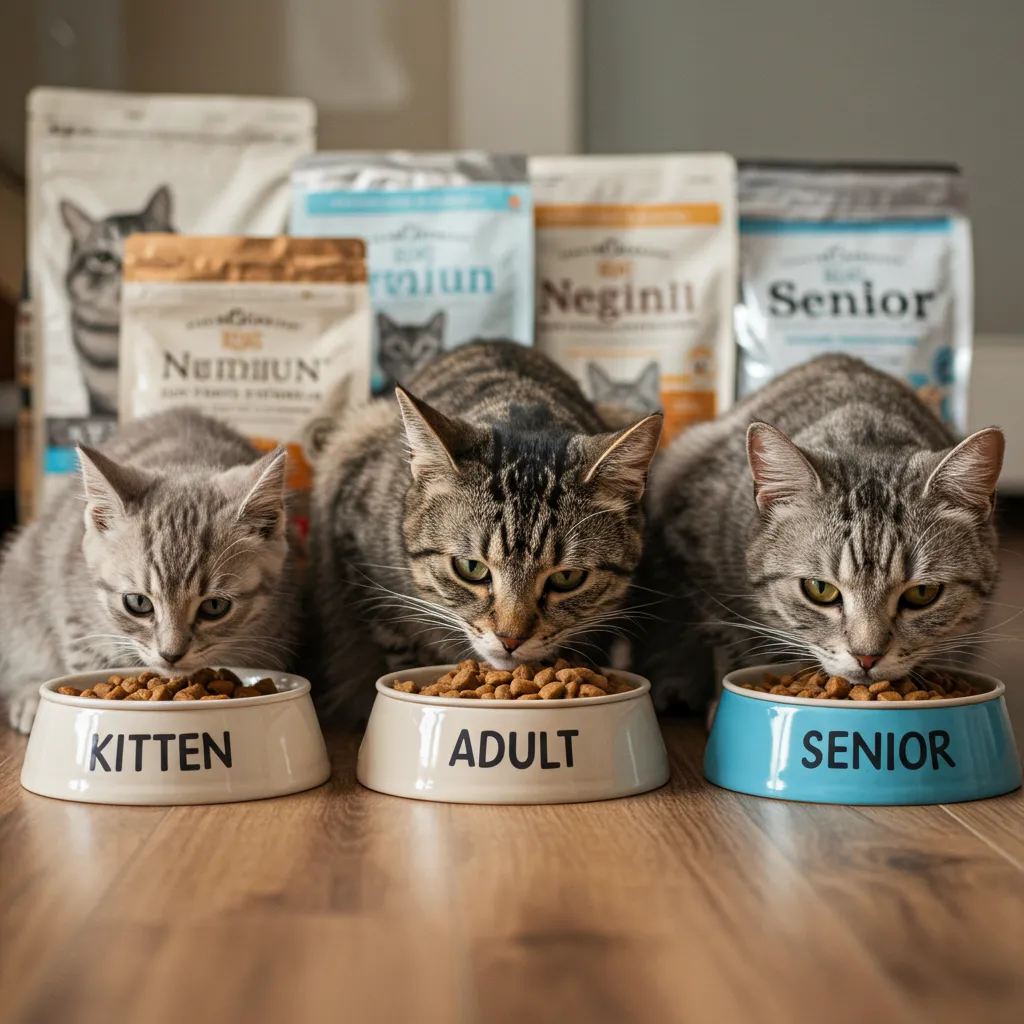
One food for all? Nah—life stage-specific cat food matches needs like outfits match moods.
Kitten Food vs Adult Cat Food: Growth Spurts Demand More
Kitten food vs adult cat food? Kittens need 30%+ protein and DHA for brain buds; adults maintain with 26%. Hill’s Science Diet Kitten (chicken-based) fueled my rescue litter’s wild play.
Step-by-Step Transition (4-12 Months):
- Week 1: 75% kitten, 25% adult.
- Week 2: 50/50.
- Gradual shift—monitor poops.
Senior Cat Food Comparison: Gentle on Joints, Kind to Kidneys
Senior cat food comparison favors lower phosphorus (for kidneys) and added glucosamine. Purina Pro Plan Senior (salmon) eased my 14-year-old’s arthritis—more laps, less limps.
| Brand | Protein % | Standout Feature |
|---|---|---|
| Purina Pro Plan | 41% | Joint support |
| Royal Canin Aging | 32% | Urinary health |
Best Cat Food for All Life Stages: Versatile Vibes
Best cat food for all life stages like Orijen Six Fish covers bases with 40% protein. Ideal for multi-cat homes.
Cat Food Nutrition Guide: Essentials, Tips, and a Healthy Cat Diet Plan
Your cat food nutrition guide: AAFCO mandates taurine (0.2% growth), arachidonic acid for skin. Cat food nutrition tips: Rotate proteins, add toppers like bone broth.
Healthy cat diet plan (Adult, 8lb cat):
- 70% wet (3oz/day), 30% dry (1/4 cup).
- Weekly: Fish for omegas, chicken for basics.
- Track weight—adjust calories (200-250/day).
How to ensure your cat gets the right nutrition: Vet checkups, portion control, fresh water.
Top Rated Cat Food Brands: 2025’s MVPs Backed by Vets and Reviews
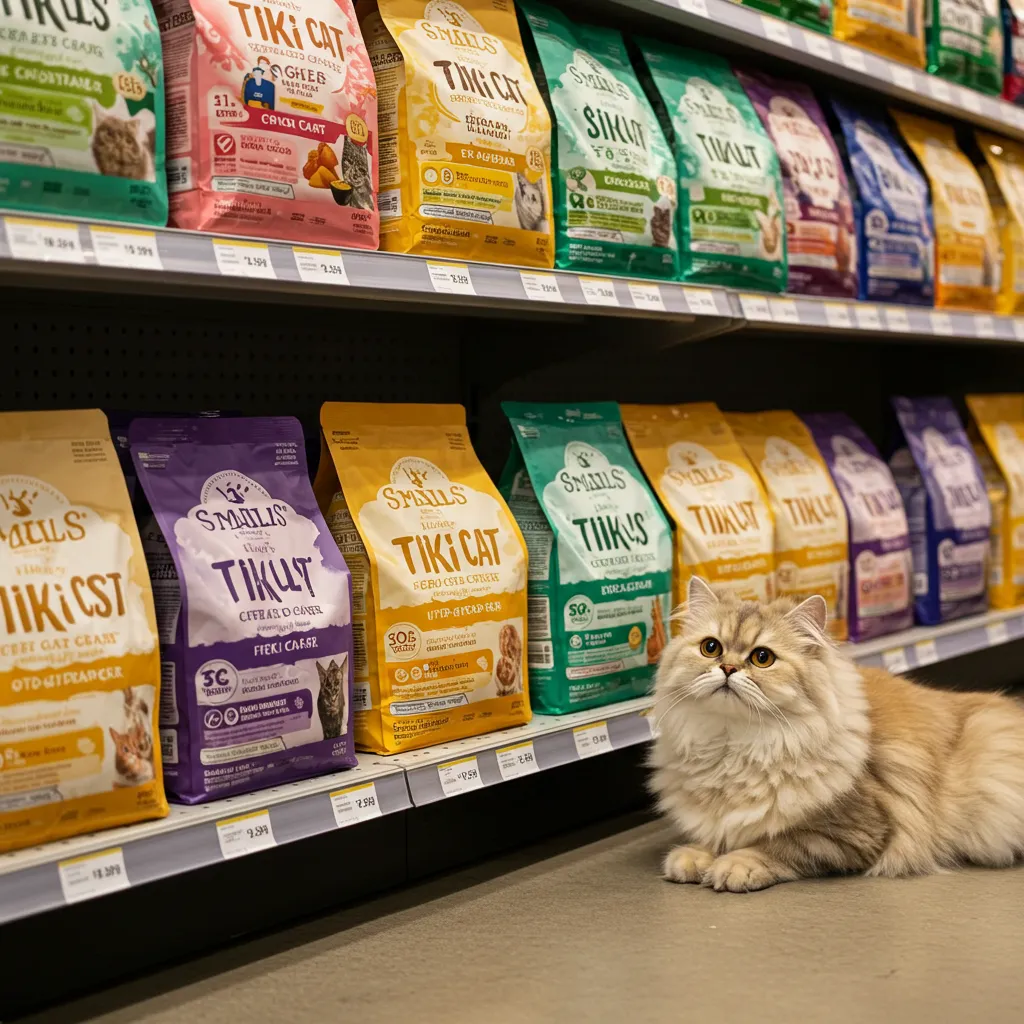
Top rated cat food brands per Cats.com and PetMD: Smalls (fresh, A-rated), Tiki Cat (wet wizard), Open Farm (ethical dry).
| Brand | Rating | Hero Product | Why Top? |
|---|---|---|---|
| Smalls | A+ | Human-Grade Fresh | 50% off first order |
| Tiki Cat | A | Born Carnivore | 44% protein, no recalls |
| Open Farm | A- | Salmon Dry | Sustainable, transparent |
How to Choose the Right Cat Food: Your Foolproof Step-by-Step Playbook
- Assess Life Stage/Health: Kitten? Growth formula. Overweight? Low-cal.
- Read Labels Ruthlessly: Meat first, AAFCO stamp.
- Test Drive: Small bags—watch for acceptance and stools.
- Budget Balance: $1-2/day gets quality (e.g., Dave’s Pet Food).
- Vet Vibe Check: Annual consults tweak as needed.
Pro tip: Apps like Pet Nutrition Alliance scan labels.
FAQ: Your Burning Cat Food Questions, Answered Snappily
What Should I Look for in Cat Food?
High animal protein (30%+), AAFCO balance, minimal fillers. Prioritize named meats and moisture.
What Are the Best Cat Food Ingredients?
Deboned chicken, organs, fish oil, taurine. Skip by-products and grains if sensitive.
How Do I Choose the Right Type of Cat Food?
Match life stage: Wet for hydration, dry for convenience. Mix for best results.
What Is Life Stage-Specific Cat Food?
Formulas tuned for growth (kittens), maintenance (adults), or aging (seniors)—e.g., higher calories for babies.
How Can I Ensure My Cat Gets the Right Nutrition?
AAFCO-approved food, portion control, vet monitoring. Rotate proteins for variety.
Wrapping It Up: Purr-fect Meals Start with Knowledge and a Little Love
Whew—we’ve covered the gamut from choosing cat food basics to senior cat food comparison deep dives, all to arm you against the snack aisle chaos. Remember: The goal isn’t perfection; it’s progress toward a diet that sparks tail flicks and midnight serenades. Your cat’s wagging gratitude? Priceless.