How to Soften Dry Cat Food: Easy Tips and Tricks for Happier Cats
Dry cat food is a popular choice for its convenience and long shelf life, but some cats—especially kittens, senior cats, or those with dental issues—may struggle to eat it. Softening dry cat food can make mealtime more enjoyable and easier for your feline friend. Whether you’re looking to make dry food easier for cats to eat or exploring alternatives to dry cat food, this guide covers quick, practical methods to soften cat kibble effectively.
Why Soften Dry Cat Food?
Some cats find hard kibble tough to chew, especially if they’re young, elderly, or have dental problems. Softening cat food improves digestibility, enhances flavor, and ensures your pet stays hydrated. Below, we’ll explore simple tricks to make dry cat food soft, including cat food soaking methods and creative alternatives.
Quick Tips to Soften Cat Food with Water
Mixing water with dry cat food is one of the easiest and most effective ways to soften it. Here’s how to do it:
- Measure the Right Amount: Pour your cat’s usual portion of dry kibble into a bowl.
- Add Warm Water: Use warm (not hot) water to soften the kibble without cooking it. Start with a small amount, like 1-2 tablespoons per cup of kibble.
- Let It Soak: Allow the kibble to sit for 5-10 minutes. The kibble will absorb the water, becoming softer and easier to chew.
- Stir and Serve: Mix the kibble to ensure even softening, then serve immediately to keep it fresh.
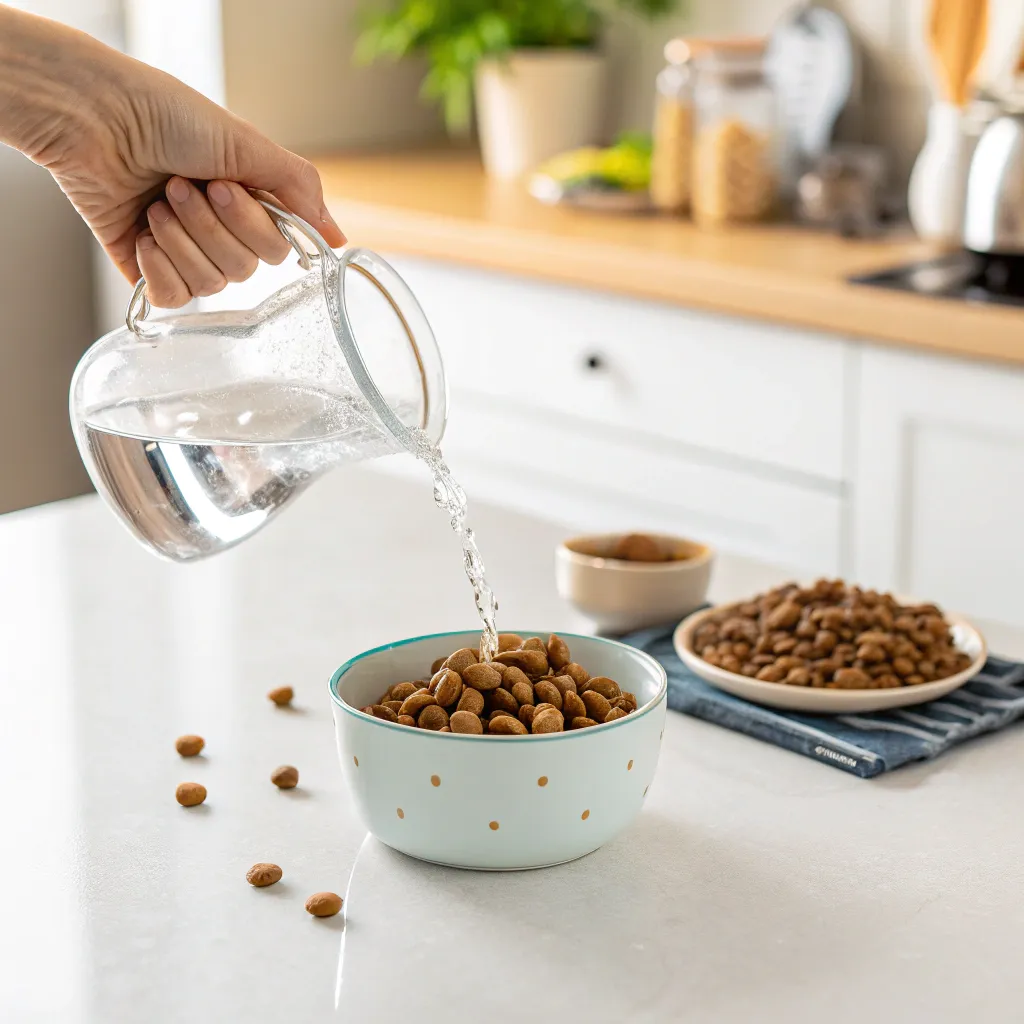
This method is quick, budget-friendly, and works for cats of all ages, including senior cat food softening.
Enhance Flavor with Broth or Gravy
For picky eaters or cats who need extra enticement, try using low-sodium broth or gravy to soften dry cat food. Here’s how:
- Choose Cat-Safe Broth: Opt for low-sodium chicken, beef, or fish broth with no added onions, garlic, or spices.
- Pour Over Kibble: Add a small amount of broth (1-2 tablespoons per serving) to the dry food.
- Let It Sit: Allow 5-10 minutes for the kibble to soak up the liquid, making it soft and flavorful.
- Check Temperature: Ensure the broth is warm or at room temperature before serving to avoid burns.
This method not only softens the kibble but also adds a tasty twist that can make mealtime exciting for your cat.
Soft Food for Cats: Blending Dry Kibble into a Paste
If your cat needs an even softer texture, blending dry cat food into a paste is a great option, especially for kittens or cats with severe dental issues. Follow these steps:
- Soak the Kibble First: Add warm water or broth to the kibble and let it sit for 10 minutes.
- Blend to a Paste: Use a blender or food processor to grind the softened kibble into a smooth consistency.
- Adjust Texture: Add more liquid if needed to achieve the desired thickness.
- Serve Immediately: Blended food should be consumed right away to maintain freshness.
This method is ideal for transitioning kittens to solid food or helping senior cats with chewing difficulties.
Softening Dry Cat Food for Kittens
Kittens often need softer food as their teeth are still developing. Here are tailored tips for softening dry cat food for kittens:
- Use Warm Water: Soak kibble in warm water for 5-10 minutes to make it mushy and easy to eat.
- Try Kitten Formula: Mix dry kitten food with kitten milk replacement formula for added nutrition and softness.
- Consult a Veterinarian: If your kitten struggles to eat softened kibble, check with a vet to ensure they’re getting proper nutrition.
Always introduce softened food gradually to avoid upsetting your kitten’s stomach.
Senior Cat Food Softening Tips
Older cats may have dental issues or reduced appetite, making softened food a game-changer. Here’s how to make dry food easier for senior cats to eat:
- Warm Water or Broth: Use warm water or low-sodium broth to soften kibble, as described above.
- Smaller Portions: Serve smaller, more frequent meals to encourage eating.
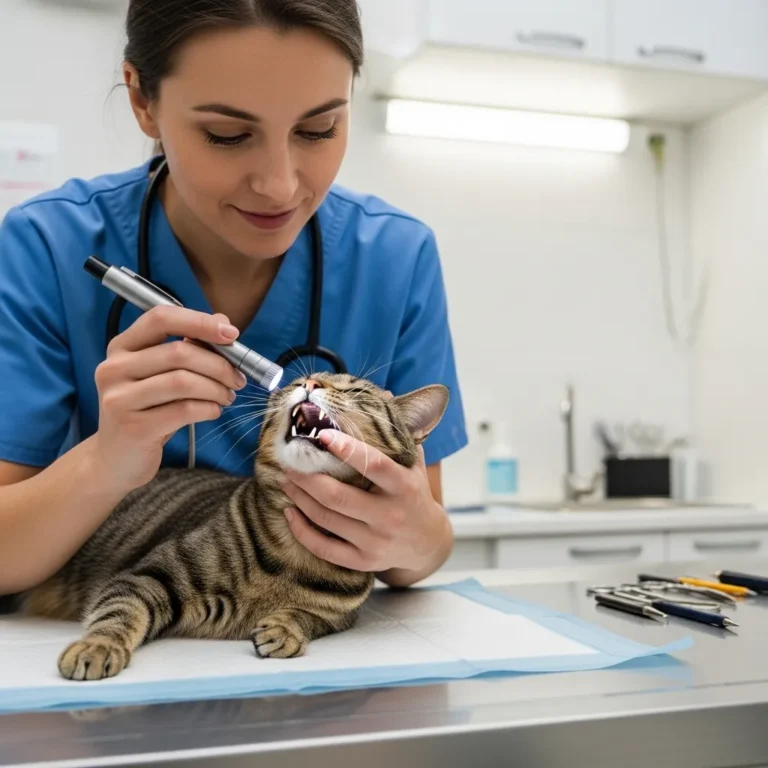
- Check Dental Health: If your senior cat avoids even softened food, consult a vet to rule out dental pain or other health issues.
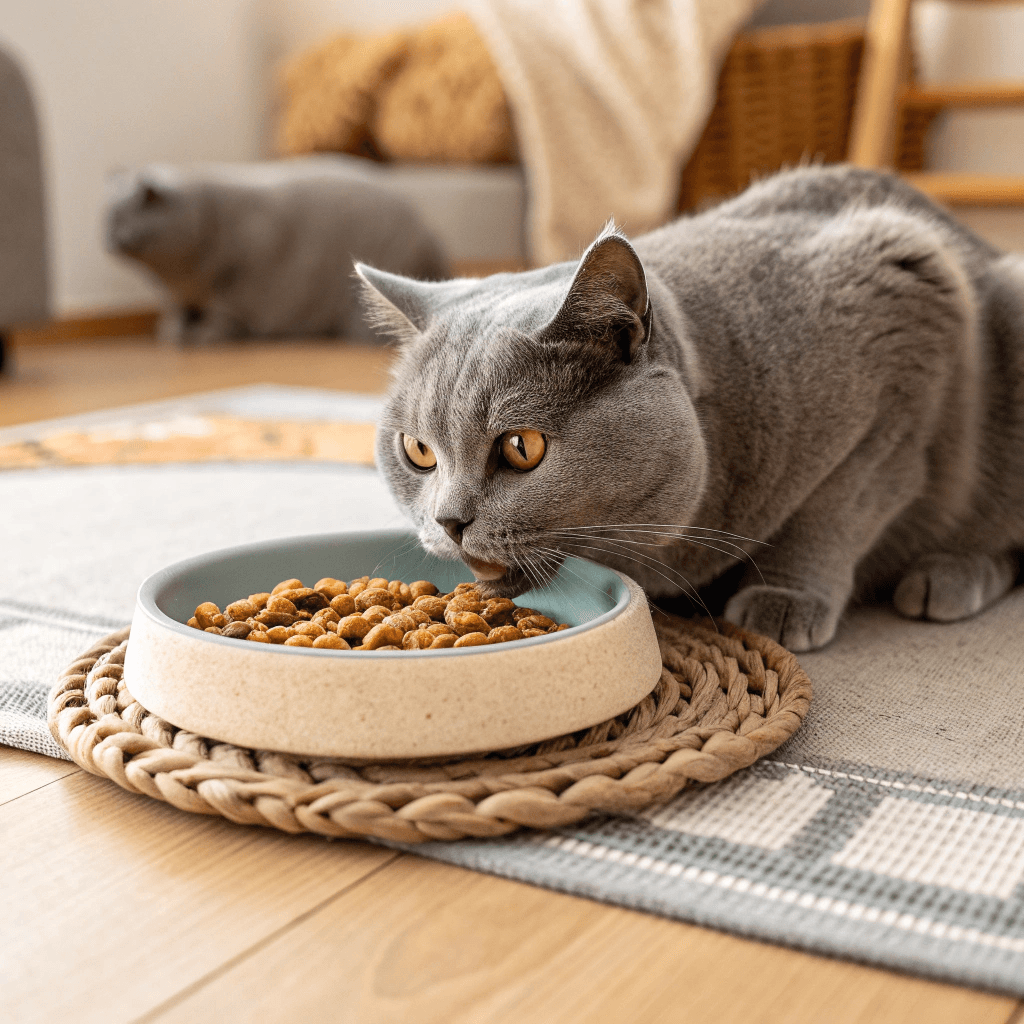
Softening kibble can help senior cats maintain their weight and enjoy mealtime again.
Alternatives to Dry Cat Food
If softening dry cat food isn’t working for your cat, consider these alternatives:
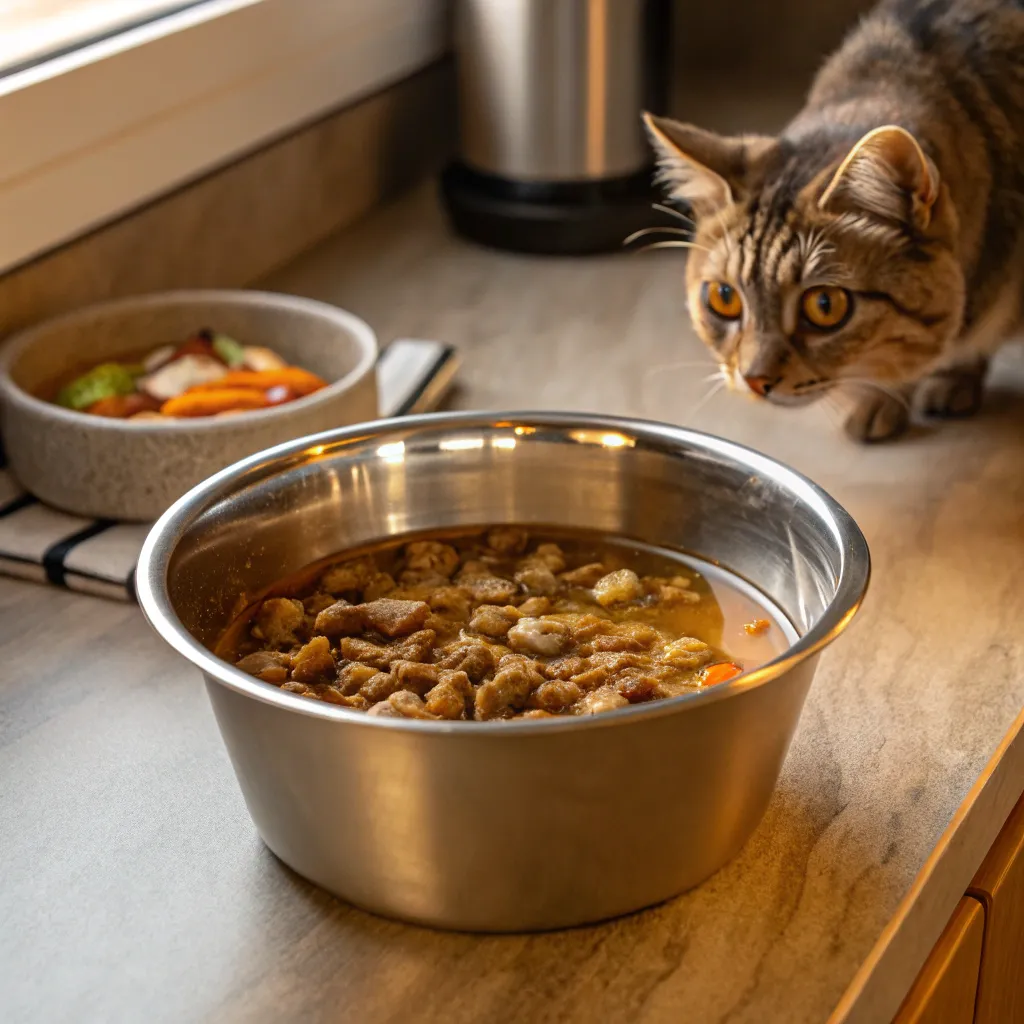
- Wet Cat Food: Canned food is naturally soft and hydrating, ideal for cats who struggle with kibble.
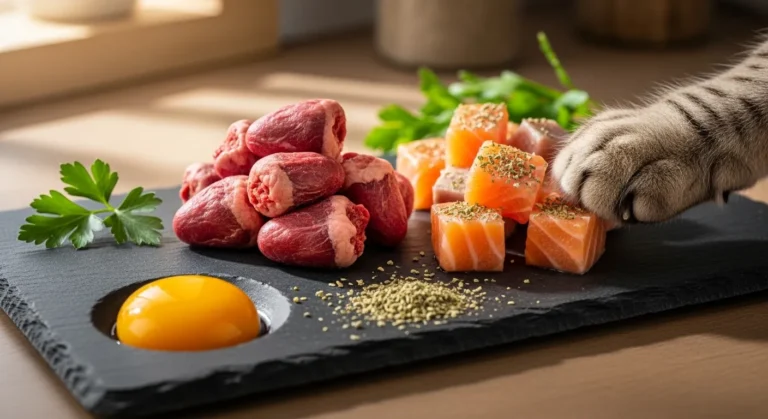
- Homemade Cat Food: With vet approval, you can prepare soft, nutritious meals using cat-safe ingredients like cooked chicken or fish.
- Semi-Moist Cat Food: These are softer than kibble but less perishable than wet food, offering a middle ground.
Always transition to new foods gradually to avoid digestive upset, and consult your vet for dietary recommendations.
Key Takeaways
- Mixing water with dry cat food is a quick and simple way to soften kibble.
- Low-sodium broth or gravy adds flavor while softening dry food.
- Blending soaked kibble creates a paste, perfect for kittens or cats with dental issues.
- Senior cats and kittens benefit most from softened food due to chewing difficulties.
- Alternatives like wet or semi-moist cat food can replace dry kibble if needed.
Frequently Asked Questions
How can I soften dry cat food quickly?
Add warm water or low-sodium broth to the kibble and let it soak for 5-10 minutes. Stir before serving.
What are the best ways to moisten dry cat food?
Use warm water, low-sodium broth, or kitten formula to soften kibble. Blending into a paste works for cats needing a smoother texture.
Can I use a blender to soften dry cat food?
Yes, soak the kibble first, then blend it with water or broth to create a soft paste.
Why soften dry cat food?
Softening kibble helps kittens, senior cats, or those with dental issues eat more comfortably while improving hydration and flavor.
How do I soften dry cat food for kittens?
Soak kibble in warm water or kitten formula for 5-10 minutes to make it soft and easy to chew.
By using these simple tricks to make dry cat food soft, you can ensure your cat enjoys their meals while staying healthy and hydrated. Always monitor your cat’s response to new textures and consult a veterinarian for personalized advice.