The Lifelong Feast: A Complete Guide to Building a Long-Term Nutrition Plan for Lifelong Cat Health
Every cat owner shares a silent wish: to see their feline companion thrive through kittenhood, middle age, and into their golden years. The cornerstone of this wish isn’t found in the most expensive toy or the fluffiest bed it’s in the bowl you fill each day. Crafting a long-term nutrition plan for lifelong cat health is the single most impactful decision you will make for your cat’s vitality, longevity, and daily joy.
This isn’t about a temporary diet; it’s about architecting a foundation of wellness that adapts and supports your cat from their first pounce to their last peaceful nap. This guide moves beyond generic feeding advice to provide a strategic, stage-by-stage blueprint for nutritional success that outperforms fleeting trends and builds genuine, lasting health.
Why a Long-Term Vision for Cat Nutrition is Non-Negotiable
Cats are obligate carnivores with biological needs fine-tuned over millennia. Their bodies are designed to derive specific nutrients like taurine, arachidonic acid, and pre-formed vitamin A primarily from animal tissue. A short-sighted feeding approach, swinging between random brands or reacting to health crises, creates a cycle of stress on their system. A deliberate, long-term nutrition plan proactively supports:
- Metabolic Harmony: Consistent, appropriate nutrient intake helps regulate weight, blood sugar, and thyroid function.
- Organ Reserve: High-quality protein and controlled phosphorus levels support kidney and liver health, building resilience for senior years.
- Skeletal & Muscular Integrity: Balanced calcium, phosphorus, and protein maintain strength and mobility.
- Immune Competence: Antioxidants, vitamins, and minerals from a stable, high-quality diet fortify the body’s defenses.
Without a plan, we risk the slow creep of obesity, the early onset of dental disease, and the vulnerability to chronic conditions like diabetes or kidney disease. Your cat’s lifelong cat health is a cumulative result of thousands of daily meals. Let’s make each one count.

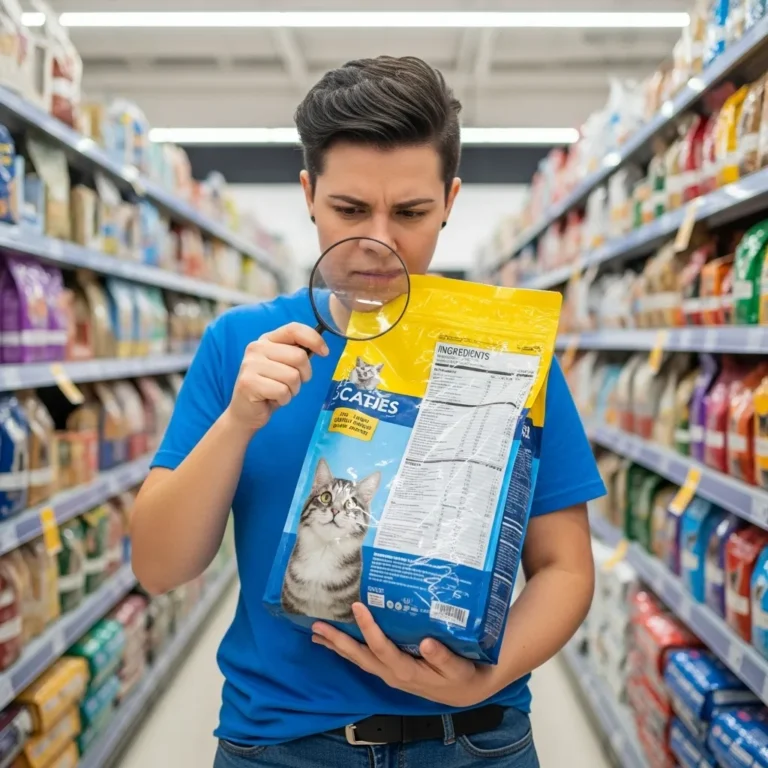
Decoding the Fine Print: How to Read a Cat Food Label Like a Pro
Before building your plan, you must become fluent in the language of labels. The ingredient list and nutritional adequacy statement are your primary tools.
1. The Ingredient List – It’s About Quality, Not Just Order.
Ingredients are listed by weight. Look for a named animal protein (e.g., chicken, salmon, duck) as the first ingredient. Be wary of vague terms like “meat by-products” or “animal digest.” While not inherently bad, they lack transparency. Our guide on how to read cat food labels dives deeper into interpreting every line.
2. The Guaranteed Analysis – The Numbers Game.
This shows minimum percentages of protein and fat, and maximum percentages of fiber and moisture. For accurate comparison between wet and dry food, you must convert these to a “dry matter basis.” A wet food with 10% protein and 78% moisture has a far higher protein concentration than it appears.
3. The Nutritional Adequacy Statement – The Most Important Line.
This AAFCO statement confirms the food is complete and balanced for a specific life stage (e.g., “for growth,” “for maintenance,” “for all life stages”). This is non-negotiable for a long-term nutrition plan.
4. Understanding “Grain-Free,” “Natural,” and Other Buzzwords.
Marketing terms are not regulated definitions. “Grain-free” does not automatically mean low-carb or better. Some cats may have genuine cat food sensitivities, but grains are not a common allergen. Focus on the substantive nutritional data, not the front-of-bag claims.
The Life Stage Blueprint: Adapting Your Plan from Kitten to Senior
A static diet fails a dynamic creature. Your long-term nutrition plan must evolve.
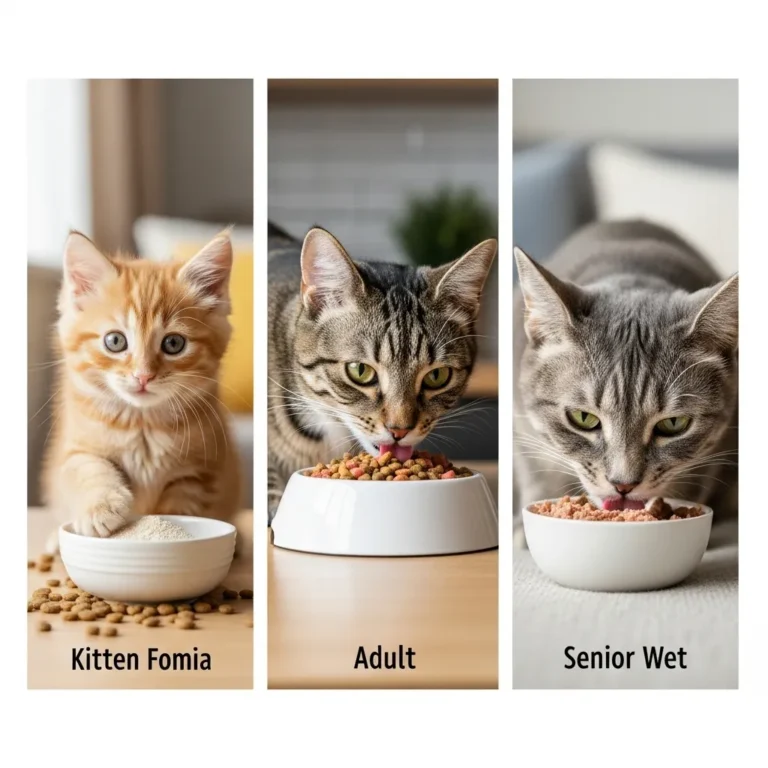
The Kitten Foundation (0-12 Months)
This is the period of rapid growth and neurological development. Calories and nutrients are needed to build a robust frame and immune system.
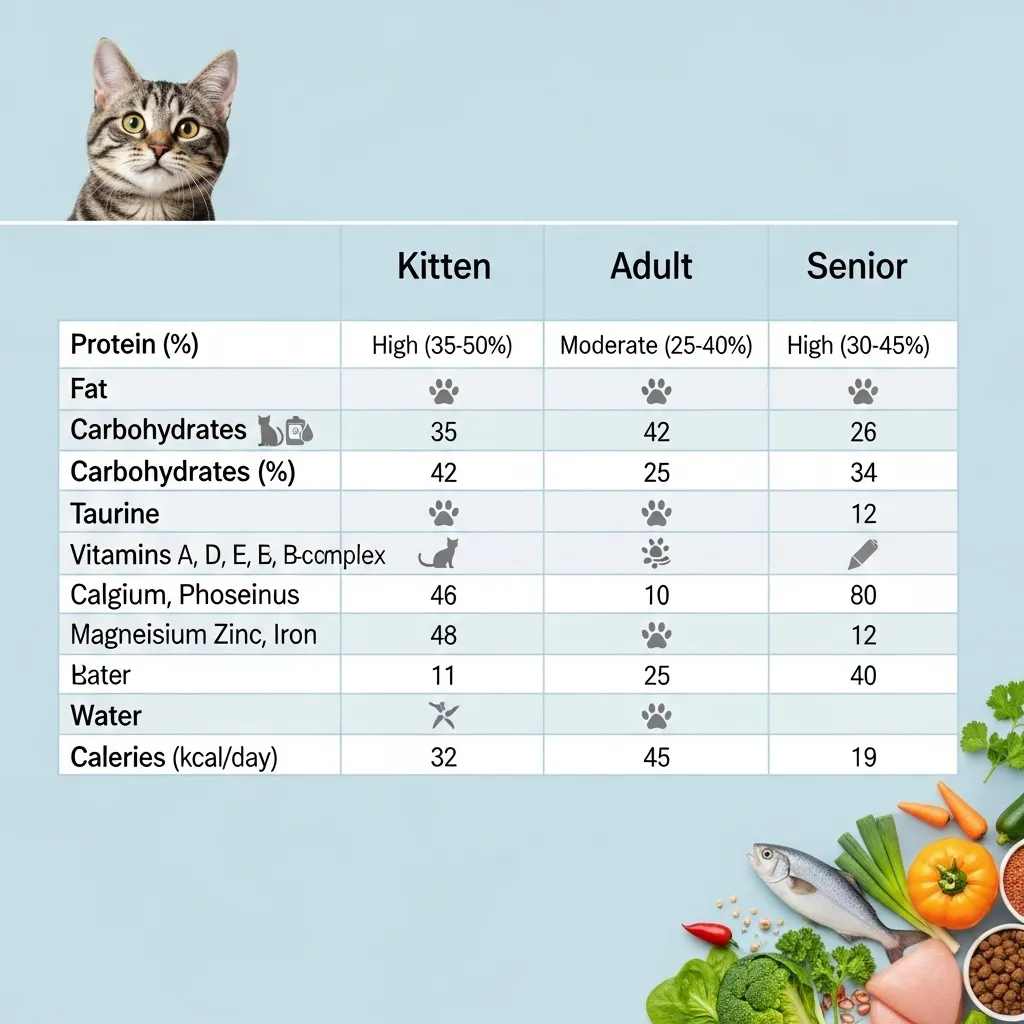
- Key Needs: High-calorie density, elevated protein (>30% dry matter), DHA for brain/vision development, and precise calcium-to-phosphorus ratios.
- Feeding Strategy: Free-feeding high-quality kitten kibble is often acceptable, supplemented with scheduled wet food meals to establish routine and boost hydration.
- Transition Tip: When shifting to adult food at around 12 months, do it gradually over 7-10 days to avoid gastrointestinal upset.
Adult Maintenance (1-7 Years)
The goal is to maintain ideal body condition and prevent the slow weight gain that leads to obesity.
- Key Needs: Moderate, high-quality protein, controlled calories, and nutrients that support urinary tract health, especially for indoor cats.
- Feeding Strategy: Portion control is critical. Use a measuring cup or scale. Establish set meal times (2-3 per day) rather than free-feeding. This is the perfect stage to solidify a mixed feeding routine (wet + dry). Explore our cat portion control guide for precise calculations.
- Weight Watch: Regularly assess your cat’s body condition score. You should be able to easily feel (but not see) their ribs.
The Senior & Geriatric Shift (7+ Years)
Metabolism slows, muscle mass may decrease, and organ function requires gentle support. Senior is not a disease, but a stage requiring vigilance.
- Key Needs: Highly digestible protein to preserve muscle mass, controlled phosphorus for kidney support, increased fiber for digestion, and joint-supporting nutrients like glucosamine.
- Feeding Strategy: Calories may need to decrease, but protein quality must remain high. Appetite can wane, so palatability and smell become important. Consider warming wet food. Hydration is paramount; encourage water intake with fountains or broths. For specific advice, see our guide on what to feed an older cat losing weight.
The Core Dilemma: Wet Food vs. Dry Food in Your Long-Term Plan
The debate is ongoing, but for a lifelong cat health strategy, the answer is almost always: incorporate both.
Wet Food: The Hydration Powerhouse.
- Pros: High moisture content (70-80%) supports urinary tract health and kidney function. Typically higher in protein, lower in carbohydrates. Can aid in weight management due to satiety.
- Cons: More expensive, less convenient, and can contribute to dental plaque if not supplemented with dental care.
Dry Food: The Convenience & Dental Tool.
- Pros: Energy-dense, convenient for portion control and free-feeding (in adults, with caution). Some kibble is designed for dental health through mechanical scraping.
- Cons: Low moisture content, which is physiologically unnatural for cats. Often higher in carbohydrates.
The Winning Strategy: A Mixed Feeding Model.
Use scheduled wet food meals as the nutritional and hydration anchors of your day. Use a measured amount of high-quality dry food in a puzzle feeder or for controlled grazing. This balances the benefits of both. Our analysis in wet vs. dry cat food nutrition provides a detailed breakdown to inform your plan.
Special Considerations: Building a Plan for Unique Needs
A long-term nutrition plan must be personal. Consider these common scenarios:
- The Indoor Cat: Less active, prone to weight gain and hairballs. Prioritize weight management formulas, increased play, and foods with fiber to manage hairballs. Learn about managing hairballs through nutrition.
- The Prone-to-Urinary Issues Cat: Non-negotiable high moisture intake. Prescription or urinary-specific diets may be necessary. Stress reduction is also key.
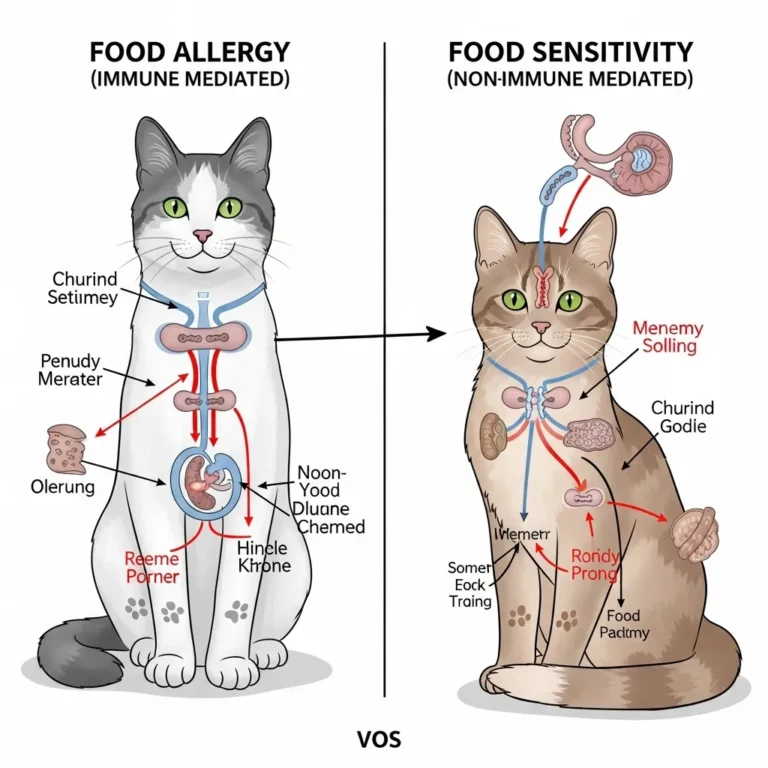
- The Food-Sensitive Cat: Requires a limited-ingredient diet or novel protein source (e.g., duck, rabbit). Always implement an elimination diet under veterinary guidance.
- The Diabetic Cat: Requires a high-protein, low-carbohydrate diet with extremely consistent meal timing, often paired with insulin. Never adjust a diabetic cat’s diet without your vet.
The Supplements Question: Necessary or Redundant?
If you are feeding a high-quality, AAFCO-approved commercial diet, most supplements are unnecessary and can be harmful. Two key exceptions:
- Omega-3 Fatty Acids (Fish Oil): Beneficial for skin/coat health, joint inflammation, and kidney support. Consult your vet for dosage.
- Probiotics: Can be helpful during antibiotic use, stress, or digestive upset.
Always consult your veterinarian before introducing any supplement.
Implementing Your Plan: Practical Steps for Success
- Vet as Partner: Start with a comprehensive health check. Your vet can identify breed-specific risks (e.g., Maine Coons and heart health) and establish a baseline.
- The Transition: Always change food gradually. Mix increasing amounts of the new food with the old over 7-10 days.
- Routine is King: Cats thrive on predictability. Feed at the same times, in the same quiet location.
- Hydration Infrastructure: Provide multiple clean water sources away from food bowls. Consider a cat water fountain, as cats are drawn to moving water.
- Monitor & Adapt: Weigh your cat monthly. Watch for changes in appetite, water consumption, litter box habits, and energy. These are your first clues to adjust the plan.
Frequently Asked Questions (FAQ)
Q: How often should I change my cat’s food brand?
A: There’s no need to rotate brands for “variety” if the food is nutritionally complete. Sudden changes can cause upset. Consistency within a well-formulated plan is better for long-term cat health. Change only if there’s a medical reason, a recipe alteration, or a loss of quality.
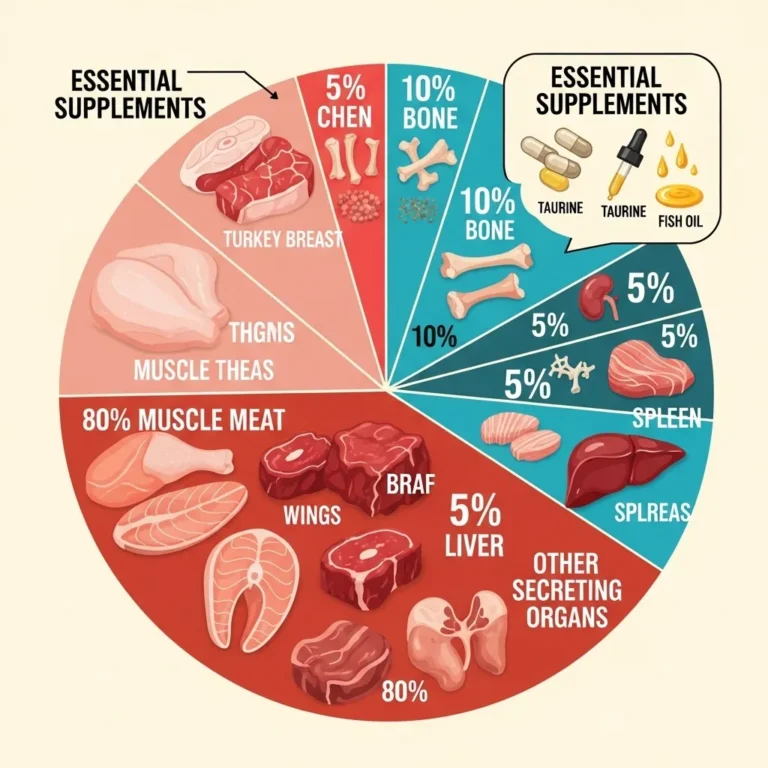
Q: Is a raw diet the best option for lifelong health?
A: Raw diets carry significant risks of bacterial contamination and nutritional imbalance if not formulated meticulously. While some advocate for them, they require extensive research and veterinary supervision. We explore the pros and cons in our raw diets for cats guide.
Q: My cat is a picky eater. How do I stick to a plan?
A: Pickiness is often a behavioral issue. Rule out medical problems first. Then, establish set meal times (20-30 minutes), remove uneaten food, and avoid topping with treats. They will learn to eat what is offered. Using a scheduled cat feeding schedule can establish healthy habits.
Q: How much water should my cat actually drink?
A: A general guideline is 1 ounce of water per pound of body weight per day, but much of this can come from food. Cats on wet food get most of their hydration from their diet. Monitor for increased drinking, which can signal illness.
Q: When should I switch my cat to a senior diet?
A: This is based on health, not just age. Around 7-10 years, discuss a senior wellness check and diet evaluation with your vet. Look for foods labeled for “senior” or “mature” cats, which are formulated for easier digestion and organ support.
Conclusion: The Journey of a Thousand Meals
Building a long-term nutrition plan for lifelong cat health is an act of profound care. It is a commitment to observing, learning, and adapting to the needs of your unique feline friend throughout their journey. It moves you from a passive feeder to an active nutritional steward. By combining the science of feline needs with the art of individualized care, you create more than just a feeding schedule you create the foundation for a longer, healthier, and more vibrant life together.
The path is clear: start with a veterinary partnership, master label literacy, embrace life-stage adjustments, prioritize hydration, and commit to consistent, quality nutrition. Your cat’s future vitality is served one intentional meal at a time.
Ready to dive deeper into every aspect of feline well-being? Explore our comprehensive library of expert guides on cat care, behavior, and nutrition at *Cat Bloom Haven. From *cat hydration tips* to *managing cat weight, we’re here to help you build the happiest, healthiest life with your cat.