Why Protein Quality Matters More Than Quantity in Cat Food: The Expert’s Guide to Nourishing Your Feline
For decades, cat owners have scanned pet food labels looking for one number above all others: the protein percentage. We’ve been conditioned to believe that higher protein automatically means better nutrition. But what if this singular focus is leading us astray? What if the secret to your cat’s vitality, sleek coat, and long-term health isn’t about how much protein they eat, but what kind?
The truth is, not all protein is created equal. Feeding your cat a diet with 40% protein from low-quality, poorly digestible sources can be far less beneficial than a 30% protein diet made from premium, bioavailable ingredients. This distinction between protein quantity and protein quality represents the most critical and often overlooked aspect of feline nutrition.
In this comprehensive guide, we’ll dismantle the protein percentage myth and explore why protein quality matters more than quantity in cat food. You’ll learn how to decode labels, identify superior protein sources, and make informed choices that support your cat’s health from the inside out.
Key Takeaways: What Every Cat Owner Needs to Know First
Before we dive deep, here are the essential facts about feline protein needs:
- Cats are obligate carnivores, meaning they require animal-based protein to thrive. Their bodies are designed to use protein for energy, not just muscle maintenance.
- Biological Value (BV) matters more than crude protein percentage. BV measures how efficiently a protein source is used by the body. Egg white has a BV of 100, while some plant proteins fall below 50.
- Amino acid profile is non-negotiable. Taurine, arginine, methionine, and lysine must come from the diet. Low-quality protein may lack these in adequate amounts.
- Digestibility determines utilization. Protein your cat can’t digest is wasted and can strain the kidneys. High-quality proteins are typically 85-95% digestible.
- More isn’t always better. Excessive protein from poor sources can burden renal function without providing nutritional benefits.
Understanding these fundamentals changes how you shop for cat food forever. Let’s explore why.
The Biological Imperative: Why Cats Need Superior Protein
Cats aren’t small dogs with different preferences. They have a unique metabolic design that dates back to their desert-dwelling ancestors who consumed prey consisting of approximately 50-60% protein, moderate fat, and minimal carbohydrates. Their liver enzymes are constantly active in gluconeogenesis creating glucose from protein because they lack the metabolic flexibility to efficiently use carbohydrates for energy.
This evolutionary design makes cats protein-dependent in ways most mammals are not. But dependency doesn’t mean indiscriminate consumption. The protein must provide the complete spectrum of essential amino acids in ratios their bodies can actually use.
The Essential Amino Acids: Non-Negotiable Building Blocks
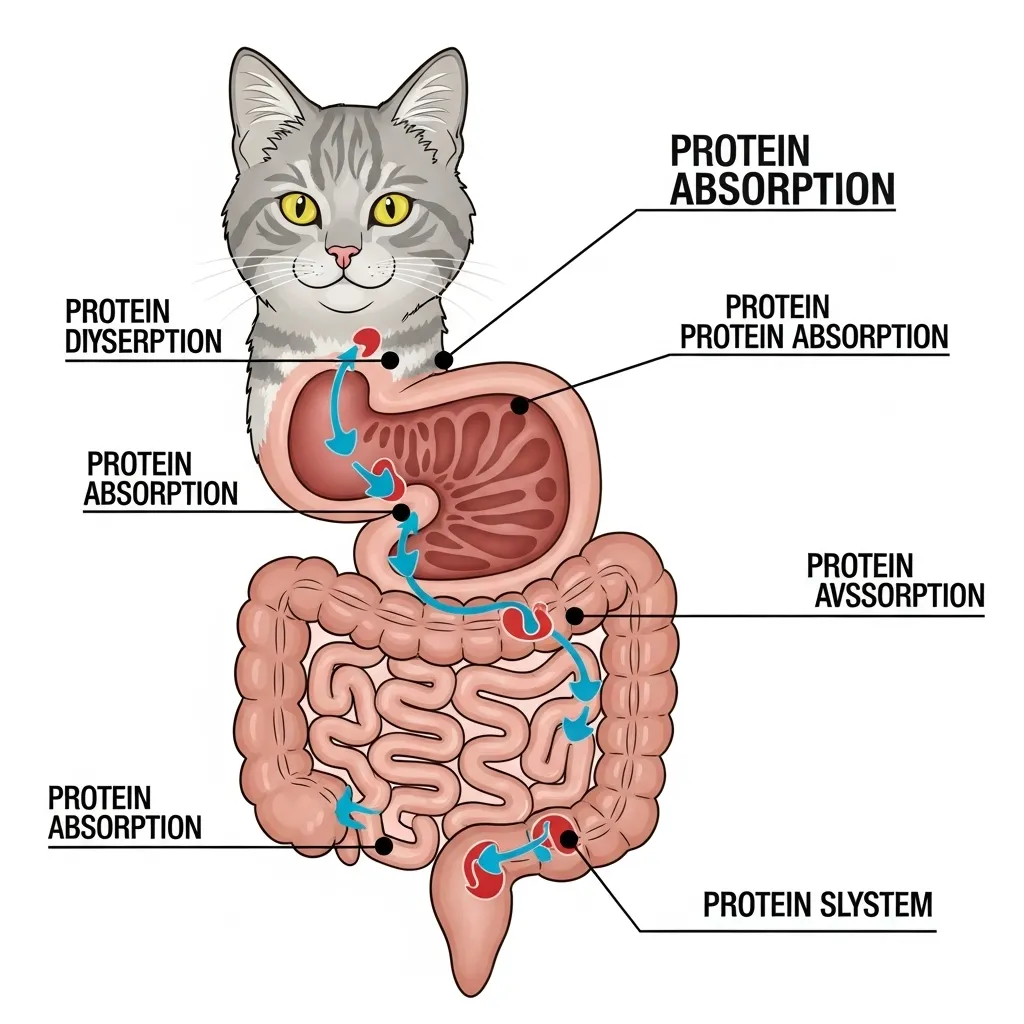
Ten amino acids are essential for cats, meaning they must come from food. Two deserve special attention:
Taurine: Unlike dogs and humans, cats cannot synthesize enough taurine and must obtain it directly from animal tissue. Deficiency leads to dilated cardiomyopathy (heart disease), retinal degeneration causing blindness, and reproductive issues. Taurine is found almost exclusively in muscle meat, heart, and brain—not in grains, vegetables, or connective tissue.
Arginine: Cats have a heightened sensitivity to arginine deficiency because their urea cycle depends heavily on it to remove ammonia. A single meal lacking arginine can cause hyperammonemia, leading to drooling, vomiting, ataxia, and even death. Animal proteins like meat, eggs, and fish provide abundant arginine; plant proteins often do not.
Other critical amino acids include methionine (for coat health), lysine (for growth and immune function), and tryptophan (for serotonin production). A “complete” protein source contains all these in the right proportions.
Decoding the Label: Where Quantity Masks Quality
Walk down any pet food aisle, and you’ll see “High Protein!” splashed across packaging with impressive percentages. Regulatory guidelines require listing “crude protein” minimums, but this measurement is fundamentally flawed. The crude protein percentage is calculated by measuring nitrogen content and multiplying by 6.25 a method that assumes all nitrogen comes from protein.
This is where deception begins. Manufacturers can boost crude protein numbers using:
- Non-protein nitrogen sources (like feathers, beaks, hoofs)
- Plant proteins (corn gluten meal, soybean meal)
- Synthetic amino acids to meet minimums without balanced nutrition
These ingredients increase the protein percentage on the label but provide little usable nutrition for your cat. The result? A food that meets regulatory protein minimums while failing to meet your cat’s biological needs.
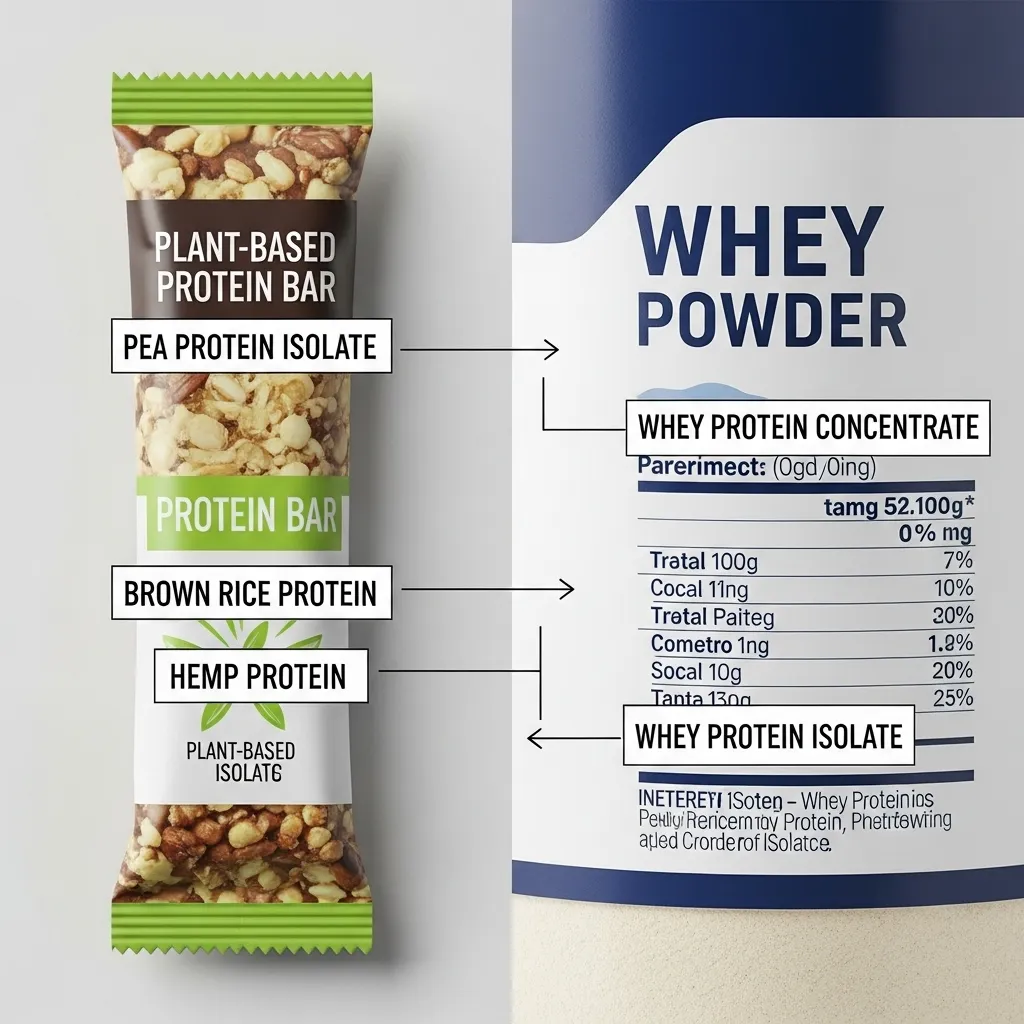
The Protein Quality Hierarchy: From Excellent to Inadequate
Not all protein sources are equal. Here’s how they rank for feline nutrition:
Tier 1: Muscle Meats & Organs (Excellent)
- Examples: Chicken breast, turkey thigh, beef heart, liver, kidney
- Characteristics: High biological value (90-100), complete amino acid profile, highly digestible (90-95%), rich in taurine
- Look for: Named meats as first ingredients (chicken, salmon, lamb)
Tier 2: Eggs & Fish (Very Good)
- Examples: Whole eggs, salmon, sardines, whitefish
- Characteristics: BV of 88-94, excellent amino acid balance, highly digestible, contains beneficial fatty acids
- Consideration: Some fish should be fed in moderation due to mercury/thiaminase concerns
Tier 3: Meat Meals & By-Product Meals (Good to Adequate)
- Examples: Chicken meal, lamb meal, poultry by-product meal
- Characteristics: Concentrated protein (rendered), BV 75-85, variable digestibility
- Important: “Meal” from named animals is preferable; “by-product meal” can vary in quality
Tier 4: Plant Proteins & Non-Specific Meals (Poor)
- Examples: Corn gluten meal, soybean meal, wheat gluten, “meat meal”
- Characteristics: Incomplete amino acid profile for cats, lower digestibility, may cause allergies
- Red flag: Plant proteins in top 5 ingredients of dry food
Discover more about how to read pet food labels in our guide to choosing cat food.
The Digestibility Difference: What Actually Reaches Your Cat’s Cells
Imagine serving your cat a beautiful meal where 30% passes through undigested. That’s the reality with low-quality proteins. Digestibility measures the percentage of protein absorbed from the gastrointestinal tract. Even a food with impressive crude protein numbers becomes nutritionally inadequate if your cat can’t break it down.
High-quality animal proteins typically show digestibility rates of 90-95%. Plant proteins and rendered meals often fall to 75-85%. The undigested portion doesn’t just represent wasted money it can cause:
- Increased fecal volume and odor
- Intestinal irritation
- Bacterial overgrowth
- Nutrient deficiencies despite “adequate” intake
The most reliable way to assess digestibility is through feeding trials, not laboratory analysis. Look for foods that state “animal feeding tests using AAFCO procedures substantiate…” rather than “formulated to meet…”
Beyond Muscles: How Protein Quality Affects Whole-Body Health
The impact of protein quality extends far beyond muscle maintenance. Every system in your cat’s body depends on amino acids as building blocks.
Coat and Skin Health: Methionine and cysteine are sulfur-containing amino acids crucial for keratin production. Cats fed high-quality protein typically have softer, shinier coats with less shedding. Learn about foods for a shiny coat in our dedicated guide.
Immune Function: Antibodies are proteins. Lysine supports immune response, and arginine promotes lymphocyte production. Cats consuming inadequate protein quality show increased susceptibility to infections.
Organ Function: The heart muscle requires constant protein turnover. Taurine deficiency directly causes cardiomyopathy. The liver, which processes ammonia via the urea cycle, depends on arginine.
Senior Cat Considerations: Older cats often need more protein, not less, to combat sarcopenia (muscle loss). But this protein must be highly digestible as kidney efficiency declines. For senior-specific needs, explore our guide to senior cat care.
The Kidney Health Controversy: Debunking the Protein Myth
For years, veterinarians recommended low-protein diets for cats with kidney disease. This advice was based on flawed studies and the assumption that all protein equally stresses the kidneys. Modern research reveals a more nuanced truth:
The kidney stress comes primarily from processing the waste products of protein metabolism, particularly phosphorus and nitrogenous compounds. High-quality protein produces less waste per gram utilized. Therefore:
- A moderate amount of high-quality protein may be less stressful than more low-quality protein
- Phosphorus content (often high in meat meals and plant proteins) matters more than protein percentage
- Severe protein restriction can cause muscle wasting, weakening a cat already struggling with illness
For cats with renal issues, the focus should be on protein quality, phosphorus control, and hydration—not arbitrary protein reduction. Our article on cat kidney failure explores this balance in detail.
Wet vs. Dry: The Protein Quality Conversation
The format of your cat’s food dramatically affects protein quality perception and reality.
Wet Food Advantages:
- Typically contains more named meat sources as primary ingredients
- Higher moisture content supports protein metabolism and kidney health
- Less reliant on plant proteins for texture/structure
- Often more palatable and digestible
Dry Food Challenges:
- Requires carbohydrates for kibble formation
- Often uses plant proteins (corn gluten, wheat) as binding agents
- Protein damage possible during high-temperature extrusion
- Lower moisture affects overall metabolism
This isn’t to say all dry foods are inferior. Premium dry foods use meat meals effectively and can provide excellent nutrition. The key is scrutinizing ingredients regardless of format. For help transitioning foods, see our article on how to get your cat to eat wet food.
Practical Guide: Assessing Protein Quality in Your Cat’s Current Food
You don’t need a degree in nutrition to make better choices. Follow this step-by-step assessment:
1. Read the Ingredient List (Not Just the Guaranteed Analysis)
- First 3 ingredients should be named animal proteins (chicken, salmon, etc.)
- Beware of “protein splitting”: listing similar plant proteins separately (corn gluten meal, ground corn, corn flour) to appear lower on the list
- Look for specific meals (chicken meal) rather than generic terms (poultry meal, meat meal)
2. Calculate the Animal Protein Ratio
In dry food, add percentages of all animal-based ingredients (chicken, chicken meal, fish meal, etc.). In many premium foods, this should exceed 75% of protein sources. If plant proteins dominate the ingredient list, the ratio is likely poor.
3. Check for AAFCO Statement
Look for: “[Product] is formulated to meet the nutritional levels established by the AAFCO Cat Food Nutrient Profiles for [life stage].”
Better yet: “[Product] has undergone animal feeding tests…”
4. Consider the Price Context
High-quality protein costs more. If a food seems unusually inexpensive for its claimed protein percentage, scrutinize the sources. You cannot get 40% protein from chicken breast at budget prices.
5. Observe Your Cat
- Stool volume/odor: Should be minimal with highly digestible protein
- Coat quality: Should be soft, shiny, with minimal dander
- Energy levels: Consistent, not sluggish after meals
- Muscle maintenance: Particularly important for seniors
For cats with specific needs, explore our guide to cat diet plans for customized approaches.
Special Considerations: When Protein Quality Needs Extra Attention
Kittens: Growing bodies need abundant high-quality protein with optimal amino acid ratios. Look for foods specifically formulated for growth that list whole meats and eggs prominently. Our kitten raising guide offers comprehensive advice.
Hyperthyroid Cats: These cats have dramatically increased protein turnover and often experience muscle wasting. They need increased high-quality protein that’s easy to digest. Learn about feeding cats with hyperthyroidism.
Overweight Cats: The goal is fat loss, not muscle loss. High-quality protein supports satiety and preserves lean mass during weight reduction. Avoid “light” foods that simply reduce all nutrients proportionally.
Allergic Cats: True food allergies in cats are most commonly to protein sources. Novel, high-quality proteins (venison, duck, rabbit) may be necessary. Explore our cat allergies guide for identification and management.
The Future of Feline Nutrition: Emerging Insights on Protein
Research continues to refine our understanding of feline protein needs:
Precision Fermentation: Lab-created animal proteins with identical amino acid profiles to meat but without agricultural impacts.
Insect Proteins: While not traditional for cats, insect proteins show surprisingly high BV and digestibility with minimal environmental footprint.
Personalized Nutrition: DNA testing may eventually guide protein source selection based on individual metabolic efficiencies.
Hydrolyzed Proteins: Already used in prescription diets, these pre-digested proteins may benefit cats with severe gastrointestinal issues.
Frequently Asked Questions: Protein Quality Concerns Answered
Q: My cat’s food has 34% protein but lists chicken meal first. Is this good quality?
A: Chicken meal is a concentrated protein source from rendered chicken. It can be high quality if from a reputable manufacturer. Check the next ingredients if they’re also animal-based (like turkey meal, fish meal), the protein quality is likely decent. If plant proteins follow, quality decreases.
Q: Are “grain-free” foods automatically higher in protein quality?
A: Not necessarily. Grain-free often means substituting grains with legumes (peas, lentils, chickpeas) which are plant proteins. Some grain-free foods actually have lower animal protein ratios than high-quality grain-inclusive foods. Always check ingredients.
Q: How can I supplement my cat’s protein quality at home?
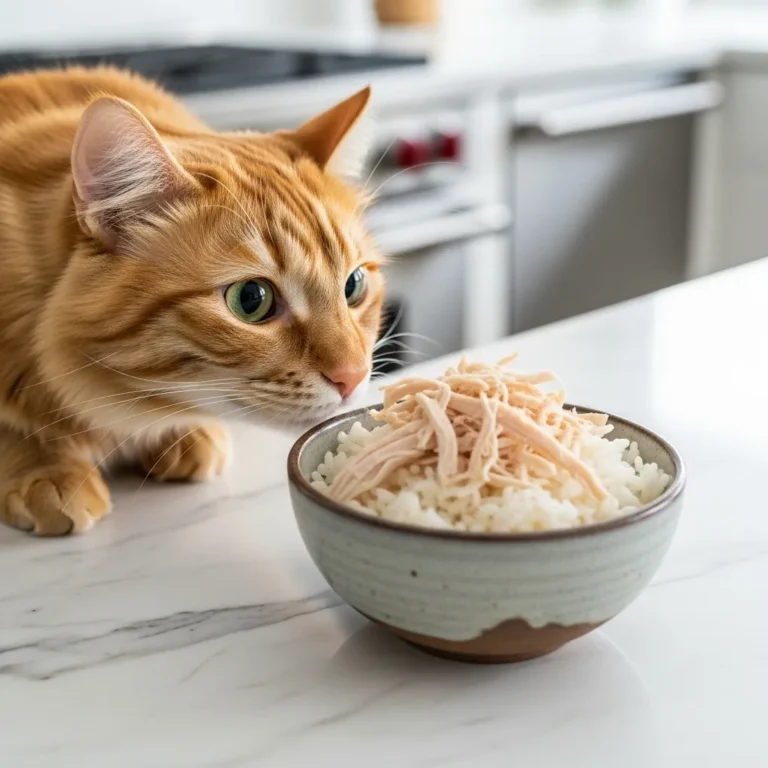
A: Small amounts of cooked, unseasoned muscle meats (chicken breast, turkey), organs (a tiny bit of liver), or whole eggs can boost protein quality. Never exceed 10% of daily calories to avoid nutritional imbalance. For specific advice, see our article on raw food portions for cats.
Q: Is too much high-quality protein harmful to healthy cats?
A: For cats with healthy kidneys, excess high-quality protein is generally converted to energy or excreted. However, extremely high protein diets (over 50% from calories) may not benefit the average cat and can be expensive. Moderation with excellence is key.
Q: My senior cat (age 14) is losing muscle. Should I increase protein?
A: First, consult your veterinarian to rule out underlying conditions. If healthy, increasing high-quality, highly digestible protein can combat sarcopenia. Consider adding wet food with named meat sources or a veterinary supplement. Our guide on helping cats gain weight addresses this specifically.
Making the Transition: Upgrading Your Cat’s Protein Quality
Switching foods requires patience, especially if moving from lower-quality, highly palatable foods (which often use flavor enhancers).
- Transition slowly over 7-10 days, mixing increasing amounts of new food with old.
- Consider digestive support like probiotics during the transition.
- Monitor closely for appetite changes, stool consistency, and energy levels.
- Don’t mistake pickiness for rejection cats often resist change even when beneficial.
- Consult your vet if your cat has health conditions or refuses to eat after 48 hours.
For troubleshooting, our article on cat not eating provides practical solutions.
Conclusion: Quality Over Quantity as a Philosophy of Care
The journey to understanding why protein quality matters more than quantity in cat food transforms how we care for our feline companions. It moves us from checking boxes on a nutritional label to understanding the biological symphony of amino acids, digestion, and metabolism that sustains our cats.
Your cat’s vibrant health, energetic play, soft coat, and long life are built molecule by molecule from the protein you provide. By choosing sources that respect their evolutionary design animal-based, complete, and highly digestible you honor their true nature as carnivores.
This choice represents more than nutrition; it’s a philosophy of care that recognizes complexity over simplicity, biological reality over marketing claims, and long-term vitality over short-term convenience. Your cat’s body knows the difference, even if the label percentages look similar.
As you move forward, let this knowledge empower rather than overwhelm. Start with small improvements: reading one ingredient list more carefully, trying a higher-quality supplement, or discussing protein sources with your veterinarian. Every step toward better protein quality is a step toward honoring the remarkable feline being who shares your life.
Explore more expert guides on feline nutrition, behavior, and care at Cat Bloom Haven. From understanding protein in cat food to decoding cat food ingredients, we provide science-backed insights to help you make the best choices for your cat’s unique needs.