Why Cats Suddenly Refuse Food (And When to Be Concerned)
It’s one of the most worrying moments for any cat owner: your feline friend, who usually races to the bowl at mealtime, suddenly turns away from their food. Whether they sniff it and walk off or avoid the dish entirely, a sudden refusal to eat can signal anything from a minor issue to something serious. Cats are masters at hiding discomfort, so appetite changes often serve as the first clue that something is off.
In this guide, we’ll explore the common reasons why cats suddenly refuse food, how to spot the difference between a temporary quirk and a red flag, and practical steps to encourage eating while protecting their health. Most importantly, we’ll cover when to be concerned because cats can’t go long without nutrition before risks escalate.
Key Takeaways: Quick Answers for Worried Owners
- Most cats skip an occasional meal without issue, but refusal lasting more than 24 hours needs attention.
- Common benign causes include stress, picky preferences, or stale food.
- Serious triggers often involve pain (like dental issues), illness, or nausea.
- Cats risk hepatic lipidosis (fatty liver disease) after 2–3 days without eating, especially if overweight.
- Always monitor for other symptoms: lethargy, vomiting, hiding, or weight loss.
- Vet visit timeline: Contact your vet if no eating for 24+ hours in adults (12 hours in kittens or seniors).
Common Reasons Cats Suddenly Stop Eating
Cats refuse food for a wide range of reasons. Some resolve on their own; others require prompt intervention. Here are the most frequent culprits, based on veterinary insights.
1. Stress and Environmental Changes
Cats thrive on routine. Disruptions can trigger appetite loss quickly.
- Moving homes, new furniture, visitors, or another pet.
- Loud noises, schedule shifts, or even a relocated food bowl.
Stressed cats release cortisol, which suppresses hunger and can cause nausea. They may hide more or groom excessively too.
What to try at home: Create a quiet feeding spot. Use pheromone diffusers (like Feliway) to calm the environment. Offer food in small, frequent portions.
Explore our detailed guide on cat stress signs for more tips on spotting and reducing anxiety.
2. Dental Pain and Oral Issues
Dental problems top the list for sudden food refusal in adult cats. Over 50% of cats older than 3 years have some form of dental disease.
- Gingivitis (inflamed gums), broken teeth, abscesses, or tooth resorption (where teeth erode at the root).
- Cats may approach food, drop pieces, chew on one side, drool, or paw at their mouth.
Pain makes eating unbearable, especially with dry kibble.
Signs to watch: Bad breath, red/swollen gums, or blood-tinged drool.
Veterinary dental cleaning under anesthesia often resolves this. In severe cases, extractions bring dramatic improvement many cats eat normally afterward.
Discover more in our article on cat dental care.
3. Food-Related Issues: Pickiness, Aversion, or Spoilage
Cats can become suddenly finicky.
- Dislike of a new food brand, flavor, or texture.
- Food aversion after feeling nauseous while eating (common post-illness or hospitalization).
- Stale, cold, or dirty bowl food cats rely heavily on smell.
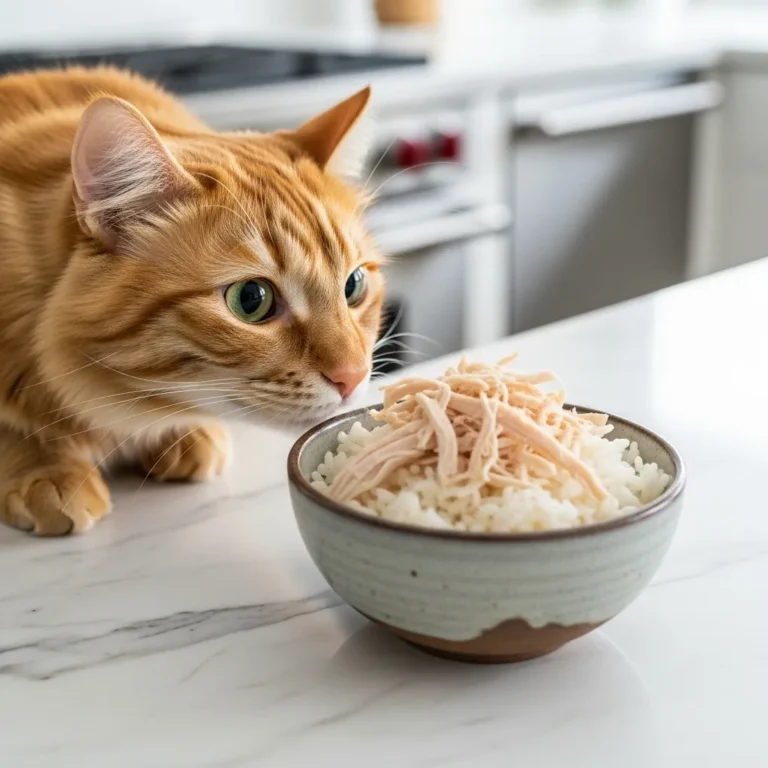
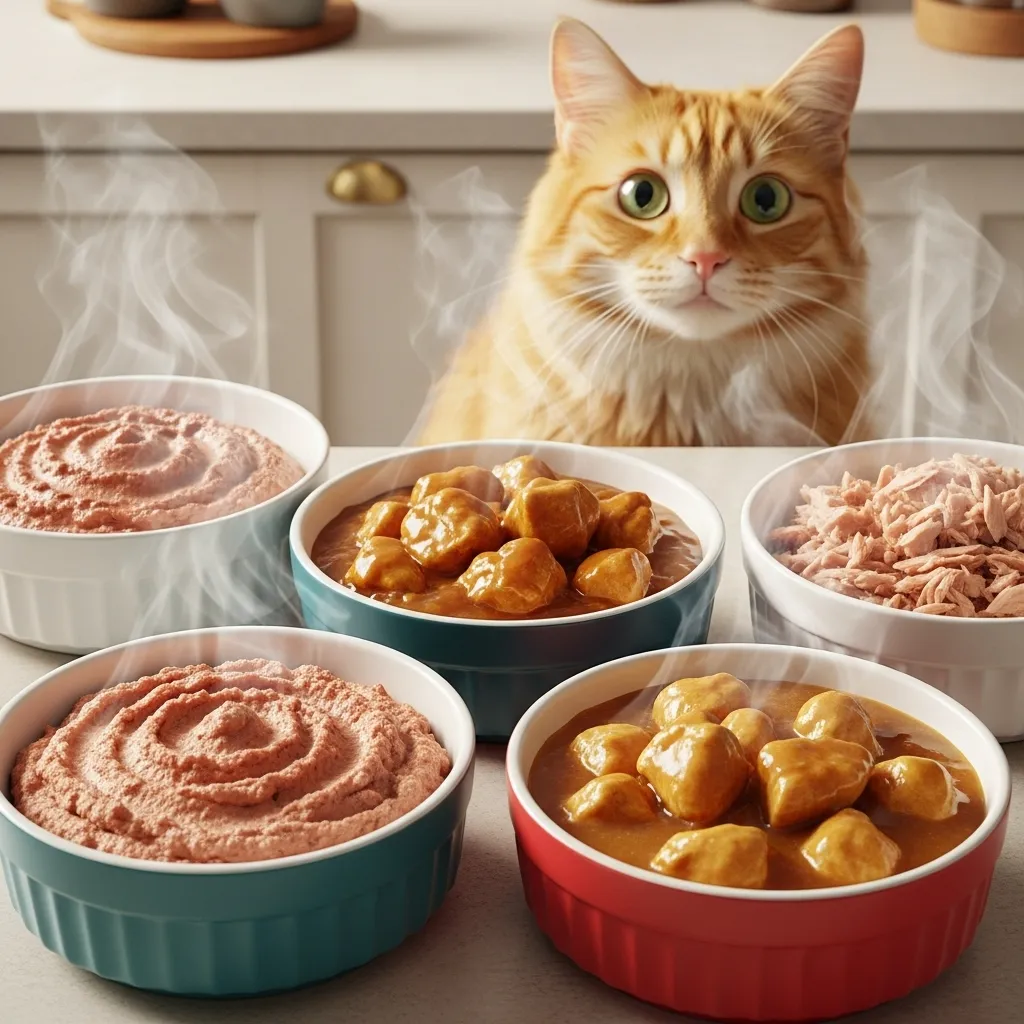
Quick fixes: Warm wet food slightly to enhance aroma. Try topping with tuna juice or crushed treats. Switch bowls or locations.
Gradual transitions prevent aversions when changing diets.
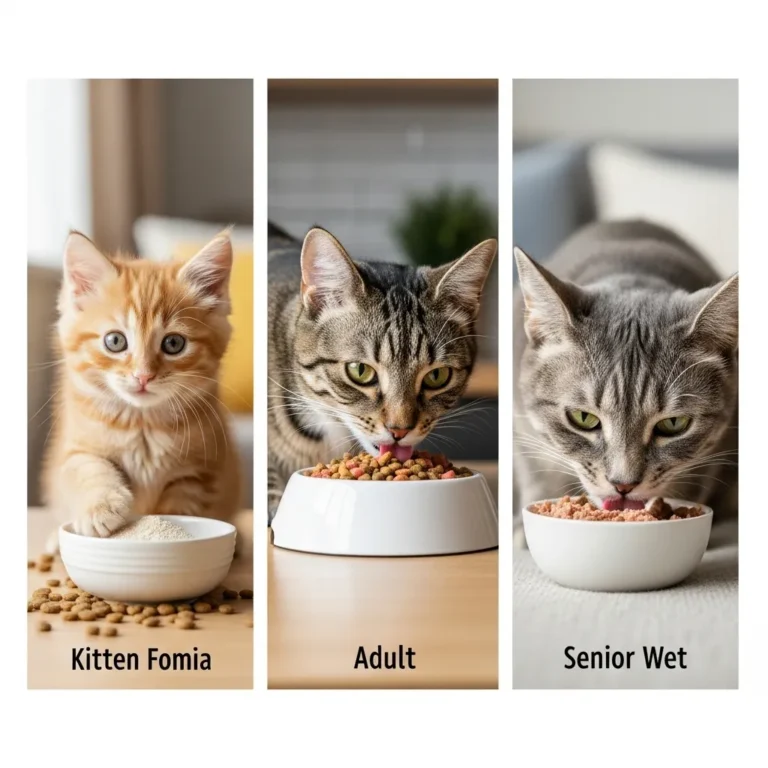
Check our recommendations in choosing cat food.
4. Gastrointestinal Upset
Nausea or digestive discomfort often leads to food refusal.
- Upset from diet changes, hairballs, parasites, or mild infections.
- Inflammatory conditions like pancreatitis.
Cats may show interest in food but back away due to anticipated discomfort.
Other clues: Vomiting, diarrhea, or constipation.
Veterinary anti-nausea meds (like mirtazapine) and bland diets help recovery.
See our guide on cat vomiting causes or hairballs.
5. Illness and Systemic Diseases
Underlying health problems frequently cause appetite loss.
- Kidney disease (common in seniors; increases thirst but decreases eating).
- Hyperthyroidism, diabetes, respiratory infections, or cancer.
- Pain from arthritis or injuries.
These often come with additional symptoms: weight loss, lethargy, increased drinking, or hiding.
Bloodwork and imaging diagnose these. Early treatment improves outcomes.
Related reading: Senior cat care or cat kidney failure guide.
6. Other Less Common Causes
- Recent vaccinations (mild side effects like lethargy and temporary appetite dip).
- Medications causing nausea.
- Upper respiratory infections blocking smell.
When to Be Concerned: Red Flags and Timeline
Not every skipped meal is an emergency, but timing matters. Cats metabolize fat differently prolonged fasting risks hepatic lipidosis, a life-threatening liver condition.
- Mild concern: Skips one meal but acts normal and drinks water.
- Moderate concern: Reduced eating for 12–24 hours, especially with stress signs.
- Urgent: No eating for 24+ hours (12 hours in kittens/seniors/overweight cats).
- Emergency: Accompanied by vomiting, diarrhea, lethargy, hiding, labored breathing, or inability to urinate.
Contact your vet immediately if multiple symptoms appear. Overweight cats face highest risk don’t wait.
Learn more about finding a great vet in finding the best vet for your cat.
How to Encourage Your Cat to Eat at Home
While awaiting veterinary advice, try these vet-approved tactics:
- Offer strong-smelling wet food warmed gently.
- Hand-feed or use puzzle feeders for engagement.
- Add low-sodium tuna juice or bone broth.
- Provide multiple small meals in a stress-free zone.
- Try appetite stimulants if prescribed (never over-the-counter without guidance).
Avoid force-feeding it worsens aversions.
For nutrition tips, see best wet cat food.
Veterinary Diagnosis and Treatment
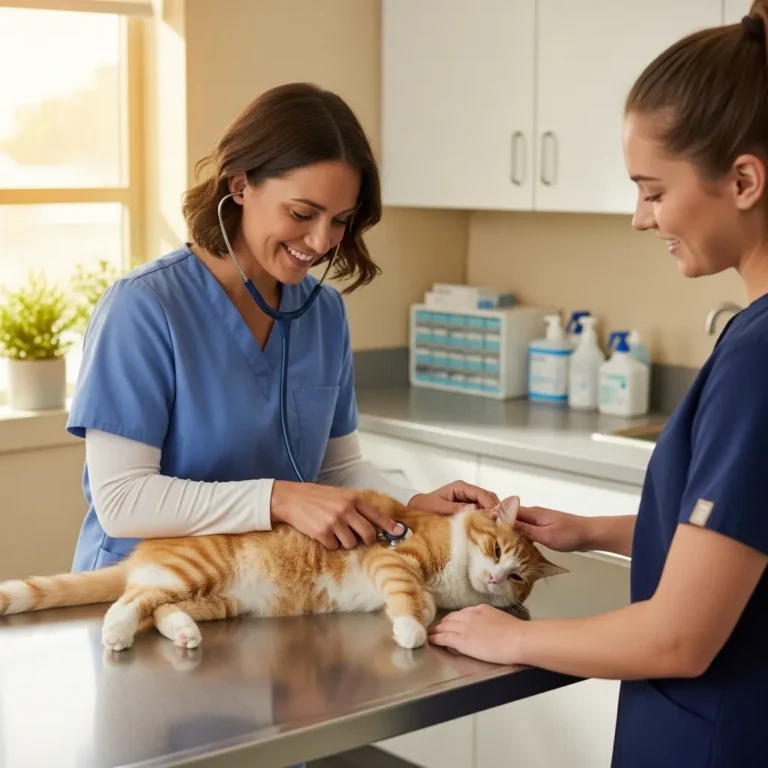
Your vet starts with a physical exam, checking mouth, abdomen, and vitals. Diagnostics may include:
- Bloodwork (for kidney/liver function, diabetes).
- Urinalysis.
- X-rays or ultrasound.
Treatment targets the cause:
- Dental cleaning/extractions for oral pain.
- Fluids and anti-nausea meds for dehydration/illness.
- Feeding tubes in severe cases.
- Appetite stimulants like mirtazapine.
Prognosis improves with early action.
Preventing Future Appetite Issues
- Schedule annual vet check-ups (twice yearly for seniors).
- Maintain dental hygiene with brushing or dental treats.
- Transition foods slowly.
- Minimize stress with consistent routines.
- Monitor weight and eating habits daily.
Browse our full cat health care section for preventive advice.
Frequently Asked Questions
How long can a cat safely go without eating?
Healthy adults tolerate 24–48 hours, but risks rise quickly. See a vet after 24 hours.
What if my cat is drinking but not eating?
Still concerning dehydration can follow. Vet evaluation needed.
Is wet food better for cats who refuse dry kibble?
Yes, often it’s more aromatic and easier on sore mouths.
Can stress alone cause long-term refusal?
Rarely prolonged, but chronic stress contributes to illness. Address environmental triggers.
When is appetite loss an emergency?
With vomiting, extreme lethargy, jaundice, or breathing issues go immediately.
Final Thoughts
A sudden refusal to eat rarely happens without reason. While some cases stem from simple preferences or temporary stress, many point to pain or illness that deserves quick attention. Trust your instincts: if your cat seems “off,” err on the side of caution.
Early intervention prevents complications and gets your companion back to happy mealtimes faster. Explore more expert cat care and behavior guides on Cat Bloom Haven, from breed-specific tips to everyday wellness.
Your cat counts on you stay observant, act promptly, and enjoy those purr-filled dinners again soon.