Common Ingredients in Cat Food That Owners Often Misunderstand
As a cat owner, you’ve probably stood in the pet food aisle staring at ingredient lists, wondering what everything means. Labels can feel overwhelming, with terms like “by-products” or “grain-free” jumping out. Many common ingredients in cat food spark confusion or concern among owners. Some get unfairly villainized, while others hide behind marketing claims.
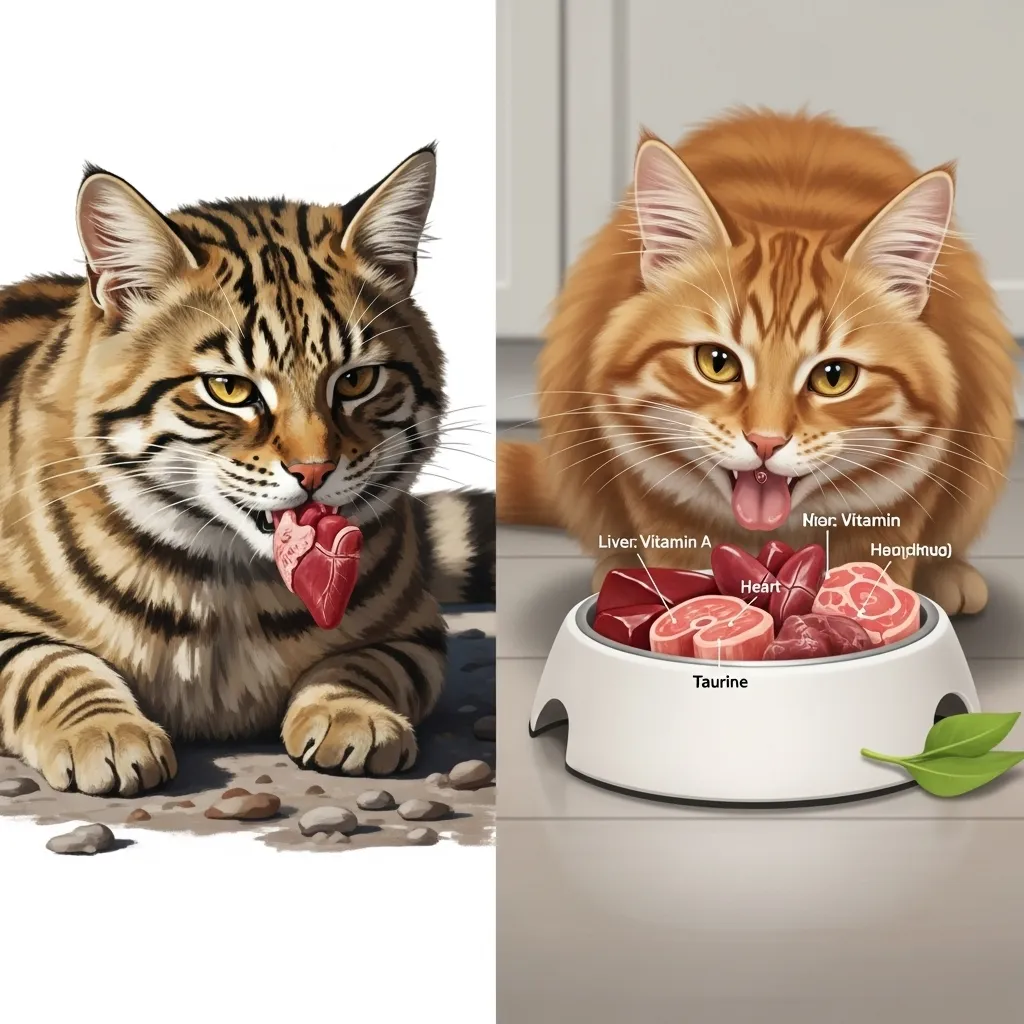
Cats are obligate carnivores. They thrive on animal-based proteins and need specific nutrients like taurine, which they can’t make efficiently on their own. A good diet mimics what they’d eat in the wild: mostly meat, with some organs and minimal plants.
This guide clears up the most misunderstood ingredients. We’ll look at facts backed by veterinary insights and nutritional science. You’ll learn what to prioritize and what to question. By the end, you’ll feel confident choosing food that supports your cat’s health.
Key Takeaways for Quick Reference
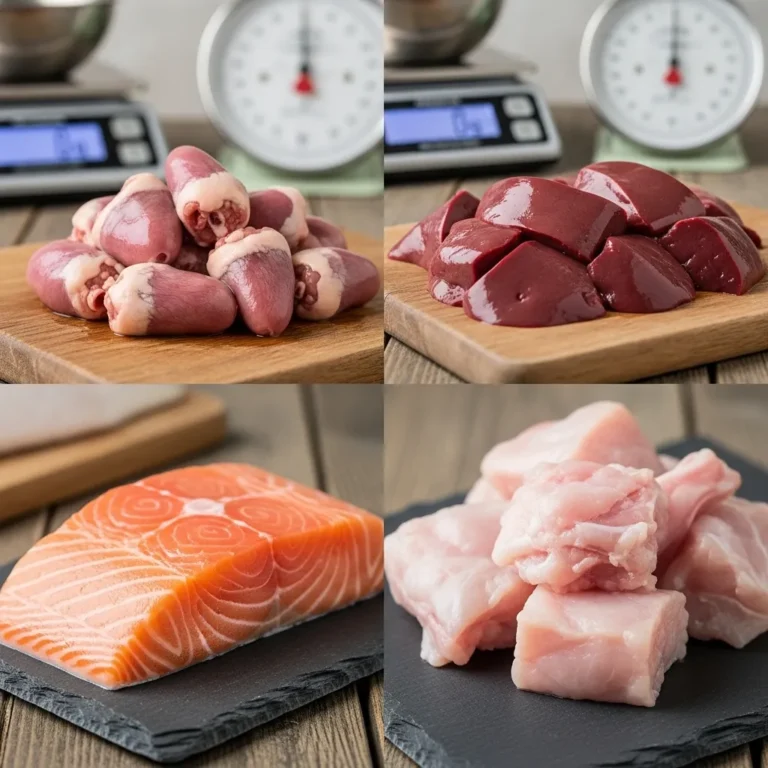
- Prioritize named animal proteins (like chicken or salmon) as the first ingredients.
- By-products can be nutritious if specified (e.g., chicken liver); avoid vague “meat by-products.”
- Grains aren’t essential but aren’t harmful in moderation; grain-free isn’t automatically better.
- Fillers like corn or soy add bulk but limited nutrition opt for minimal use.
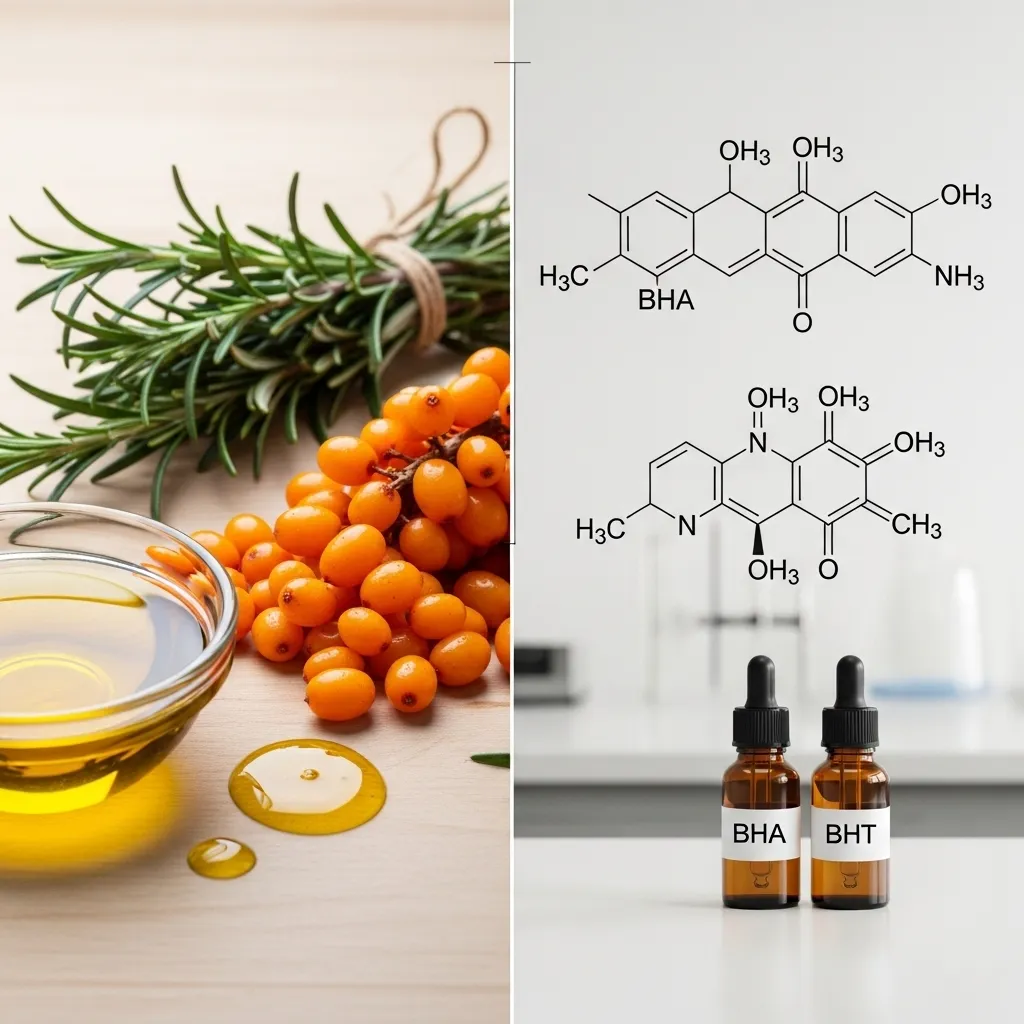
- Natural preservatives (like vitamin E) are preferable over synthetic ones like BHA/BHT.
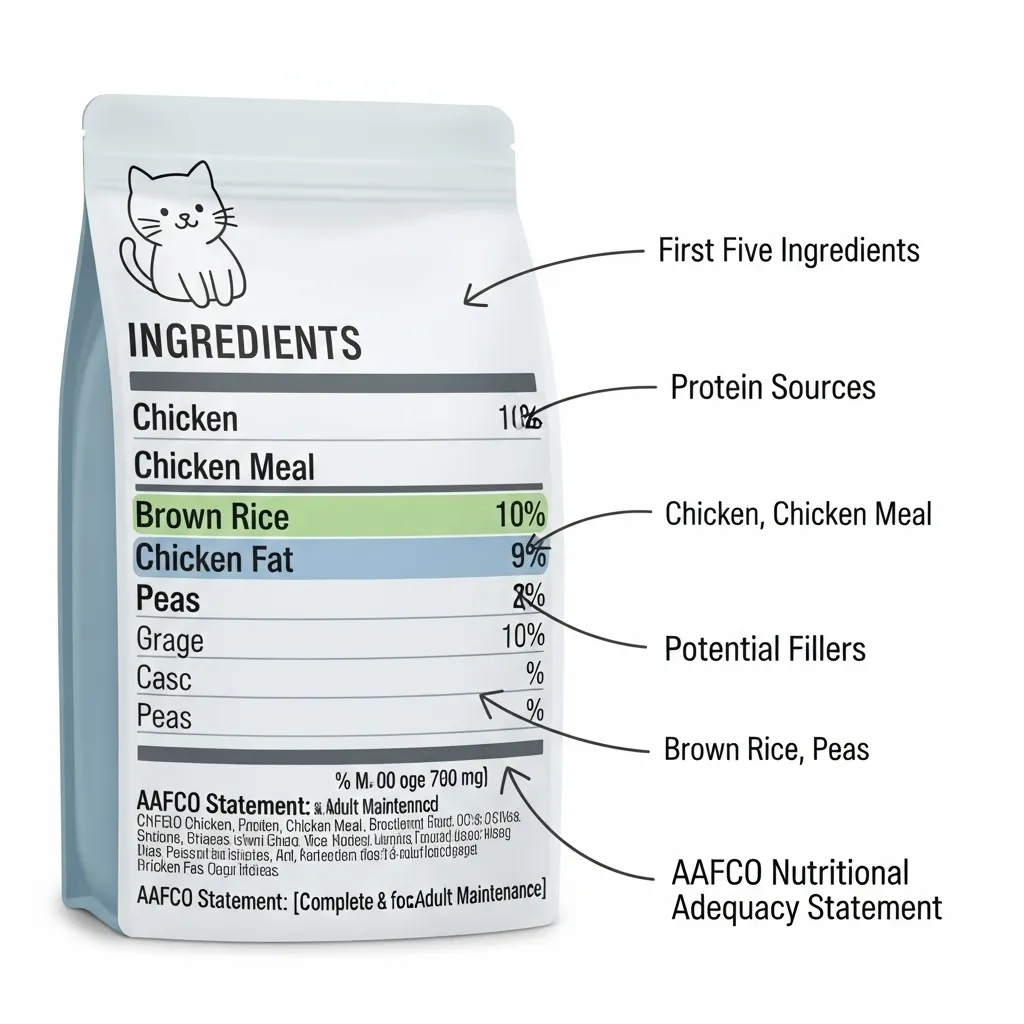
- Always check for an AAFCO statement ensuring complete and balanced nutrition.
Why Ingredient Misunderstandings Matter
Pet food marketing often plays on fears. Terms like “no fillers” or “grain-free” suggest superiority, but they don’t always mean better nutrition. Misunderstandings can lead to diets that cause weight gain, digestive issues, or nutrient deficiencies.
Veterinarians emphasize balance over trends. The Association of American Feed Control Officials (AAFCO) sets standards for complete nutrition, but it doesn’t rank ingredient quality. Focus on evidence-based choices.
Meat By-Products: Villain or Valuable?
One of the most debated topics is meat by-products. Many owners avoid them, assuming they’re low-quality scraps.
What Are By-Products?
By-products are parts of the animal not typically eaten by humans, like organs (liver, kidney, heart), blood, and bone. AAFCO defines them as clean, non-muscle parts from slaughtered animals.
The Misconception
Labels saying “meat by-product” sound vague and scary. Some fear they include roadkill or euthanized pets—but regulations prohibit that. Rendered by-products must be safe and processed to kill pathogens.
The Reality
Named by-products, like “chicken by-product meal,” often include nutrient-rich organs. In the wild, cats eat these first they’re packed with taurine, vitamins, and minerals. Feral cats consume whole prey, including organs.
Veterinarians note that quality varies. Specified sources (e.g., poultry liver) are better than generic “animal by-products.” Many premium foods use organs without calling them by-products to avoid stigma.
Explore our detailed guide on cat food nutrition for more on protein sources.
Grains and Grain-Free Diets: Necessary or Not?
Grain-free foods exploded in popularity, often marketed as “natural.” But are grains bad for cats?
Common Grains in Cat Food
Corn, wheat, rice, and barley provide carbohydrates, fiber, and some nutrients.
The Misconception
Many believe grains cause allergies or obesity, and grain-free mimics a wild diet.
The Facts
Cats don’t need grains, but moderate amounts aren’t harmful. True grain allergies are rare most food sensitivities involve proteins like beef or fish.
Grain-free diets often replace grains with peas, potatoes, or lentils. These can be higher in carbs, potentially contributing to weight issues. Recent studies linked some grain-free foods to heart concerns (dilated cardiomyopathy), though the exact cause is unclear possibly legume-heavy formulas.
Veterinarians say grain-inclusive foods from reputable brands are fine for most cats. Focus on low overall carbs.
Discover more tips in our guide on choosing cat food.
Fillers: What They Are and Why They Matter
Fillers bulk up food with little nutritional value, often to cut costs.
Common Fillers
- Corn gluten meal or brewers rice
- Soybean hulls
- Cellulose (plant fiber)
The Issue
These provide calories but minimal protein or essential nutrients. High-filler diets can lead to overeating for satiety without meeting needs.
Better Alternatives
Look for foods where animal proteins dominate the first ingredients. Some fiber (like beet pulp) aids digestion without being pure filler.
Artificial Preservatives and Colors: Worth Avoiding?
Preservatives prevent rancidity; colors make food appealing to humans.
Common Synthetic Ones
BHA, BHT, ethoxyquin (preservatives); artificial dyes like Red 40.
Concerns
Studies in lab animals linked high doses to health issues, though pet food levels are regulated as safe. Many vets prefer natural options like mixed tocopherols (vitamin E) or rosemary extract.
Colors serve no purpose for cats they can’t see them well anyway.
Carrageenan and Other Thickeners
Found in wet foods, carrageenan thickens gravy. Some forms are controversial for potential inflammation, but food-grade is generally safe. Gums like guar or xanthan are common alternatives.
Rendered Ingredients and Meals
Meals (like chicken meal) are concentrated proteins. Rendering cooks out water and fat, making them nutrient-dense. Quality matters named sources are best.
How to Read Labels Like a Pro
- First Ingredients: Should be named meats (chicken, turkey).
- Avoid Splitting: Manufacturers split ingredients (e.g., corn, corn meal) to push them down the list.
- Guaranteed Analysis: Check crude protein (30%+ for adults).
- AAFCO Statement: Ensures completeness.
| Ingredient Type | Examples | Pros | Cons | Vet Recommendation |
|---|---|---|---|---|
| Animal Proteins | Chicken, salmon, liver | Essential for taurine, amino acids | None if high-quality | Prioritize as top ingredients |
| By-Products (Named) | Chicken liver, heart | Nutrient-dense organs | Vague ones lower quality | Acceptable in moderation |
| Grains | Rice, barley | Energy, fiber | Can be fillers if excessive | Fine unless allergy |
| Legumes (in grain-free) | Peas, lentils | Plant protein | Potential heart links | Use cautiously |
| Preservatives | Tocopherols (natural) | Safe shelf life | Synthetic ones controversial | Prefer natural |
Real Owner Stories
One owner switched from grain-free after her cat developed urinary issues back to balanced grain-inclusive, and problems resolved. Another embraced named by-products in organ-rich foods; her senior cat’s coat improved dramatically.
Tips for Choosing Better Food
- Rotate proteins to prevent sensitivities.
- Mix wet and dry for hydration.
- Consult your vet for tailored advice.
- Check resources like our best wet cat food guide.
Learn more in our article on meat by-products in cat food.
Frequently Asked Questions
Are by-products bad for cats?
Not necessarily. Named ones like chicken liver are nutritious. Vague terms can indicate lower quality.
Is grain-free better?
No evidence supports it for most cats. Some grain-free foods have higher carbs from other sources.
What about fillers like corn?
Corn provides energy but isn’t ideal as a primary ingredient. Minimal is okay.
Should I avoid artificial preservatives?
Many vets recommend natural ones for peace of mind, though regulated synthetics are safe in small amounts.
How do I know if food is complete?
Look for the AAFCO statement on the label.
Can misunderstandings lead to health issues?
Yes imbalanced diets risk obesity, diabetes, or deficiencies.
For breed-specific needs, see our Bengal cat guide.
Conclusion
Understanding common ingredients in cat food empowers you to make informed choices. Avoid falling for marketing hype; focus on balanced, high-protein diets from trusted sources.
Your cat relies on you for nutrition that fuels a long, vibrant life. Start small read one label today.
Explore more expert cat care and behavior guides on Cat Bloom Haven, like our cat health care section or fun cat memes.