The Silent Hunger: How Stress Can Radically Alter Your Cat’s Eating Habits
Key Takeaways: Understanding Stress and Feline Appetite
Before we dive deep into this complex relationship, here are the essential facts every cat owner should know:
- Stress directly suppresses appetite by triggering the sympathetic nervous system, overriding hunger signals
- Behavioral changes often precede physical symptoms – eating habits are an early warning system
- Chronic stress can lead to serious health conditions including hepatic lipidosis (fatty liver disease)
- Multiple environmental factors contribute to feline stress, many of which owners overlook
- Practical solutions exist for both identifying and addressing stress-related eating issues
Understanding how stress can affect a cat’s eating habits is crucial for any responsible pet owner. What might appear as simple “picky eating” or a temporary loss of appetite could signal deeper emotional distress that, if unaddressed, can spiral into serious medical complications.
Introduction: When the Bowl Goes Untouched
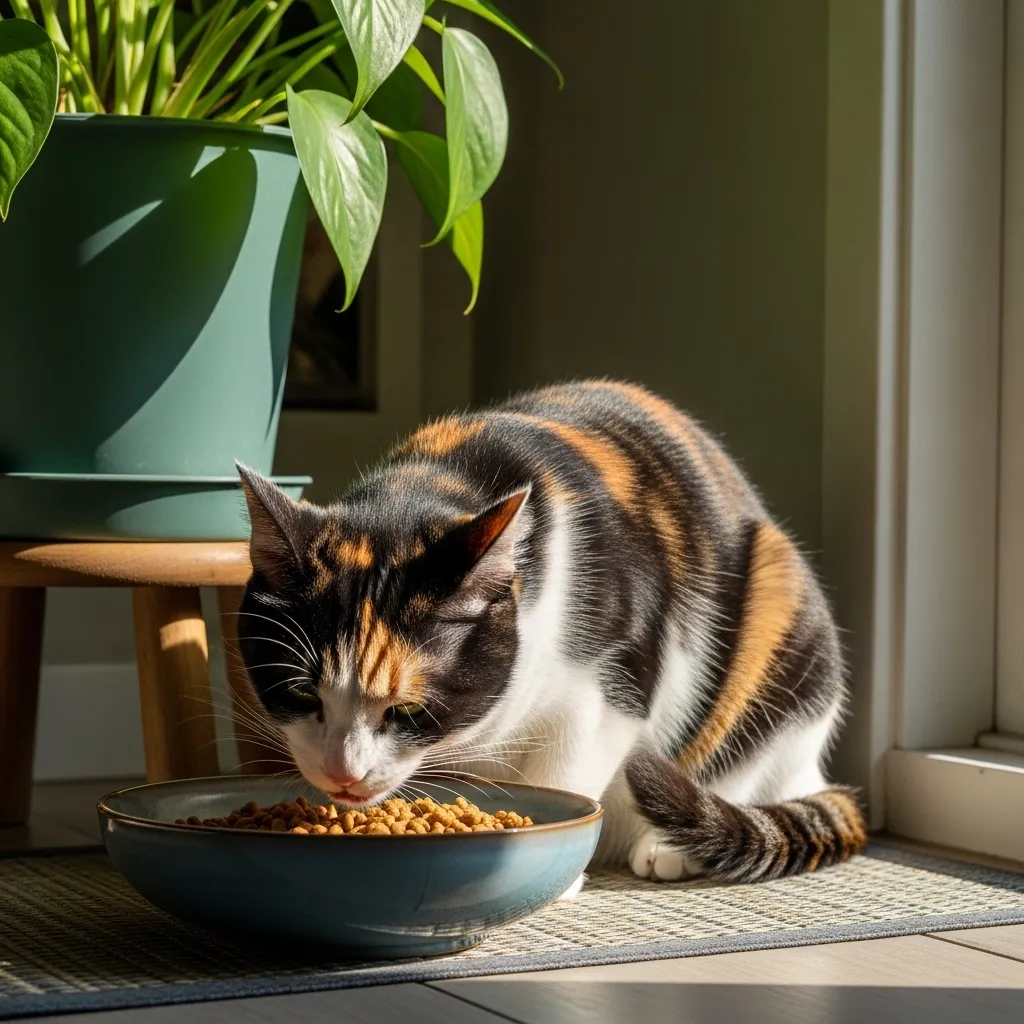
You’ve poured their favorite kibble. You’ve opened a fresh can of that premium wet food they usually devour. Yet your cat simply sniffs the offering and walks away, or worse, hasn’t approached their food bowl in hours. As concern tightens in your chest, you wonder: Is this a medical emergency, a behavioral quirk, or something else entirely?
Often, the culprit lies in the complex interplay between feline emotions and physiology. How stress can affect a cat’s eating habits isn’t merely about skipped meals it’s about understanding that cats experience the world through a sensory lens far different from our own, and their response to perceived threats can shut down basic drives like hunger.
This comprehensive guide will explore the physiological mechanisms behind stress-induced appetite changes, identify common (and often surprising) stressors, provide actionable solutions, and help you distinguish between behavioral issues and medical emergencies. Whether you’re dealing with a newly adopted cat refusing food or a lifelong companion whose eating patterns have suddenly shifted, understanding this connection could be vital to their wellbeing.
The Science of Stress: A Cat’s Body Under Pressure
To truly grasp how stress can affect a cat’s eating habits, we must first understand what’s happening inside their body when they feel threatened or anxious.
The Hormonal Cascade: Fight, Flight, or Freeze (But Don’t Feed)
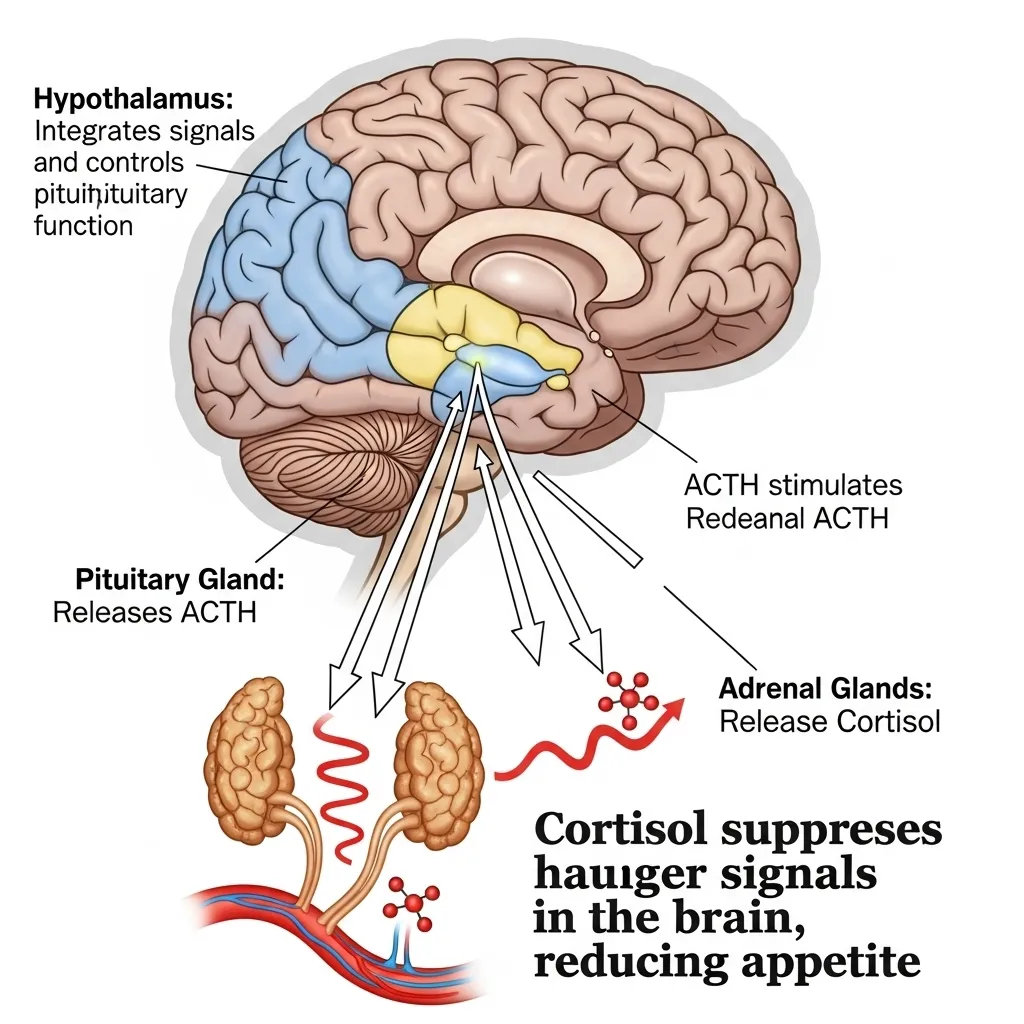
When a cat perceives a stressor whether it’s a visiting guest, a loud noise, or a change in routine their hypothalamus signals the pituitary gland, which in turn triggers the adrenal glands. This releases a flood of hormones, primarily cortisol and catecholamines like adrenaline.
These hormones serve an evolutionary purpose: they prepare the body for immediate action. Blood is diverted from non-essential systems (like digestion) to muscles. Heart rate increases. Glucose floods the bloodstream for quick energy. In this heightened state, the body’s priority is survival, not leisurely dining. The hunger signals from the hypothalamus are literally overridden by the stress response.
Dr. Eleanor Weston, a feline behaviorist with over 20 years of experience, explains: “We often forget that domestication is a thin veneer over deeply ingrained wild instincts. For a wild cat, stopping to eat in a potentially dangerous situation could be fatal. That biological programming remains, which is why even mild, chronic stress in our homes can suppress appetite.”
Short-Term vs. Chronic Stress: Different Impacts on Appetite
The duration of stress dramatically changes its effect on eating patterns:
Acute Stress (Hours to Days):
- Complete appetite loss (anorexia)
- Hiding from food bowls
- Eating rapidly then vomiting due to tense digestive system
- Drinking less water, increasing dehydration risk
Chronic Stress (Weeks to Months):
- Intermittent, picky eating
- Development of food aversions (associating discomfort with specific foods/bowls/locations)
- Weight loss OR stress-eating and weight gain in some individuals
- Development of concurrent conditions like Feline Lower Urinary Tract Disease (FLUTD) or idiopathic cystitis, which further complicates eating
Chronic elevation of cortisol doesn’t just turn off hunger; it can alter metabolism, promote muscle breakdown, and suppress the immune system, creating a vicious cycle where poor nutrition makes the cat less resilient to stress.
Decoding the Signs: Is It Stress or Something Else?
Recognizing stress-related eating changes requires careful observation. The symptoms often overlap with medical issues, making accurate identification crucial.
Behavioral Red Flags Linked to Feeding
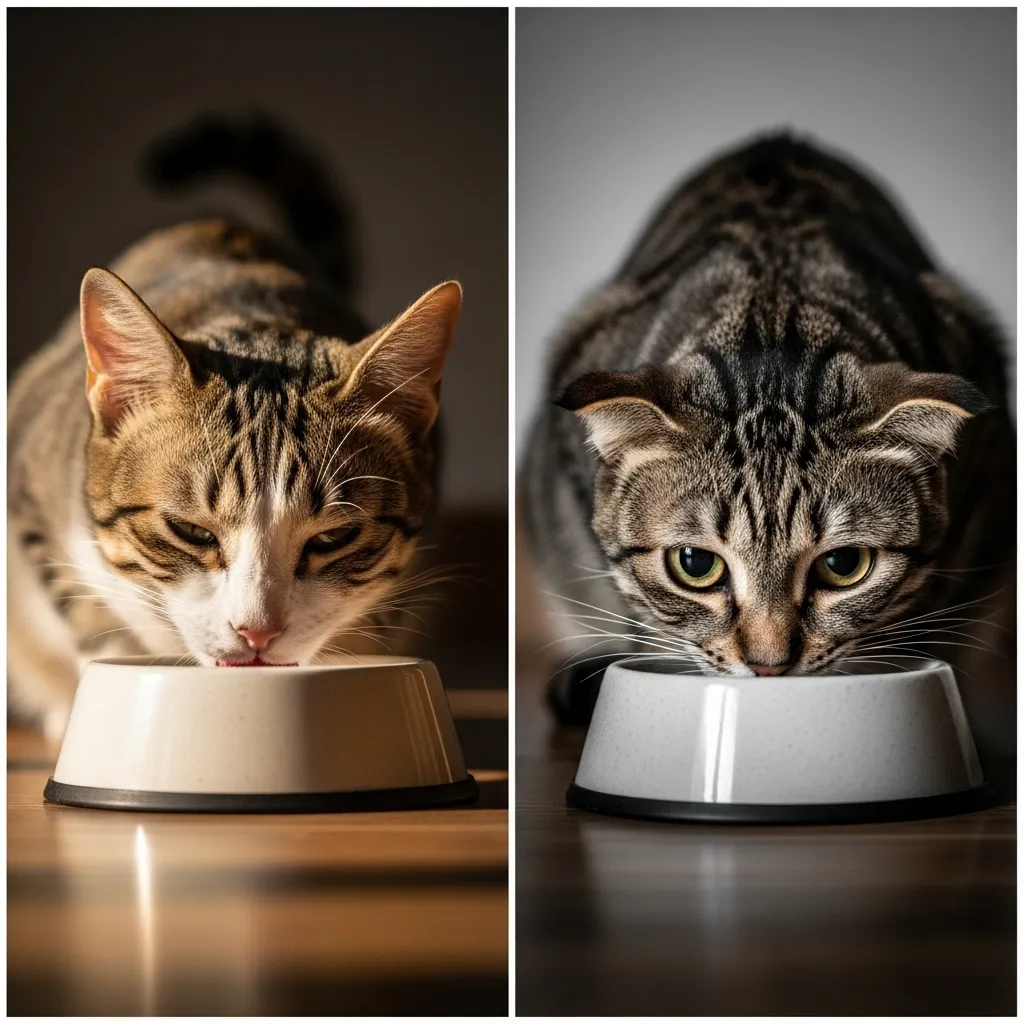
- The “Approach-Avoid” Dance: Your cat approaches the bowl, sniffs, may even take a bite, then retreats. This hesitation often indicates anxiety about the feeding environment rather than the food itself.
- Location Changes: A cat that suddenly refuses to eat in their usual spot but might accept food in a hidden corner (like under a bed) is telling you their usual eating area no longer feels safe.
- Guarding or Gobbling: Some stressed cats eat excessively fast (as if competing) even in single-cat households a throwback to competitive wild behavior. Others become protective, hissing or swatting if approached while eating.
- Post-Meal Anxiety: Instead of the contented grooming or napping that typically follows a meal, a stressed cat may immediately hide, patrol nervously, or engage in displacement behaviors like excessive scratching.
Physical Symptoms That Accompany Stress-Induced Appetite Changes
- Weight Fluctuation: Unexplained weight loss is the most obvious sign, but some cats gain weight due to stress-eating high-calorie foods.
- Poor Coat Condition: Nutritional deficits from poor eating lead to dull, greasy, or thinning fur.
- Gastrointestinal Signs: Intermittent vomiting, diarrhea, or constipation often accompany stress-related eating issues.
- Changes in Litter Box Habits: Stress is a major contributor to FLUTD and inappropriate elimination. Discover more about the connection in our guide on cat litter box problems.
The Critical Distinction: Stress vs. Medical Causes
This is where many owners face confusion. Several serious medical conditions also cause anorexia or changed eating habits:
- Dental Disease: Painful teeth or gums make chewing difficult. Check for bad breath, drooling, or pawing at the mouth.
- Gastrointestinal Issues: Inflammatory bowel disease, pancreatitis, or foreign bodies.
- Kidney Disease: Common in older cats, causing nausea and metallic taste in mouth. Learn about managing this in our cat kidney failure guide.
- Hyperthyroidism: Increases metabolism while causing nausea, creating paradoxical hunger with weight loss.
Rule of Thumb: Any sudden, complete loss of appetite for more than 24 hours, or a gradual decrease leading to noticeable weight loss over a week, warrants an immediate veterinary visit. Bloodwork, urinalysis, and sometimes imaging are necessary to rule out primary medical causes before concluding the issue is purely stress-related. For senior cats, be particularly vigilant; explore our senior cat care recommendations.
The Unseen Triggers: What Stresses Your Cat?
Cats are masters of subtlety, and their stressors are often invisible to human perception. Understanding these triggers is the first step toward creating a safer feeding environment.
Environmental Stressors Directly Affecting Feeding
1. Bowl Placement Problems:
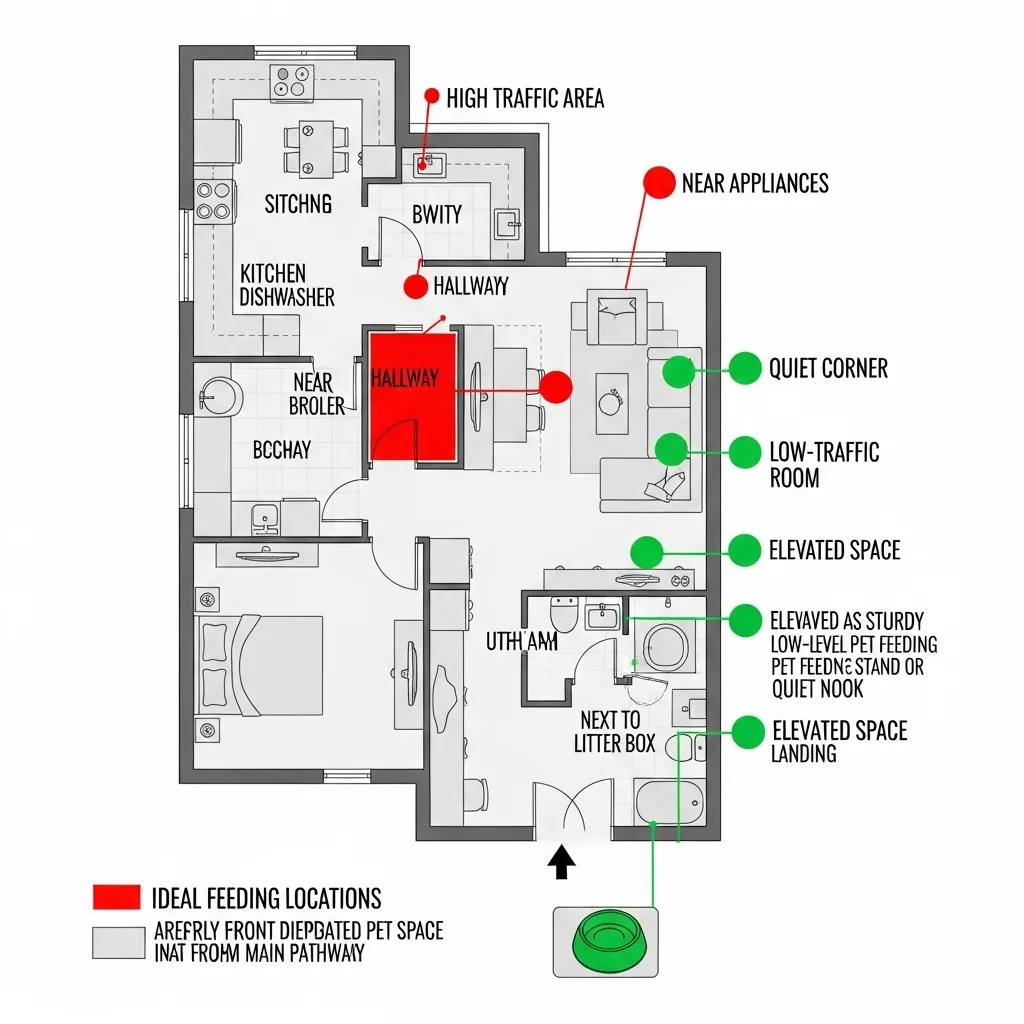
- High-Traffic Areas: Placing bowls in hallways, near doorways, or in the kitchen center can make a cat feel exposed and vulnerable.
- Close to Appliances: The hum of a refrigerator, sudden noise of a dishwasher, or vibration from a washing machine can be alarming.
- Near Litter Boxes: Cats instinctively avoid eating near elimination areas. The recommended minimum separation is at least 10-15 feet.
2. Multi-Cat Household Dynamics:
Even cats that seem to get well may engage in silent competition. Subtle bullying can occur out of sight, where one cat blocks access to resources. This is called resource guarding and can create chronic anxiety around feeding time. If you have multiple cats, our guide on training multi-cat households offers specialized strategies.
3. Human Behavior During Feeding:
- Hovering: Watching your cat eat, especially with concern, can be perceived as threatening.
- Inconsistent Schedules: Cats are creatures of habit. Erratic feeding times create anticipatory anxiety.
- Hand-Feeding Pressure: While sometimes necessary, constant hand-feeding can reinforce anxiety by suggesting the bowl itself is unsafe.
Life Changes That Disrupt Eating Patterns
- Moving Homes: New environments are full of unfamiliar scents and sounds. Appetite may not return for several days. Our moving with a cat cross-country article provides transition tips.
- New Family Members: Babies, new partners, or roommates change household dynamics and routines.
- Loss of a Companion: Both human and animal grief can manifest as appetite loss. Learn about coping with cat loss for insights into feline grief.
- Renovations or Rearranging: Cats are spatial creatures. Changing their territory layout can be deeply unsettling.
- Veterinary Visits: The carrier, car ride, and clinic experience can create negative associations that last for days. Minimize stress with advice from our cat vet visit schedule and cat carrier training guides.
Sensory Stressors We Often Miss
- Plastic Bowls: Can retain odors, develop scratches that harbor bacteria, and some cats dislike the static or taste.
- Deep or Narrow Bowls: Whisker fatigue where sensitive whiskers brush against bowl sides is a real discomfort that deters eating.
- Reflective Surfaces: Some cats are startled by their own reflection in stainless steel bowls.
- Scent Overload: Strong cleaning products, air fresheners, or perfumes near feeding areas can be overwhelming. Cats experiencing sensory overload may show other signs; learn about cat overstimulation signs.
Practical Solutions: Rebuilding Food Security
Addressing stress-related eating issues requires a multi-pronged approach that increases environmental security and rebuilds positive associations with food.
Step 1: Environmental Modification for Peaceful Eating
Create a “Safe Station”:
- Place food and water in a quiet, low-traffic location where the cat has a clear view of approaches (so they aren’t startled) but also has an escape route.
- Consider elevated surfaces like a sturdy shelf or cat tree platform, which many cats prefer as it feels more defensible.
- Ensure each cat in a multi-cat home has their own station in separate rooms or with visual barriers.
Optimize Feeding Utensils:
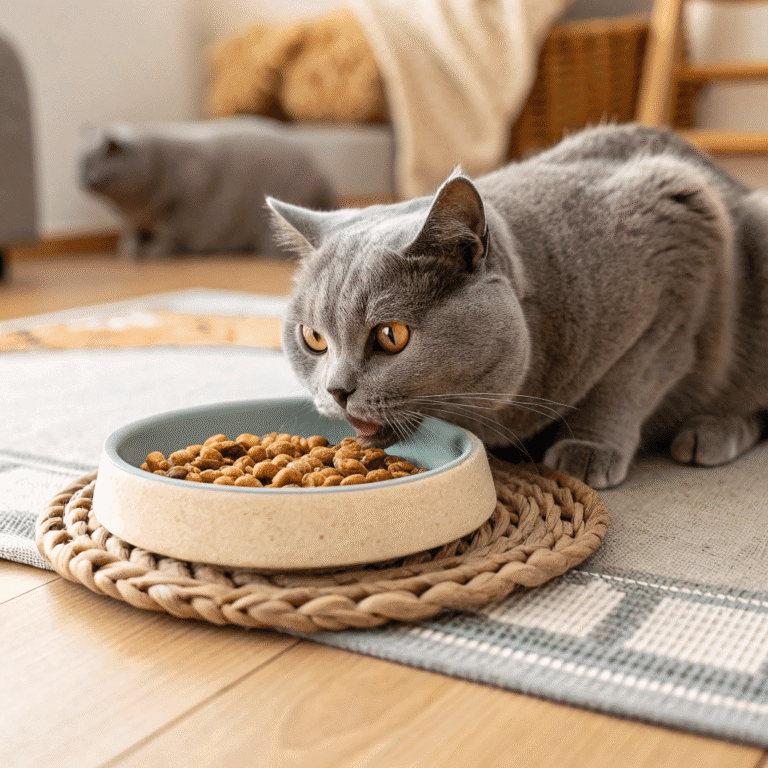
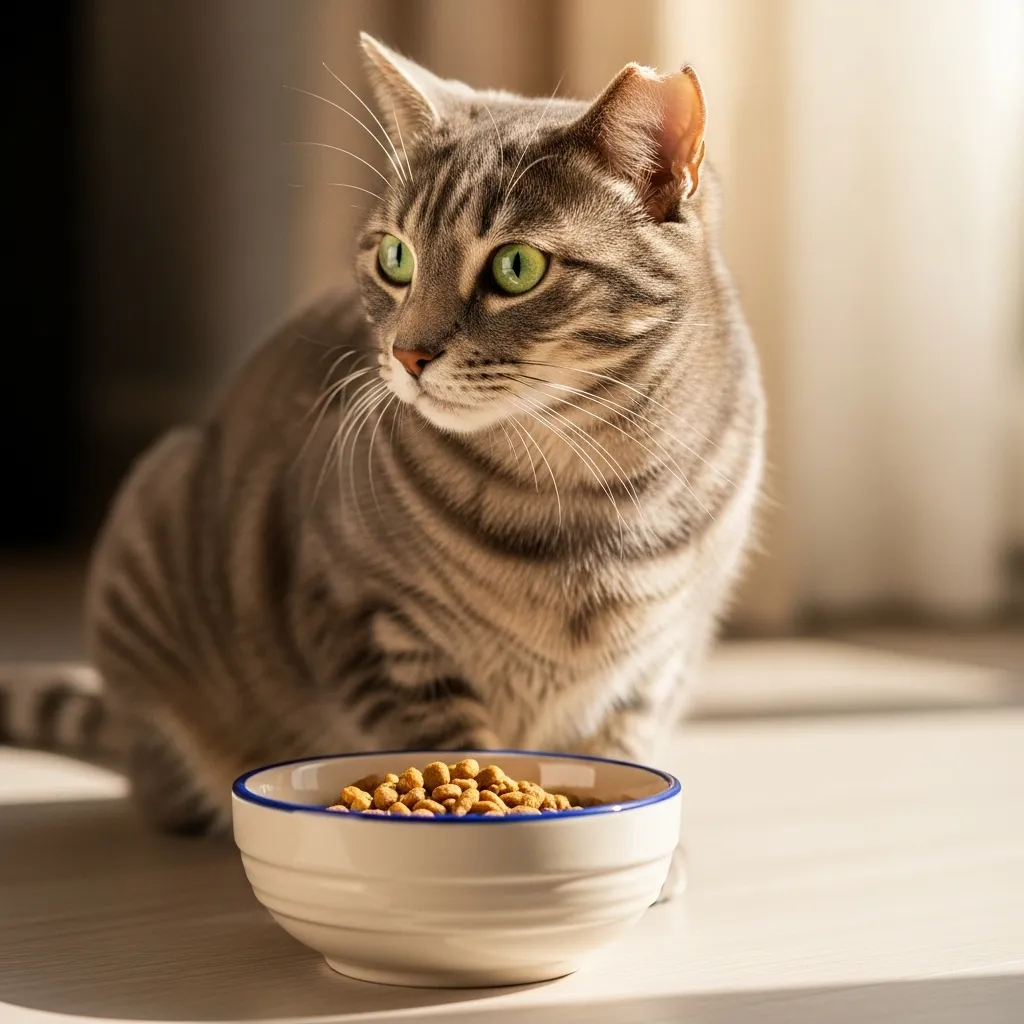
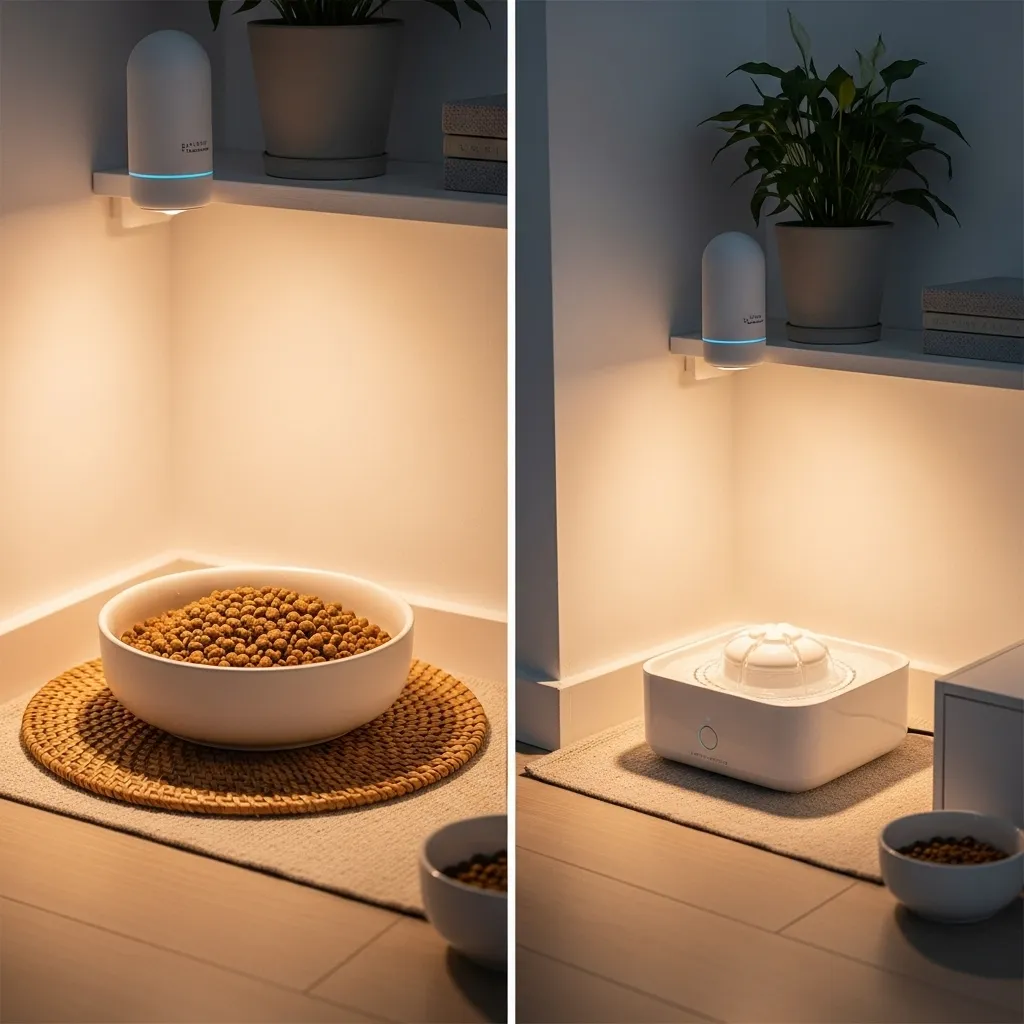
- Switch to wide, shallow ceramic or glass bowls to prevent whisker fatigue.
- Use placemats to define the eating space and prevent sliding bowls.
- For cats stressed by other pets, consider microchip-activated feeders that open only for the designated cat.
Establish Predictability:
- Feed at the same times each day. Cats thrive on routine.
- Implement a calm pre-feeding ritual, like a gentle play session with a feather wand, to create positive anticipation.
Step 2: Nutritional Strategies for the Anxious Eater
Food Format Matters:
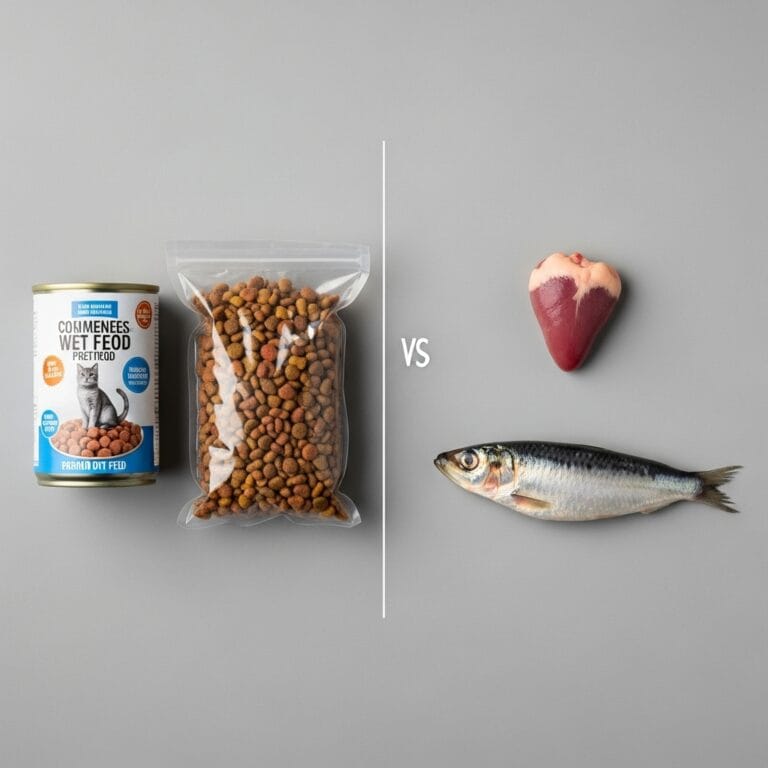
- Wet food is often more palatable and provides crucial hydration, which stress can compromise. Explore options in our best wet cat food guide.
- Warming food to body temperature (around 101°F) increases aroma, stimulating appetite.
- For cats that nibble, offer smaller, more frequent meals rather than one or two large portions.
Palatability Enhancers (Use Sparingly):
- A sprinkle of nutritional yeast, a tiny amount of grated parmesan, or a teaspoon of low-sodium chicken broth can entice eating.
- Note: Always ensure any additives are cat-safe and constitute less than 10% of total calories.
Strategic Supplementation:
- Discuss with your vet about probiotics to support gut health, which is closely linked to stress.
- Omega-3 fatty acids (from fish oil) have shown mild anti-anxiety effects in some studies.
- For cats needing to gain weight safely, our help cat gain weight article provides structured guidance.
Step 3: Behavioral and Emotional Support
Pheromone Therapy:
- Feliway diffusers or sprays mimic feline facial pheromones, creating signals of safety and familiarity. Place one near feeding areas.
Positive Reinforcement:
- Never force-feed or physically place your cat at the bowl, as this creates negative associations.
- Instead, reward any approach to the feeding area with calm praise or a tiny high-value treat placed near (not in) the bowl.
Address Inter-Cat Tension:
- In multi-cat homes, ensure resources (food, water, litter, resting spots) exceed the number of cats by at least one. The general rule is N+1.
- Feed cats in separate rooms initially, gradually moving bowls closer only if no stress signs appear.
Enrichment Beyond the Bowl:
- Boredom and pent-up energy can manifest as stress. Ensure adequate cat enrichment ideas that look expensive but can be DIY.
- Food puzzles and slow feeders turn eating into a engaging activity, reducing anxiety by focusing on the “hunt.”
Step 4: When to Seek Professional Help
If environmental and dietary changes don’t produce improvement within 1-2 weeks, or if weight loss continues, consult:
- Your Veterinarian: To rule out emerging medical issues and discuss appetite stimulants (like mirtazapine) or anti-anxiety medications as a short-term bridge while behavior is modified.
- A Certified Feline Behavior Consultant: They can conduct a thorough assessment of your home environment and cat’s specific stressors. Look for credentials from organizations like the International Association of Animal Behavior Consultants (IAABC).
Prevention: Building a Stress-Resilient Feeding Routine
The best approach is proactive. Cultivating daily habits that minimize feeding anxiety prevents most issues from developing.
Daily Practices for Low-Stress Feeding
- Scheduled, Not Free-Feeding: Meal feeding allows you to monitor appetite daily—the single best indicator of wellbeing.
- Quiet Time Around Meals: Avoid loud activities (vacuuming, loud music) during and for 30 minutes after feeding.
- Observe Without Staring: Be present but distracted (reading a book, on your phone) during meals to provide security without pressure.
- Keep Bowls Meticulously Clean: Wash daily with unscented soap to prevent odor buildup.
Long-Term Environmental Planning
- Design your home with cat highways—elevated pathways using shelves and furniture allow movement without confrontation. Get inspired by our cat wall climbing setups ideas.
- Create multiple cozy cat corners and hiding spots throughout your home so your cat always has a retreat.
- Use calming cat music (there are YouTube channels and apps with music composed for feline hearing) during typically stressful times, like evenings when household activity increases.
Regular “Stress Checks”
- Monthly weigh-ins at home can catch gradual weight loss before it becomes severe.
- Keep a simple journal noting appetite (1-10 scale), any vomiting, and unusual behaviors to identify patterns.
For more on creating an ideal environment, explore our guide on calm and enriching cat home environment.
FAQ: Addressing Your Pressing Questions
Q: My cat eats treats but not their regular food. Is this still stress?
A: Often, yes. High-value treats can override mild anxiety, while the association with regular food in a stressful context remains negative. This selective eating is a common sign of low-grade chronic stress, not just pickiness.
Q: How long can a healthy cat safely go without eating?
A: This is critical. After 24 hours of complete anorexia, a cat’s body begins mobilizing fat stores for energy. In overweight cats, this can rapidly lead to hepatic lipidosis, a potentially fatal liver condition. Never wait more than 48 hours without veterinary consultation. For context, see our article on how long cat without food water.
Q: Can stress cause a cat to overeat instead?
A: Absolutely. Some cats are “stress-eaters,” using food for comfort. This pattern is more common in cats weaned too early or with certain anxiety profiles. It can lead to obesity and related issues. Learn about managing weight in our cat obesity guide.
Q: Are some cat breeds more prone to stress-related eating issues?
A: Yes. Breeds known for high sensitivity, like Siamese, Bengal, and Russian Blue cats, may be more reactive to environmental stressors. However, any individual cat can be affected. Understanding your specific breed’s needs helps; for example, see our Bengal cat personality or Russian Blue cat behavior guides.
Q: Will getting another cat help my stressed cat eat better?
A: This is risky. While companionship sometimes helps lonely cats, introducing a new cat is itself a major stressor that could worsen the problem. Carefully assess if your cat enjoys feline company first. Read does my cat want another cat before making this decision.
Conclusion: Nourishment Beyond Nutrition
Understanding how stress can affect a cat’s eating habits reveals a fundamental truth about feline care: we are not just feeding bodies, but nurturing sensitive nervous systems evolved for survival in a very different world. The empty bowl is more than a missed meal; it’s a communication, a signal that somewhere in your shared environment, something feels unsafe to your cat.
The solutions lie not in more enticing food alone, but in detective work, empathy, and environmental engineering. By viewing feeding not as a simple transaction but as a ritual of safety and trust, we address the root cause rather than just the symptom.
Start today. Observe without judgment. Modify one element of the feeding environment. Celebrate small victories a single extra bite eaten calmly is progress. Your cat’s renewed appetite will be their quiet thank you.
Explore More Expert Guidance: For continued support on your cat’s wellness journey, from behavioral insights to health management, browse our comprehensive library of cat health care and cat training behavior articles here at Cat Bloom Haven. Because when your cat thrives, your shared world blooms.