How to Tell If Your Cat’s Diet Is Nutritionally Balanced: The Ultimate Guide
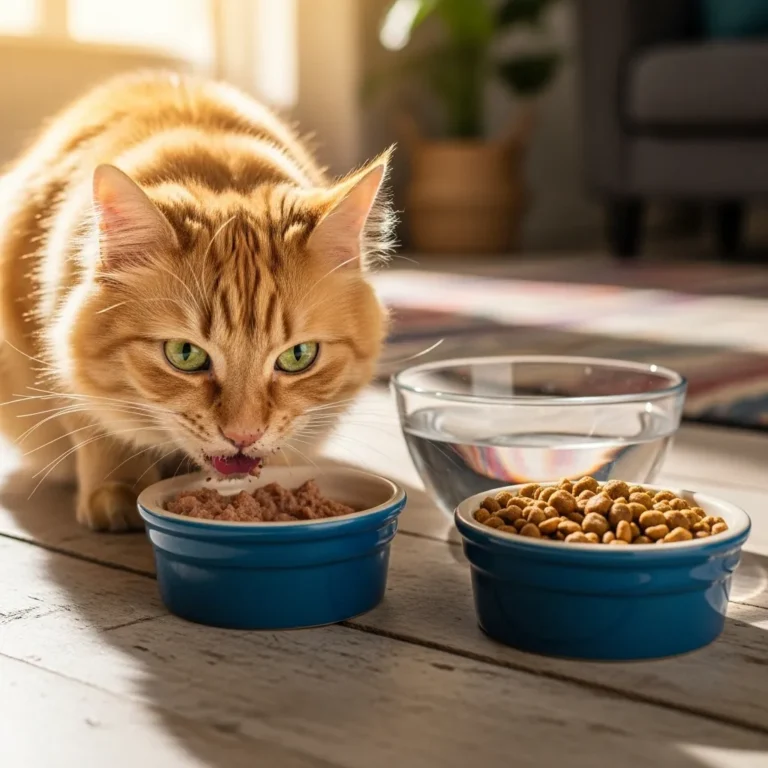
You carefully select their food, pour it into their favorite bowl, and watch them eat. But a quiet, nagging question remains: is this really giving them everything they need? A cat’s diet is the cornerstone of their health, yet the signs of nutritional imbalance are often subtle, masquerading as everyday quirks or minor issues. You’re not looking for a dramatic collapse; you’re looking for the quiet whispers of deficiency or excess. This guide will empower you to become a expert detective in your cat’s nutritional well-being.
We’ll move beyond the ingredient list and marketing claims to decode the physical, behavioral, and biological signals your cat sends every day. By the end, you’ll have a clear, actionable framework to confidently answer that crucial question and ensure your cat thrives for years to come.
Key Takeaways:
- A nutritionally balanced cat diet supports a glossy coat, clear eyes, lean muscle mass, consistent energy, and ideal litter box output.
- Key red flags include dull fur, flaky skin, unexplained weight changes, low energy, digestive issues (diarrhea/constipation), and unusual litter box habits.
- The foundation of feline nutrition is high-quality animal protein, supported by essential fats, vitamins, minerals, and plenty of moisture.
- You can perform a hands-on “Body Condition Score” check at home to assess if your cat is underweight, ideal, or overweight.
- Always consult your veterinarian for a professional assessment and to rule out underlying medical conditions that mimic dietary problems.
Understanding the Pillars of a Feline Nutritionally Balanced Diet
Cats are obligate carnivores. This isn’t a preference; it’s a biological imperative. Their bodies are engineered to derive vital nutrients from animal tissue. Therefore, the very first step in evaluating your cat’s diet is understanding what “nutritionally balanced” truly means for a feline.
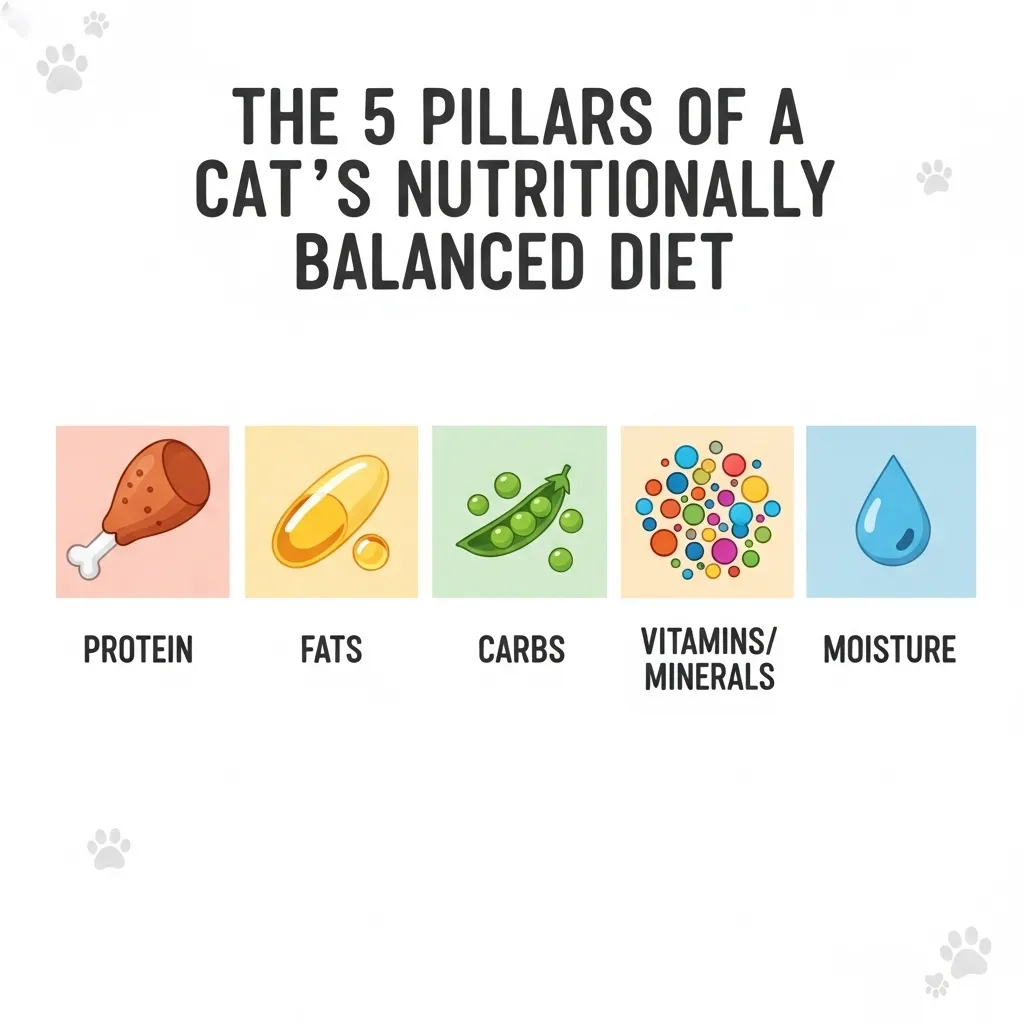
A diet that is nutritionally balanced for a cat must provide, in the correct proportions:
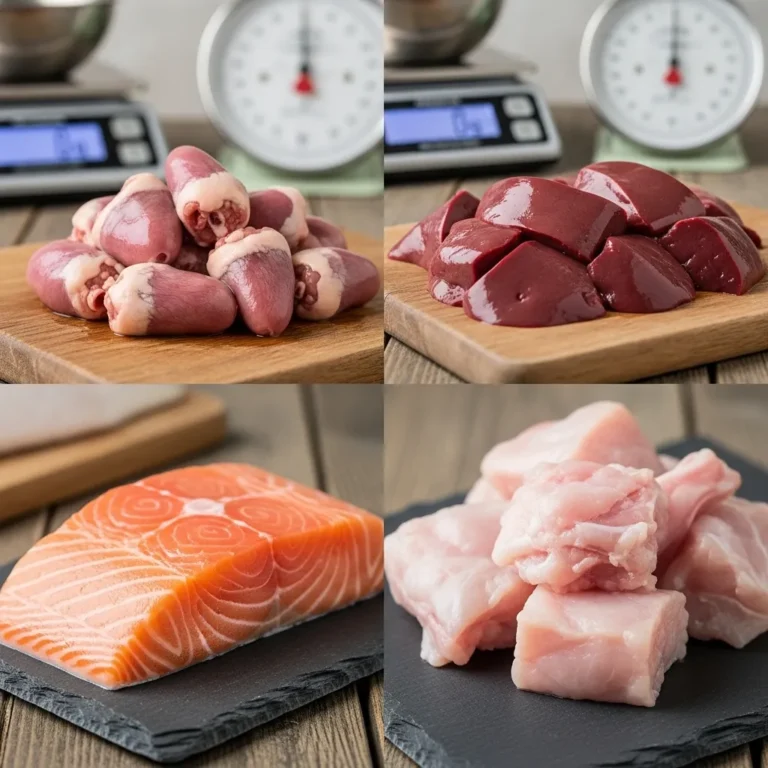
- High-Quality Animal Protein: The absolute non-negotiable. Protein supplies essential amino acids like taurine (critical for heart and eye health) and arginine. Look for named meat sources (e.g., chicken, turkey, salmon) as the first ingredients.
- Healthy Fats: Sources like chicken fat or fish oil provide energy, support skin and coat health, and supply fat-soluble vitamins. Omega-3 and Omega-6 fatty acids in proper balance are key.
- Minimal, High-Quality Carbohydrates: Cats have no nutritional requirement for carbohydrates. While some digestible carbs can provide energy, the best diets keep them low and sourced from vegetables or grains that don’t commonly trigger allergies.
- Essential Vitamins & Minerals: These must be present in precise ratios for metabolic functions, from calcium and phosphorus for bones to Vitamin A for vision.
- Adequate Moisture: Cats have a low thirst drive, evolved from getting water from prey. A diet rich in moisture (canned/wet food) is crucial for long-term urinary and kidney health.
The Physical Report Card: What Your Cat’s Body Reveals About Their Diet
Your cat’s physique is the most honest reviewer of their food. Assess these areas during your next cuddle session.
1. Coat and Skin Condition
A diet that is nutritionally balanced acts like the best grooming product imaginable.
- Signs of Balance: A soft, glossy, smooth coat that lies flat. The skin underneath is supple and free of flakes or redness.
- Red Flags of Imbalance:
- Dull, Greasy, or Brittle Fur: Often indicates a lack of quality protein or essential fatty acids.
- Excessive Shedding or Flaky Skin (Dandruff): Can point to a deficiency in Omega-3s, certain vitamins, or overall poor-quality protein. However, it’s also a classic sign of dehydration.
- Slow Hair Regrowth: After a shave or scratch, hair should grow back steadily. Slow regrowth can signal protein or nutrient deficiency.
2. Muscle Tone and Body Condition
This isn’t just about weight; it’s about composition. A cat can be a normal weight but lack muscle, indicating poor protein quality or utilization.
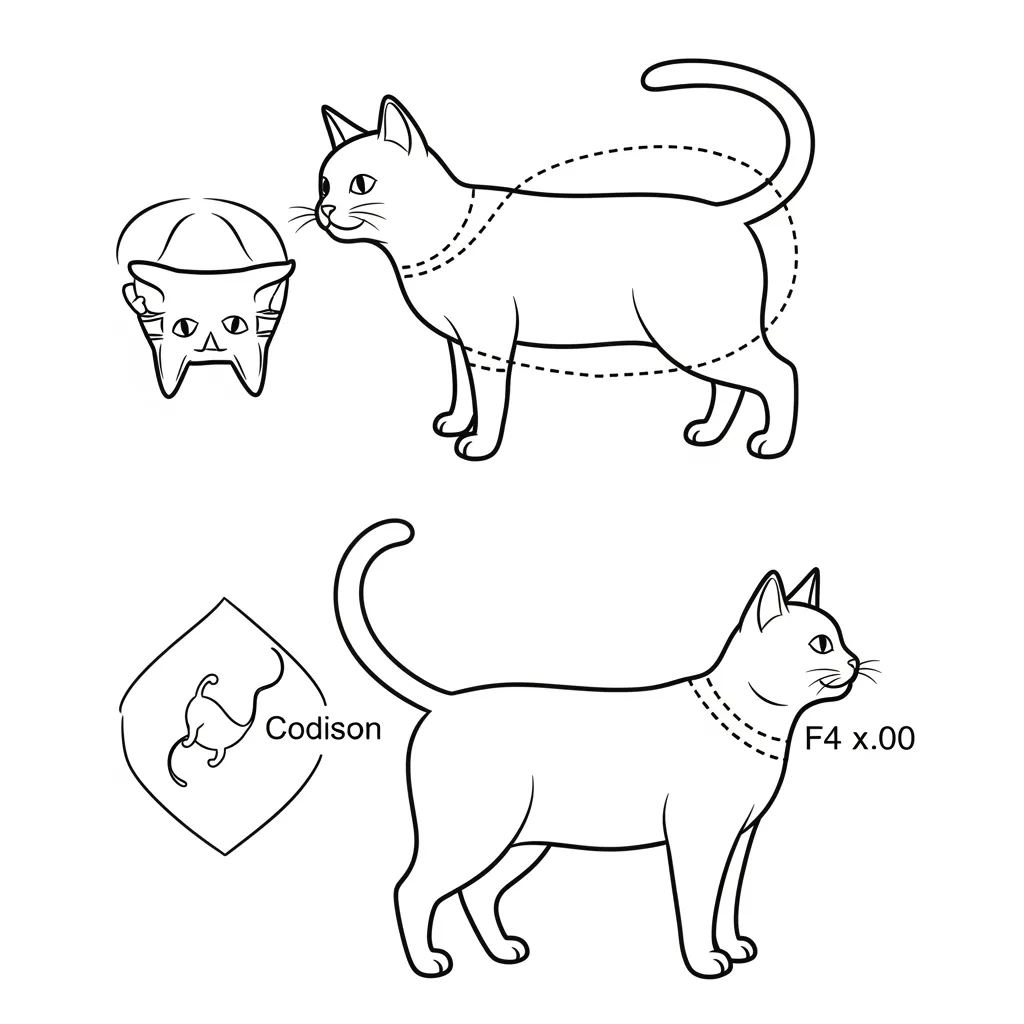
- How to Perform a Body Condition Score (BCS) Check:
- Look from above: Your cat should have a visible waist behind the ribs.
- Look from the side: The abdomen should tuck up, not sag.
- Feel the ribs: You should be able to easily feel individual ribs with a slight fat covering, not see them. They shouldn’t be buried under a thick layer of fat.
- Feel the spine and hip bones: They should be palpable but not prominent.
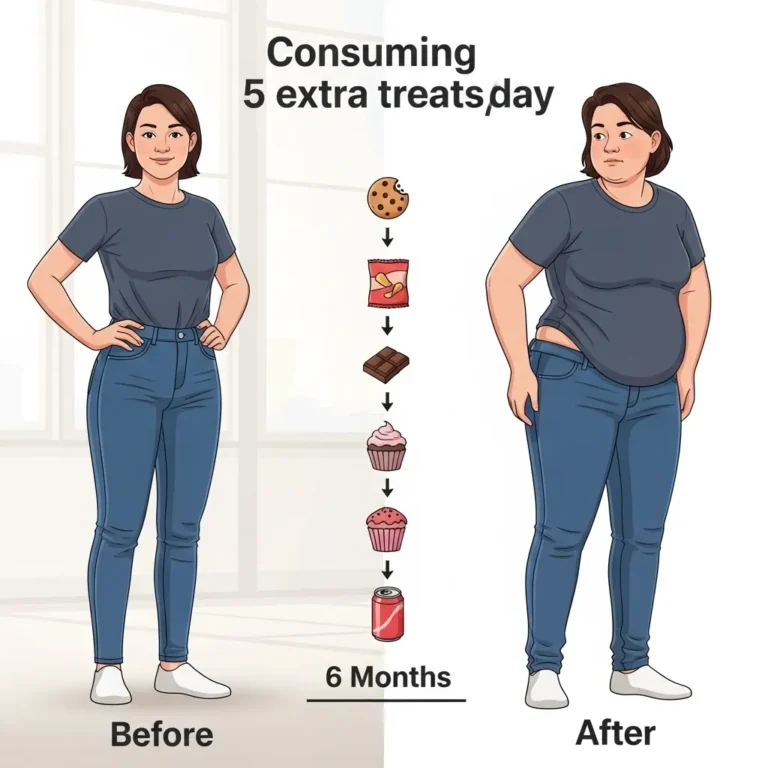
- Red Flags: A prominent, bony spine/hips (BCS 1-3/9) suggests undernutrition. An absent waist and a rounded, hard-to-feel ribcage (BCS 7-9/9) indicate obesity, often from calorie-dense, carbohydrate-heavy diets. Discover more tips in our guide on cat obesity.
3. Energy and Vitality
Nutrition is fuel. The right fuel sustains consistent, playful energy.
- Signs of Balance: Your cat engages in regular periods of playful activity (the famous “zoomies”), shows interest in toys and interaction, and has a stable, predictable pattern of rest and activity.
- Red Flags of Imbalance:
- Lethargy or Persistent Low Energy: Could be linked to low-quality calories, anemia from iron/B12 deficiency, or other nutrient shortfalls.
- Hyperactivity or Irritability: Less common, but sometimes linked to diets very high in simple carbohydrates, causing blood sugar spikes and crashes.
4. Eyes, Ears, and Overall Alertness
- Signs of Balance: Bright, clear eyes free of discharge. Clean ears. A generally alert and responsive demeanor.
- Red Flags of Imbalance: Cloudiness, discharge, or a dull appearance can sometimes relate to deficiencies in vitamins like A or amino acids like taurine. If your cat is losing weight while eating well, this is a major veterinary red flag. Learn more in our article on why cat losing weight.
The Internal Report: Decoding Litter Box Clues
What leaves your cat’s body is a direct report card on what went into it. Monitoring the litter box is non-negotiable for assessing if a diet is nutritionally balanced.
1. Stool Quality
- Signs of Balance: Firm, well-formed, brown stools that are easy to pass and have a mild odor. They should hold their shape when scooped.
- Red Flags of Imbalance:
- Chronic Diarrhea or Very Soft Stools: Often the first sign of a food intolerance, allergy to an ingredient (common culprits: beef, dairy, fish), or poor digestibility of the protein/filler sources.
- Constipation or Hard, Dry Stools: Frequently a sign of dehydration or insufficient fiber. Cats on dry-food-only diets are especially prone.
- Extremely Foul Odor or Unusual Color: Can indicate malabsorption, pancreatic issues, or inappropriate ingredients.
2. Urinary Health
This is where moisture content in the diet is paramount.
- Signs of Balance: Regular urine clumps of moderate size. No straining, crying, or frequent trips with little output.
- Red Flags of Imbalance: Straining to urinate, crying in the box, bloody urine, or excessively large clumps (indicating high water intake due to underlying disease like kidney issues or diabetes) are emergencies. A diet too high in magnesium and phosphorus, combined with low moisture, can contribute to crystal formation. Explore our detailed guide on cat urinary health.
3. Output Volume
Surprisingly, how much they produce matters.
- High Volume of Stool: Often means the food is full of indigestible fillers (like corn, wheat, soy) that simply pass through.
- Small, Firm Stool: Typically indicates a highly digestible, meat-rich diet where most nutrients are absorbed.
Behavioral and Appetite Signals
Sometimes, the clues aren’t physical; they’re in your cat’s actions.
- Consistent, Moderate Appetite: A cat on a satisfying, nutrient-dense diet should finish meals readily but not act ravenous all the time.
- Red Flags:
- Pica (Eating Non-Food Items): Chewing on wool, plastic, or plants can sometimes indicate a nutritional deficiency or a diet lacking in fiber or stimulation.
- Food Obsession or Begging: Constant hunger can mean the diet is low in satiating protein and high in empty carbs, failing to trigger proper satiety signals.
- Pickiness or Meal-Skipping: While some cats are naturally finicky, a sudden refusal can signal that the food is making them feel unwell (nausea, GI discomfort). Learn more about why cat not eating.
The Life Stage and Lifestyle Factor: One Size Does Not Fit All
A diet that is nutritionally balanced for a sprightly kitten is not suitable for a sedentary senior. You must account for:
- Kittens: Require more protein, fat, and calories for growth.
- Adults: Need maintenance-level nutrition tailored to their activity level (indoor vs. outdoor).
- Seniors: Often benefit from adjusted phosphorus levels for kidney support, easily digestible protein, and joint supplements. Their diet must be tailored to manage common age-related conditions. For specific advice, see our resource on senior cat care.
- Medical Conditions: Cats with diabetes, kidney disease, or food allergies require veterinary-prescribed therapeutic diets. What you feed a cat with feline diabetes is fundamentally different from a standard diet.
How to Audit Your Current Cat Food
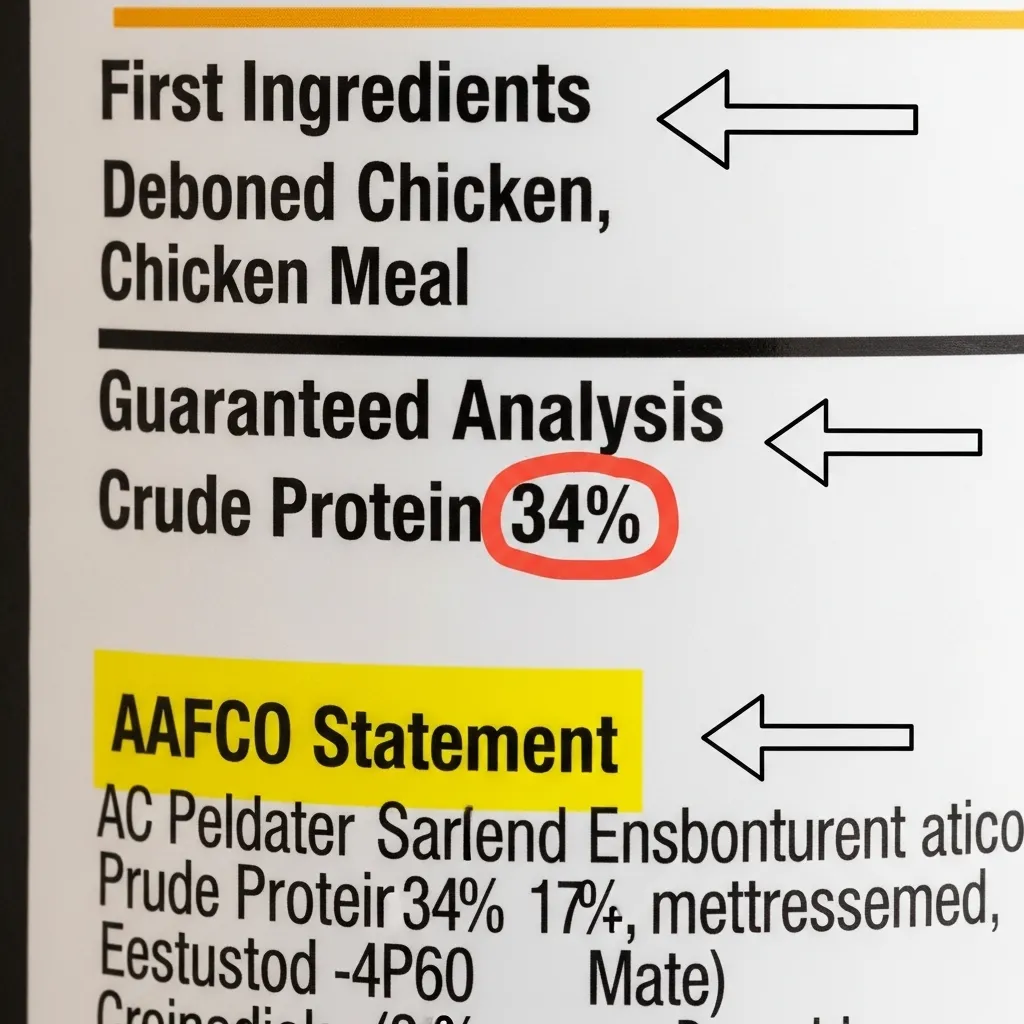
Take the bag or can and analyze it like a pro:
- Ingredient List: The first 3-5 ingredients are the majority of the food. Are they specific animal proteins (deboned chicken, turkey meal) or vague terms (“meat by-products,” “animal digest”) and fillers?
- Guaranteed Analysis: Check the crude protein (aim for >30% in dry, >10% in wet), fat, and fiber levels.
- AAFCO Statement: This is critical. Look for the phrase: “[This food] is formulated to meet the nutritional levels established by the AAFCO Cat Food Nutrient Profiles for [all life stages] or [adult maintenance].” This means it meets minimum standards for a complete diet.
When to Consult Your Veterinarian: The Professional Diagnosis
Your observations are powerful, but they are not a substitute for veterinary medicine.
- Schedule a Visit If You Notice: Unexplained weight loss/gain, persistent digestive issues, skin problems, or changes in energy/urination.
- What Your Vet Can Do: Perform a physical exam, run bloodwork and urinalysis to check organ function and nutrient levels, and recommend specific dietary changes or therapeutic foods. They can also help you interpret your at-home findings in a clinical context. A strong partnership with your vet is essential, as outlined in our guide to finding the best vet for your cat.
FAQ: Quick, Snippet-Ready Answers
Q: What are the most obvious signs my cat’s diet is not nutritionally balanced?
A: The most obvious signs are a dull, flaky coat, unexplained weight changes (gain or loss), inconsistent energy levels (lethargy or hyperactivity), and poor stool quality (chronic diarrhea or constipation).
Q: Can a cat be overweight but still malnourished?
A: Yes, absolutely. This is common. A cat can consume excess calories from low-quality, carbohydrate-heavy food, leading to obesity while still lacking essential proteins, vitamins, and minerals needed for optimal health.
Q: Is wet food or dry food better for a nutritionally balanced diet?
A: Wet food is generally superior for providing essential moisture and is often higher in protein and lower in carbs. However, high-quality dry foods exist. Many experts recommend a combination, using wet food as the staple for hydration and dry food for dental benefit or enrichment.
Q: How long does it take to see changes after switching to a better food?
A: You may see improvements in energy and digestion within a few weeks. Full coat regrowth and optimal body condition can take 2-3 months, as the body replaces old cells with new, better-nourished ones.
Q: Are homemade diets a good way to ensure balance?
A: They can be, but they are extremely risky if not formulated by a veterinary nutritionist. It is very easy to create severe, life-threatening deficiencies (e.g., lack of taurine) or imbalances (e.g., calcium-phosphorus ratio) with homemade food.
Conclusion: From Question to Confidence
Determining if your cat’s diet is nutritionally balanced transforms you from a passive feeder to an active partner in their health. It requires moving beyond the bag and tuning into the nuanced language of your cat’s body, habits, and output.
By systematically observing their coat, physique, energy, and litter box deposits, you gather the evidence needed to make an informed judgment. Use this evidence, combined with a critical eye on ingredient decks and the indispensable guidance of your veterinarian, to choose a diet that doesn’t just fill their bowl but truly fuels their life. A properly nourished cat is a vibrant, resilient, and joyful companion. You now have the map to find that place for them.
Ready to dive deeper into expert feline care? Explore our comprehensive library of articles on everything from breed-specific needs to behavior and wellness at Cat Bloom Haven. Start with our detailed breakdown of cat food nutrition to continue your journey as a confident, informed cat guardian.