The Silent Epidemic: Unmasking Common Nutrient Deficiencies in Domestic Cats
Key Takeaways
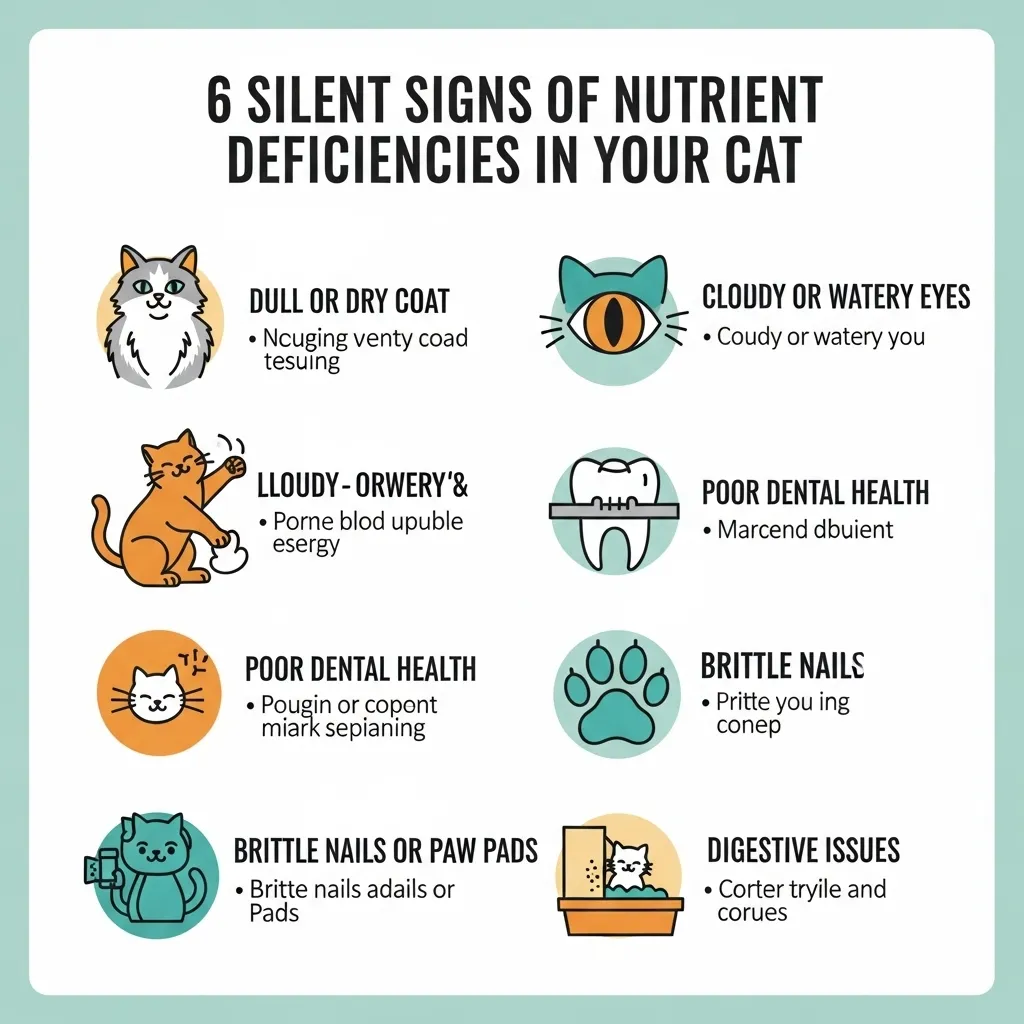
Cats are masters of disguise, especially when it comes to hiding nutritional deficiencies. These silent shortages can manifest as anything from a dull coat to life-threatening conditions, often before you realize something’s wrong. The most common nutrient deficiencies in domestic cats include taurine, essential fatty acids, vitamin A, B vitamins, calcium, and iron. Unlike dogs, cats are obligate carnivores with unique metabolic requirements they can’t manufacture certain nutrients themselves and must obtain them directly from animal tissues.
This article will guide you through identifying subtle signs, implementing corrective strategies, and preventing deficiencies through proper diet and monitoring. By understanding your cat’s specific nutritional needs, you can ensure they thrive rather than merely survive.
Introduction: Why Your Cat’s Diet Is More Than Just Food
You carefully select your cat’s food, read labels, and maybe even pay premium prices for “complete and balanced” formulas. Yet, something feels off. Your cat’s coat isn’t as lustrous as it should be. Their energy seems inconsistent. Or perhaps they’re experiencing recurring health issues that your vet can’t quite pinpoint. What if the root cause isn’t a disease, but a silent nutritional gap?
The truth is, even with the best intentions, common nutrient deficiencies in domestic cats can creep in. Cats aren’t small dogs they have evolved as obligate carnivores with specific, non-negotiable dietary requirements. A deficiency might develop gradually through feeding an inappropriate diet, or suddenly due to illness that affects nutrient absorption. The consequences range from subtle coat changes to severe neurological damage.
As a caring cat owner, recognizing these deficiencies early is your most powerful tool for prevention. This comprehensive guide will walk you through the six most critical nutritional shortfalls, their telltale signs, and evidence-based solutions to restore your cat’s vitality. We’ll move beyond generic advice into the nuanced understanding that transforms good care into exceptional care.
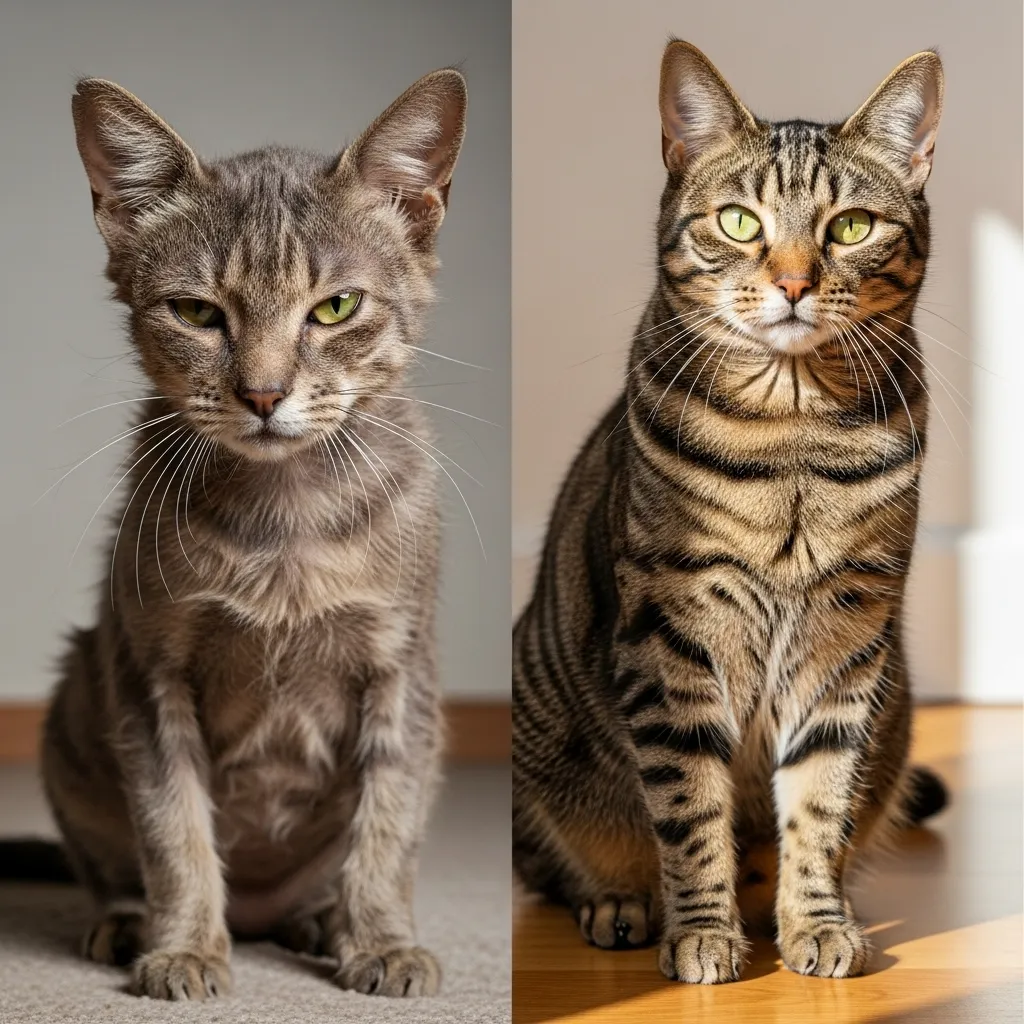
1. Taurine Deficiency: The Invisible Heartbreaker
Taurine is an amino sulfonic acid, though often grouped with amino acids, that cats cannot synthesize in adequate amounts. Unlike many mammals, cats have a limited ability to produce taurine from other amino acids like cysteine and methionine. This makes them completely dependent on dietary sources primarily muscle meat, organs, and seafood.
Why It’s Critical
Taurine is concentrated in the heart muscle, retina, and brain. It’s essential for:
- Normal cardiac function and structure
- Proper vision and retinal health
- Reproduction and fetal development
- Bile salt formation for fat digestion
- Immune system regulation
How Deficiency Develops
Historically, taurine deficiency was discovered in the 1970s when cats fed commercial diets developed dilated cardiomyopathy (DCM). While most commercial foods now supplement taurine, deficiencies still occur with:
- Homemade diets not properly formulated by a veterinary nutritionist
- Exclusive feeding of dog food (severely low in taurine)
- Certain cooking methods that destroy taurine (excessive heat)
- Medical conditions causing malabsorption
Signs to Watch For
Deficiency develops slowly, often taking months to show symptoms:
- Early stage: Subtle weight loss, lethargy, dull coat
- Cardiac stage: Weakness, rapid breathing, heart murmur, eventual congestive heart failure
- Ocular stage: Retinal degeneration leading to irreversible blindness
- Reproductive stage: Kittens with poor growth rates, developmental abnormalities
Solutions and Prevention
- Feed high-quality commercial cat foods that meet AAFCO standards
- If preparing homemade food, work exclusively with a board-certified veterinary nutritionist
- Never feed dog food to cats
- For senior cats or those with health issues, consider discussing taurine levels with your vet
Our guide on taurine for cats explores this essential nutrient in greater depth, including optimal dietary sources.
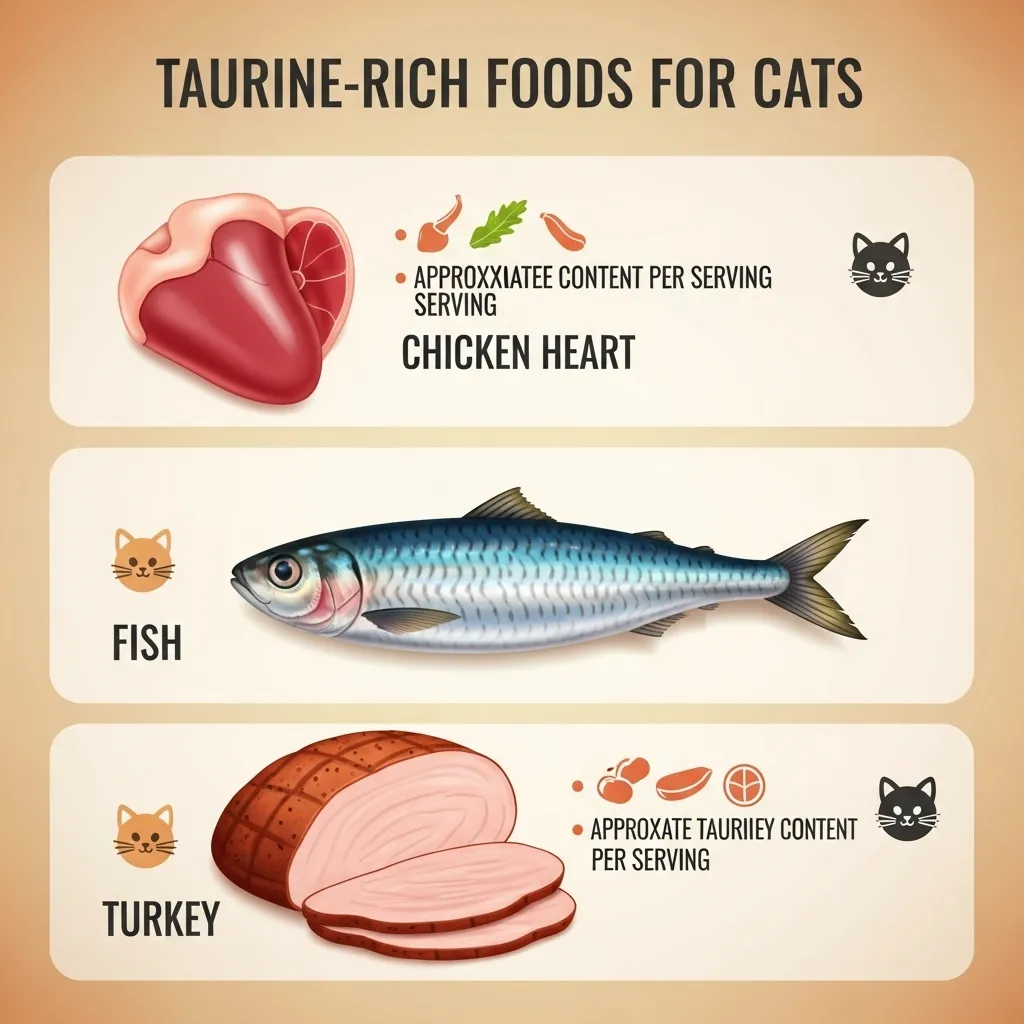
2. Essential Fatty Acid Deficiencies: When the Gloss Disappears
Essential fatty acids (EFAs) must come from diet since cats can’t synthesize them adequately. The key players are:
- Linoleic acid (Omega-6): For skin health, coat shine, and inflammation regulation
- Arachidonic acid (Omega-6): Vital for cats specifically (dogs can synthesize it)
- Alpha-linolenic acid (Omega-3): For brain function and anti-inflammatory effects
The Modern Imbalance
Many commercial diets provide adequate linoleic acid but are disproportionately high in Omega-6s compared to Omega-3s. This imbalance can promote inflammation rather than prevent it. True deficiency is less common than imbalance.
Recognizing the Signs
- Dry, flaky skin (dandruff) that doesn’t improve with grooming
- Dull, brittle, or greasy coat
- Slow wound healing
- Increased susceptibility to skin infections
- In kittens: poor growth and development
- Subtle inflammation that may exacerbate arthritis or allergies
Beyond Skin Deep
EFA deficiencies affect more than appearance:
- Impaired immune response
- Reproductive issues
- Poor kidney function
- Compromised neurological development in kittens
Correcting the Balance
- Look for foods containing both Omega-3 (from fish oil, flaxseed) and Omega-6
- Consider supplements only under veterinary guidance—excess can cause issues too
- Storage matters: EFAs oxidize quickly. Store food in airtight containers away from light
For cats with skin issues, our article on cat dander offers additional management strategies that complement nutritional approaches.
3. Vitamin A Deficiency: The Night Vision Nutrient
Cats lack the enzyme to convert beta-carotene (from plants) into active vitamin A. They require preformed vitamin A (retinol) from animal sources: liver, fish oils, and egg yolks.
Why It’s Non-Negotiable
Vitamin A is crucial for:
- Maintaining healthy vision, especially night vision
- Supporting immune function
- Ensuring proper growth and cell differentiation
- Maintaining healthy skin and mucous membranes
Deficiency Symptoms
- Night blindness (nyctalopia): Your cat may become hesitant in low light
- Skin issues: Thickening, dryness, and poor wound healing
- Reproductive problems: Conception difficulties, fetal abnormalities
- Growth retardation in kittens
- Weakened immunity: More frequent infections
The Delicate Balance
Unlike some nutrients, vitamin A can be toxic in excess (hypervitaminosis A), causing bone spurs and joint pain. This typically occurs from overfeeding liver. Balance is key.
Practical Prevention
- Quality commercial foods contain appropriate, safe levels
- If supplementing, never exceed veterinary recommendations
- Monitor cats fed homemade diets containing large amounts of liver
Senior cats may have different requirements. Learn about nutritional considerations for older cats in our dedicated guide.
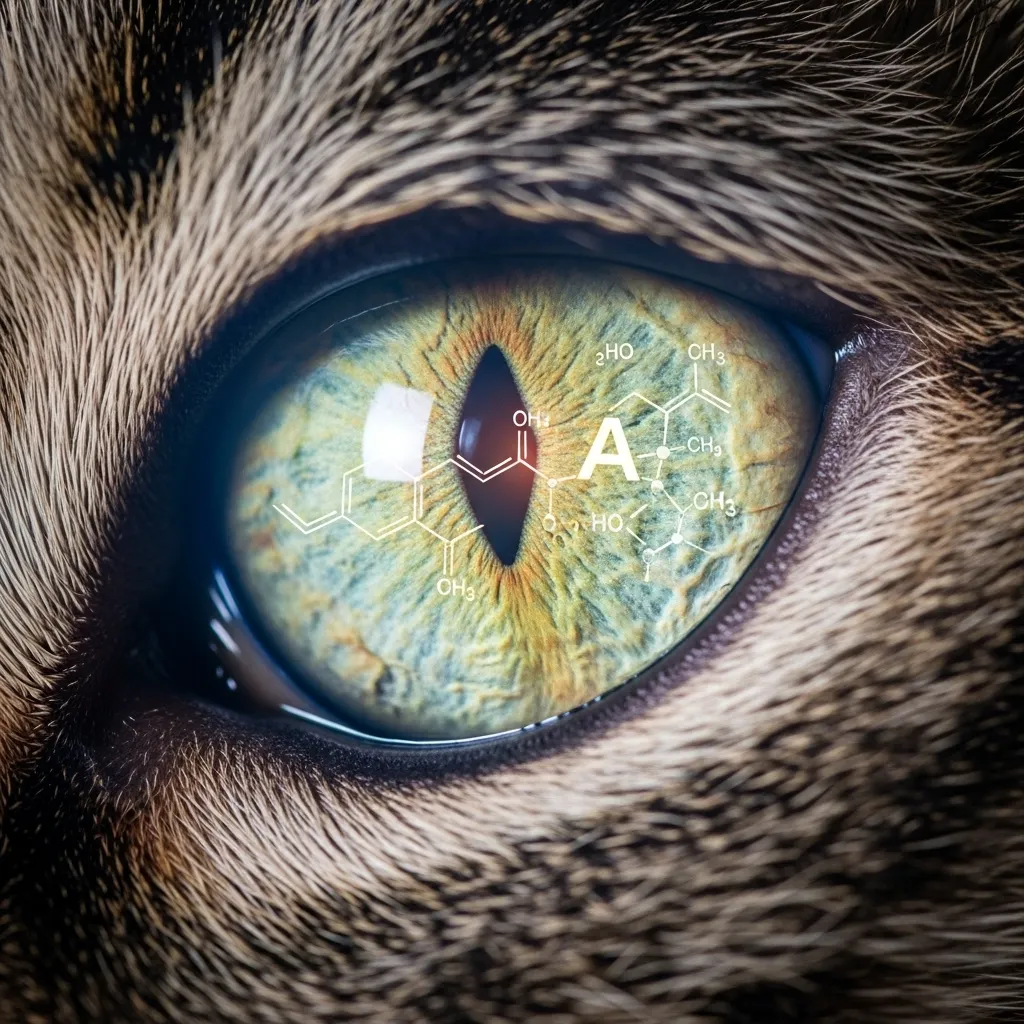
4. B Vitamin Complex Deficiencies: The Energy Regulators
The B vitamins (thiamine B1, riboflavin B2, niacin B3, pyridoxine B6, etc.) are water-soluble and not stored in large amounts. Cats have higher requirements for several B vitamins than other mammals.
Thiamine (B1) Deficiency: A Critical Concern
Thiamine deficiency is one of the more common B vitamin issues because:
- Thiamine is heat-sensitive and destroyed by certain processing methods
- Some fish contain thiaminase, an enzyme that destroys thiamine
Symptoms include:
- Neurological signs: head tilt, tremors, seizures, circling
- Ventroflexion of the neck (chin to chest)
- Weakness, loss of coordination
- Loss of appetite
- Rapid progression to convulsions and death if untreated
Other B Vitamin Shortfalls
- Niacin (B3): Cats can’t synthesize enough from tryptophan. Deficiency causes “black tongue” (ulceration), diarrhea, and neurological issues.
- Pyridoxine (B6): Essential for protein metabolism. Deficiency causes weight loss, anemia, and neurological problems.
- Cobalamin (B12): Often deficient in cats with gastrointestinal disease due to poor absorption.
Causes Beyond Diet
- Anorexia: Even a few days without food can deplete stores
- Gastrointestinal diseases: Like inflammatory bowel disease (IBD) affecting absorption
- Certain medications: That interfere with absorption or increase excretion
- Excessive urination: From conditions like diabetes, flushing out water-soluble vitamins
Solutions
- Feed high-quality commercial foods from reputable companies
- Never feed raw fish exclusively
- Seek immediate veterinary care if neurological symptoms appear thiamine deficiency is treatable if caught early
- Cats with chronic gastrointestinal issues may need B12 injections
For cats showing appetite changes, our article on why cat not eating helps distinguish between behavioral and medical causes.
5. Mineral Deficiencies: Calcium, Iron, and Beyond
Calcium-Phosphorus Imbalance: The Skeletal Foundation
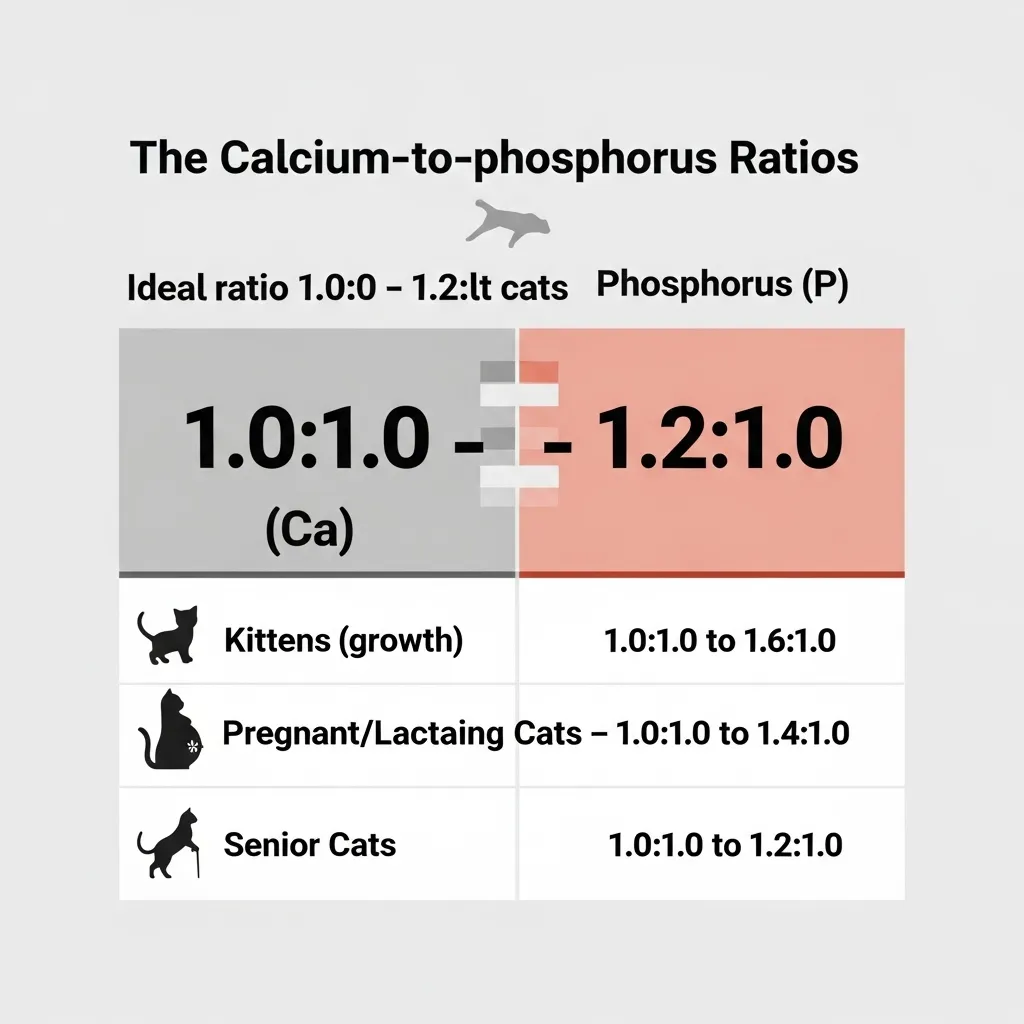
Cats need calcium and phosphorus in a specific ratio (approximately 1.2:1). Deficiency or imbalance causes:
- Nutritional secondary hyperparathyroidism: When phosphorus is too high relative to calcium, the body leaches calcium from bones
- Signs: Lameness, bone pain, fractures, spinal issues
- Common with: All-meat diets (high phosphorus, low calcium)
Iron Deficiency: The Oxygen Carrier
Iron is essential for hemoglobin production. Deficiency causes anemia.
Causes:
- Blood loss (parasites, trauma, internal bleeding)
- Poor diet (all-milk diet in kittens)
- Chronic inflammation interfering with iron metabolism
Signs: Pale gums, lethargy, weakness, rapid breathing
Other Mineral Considerations
- Magnesium: Both deficiency and excess cause issues. Deficiency rare with commercial foods.
- Zinc: Important for skin health and immunity. Deficiency causes hair loss, skin lesions.
- Potassium: Hypokalemia (low potassium) can occur with chronic kidney disease, causing muscle weakness.
Prevention Through Balanced Nutrition
- Feed complete and balanced commercial diets
- Be cautious with homemade diets mineral balancing is complex
- Regular vet checkups including blood work can detect early imbalances
Cats with urinary issues may have specific mineral needs. Our guide on cat urinary health addresses these specialized requirements.
6. The Special Case: Water Deficiency in Cats
While not a “nutrient” in the traditional sense, chronic low-grade dehydration is perhaps the most common deficiency in domestic cats. Their evolutionary background as desert animals means they have a low thirst drive and concentrate urine highly.
Why It Matters
Even mild dehydration:
- Contributes to urinary crystal and stone formation
- Exacerbates kidney disease
- Affects digestion and nutrient absorption
- Impairs circulation and toxin removal
Signs of Dehydration
- “Tent” test: Gently pinch skin at shoulder blades. It should snap back immediately
- Dry, tacky gums
- Sunken eyes
- Lethargy
- Decreased skin elasticity
Encouraging Hydration
- Multiple water stations: Place bowls in quiet locations away from food and litter
- Water fountains: Many cats prefer moving water
- Wet food: Increases moisture intake significantly
- Broth supplements: Low-sodium chicken or beef broth (onion/garlic-free)
Our comprehensive cat hydration guide offers creative strategies to increase your cat’s water intake.
Risk Factors: Which Cats Are Most Vulnerable?
Certain life stages and conditions increase susceptibility to nutrient deficiencies:
Life Stage Vulnerabilities
- Kittens: Rapid growth demands precise nutrition. Deficiencies can cause permanent developmental issues. Learn about kitten to adult cat transition nutritional needs.
- Pregnant/Nursing Queens: Nutrient demands skyrocket. Our cat pregnancy guide covers increased requirements.
- Seniors: Reduced absorption, chronic disease, and decreased appetite create perfect storm. Explore senior cat care specifics.
Health Conditions Increasing Risk
- Dental disease: Painful mouth reduces eating. Discover cat dental care strategies.
- Gastrointestinal disorders: IBD, pancreatitis, parasites impair absorption.
- Chronic kidney disease: Affects multiple nutrient balances.
- Hyperthyroidism: Increases metabolic rate and nutrient needs.
Dietary Causes
- Homemade diets without professional formulation
- Vegetarian/vegan diets (inappropriate for obligate carnivores)
- Feeding dog food to cats
- Excessive treats unbalancing the main diet
- Poor-quality commercial foods that don’t meet AAFCO standards
Diagnosis: How Vets Identify Nutrient Deficiencies
Suspecting a deficiency is one thing; confirming it requires professional assessment:
Veterinary Evaluation Includes:
- Detailed dietary history: What, how much, how often you feed
- Complete physical examination: Coat, eyes, teeth, body condition scoring
- Diagnostic tests:
- Complete blood count (CBC)
- Serum biochemistry panel
- Urinalysis
- Specific nutrient assays (taurine, B12, folate levels)
- Imaging if skeletal issues suspected
What to Bring to Your Vet Visit
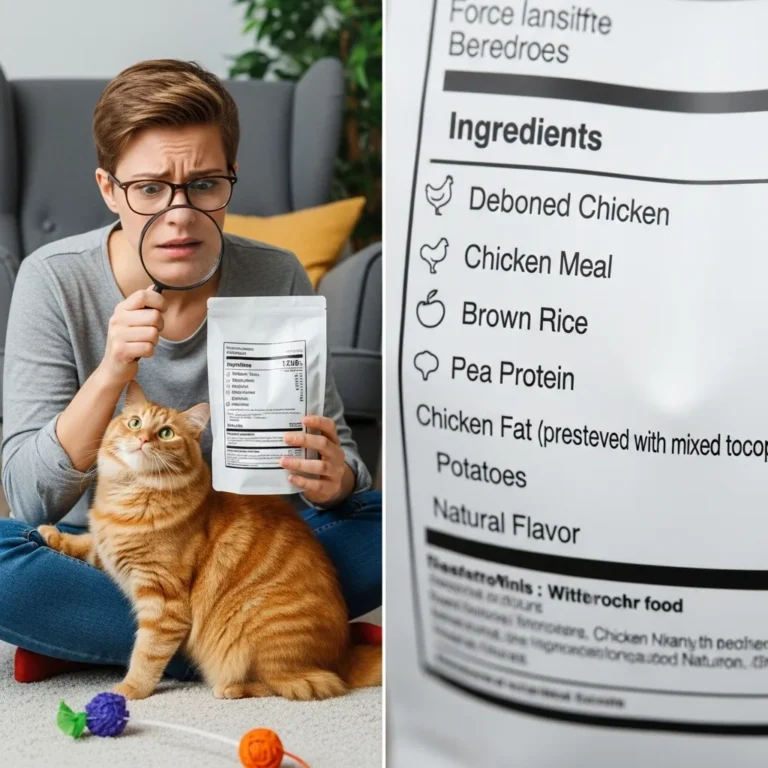
- The actual food bag with ingredient/nutrition panel
- Detailed feeding schedule and amounts
- List of all supplements/treats
- Timeline of symptoms
- Photos of concerning changes
Regular checkups are crucial. Our cat vet visit schedule helps you maintain preventative care.
Treatment and Correction: Restoring Balance
Correcting deficiencies requires patience and precision:
Immediate Interventions
- Severe deficiencies: May require hospitalization with intravenous or injectable nutrients
- Diet transition: Gradual shift to appropriate therapeutic or high-quality diet
- Supplementation: Only under veterinary guidance more isn’t better
Monitoring Progress
- Regular follow-up exams and blood work
- Photographic documentation of coat/skin changes
- Weight tracking
- Activity level journaling
Realistic Timelines
- Energy improvement: Days to weeks
- Coat/skin changes: 4-8 weeks for new hair growth
- Neurological recovery: Variable, may have residual effects
- Cardiac function: May improve but some damage can be permanent
Prevention: Building a Nutritionally Sound Foundation
Selecting the Right Food
- Look for AAFCO statement: “Formulated to meet the nutritional levels established by the AAFCO Cat Food Nutrient Profiles”
- Choose appropriate life stage: Kitten, adult, senior, or all-life-stages
- Consider special needs: Weight management, urinary health, hairball control if applicable
- Reputable brands: Invest in companies with veterinary nutritionists on staff
- Wet vs. dry: Consider incorporating both for hydration and dental benefits
Implementing Safely
- Transition gradually over 7-10 days to avoid gastrointestinal upset
- Measure portions to maintain ideal body condition
- Limit treats to ≤10% of daily calories
- Provide fresh water daily in clean bowls
When to Consider Supplements
- Only with veterinary recommendation
- For specific diagnosed deficiencies
- When feeding homemade diets (must be formulated by professional)
- Certain health conditions (arthritis, kidney disease)
Learn about reading labels in our guide to choosing cat food.
Frequently Asked Questions
How can I tell if my cat has a nutrient deficiency?
Look for subtle signs: changes in coat quality (dull, greasy, flaky), energy levels, appetite, or litter box habits. More severe signs include neurological issues, vision problems, or weight loss despite normal eating. Regular veterinary checkups with blood work can detect issues before symptoms appear.
Are homemade diets better for preventing deficiencies?
Quite the opposite. Homemade diets are the most common cause of serious nutrient deficiencies unless meticulously formulated by a board-certified veterinary nutritionist. Commercial foods from reputable companies undergo feeding trials to ensure nutritional adequacy.
Can supplements prevent deficiencies in my cat?
Supplements shouldn’t replace a balanced diet. Giving unnecessary supplements can cause imbalances or toxicity. Only supplement under veterinary guidance for specific diagnosed deficiencies or health conditions.
How long does it take to correct a deficiency?
It depends on the nutrient and severity. Some improvements (energy, appetite) may appear within days to weeks. Others, like coat regeneration or neurological recovery, take months. Some damage (like retinal degeneration from taurine deficiency) may be permanent.
Is my senior cat at higher risk for deficiencies?
Yes. Senior cats often have reduced nutrient absorption, dental issues affecting eating, and chronic diseases increasing requirements. They may need specially formulated senior diets. Regular veterinary monitoring becomes increasingly important.
Can too much of a nutrient be harmful?
Absolutely. Hypervitaminosis (vitamin excess) can be as dangerous as deficiency. Vitamin A toxicity causes bone issues; vitamin D excess causes kidney damage; mineral imbalances cause multiple problems. This is why balanced formulation is crucial more isn’t better.
Conclusion: Nourishing the Whole Cat
Understanding common nutrient deficiencies in domestic cats transforms you from a passive feeder to an active participant in your cat’s nutritional well-being. These deficiencies often whisper before they shout a slightly duller coat here, a bit less energy there. By learning to listen to these subtle cues and partnering with your veterinarian, you can address gaps before they become gulfs.
Remember that nutrition isn’t one-size-fits-all. Your cat’s needs evolve through life stages, health conditions, and even seasons. The foundation is always a high-quality, complete, and balanced diet appropriate for their specific life stage and health status. From there, observation and regular veterinary care fine-tune the approach.
Your cat’s vitality, gleaming coat, bright eyes, and playful spirit are the ultimate indicators of nutritional success. By investing in understanding their unique needs as obligate carnivores, you’re not just feeding your cat you’re nurturing their potential for a long, vibrant life.
Explore more expert cat care, behavior, and nutrition guides on Cat Bloom Haven. From breed-specific advice to solving common behavioral challenges, we’re here to help you create the optimal life for your feline companion.