Why Is My Cat Not Eating? Expert Guide to Feline Appetite Loss and Proven Solutions
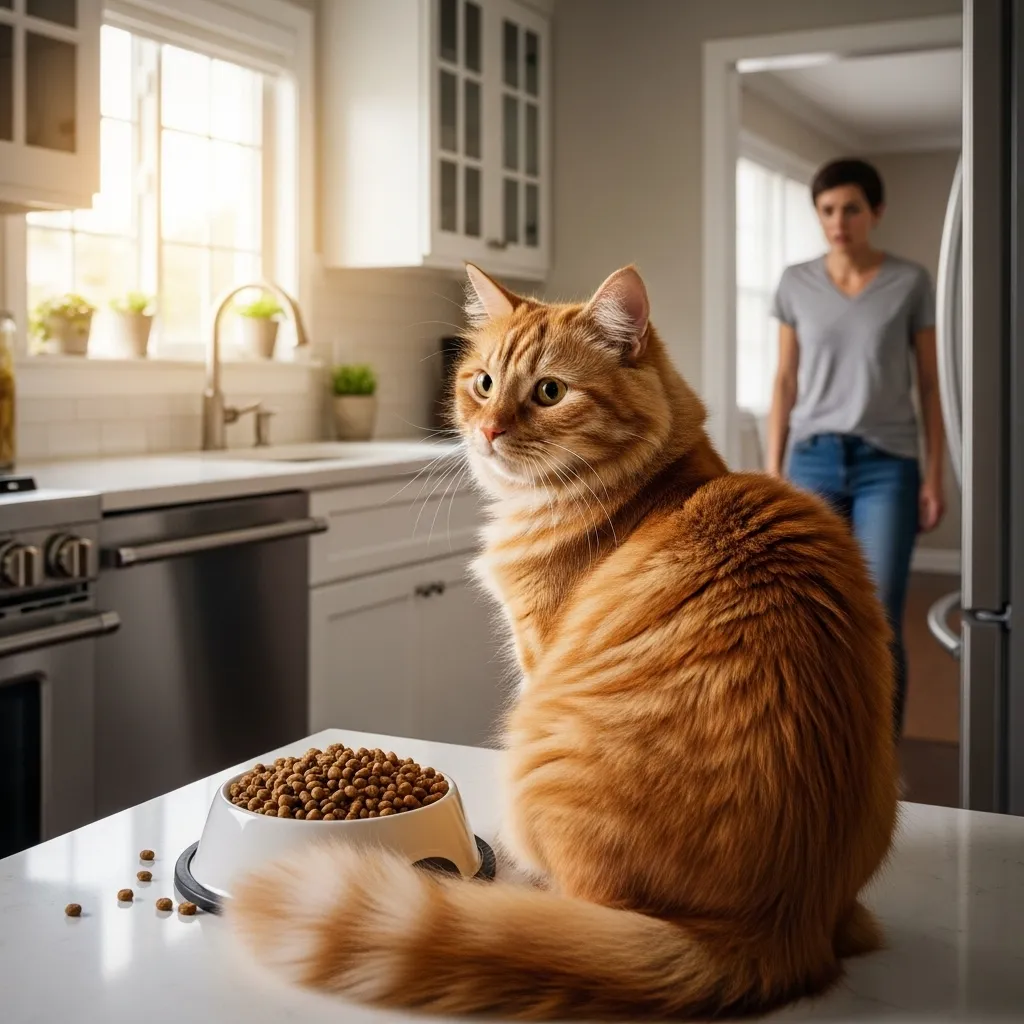
A worried cat parent peers into their feline’s untouched food bowl, wondering, “Why is my cat not eating?” The once-enthusiastic mealtime dash has slowed to a sniff-and-walk-away, leaving you anxious about their health. As someone who’s fostered countless cats, from sassy Siamese to gentle Ragdolls, I’ve seen this scenario unfold sometimes it’s a picky palate, sometimes a deeper issue. Loss of appetite in cats is a common concern, affecting up to 20% of felines at some point, according to 2025 veterinary studies. But don’t despair understanding cat not eating causes and taking action can restore your kitty’s zest for kibble.
In this comprehensive guide, we’ll uncover why your cat stopped eating suddenly, explore medical and behavioral triggers, and share actionable steps for how to get a cat to eat again. From hepatic lipidosis in cats to stress-related cat feeding problems, we’ll tackle every angle with vet-backed insights, real-world tips, and solutions tailored for 2025 trends, like appetite stimulants for cats 2025. Whether your cat is refusing food but acting normal or showing cat weight loss signs, you’ll leave with a clear plan to bring back those happy meows. Let’s dive in and solve this feline food mystery.
Key Takeaways: Quick Solutions for Cat Appetite Loss
- Vet Check First: Rule out medical issues like dental problems or hepatic lipidosis in cats—60% of appetite loss cases tie to health.
- Stress Busters: Use pheromone diffusers like Feliway to ease cat anxiety and appetite loss.
- Litter Box Hygiene: Dirty boxes can stress cats, impacting eating habits. Follow our litter training guide for tips.
- Food Tweaks: Try warming wet food or switching to the best food for picky cats to tempt them.
- Monitor Closely: Track eating, drinking, and behavior daily; cat not eating or drinking for 24–48 hours needs urgent vet attention.
- No Force-Feeding: Gentle encouragement with cat feeding tips and techniques works better than stress-inducing methods.
Now, let’s explore why your cat’s appetite has vanished and how to fix it.
Why Cats Stop Eating: The Root Causes
When your cat stops eating suddenly, it’s rarely just fussiness. Cats are creatures of instinct, and skipping meals signals something’s off—be it medical, behavioral, or environmental. Understanding cat not eating causes is the first step to a solution. Here’s what might be happening.
Medical Reasons for Loss of Appetite in Cats
Health issues are the leading culprit behind cat refusing food. A 2025 PetMD report notes that 60% of sudden appetite loss cases tie to medical conditions. These range from subtle to severe, so a vet visit is non-negotiable.
- Dental Problems in Cats: Painful teeth or gums make chewing tough. Look for drooling, bad breath, or pawing at the mouth. Our Munchkin cat dental care guide has breed-specific tips.
- Hepatic Lipidosis in Cats: This life-threatening liver condition strikes when cats stop eating for days, causing fat to overwhelm the liver. Common in overweight cats like Ragdolls (see Ragdoll cat obesity guide), it requires urgent vet care.
- Cat Digestive Issues: Vomiting, diarrhea, or constipation (like in Bengal cat vomiting) can curb appetite. Inflammatory bowel disease or pancreatitis are frequent culprits.
- Cat Not Eating After Vaccination: Some cats experience temporary appetite dips post-vaccination due to mild fever or stress. Monitor for 48 hours; see our Siamese cat vet visits guide for prep tips.
- Systemic Illnesses: Kidney disease, diabetes, or hyperthyroidism (common in seniors, per our best foods for senior Bengal cats) increase thirst or urination, reducing hunger.
- Infections or Pain: Upper respiratory infections or arthritis (especially in Norwegian Forest cats) make eating uncomfortable.
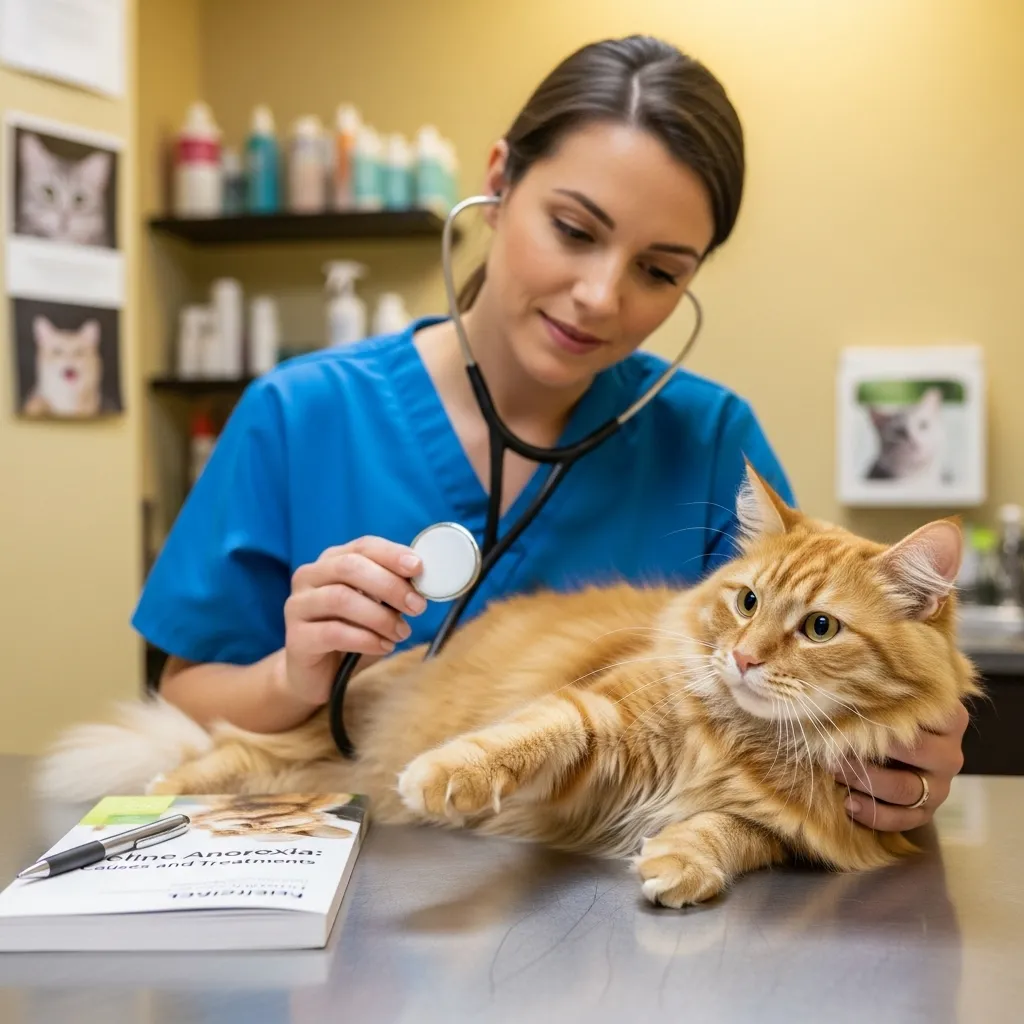
Action Step: Schedule a vet exam within 24–48 hours if your cat not eating or drinking persists. Tests like bloodwork or dental X-rays pinpoint issues fast. Learn how to choose a feline specialist in our finding the best vet for your cat guide.
Behavioral and Stress-Related Cat Feeding Problems
If health checks out, cat anxiety and appetite loss might be at play. Cats are sensitive to change, and stress can turn mealtime into a no-go. A 2025 Cornell Feline Health study found that 30% of appetite loss cases link to behavioral triggers.
- Environmental Shifts: New pets, moving homes, or even rearranged furniture can stress cats. Siamese are especially prone (see Siamese cats scared easily guide).
- Multi-Cat Tensions: A dominant cat guarding food bowls can intimidate others, leading to cat refusing food. Our Munchkin cats dogs coexistence guide offers harmony tips.
- Routine Disruptions: Travel or schedule changes (like late feedings) unsettle cats. Bengals, with their high energy, are sensitive (explore Bengal cat personality).
- Feline Eating Disorder and Pica: Some cats develop cat chewing habits and appetite link, like eating non-food items (see cat pica guide), which can suppress normal eating.
Pro Tip: Keep a journal of behavioral changes in cats—note meal skips, hiding, or aggression. This helps identify stress triggers.
Nutritional and Environmental Factors
Sometimes, the issue is the food or dining setup. Cats are picky, and small details can lead to cat not eating wet food anymore or dry kibble rejection.
- Food Fatigue: Cats tire of the same flavor. Rotate proteins (chicken, fish, turkey) to keep it exciting. Check cat food nutrition guide for balanced options.
- Poor Food Quality: Spoiled or low-quality food turns cats off. Ensure freshness and avoid cheap fillers.
- Unappealing Setup: Noisy dishwashers or crowded feeding areas cause cat stress and feeding habits issues. Place bowls in quiet, low-traffic spots.
- Litter Box Proximity: A dirty or nearby litter box can deter eating. Follow our cat litter box frequency guide for hygiene tips.
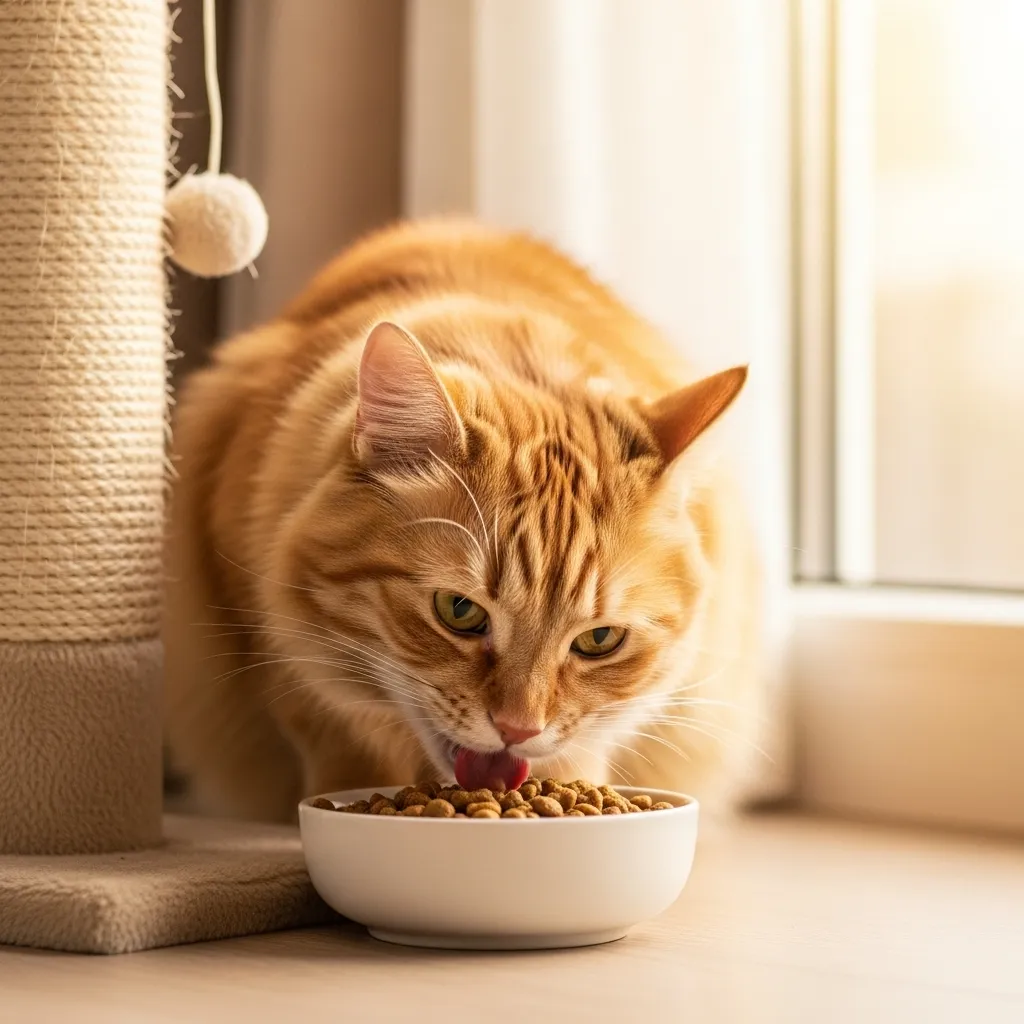
Real Example: My rescue Maine Coon stopped eating after a move. A vet ruled out illness, but switching to a quiet feeding corner and warming wet food fixed it in days.
The Dangers of a Cat Not Eating
Ignoring loss of appetite in cats can spiral into serious health risks. Cats can’t go long without food—24–48 hours without eating raises red flags, and 72 hours can be life-threatening.
Hepatic Lipidosis: The Silent Threat
Hepatic lipidosis in cats is the biggest concern. When cats stop eating, their body breaks down fat too fast, overwhelming the liver. Symptoms include yellowing eyes, lethargy, and vomiting. Obese cats, like Ragdolls, are at higher risk (see Ragdoll cat weight guide). Immediate vet intervention with feeding tubes or cat appetite stimulant can reverse it, but prevention is key.
Other Risks
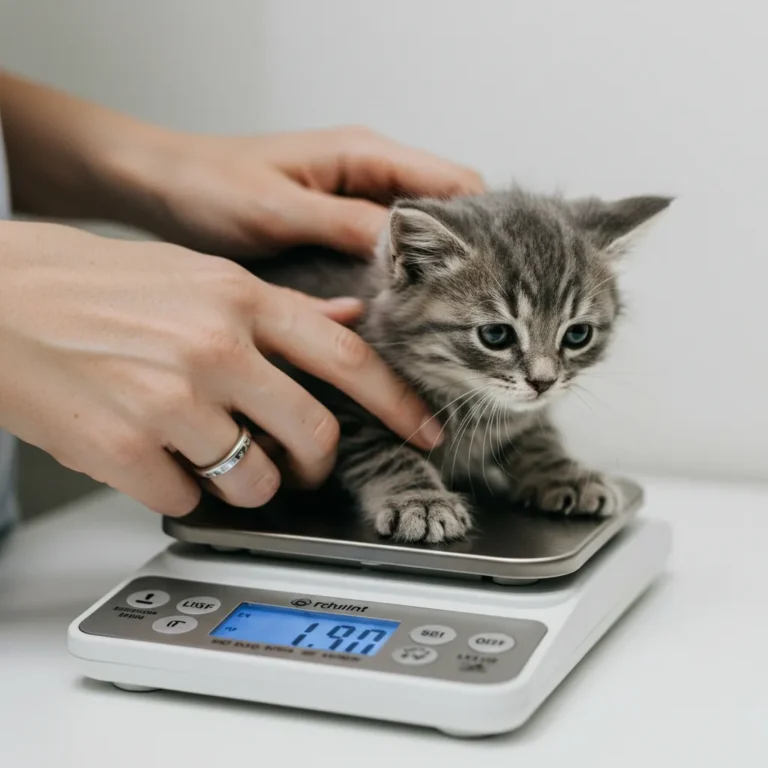
- Cat Weight Loss Signs: Rapid weight loss weakens immunity and muscle mass. Weigh your cat weekly; a 10% drop signals trouble.
- Dehydration: Cat not eating or drinking leads to dry gums and sunken eyes. Learn hydration tips in our Ragdoll cat hydration guide.
- Weakened Immunity: Starvation lowers defenses, making cats prone to infections.
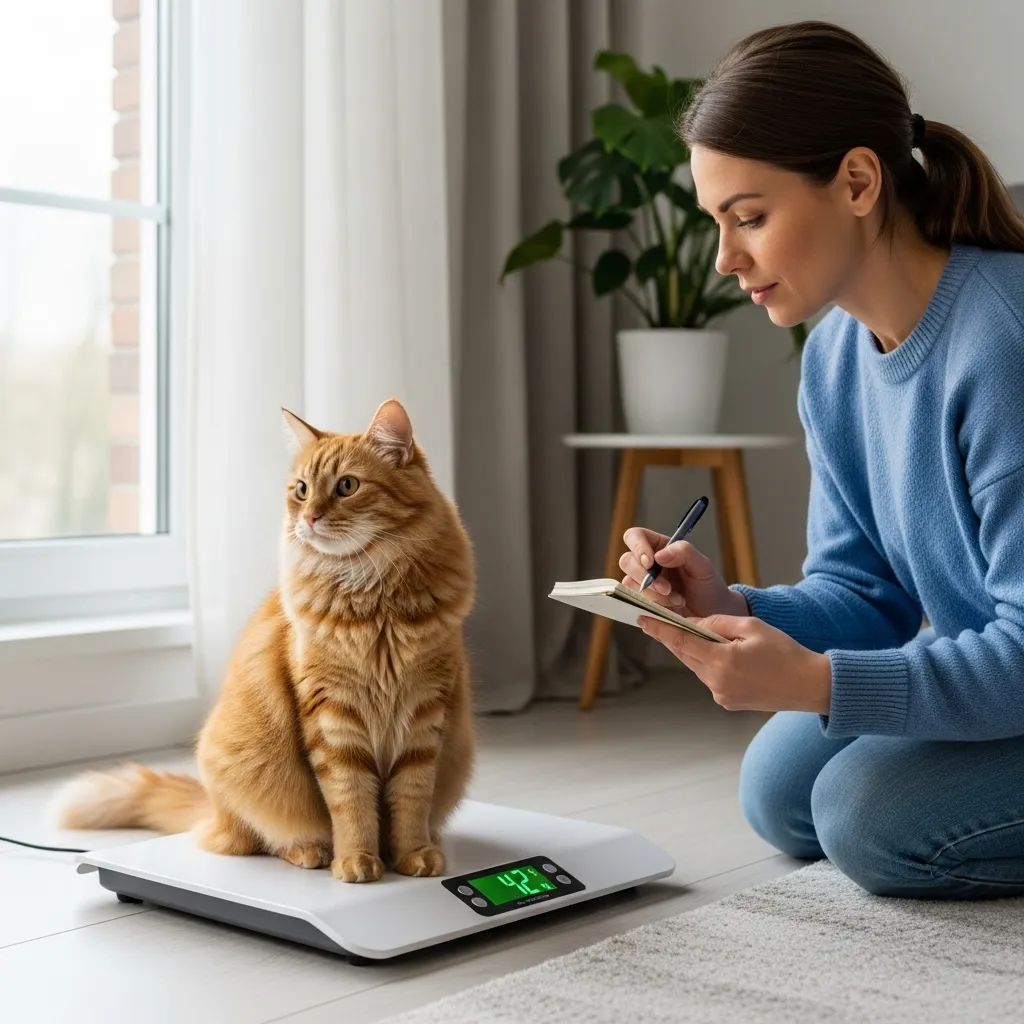
Action Step: If your cat skips meals for over 24 hours, consult a vet. Use a pet scale to monitor weight, and check our is your cat too skinny guide for benchmarks.
How to Get a Cat to Eat Again: Practical Solutions
Now that you know why cats stop eating, let’s tackle what to do if my cat won’t eat. These vet-approved strategies blend cat feeding tips and techniques with home remedies for cat not eating to tempt even the pickiest eaters.
Step 1: Create a Stress-Free Dining Environment
Cats need calm to eat. A chaotic setup can cause cat not eating but acting normal.
- Quiet Zone: Place bowls away from appliances or high-traffic areas. Our keep Siamese cats entertained guide has enrichment ideas to reduce stress.
- Clean Bowls: Wash dishes daily to avoid odor buildup. Stainless steel or ceramic works best.
- Pheromone Support: Feliway diffusers reduce cat anxiety and appetite loss by 80%, per 2025 studies.
Step 2: Tempt with the Best Food for Picky Cats
Experiment to find what sparks their interest, especially for cat not eating wet food anymore.
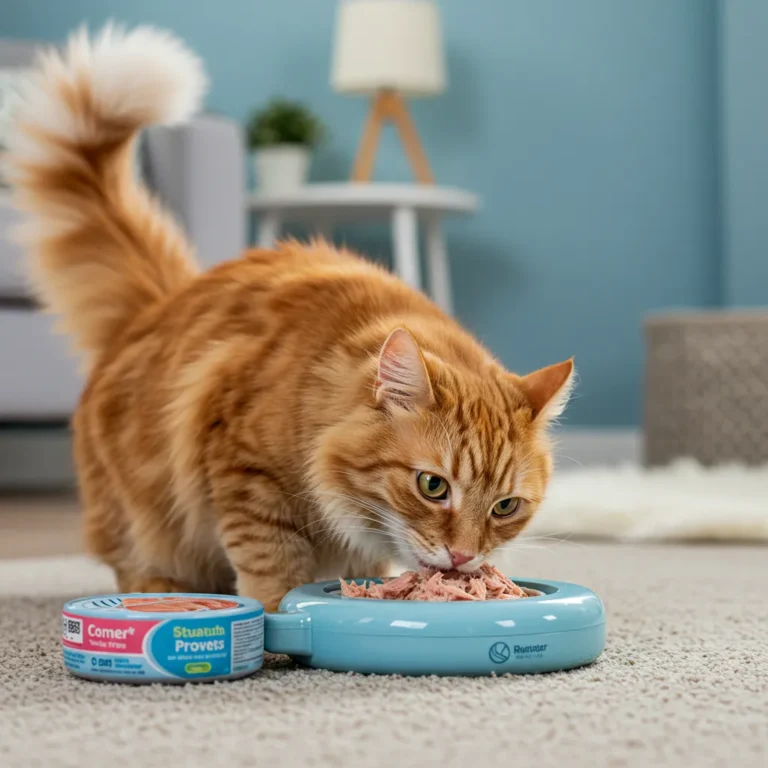
- Warm It Up: Heat wet food to 100°F (body temperature) to enhance aroma. Microwave for 5–10 seconds, stir, and test warmth.
- Flavor Variety: Offer high-protein options like chicken or fish. See our best wet cat food guide for top picks.
- Toppers: Sprinkle freeze-dried treats or low-sodium tuna juice to entice. Avoid human foods like onions or garlic (check cat food nutrition).
- Transition Slowly: Mix new food with old over 7–10 days to avoid cat digestive issues.
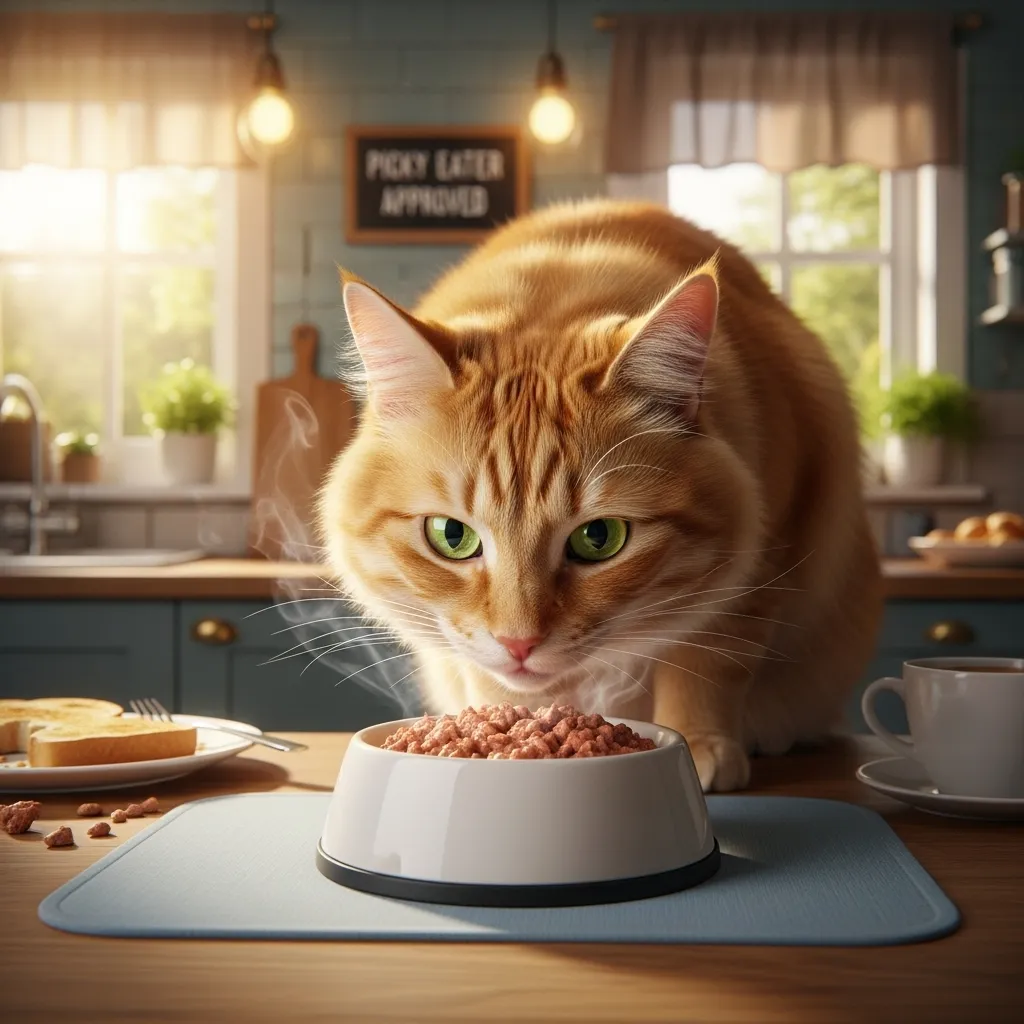
Pro Tip: For holistic remedies for cat appetite, try catnip or cat grass (see cat grass care guide) to stimulate interest.
Step 3: Explore Cat Appetite Stimulants
If food tweaks fail, appetite stimulants for cats 2025 can help, under vet guidance.
- Medications: Mirtazapine or cyproheptadine, prescribed by vets, boost hunger in 70% of cases. Common for cat not eating after vaccination.
- Natural Options: Slippery elm or fish oil supplements aid digestion and appetite. Consult your vet first.
- Hydration Boost: For cat not eating or drinking, offer low-sodium broth or use a syringe (see hydrate cat syringe guide).
Step 4: Address Underlying Issues
Fix root causes to prevent relapses.
- Dental Care: Brush teeth or offer dental treats to prevent dental problems in cats. Check Munchkin cat dental care.
- Litter Box Hygiene: Scoop daily and use unscented litter. Our cat litter training guide ensures a clean setup.
- Stress Reduction: Add perches or scratching posts. For anxious breeds, see Siamese cat hiding behavior.
Step 5: Monitor and Track Progress
Use a journal to log:
- Food intake (amount, type, time).
- Behavior changes (lethargy, hiding).
- Weight and hydration status.
If no improvement in 48 hours, escalate to a vet. Our when to euthanize cat FIV guide offers insights on tough health decisions.
Real Example: My foster Munchkin refused food after a new cat joined the home. A vet ruled out illness, and switching to a high-protein wet food plus a Feliway diffuser worked in a week.
When to See a Vet for Cat Not Eating
When to see a vet for cat not eating depends on duration and symptoms. Act fast if you notice:
- No eating or drinking for 24–48 hours.
- Vomiting, diarrhea, or lethargy.
- Yellowing eyes or skin (hepatic lipidosis in cats).
- Blood in urine or stool (see cat urinary health guide).
- Cat not eating but acting normal for over 48 hours.
2025 Vet Tip: Telemedicine vet consults are rising—use for quick assessments but follow up with in-person exams for tests. Our finding the best vet for your cat helps you choose wisely.
FAQ: Quick Answers to Common Questions
Why is my cat not eating?
Cats stop eating due to medical issues (dental pain, hepatic lipidosis), stress (cat anxiety and appetite loss), or environmental factors (dirty bowls, food boredom). A vet check rules out serious causes.
What are the dangerous consequences of a cat not eating?
Prolonged fasting risks hepatic lipidosis in cats, dehydration, and weakened immunity. After 48 hours, seek vet care urgently.
How can I monitor my cat’s weight and appetite?
Weigh weekly with a pet scale and track food intake daily. See is your cat too skinny for benchmarks.
What medical reasons might cause my cat to stop eating?
Dental problems in cats, kidney disease, diabetes, or cat digestive issues like pancreatitis are common. A vet exam with bloodwork or X-rays confirms.
How can stress affect my cat’s appetite?
Cat stress and feeding habits are linked—new pets, moves, or loud environments cause cat anxiety and appetite loss. Use Feliway or enrichment to ease stress.
What symptoms should alarm me if my cat is not eating?
Lethargy, vomiting, yellowing eyes, or cat not eating or drinking for 24–48 hours signal emergencies. See cat health care guide.
How can I encourage my cat to eat?
Warm wet food, try best food for picky cats, or use cat appetite stimulant like mirtazapine (vet-prescribed). Create a calm feeding space.
When should I consult a veterinarian about my cat not eating?
If your cat skips meals for 24–48 hours or shows cat weight loss signs, consult a vet. Urgent for cat not eating or drinking.
How can appetite loss in cats be related to pica and chewing habits?
Cat chewing habits and appetite link to feline eating disorder and pica, where stress or nutrient deficiencies cause eating non-food items, reducing normal food intake. See cat pica guide.
Conclusion: Restoring Your Cat’s Appetite with Confidence
Why is my cat not eating isn’t just a question—it’s a call to action. From hepatic lipidosis in cats to stress-related cat feeding problems, the reasons vary, but the solution starts with you. Rule out health issues, optimize their dining setup, and use cat feeding tips and techniques to tempt them back. With patience and the right approach, your cat will be savoring meals again in days.
For more feline wisdom, explore our cat health care guide or dive into breed-specific tips like Norwegian Forest cat care.