Why Does My Cat Meow When I Pick Her Up? The Real Reasons Behind This Common Behavior
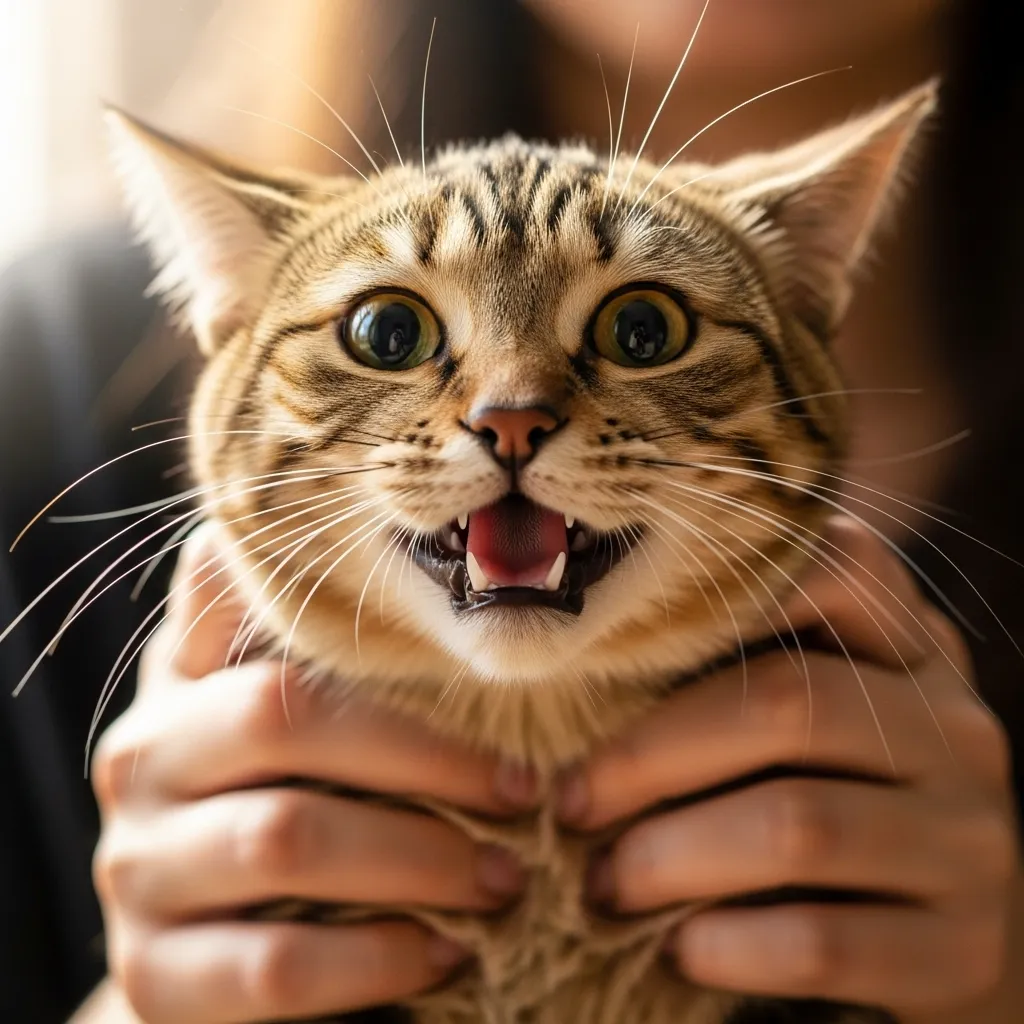
You reach down, scoop your cat into your arms, and the second her paws leave the ground she lets out a dramatic meow. Sometimes it’s a tiny squeak, sometimes a full-on protest. You wonder: is she happy, annoyed, scared, or just being a drama queen?
You’re not alone. “Cat meows when picked up” is one of the most searched cat behavior questions online, and for good reason. That single vocalization can mean a dozen different things depending on tone, body language, and context.
In this guide, we’ll break down every possible reason your cat vocalizes the moment you lift her, from pure joy to hidden pain. You’ll learn how to read the full picture (ears, tail, eyes, and meow combined) so you know exactly what she’s trying to tell you and how to respond.
Quick Key Takeaways
- Most cats meow when lifted because they feel momentarily vulnerable – it’s instinct, not personal.
- A happy “pick-me-up” meow is usually short, high-pitched, and paired with relaxed ears and purring.
- A stressed or pained meow is lower, longer, repeated, and comes with tense body language or trying to escape.
- Past trauma, age, breed, and even how you hold her dramatically change the reaction.
- Never ignore sudden new meowing when handling – it can be the first sign of pain or injury.
Now let’s go deeper.
1. It’s an Instinctive “Whoa, I’m Airborne!” Reaction
Cats are control freaks about their bodies. In the wild, the only time a cat leaves the ground against her will is when a predator grabs her. Even the friendliest house cat still carries that wiring.
When you suddenly lift her, her inner alarm briefly flashes: “Gravity changed danger?” The meow is an automatic check-in: “Human, confirm this is safe.”
You’ll notice this most in cats who are confident on the ground but become vocal the instant all four paws are off the floor. The meow usually stops the moment she feels secure in your arms or you put her down.
2. She’s Saying Hello (Yes, Really)
Adult cats rarely meow at each other – they reserve meowing almost exclusively for humans. Many cats learn that a short, sweet meow when you pick them up gets attention, eye contact, and sometimes a chin scratch.
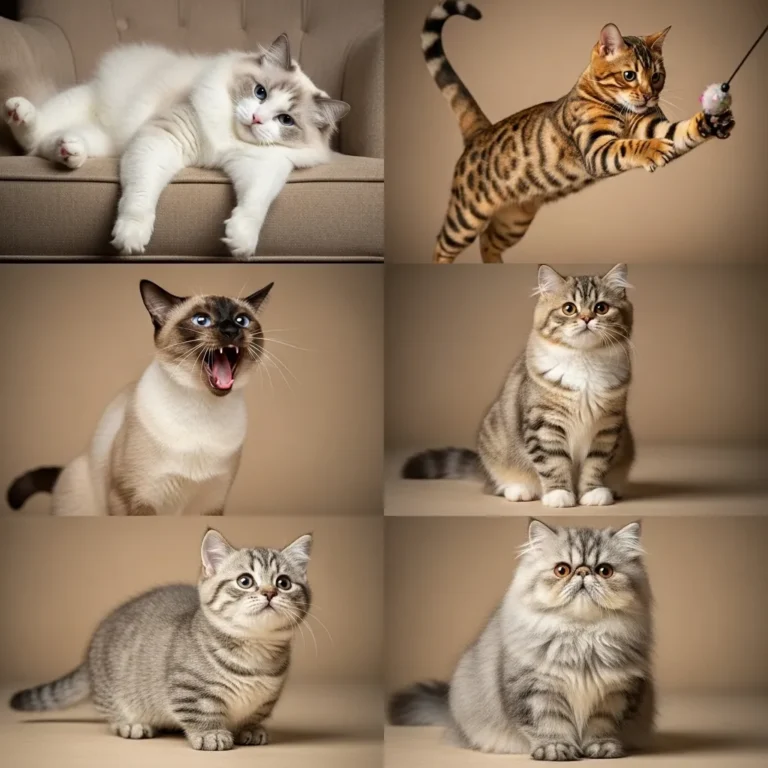
Think of it as her version of “Hi! I see you!” Siamese, Bengal, and other vocal breeds are especially likely to greet you with a lift-off chirp.
3. She Actually Loves It (And Wants You to Know)
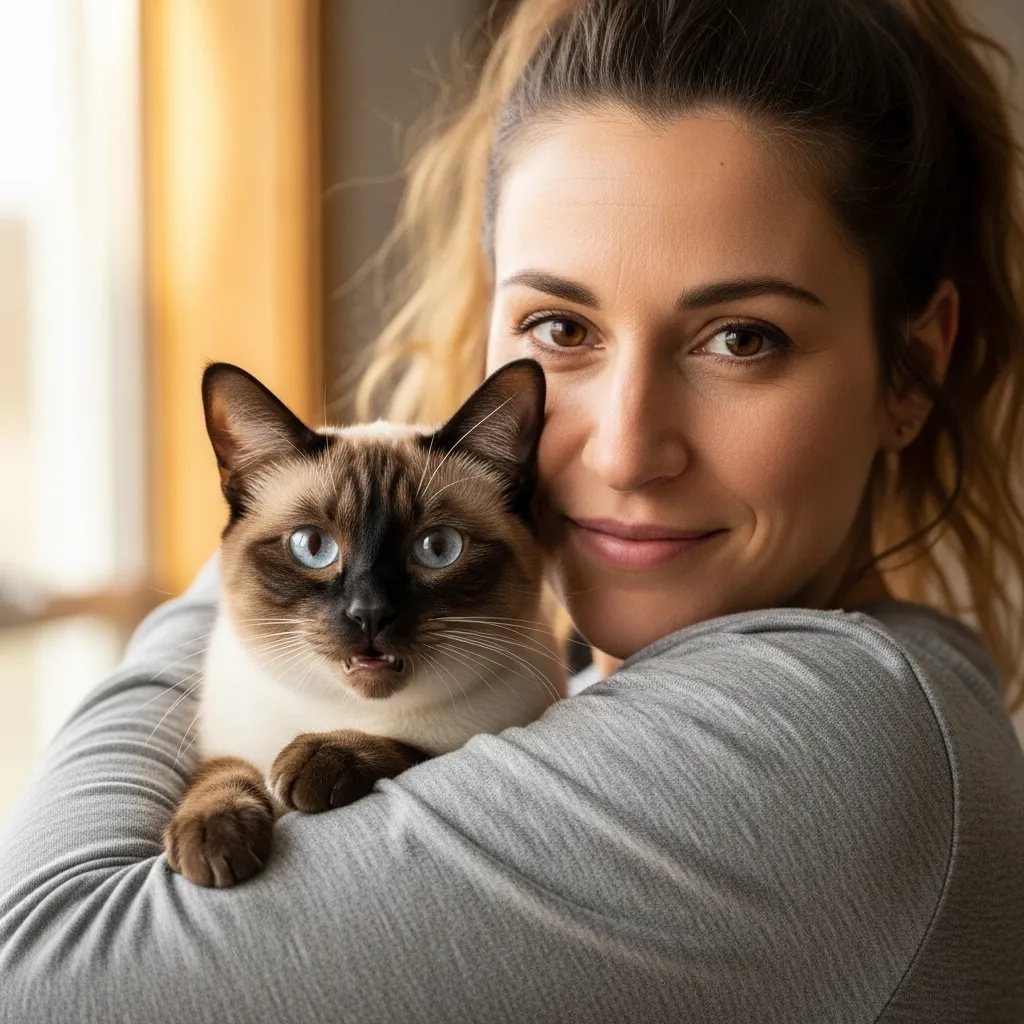
Some cats meow out of pure excitement. The tone is crucial: short, high-pitched, often combined with purring, head-butting, or kneading in the air. Ragdolls, Maine Coons, and many ragamuffin types fall into this category.
If your cat runs toward you when you bend down, the meow is basically “Finally! I’ve been waiting for my daily cuddle elevator!”
Check our full guide on Ragdoll cat bond-building tips to see more examples of cats who live for being carried.
4. Discomfort or Pain: The Reason You Should Never Ignore
A new or sudden meow when handling is one of the top ways cats signal pain. Common culprits:
- Arthritis (especially in seniors or overweight cats)
- Abdominal discomfort (constipation, bladder issues, or urinary blockage)
- Back or neck injury
- Sore muscles from a recent zoomies crash or fall
- Tail injury (stepped on, shut in door)
Pain-related meows are usually lower, longer, and may escalate if you keep holding her. Watch for flattened ears, dilated pupils, rippling skin along the back, or trying to bite.
If your cat used to love being picked up and suddenly protests, schedule a vet visit the same week. See our article on cat pain indicators you can spot at home for a complete checklist.
5. Overstimulation or “That’s Enough” Warning
Petting-induced aggression is well documented, but many owners miss handling-induced aggression. Some cats enjoy exactly 3.2 seconds of being held and then want down immediately.
The meow starts polite, then turns into a growl or swat if you ignore it. Classic overstimulation signs: tail lashing, skin twitching, ears flicking back.
Respect the timer. Put her down the first time she meows instead of waiting for the bite.
6. Negative Past Experiences or Trauma
Rescue cats, former strays, or cats who were roughly handled as kittens often associate being lifted with fear. Even if they love you now, muscle memory kicks in the moment their feet leave the floor.
These cats may stiffen, pancake their ears, or give a low, mournful meow. Patience and counter-conditioning work wonders. We cover slow desensitization steps in cat trauma response and recovery.
7. She’s Telling You How to Hold Her (Bossy, But Helpful)
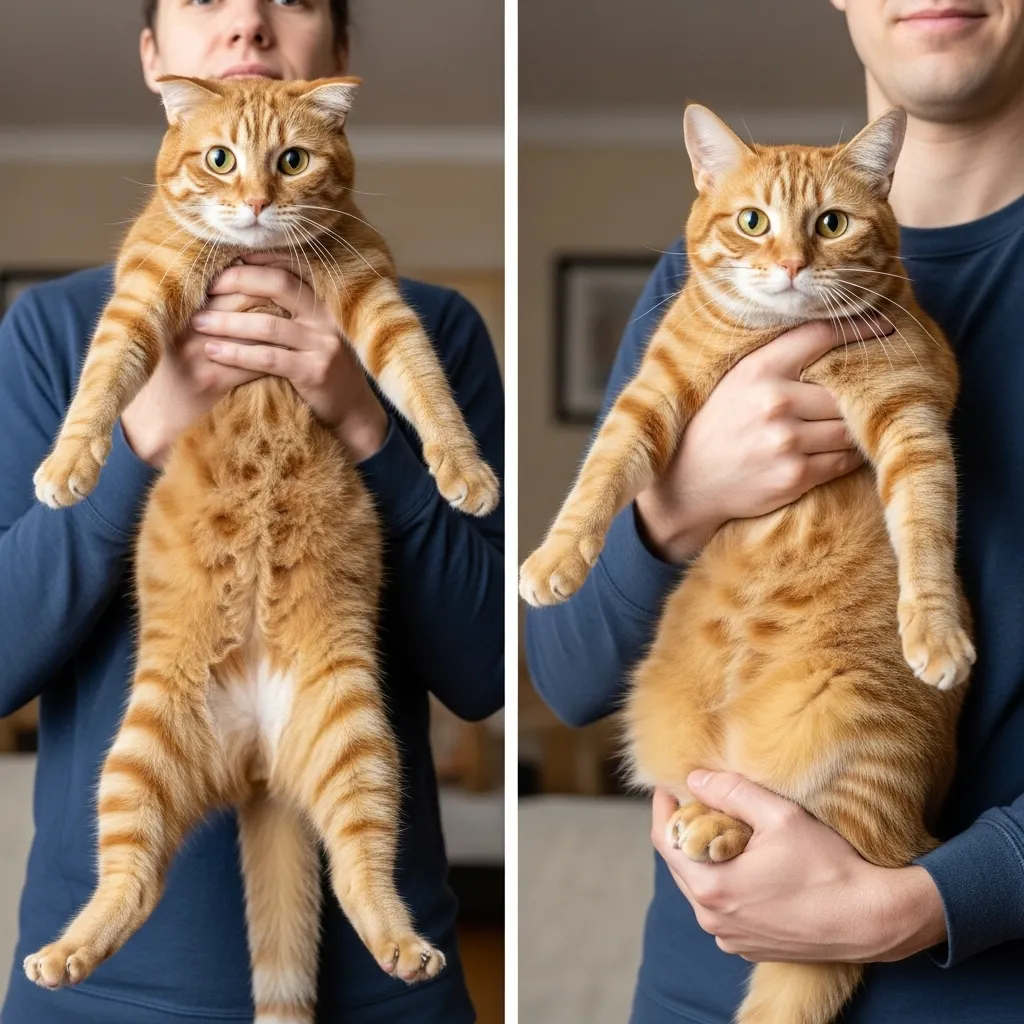
Some cats have strong opinions about grip. Too tight around the ribs? Meow. Under the armpits only? Meow. Want the classic “baby hold” with hindquarters supported? Happy silence.
Watch which position quiets the protest fastest – your cat will train you quickly.
Pro tip: Always support the back legs. Letting hindquarters dangle is the number-one reason cats hate being picked up.
8. Age Makes a Difference
Kittens meow when lifted because everything is new and slightly terrifying.
Senior cats meow because joints hurt or balance is off.
Teen cats (6 months–2 years) meow because “personal space, human!”
Knowing her life stage helps you interpret the meow correctly.
How to Read the Full Message: Meow + Body Language Cheat Sheet
| Meow Type | Tone | Body Signals | Likely Meaning |
|---|---|---|---|
| Short, high chirp | Excited | Relaxed ears, soft eyes, purring | “Hi!” or “Yay, cuddles!” |
| Trill/mrrp | Question | Head tilt, slow blink | Greeting or “What’s this?” |
| Long, low meow | Complaint | Ears back, tense body, tail lash | Discomfort, pain, or “Put me down” |
| Repeated meows | Urgent | Trying to twist away | Stress, fear, or pain |
| Growly meow | Warning | Rippling back skin, dilated pupils | Overstimulation – bite risk high |
For a deeper dive into tail, ear, and whisker signals, read our complete cat tail language guide.
Safe Handling Tips to Reduce Unwanted Meows
- Always scoop, never scruff an adult cat.
- Support chest and hindquarters fully.
- Let her initiate – wait until she head-butts your hands or jumps into your lap.
- Keep sessions short at first (5–10 seconds) and gradually increase.
- Pair being lifted with treats or play to create positive associations.
- If she hates it, respect that. Some cats prefer ground-level love.
When to Call the Vet: Red Flags
Contact your vet if the meowing when picked up is:
- New and sudden
- Accompanied by hissing, biting, or scratching
- Paired with hiding, lethargy, or appetite changes
- Happening alongside litter-box issues or limping
Early pain detection saves lives. Never assume “she’s just dramatic.”
FAQ – Quick Answers to the Questions Google Sees Most
Why does my cat meow when I pick her up but purrs at the same time?
She’s probably happy but slightly startled. The meow is excitement or a quick check-in; the purr confirms she feels safe.
Is it normal for cats to hate being picked up?
Completely normal. Many cats tolerate it but don’t love it. Forcing cuddles damages trust.
My cat only meows when I pick her up a certain way what’s wrong?
Nothing “wrong” – she’s telling you which grip hurts or feels unstable. Adjust and watch the meows disappear.
Why does my kitten scream Bloody Mary when I pick him up?
Kittens have big feelings in tiny bodies. It usually calms down by 5–6 months as confidence grows.
Do some breeds meow more when handled?
Yes – Siamese, Bengals, and Orientals are notoriously chatty about everything, including being lifted.
Can trauma make a cat meow every time she’s picked up, even years later?
Absolutely. Slow, positive counter-conditioning is the kindest fix.
Final Thoughts
That little meow when you pick up your cat is her speaking directly to you in the only language she has. Sometimes she’s saying “I love this,” sometimes “I’m scared,” and sometimes “Back legs, human support the back legs!”
Listen with your eyes as much as your ears. When you understand the full conversation vocal tone plus body language – you’ll know exactly what she needs in that moment.
Want to decode even more of your cat’s mysterious behaviors? Explore our full library of cat behavior guides right here on Cat Bloom Haven.
Your cat’s trust is earned one gentle, correctly supported lift at a time.