Why Does My Cat Stretch When She Sees Me? The Real Meaning Behind That Adorable Full-Body Yawn
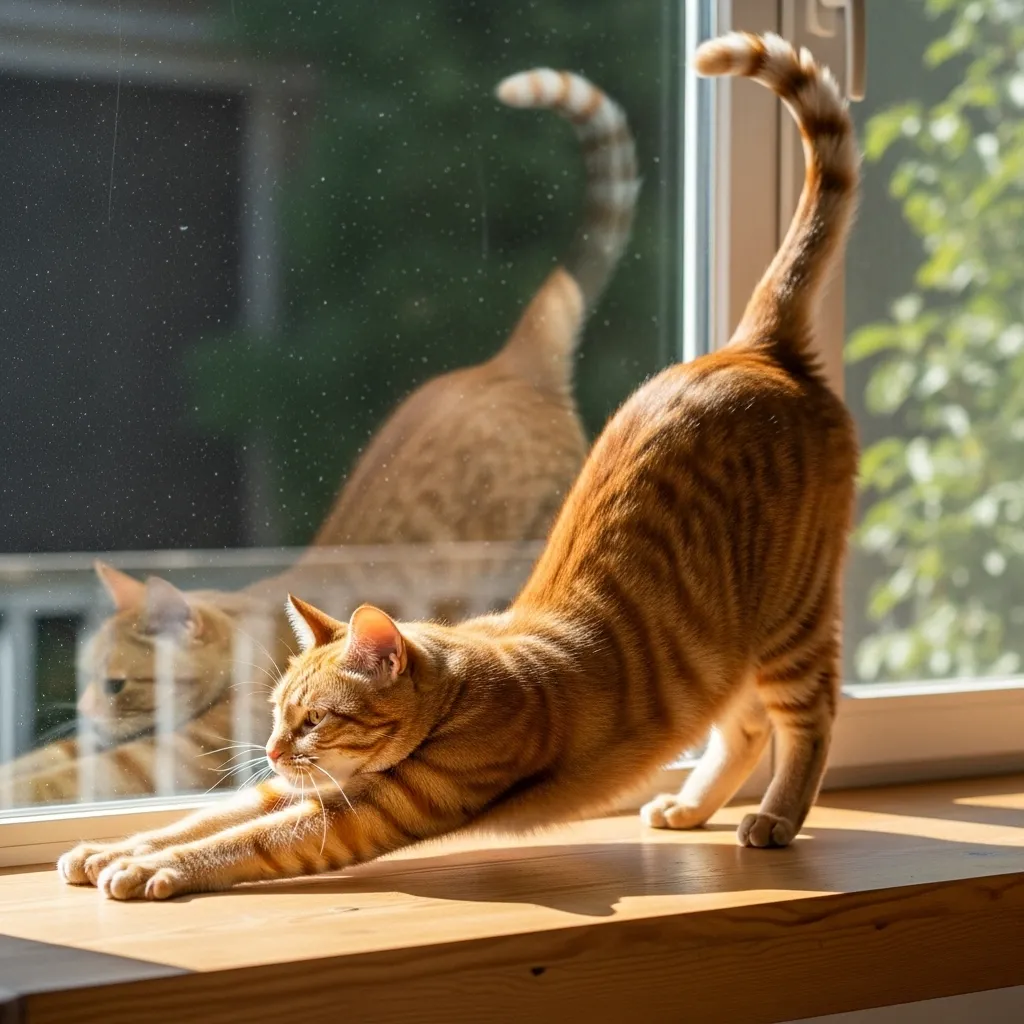
You walk into the room, and there she is: your cat rises slowly, arches her back into a perfect Halloween-cat curve, extends her front paws as far as they’ll go, and finishes with a luxurious tail-up stretch. Then she pads over, maybe slow-blinks, and acts like the happiest creature on earth.
It’s one of those moments that makes cat ownership feel magical. But what’s actually going on? Is she just waking up, showing off her yoga skills, or saying something deeper?
The short answer: when your cat stretches the moment she sees you, it’s almost always a good thing. In fact, it’s one of the clearest signs your cat trusts you and feels completely safe. Below, we’ll break down every layer of this behavior – the physical reasons, the emotional ones, and the tiny details most owners miss.
Key Takeaways (Read This First)
- Stretching toward you is a compliment: your cat feels relaxed and happy in your presence.
- It combines physical wake-up with a deliberate social greeting.
- Cats only show this full, vulnerable stretch around people (or animals) they trust.
- Pairing a stretch with a slow blink or upright tail multiplies the “I love you” message.
- Lack of stretching can sometimes signal stress, pain, or a weakened bond.
Now let’s go deeper.
The Two Main Reasons Cats Stretch in Front of You
Cat stretching behavior serves two purposes that usually happen at the same time.
1. The Physical Reason: A Built-In Morning (or Afternoon) Routine
Cats sleep 12–18 hours a day, often in short bursts. When they wake, their muscles are stiff, and blood flow has slowed. A big stretch:
- Re-oxygenates muscles and gets blood moving again.
- Lengthens the spine and loosens fascia (the connective tissue around muscles).
- Activates proprioception – their sense of where their body is in space.
Think of it as the feline version of your morning shoulder roll, only far more elegant.
2. The Emotional Reason: “Hi, I Feel Safe With You”
Here’s where it gets heart-melting. In the wild, a cat would never expose her belly or turn her back while stretching if she felt threatened. By doing it right in front of you, she’s saying:
- “I’m not on guard.”
- “You’re part of my safe circle.”
- “Watch how relaxed I am – this is my home, and you belong here too.”
Veterinary behaviorists call this stretching as a greeting in cats a displacement behavior rooted in comfort. It’s the same reason cats often roll over or slow-blink when you enter the room. Multiple studies on feline communication (including work from the University of Lincoln and Oregon State) confirm that cats reserve these vulnerable postures for bonded humans.
How to Tell If the Stretch Is a Greeting (Not Just a Wake-Up)
Not every stretch is a love letter. Here’s a quick cheat sheet:
| Behavior Combo | Likely Meaning |
|---|---|
| Stretch + upright tail with slight curl at tip | Classic happy greeting |
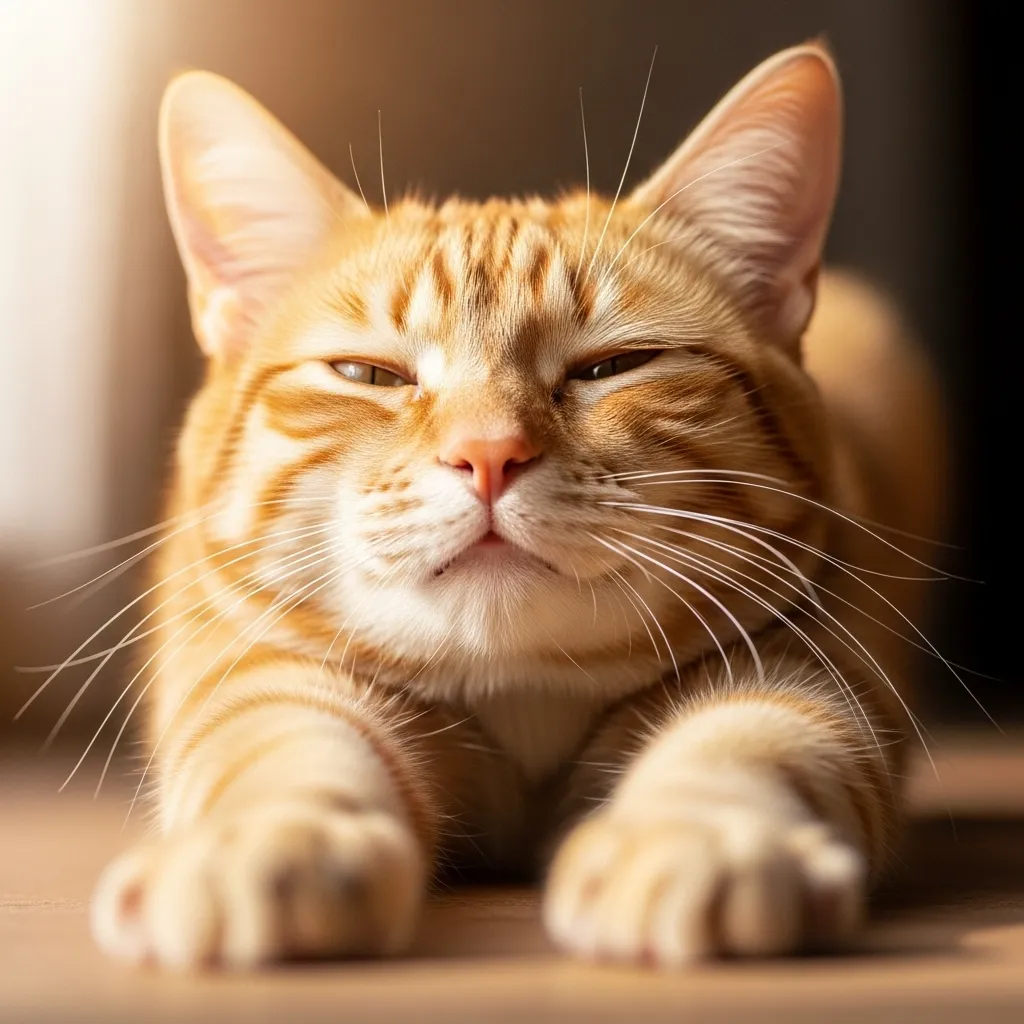
| Stretch + slow blink | Deep trust and affection |
| Stretch + soft trill or chirp | Excited to see you |
| Stretch + immediate head bump | Bonding + scent exchange |
| Stretch alone, then walks away | Mostly physical, just woke up |
| No stretch, tense body, ears back | Possible stress or discomfort |
If your cat stretches when seeing owner and adds any of the first four signals, congratulations – you’ve been officially adopted.
Cat Body Language 101: Other Comfort Signals That Often Appear With the Stretch
Understanding feline behavior becomes much easier once you know the cluster of signs cats use when they’re content:
- Upright or question-mark tail
- Relaxed ears pointed slightly forward
- Loose, soft eyes (often with slow blinking)
- Exposed belly (briefly – not always an invitation to touch)
- Gentle kneading or “making biscuits”
- Soft purring at a resting heart rate
When you see the stretch bundled with two or more of these, you’re looking at peak cat happiness.
Physical Reasons for Cat Stretching Beyond Greeting
While the emotional side steals the spotlight, never ignore the body mechanics.
Muscular Flexibility and Joint Health
Cats are natural athletes. Regular stretching keeps their extraordinary range of motion. A healthy cat can rotate her shoulders almost 180 degrees and extend her spine dramatically – something we only see in gymnasts.
Instinctual Preparation
Even indoor cats retain prey drive. A quick stretch primes fast-twitch muscles in case a toy (or laser dot) suddenly appears.
Temperature Regulation
After lying curled in a ball, stretching helps redistribute warmth and prevent stiffness.
If your cat suddenly stops stretching or seems painful while doing it, schedule a vet visit. Arthritis, injury, or abdominal discomfort can reduce range of motion.
Psychological Reasons for Cat Stretching: The Trust Factor
Cats are masters of subtle feline social cues. Stretching in your presence is deliberate communication, not coincidence. Animal behaviorist Dr. John Bradshaw notes in his book Cat Sense that domestic cats have evolved specific signals for humans that differ from cat-to-cat communication. The owner-directed stretch is one of them.
Other psychological drivers:
- Scent marking: paws contain scent glands; stretching presses them into carpets or furniture.
- Confidence display: “Look how unbothered I am.”
- Invitation to interact: many cats stretch and then immediately flop for play or pets.
Why Some Cats Stretch More Than Others
Kittens and young adults stretch constantly – they’re growing and full of energy. Senior cats may stretch less due to arthritis (consider joint supplements or heated beds – see our guide on senior cat care).
Breeds famous for dramatic stretching greetings:
- Ragdolls (they practically melt)
- Maine Coons
- Bengals
- Siamese and Oriental breeds (very people-focused)
Shyer or formerly feral cats may take months or years before offering this vulnerable greeting.
Discover more about Ragdoll cat bond-building behavior in our complete guide.
How to Respond When Your Cat Stretches at You (And Strengthen the Bond)
- Pause and acknowledge – a soft voice or slow blink tells her you received the message.
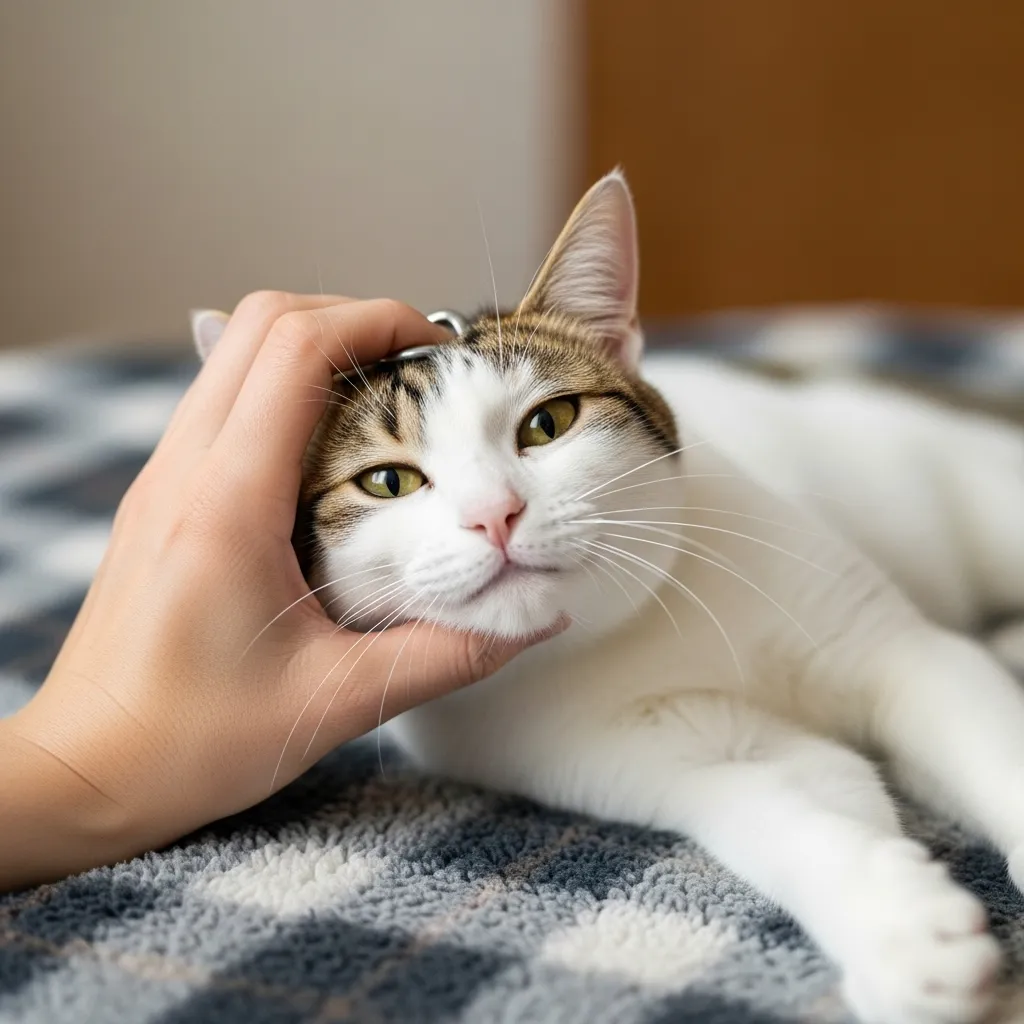
- Offer a gentle head scratch or chin rub if she approaches.
- Avoid sudden movements or reaching for the belly (even if offered briefly).
- Mirror her energy – sit on the floor to bring yourself to her level.
Over time, these tiny respectful exchanges build an unbreakable bond.
Creating a Stress-Free Home So Your Cat Feels Safe Enough to Stretch
Cats only perform this behavior in environments where they feel 100% secure. Quick checklist for a positive cat environment:
- Multiple high perches and hiding spots
- Consistent feeding and play schedules
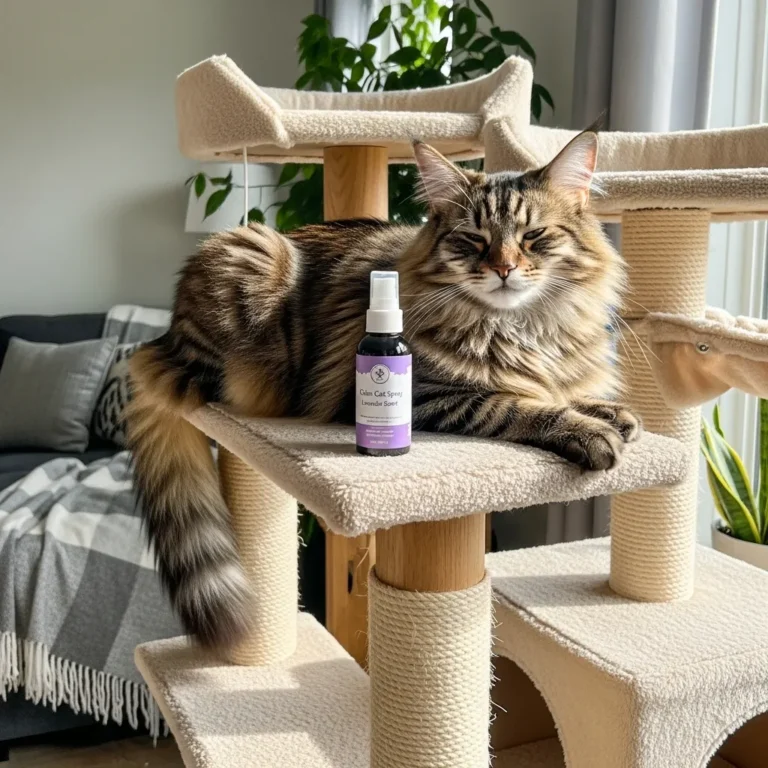
- Pheromone diffusers in multi-cat or anxious households
- Regular vet wellness visits to rule out pain
- Quiet zones away from loud appliances
Small changes here often lead to more stretches, slow blinks, and head bumps.
FAQ – Quick Answers to Common Questions
Is stretching when they see me a sign my cat loves me?
Yes, almost always. It’s a deliberate display of comfort and trust.
My cat only stretches for me, not my partner. What does that mean?
You’re likely her “favorite” – the person she feels safest with. It’s normal for cats to have a preferred human.
Should I be worried if my cat suddenly stops stretching?
Possibly. Sudden changes in healthy cat habits can indicate pain, stress, or illness. Monitor eating, litter box use, and energy levels.
Do cats stretch as a dominance display?
Rarely. A high, stiff-legged stretch with piloerection (raised hair) can be territorial, but the soft, fluid stretch we’re discussing is pure affection.
Why does my cat stretch, then run away?
She’s inviting play! Grab a wand toy and turn it into a quick hunting session.
The Bottom Line
Next time your cat greets you with that beautiful full-body stretch, know this: she’s telling you, in the clearest feline language possible, that your presence makes her feel safe, happy, and loved. Return the favor with quiet respect, gentle interaction, and a home that lets her be her most relaxed self.
Want to understand even more of your cat’s mysterious signals? Explore our feline body language guide or discover how to improve the bond with your cat through daily rituals.
At Cat Bloom Haven, we’re here to help you and your cat live your best lives together one stretch, one slow blink, one purr at a time.