Why Does My Cat Rub His Face on My Phone? The Surprising Truth Behind This Adorable Habit
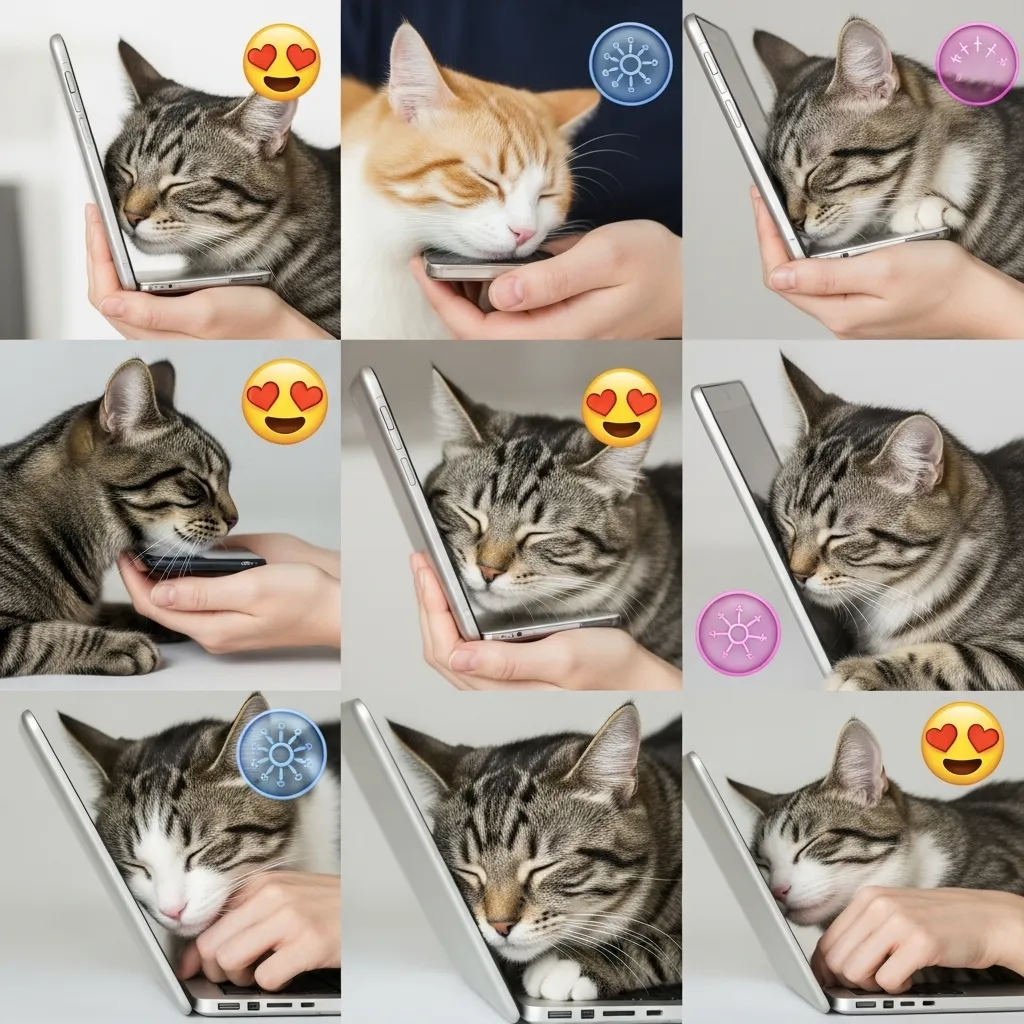
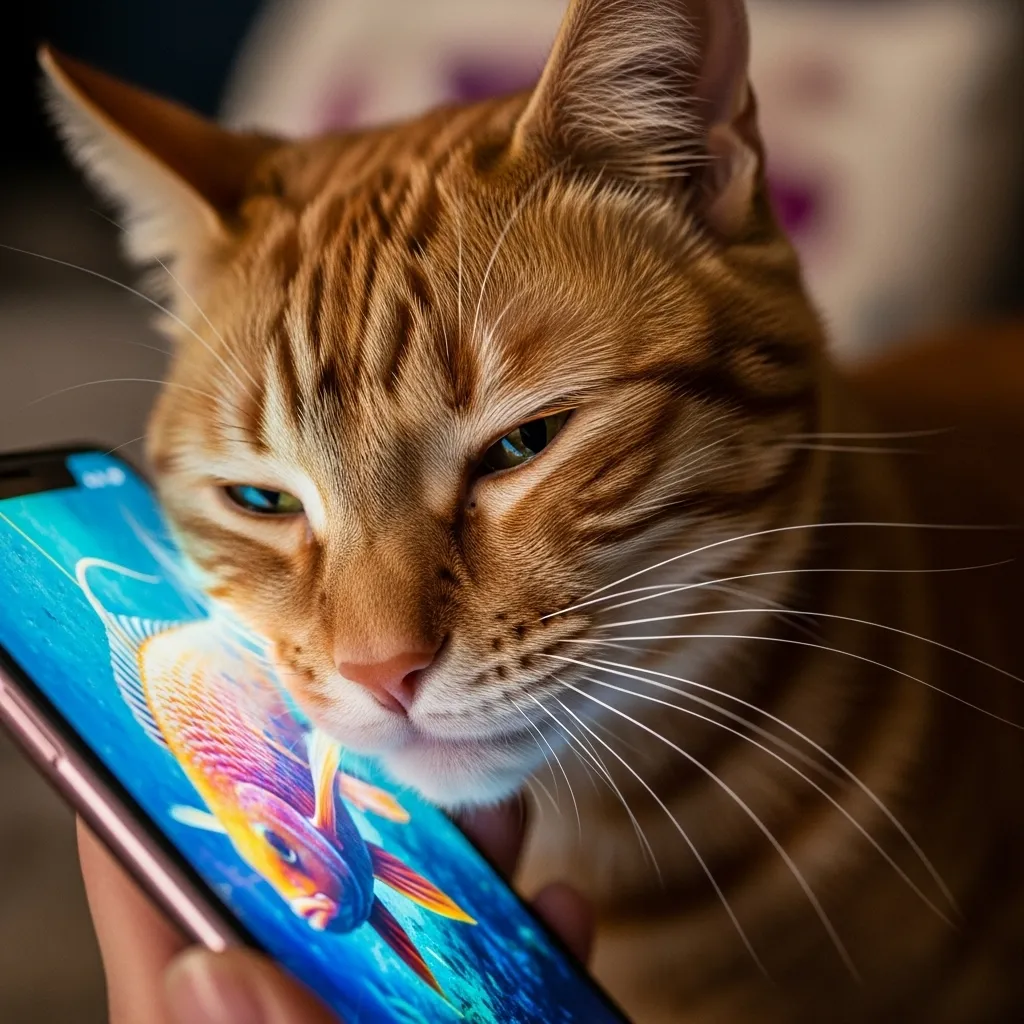
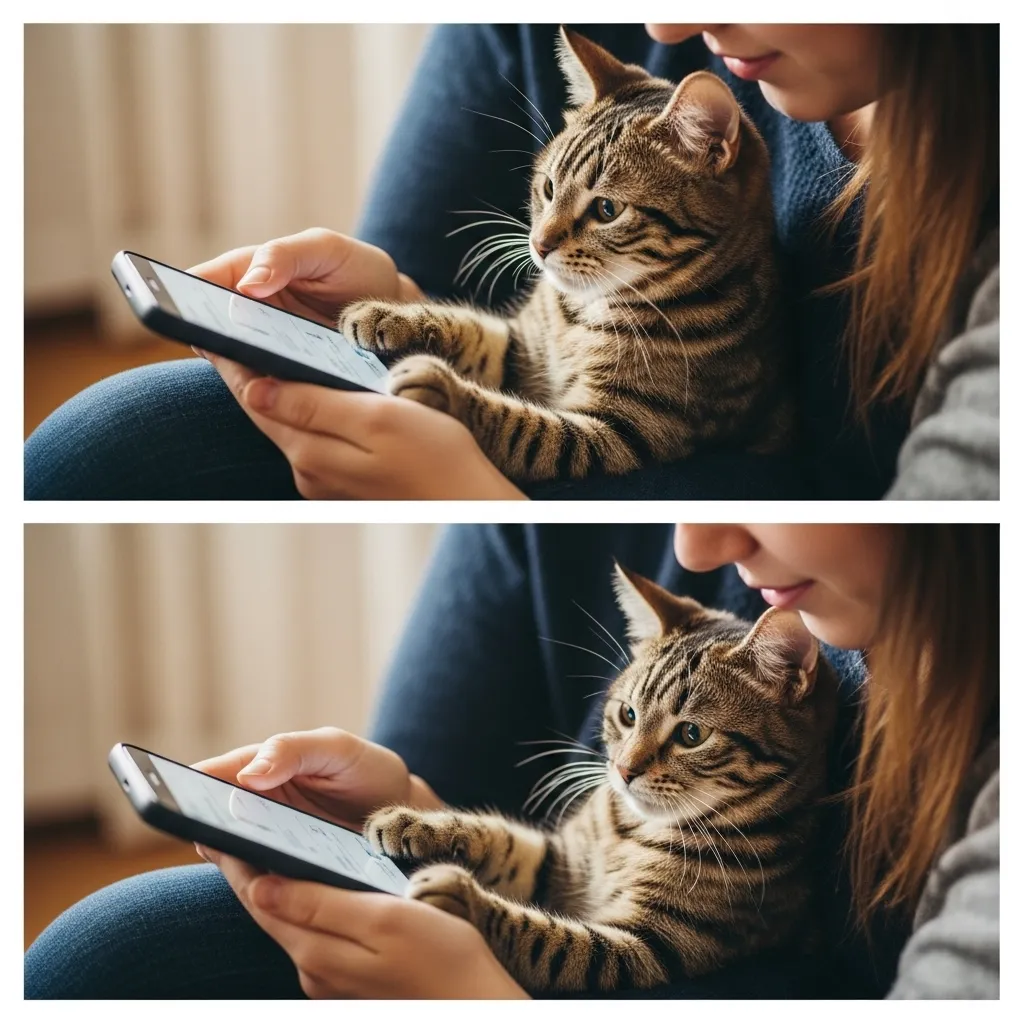
Picture this: you’re scrolling through messages, and suddenly your cat saunters over, presses his cheek against your phone screen, and drags it across with pure determination. It’s cute, it’s confusing, and it happens more often than you’d expect. If you’ve ever wondered, “Why does my cat rub his face on my phone?” you’re not alone. This quirky cat facial rubbing behavior is packed with meaning, from scent marking to pure affection.
In this guide, we’ll unpack the science and emotions behind why cats mark objects like your smartphone. You’ll discover the role of feline pheromones behavior, how it ties into cat bonding behaviors, and whether it’s cat attention-seeking behavior or something deeper. By the end, you’ll know exactly how to interpret and respond to this habit, plus tips to strengthen your cat-human relationship.
Key Takeaways Up Front:
- Cats rub their faces to deposit pheromones from scent glands, claiming objects (and you) as their own.
- Your phone carries your scent, heat, and sometimes intriguing smells, making it a prime target for cat scent marking.
- This is normal territorial behavior in cats, but it can also signal affection or a bid for attention.
- Respond positively to encourage cat-to-human bonding without reinforcing unwanted habits.
The Basics of Bunting Behavior in Cats: What It Really Means
Bunting, or head bunting, is the technical term for when cats rub their heads, cheeks, or bodies against things. It’s not random; it’s a deliberate cat communication signal. Understanding feline behavior starts here.
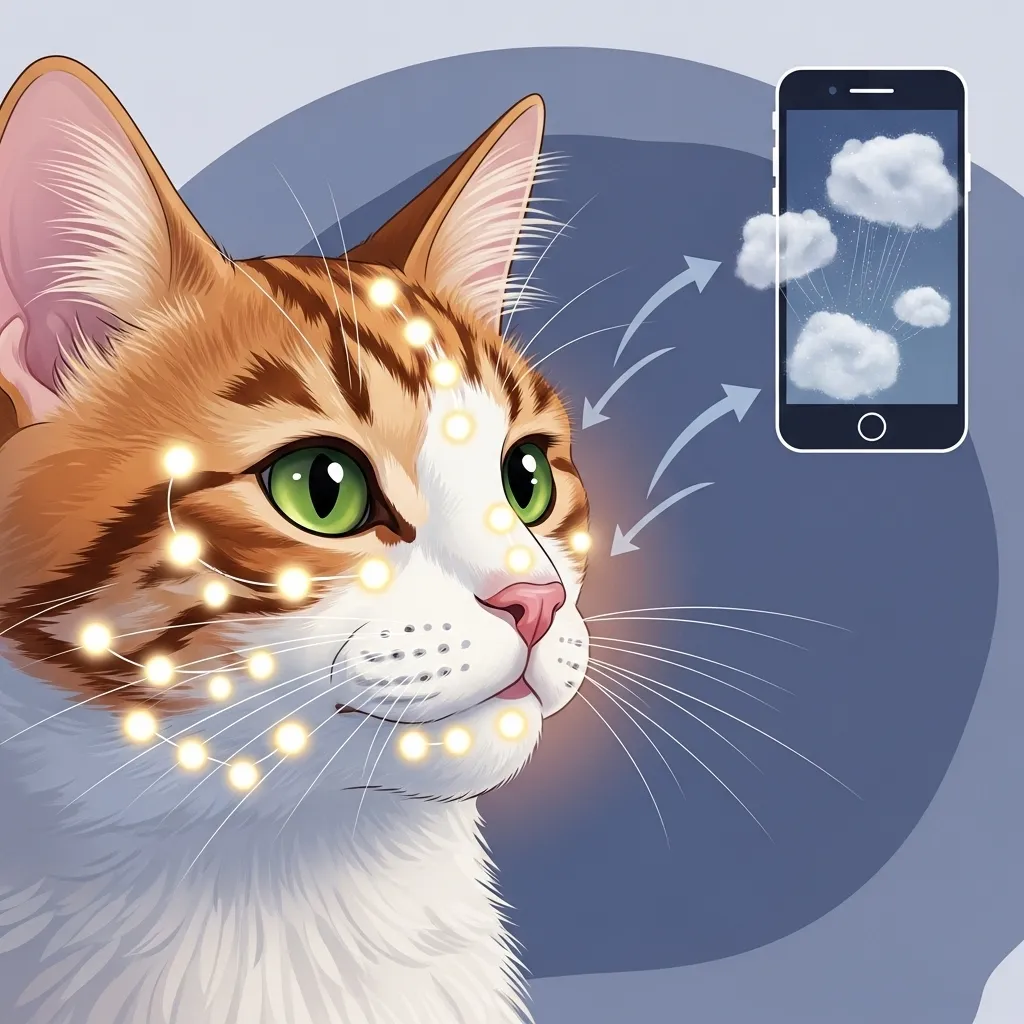
Cats have scent glands on their cheeks, chin, forehead, and even along their tails. When your cat rubs his face on your phone, he’s releasing pheromones – chemical messages invisible to us but loud and clear to him and other cats.
This cat rubbing behavior explained isn’t just about territory. It’s a multi-purpose tool in a cat’s social toolkit:
- Marking ownership: “This phone belongs to my human, and now it smells like me too.”
- Creating familiarity: Familiar scents make cats feel secure in their environment.
- Sharing affiliation: In multi-cat homes, it blends scents for group harmony.
Real-life example: My own cat, Luna, targets my phone every morning. It’s warm from my hand, smells like me, and sits at eye level on the nightstand. Classic bunting behavior in cats.
For more on interpreting cat body language, explore our detailed guide on cat tail language.
Why Cats Rub Their Face on Things: The Role of Cat Scent Glands
Let’s dive deeper into the hardware behind this habit. Cat scent glands are strategically placed for maximum impact.
| Location of Scent Glands | Primary Function |
|---|---|
| Cheeks and temples | Friendly marking and bonding |
| Chin and lips | Territorial claims on objects |
| Forehead | Greeting and affiliation |
| Base of tail | Stronger territorial signals |
These glands produce feline pheromones, oily substances that carry information about the cat’s identity, mood, and reproductive status. When cats rub their faces on objects like phones, they’re essentially leaving a personal signature.
Pheromones and cat behavior go hand-in-hand. Studies from the Journal of Feline Medicine and Surgery show that cats prefer objects marked with their own pheromones, returning to them for comfort. Your phone becomes a scented security blanket.
Why your phone specifically? It combines several cat magnets:
- Your scent: Cats recognize individual human smells.
- Warmth: Electronics retain heat, mimicking another cat’s body.
- Novel odors: Food particles, lotions, or outside scents linger on the surface.
This explains cat rubbing on electronics beyond just phones – laptops, remotes, and tablets get the same treatment.
Cat Scent Marking vs. Cat Affection Signals: Telling the Difference
Not every rub is about territory. Sometimes, cat facial rubbing behavior is pure love. Here’s how to decode the intent.
Signs it’s scent marking (territorial behavior in cats):
- Rubs quickly and moves on.
- Targets new or infrequently used objects.
- Occurs in multi-cat households around shared items.
- Paired with other marking like scratching.
Signs it’s affection (cat bonding behaviors):
- Slow, deliberate rubs with eyes half-closed.
- Purring and kneading accompany the action.
- Follows you around for more interaction.
- Lip licking in cats often appears – a self-soothing comfort sign.
Cat attention-seeking behavior adds another layer. If your phone buzzes or lights up, the movement grabs attention. Rubbing then says, “Hey, play with me instead!”
Pro tip: Observe context. A rub during your work-from-home Zoom call? Likely attention-seeking. A gentle cheek press while you’re petting him? Pure cat-to-human bonding.
Discover more about cat social interactions in our article on why cats show bellies.
Why My Cat Loves My Phone: The Gadget Obsession Explained
Phones are cat kryptonite. Beyond scent, several factors fuel cat phone obsession.
- Heat source: Screens warm up quickly, providing a cozy spot.
- Reflective surface: Cats see their reflection, sparking curiosity.
- Vibrations and sounds: Notifications mimic prey or play.
- Elevation: Phones often rest on tables or laps – prime real estate.
- Cats and smartphone scents: Transfer from your hands includes food, perfume, or outdoor smells.
Trending searches like “cat behavior with gadgets” spike because modern life integrates tech. Your cat isn’t tech-savvy; he’s scent-savvy.
One study from Applied Animal Behaviour Science found cats spend 15-20% more time near owner-scented objects. Your phone tops the list.
Funny side note: Cat rubbing memes flood social media for a reason. That smeared screen? It’s a badge of honor in cat ownership.
Cat Object Marking in Everyday Life: From Phones to Furniture
Phone rubbing is just the tip of the iceberg. Why cats mark territory extends to:
- Furniture legs (vertical surfaces maximize scent spread).
- Doorways (high-traffic areas for maximum exposure).
- Your legs (mobile marking!).
- Other pets (blending family scents).
In cat communication, consistency matters. Regular marking maintains the “scent map” of home.
Cat ownership tips: Provide approved marking spots like scratching posts with catnip to redirect from valuables.
Is It Normal? When Cat Rubbing Behavior Becomes Excessive
Most facial rubbing is healthy. Red flags include:
- Sudden increase in frequency.
- Rubbing accompanied by skin irritation or hair loss.
- Aggressive marking in single-cat homes.
Excessive cat rubbing behavior explained could signal:
- Skin allergies (check our cat allergies guide).
- Stress or anxiety.
- Hormonal changes in unspayed/unneutered cats.
- Medical issues like hyperthyroidism.
Vet check recommended if patterns change dramatically.
How to Respond When Your Cat Rubs His Face on Your Phone
Positive reinforcement builds trust. Here’s the expert approach:
Do:
- Pause and acknowledge with soft voice or gentle pet.
- Offer alternative affection like chin scratches.
- Use the moment for play to redirect energy.
- Clean phone with pet-safe wipes to reduce competing scents if needed.
Don’t:
- Push away harshly (damages bond).
- Reward with treats every time (creates begging).
- Ignore completely if it’s attention-seeking.
Table: Response Strategies
| Situation | Best Response | Why It Works |
|---|---|---|
| During work | Quick pet, then toy redirect | Meets need without full interruption |
| Bedtime routine | Allow brief rub, then settle | Reinforces bonding without overstimulation |
| New phone smell | Supervised introduction | Prevents overwhelming marking |
Strengthening Cat-Human Relationship Through Understanding
Every rub is a conversation. Interpreting cat body language accurately deepens connection.
Actionable insights:
- Reciprocate with slow blinks – cat affection signals.
- Create “scent soakers” like worn t-shirts in cat beds.
- Use synthetic pheromone diffusers for anxious cats.
- Schedule daily play to reduce attention-seeking rubs.
Explore our cat bonding behaviors guide for breed-specific tips (applies universally).
The Science Behind Pheromones and Cat Behavior
Veterinarians and behaviorists agree: pheromones drive much of cat communication.
Key facts:
- Facial pheromones (F3 fraction) signal friendliness.
- Cats can detect pheromones for up to 24 hours.
- Mother cats use bunting to mark kittens for safety.
- Synthetic versions (Feliway) reduce stress marking.
Research from the University of Lincoln shows cats in pheromone-enriched environments show 30% less territorial aggression.
Cat Communication Signals: Beyond Face Rubbing
Face rubbing works with other behaviors:
- Tail up greeting: Confidence and affection.
- Kneading: Contentment from kittenhood.
- Slow blink: Trust signal.
- Lip licking in cats: Often follows rubbing as self-calming.
Combined, these create a rich language. A cat rubbing on your phone while slow-blinking? Peak affection.
Breed Differences in Rubbing Behavior
While universal, intensity varies:
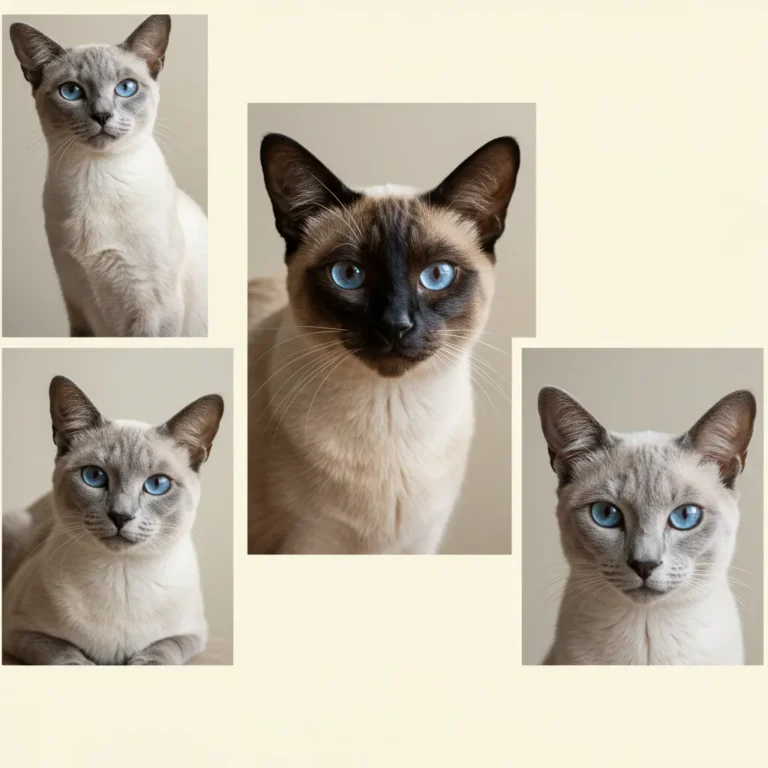
- Siamese: Vocal rubbers, combine with meowing.
- Maine Coon: Gentle giants, massive head bunts.
- Bengal: Energetic, may rub then zoom.
- Persian: Subtle, prefer lap access first.
Check breed profiles like our Siamese cat breed guide for nuances.
Cat Behavior Guide: Building a Rub-Friendly Home
Environment shapes behavior. Optimize for happy marking:
- Multiple marking stations: Cat trees at different heights.
- Scent preservation: Avoid over-cleaning favorite spots.
- Enrichment: Puzzle feeders reduce boredom rubbing.
- Routine: Predictable schedules lower stress.
FAQ: Your Top Questions About Cat Face Rubbing on Phones Answered
What is bunting behavior in cats?
Bunting is when cats press and rub their heads against objects or people to deposit pheromones from facial scent glands. It’s a natural cat communication signal for marking, bonding, and comfort.
Why do cats rub their faces on phones specifically?
Phones combine warmth, owner scent, movement, and novel smells. This makes them irresistible for cat scent marking and attention-seeking.
Is cat facial rubbing a sign of affection?
Yes, especially with purring, slow blinks, or kneading. It’s one of the strongest cat affection signals, showing trust and contentment.
Should I stop my cat from rubbing on my phone?
Only if it’s excessive or damages the device. Otherwise, it’s normal feline behavior. Redirect gently or use screen protectors.
What are cat scent glands and where are they?
Specialized skin areas producing pheromones, located on cheeks, chin, forehead, and tail base. They release chemicals for cat-to-cat and cat-to-human communication.
Can lip licking in cats relate to face rubbing?
Yes. Cats often lick lips after rubbing as a self-soothing behavior, especially when content or slightly overstimulated.
Why does my cat rub on electronics besides phones?
Heat, vibrations, and reflective surfaces attract cats. It’s the same bunting behavior applied to laptops, TVs, or remotes.
How do pheromones affect cat behavior long-term?
Consistent pheromone marking creates a “scent security system” reducing stress and territorial conflicts in multi-pet homes.
Final Thoughts: Embrace the Rub
Your cat rubbing his face on your phone isn’t annoying – it’s endearing. This simple act weaves you into his world through scent, trust, and affection. Next time it happens, smile knowing you’re marked as family.
Understanding feline behavior transforms confusion into connection. From cat scent marking to cat bonding behaviors, every rub tells a story.
Ready for more cat behavior insights? Explore our comprehensive cat behavior guide or dive into breed-specific quirks. At Cat Bloom Haven, we’re passionate about helping you decode your cat’s language – one rub at a time.