How to Give Cat Catnip: A Complete Guide to Safe Fun and Feline Bliss
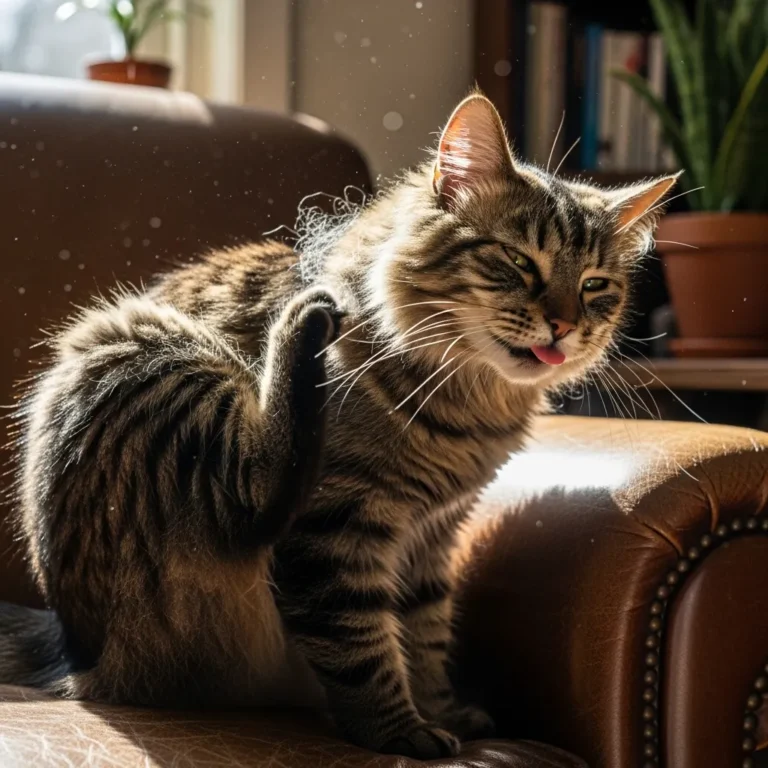
Picture this: your calm, composed cat suddenly transforms into a playful whirlwind, rolling on the floor, purring like a motor, and chasing invisible prey. That’s the magic of catnip for cats in action. If you’re wondering how to give cat catnip without turning your living room into a feline rave gone wrong, you’ve landed in the right spot.
This guide breaks down everything from what is catnip to catnip safety guidelines, types of catnip for cats, and how catnip affects cats. You’ll learn safe ways to give catnip, spot catnip reactions in cats, and even handle first time giving catnip like a pro.
By the end, you’ll know exactly how to introduce catnip to cats, maximize benefits of catnip for cats, and avoid common pitfalls. Whether your kitty is a hyperactive indoor explorer or a lazy lap warmer, catnip can enrich their world. Let’s dive in.
Key Takeaways
- Catnip triggers a harmless, euphoric response in about 50-70% of cats due to genetic sensitivity to catnip.
- Start small when introducing catnip to cats; a pinch of dried leaves or one spray is plenty.
- Monitor catnip reactions in cats closely, especially during first time giving catnip.
- Fresh vs dried catnip both work, but potency varies; organic catnip for cats ensures purity.
- Catnip is safe in moderation, but overexposure can reduce effects or cause mild upset.
- Use catnip toys and sprays for controlled fun; avoid daily use to keep the magic alive.
What Is Catnip and Why Do Cats Love It?
Catnip isn’t just a random herb that sends cats into frenzy mode. It’s a member of the mint family, scientifically known as Nepeta cataria. The active compound, nepetalactone, mimics feline pheromones. When cats sniff it, nepetalactone binds to olfactory receptors, sparking a brief “high” that lasts 5-15 minutes.
Why do cats love catnip? It taps into their natural instincts. In the wild, similar scents signal mating or play. Domesticated cats get a safe outlet for hunting, rolling, and zooming. Not every cat reacts; kittens under 6 months and some seniors show little interest. Genetic sensitivity to catnip determines response – it’s inherited, not learned.

How Catnip Affects Cats: The Science Behind the Silliness
Understanding how catnip affects cats helps you use it responsibly. Inhalation is key – sniffing triggers the response. Eating catnip produces a milder, often sedative effect.
Nepetalactone Effects Explained
Nepetalactone enters the nasal tissue, stimulates sensory neurons, and floods the brain with feel-good signals. Cats may exhibit:
- Euphoric phase: Head rubbing, chin scratching, body rolling.
- Playful phase: Pouncing, batting, chasing tails.
- Chill phase: Drooling, zoning out, or napping.
After 10-15 minutes, cats enter a refractory period where catnip sensitivity in cats drops for about an hour. This prevents overstimulation.
Catnip Behavior Response Variations
Typical catnip reactions in cats include vocalizing, flipping, or hyper zoomies. Some cats become affectionate; others get briefly aggressive (rare, but redirect play). About 30% of cats are immune – no shame, they’re just wired differently.
Genetic Sensitivity to Catnip: Who Responds and Who Doesn’t
Catnip sensitivity in cats follows a dominant gene pattern. If one parent reacts, odds are 50-70% for kittens. Breeds like Siamese may show lower response rates, but it’s individual. Age matters too; kittens rarely react before 3-6 months. Seniors might lose interest as senses dull.
Test gently during first time giving catnip. No reaction? Try again in a month or switch forms.
Types of Catnip for Cats: Which One Fits Your Feline?
Choosing the right form impacts enjoyment and safety. Here’s a breakdown:
| Type | Potency | Best For | Pros | Cons |
|---|---|---|---|---|
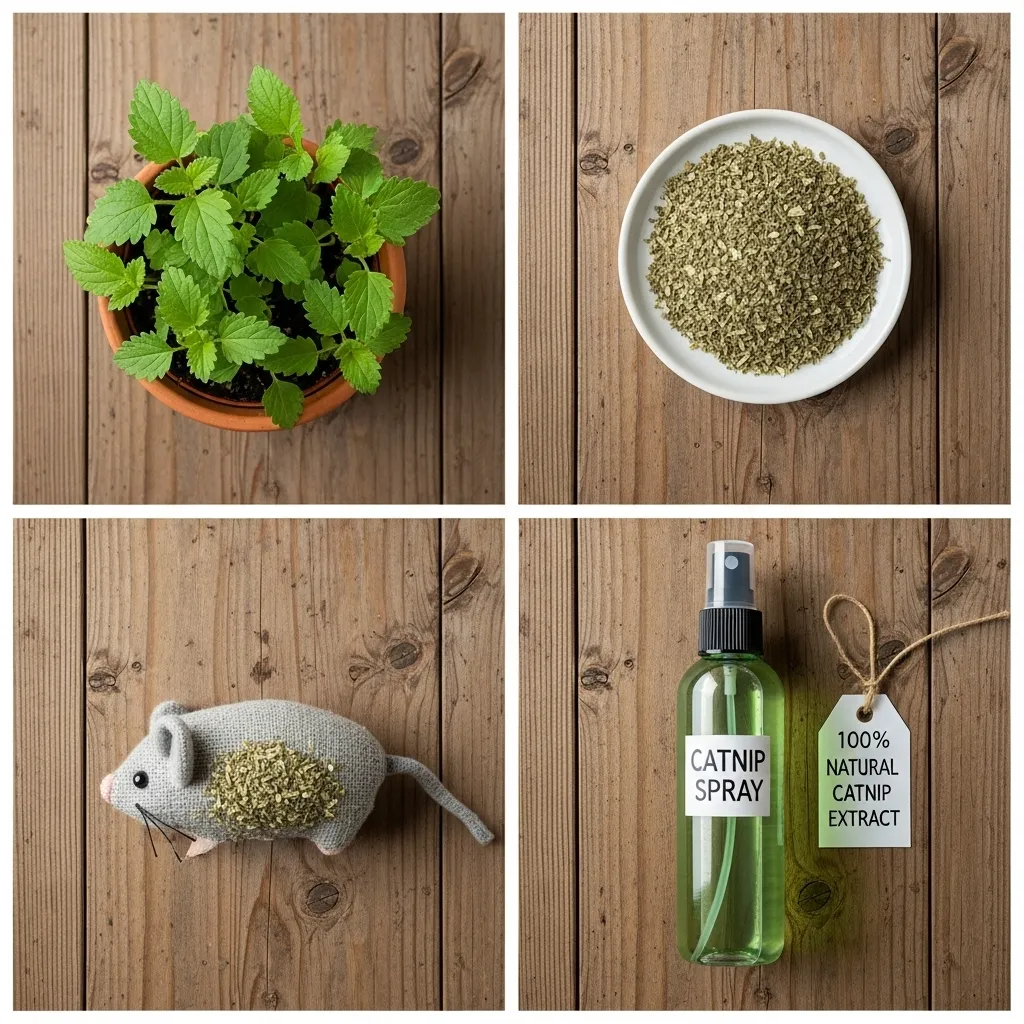
| Fresh catnip plant for cats | High | Growing at home | Natural, engaging to chew | Needs care, seasonal |
| Dried catnip | Medium-High | Sprinkling, stuffing toys | Long shelf life, affordable | Loses potency over time |
| Catnip toys and sprays | Controlled | On-the-go fun | Mess-free, reusable | May contain fillers |
| Organic catnip for cats | Varies | Health-conscious owners | Pesticide-free | Slightly pricier |
Fresh vs dried catnip: Fresh packs more punch but wilts fast. Dried is convenient for catnip spray usage or refilling toys.
Benefits of Catnip for Cats: More Than Just Fun
Catnip isn’t fluff – it offers real perks for indoor cats especially.
- Natural cat enrichment: Combats boredom; ideal for catnip for indoor cats.
- Feline stimulation methods: Encourages exercise, reduces obesity risk.
- Calming cats naturally: Post-high chill helps hyperactive cats unwind. Try calming catnip products for stress.
- Training aid: Use during catnip for hyperactive cats to redirect energy.
- Dental health: Chewing fresh leaves cleans teeth.
Studies from the Journal of Feline Medicine show moderate catnip use boosts activity in sedentary cats without side effects.
Introducing Catnip to Cats: Step-by-Step for First-Timers
First time giving catnip? Keep it positive.
- Pick a quiet space: Low distractions build good associations.
- Start small for catnip dosage for cats: 1/4 teaspoon dried or one spray.
- Offer, don’t force: Let them investigate.
- Time it right: Post-nap or evening play session.
- Observe: Note catnip behavior response for future sessions.
Pro tip: Rub dried catnip on a scratcher to combine enrichment.
Explore our detailed guide on cat training behavior for more play ideas.
Safe Ways to Give Catnip: Dosage and Frequency
Follow catnip dosage for cats to avoid tolerance.
- Kittens (6+ months): 1/8 teaspoon, 1-2 times weekly.
- Adults: 1/2 teaspoon or equivalent, 2-3 times weekly.
- Seniors: Reduce if sensitive.
Monitoring catnip reactions: Stop if vomiting or diarrhea occurs (rare). Rotate with alternative cat stimulants like silver vine for variety.
Catnip Safety Guidelines: Busting Myths and Setting Rules
Is catnip safe for cats? Yes, in moderation. Catnip toxicity myths stem from overfeeding large amounts cause temporary upset, not poison.
Catnip and Cold Sensitivity
No evidence links catnip to cold issues, but avoid drafts post-session if your cat zones out.
Overuse Risks
Daily exposure desensitizes; space sessions. Pregnant cats: Skip to be cautious.
Safe Storage
Keep sealed; children or dogs might ingest.
[Discover more tips in our cat health care section.]
Recognizing Catnip Reactions in Cats: Good, Bad, and Hilarious
Positive signs:
- Playful leaps, gentle rubbing.
- Relaxed purring, half-closed eyes.
Red flags:
- Aggression toward people/pets.
- Excessive drooling or hiding.
Most sessions end in happy naps.
Best Catnip Toys 2025: Top Picks for Engagement
Trending: Refillable organic pouches, kick sticks with bells, interactive wands with spray. Look for durable, washable materials.
For indoor cats, combine with puzzle feeders for mental stimulation.

Alternatives to Catnip: When Your Cat Needs Variety
About 30% don’t respond. Try:
- Silver vine: Stronger for some.
- Valerian root: Calming.
- Honeysuckle wood: Chewing fun.
Rotate to prevent boredom.
Catnip for Specific Needs: Tailored Tips
- Catnip for hyperactive cats: Short bursts before bed.
- Calming catnip products: Sprays on beds for anxiety.
- Catnip spray usage: Mist toys or scratchers, not directly on cat.
DIY Catnip Experiences at Home
Grow your own catnip plant for cats easy in pots. Harvest, dry, store in airtight jars.
Make toys: Sew fabric pouches, stuff with organic catnip.
When Catnip Isn’t Enough: Enrichment Beyond the Herb
Pair with laser pointers, window perches, or daily play. Learn more in our feline stimulation methods guide.
Conclusion: Unlock Joy with Smart Catnip Habits
Giving catnip responsibly turns ordinary moments into memorable bonding. Start slow, watch reactions, and enjoy the show. Your cat’s personality shines brightest in these playful bursts.
Ready for more feline wisdom? Explore expert cat care and behavior guides on Cat Bloom Haven, from American Shorthair playful personality to best beds for American Shorthair cats. Your kitty deserves the best keep blooming!
FAQ
What is catnip and how does it affect cats?
Catnip is a mint-family herb containing nepetalactone. Sniffing triggers euphoria, play, or relaxation in sensitive cats for 5-15 minutes.
What are the benefits of catnip for cats?
It provides exercise, stress relief, enrichment, and training aid without calories or risks in moderation.
How can I introduce catnip to my cat for the first time?
Use a tiny amount in a quiet room. Let them sniff freely and observe for 10 minutes.
What are the different types of catnip for cats?
Fresh plants, dried leaves, infused toys, and sprays. Organic options minimize chemicals.
How should I determine catnip dosage for cats?
Start with 1/4 teaspoon dried or one spray, 2-3 times weekly. Adjust based on size and reaction.
What precautions are in catnip safety guidelines?
Avoid overuse, monitor for upset, store securely, and skip for pregnant cats or kittens under 6 months.
What signs show catnip reactions in cats?
Rolling, pouncing, rubbing, vocalizing, or zoning out. Stop if aggression appears.
Why do some cats lack catnip sensitivity?
It’s genetic; about 30% are immune. Age and health also factor in.
Is fresh vs dried catnip better?
Fresh is potent but short-lived; dried is convenient and consistent.
Can catnip help with calming cats naturally?
Yes, post-play relaxation aids anxious or hyper cats when used sparingly.