Why Is My Cat Meowing Randomly? A Complete Guide to Decoding Feline Vocalizations
Picture this: it’s 3 a.m., the house is silent, and suddenly your cat launches into a full serenade. No visible reason, no open door, no empty food bowl. Just persistent meows that leave you wondering, “Why is my cat meowing randomly?” If this sounds familiar, you’re not alone. Millions of cat owners search for answers to random cat meowing every month, and the truth is, those vocal bursts almost always mean something specific.
In this guide, you’ll discover the real reasons behind excessive meowing in cats, from simple attention-seeking to hidden medical issues. We’ll break down cat vocalization patterns, explain why cats meow at night, and share proven strategies to reduce unwanted noise. By the end, you’ll understand your cat’s language better than ever and know exactly when to act.
Key Takeaways
- Cats meow primarily to communicate with humans, not other cats.
- Random cat meowing often signals hunger, stress, boredom, or health problems.
- Nighttime cat meowing spikes in older cats due to cognitive changes or discomfort.
- Never ignore sudden changes in vocalization; they can indicate pain or illness.
- Positive reinforcement and environmental tweaks stop most behavioral meowing.
[Image placement: Above the first H2 section. Prompt: A close-up of a tabby cat with wide eyes mid-meow, soft lighting, curious expression against a blurred home background. Alt text: Cat meowing randomly at night, showing curiosity and vocalization.]
Understanding Cat Communication Cues: Beyond the Meow
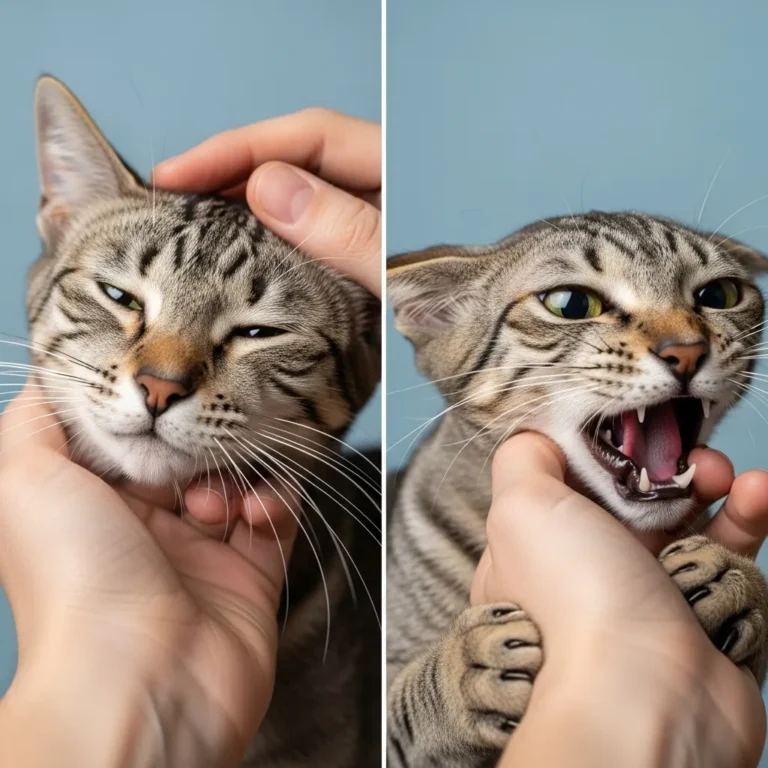
Cats don’t meow at each other in the wild. Kittens meow to their mothers, but adult cats reserve this sound for humans. Your cat has trained you to respond, and it works. Feline communication combines vocalizations, body language, and scent. Tail movement in cats, ear position, and pupil dilation all provide context for why cats vocalize.
A quick flicking tail with soft meows usually means excitement or mild frustration. Slow blinks paired with chirps signal affection. But rapid, loud meows? That’s urgency. Learn to read these cat behavior signals together with the sounds for accurate interpretation.
For deeper insights into body language, explore our guide on understanding cat body language.
Common Reasons for Cat Meowing: The Everyday Triggers
Most random cat meowing stems from basic needs or emotions. Let’s unpack the top culprits.
Hunger or Thirst: The Classic Culprit
Cats operate on strict schedules. If dinner runs five minutes late, expect protests. Kittens meow nonstop when hungry because their tiny stomachs empty fast. Adult cats learn that meowing gets results.
- Check the bowl first. Empty? Fill it.
- Switch to scheduled feedings to prevent begging.
- Use puzzle feeders to make meals last longer and reduce boredom-related cries.
Attention-Seeking Behavior
Your cat craves interaction. Loneliness triggers cat seeking attention through persistent vocalization. Working from home? They meow when you focus on screens instead of them.
Real example: A client’s Siamese mix meowed nonstop during Zoom calls. Solution? Five-minute play sessions before meetings. Meowing dropped 80%.
Boredom and Lack of Stimulation
Indoor cats need jobs. Without enrichment, they invent them, often involving your sleep cycle. Environmental triggers for cats include unchanged routines or stale toys.
Provide:
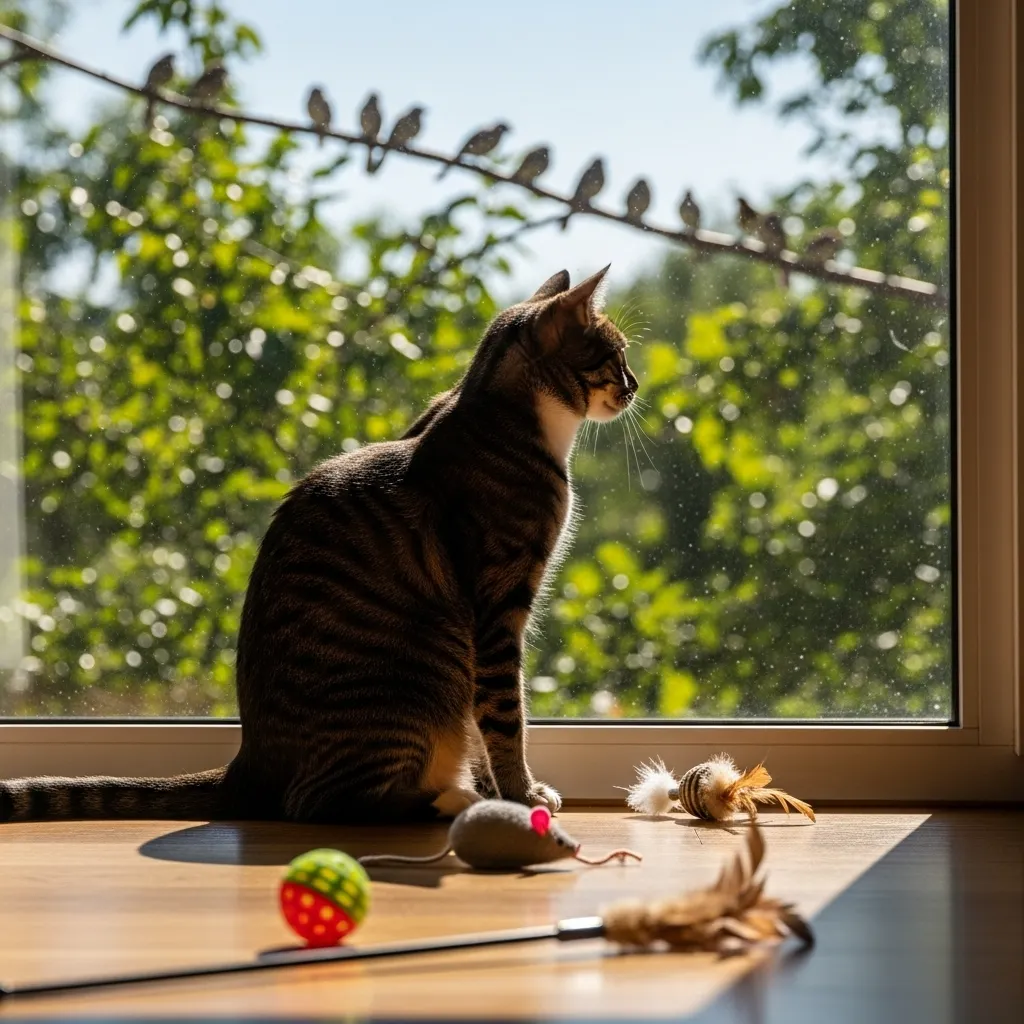
- Daily interactive play (laser pointers, wand toys).
- Window perches for bird-watching.
- Rotating toy selection weekly.
Discover entertainment ideas in keep Siamese cats entertained.
Why Cats Meow at Night: The Midnight Mystery
Nighttime cat meowing frustrates owners most. Cats are crepuscular, meaning they’re wired for dawn and dusk activity. Add age or health factors, and 3 a.m. becomes concert time.
Age-Related Changes in Older Cats
Senior cats (8+ years) experience cognitive dysfunction similar to human dementia. Disorientation leads to older cat meowing excessively, especially at night.
Signs to watch:
- Pacing in circles.
- Staring at walls.
- Sudden vocal changes.
Stress and Anxiety in Cats
Changes disrupt feline peace. New pets, moving boxes, or loud neighbors spark stress-related meowing in cats. They vocalize to self-soothe or alert you.
Calming strategies appear later in this guide.
Hunger Pangs on Overnight Schedules
Free-feeding leads to midnight demands. Cats wake hungry and meow until served.
Medical Reasons for Cat Meowing: When to Worry
Never assume meowing is “just behavioral.” Sudden onset or intensity changes demand vet attention. Here are critical medical reasons for cat meowing.
Pain and Discomfort
Cats hide pain instinctively. Excessive meowing may be their only clue.
Common sources:
- Dental disease (gingivitis, abscesses).
- Arthritis in seniors.
- Urinary tract infections or blockages (emergency in males).
Hyperthyroidism
This endocrine disorder revs metabolism. Affected cats eat more but lose weight and meow constantly.
Blood tests confirm diagnosis. Medication manages it effectively.
Hypertension and Kidney Disease
Older cats develop high blood pressure, leading to yowling causes like headaches or vision loss.
Cognitive Dysfunction Syndrome (CDS)
Affects 50% of cats over 15. Symptoms mimic Alzheimer’s: confusion, vocalization, house soiling.
For vet visit timing, see finding the best vet for your cat.
| Condition | Typical Age | Key Symptoms Beyond Meowing | Urgency |
|---|---|---|---|
| Hyperthyroidism | 10+ years | Weight loss, ravenous appetite, vomiting | High – treatable |
| Urinary Blockage | Any, males more | Straining, blood in urine, lethargy | Emergency |
| Dental Pain | Any | Bad breath, drooling, pawing mouth | Medium |
| Arthritis | 8+ years | Limping, reluctance to jump | Medium |
Cat Meowing for No Reason? Decoding Breed Differences
Some breeds vocalize more. Siamese cats top the chatty list, earning “meezers” nickname. Oriental breeds follow. Random cat meowing feels constant with these types, but it’s normal for them.
- Siamese: Conversational, demand responses.
- Bengal: Loud, varied sounds including chirps.
- Maine Coon: Surprisingly quiet despite size.
Learn breed traits in Siamese cat breed or Bengal cat personality.
Kitten Meowing Nonstop: Normal or Concerning?
Kittens vocalize frequently. They’re learning communication and testing boundaries. But excessive cries signal issues.
Normal:
- Hunger every 2-3 hours.
- Seeking warmth or siblings.
Concerning:
- Orphaned kittens meowing for mother.
- Pain from fleas or worms.
Read more in kitten to adult cat transition.
How to Stop My Cat from Meowing: Proven Strategies
Ready for quiet? Implement these cat behavioral adjustments.
Establish Routines
Predictability reduces anxiety. Feed, play, and sleep at consistent times.
Ignore Attention-Seeking Meows
Reward silence. If meowing gets no response but quiet behavior earns pets, cats learn fast.
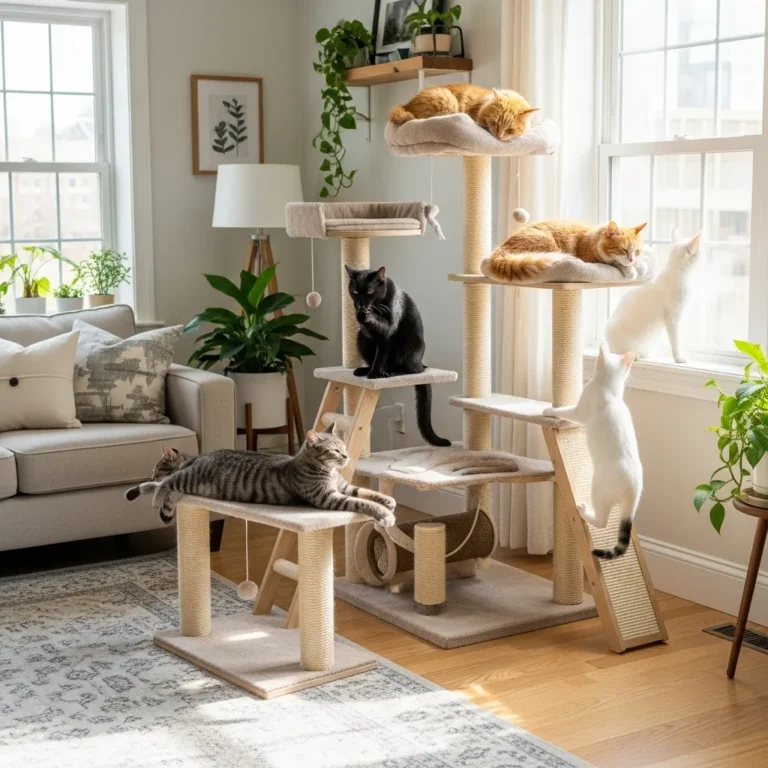
Enrich the Environment
A stimulated cat stays quiet.
Actions:
- Install cat trees near windows.
- Use food puzzles.
- Provide scratching posts.
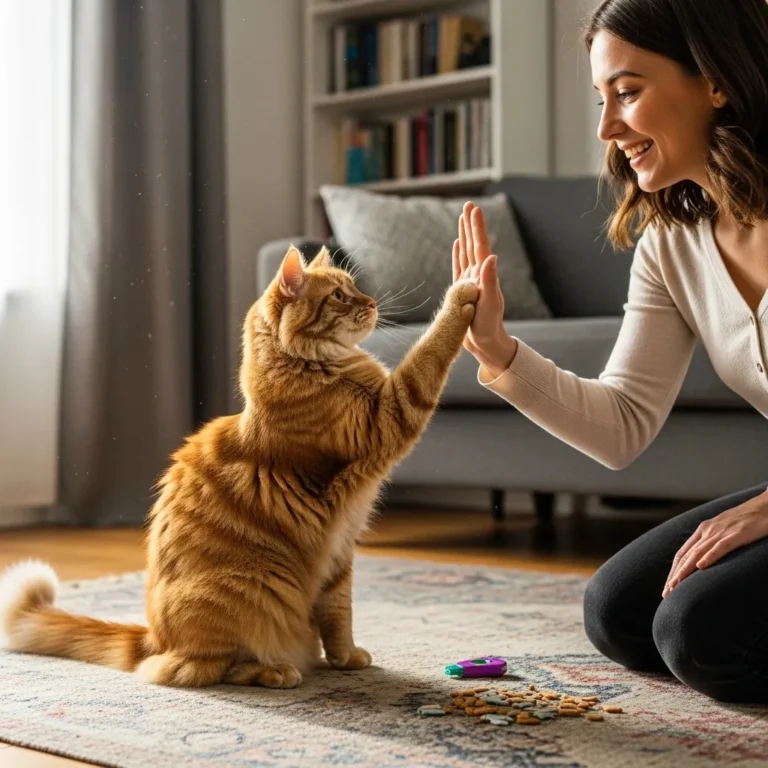
Positive Reinforcement for Cats
Clicker training works wonders. Mark quiet moments with treats.
Step-by-step:
- Cat goes 30 seconds without meowing.
- Click and treat immediately.
- Gradually increase quiet duration.
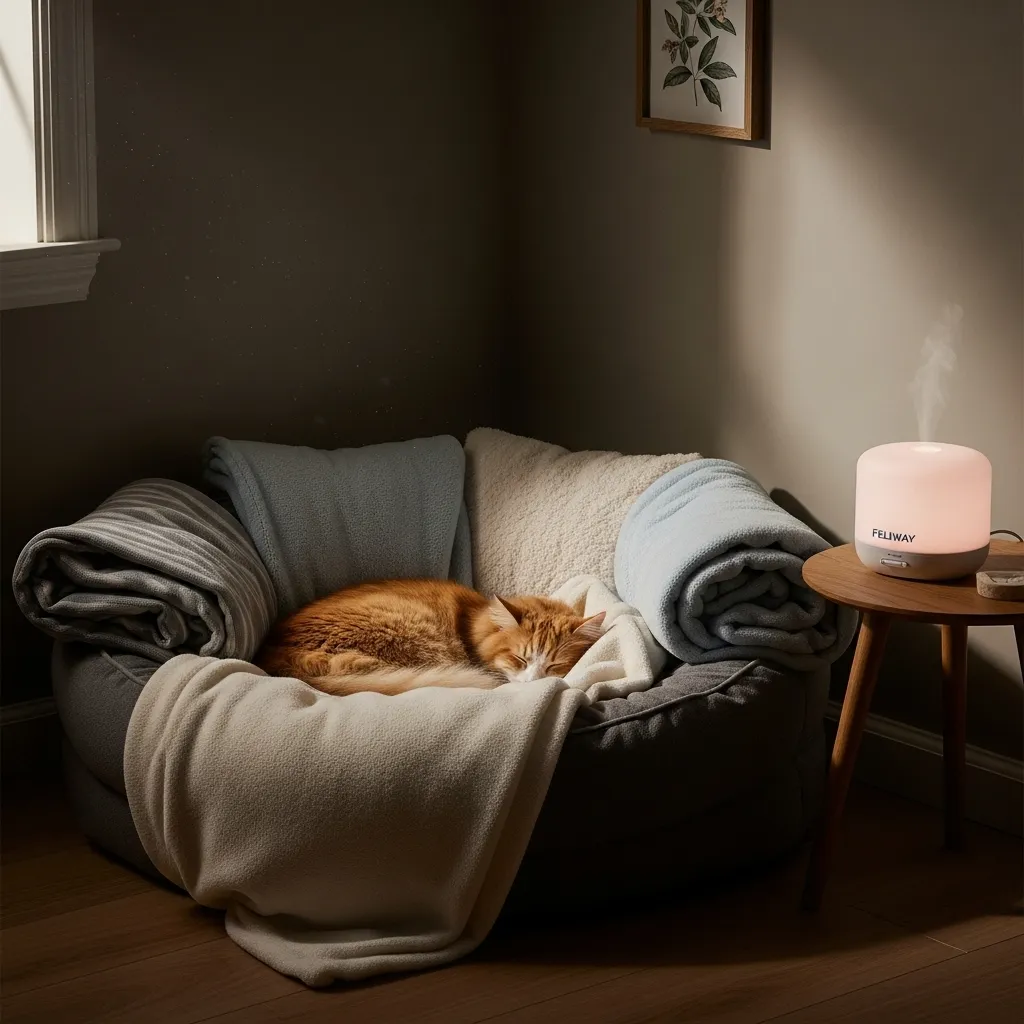
Create a Calming Environment for Cats
Reduce stress triggers.
Tools:
- Feliway diffusers (pheromone therapy).
- White noise machines for night meowing.
- Safe spaces (covered beds, high perches).
Explore options in best beds for American Shorthair cats.
Nighttime-Specific Solutions for Cat Meowing at 3AM
Target the witching hour directly.
- Last Meal Timing: Feed a substantial meal 1-2 hours before bed.
- Pre-Bed Play: 15 minutes of intense chase play tires them out.
- Bedroom Ban: Close the door or use a white noise machine.
- Auto-Feeders: Program small meals at 2 a.m. and 5 a.m.
When to See a Vet: Red Flags
Book appointments for:
- Sudden vocal changes lasting >48 hours.
- Meowing with hiding, aggression, or appetite loss.
- Straining to urinate (emergency).
- Weight loss despite normal eating.
Track patterns in a journal: time, duration, preceding events.
Cat Yowling Causes: Deeper Than Meows
Yowling differs from meowing, lower, longer, more mournful. Common in unspayed females in heat or intact males detecting females nearby.
Solutions:
- Spay/neuter (prevents 90% of yowling).
- Block windows to reduce outdoor cat triggers.
Details in spaying a cat guide.
Breed-Specific Vocalization Guide
| Breed | Vocal Level | Typical Sounds | Management Tips |
|---|---|---|---|
| Siamese | Very High | Loud, frequent | Scheduled interactions |
| Bengal | High | Chirps, yowls | Intense daily play |
| Persian | Low | Soft trills | Minimal needed |
| Maine Coon | Moderate | Chirps, trills | Routine enrichment |
FAQ: Quick Answers to Common Questions
What are some possible reasons for random cat meowing?
Hunger, boredom, attention-seeking, stress, or medical issues like pain or hyperthyroidism.
Why do cats meow at night?
Natural crepuscular activity, hunger, disorientation in seniors, or anxiety from daytime changes.
What medical conditions cause excessive meowing in cats?
Hyperthyroidism, dental pain, arthritis, urinary issues, hypertension, or cognitive dysfunction.
How can I create a calming environment to reduce cat meowing?
Use pheromone diffusers, provide safe spaces, maintain routines, and eliminate stressors like loud noises.
What tips help address excessive cat meowing?
Ignore attention-seeking, reward quiet, enrich environment, play before bed, and rule out health problems.
Why is my kitten meowing nonstop?
Normal for hunger or security, but check for parasites, illness, or separation anxiety if orphaned.
How do I stop nighttime cat meowing?
Late meals, pre-bed play, auto-feeders, bedroom exclusion, and vet checks for seniors.
Final Thoughts: Your Cat’s Voice Matters
Random cat meowing rarely happens without cause. Whether your feline friend demands dinner, battles boredom, or signals pain, understanding cat vocalization transforms frustration into connection. Start with the basics: feed on schedule, play daily, enrich the space. Monitor for changes and consult vets promptly when needed.
Your cat chose you as their voice. Listen well.
Explore more expert cat care and behavior guides on Cat Bloom Haven, from cat health care to cat training behavior. Your purrfect companion deserves the best.