How Cats Develop Preferences for Certain People
Have you noticed your cat curling up on one person’s lap while ignoring others in the room? This selective affection raises a key question: how cats develop preferences for certain people. As a cat behavior specialist with years of hands-on experience in feline psychology, I’ve seen this play out countless times. Cats aren’t random in their choices; their bonds form through a mix of instinct, experience, and subtle cues.
If you’re puzzled by your cat’s favoritism, or hoping to strengthen your own connection, this article breaks it down step by step. You’ll learn the underlying factors, spot the signs, and get practical tips to build trust. By the end, you’ll understand your cat’s world better and foster deeper relationships.
Key Takeaways
- Early experiences shape how cats develop preferences for certain people, often starting in kittenhood through socialization.
- Scent plays a central role; cats bond with those whose smells feel familiar and safe.
- Consistent, positive interactions like play and feeding build loyalty over time.
- Personality matches matter; calm people might attract independent cats, while energetic ones draw playful breeds.
- Signs of preference include following you, kneading, or vocalizing specifically toward you.
- You can influence preferences with patience, respect for boundaries, and routine care.
The Foundations of Feline Affection
Cats have evolved from solitary hunters to social companions, but their preferences stem from survival instincts. Unlike dogs, who often bond with packs, cats form selective attachments based on trust and security. Research from veterinary behaviorists shows that cats view favored humans as “safe bases,” similar to how kittens see their mothers. This isn’t about who buys the best toys; it’s about who provides emotional consistency.
Consider a common scenario. A rescue cat might initially shy away from everyone but gradually warm to the quiet family member who sits nearby without forcing interaction. This highlights how cats develop preferences for certain people through low-pressure exposure. Studies, like those on feline social behavior, confirm that positive associations form early and last a lifetime.
The Role of Early Socialization in Shaping Preferences
Kittenhood is a critical window for how cats develop preferences for certain people. From birth to about 12 weeks, kittens learn social cues from their mother and littermates. Human interaction during this phase teaches them to trust people.
If a kitten grows up with gentle handling, they’re more likely to prefer affectionate humans later. On the flip side, limited exposure can lead to wariness. For instance, feral kittens socialized after eight weeks often remain aloof, preferring people who respect their space.
Vet-backed tip: Start socialization early. Handle kittens daily with short, positive sessions. This builds a foundation where cats associate humans with safety. Explore our detailed guide on cat socialization for more tips.
Factors That Influence a Cat’s Choice
Several elements guide how cats develop preferences for certain people. Let’s break them down.
Scent and Pheromones: The Invisible Bond
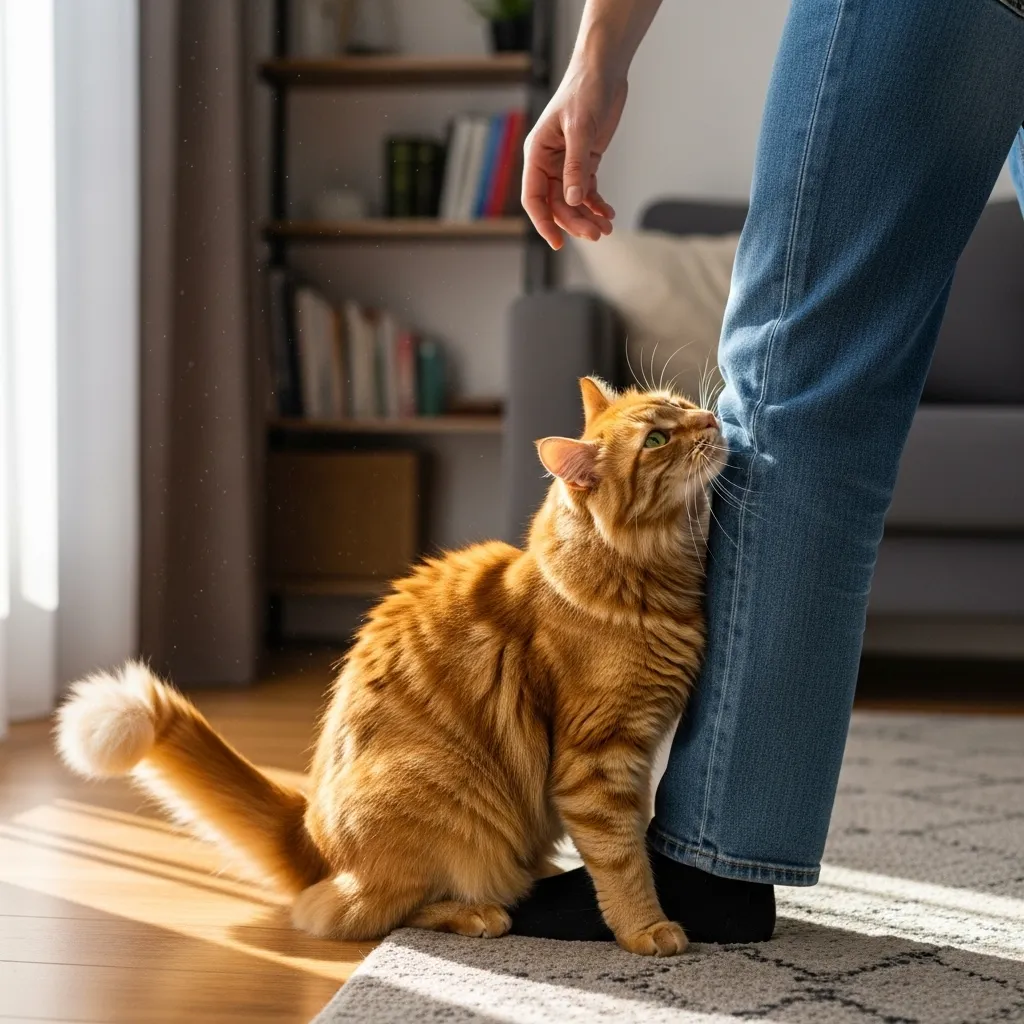
Cats rely heavily on smell. Their world is scented, with over 200 million olfactory receptors compared to our 5 million. When a cat rubs against you, they’re marking you with pheromones from their cheeks and paws, claiming you as “theirs.”
Preferences often form around familiar scents. If your smell mixes with comfort—like from feeding or petting—they’ll seek you out. One client shared how her cat ignored her husband until he started wearing her scented blanket; suddenly, the cat followed him everywhere.
To enhance this, wear soft fabrics that hold your scent. Avoid strong perfumes, as they can overwhelm. For more on feline senses, check our article on why cats rub on shoes.
Communication and Body Language
Cats read us better than we realize. They prefer people who “speak” their language: slow blinks for trust, soft voices for calm.
Missteps, like direct stares or sudden grabs, can deter them. Instead, let the cat approach. A study on cat-human interactions found that cats spend more time with owners who respond to their cues, like purring or tail positions.
Real-life example: A high-energy toddler might scare a cat, while a gentle adult reading quietly becomes the favorite. Learn cat body language in our cat tail language guide.
Feeding, Play, and Daily Care Routines
Consistency breeds preference. Cats associate providers of food, play, and grooming with positivity. But it’s not just about quantity; quality matters.
Feed at set times to build routine. Interactive play, like with feather wands, releases endorphins, strengthening bonds. Grooming sessions, especially for long-haired breeds, show care.
Table: Daily Routines That Build Cat Preferences
| Routine | How It Helps Preferences | Tips for Implementation |
|---|---|---|
| Feeding | Associates you with nourishment | Use puzzle feeders for engagement; try our best wet cat food recommendations. |
| Playtime | Builds trust through fun | 15 minutes daily; discover toys in our DIY cat toys guide. |
| Grooming | Promotes relaxation | Gentle brushing; see our cat grooming hacks. |
| Quiet Time | Fosters security | Sit nearby without forcing contact. |
Personality Compatibility Between Cats and Humans
Not all matches are equal. Cats have personalities some bold, others shy and they gravitate to complementary humans.
An independent cat might prefer a hands-off owner, while a social one seeks constant interaction. Research indicates cats mirror owner traits; anxious owners often have skittish cats.
Assess your cat’s temperament. For insights, read our cat breeds personalities article.
Signs Your Cat Prefers You Over Others
Spotting preferences is straightforward once you know the cues.
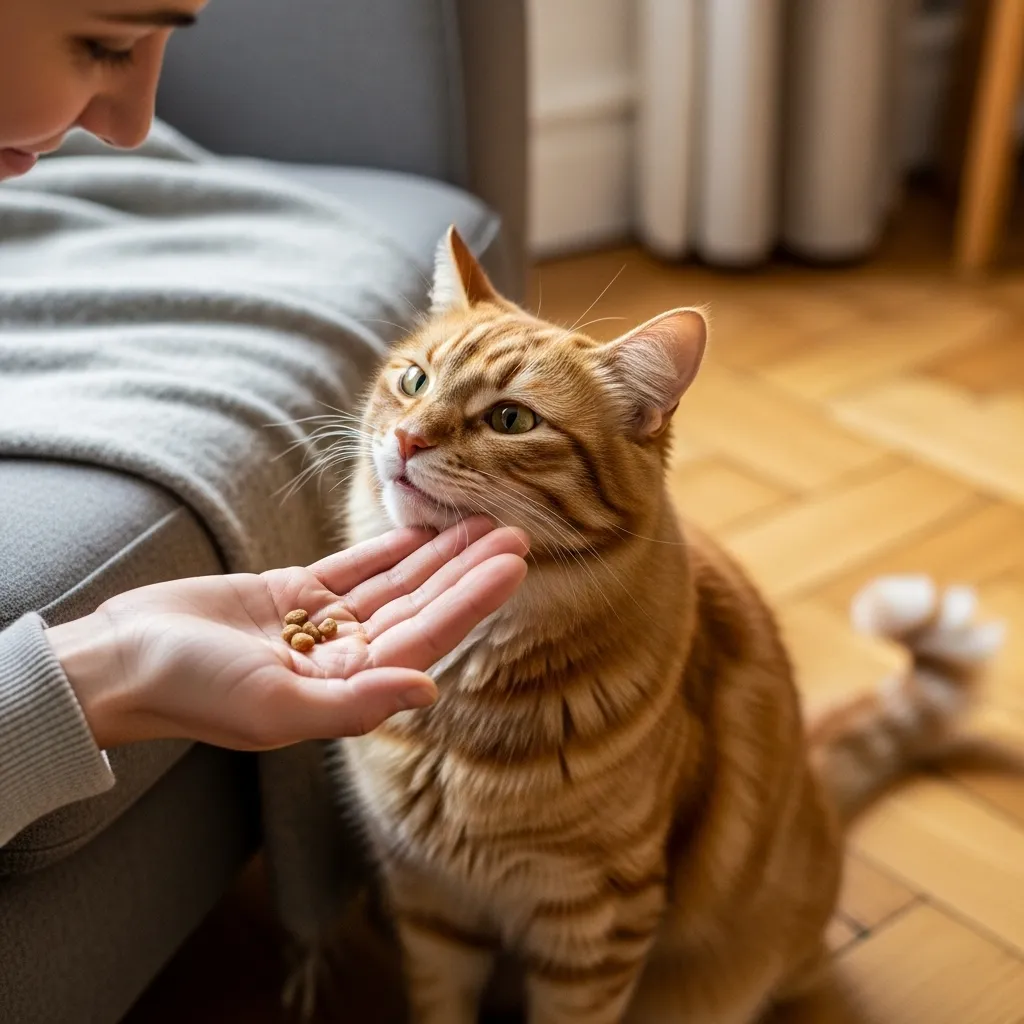
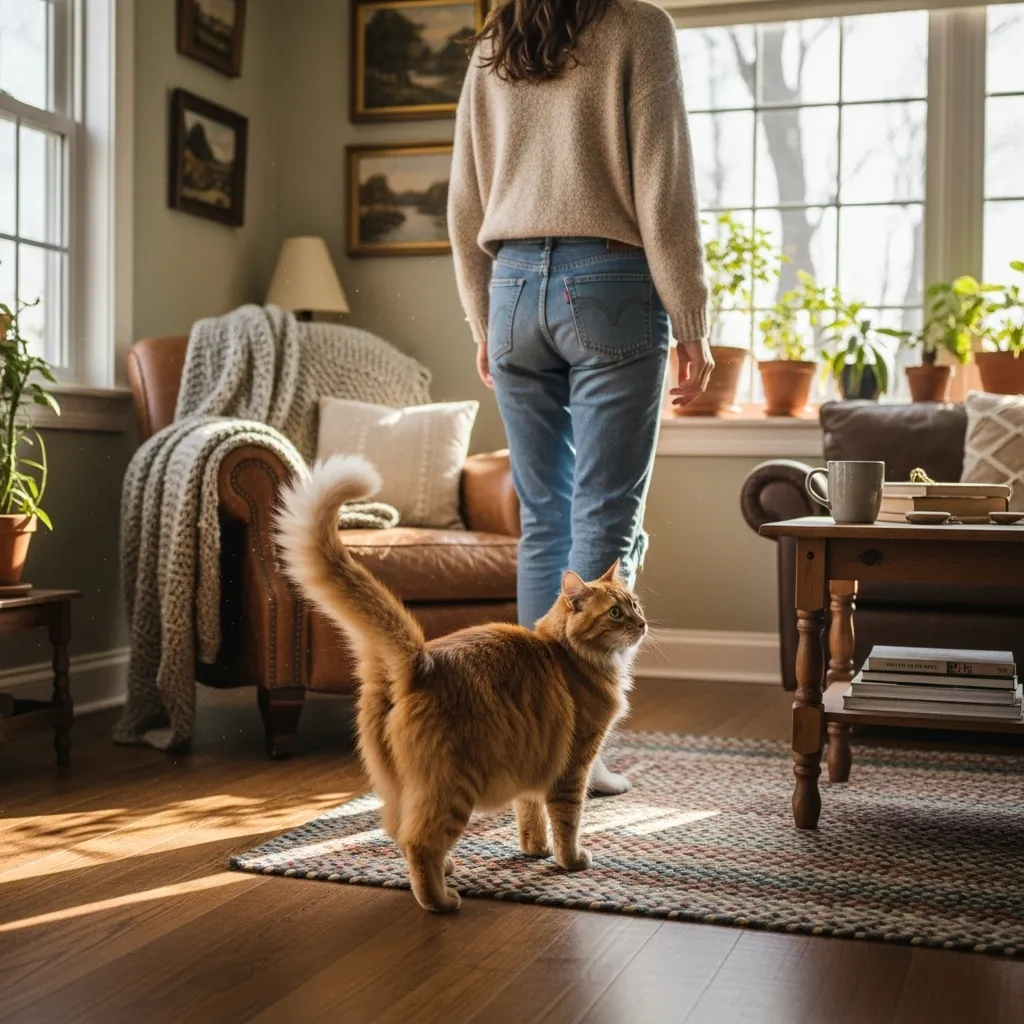
- Following You: Cats shadow favorites for security.
- Kneading and Purring: This “making biscuits” behavior recalls kittenhood comfort.
- Head Butting or Rubbing: Scent-marking shows ownership.
- Vocalizing Selectively: Meows tailored to you mean communication.
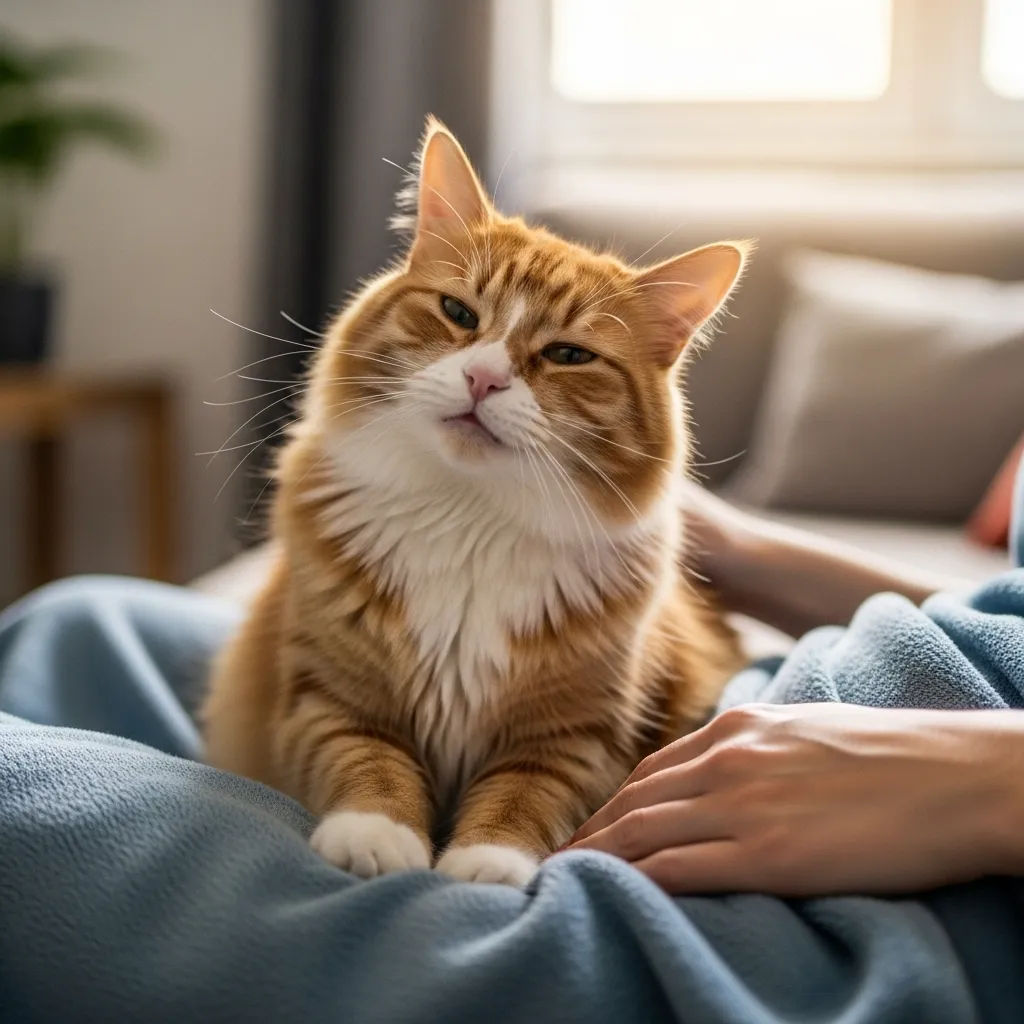
- Sleeping Nearby: Vulnerability indicates deep trust.
If your cat kneads your lap often, congratulations you’re likely the chosen one. For more on this, see our article on why cats knead.
How to Encourage Your Cat to Develop a Preference for You
Want to win over a cat? Patience is key.
Start Slow: Respect space. Let them initiate contact.
Build Routines: Consistent feeding and play.
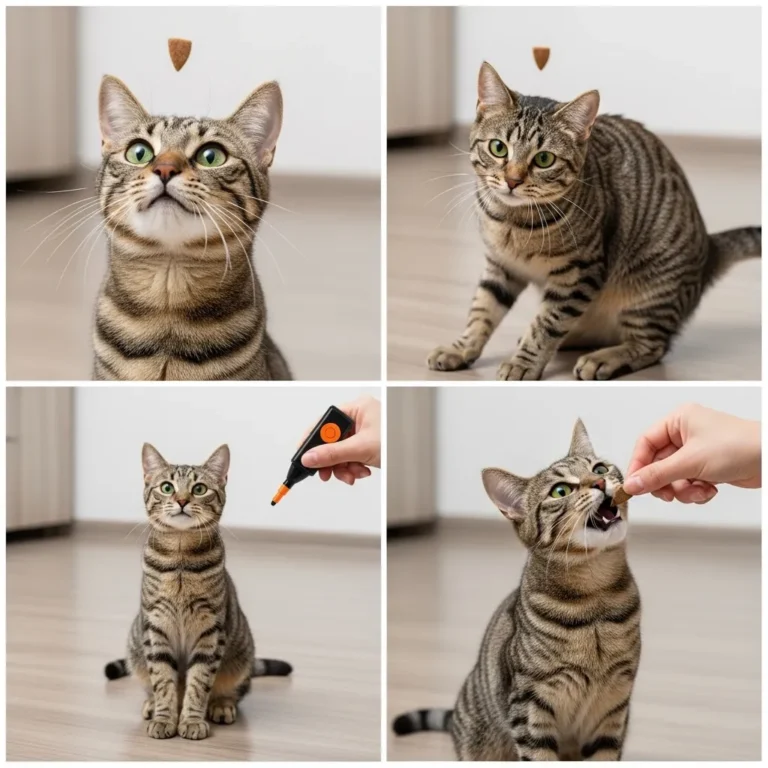
Use Positive Reinforcement: Treats for good interactions; check our cat treats guide.
Avoid Punishment: It erodes trust.
Observe and Adapt: Tailor to their personality.
One effective method: Sit at cat level with treats, allowing approach. Over weeks, this shifts preferences.
Breed-Specific Insights on Preferences
Different breeds show unique ways of forming bonds.
- Siamese: Vocal and social, they prefer interactive people. Learn more in our Siamese cat breed guide.
- Bengal: Energetic, they favor playful owners. See our Bengal cat personality article.
- Ragdoll: Docile, they bond with gentle handlers. Explore our Ragdoll cat care guide.
- Maine Coon: Friendly giants, they like families. Check our Maine Coon cat page.
- Persian: Reserved, they prefer quiet companions. Read our Persian cat breed.

Common Mistakes That Hinder Bond Formation
Avoid these pitfalls.
Forcing Affection: Cats resent being picked up unwillingly.
Inconsistent Routines: Erratic feeding confuses them.
Ignoring Signals: Overlooking hisses or flattened ears builds wariness.
Overstimulation: Too much petting can lead to bites. See our stop cat biting guide.
Competing with Others: Focus on your unique bond, not rivalry.
Myths About Cat Preferences Debunked
Myth: Cats always prefer the feeder. Reality: Emotional connection trumps food.
Myth: Cats are aloof by nature. Reality: They form deep bonds with the right people.
Myth: Preferences are fixed. Reality: They evolve with positive experiences.
FAQ
What factors influence how cats develop preferences for certain people?
Early socialization, scent familiarity, consistent care, and personality matches play major roles. Cats bond with those who provide security and respect boundaries.
Can I change my cat’s preference if they favor someone else?
Yes, with patience. Build routines, use positive reinforcement, and observe their cues to gradually shift their attachment.
Why does my cat rub against me more than others?
Rubbing transfers pheromones, marking you as safe. It’s a clear sign of preference based on scent and trust.
Do certain cat breeds develop preferences differently?
Absolutely. Social breeds like Siamese seek interaction, while independent ones like Persians prefer calm presences. Check our breed guides for details.
How long does it take for a cat to develop a preference?
It varies, but typically weeks to months with consistent positive experiences. Rescue cats may take longer due to past traumas.
Is it normal for cats to prefer one person in a multi-person household?
Yes, it’s common. Cats form selective bonds, often based on who best meets their emotional needs.
Conclusion
Understanding how cats develop preferences for certain people unlocks stronger, more rewarding relationships. From scent-driven bonds to personality fits, these factors reveal cats as discerning companions. Apply the tips here build routines, respect cues, and offer consistent care and watch your connection grow. Every cat is unique, so observe yours closely.
Explore more expert cat care and behavior guides on Cat Bloom Haven, like our cat bonding building article or funny cat quotes for a lighter take. Your feline friend will thank you.