Most Cat Owners Overlook This Simple Behavioral Insight
Many cat owners think they know their feline friends inside out. They notice the obvious signs, like purring during pets or meowing at dinner time. But one key insight often slips by unnoticed. Cats communicate mostly through subtle body language. Missing these quiet signals can lead to misunderstandings about how your cat truly feels.
This simple behavioral insight changes everything. When you learn to read your cat’s ears, eyes, tail, and posture, you build a deeper bond. You spot happiness early. You catch stress or discomfort before it becomes a problem. In this guide, we’ll explore the most overlooked cat behaviors and what they really mean.
Key Takeaways: What You’ll Learn
- The power of the slow blink and why it’s a sign of trust.
- Why kneading isn’t just cute it’s rooted in kittenhood comfort.
- How tail positions reveal emotions more accurately than words.
- The truth about belly exposure: trust, not always an invitation for rubs.
- Why purring doesn’t always mean contentment.
- Subtle signs of stress that many owners miss, and how to address them.
Understanding these cues helps you respond better to your cat’s needs. It reduces behavioral issues and strengthens your relationship.
The Slow Blink: Your Cat’s Way of Saying “I Trust You”
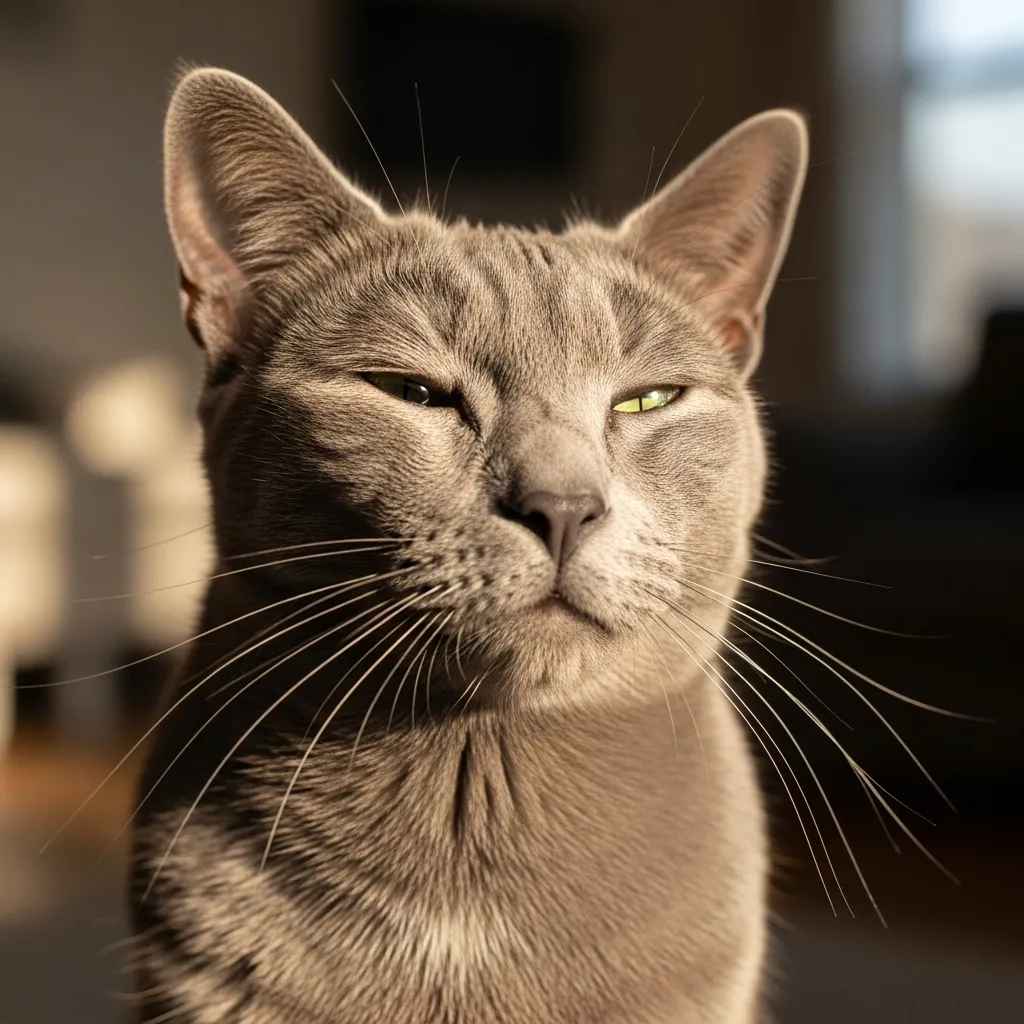
One of the most overlooked behaviors is the slow blink. Most cat owners see their pet blinking and think nothing of it. But a deliberate, slow blink is special.
Cats close their eyes slowly when they feel safe. In the wild, closing eyes leaves them vulnerable. Doing this around you means they trust you completely. It’s like a cat “kiss” or smile.
Research shows cats slow blink more at owners who return the gesture. It builds positive feelings on both sides.
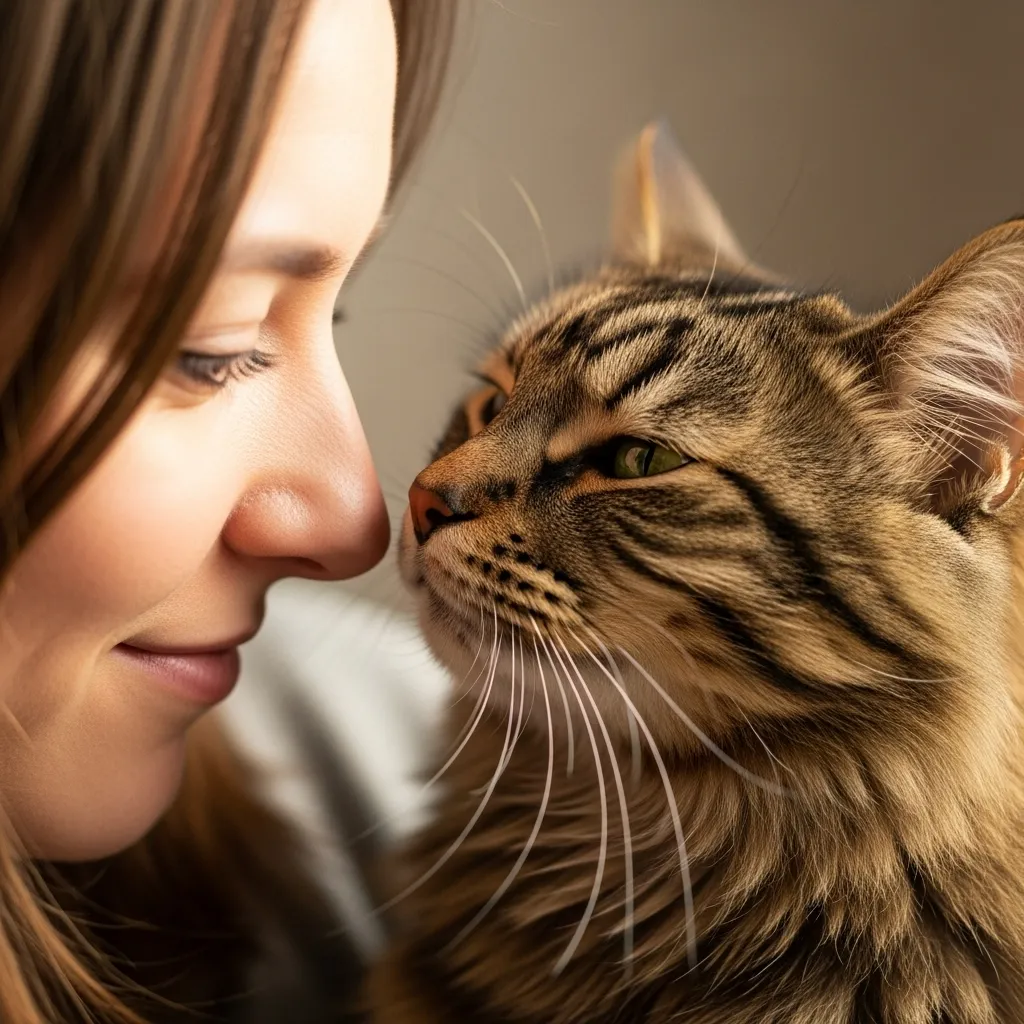
Next time your cat looks at you and blinks slowly, try it back. Relax your face. Slowly close your eyes for a second or two, then open them. Many cats respond with more blinks or approach for pets.
This simple exchange deepens your connection. It’s quiet communication at its best.
For more on building bonds, explore our guide on cat tail language.
Kneading: A Comforting Habit from Kittenhood
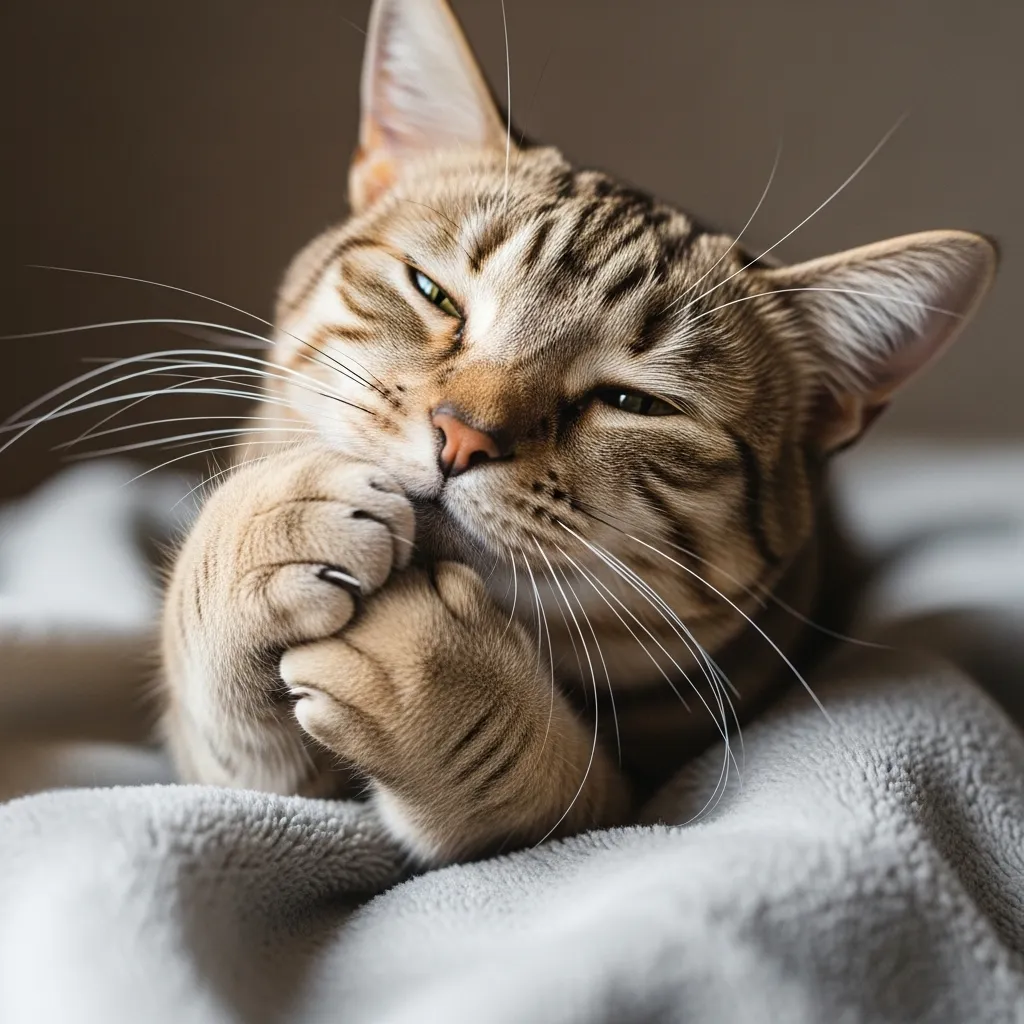
Cats often push their paws rhythmically into soft surfaces. Owners call it “making biscuits.” Many see it as quirky but miss its deeper meaning.
Kneading starts in kittenhood. Nursing kittens press on mom’s belly to stimulate milk flow. This pairs the motion with comfort and security.
Adult cats continue when relaxed and happy. It releases feel-good chemicals. You’ll see it on blankets, laps, or beds, often with purring.
Not all cats knead the same. Some use claws gently; others more firmly. Trim nails regularly for comfort.
If your cat kneads you, take it as a compliment. They feel safe enough to revisit kitten-like bliss.
Discover more about playful traits in breeds like the American Shorthair’s playful personality.
Decoding Cat Tail Language: Emotions in Motion
Tails are expressive tools. Many owners notice wagging but miss nuances.
- Straight up with a curl: Friendly greeting. Your cat feels confident and happy to see you.
- Puffed up: Fear or aggression. The cat tries to look bigger.
- Low and tucked: Anxiety or submission.
- Quick swishing: Irritation or overstimulation. Stop petting if you see this.
- Slow sway: Focused interest, like watching birds.
Combine tail with ears and eyes for full context. Forward ears and relaxed whiskers mean calm.
Learn more in our detailed cat tail language guide.
The Belly Exposure Myth: Trust, Not Always Touch
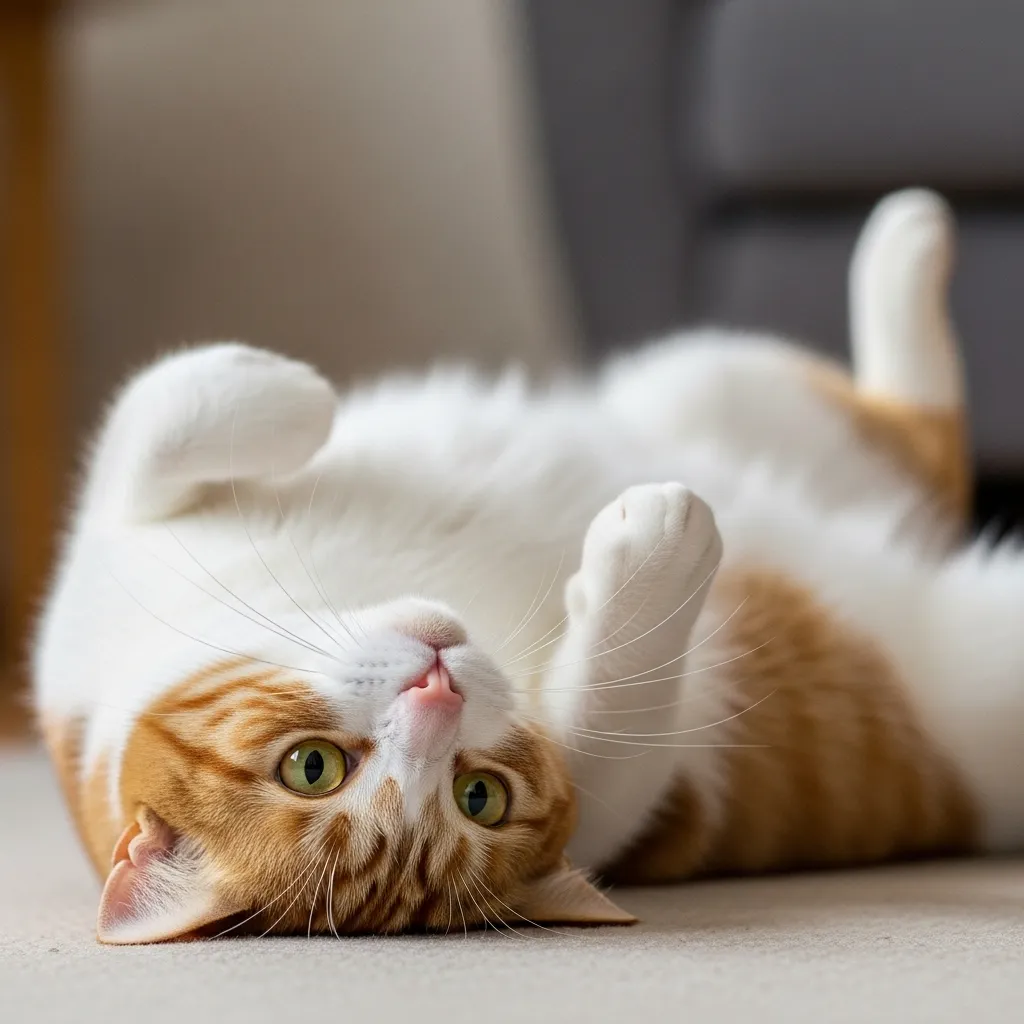
Cats roll over and show bellies often. Many owners rush to rub, only to get swatted.
Exposing the belly shows ultimate trust. Vital organs are vulnerable there. Rolling over means your cat feels secure.
But it’s rarely an invitation for touches. Belly skin is sensitive. Most cats prefer head or chin scratches.
Watch body language. Relaxed eyes and slow tail mean okay to approach gently. Tense posture or quick flicks mean admire from afar.
Respect this boundary. It keeps trust intact.
Purring: More Than Just Happiness
Purring seems straightforward cats purr when content. But it’s complex.
Cats purr when happy, yes. But also when stressed, in pain, or self-soothing. Mothers purr to calm kittens. Injured cats purr to heal vibrations aid bone and tissue repair.
Listen to context. Loud purr during pets usually means joy. Purring with hiding or tense body might signal distress.
If purring changes suddenly, check with a vet.
Overlooked Signs of Stress and Health Issues
Cats hide discomfort well. Subtle changes often go unnoticed.
Common missed signs:
- Excessive grooming leading to bald spots.
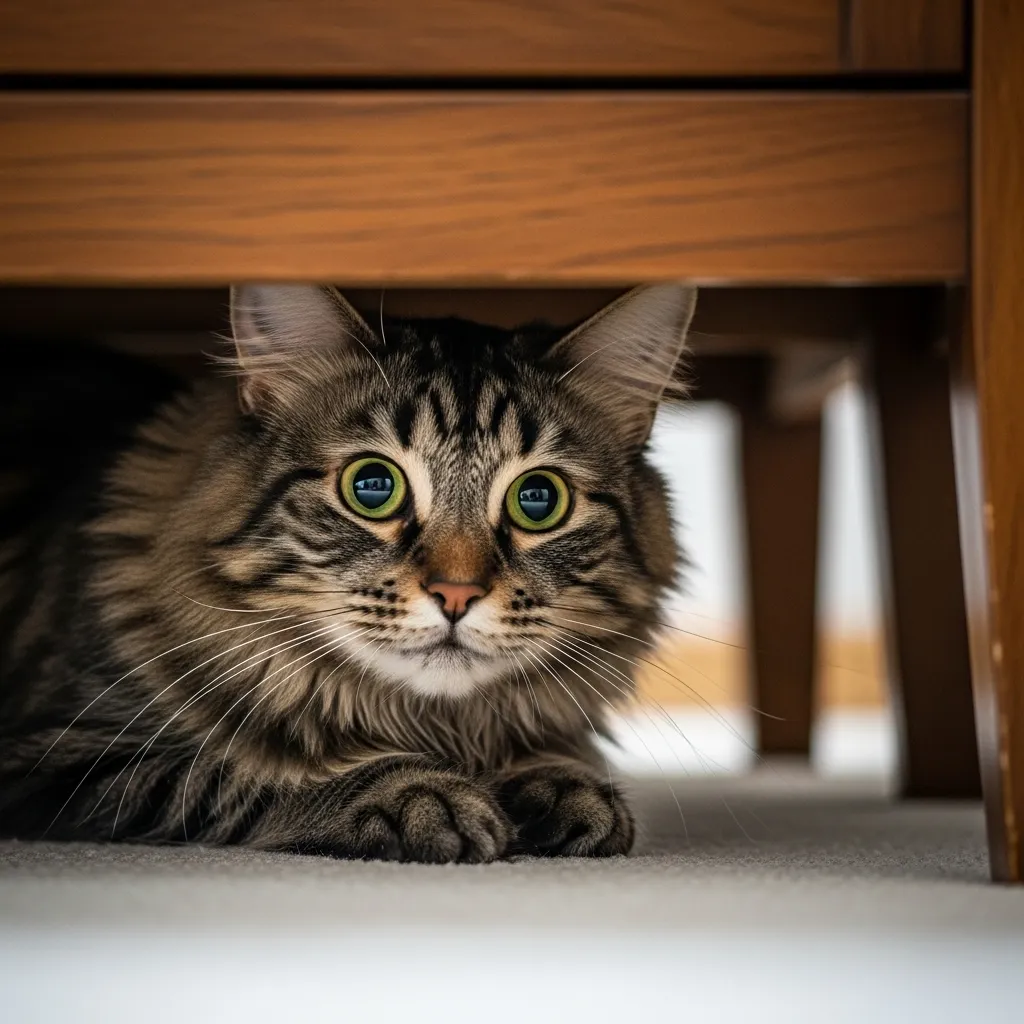
- Hiding more than usual.
- Changes in appetite or litter box habits.
- Dilated pupils even in bright light.
- Tail thumping or skin rippling.
Chronic stress weakens immunity and leads to issues like cystitis.
Provide enrichment: scratching posts, perches, playtime. Routine helps too.
If stress persists, see our cat stress signs guide.
How to Apply This Insight Daily
Start observing quietly. Note patterns in behaviors.
Return slow blinks. Respect belly boundaries. Provide soft spots for kneading.
These small adjustments make your cat feel understood.
FAQ
Why does my cat slow blink at me?
It’s a sign of trust and affection. Return it to strengthen your bond.
Is kneading always a good sign?
Yes, usually. It means your cat feels safe and content.
What if my cat shows its belly but bites when I touch it?
It’s showing trust but not inviting rubs. Admire without touching.
Does purring always mean my cat is happy?
No. Cats purr when stressed or in pain too. Check context.
How can I tell if my cat is stressed?
Look for hiding, over-grooming, appetite changes, or litter issues.
Should I worry if my cat stops purring?
Sudden changes warrant a vet visit to rule out issues.
Conclusion
Most cat owners overlook this simple behavioral insight: cats speak volumes through body language. Tuning into slow blinks, kneading, tail signals, and more reveals their inner world.
This knowledge transforms your relationship. Your cat feels seen. You respond better to needs.
Explore more expert cat care and behavior guides on Cat Bloom Haven.
For breed-specific traits, check our Siamese cat breed or Bengal cat personality.
Your cat thanks you already.