Small Changes That Significantly Improve a Cat’s Quality of Life
Many cat owners wonder why their feline friend seems bored, overweight, or stressed, even in a comfortable home. Indoor cats live longer and safer lives, but they often miss out on the mental and physical stimulation their wild ancestors had. The good news is that small changes that significantly improve a cat’s quality of life can make a big difference. Simple adjustments to environment, routine, and care can reduce boredom, prevent health issues, and strengthen your bond.
In this guide, we cover practical, vet-backed tips drawn from feline behavior experts and real owner experiences. You will learn easy ways to enrich your cat’s world, from hydration tweaks to play routines. These changes often cost little but yield happier, healthier cats. By the end, you will have actionable steps to transform your cat’s daily life.
Key Takeaways for Quick Wins
- Add a window perch for “cat TV” and sunlight exposure.
- Switch to a water fountain to encourage more drinking.
- Provide tall, sturdy scratching posts to satisfy natural instincts.
- Play interactively 10-15 minutes twice daily.
- Use puzzle feeders for mental stimulation during meals.
- Keep litter boxes clean and in quiet spots.
- Rotate toys and add vertical spaces like shelves.
These small changes that significantly improve a cat’s quality of life address core needs: hunting simulation, territory security, and social interaction.
Why Small Changes Matter So Much
Cats evolved as hunters in vast territories. Indoor life protects them from dangers but can lead to boredom, obesity, and stress-related problems like inappropriate elimination or aggression. Experts note that enriched environments prevent these issues by allowing natural behaviors: climbing, scratching, hunting, and observing.
Veterinarians emphasize prevention. A few adjustments lower risks of urinary problems, diabetes, and anxiety. Owners often see quicker purrs, more playfulness, and fewer vet visits. These small changes that significantly improve a cat’s quality of life build on what cats already love.
1. Boost Hydration with Running Water
Cats instinctively prefer moving water; it seems fresher in the wild. Many drink too little from still bowls, raising risks of kidney issues and urinary crystals.
A simple switch to a cat water fountain encourages more intake. Vets report cats drink 30-50% more from fountains. Place it away from food and litter for best results.
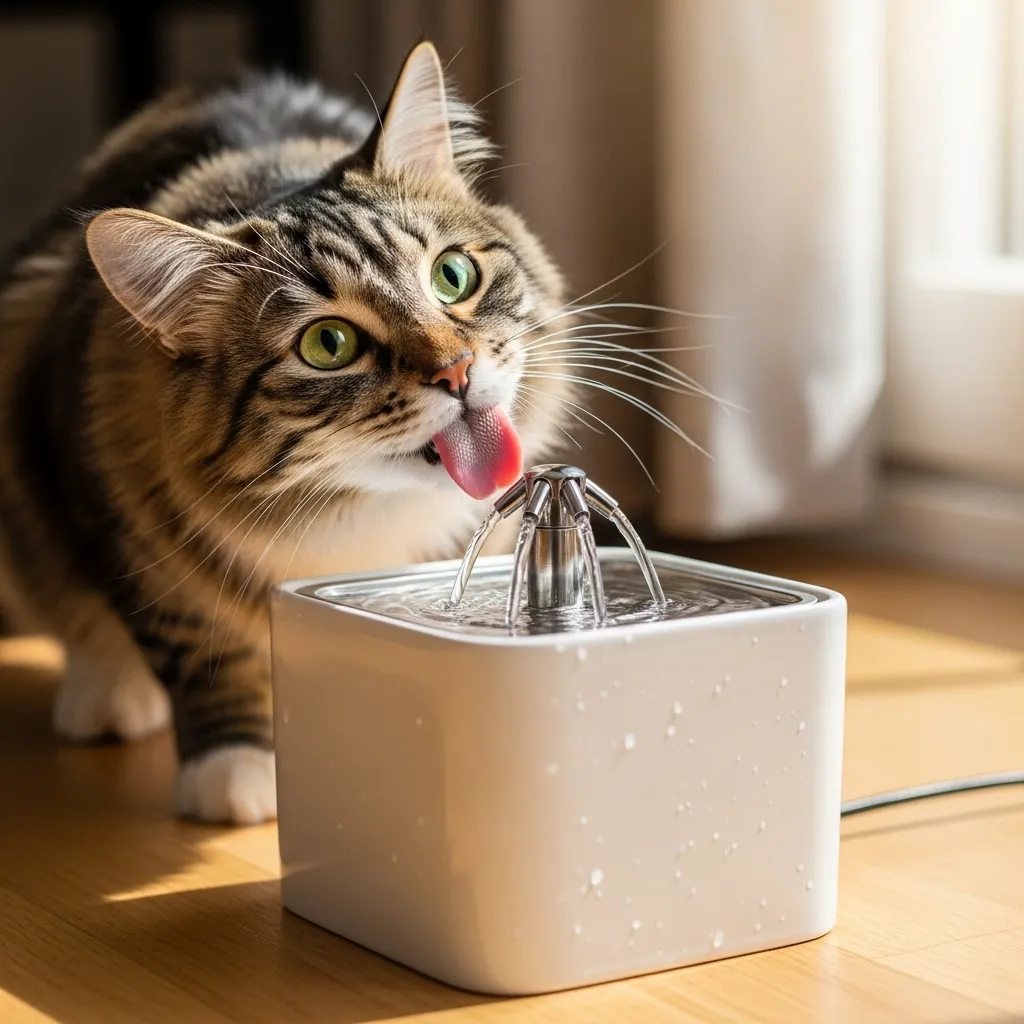
If your cat hesitates, run the tap briefly during transition. Add ice cubes to bowls as a low-cost start.
Explore our detailed guide on cat hydration tips in cat-hydration-guide.
2. Create Vertical Territory and Safe Viewing Spots
Cats feel secure when elevated; it lets them survey territory and escape threats. Flat homes leave them stressed.
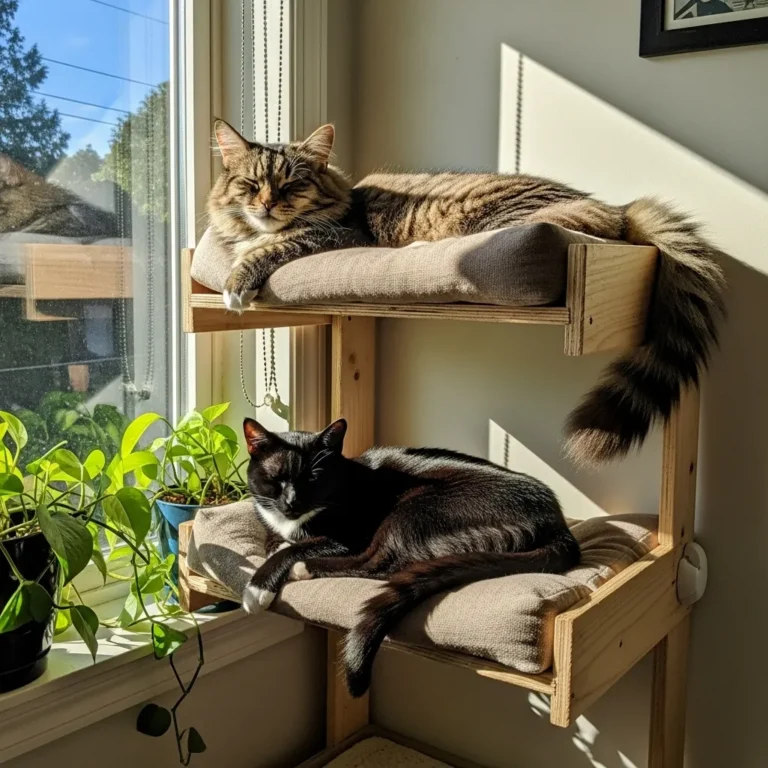
Add window perches, cat trees, or wall shelves. A sunny perch with a bird feeder outside provides hours of entertainment, reducing boredom.
Sturdy, tall options work best. Many cats gain confidence and activity from these additions.
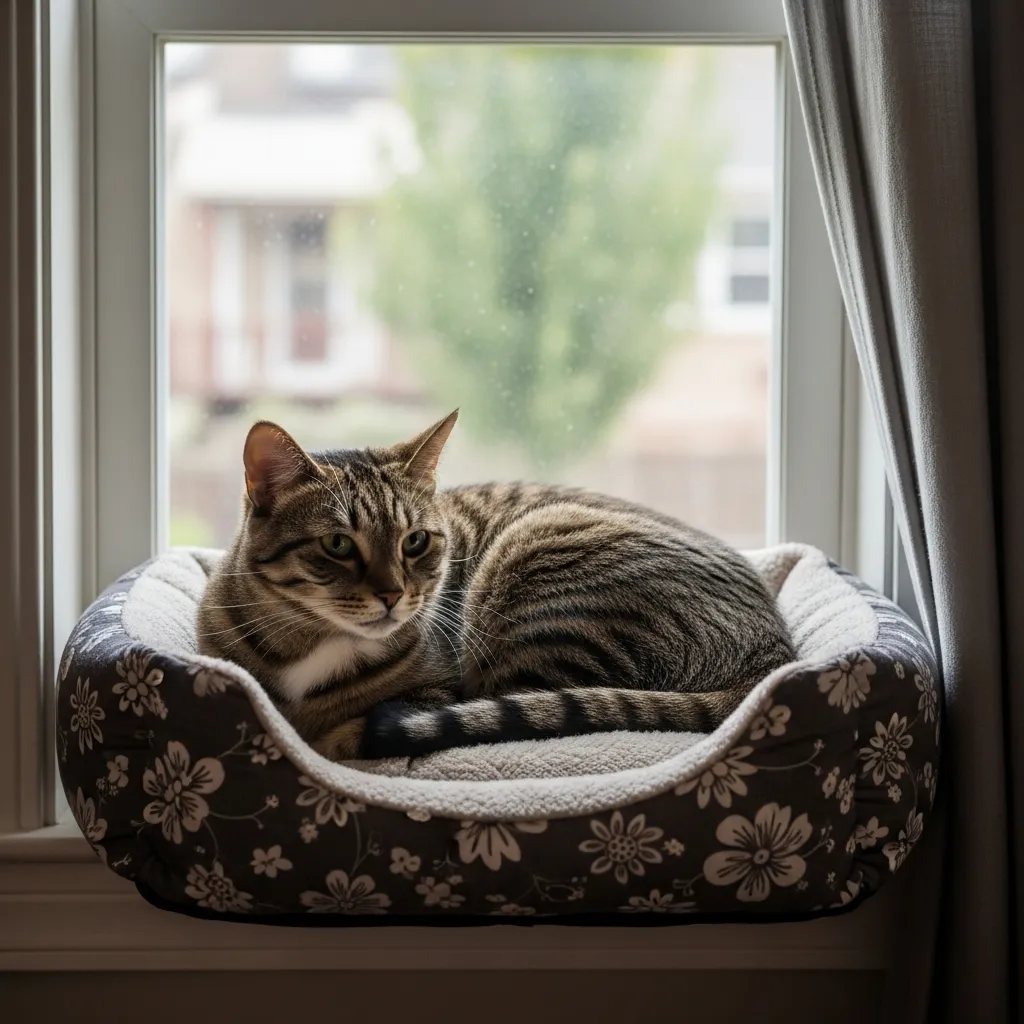
This change taps into natural instincts while keeping indoor life engaging.
Discover more in our article on cat-room-decor-ideas or cat-wall-climbing-setups.
3. Provide Proper Scratching Options
Scratching marks territory, stretches muscles, and sharpens claws. Without outlets, cats target furniture.
Offer tall, vertical sisal posts; most prefer them over horizontal. Place near sleeping spots or entries.
Reward use with treats or praise. Multiple posts in multi-cat homes prevent conflicts.
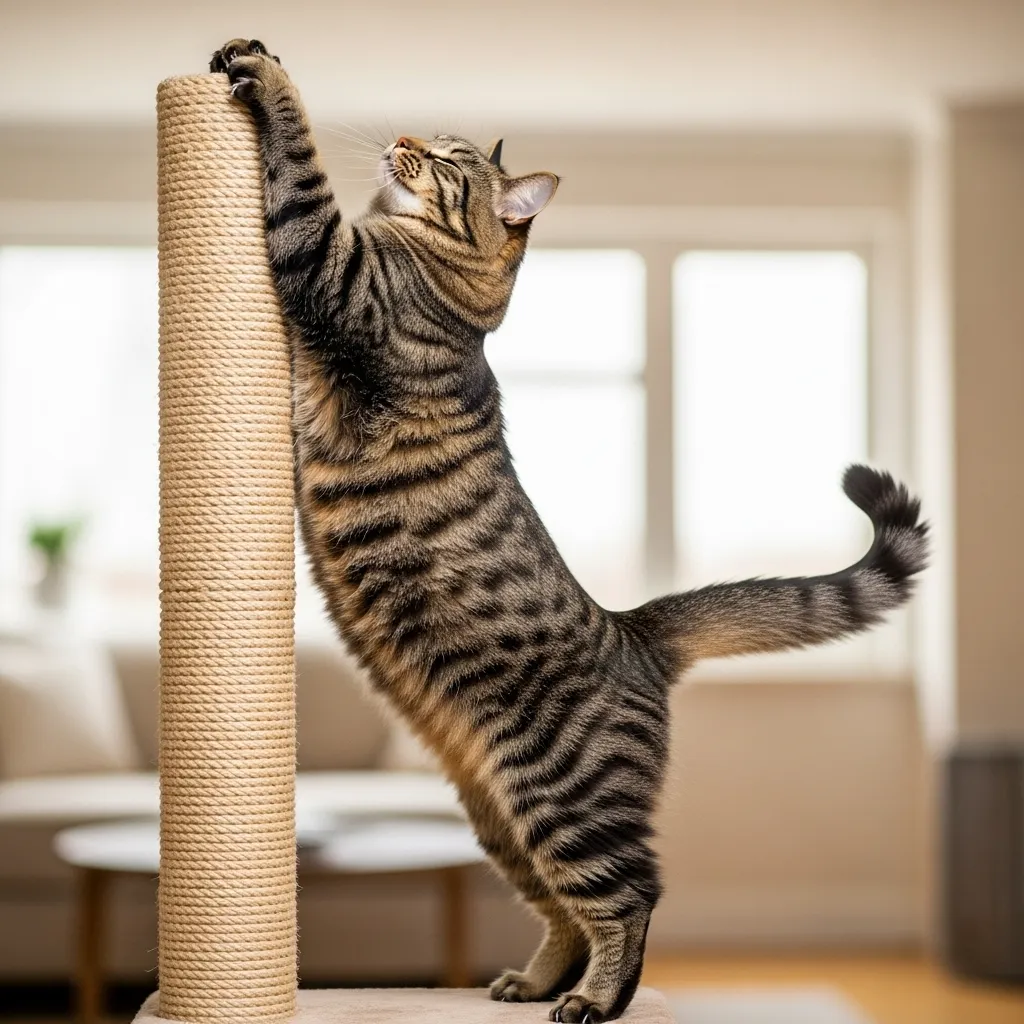
This prevents destructive behavior and supports physical health.
Check our tips in stop-cats-scratching-furniture.
4. Make Playtime a Daily Ritual
Play simulates hunting, burns energy, and bonds you. Many indoor cats lack exercise, leading to weight gain.
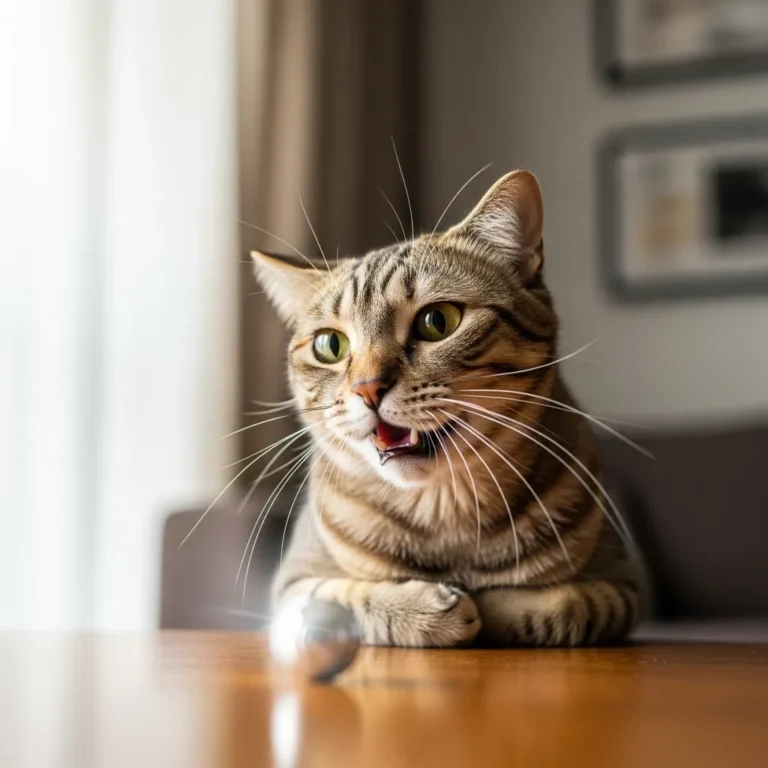
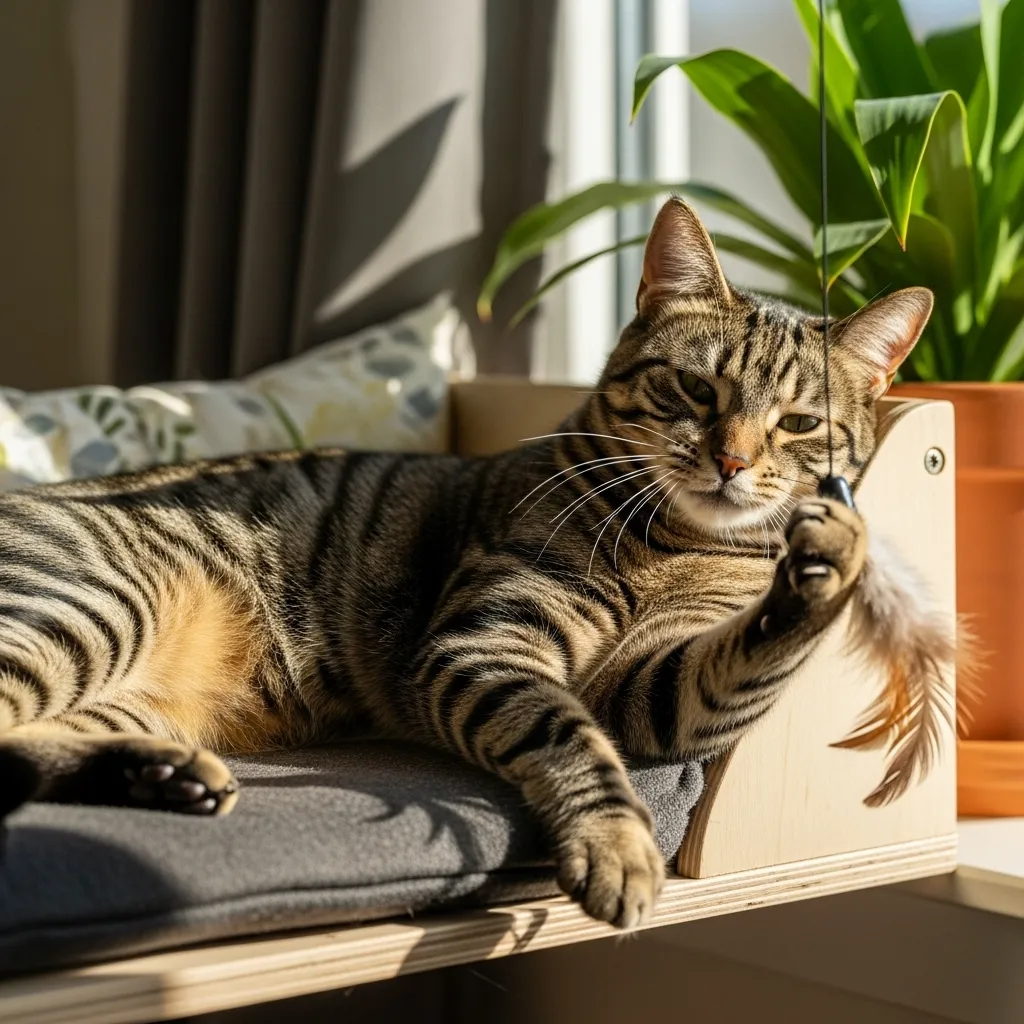
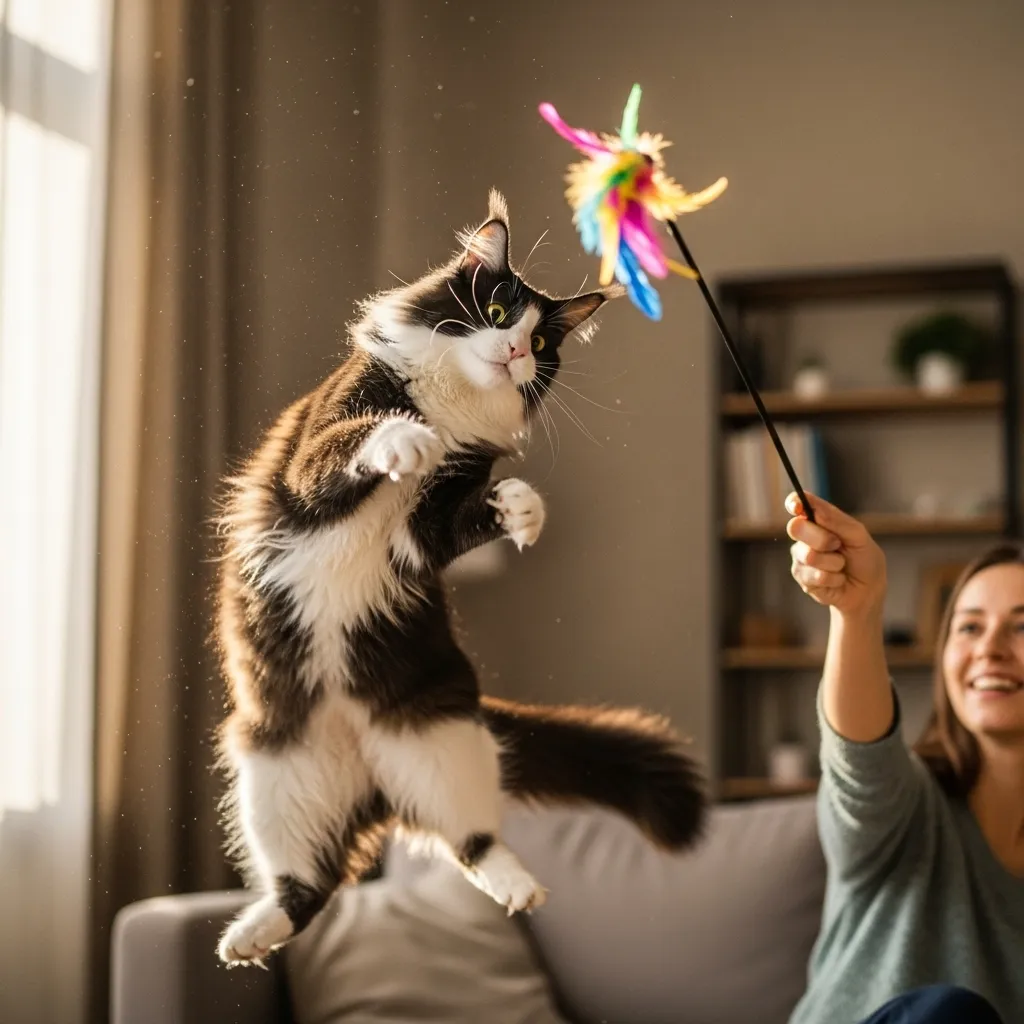
Aim for two 10-15 minute sessions daily with wand toys like feather teasers. Mimic prey: darting, hiding, pouncing.
End with a “catch” and treat for satisfaction. Rotate toys to maintain interest.
Solo toys like kickers suit independent cats.
Learn playful personalities in cat-breeds-personalities or teach tricks in teach-cat-to-fetch.
5. Turn Meals into Mental Challenges
Free-feeding leads to boredom and overeating. Wild cats hunt multiple small meals daily.
Use puzzle feeders to dispense kibble. They engage brain and slow eating, aiding weight control.
Start simple, like hiding food in boxes, then advance. Multi-cat households benefit from separate stations.

This reduces vomiting and boosts satisfaction.
See nutrition advice in cat-food-nutrition or best-wet-cat-food.
6. Optimize the Litter Box Setup
A poor litter box causes major stress and avoidance.
Scoop daily, change litter weekly. Use unscented clumping. Provide one box per cat plus one, in quiet, accessible spots.
Large, uncovered boxes suit most. Consistent cleaning keeps cats content.
This avoids issues; explore cat-litter-box-problems.
7. Add Scent and Novelty Enrichment
Cats explore via smell. Introduce safe new scents like catnip or boxes.
Rotate toys weekly. Rearrange furniture mildly for novelty without stress.
Silvervine or valerian root excites non-catnip responders.
8. Prioritize Grooming and Health Checks
Regular brushing reduces hairballs, distributes oils, and bonds.
Check ears, teeth, and weight often. Brush teeth or use dental treats.
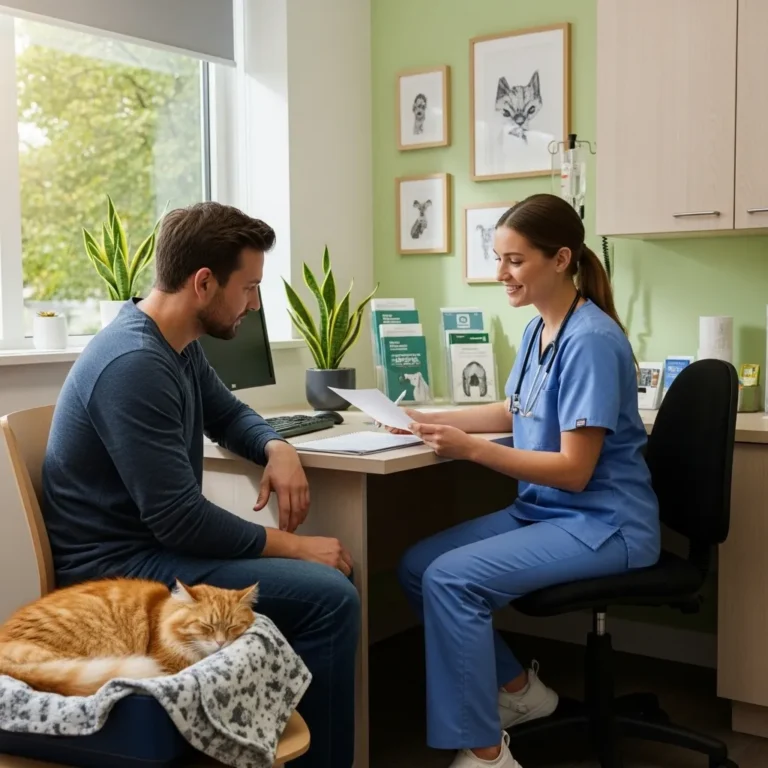
Annual vet visits catch issues early.
See breed-specific care like american-shorthair-hairballs or bengal-cat-grooming.
9. Build Routine and Reduce Stress
Cats thrive on predictability. Consistent feeding, play, and bedtime calm them.
Use pheromone diffusers during changes. Provide hiding spots.
10. Consider Companionship Carefully
Solo cats may benefit from a friend, but introductions matter.
Slow processes work best; see cat-accept-kitten-guide.
FAQ: Common Questions on Cat Well-Being
What are the quickest small changes that significantly improve a cat’s quality of life?
A water fountain, daily play, and a window perch often show fast results.
How do I know if my cat is bored?
Watch for excessive sleeping, over-grooming, or furniture scratching.
Are these changes safe for senior cats?
Yes, adapt gently; low shelves and soft puzzles suit them. Consult vets.
Can budget options work?
Absolutely; cardboard boxes, paper bags, and DIY perches enrich cheaply.
Why do indoor cats need these enrichments more?
They lack natural stimulation, so home adjustments prevent behavioral issues.
Bringing It All Together
These small changes that significantly improve a cat’s quality of life prove you do not need big overhauls for impact. Start with one or two, like play or a fountain, and observe. Your cat will show appreciation through playfulness, affection, and relaxation.
Every cat differs, so tailor to yours. Patience pays off in deeper bonds and healthier years.
Explore more expert cat care and behavior guides on Cat Bloom Haven, from breed profiles like maine-coon-cat to health tips in cat-health-care. Your feline friend deserves the best; these steps help deliver it.