American Shorthair Hairballs: A Complete Guide to Prevention and Care
Key Takeaways
- Regular grooming reduces hairballs in American Shorthairs.
- A balanced diet and hydration support healthy digestion.
- Watch for hairball symptoms like vomiting or lethargy.
- Use specialized tools and remedies to manage shedding.
What Are Hairballs in American Shorthair Cats?
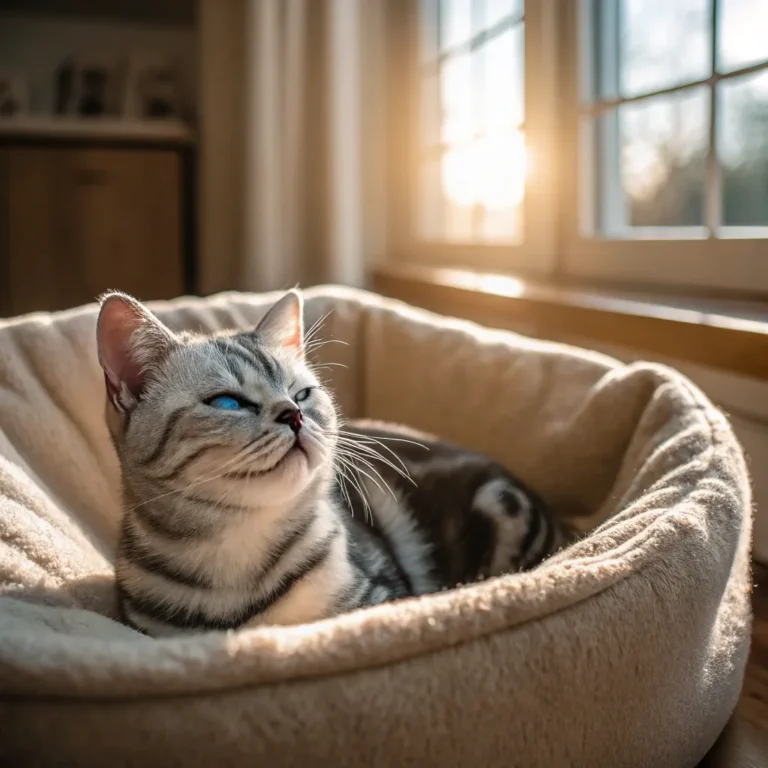
Hairballs are a common issue for American Shorthairs, a breed known for its short, dense coat. When these cats groom themselves, they swallow loose fur, which can form clumps in their stomach. While most hairballs are harmless and passed through vomiting, frequent or severe cases may need attention. Understanding how to manage hairballs ensures your American Shorthair stays healthy and comfortable.
Why Do American Shorthairs Get Hairballs?
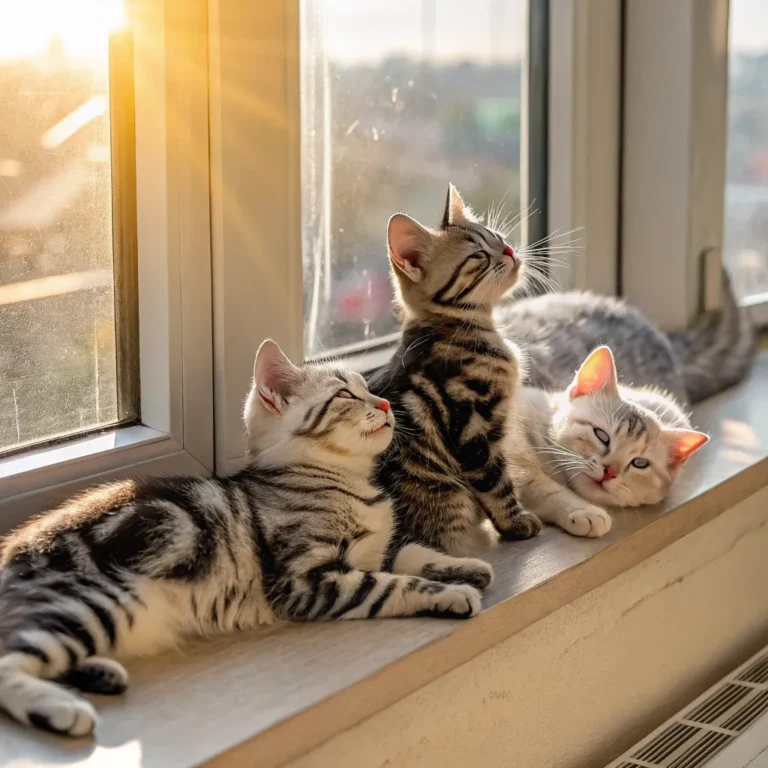
American Shorthairs, like all cats, are meticulous self-groomers. Their tongues, covered in tiny barbs, catch loose fur during grooming. This fur can accumulate in the digestive tract, forming hairballs. Factors like shedding, diet, and grooming habits influence how often hairballs occur. Unlike long-haired breeds, American Shorthairs typically have fewer issues, but their thick coats still require regular care to prevent hairballs.
Recognizing Hairball Symptoms in American Shorthair Cats
Hairball symptoms in American Shorthairs are easy to spot if you know what to look for. Common signs include:
- Frequent vomiting or retching, especially after grooming.
- Coughing or gagging without producing a hairball.
- Lethargy or reduced appetite, signaling possible discomfort.
- Constipation or irregular bowel movements.
If your cat shows these signs persistently, consult a veterinarian to rule out blockages or other health issues.
Causes of Hairballs in American Shorthair Cats
Several factors contribute to hairballs in American Shorthairs. Knowing these helps you take proactive steps to minimize their occurrence.
Self-Grooming Habits
American Shorthairs are naturally fastidious, spending hours grooming themselves. This habit, while keeping their coat sleek, leads to ingesting more fur. Cats with intense grooming routines may face hairballs more often, especially during shedding seasons.
Shedding and Seasonal Changes
American Shorthairs shed moderately year-round, with heavier shedding in spring and fall. Increased loose fur during these periods raises the risk of hairballs. Age can also play a role—older cats may shed more or have slower digestion, making hairballs more likely.
Short-Haired vs. Long-Haired Cats
While long-haired breeds like Persians face more frequent hairballs, American Shorthairs aren’t immune. Their short, dense coats still produce enough loose fur to cause issues if not managed properly.
Preventing Hairballs in American Shorthair Cats
Preventing hairballs in American Shorthairs involves a combination of grooming, diet, and lifestyle adjustments. Here’s how to keep your cat hairball-free.
Cat Grooming Tips for Hairballs
Regular grooming is one of the best ways to reduce hairballs. By removing loose fur before your cat swallows it, you can significantly lower the risk.
Brushing Techniques for American Shorthairs
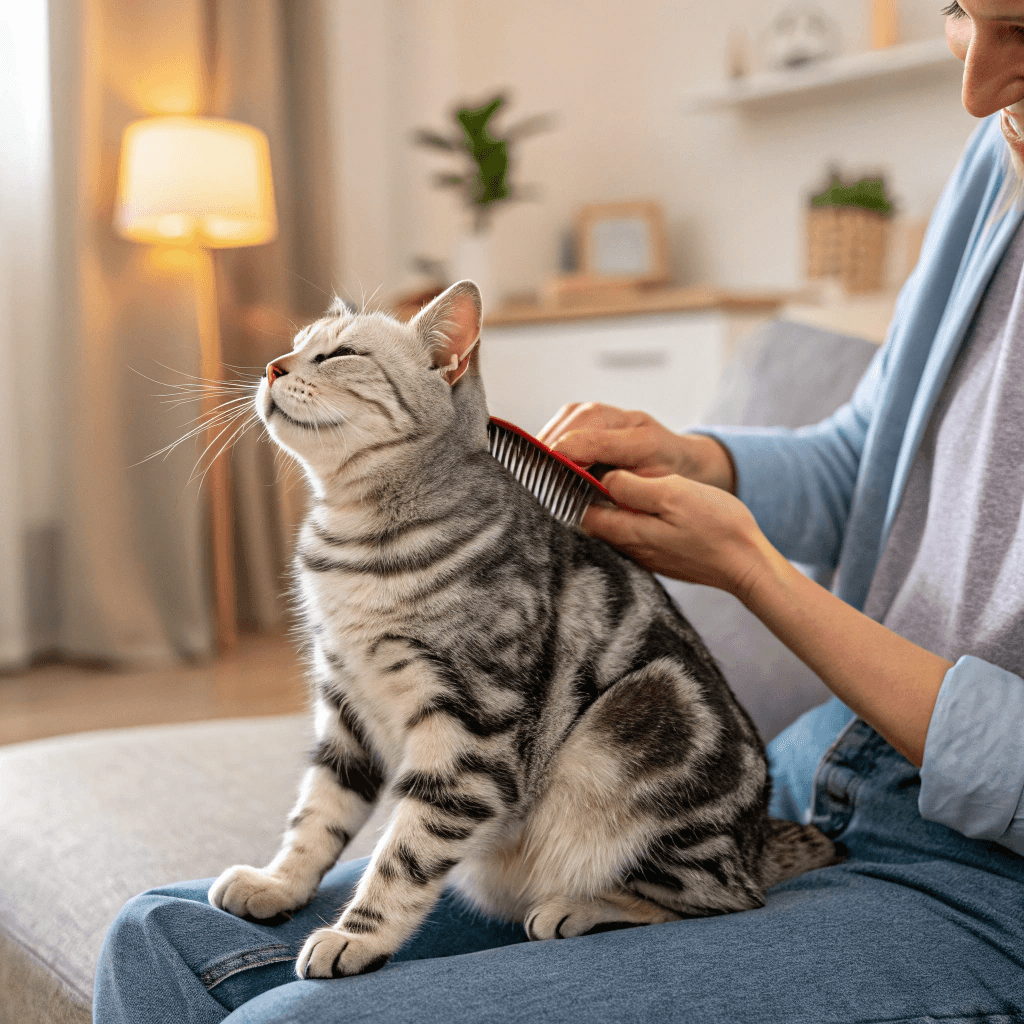
Brush your American Shorthair at least 2-3 times a week using a slicker brush or grooming glove. Focus on areas like the back and sides where fur tends to accumulate. During shedding seasons, daily brushing may be necessary to control loose hair. Gentle, consistent strokes keep your cat comfortable and reduce shedding.
Bathing Tips to Minimize Loose Fur
While American Shorthairs don’t need frequent baths, occasional bathing with a cat-safe shampoo can help remove excess fur. Use lukewarm water and ensure thorough drying to avoid skin irritation. Limit baths to once every few months unless advised by a vet.
Recommended Grooming Tools
Invest in high-quality grooming tools for your American Shorthair:
- Slicker brush: Ideal for removing loose fur and preventing mats.
- Deshedding tool: Reduces shedding during heavy seasons.
- Grooming glove: Great for cats sensitive to brushes.
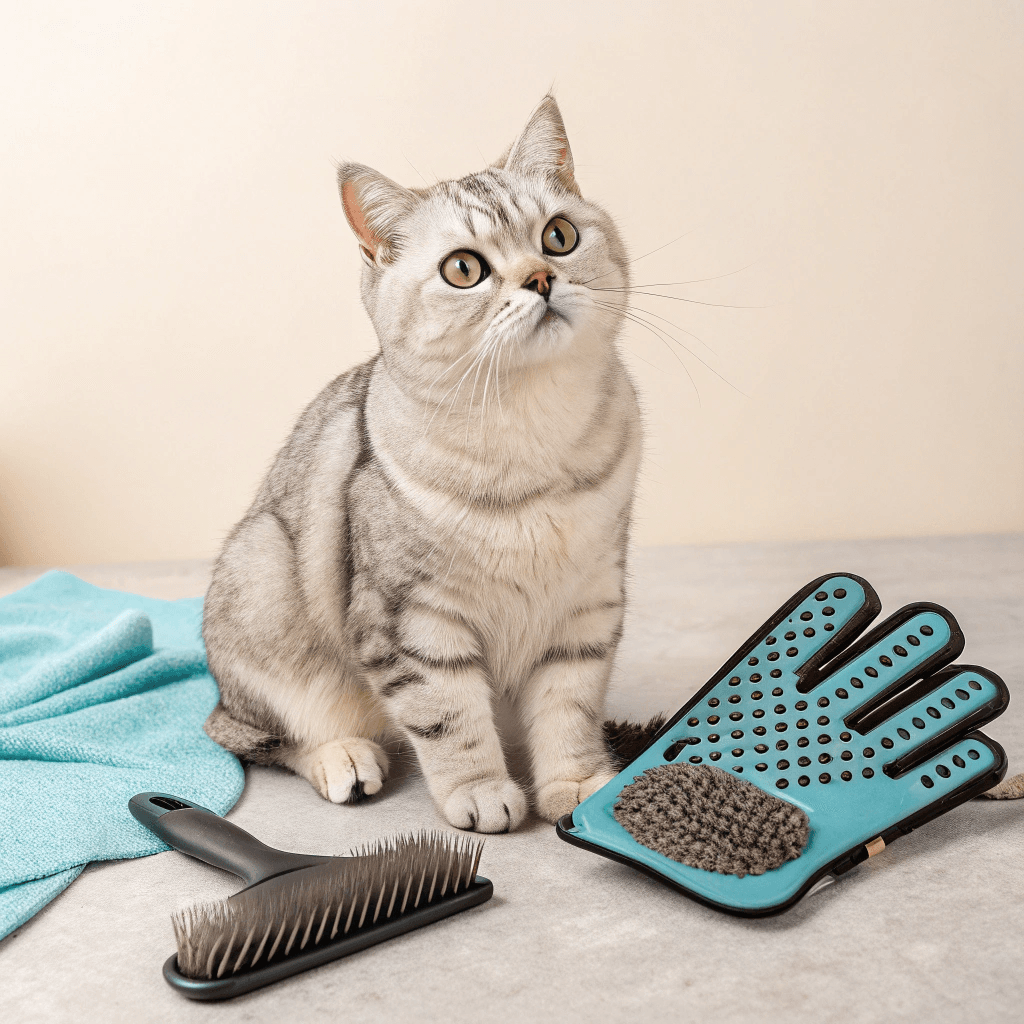
Consistency in grooming keeps your cat’s coat healthy and minimizes hairball formation.
Dietary Solutions for Cat Hairballs
A proper diet plays a huge role in controlling hairballs. The right food and hydration habits support digestion and help fur pass through the system.
Best Diet for Hairball Control
Choose cat food formulated for hairball control, often high in fiber to aid digestion. Look for brands with natural ingredients and added omega fatty acids to promote a healthy coat and reduce shedding. Consult your vet to find the best diet for your American Shorthair’s needs.
Importance of Hydration
Hydration helps move fur through the digestive tract, reducing hairball formation. Ensure your cat has access to fresh water at all times. Consider a pet water fountain, as many American Shorthairs prefer running water. Wet food can also boost moisture intake, supporting cat digestion and hairballs.
Natural Supplements and Remedies
Certain supplements, like petroleum-free hairball remedies or fish oil, can lubricate the digestive tract, helping fur pass more easily. Always check with a vet before adding supplements to your cat’s diet.
Hairball Remedies for American Shorthair Cats
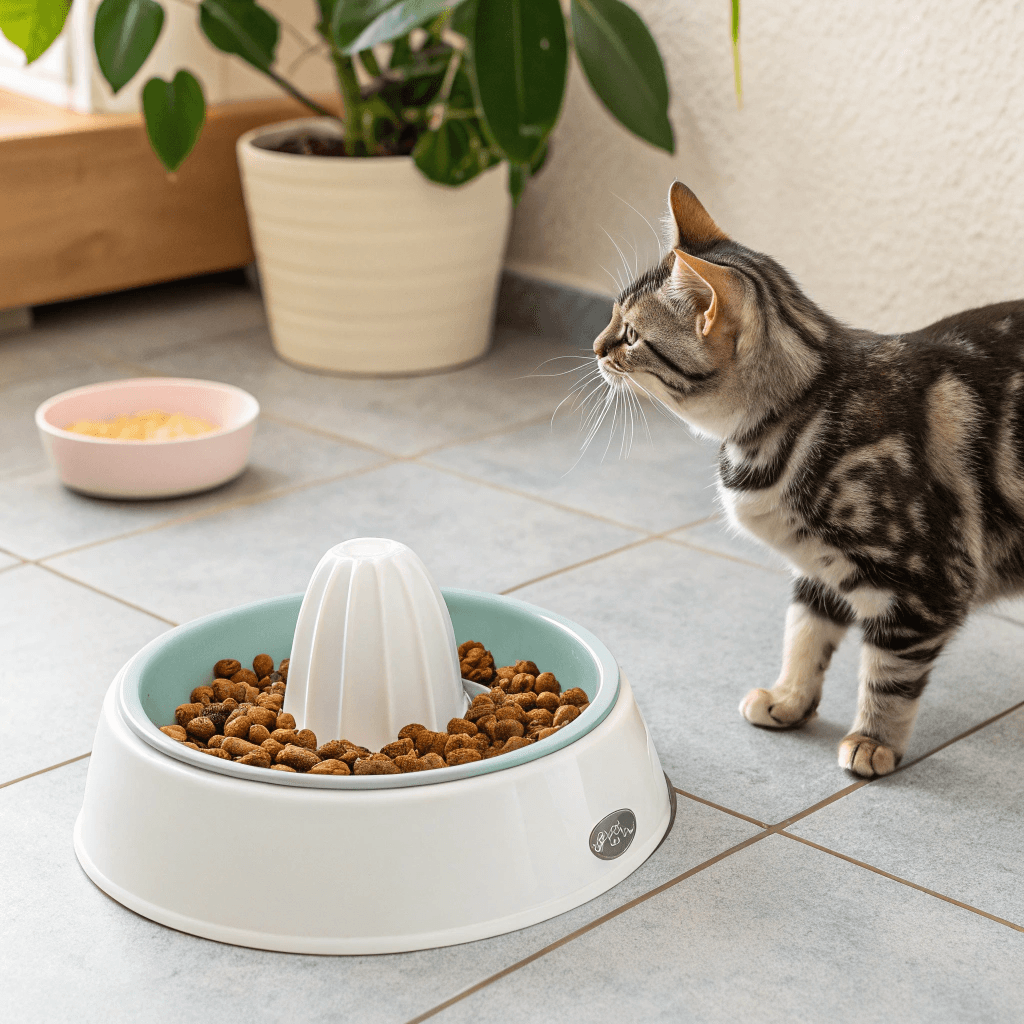
If hairballs do occur, there are effective solutions to help your American Shorthair. Over-the-counter hairball remedies, like gel pastes, can lubricate the digestive system. Regular grooming and a fiber-rich diet remain the most effective long-term solutions for maintaining a healthy coat. If hairballs persist or your cat seems distressed, seek veterinary advice promptly.
Reduce Shedding in American Shorthair Cats
Managing shedding is key to preventing hairballs. Beyond grooming, consider these tips:
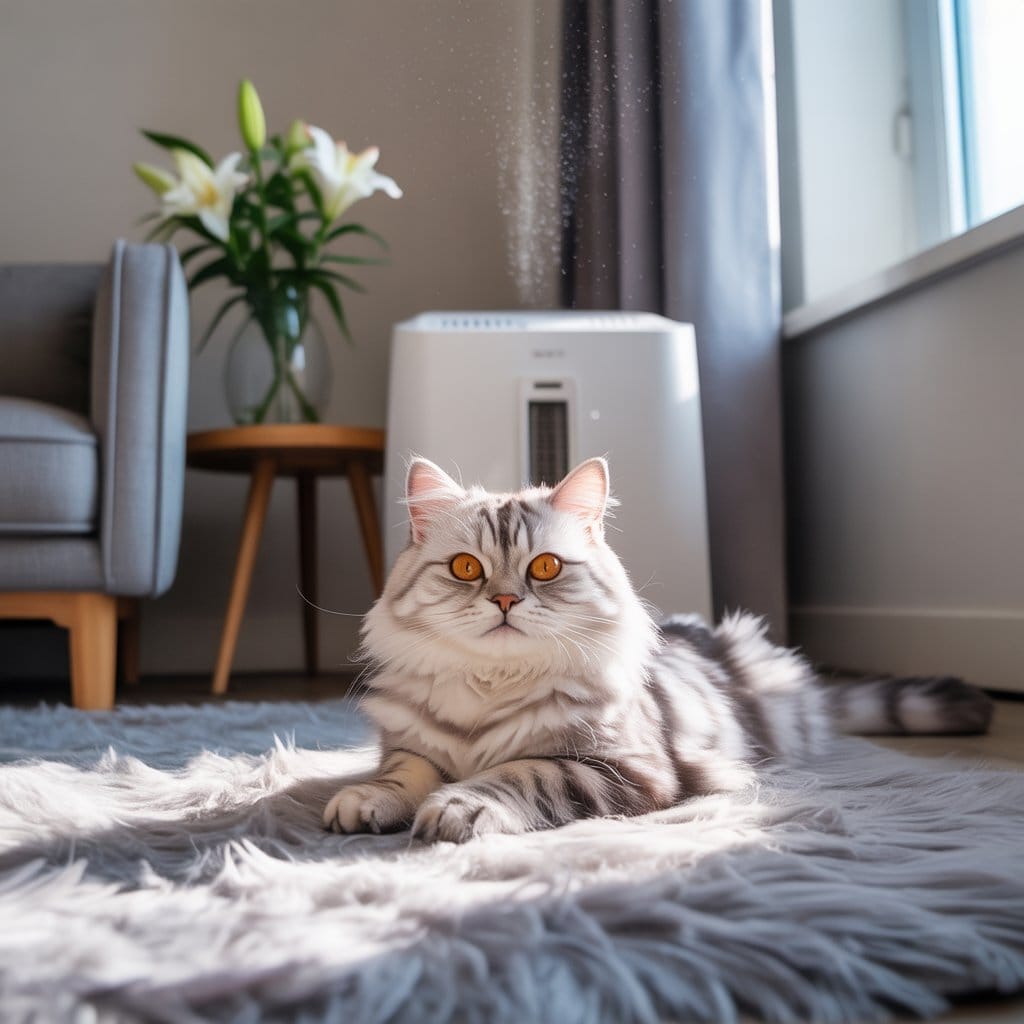
- Use a dehumidifier to reduce static, which can worsen shedding.
- Provide a balanced diet to maintain coat health.
- Keep your home clean to prevent fur buildup, which can encourage excessive grooming.
Handling Seasonal Shedding
American Shorthairs shed more during spring and fall. Increase brushing frequency during these times and monitor your cat’s grooming habits. A clean, stress-free environment also helps reduce excessive shedding.
FAQs
How Often Should I Groom My American Shorthair to Prevent Hairballs?
Groom your cat 2-3 times weekly, increasing to daily during shedding seasons.
Are Hairball Remedies Safe for American Shorthairs?
Most over-the-counter remedies are safe, but consult your vet to ensure they suit your cat.
Can Diet Alone Prevent Hairballs?
Diet helps but works best alongside regular grooming and hydration.
When Should I Worry About Hairballs?
If your cat vomits frequently, seems lethargic, or stops eating, contact a vet immediately.
Final Thoughts
Managing American Shorthair hairballs is straightforward with the right approach. Regular grooming, a balanced diet, and proper hydration can keep your cat healthy and comfortable. By staying proactive, you’ll reduce shedding, support digestion, and minimize hairball issues, ensuring your American Shorthair thrives.