How to Stop Your Cat from Eating Litter: Proven Solutions and Safe Alternatives
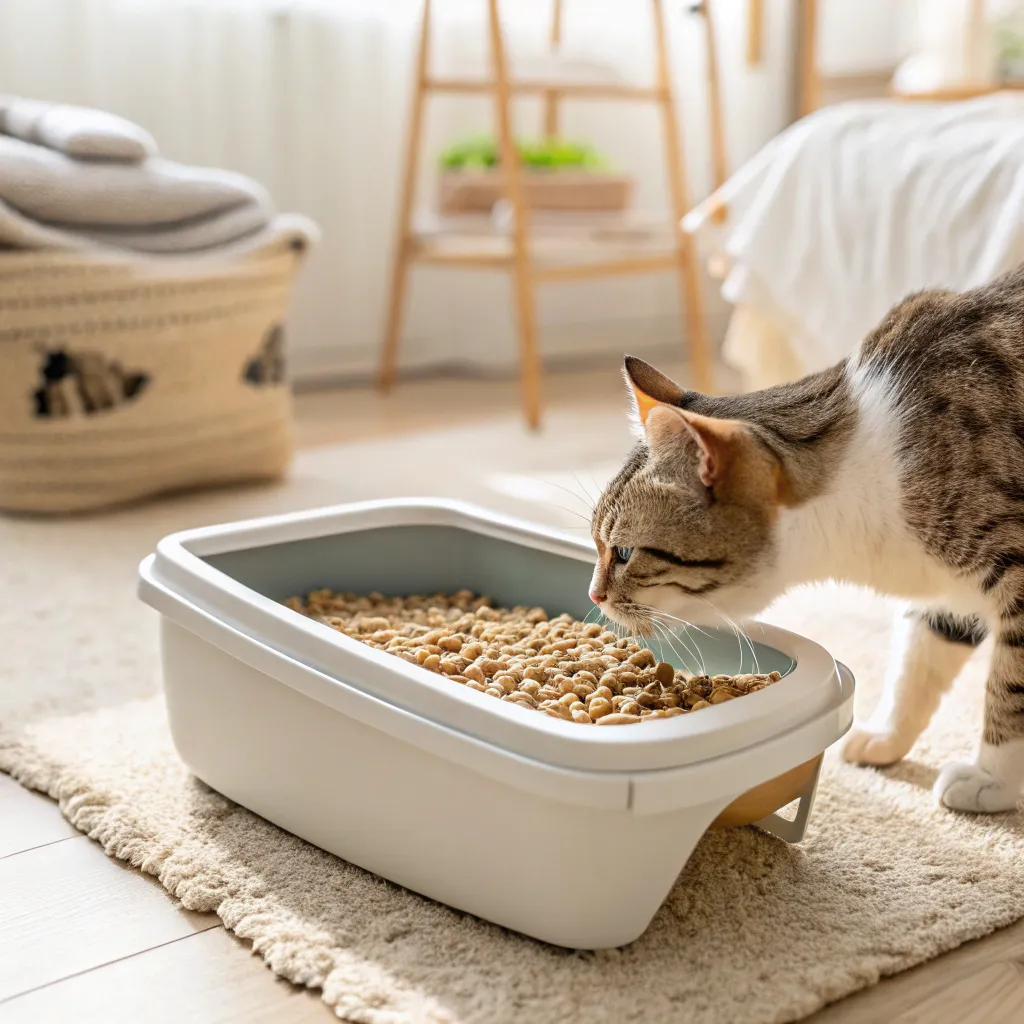
Cats are curious creatures, but when your feline friend starts munching on litter, it’s a cause for concern. Eating litter, often linked to a condition called pica, can signal underlying issues like health problems, stress, or boredom. This article dives into practical cat eating litter solutions, explores why cats eat litter, and offers safe distractions for cats to keep them away from the litter box. Let’s get started with actionable steps to stop your cat from eating litter and keep them healthy and happy.
Why Does My Cat Eat Litter?
Understanding why cats eat litter is the first step to solving the problem. Several factors could be at play:
- Health Issues: Nutritional deficiencies, such as anemia or a lack of essential minerals, may drive cats to eat litter. Conditions like hyperthyroidism or dental issues can also trigger this behavior.
- Stress or Boredom: Cats in dull or stressful environments may turn to litter as a way to cope. Changes like moving homes or new pets can spark this.
- Pica: This behavioral condition causes cats to crave non-food items, including litter. It’s often linked to genetics, stress, or diet imbalances.
- Litter Type Attraction: Some cats are drawn to the texture or smell of certain litters, especially biodegradable ones like corn or wheat-based options.
If your cat is eating litter, a vet visit is crucial to rule out cat health and litter eating concerns. Blood tests can identify deficiencies, while a thorough exam can pinpoint medical issues.
Effective Solutions to Stop Cats from Eating Litter
Here are proven strategies to prevent cats from eating litter, addressing both health and behavior.
1. Switch to Safer Litter Alternatives
Certain litters are less appealing to cats and safer if ingested. Consider these alternatives to cat litter eating:
- Crystal Litter: Non-clumping silica gel litters are less palatable and safer than clay-based options.
- Paper or Pine Pellets: These biodegradable options are less likely to attract cats and are safer for digestion.
- Unscented Litters: Avoid scented litters, as their smell might entice curious cats.
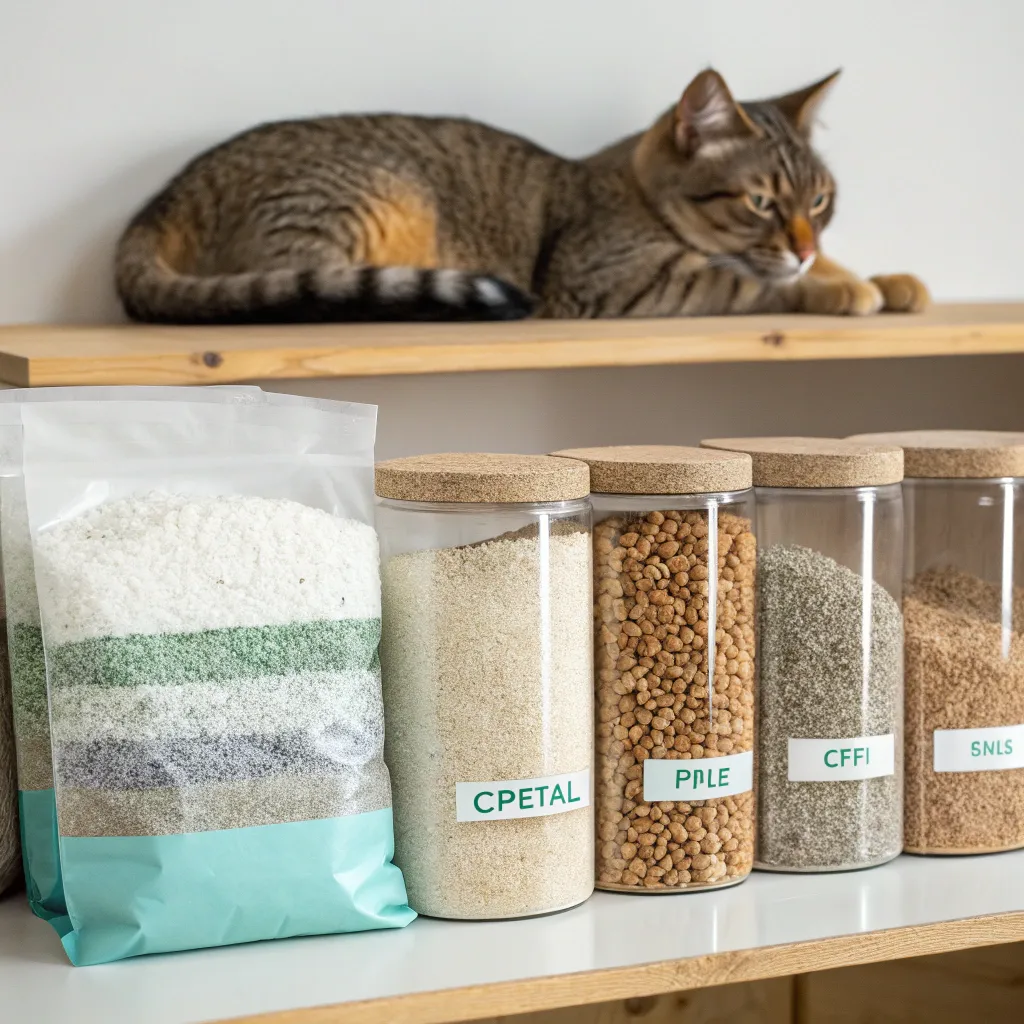
Test different litters to see what your cat ignores. Always transition gradually to avoid stress.
2. Address Nutritional Deficiencies
A balanced diet is key to cat health and litter eating prevention. Consult your vet to ensure your cat’s food meets their nutritional needs. High-quality, nutrient-rich cat food can reduce cravings for non-food items. Adding supplements like omega-3s or fiber (under vet guidance) may also help.
3. Provide Safe Distractions for Cats
Keeping your cat engaged is a great way to curb litter-eating habits. Try these appetizing distractions for cats:
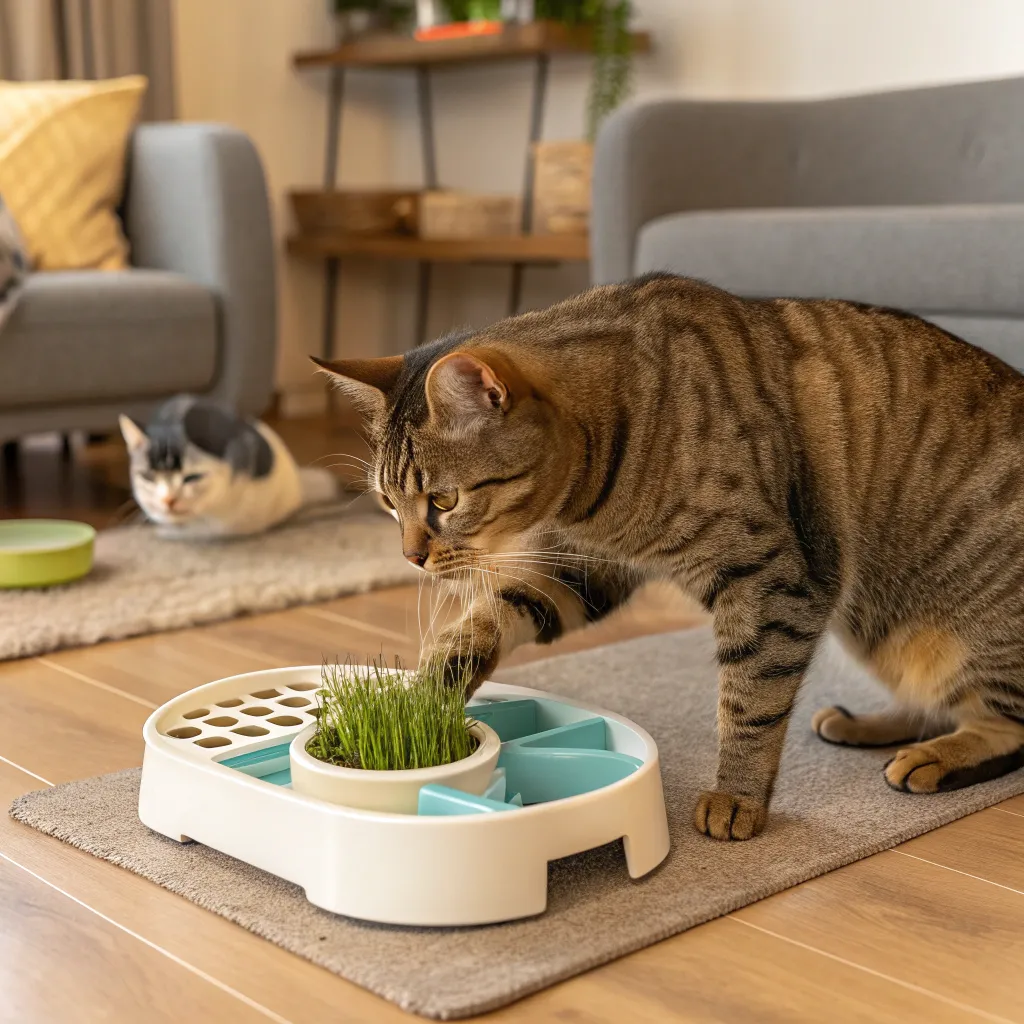
- Cat Grass: This safe, edible plant satisfies chewing urges and provides fiber. Place it near the litter box to redirect attention.
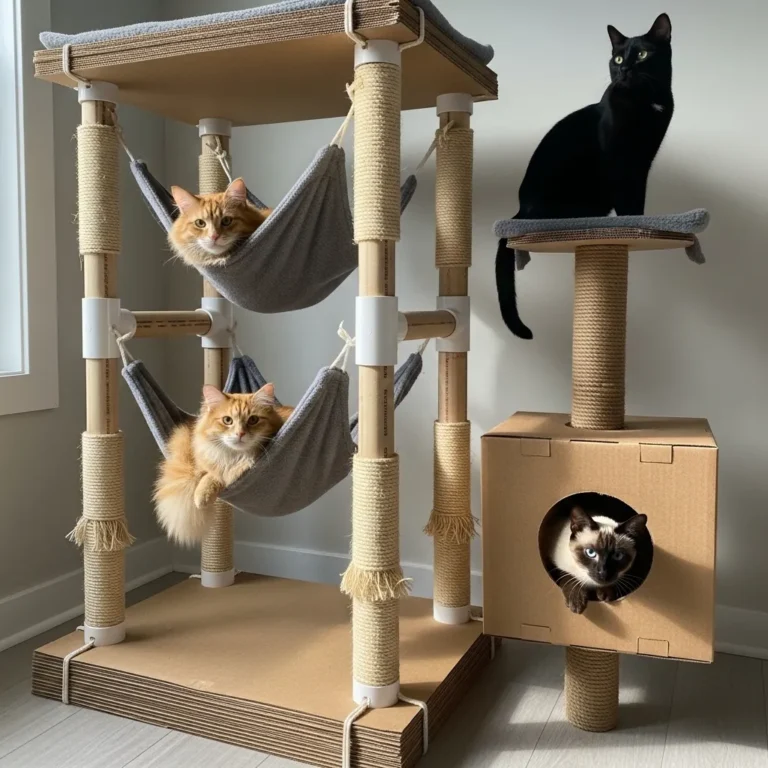
- Catnip Toys: Sprinkle catnip on toys or scratching posts to draw your cat away from the litter.
- Interactive Toys: Puzzle feeders or laser pointers keep cats mentally stimulated, reducing boredom-driven behaviors.
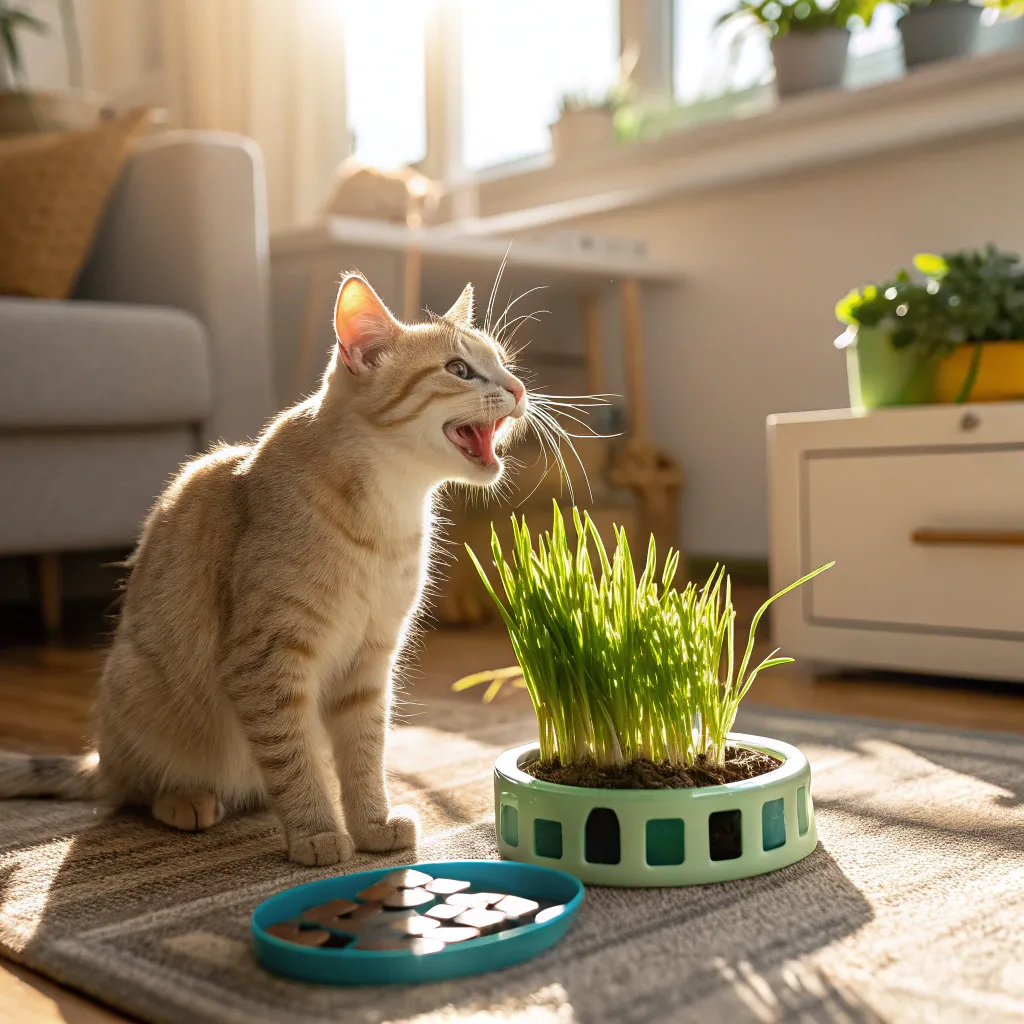
Rotate toys regularly to maintain interest and prevent destructive habits.
4. Modify the Environment
Behavioral solutions for cats eating litter often involve tweaking their surroundings:
- Litter Box Placement: Move the box to a quiet, low-traffic area to reduce stress.
- Covered Boxes: A covered litter box can deter cats from playing in or eating the litter.
- Cleanliness: Scoop the box daily to make it less appealing as a “snack” source.
Small changes can make a big difference in discouraging this behavior.
5. Behavioral Training
If your cat persists, try behavioral solutions for cats eating litter:
- Positive Reinforcement: Reward your cat with treats or praise when they use the litter box correctly or engage with toys instead of eating litter.
- Deterrents: Place double-sided tape or aluminum foil around the litter box edges—cats dislike these textures.
- Supervised Access: Monitor your cat’s litter box time and gently redirect them if they start eating litter.
Consistency is key. Pair these efforts with safe distractions for cats to reinforce positive habits.
A Real-Life Example: Stopping Litter Eating in Action
Meet Luna, a two-year-old tabby who started eating her clay litter after a move. Her owner switched to pine pellet litter, added a puzzle feeder for mental stimulation, and placed cat grass near the box. They also worked with a vet to rule out anemia. Within two weeks, Luna stopped eating litter entirely, thanks to these combined cat eating litter solutions.
When to See a Vet
If your cat’s litter-eating persists despite these efforts, it’s time for professional help. Chronic litter eating can lead to intestinal blockages or toxicity, especially with clumping litters. A vet can assess cat health and litter eating issues, recommend tests, and suggest tailored behavioral solutions for cats eating litter.
Key Takeaways
- Identify the Cause: Health issues, stress, or litter type may explain why cats eat litter.
- Switch Litters: Try crystal or pine-based alternatives to cat litter eating.
- Engage Your Cat: Use cat grass, catnip, or toys as safe distractions for cats.
- Tweak the Environment: Adjust litter box placement or use covered boxes to prevent cats from eating litter.
- Consult a Vet: Persistent litter eating may signal serious cat health and litter eating concerns.
Conclusion
Stopping your cat from eating litter is achievable with the right mix of health checks, environmental changes, and engaging distractions. By addressing the root causes and offering appetizing distractions for cats, you can keep your feline friend safe and content. Start with one or two solutions, monitor progress, and consult a vet if needed. Your cat’s health and happiness are worth the effort!
FAQs
Why is my cat eating litter?
Cats may eat litter due to pica, nutritional deficiencies, stress, or attraction to the litter’s texture or smell.
How can I stop my cat from eating litter?
Switch to safer litters, provide safe distractions for cats like cat grass, and address health or behavioral triggers.
Is eating litter dangerous for cats?
Yes, it can cause intestinal blockages or toxicity, especially with clumping litters. Consult a vet if it continues.
What are safe litter alternatives?
Crystal, paper, or pine litters are less appealing and safer alternatives to cat litter eating.
How can I distract my cat from the litter box?
Use appetizing distractions for cats like interactive toys, catnip, or cat grass to redirect their focus.