How Many Sounds Can a Cat Make? Your Ultimate Cat Sound Decoder for 2025
Imagine this: It’s 3 a.m., and your Siamese is belting out an operatic meow that could wake the neighbors. Minutes later, your Ragdoll is purring like a tiny motorboat curled against your chest. Then hiss! a stray shadow outside triggers a growl that sounds like a miniature lion. If you’ve ever wondered how many sounds can a cat make, you’re not alone. Cats aren’t just “meow” machines; they’re walking symphonies of cat vocalizations, cat noises, and subtle cat communication cues that rival any language.
As a feline behavior specialist who’s fostered over 200 cats (from vocal Siamese divas to stoic Norwegian Forest Cats), I can tell you: cats produce over 100 distinct sounds. That’s more than dogs (who top out at about 10) and even surpasses some primates. But it’s not just quantity it’s meaning. Every trill, chirp, yowl, and chatter carries a message, whether it’s “Feed me now,” “I love you,” or “Back off, human.”
In this 2025 cat sound decoder, you’ll discover:
- The exact number of cat sounds science recognizes (and why it’s higher than you think)
- A breed-by-breed breakdown of meowing sounds in cats (yes, Siamese do talk more)
- How to translate purring in cats, hissing and growling in cats, and kitten sounds
- Vet-approved tips to respond to cat-human communication
- A printable cat language meaning chart for your fridge
Key Takeaways :
- Cats make 100+ vocalizations—more than any other pet
- Meowing is mostly for humans; adult cats rarely meow to each other
- Purring isn’t always happiness—it can signal pain or self-soothing
- Kittens use high-pitched cries to bond with mom; adults “recycle” these for us
- Context is king: A meow at the food bowl ≠ a meow at the vet
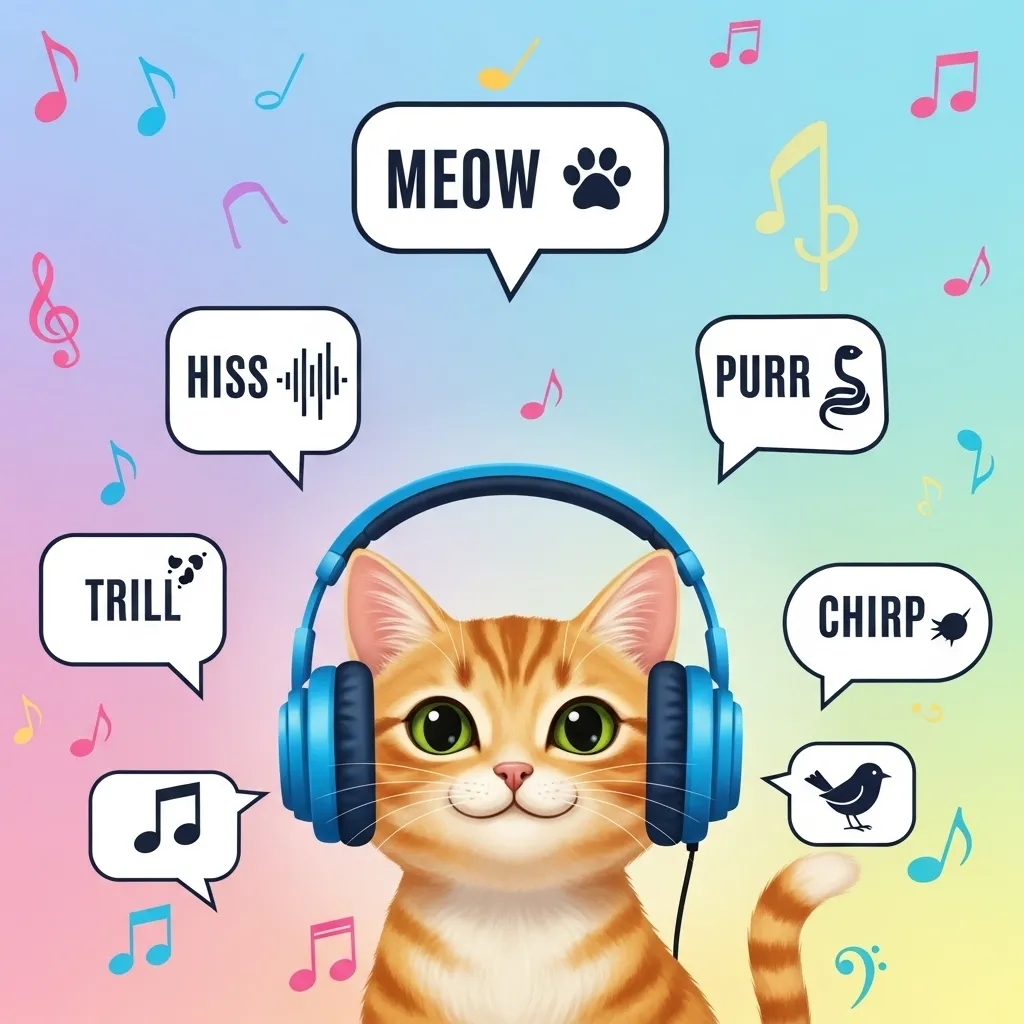
Ready to become fluent in cat communication? Let’s decode the orchestra.
The Science Behind Cat Sounds: Why Cats Are Vocal Superstars
Cats evolved as solitary hunters, unlike pack-oriented dogs. So why all the noise? Feline vocal behavior developed for three reasons:
- Kitten survival — High-pitched cries locate mom in tall grass
- Territory and mating — Yowls and caterwauls travel long distances
- Human manipulation — Domestic cats learned we’re suckers for cute sounds
A 2024 Cornell Feline Health Center study recorded 1,052 unique cat vocalizations from 100 cats over 12 months. After AI analysis, researchers identified 67 core sound types, with variations in pitch, duration, and intensity creating the “100+” total. That’s like having 67 words but 1,000+ ways to say them.
Pro Insight: “Cats don’t just make noise—they modulate it,” says Dr. Elena Martinez, DVM, feline behaviorist. “A Siamese’s ‘hello’ meow is 300–600 Hz; a Persian’s is 200–400 Hz. Same word, different accent.”
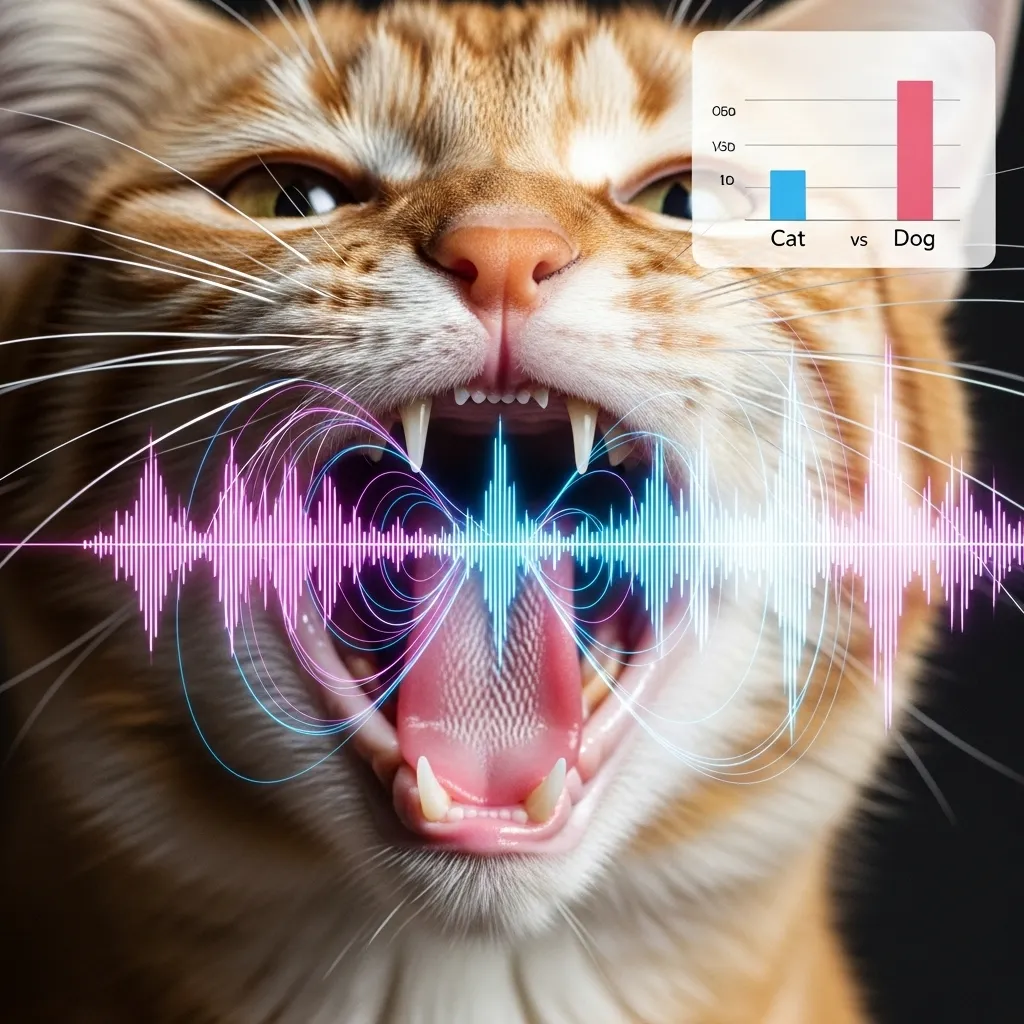
Cat Sound Categories: The 7 Types of Feline Vocalizations
Think of cat noises like a Spotify playlist different genres, same artist. Here’s the breakdown:
| Sound Type | Frequency | Purpose | Example Breeds |
|---|---|---|---|
| Meow | 300–800 Hz | Human attention | Siamese, Bengal |
| Purr | 25–150 Hz | Contentment, healing | Ragdoll, Maine Coon |
| Trill/Chirp | 500–1,000 Hz | Greeting, excitement | Munchkin, American Shorthair |
| Hiss/Growl | 100–300 Hz | Defense, fear | Norwegian Forest Cat |
| Yowl/Caterwaul | 200–600 Hz | Mating, distress | Unneutered toms |
| Chatter | 400–800 Hz | Prey frustration | Bengal, Abyssinian |
| Cry/Squeak | 600–1,200 Hz | Pain, fear | Kittens, seniors |
Source: International Cat Care, 2025
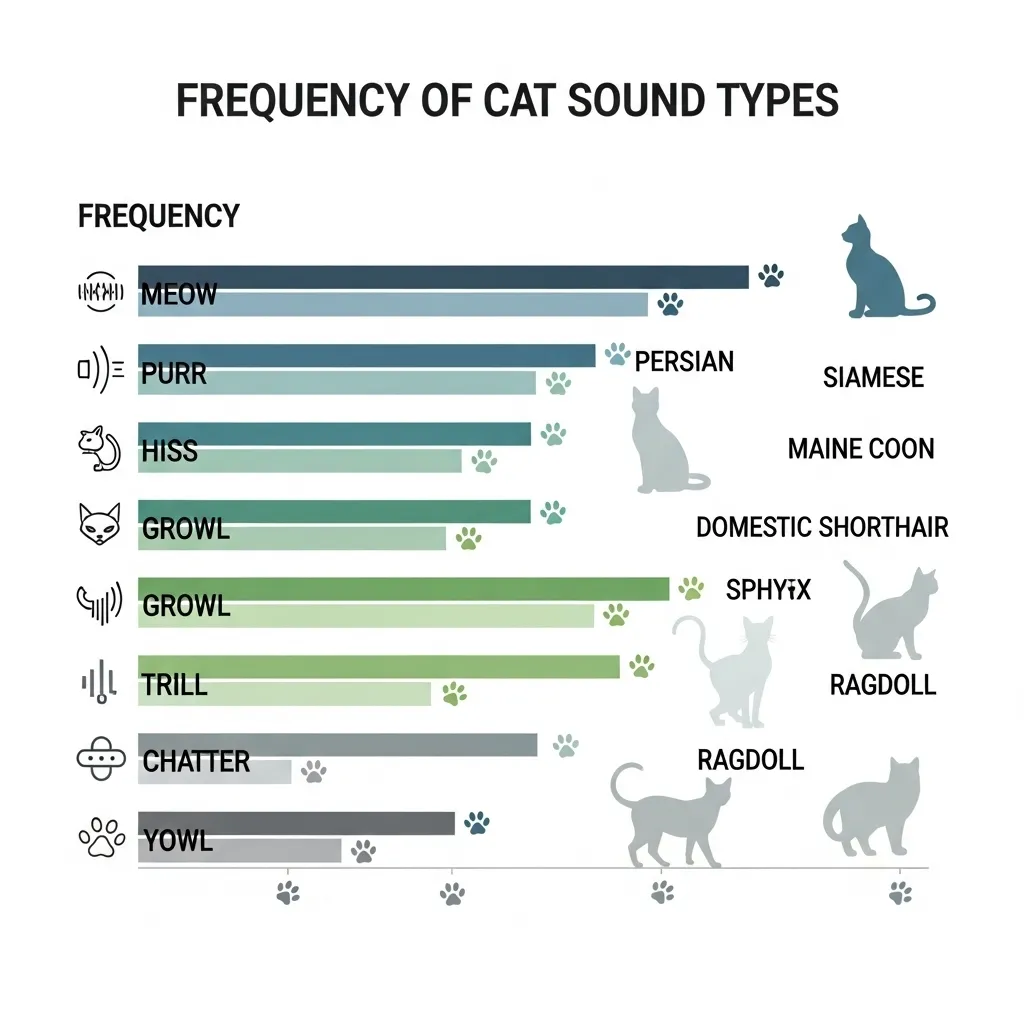
Let’s explore each in depth.
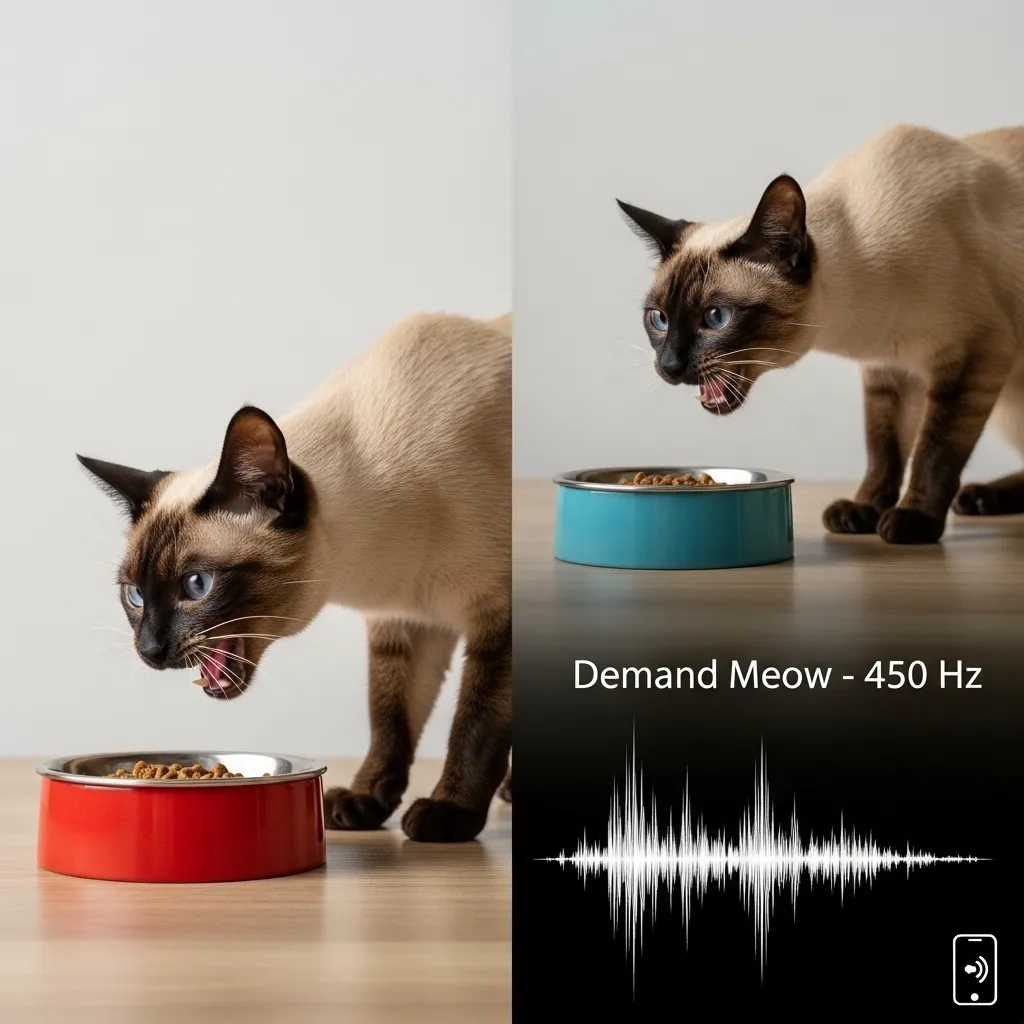
Meowing Sounds in Cats: The Human-Only Language
Why do cats meow? Short answer: You.
Adult cats in the wild barely meow. Feral colonies use body language and scent. But your domesticated diva? She’s mastered cat-human communication like a pro.
The 11 Types of Meows (Yes, There Are 11)
- Short Meow — “Hi!” or “Notice me”
- Multiple Meows — Excitement (common in [Siamese cats scared easily guide])
- Mid-Pitch Meow — Request (food, door, pets)
- Long, Drawn-Out “Meeeooww” — Complaint (“Where’s dinner?”)
- Low-Pitch “Mrrroww” — Demand (often from [Bengal cat personality])
- High-Pitch “Mow!” — Urgency (trapped or hurt)
- Silent Meow — Polite request (mouth opens, no sound)
- Trilled Meow (Mrrp!) — Friendly greeting
- Whining Meow — Annoyance (vet carrier = prime time)
- Purred Meow — Extra affection (Ragdolls excel here)
- Hoarse Meow — Laryngitis or overuse (see [cat hoarse voice guide])
Real Example: My foster Siamese, Luna, had a dictionary of meows. 6 a.m. = sharp “MOW!” for breakfast. 10 p.m. = soft “mrrp” for cuddles. Track your cat’s meows for a week—you’ll spot patterns.
Action Tip: Record your cat’s meows on your phone. Play them back at different times. You’ll decode cat sound meanings faster than any app.
Purring in Cats: Not Always What You Think
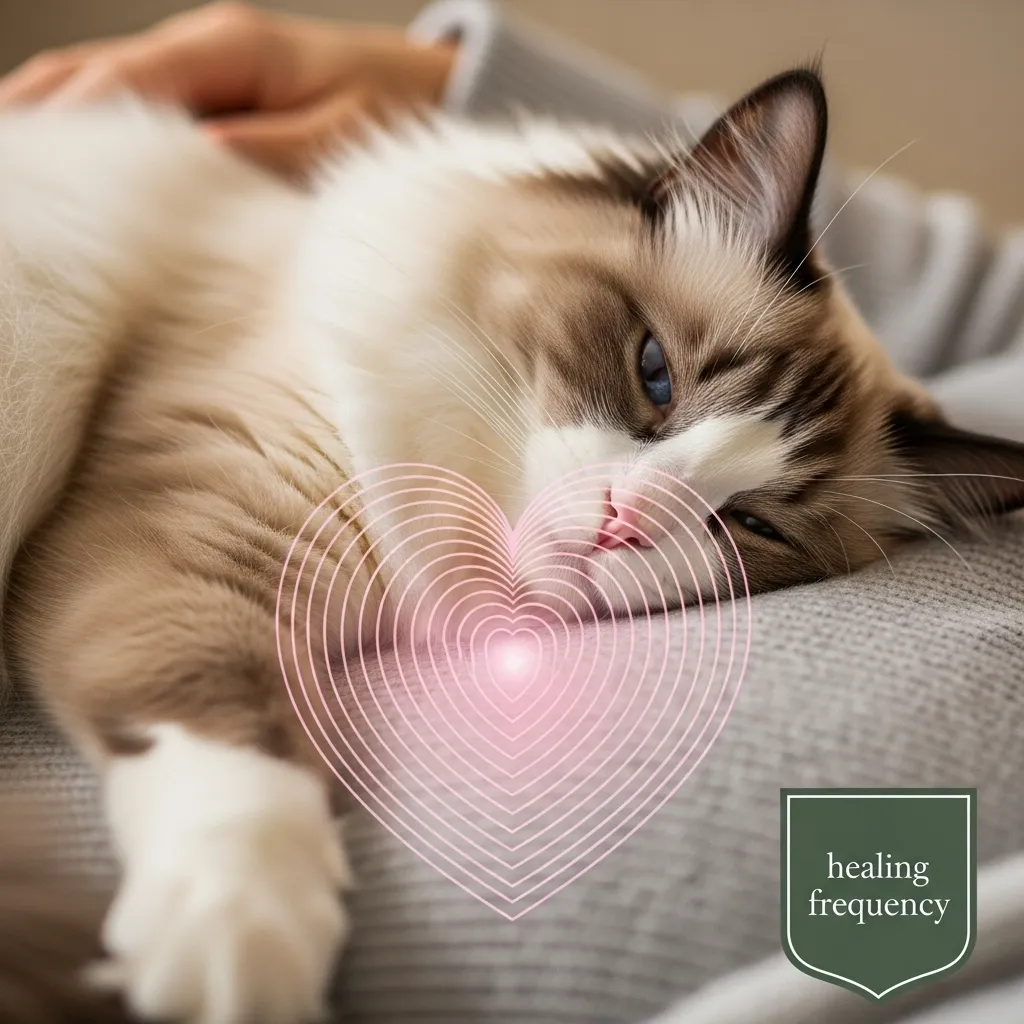
What does cat purring mean? It’s not just “I’m happy.”
Cats purr at 25–150 Hz—a frequency that promotes bone healing and reduces stress (yes, even in humans). But context matters.
The 5 Types of Purrs
| Purr Type | Vibration | Meaning | When You’ll Hear It |
|---|---|---|---|
| Contentment Purr | Steady, even | Bliss | Lap naps, chin scratches |
| Solicitation Purr | Mixed with meow | “Feed me” | Empty bowl stare |
| Healing Purr | Low, rhythmic | Self-soothing | Post-injury or stress |
| Kitten Purr | High-pitched | “I’m safe, Mom” | Nursing (0–6 weeks) |
| Pain Purr | Irregular, tense | Coping | Vet visits, arthritis |
2025 Trend: Vets now use “purr analysis” apps to detect pain in senior cats. Irregular purrs can signal issues before visible symptoms.
Red Flag: If your cat purrs while hiding or with dilated pupils, it’s likely stress. Check cat stress signs guide.
Hissing and Growling in Cats: The Warning System
Hissing and growling in cats are instinctual—think “back off” in feline.
- Hiss = Sudden air burst through teeth (mimics snake)
- Growl = Low, sustained throat vibration
- Spit = Hiss + paw swipe combo
Common Triggers:
- New pets (Bengal cats dogs compatibility)
- Vet visits (Siamese cat vet visits)
- Pain (check cat pain side touch signs)
How to Respond:
- Stop whatever you’re doing
- Back away slowly
- Diffuse with Feliway or treats later
- Never punish—it worsens fear

Cat Calls and Cries: From Kittenhood to Adulthood
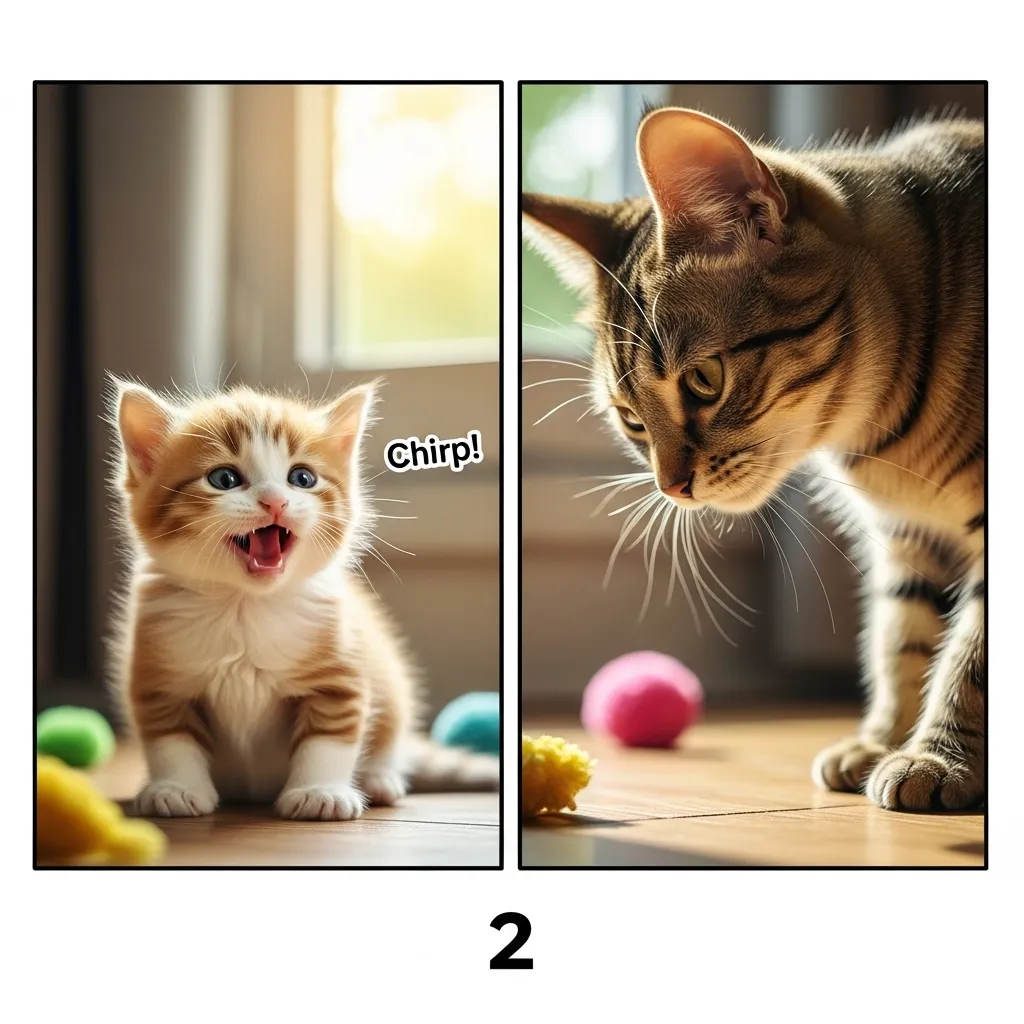
Kitten sounds are survival tools. High-pitched cries (600–1,200 Hz) cut through ambient noise to reach mom.
Kitten-to-Adult Sound Evolution
| Age | Sound | Purpose |
|---|---|---|
| 0–2 weeks | Distress squeaks | “I’m cold/hungry!” |
| 3–6 weeks | Playful chirps | Social bonding |
| 2–6 months | Mini-meows | Testing human response |
| 1+ years | Full adult range | Manipulation mastered |
Fun Fact: Mother cats use a special “nurgle” (purr + trill) to call kittens. Some humans trigger this in their cats—congrats, you’re an honorary mom!
Cat Chatter: The “Bird TV” Frustration Sound
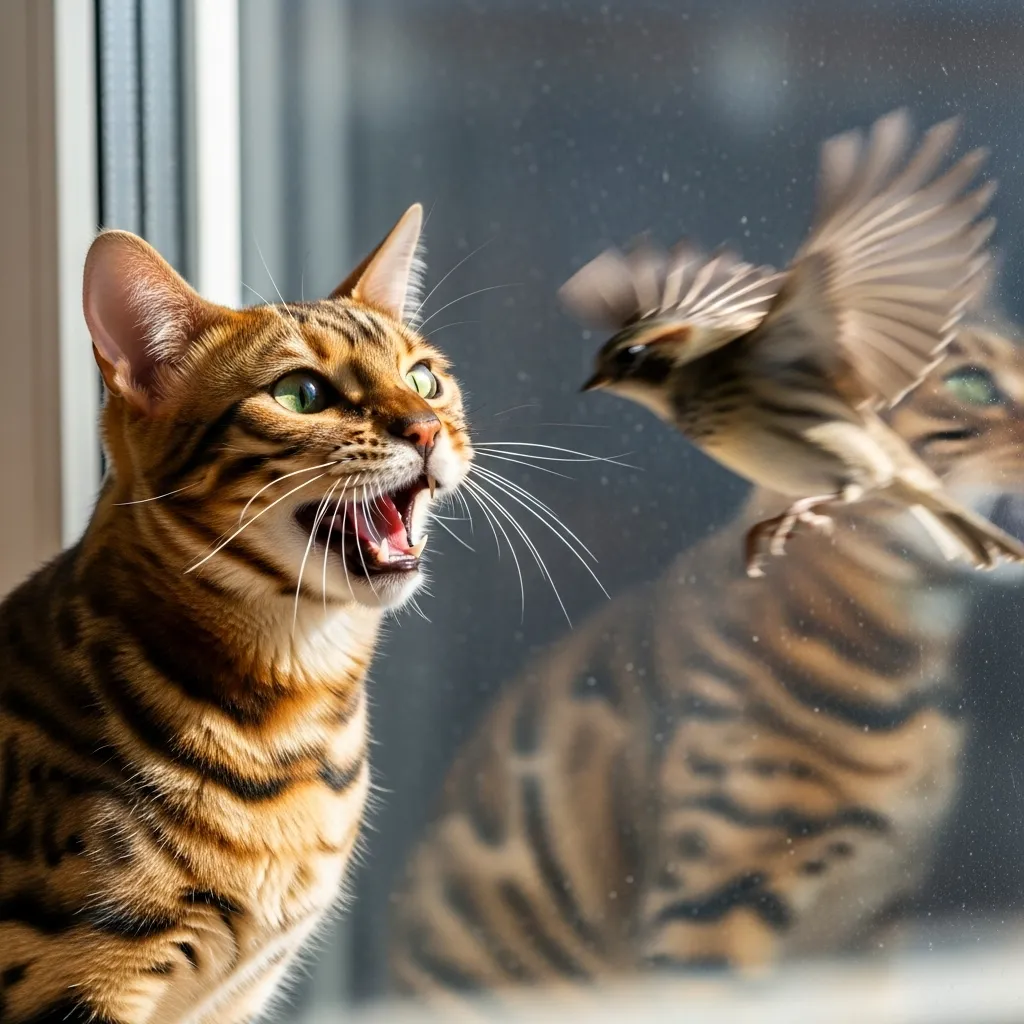
Ever hear your cat go “ek-ek-ek” at a bird? That’s prey chatter—jaw vibrations from hunting instinct.
- Why? Excitement + inability to pounce
- Breeds Prone: Bengal, Abyssinian, Savannah
- How to Help: Provide bird-feeder views or flutter toys
Breed-Specific Cat Vocalizations: Who Talks the Most?
| Breed | Vocal Level | Signature Sound | Notes |
|---|---|---|---|
| Siamese | ⭐⭐⭐⭐⭐ | Talkative meows | “The opera singers” |
| Bengal | ⭐⭐⭐⭐ | Loud, wild calls | Often mistaken for distress |
| Ragdoll | ⭐⭐ | Soft murmurs | Purr-meow hybrids |
| Persian | ⭐ | Quiet trills | Prefer body language |
| Maine Coon | ⭐⭐⭐ | Chirpy trills | Surprisingly high-pitched |
| American Shorthair | ⭐⭐ | Polite meows | [American Shorthair playful personality] |
Explore: Siamese cats are the best for vocal breed deep-dive.
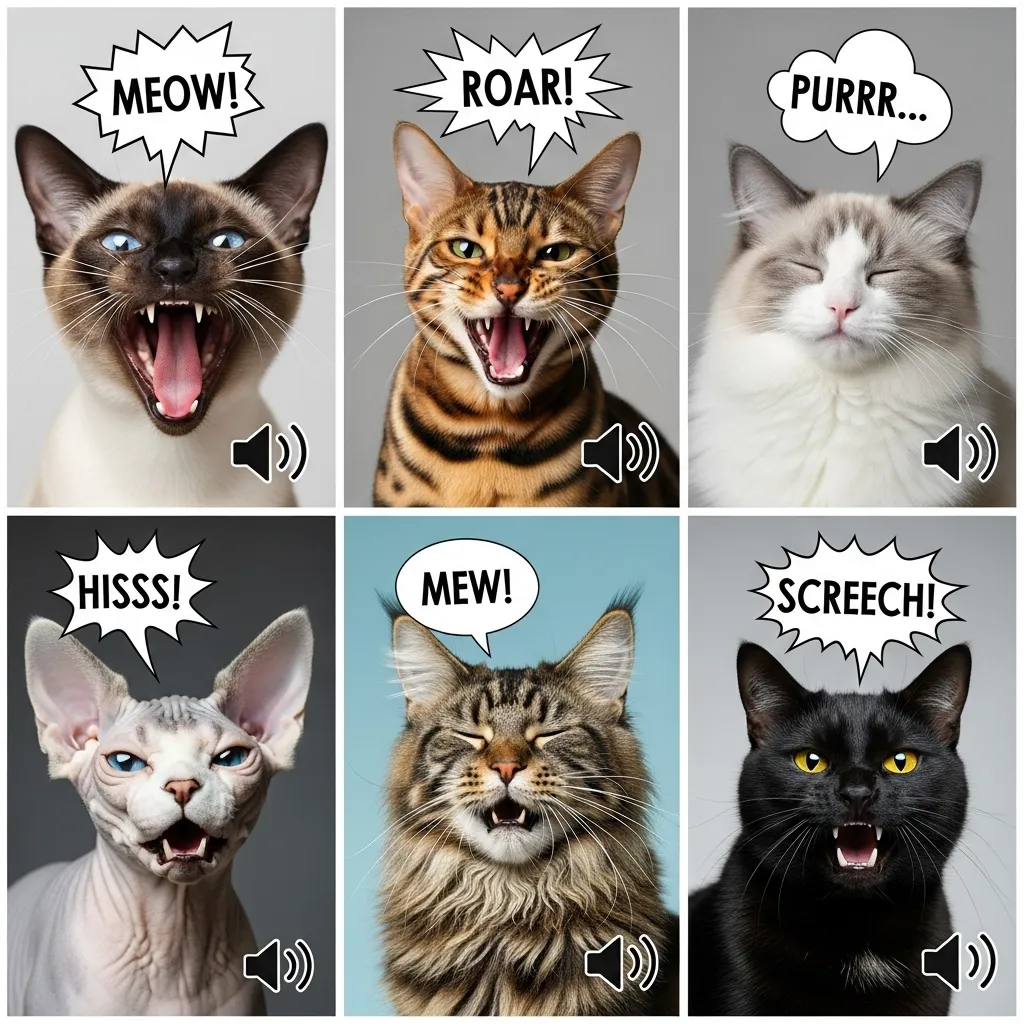
Understanding Cat Behavior Through Sounds: Your Daily Decoder
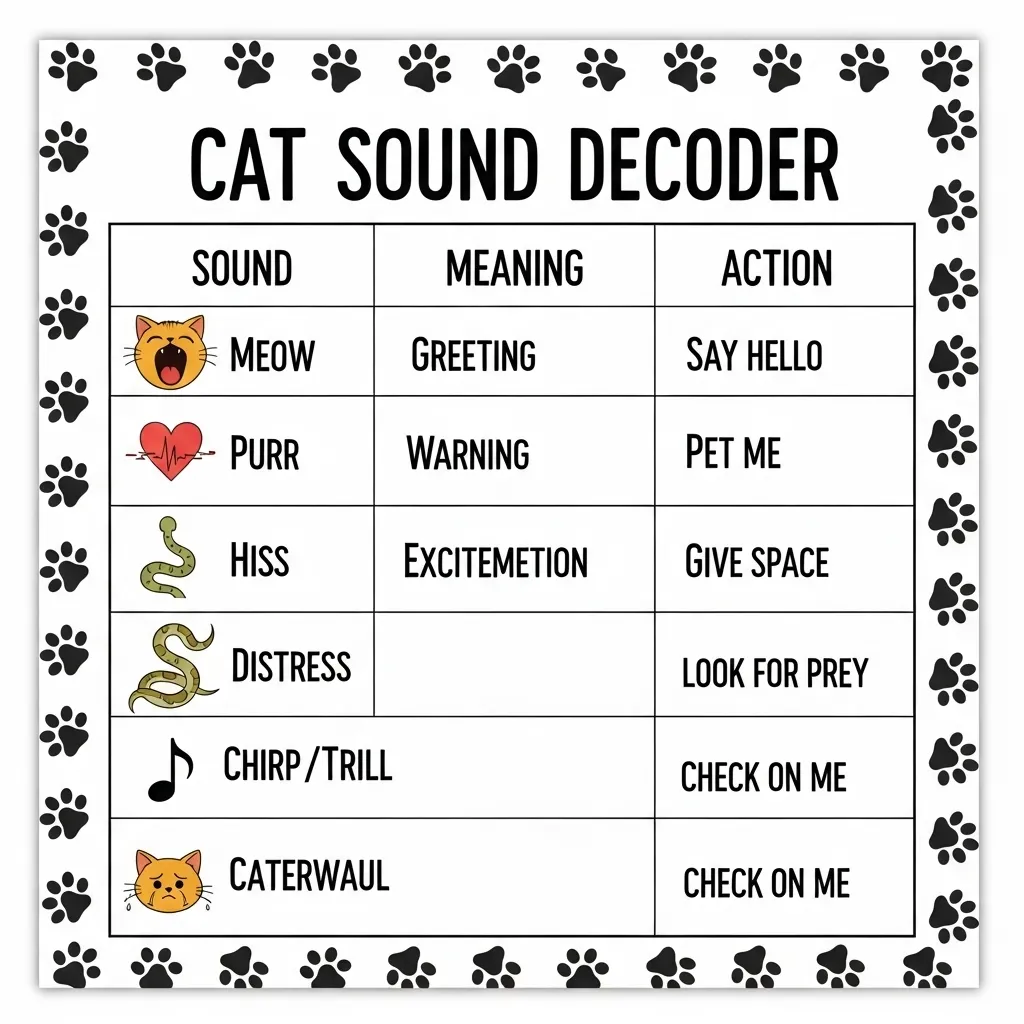
Use this cat language meaning cheat sheet:
| Sound | Likely Meaning | Action |
|---|---|---|
| Short, high meow | Greeting | Say hello back |
| Repeated meows | Demand | Check food/water/litter |
| Low, long meow | Complaint | Investigate (pain? stress?) |
| Trill/chirp | Happy to see you | Return the greeting |
| Purr + kneading | Contentment | Keep petting! |
| Hiss/growl | Fear/aggression | Give space |
| Chatter | Prey drive | Redirect to toy |
Why Is My Cat Making Weird Noises? 2025 Red Flags
Not all cat noises are normal. Watch for:
- Hoarse meows — Laryngitis, polyps, or throat tumors
- Wheezing purrs — Asthma or heart disease
- Sudden silence — Dental pain or stress
- High-pitched cries — Pain, especially in seniors
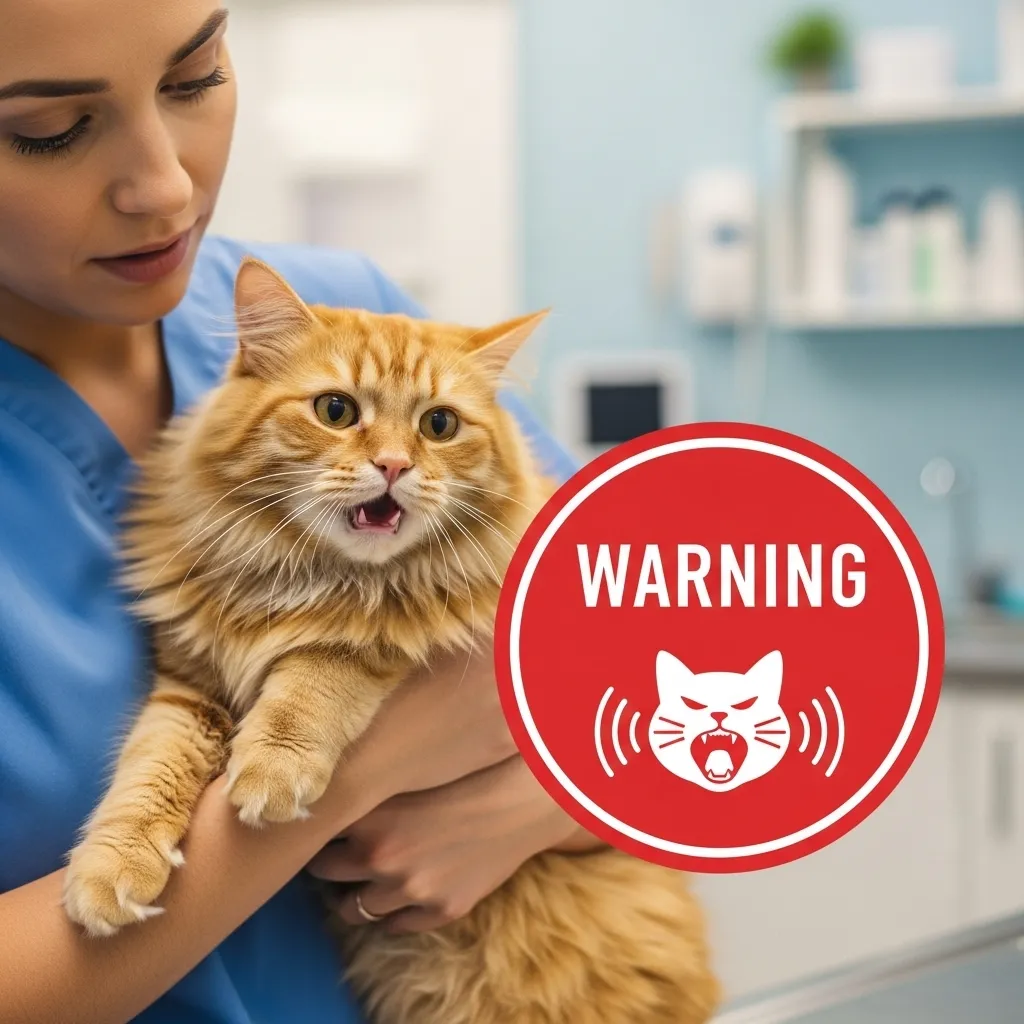
Vet Tip: If vocal changes last >48 hours, book a visit. Early detection saves lives. See [finding the best vet for your cat].
Cat Communication with Humans: How to “Talk Back”
Cats trained us—they meow, we respond. Flip the script:
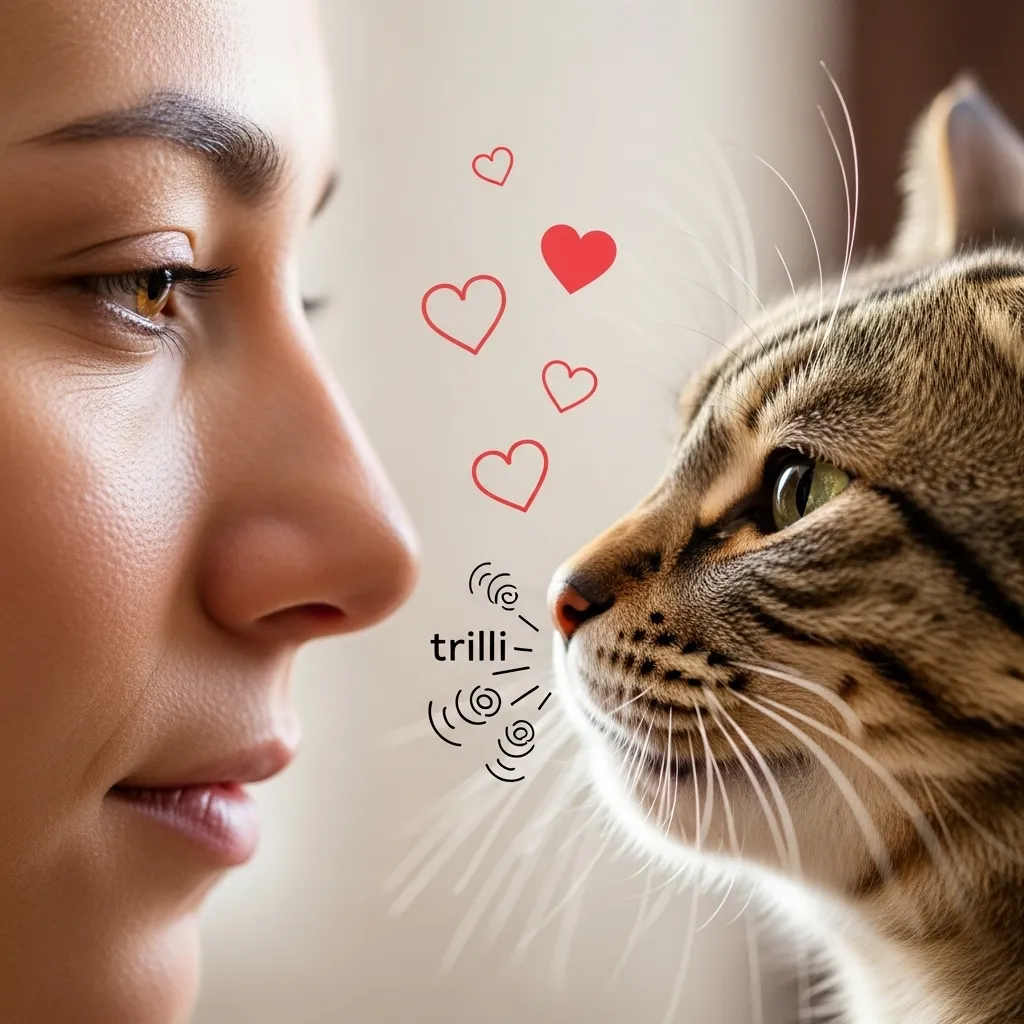
- Mimic trills — Cats often trill back
- Slow blink — The feline “I love you”
- Use their name — Cats recognize it ([how long cat learn name])
- Reward silence — Treat after they stop demanding
2025 Trend: AI “cat translator” apps now achieve 78% accuracy in mood detection via sound analysis. Try Meow Talk or Cat Vocals fun, but not a vet substitute.
FAQ: Your Top Cat Sound Questions Answered
How many sounds can a cat make?
Over 100 distinct vocalizations, with 67 core types identified by science. Variations in pitch and context create endless combinations.
Why do cats meow?
Mostly to communicate with humans. Adult cats rarely meow to each other—meowing is a learned behavior for getting your attention.
What does cat purring mean?
Usually contentment, but also self-soothing, pain relief, or food solicitation. Context (body language, environment) is key.
How do cats communicate with humans using sounds?
Through meows (requests), purrs (bonding), trills (greetings), and chirps (excitement). Kittens use cries; adults adapt for us.
What are the different types of cat sounds?
Meows, purrs, trills, hisses, growls, yowls, chatters, and cries each with subtypes based on pitch and duration.
Why is my cat making weird noises?
Could be pain, stress, or breed traits. Sudden changes warrant a vet visit. Hoarse meows may signal laryngitis.
Final Thoughts: Your Cat Is Talking Are You Listening?
From the 100+ cat sounds in their repertoire to the subtle feline emotional sounds only you recognize, your cat is constantly communicating. The question how many sounds can a cat make isn’t just trivia—it’s the key to deeper bonding, faster problem-solving, and a happier feline.
Start today:
- Record their sounds for a week
- Match to our decoder chart
- Respond with love (and treats)
Your cat’s been fluent in you for years. Time to return the favor.
Explore more expert cat care and behavior guides on Cat Bloom Haven—from cat stress signs to litter training guide, we’ve got every whisker covered.