Why Siamese Cats Are the Best: The Ultimate Guide to This Affectionate, Intelligent, and Timeless Breed
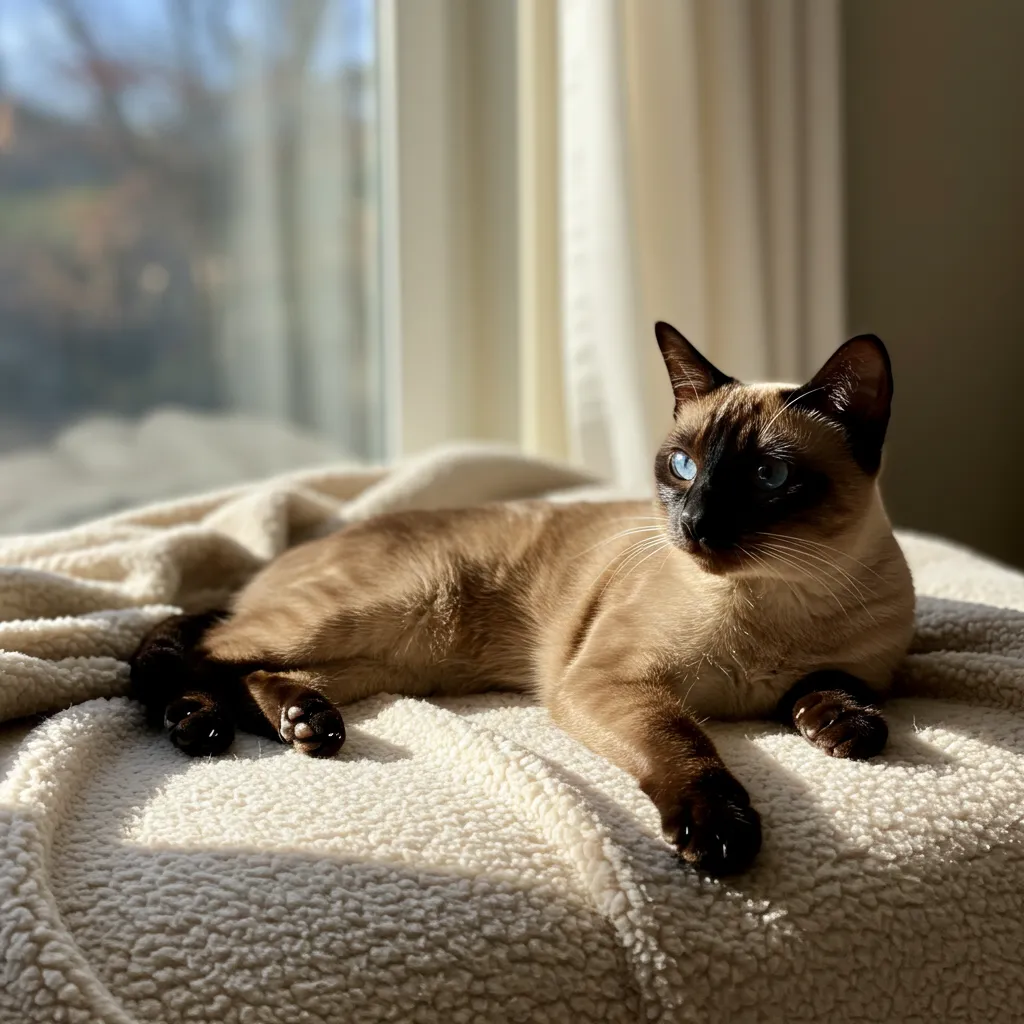
Imagine coming home after a long day to a furry companion who greets you not with a simple meow, but a full-on conversation—chatting away about their day, curling up in your lap, and maybe even fetching a toy like a loyal pup. If that sounds like the perfect pet, you’re probably picturing a Siamese cat.
But with so many cat breeds out there, how do you know if Siamese cats are truly the best fit for your lifestyle? Many potential pet owners struggle with this choice, worried about personality clashes, care demands, or compatibility with kids and other animals. That’s where this comprehensive Siamese cat breed guide comes in—packed with real insights, tips, and expert advice to help you decide.
Drawing from years of feline expertise and the latest 2025 trends in popular cat breeds, we’ll explore why Siamese cats are the best, from their captivating history to their quirky behaviors. By the end, you’ll see why these blue-eyed beauties continue to top lists as affectionate cat breeds and intelligent cat breeds alike.
The Fascinating History and Origin of Siamese Cats: From Ancient Temples to Modern Homes
Siamese cats aren’t just another pretty face in the feline world—they boast a royal lineage that dates back centuries. Originating from Thailand (formerly known as Siam), these cats were revered in ancient temples and palaces, often depicted in manuscripts like the Tamra Maew (Cat Poems) from the Ayutthaya Kingdom around the 14th century. Legend has it they were sacred guardians, tasked with protecting Buddhist temples from evil spirits, and even accompanied royalty as symbols of good fortune.
The history of Siamese cats took a global turn in the late 19th century when they were first exported to the West. In 1878, the U.S. Consul in Bangkok gifted a pair to President Rutherford B. Hayes’ wife, Lucy, marking their American debut. By the 1880s, they arrived in the UK, where breeders like Owen Gould imported pairs that kickstarted the breed’s popularity in Europe. This rich backstory has influenced their enduring appeal, blending exotic mystique with approachable charm. Today, as one of the oldest recognized breeds, Siamese cats embody a perfect mix of tradition and adaptability, making them timeless favorites.
For a deeper dive, check out the Cat Fanciers’ Association’s breed profile [external link: https://cfa.org/breed/siamese/], which highlights how selective breeding has preserved their signature traits while expanding color variations.
Siamese Cat Personality and Traits: Affectionate, Vocal, and Brimming with Sass
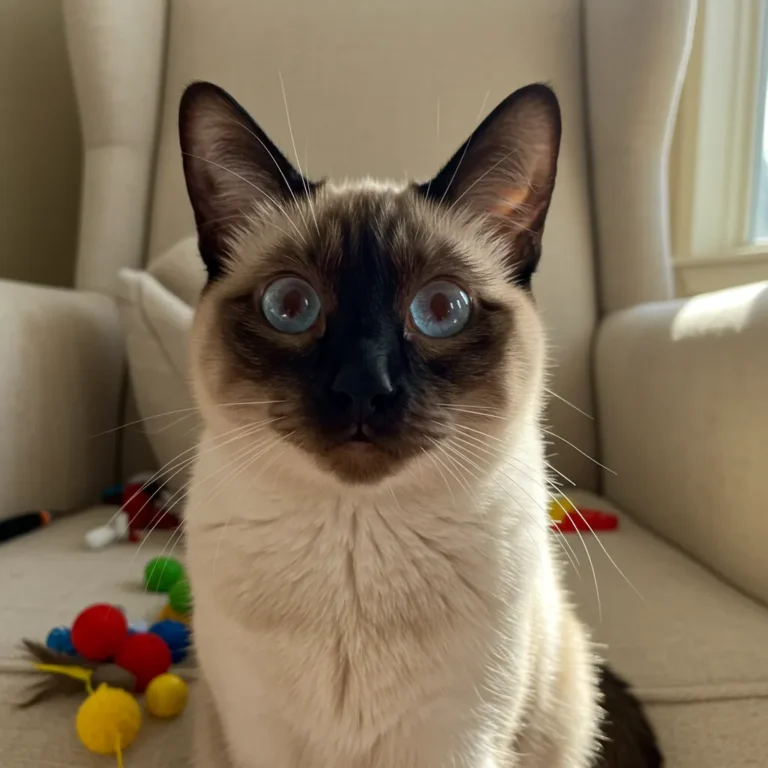
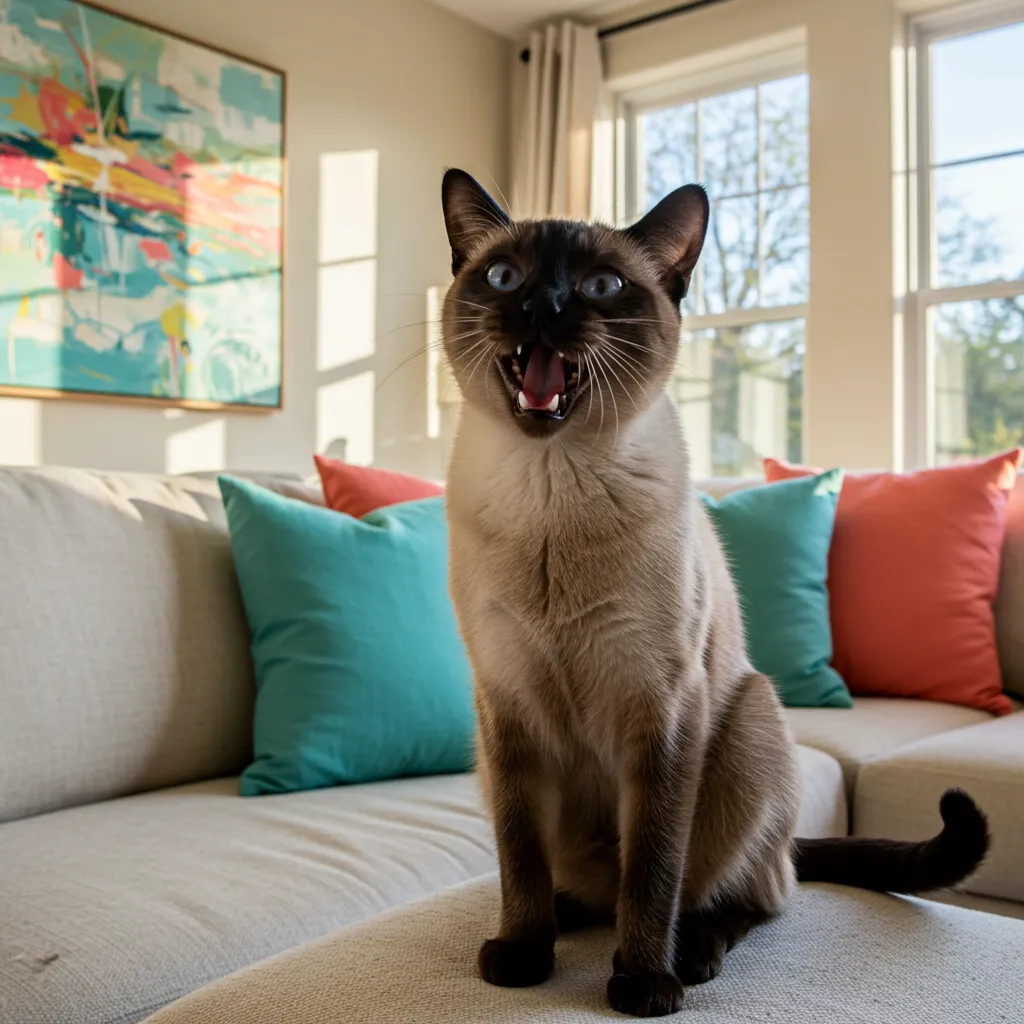
Ask any Siamese owner, and they’ll tell you: these cats have personalities as striking as their sapphire-blue eyes. Siamese cat personality is often described as extroverted, affectionate, and highly intelligent—traits that set them apart as one of the most engaging breeds. They’re not the type to hide under the bed; instead, they’ll follow you room to room, demanding attention with their signature yowls and chirps.
Why are Siamese cats so affectionate? It’s in their DNA. These social butterflies thrive on human interaction, often bonding deeply with one “favorite” person while tolerating the rest of the household with playful sass. Siamese cat personality and traits include high energy, curiosity, and a dog-like loyalty that makes them excellent companions. Real-life example: My friend adopted a Siamese named Luna, who not only learned to walk on a leash but also “talks” back during TV time, turning movie nights into interactive experiences.
Here’s a quick breakdown of key Siamese cat breed traits:
- Intelligence: Ranked among intelligent cat breeds, they excel at puzzle toys and can even be trained for tricks.
- Affection Level: Extremely high—they’re lap cats who crave cuddles and may even sleep under the covers with you.
- Vocal Nature: Expect “conversations”; their loud, raspy meows are endearing but not for light sleepers.
- Playfulness: Energetic and mischievous, they love interactive play to burn off steam.
Compared to more aloof breeds like Persians, Siamese are interactive powerhouses, making them ideal for those seeking a pet with personality.
Unveiling Siamese Cat Color Patterns: A Spectrum of Stunning Varieties
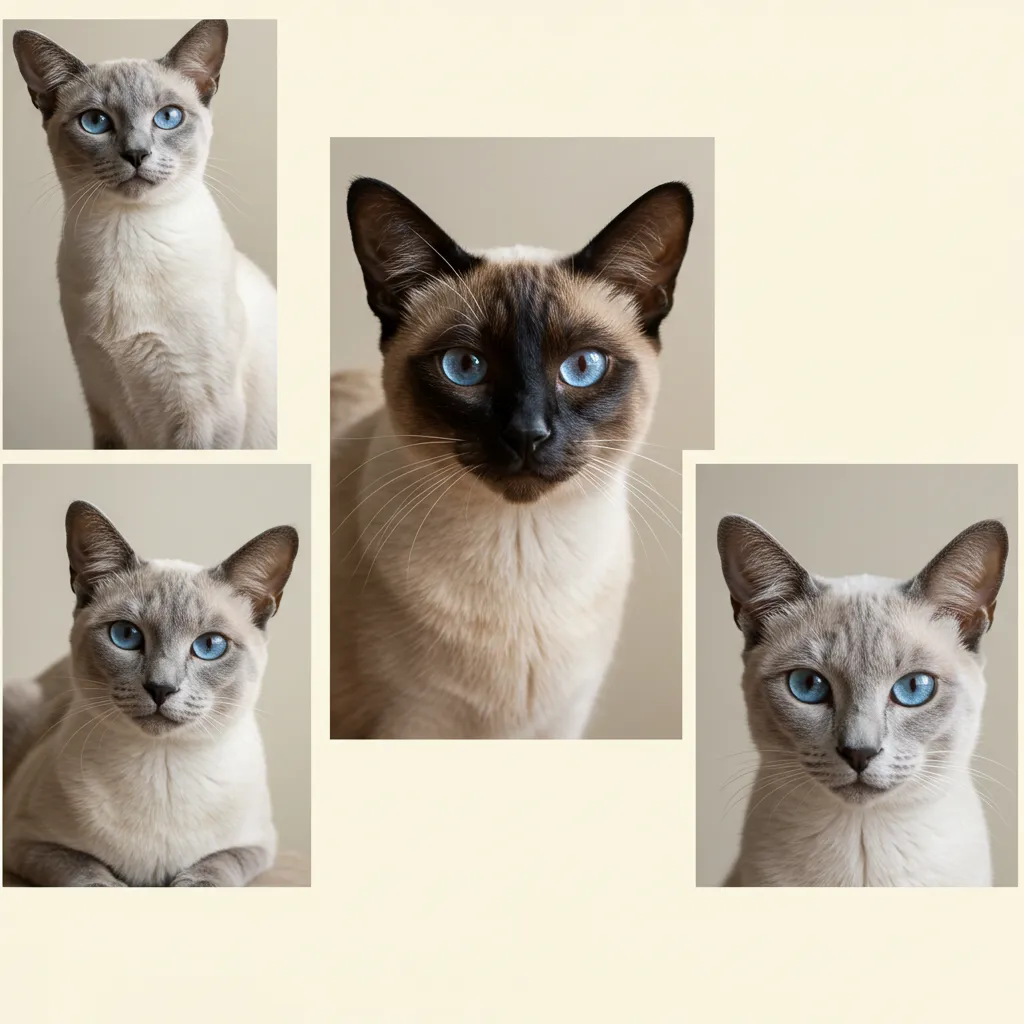
One of the most mesmerizing aspects of Siamese cats is their colorpoint pattern, a genetic marvel where darker shades appear on cooler body parts like ears, face, paws, and tail. This temperature-sensitive trait, caused by a mutation in the tyrosinase enzyme, means kittens are born pale and develop points as they age—often darkening in colder climates.
Siamese cat color patterns have expanded beyond the classic seal point (dark brown) to include over 30 variations, thanks to outcrossing with other breeds. Popular ones include:
| Color Pattern | Description | Example Traits |
|---|---|---|
| Seal Point | Dark brown points on a cream body | Classic, bold contrast |
| Blue Point | Gray-blue points with a pale body | Soft, elegant look |
| Chocolate Point | Milk-chocolate points | Warm, subtle tones |
| Lilac Point | Light gray-lavender points | Rare, ethereal vibe |
| Flame/Red Point | Orange-red points | Fiery, vibrant energy |
| Tortie Point | Mottled black, red, and cream | Sassy, multicolored females |
| Lynx/Tabby Point | Striped points | Wild, tiger-like patterns |
Siamese Cat Behavior: Playful, Curious, and Surprisingly Dog-Like
Siamese cat behavior often draws comparisons to dogs—why are Siamese cats like dogs? It’s their sociable, trainable nature and loyalty. They’ll fetch balls, greet you at the door, and even learn commands, blending feline independence with canine devotion.
Common behaviors include:
- Vocal Communication: They “talk” to express needs, boredom, or affection—think of it as their way of bonding.
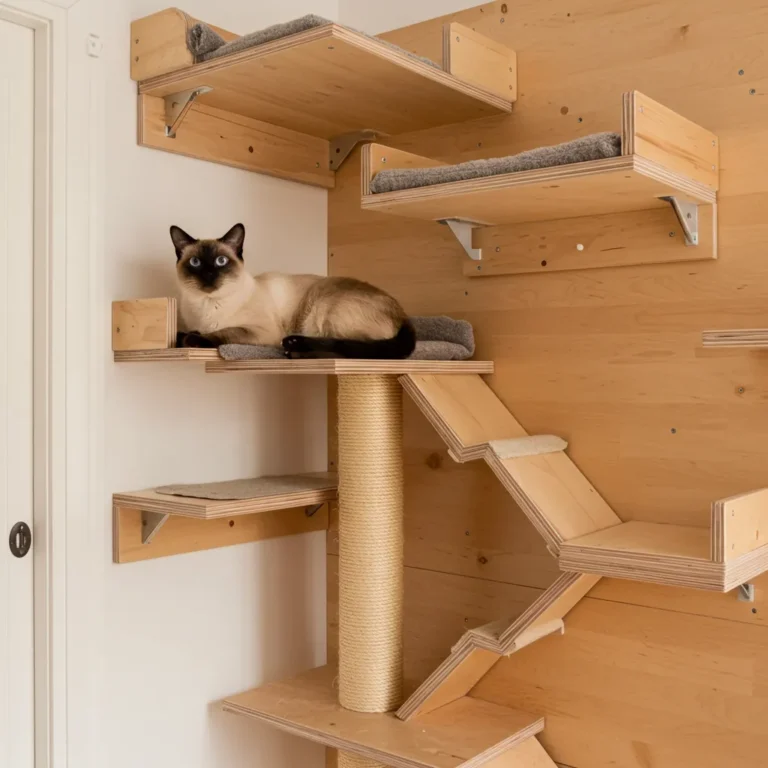
- Playful Antics: High-energy bursts involve zooming around or batting at toys; provide scratching posts to channel this.
- Clinginess: Siamese cat bonding behavior is intense; they hate being alone and may develop separation anxiety if ignored.
- Curiosity: They’ll investigate everything, from open drawers to your laptop keyboard.
In multi-pet homes, their outgoing demeanor shines, but introductions should be gradual to avoid stress.
Why Siamese Cats Are Popular in 2025: Topping Lists as Best Cat Breeds for Families
In 2025, Siamese cats remain among popular cat breeds, often ranking in the top 15 according to the Cat Fanciers’ Association and sites like Catster. Why Siamese cats are popular boils down to their adaptability—they’re great for apartments, families, and even as emotional support pets due to their empathetic nature.
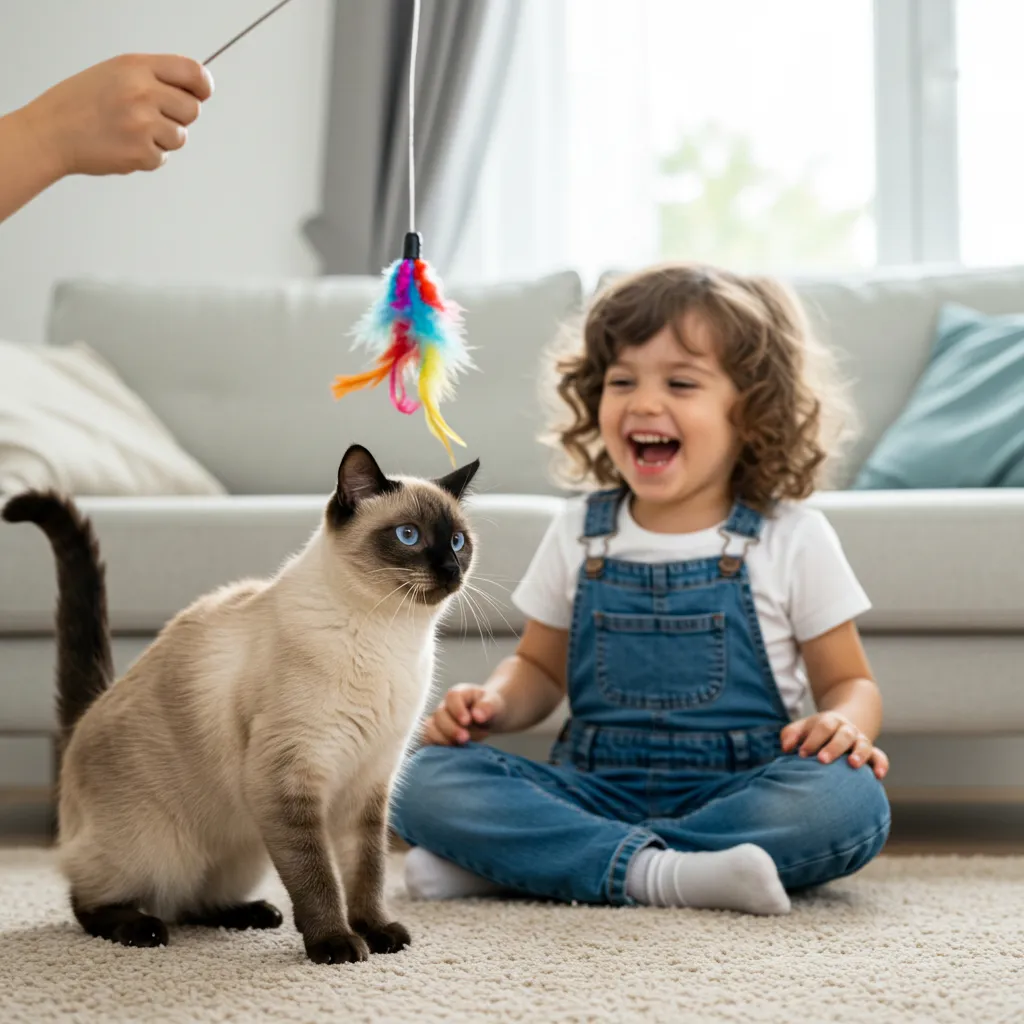
As best cat breeds for families, they tolerate kids well if socialized early, teaching children responsibility through play. Siamese vs other cat breeds? Unlike reserved Persians, Siamese are interactive; compared to energetic Bengals, they’re more affectionate without the wild streak.
Pros of Siamese for families:
- Gentle with children (supervised play recommended).
- Low shedding, easy grooming.
- Long lifespan (15-20 years).
Cons:
- Vocal tendencies may annoy in quiet homes.
- Need mental stimulation to prevent mischief.
[Related Post: Popular Cat Breeds 2025 Trends]
Are Siamese Cats Good Pets? Ideal for First-Time Owners and Emotional Support
Absolutely—Siamese cats as emotional support pets excel due to their intuitive affection, helping with anxiety through purring and companionship. For first-time owners, their intelligence makes training straightforward, but be prepared for their demands.
How to determine if a Siamese is right for you:
- Lifestyle Match: Best for active households; not ideal for frequent travelers.
- Commitment: They form deep bonds, so adoption is a long-term promise.
- Allergies: Short coat reduces dander, but test first.
Real example: A Reddit user shared how their Siamese helped through depression, always sensing when cuddles were needed.
Siamese Cats with Dogs: Fostering Friendships in Multi-Pet Homes
Do Siamese cats have better relationships with dogs than other breeds? Often yes—their dog-like traits make them compatible, especially with calm canines. Siamese cats with dogs can form playful bonds, chasing each other or snuggling.
Step-by-step introduction guide:
- Scent Swap: Exchange bedding to familiarize smells.
- Controlled Meets: Use leashes or gates for first encounters.
- Positive Reinforcement: Reward calm behavior with treats.
- Supervise Play: Monitor to prevent roughhousing.
- Provide Space: Ensure each has retreat areas.

Success stories abound; one owner noted their Siamese and Lab became inseparable playmates.
Caring for Siamese Cats: Diet, Grooming, and Daily Essentials
Caring for Siamese cats is straightforward but attentive. Their lean build requires a high-protein diet to maintain energy aim for 30-40% protein from quality sources like chicken or fish. Avoid overfeeding; portion control prevents obesity.
Grooming tips:
- Brush weekly to minimize shedding.
- Clean ears and trim nails monthly.
- Dental care: Use vet-approved brushes to combat plaque.
Daily routine: Interactive play (15-20 minutes), fresh water, and cozy spots for napping.
Training Siamese Cats: Easy Steps to a Well-Behaved Companion
Training Siamese cats leverages their smarts—use positive reinforcement like treats and clickers. Siamese cat care and training includes litter box habits (easy for tidy Siamese) and tricks like “sit” or “fetch.”
Step-by-step leash training:
- Introduce harness indoors.
- Reward calm wearing.
- Short outdoor walks, building duration.
- Praise profusely.
They respond best to consistency, turning potential mischief into fun skills.
Health Issues in Siamese Cats: Common Concerns and Proactive Care
Health and diet of Siamese cats differ due to genetic predispositions like respiratory issues, asthma, and progressive retinal atrophy. What are the health considerations for Siamese cats? Regular vet checkups catch early signs of heart, kidney, or dental problems.
Prevention table:
| Issue | Symptoms | Prevention |
|---|---|---|
| Respiratory Infections | Sneezing, wheezing | Vaccinations, clean environment |
| Amyloidosis | Weight loss, lethargy | Genetic testing, balanced diet |
| Dental Disease | Bad breath, drooling | Regular brushing, dental treats |
| Obesity | Lethargy, round belly | Portion control, exercise |
Conclusion: Why Siamese Cats Truly Are the Best—Your Next Step Awaits
From their ancient Thai origins to their spot on 2025’s popular cat breeds lists, Siamese cats shine as affectionate, intelligent, and versatile companions. Whether you’re drawn to their vocal personality, stunning color patterns, or dog-like loyalty, they offer unmatched bonding and joy. If you’re considering adoption, remember: Siamese thrive in loving, interactive homes.
Frequently Asked Questions About Siamese Cats
Are Siamese cats friendly?
Yes, Siamese cats are extremely friendly and affectionate, often seeking out human companionship and forming strong bonds.
Are Siamese cats good pets for families?
Absolutely—they’re playful and tolerant of children, making them one of the best cat breeds for families when properly socialized.
What are common health issues in Siamese cats?
They can face respiratory problems, dental issues, and genetic conditions like amyloidosis, but regular vet care keeps them healthy.
Siamese cat vs other cat breeds: What’s the difference?
Siamese stand out with their vocal, dog-like behavior and intelligence, unlike more independent breeds like British Shorthairs.
Why are Siamese cats so affectionate?
Their social nature and need for interaction make them crave affection, often leading to deep emotional bonds with owners.
Are Siamese cats suitable for first-time owners?
Yes, their trainability and affection make them great, but be ready for their vocal and energetic personality.