Do Siamese Cats Get Scared Easily? A Complete Guide to Understanding and Calming Your Siamese Cat
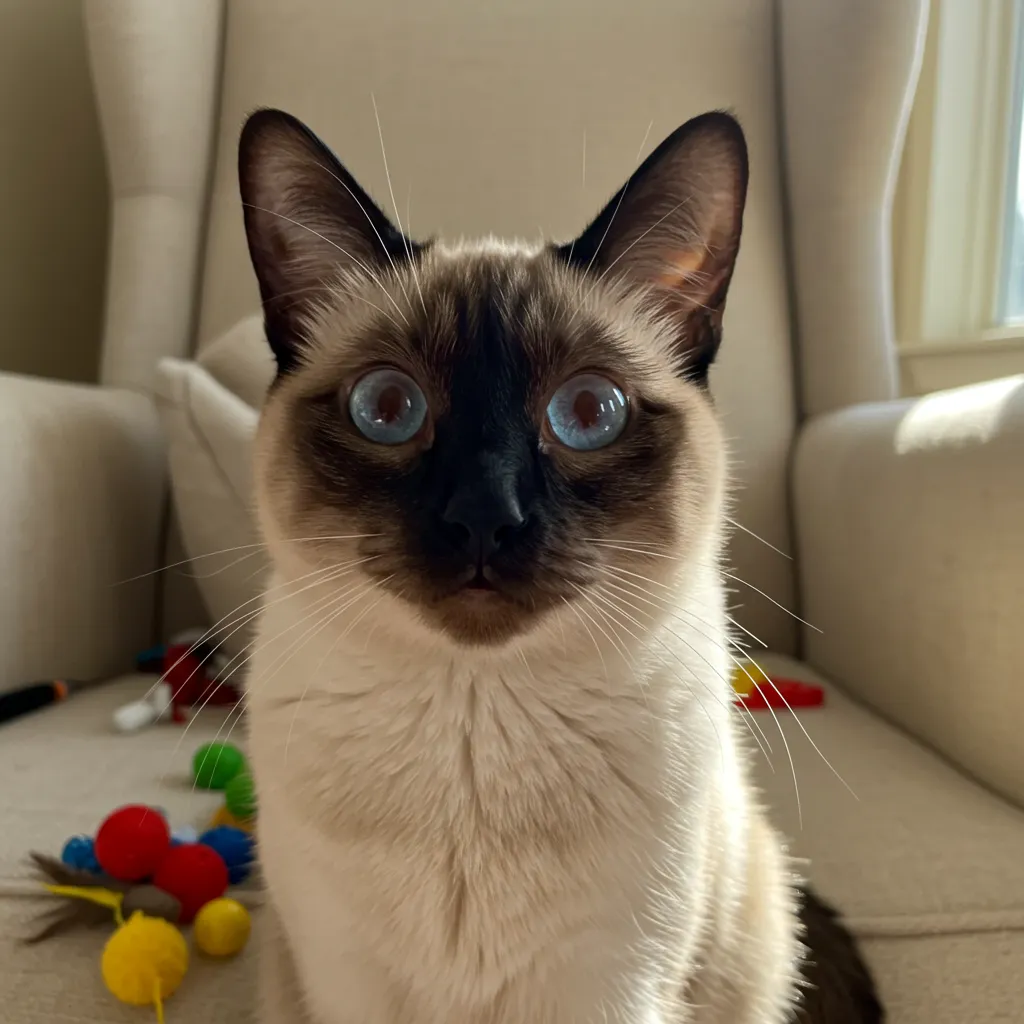
Siamese cats are known for their striking blue eyes, sleek coats, and vocal personalities, but many owners wonder: do Siamese cats get scared easily? If you’ve noticed your Siamese cat hiding under the couch at the sound of a vacuum or acting jumpy during a thunderstorm, you’re not alone.
These elegant felines can sometimes exhibit Siamese cat anxiety or skittish behavior, leaving owners puzzled about how to help. This comprehensive guide dives deep into Siamese cat behavior problems, explores why your cat might be jumpy, and offers actionable solutions to create a calmer, happier environment for your pet.
Whether you’re dealing with Siamese cat stress, hiding behavior, or just want to understand their unique personality, this article is your ultimate resource for mastering Siamese cat mental health.
Why Are Siamese Cats So Skittish? Exploring Their Unique Personality
Siamese cats are one of the most distinctive breeds, known for their intelligence, vocal nature, and strong bonds with their owners. But their Siamese cat personality also makes them prone to sensitivity. Unlike more laid-back breeds, Siamese cats are highly alert and reactive to their environment, which can manifest as skittish Siamese cats or even Siamese cat anxiety and stress. Let’s break down why this happens.
The Role of Genetics in Siamese Cat Behavior
Siamese cats have a genetic predisposition to heightened sensitivity. Their vocal and social nature stems from a long history of selective breeding, which emphasizes their expressive traits. This same sensitivity can make them more reactive to stimuli, leading to behaviors like Siamese cat fear of loud noises or hiding behavior.
- High alertness: Siamese cats are naturally curious and observant, which can make them hyper-aware of changes in their environment.
- Vocal expression: Their tendency to “talk” can amplify when they’re stressed, signaling discomfort or fear.
- Emotional depth: Siamese cats form strong attachments, which can lead to Siamese cats and separation anxiety if left alone for too long.
Comparing Siamese Cats to Other Breeds
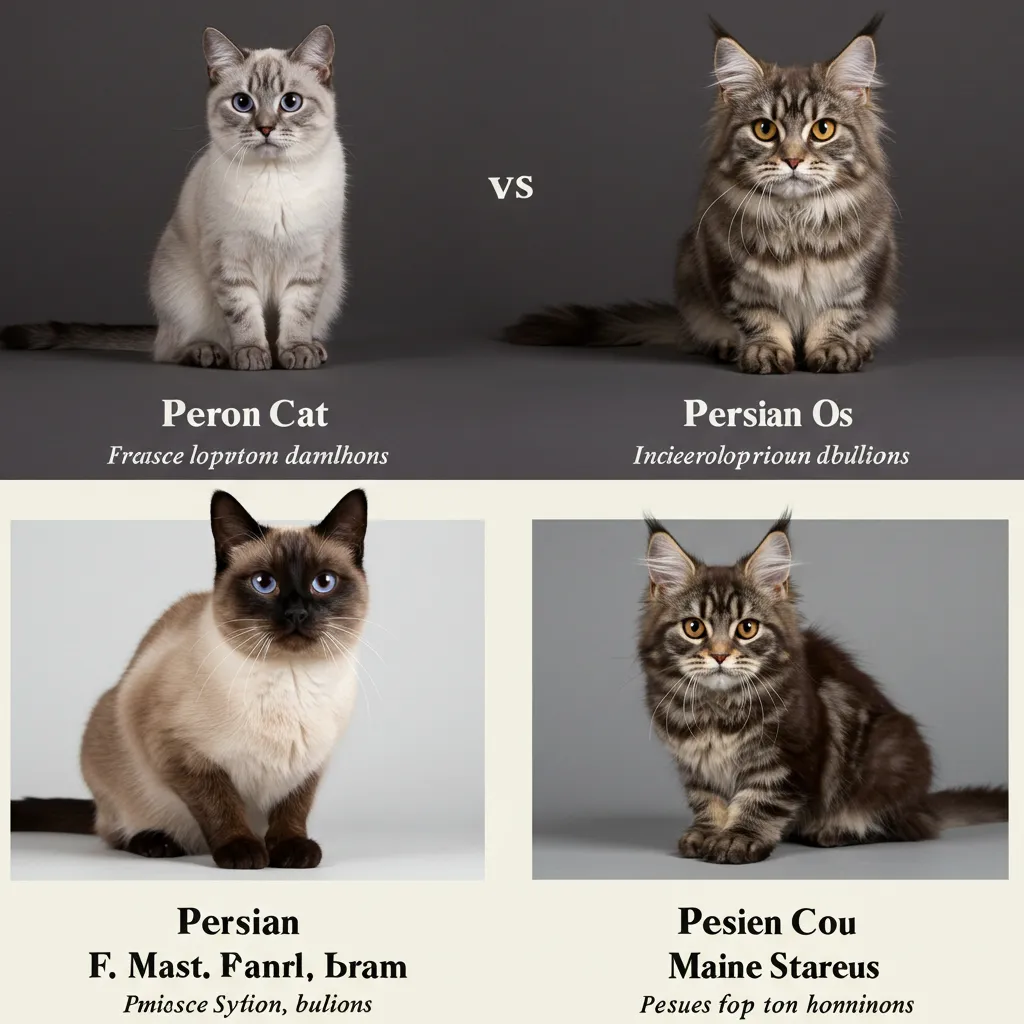
To understand why cats get scared easily, it’s helpful to compare Siamese cats to other breeds. Here’s a quick table outlining their skittishness relative to others:
| Breed | Skittishness Level | Key Traits |
|---|---|---|
| Siamese | High | Vocal, sensitive, highly social |
| Persian | Low | Calm, relaxed, less reactive |
| Maine Coon | Moderate | Friendly, adaptable, less prone to anxiety |
| Bengal | High | Energetic, curious, can be startled easily |
| Ragdoll | Low | Docile, easygoing, less sensitive to noise |
Siamese cats’ high skittishness stems from their active and alert nature, making them more likely to exhibit Siamese cat behavior problems compared to calmer breeds like Persians.
Common Triggers for Siamese Cat Anxiety and Stress
Understanding what sets off your Siamese cat’s anxiety is the first step to helping them. Here are the most common triggers for Siamese cat stress and skittish behavior:
- Loud Noises: From vacuum cleaners to thunderstorms, Siamese cat fear of loud noises is a frequent issue. Their sensitive hearing amplifies these sounds, causing stress.
- Environmental Changes: Moving furniture, new pets, or guests can disrupt their sense of security, leading to Siamese cat hiding behavior.
- Lack of Stimulation: Siamese cats are highly intelligent and need mental and physical activity. Boredom can lead to Siamese cat depression or anxiety.
- Separation Anxiety: Siamese cats crave companionship. Being left alone for long periods can trigger Siamese cats and separation anxiety.
- Unfamiliar People or Pets: Their strong territorial instincts can make them wary of strangers, contributing to Siamese cat behavior problems.
Real-Life Example: A Jumpy Siamese Named Luna
Take Luna, a three-year-old Siamese owned by Sarah from Seattle. Sarah noticed Luna would dart under the bed whenever the doorbell rang. After observing Luna’s Siamese cat hiding behavior, Sarah realized the issue wasn’t just the noise but also the arrival of unfamiliar delivery workers. By gradually desensitizing Luna to the doorbell sound and creating a safe space, Sarah reduced Luna’s Siamese cat anxiety significantly.
The Impact of Early Socialization on Siamese Cat Personality
Siamese cat socialization tips are critical because early experiences shape their behavior. Kittens exposed to various sounds, people, and environments between 2–7 weeks of age are less likely to develop skittish Siamese cats tendencies. Here’s how socialization impacts understanding Siamese cat personality:
- Positive Exposure: Introducing kittens to gentle handling, household noises, and other pets reduces fearfulness later in life.
- Missed Socialization: Cats that lack early exposure may develop Siamese cat behavior problems, such as excessive hiding or aggression when stressed.
- Ongoing Socialization: Even adult Siamese cats benefit from gradual introductions to new stimuli, helping curb Siamese cat anxiety.
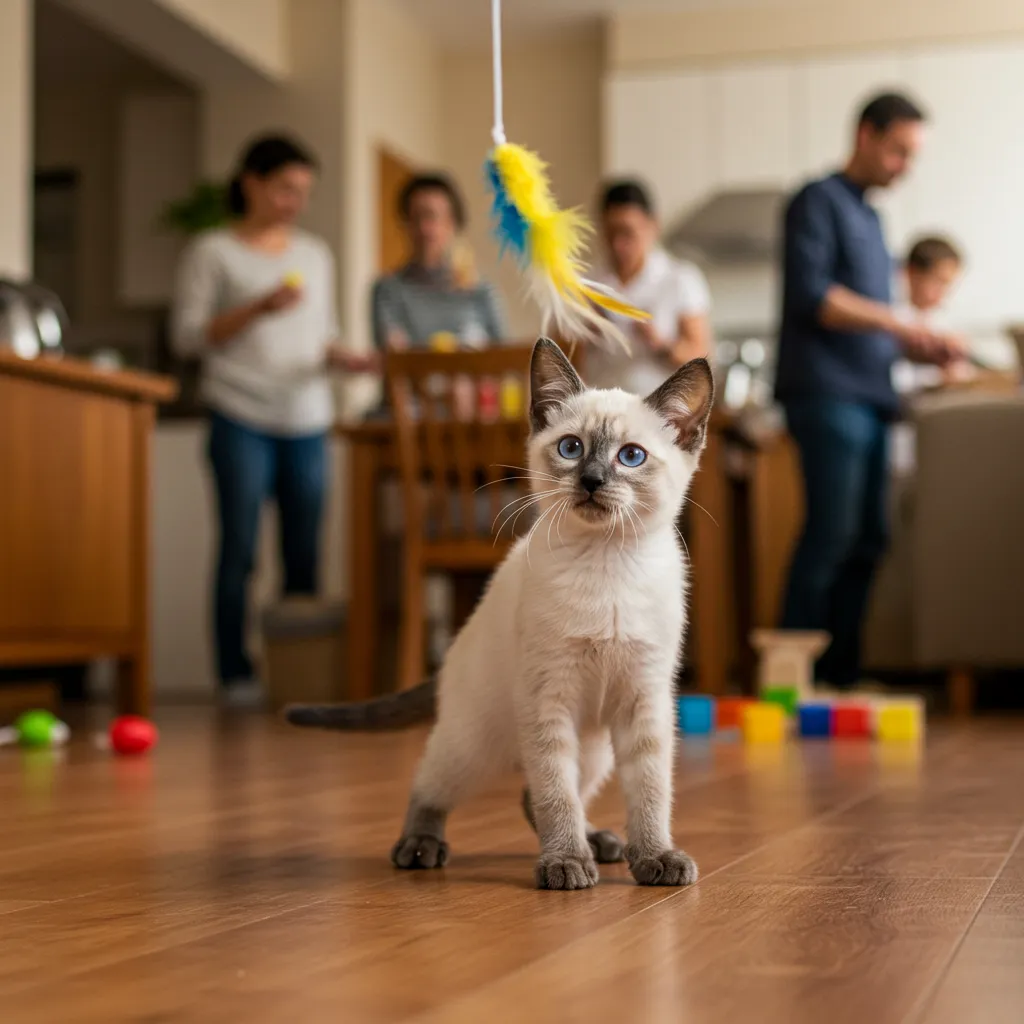
How to Socialize Your Siamese Cat
- Start Early: If you have a Siamese kitten, expose them to different sounds (e.g., doorbells, clapping) in a controlled, positive way.
- Use Treats: Pair new experiences with rewards like treats or playtime to create positive associations.
- Introduce Gradually: Bring in new people or pets slowly, allowing your cat to adjust at their own pace.
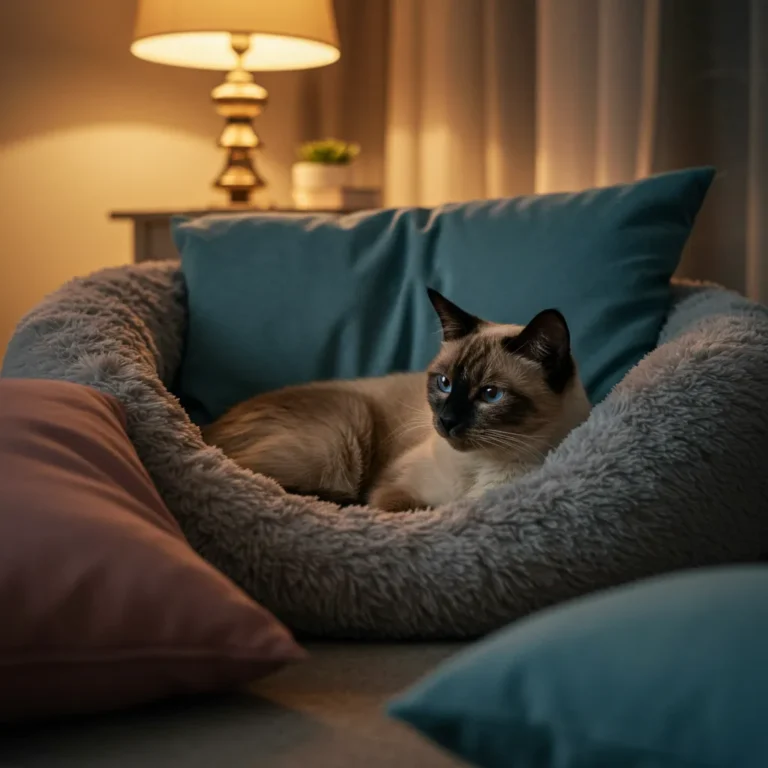
- Create Safe Spaces: Provide hiding spots like cat trees or cozy beds where your Siamese can retreat if overwhelmed.
Step-by-Step Guide: How to Calm a Siamese Cat
If you’re wondering how to calm a Siamese cat or how to make your Siamese cat less anxious, this detailed guide will help. Follow these steps to soothe your cat’s nerves and reduce Siamese cat stress:
- Identify Triggers
Observe when your cat shows cat anxiety signs and solutions, such as hiding, excessive meowing, or dilated pupils. Keep a journal to track patterns (e.g., Siamese cat fear of loud noises). - Create a Safe Environment
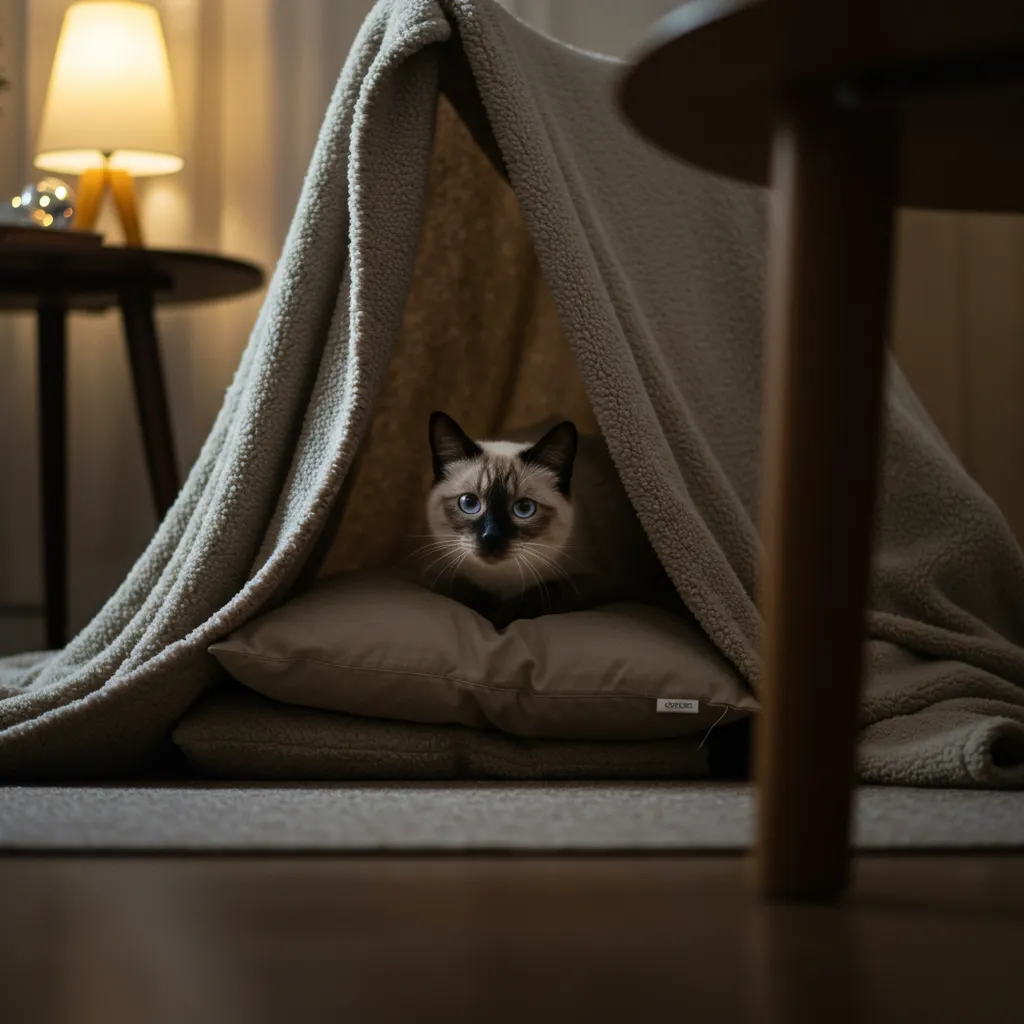
Set up a quiet, cozy space with a bed, blanket, or cat tree where your Siamese can retreat. This reduces Siamese cat hiding behavior and provides comfort. - Desensitize to Triggers
For issues like Siamese cat fear of loud noises, play recordings of the sound at a low volume, gradually increasing it while offering treats. This helps your cat associate the noise with positive experiences. - Provide Enrichment
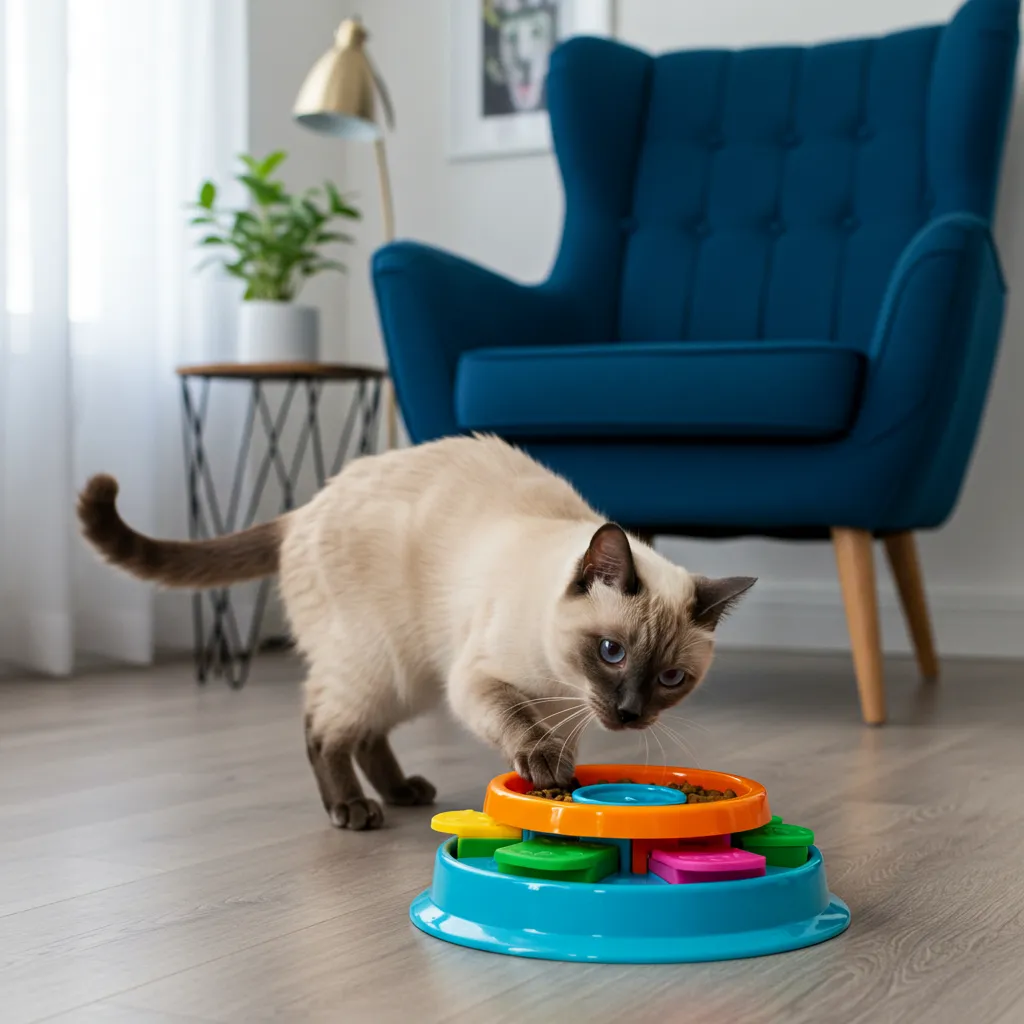
Siamese cats need mental stimulation. Use puzzle feeders, interactive toys, or laser pointers to keep them engaged and reduce Siamese cat depression. - Use Calming Aids
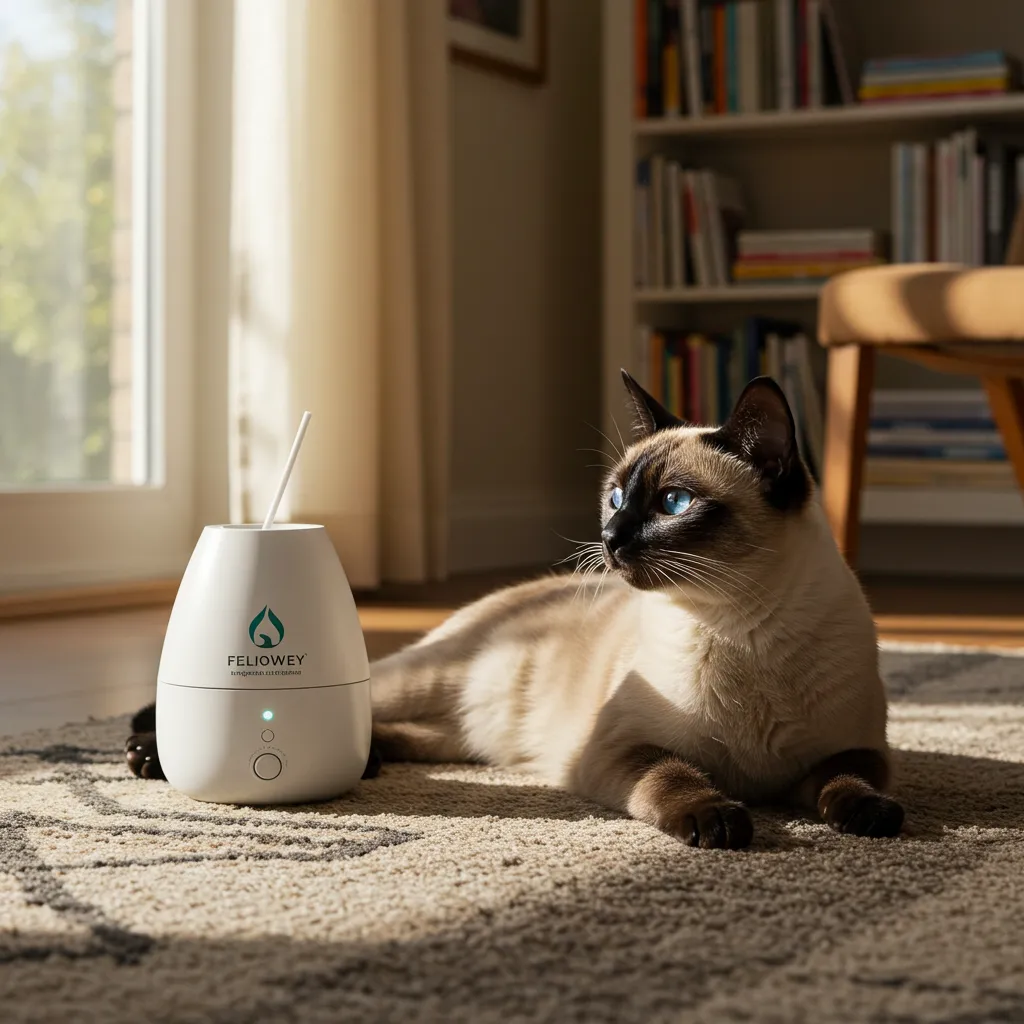
Products like Feliway diffusers or calming collars can help with Siamese cat anxiety and stress. Consult your vet before using supplements or medications. - Spend Quality Time
Siamese cats thrive on attention. Regular play and bonding sessions can prevent Siamese cats and separation anxiety and make them feel secure. - Consult a Vet
If your cat’s Siamese cat behavior problems persist, a vet can rule out medical issues or recommend a behaviorist for severe Siamese cat mental health concerns.
Pros and Cons of Calming Aids
| Calming Aid | Pros | Cons |
|---|---|---|
| Feliway Diffuser | Mimics calming pheromones, easy to use | May take weeks to show results |
| Calming Collars | Portable, long-lasting | Some cats dislike wearing collars |
| Anxiety Supplements | Natural ingredients, vet-approved options | Effectiveness varies, requires vet guidance |
Siamese Cat Mental Health: Addressing Anxiety and Depression
Siamese cats are emotional creatures, and prolonged stress can lead to Siamese cat depression or chronic anxiety. Signs include:
- Lethargy: Less interest in play or interaction.
- Appetite Changes: Eating too much or too little.
- Excessive Grooming: Over-grooming due to stress.
- Hiding or Aggression: Common signs of Siamese cat behavior problems.
Do Siamese Cats Get Lonely?
Yes, do Siamese cats get lonely is a valid concern. Their social nature means they crave interaction. Leaving them alone for extended periods can lead to Siamese cats and separation anxiety, manifesting as destructive behavior or excessive vocalization. To combat loneliness:
- Adopt a Companion: Another pet can provide company, but introduce them slowly.
- Interactive Toys: Automated toys or treat-dispensing devices keep them engaged.
- Check-Ins: If you’re away, ask a friend or pet sitter to visit.
How to Comfort a Scared Cat: Practical Tips for Siamese Owners
When your Siamese is scared, immediate action can help. Here’s how to comfort a scared cat:
- Stay Calm: Your cat picks up on your energy. Speak softly and move slowly.
- Offer a Safe Space: Place a blanket or bed in a quiet corner for Siamese cat hiding behavior.
- Use Distractions: Engage them with a favorite toy or treat to shift focus from the fear.
- Avoid Forcing Interaction: Let your cat come to you when they’re ready.
Case Study: Helping Max Overcome His Fear of Loud Noises
Max, a Siamese from Chicago, would panic during fireworks. His owner, Emily, used a combination of a Feliway diffuser, a cozy hiding spot, and gradual exposure to low-volume firework sounds. Over two months, Max’s Siamese cat fear of loud noises decreased, and he now stays calm during noisy events.
The Unique Personality Traits of Siamese Cats
Understanding Siamese cat personality is key to addressing their skittishness. Siamese cats are:
- Vocal: They “talk” to express emotions, from excitement to stress.
- Loyal: They form deep bonds, making them prone to Siamese cats and separation anxiety.
- Playful: Their high energy can sometimes be mistaken for skittishness but is often just enthusiasm.
By embracing these traits, you can tailor your approach to their needs, reducing Siamese cat behavior problems.
Siamese Cat Behavior Guide: Long-Term Strategies
For lasting results, incorporate these Siamese cat behavior guide tips into your routine:
- Consistent Routine: Feed, play, and interact at the same times daily to provide stability.
- Positive Reinforcement: Reward calm behavior with treats or praise.
- Regular Vet Checkups: Rule out health issues that could mimic Siamese cat anxiety.
- Mental Stimulation: Rotate toys and introduce new activities to prevent boredom.
FAQs About Siamese Cat Anxiety and Behavior
How do I make my skittish Siamese cat not anxious?
To reduce Siamese cat anxiety, create a calm environment, use desensitization techniques for triggers like loud noises, and provide enrichment. Calming aids like Feliway can help, but consult a vet for persistent issues.
Why is my Siamese cat hiding?
Siamese cat hiding behavior often stems from fear, stress, or environmental changes. Check for triggers like loud noises or new people, and offer a safe space like a cozy bed.
Can you leave Siamese cats alone?
Siamese cats can be left alone for short periods, but their social nature makes them prone to Siamese cats and separation anxiety. Provide toys and check-ins if you’re away for long.
Are Siamese cats emotional?
Yes, Siamese cats are highly emotional, forming strong bonds with owners. This can lead to Siamese cat depression or anxiety if they feel neglected or stressed.
Why is my Siamese cat jumpy?
Your Siamese may be jumpy due to Siamese cat fear of loud noises, environmental changes, or lack of stimulation. Identify triggers and use calming techniques to help.
Conclusion: Helping Your Siamese Thrive
Siamese cats are unique, sensitive, and full of personality, but their tendency to get scared easily can be managed with the right approach. By understanding Siamese cat personality, identifying triggers for Siamese cat anxiety, and using practical solutions like desensitization and enrichment, you can help your cat feel safe and secure. Whether it’s addressing Siamese cat fear of loud noises, curbing Siamese cat hiding behavior, or preventing Siamese cat depression, this guide equips you with everything you need to support your feline friend.