Why Is My Siamese Cat Hiding? Unraveling the Mystery Behind Siamese Cat Hiding Behavior
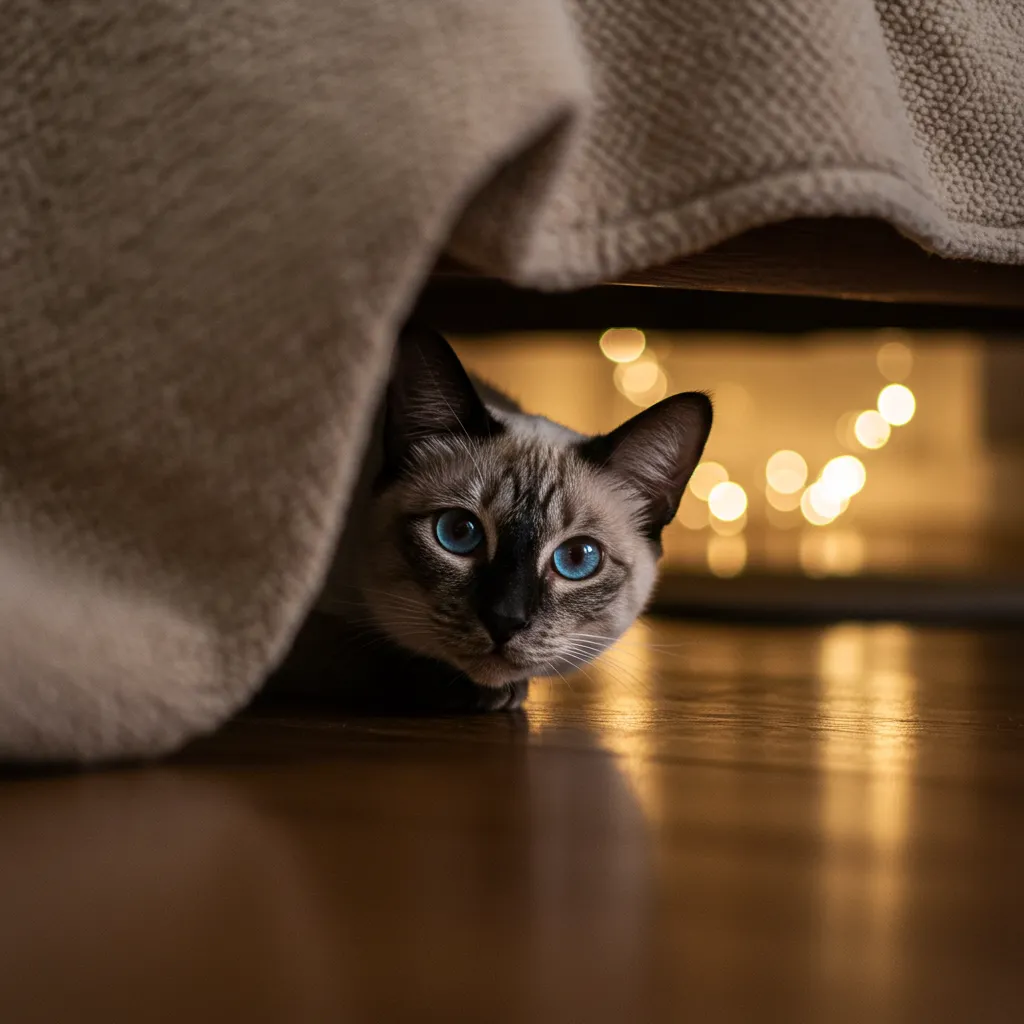
Picture this: You come home after a long day, excited to cuddle with your sleek, blue-eyed Siamese cat, only to find them vanished under the bed or tucked away in a closet. If you’re asking yourself, “Why is my Siamese cat hiding?” you’re not alone.
This sudden shift in behavior can be worrying, especially for such a typically outgoing and vocal breed. Whether it’s Siamese cat suddenly hiding, cat anxiety and hiding, or just general cat hiding behavior, understanding the root causes is key to helping your furry friend feel secure again.
As a seasoned cat owner and enthusiast who’s worked with veterinarians and studied feline behavior extensively, I’ve seen this scenario play out countless times. Siamese cats, with their unique personality traits, can be particularly prone to hiding due to stress, environmental changes, or health issues.
Understanding the Siamese Cat Personality: Why Hiding Might Be Part of It
Siamese cats aren’t your average felines—they’re often described as “dog-like” in their loyalty and affection. But this extroverted nature can make their hiding behavior even more puzzling. To grasp why your Siamese might be retreating, let’s start with their core traits.
Siamese cats are highly intelligent, social, and vocal, thriving on interaction with their owners. They’re known for following you around the house, “talking” with their distinctive meows, and demanding playtime. However, this sensitivity means they’re also more susceptible to stress in Siamese cats, which can manifest as hiding.
Key Personality Traits That Influence Hiding
- Affectionate but Needy: Siamese form strong bonds and can experience separation anxiety if left alone too long, leading to Siamese cat behavior problems like hiding when you’re away.
- Intelligent and Curious: Their smarts make them trainable, but boredom can cause weird behaviors, including retreating to safe spots.
- Vocal and Expressive: If your Siamese is suddenly quiet and hiding, it could signal distress— they’re not shy about voicing discomfort otherwise.
- Energetic and Playful: A drop in activity, like hiding instead of playing, might indicate underlying issues.
Real-life example: One owner shared on Reddit how their 4-year-old Siamese hid constantly after adopting another kitten, highlighting how social dynamics can trigger this. Understanding these traits helps differentiate normal “me-time” from problematic hiding.
Common Reasons Why Your Siamese Cat Is Suddenly Hiding
Cats hide for instinctual reasons—it’s a survival tactic from their wild ancestors. But for a Siamese cat suddenly hiding, it’s often tied to specific triggers. Here’s a breakdown of the most common culprits, based on veterinary insights and owner experiences.
Stress and Anxiety: The Top Culprit
Stress in Siamese cats is a big driver of hiding. These cats are sensitive to changes, and hiding helps them feel secure. Signs include trembling, withdrawal, or changes in activity.
- Environmental Changes: Moving to a new house? Loud noises? Cat hiding after moving to new house is classic—your Siamese might burrow under the bed to cope with the unfamiliar.
- Social Stress: New pets, visitors, or even family arguments can cause cat hiding from owner.
- Separation Anxiety: Siamese are prone to this, showing as hiding, excessive licking, or destructive chewing.
Pros of Addressing Stress Early:
- Prevents escalation to aggression or depression.
- Strengthens your bond.
Cons if Ignored:
- Could lead to chronic anxiety or health issues.
Fear or New Stimuli
Cat hiding due to fear or stress often stems from loud noises (like fireworks) or new environments. One X user described their Siamese hiding under a truck after a scare—fear makes them seek cover.
Age-Related Factors
How does a cat’s age influence its hiding behavior? Kittens hide for play, while seniors might due to pain or cognitive decline. A 13-year-old Siamese suddenly hiding could signal arthritis or illness.
Table: Age vs. Hiding Reasons
| Age Group | Common Hiding Reasons | What to Do |
|---|---|---|
| Kitten (0-1 year) | Exploration, play, fear of new home | Provide toys and gradual exposure |
| Adult (1-10 years) | Stress, boredom, social changes | Enrich environment, monitor health |
| Senior (10+ years) | Pain, illness, reduced mobility | Vet check-up, comfy hiding spots |
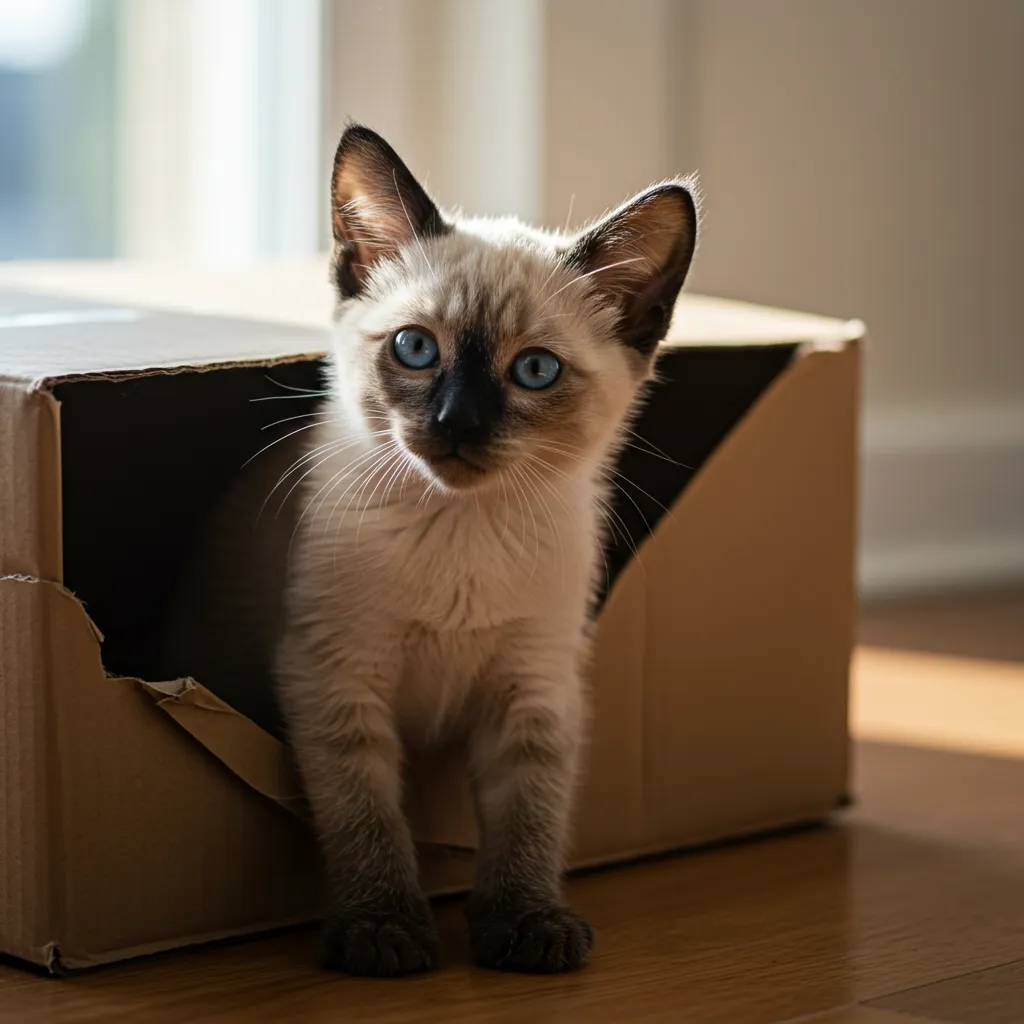
Signs of Stress in Cats: Spotting Anxiety in Your Siamese
Cat anxiety symptoms can be subtle, but hiding is a red flag. Siamese cats, being expressive, might show these alongside vocal changes.
- Behavioral Signs: Hiding under bed, cat hiding and not eating, lethargy.
- Physical Signs: Excessive grooming, dilated pupils, trembling.
- Siamese-Specific: Increased meowing or silence, which contrasts their chatty nature.
If your Siamese cat is acting weird—like hiding after being social—it could be Siamese cat depression or stress. Watch for these to act fast.
Is Your Cat Hiding or Is It Sick? Sick Cat Hiding Signs to Watch For
Cats are masters at masking illness, often hiding when sick to avoid vulnerability. Do cats hide when they are sick? Absolutely—it’s instinctual.
Key Sick Cat Hiding Signs
- Hiding + Not Eating: Cat hiding and not eating is a serious combo; could indicate kidney issues or infections.
- Lethargy and Withdrawal: Less play, more isolation.
- Changes in Grooming or Litter Use: Over-grooming or accidents.
- Physical Symptoms: Vomiting, weight loss, odd postures.
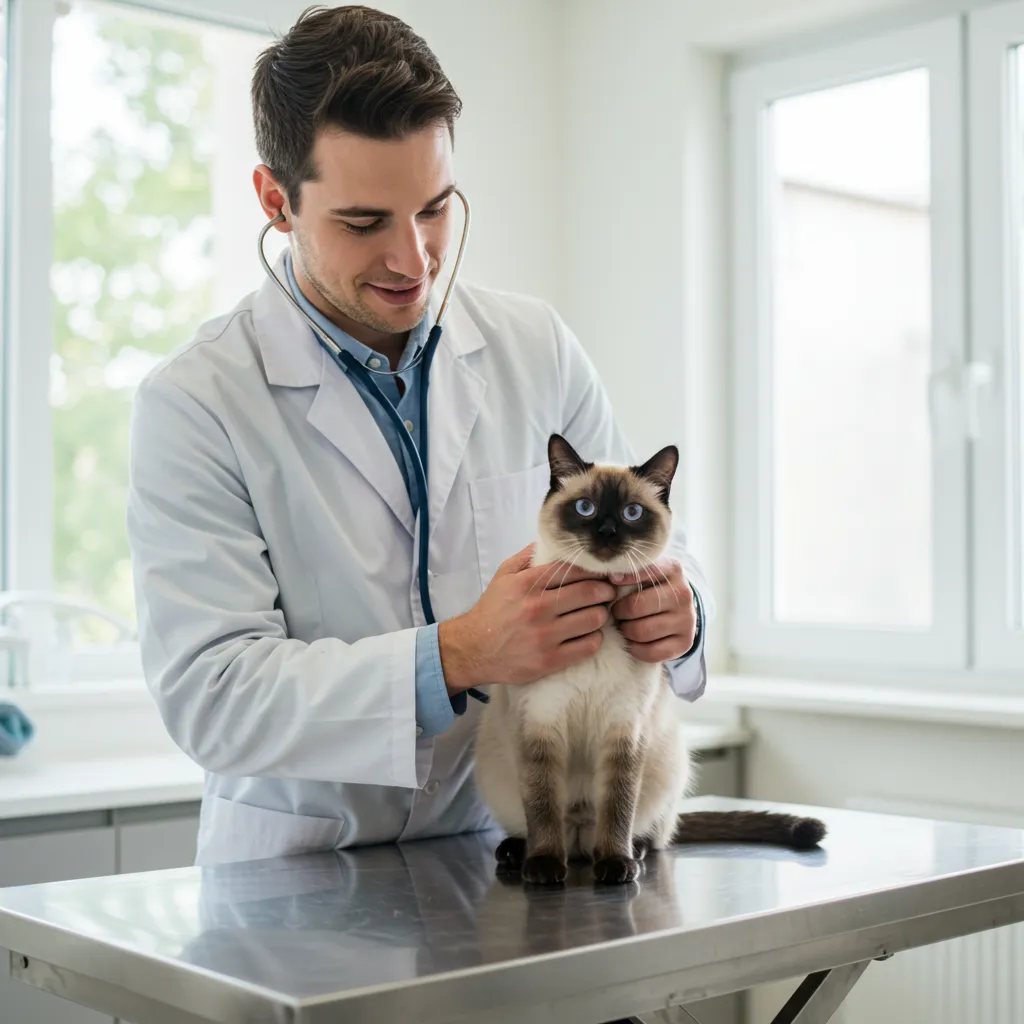
Real Example: An owner noticed their Siamese hiding more at age 13, leading to a vet diagnosis of pain from age-related issues. Should you let a sick cat hide? Yes, but monitor and seek vet care immediately.
The Role of the New Environment: Cat Hiding Due to Loud Noise or New House
Siamese cat hiding after moving to new house is common—their curiosity clashes with caution. Loud noises or new smells trigger cat hiding due to fear or stress.
Tips to Ease Transition:
- Use pheromone diffusers like Feliway.
- Gradual introductions to rooms.
- Maintain routines for food and play.
One Facebook group member shared how their Siamese hid post-move but emerged with calming aids.
Decoding the Hiding Spots: A Table of Common Places Cats Hide and What It Means
Cat hiding spots and behavior reveal a lot. Siamese often choose elevated or enclosed areas for security.
Table: Common Hiding Spots
| Spot | Why They Choose It | Potential Issue |
|---|---|---|
| Under Bed | Feels enclosed and safe | Stress or fear; easy access |
| In Closets | Dark, quiet, familiar scents | Anxiety; check for drafts |
| Behind Furniture | Quick escape route | Playful or mild stress |
| High Shelves | Observation point | Less common for hiding, more for perch |
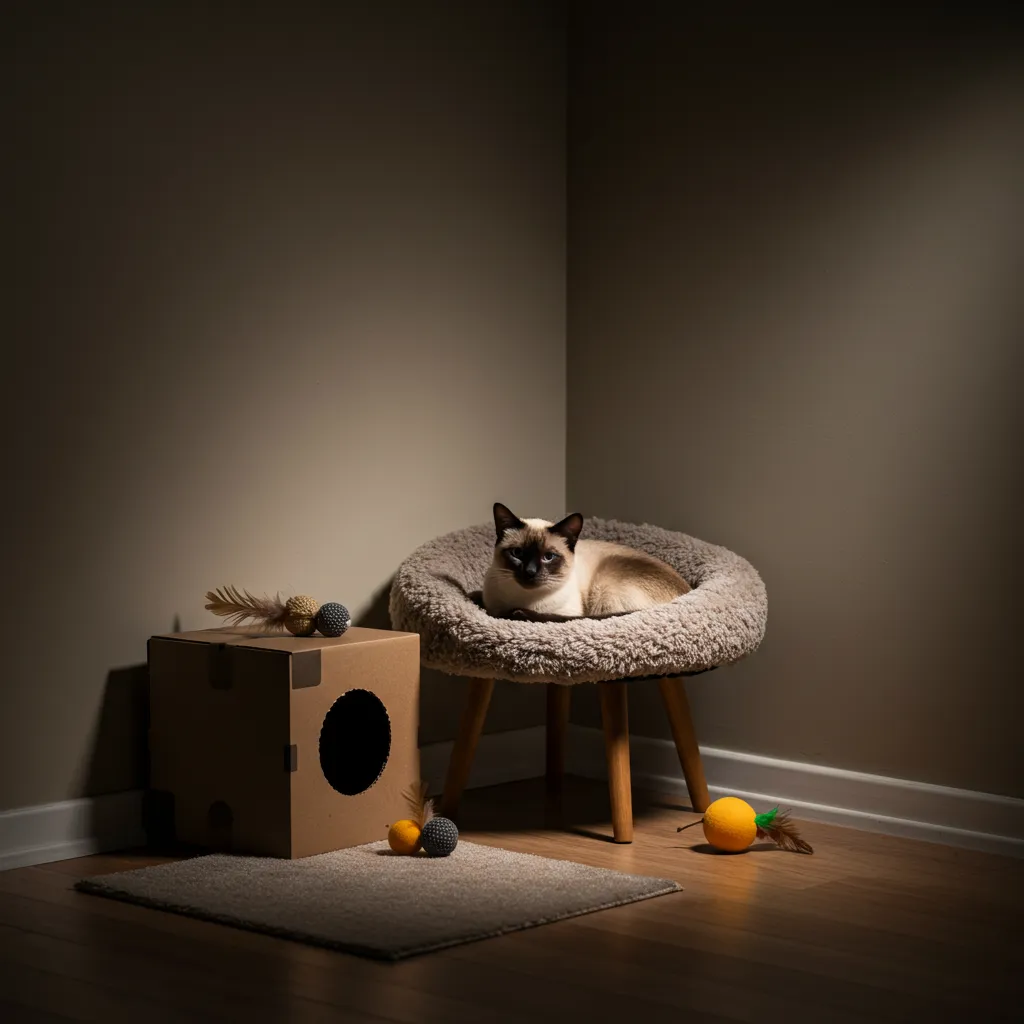
Step-by-Step Guide: How to Create a Safe Space for Cats
Creating a safe space reduces hiding by giving your cat a dedicated retreat.
- Choose the Room: Quiet, low-traffic area like a spare bedroom.
- Add Essentials: Litter box, food/water bowls (separate from litter), bed.
- Incorporate Comfort: Soft blankets, scratching posts, toys.
- Enhance with Pheromones: Plug in diffusers for calm.
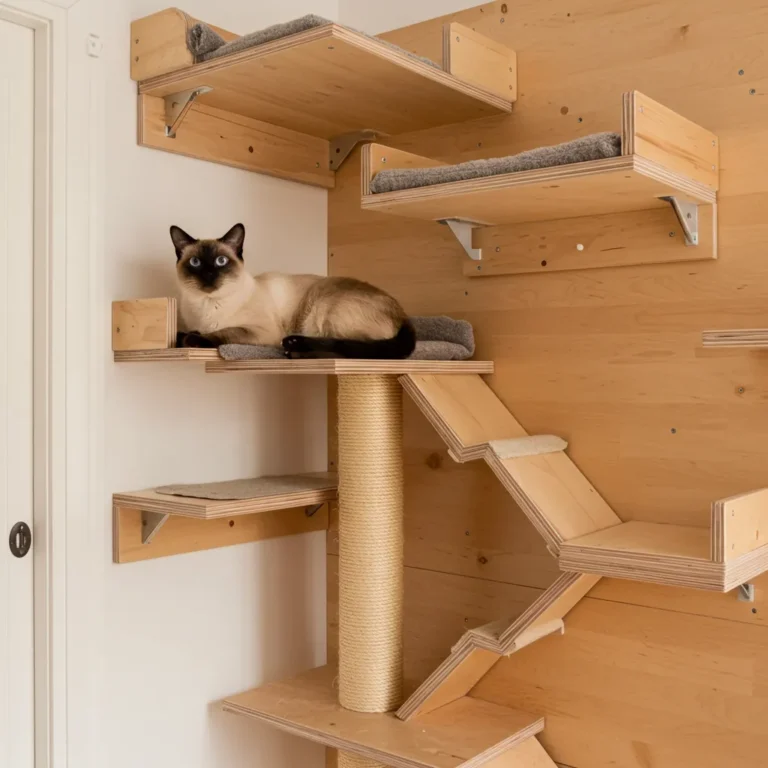
- Provide Hiding Options: Cardboard boxes or cat tunnels.
- Monitor and Adjust: Observe usage and tweak as needed.
This setup helped one adopted Siamese emerge from her crate faster.
How to Comfort a Stressed Cat: Practical Tips to Reduce Hiding
Wondering how to stop cats from hiding? Focus on comfort and enrichment.
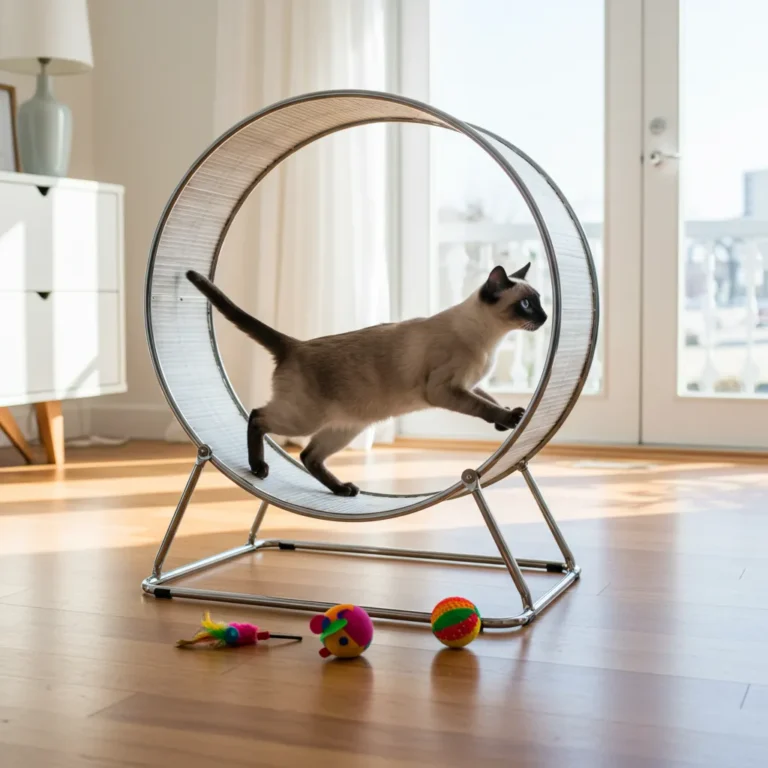
- Daily Play Sessions: 15-20 minutes with interactive toys to burn energy.
- Calming Aids: Feliway sprays, herbal remedies.
- Routine Stability: Consistent feeding and affection times.
- Gentle Handling: Avoid forcing interaction; let them come to you.
Pros/Cons of Pheromone Therapy:
- Pros: Non-invasive, effective for anxiety.
- Cons: Takes time to work; not a cure-all.
The Importance of Veterinary Check-ups for Hiding Cats
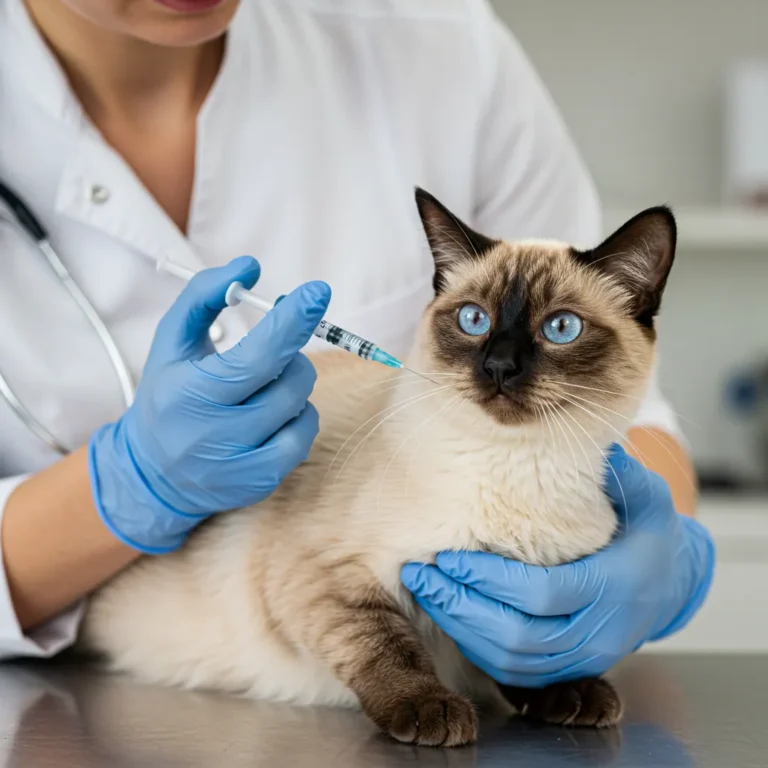
Vet check-up for cat anxiety is crucial if hiding persists. Rule out medical causes first—bloodwork can detect issues like hyperthyroidism, common in Siamese.
When to Go:
- Sudden onset.
- Accompanied by other symptoms like not eating.
- No improvement after home adjustments.
Siamese Cat Anxiety Treatment: From Home Remedies to Professional Help
For Siamese cat anxiety treatment, start mild:
- Home Remedies: Music, elevated perches.
- Medications: If severe, vets may prescribe anti-anxiety meds.
- Behaviorists: For chronic cases.
Boosting Your Cat’s Confidence: How to Stop Cats from Hiding Long-Term
Build trust with positive reinforcement. Reward emerging from hiding with treats. Enrich their world with puzzle feeders and vertical space.
Real Tip: One owner boosted confidence by gradual exposure to stressors, reducing Siamese cat behavior problems.
Frequently Asked Questions
Why is my cat hiding and acting weird?
Your cat might be stressed, sick, or adjusting to changes. Monitor for other signs and consult a vet if it persists.
Are Siamese cats prone to anxiety?
Yes, their social nature makes them sensitive to separation and changes, leading to anxiety.
Do cats hide when they are sick?
Absolutely—hiding is a common sign of illness in cats.
Should you let a sick cat hide?
Allow it for comfort, but ensure they’re eating/drinking and see a vet promptly.
Why do cats hide?
Instinct, stress, fear, or illness—it’s their way to feel safe.
For more, check [Related Post: Cat Behavior Guide for Owners] or visit ASPCA.
My Final Advice: Bringing Your Siamese Back to Their Playful Self
In summary, if you’re wondering “why is my Siamese cat hiding,” it’s often stress, fear, or health-related. By understanding their personality, spotting signs early, creating safe spaces, and seeking vet help when needed, you can alleviate cat anxiety and hiding. Remember, patience is key—your Siamese wants to be your shadow again.