How Often Should I Take My Siamese Cat to the Vet? Your Ultimate Guide to Keeping Your Chatty Feline Friend Healthy and Happy
Imagine this: Your sleek, blue-eyed Siamese cat is perched on the windowsill, meowing animatedly as if sharing the day’s gossip with you. These vocal, affectionate companions are more than just pets—they’re family members with personalities as big as their curiosity. But here’s the catch: Siamese cats, like all felines, can face unique health challenges that sneak up without warning. If you’re wondering, “How often should I take my Siamese cat to the vet?” you’re not alone. Many owners grapple with balancing busy lives and their cat’s needs, leading to missed check-ups that could prevent bigger issues down the line.
That’s where this guide comes in. As a dedicated cat enthusiast with years of experience researching and consulting on feline care (backed by insights from trusted sources like PetMD and the American Veterinary Medical Association), I’ve crafted this comprehensive article to be your one-stop resource. We’ll dive deep into Siamese cat vet visits, from tailored check-up schedules to spotting health red flags, vaccinations, diet tips, and more. By the end, you’ll have a clear cat wellness plan for 2025 and beyond, ensuring your Siamese thrives. Let’s get started—your furry friend deserves the best!
Recommended Siamese Cat Check-Up Schedule: From Kitten to Senior
Siamese cats are known for their longevity—often living 15-20 years—but regular vet visits are key to catching breed-specific issues early. Based on guidelines from veterinary experts, here’s a breakdown of Siamese cat check-up schedules. Remember, these are general recommendations; always consult your vet for personalized advice, especially if your cat has pre-existing conditions.
Kittens (0-1 Year): Frequent Visits for a Strong Start
Siamese kittens are bundles of energy, but they’re also vulnerable to infections and developmental issues. Aim for vet visits every 3-4 weeks until about 16-20 weeks old. This aligns with their vaccination boosters and allows for monitoring growth.
- First visit (6-8 weeks): Initial exam, deworming, and first vaccines.
- Follow-ups: Every 3-4 weeks for boosters, flea prevention, and early socialization tips.
- Why so often? Siamese kitten care involves watching for respiratory problems, common in the breed due to their narrow nasal passages.
Adult Cats (1-10 Years): Annual Wellness Exams
Once your Siamese hits adulthood, shift to yearly check-ups. This is prime time for maintaining cat health maintenance and preventing issues like dental disease.
- Annual routine: Full physical, bloodwork (if recommended), weight check, and discussions on Siamese cat diet.
- Tip: If your cat is indoor-only, annual might suffice; outdoor adventurers may need biannual visits for parasite checks.
Seniors (10+ Years): Biannual or More
Senior Siamese cat care ramps up with age. These cats may develop arthritis or kidney issues, so vets often suggest exams every 6 months.
- Focus areas: Blood tests for organ function, joint assessments, and tailored nutrition.
- Real-life example: My friend’s 14-year-old Siamese caught early hyperthyroidism during a routine senior check, extending her quality life by years.
| Age Group | Frequency | Key Focus |
|---|---|---|
| Kitten (0-1 year) | Every 3-4 weeks | Vaccinations, deworming, growth monitoring |
| Adult (1-10 years) | Annually | Wellness check-up, dental care, diet review |
| Senior (10+ years) | Every 6 months | Bloodwork, joint health, chronic issue management |
Common Siamese Cat Health Issues: What to Watch For and Prevention Tips
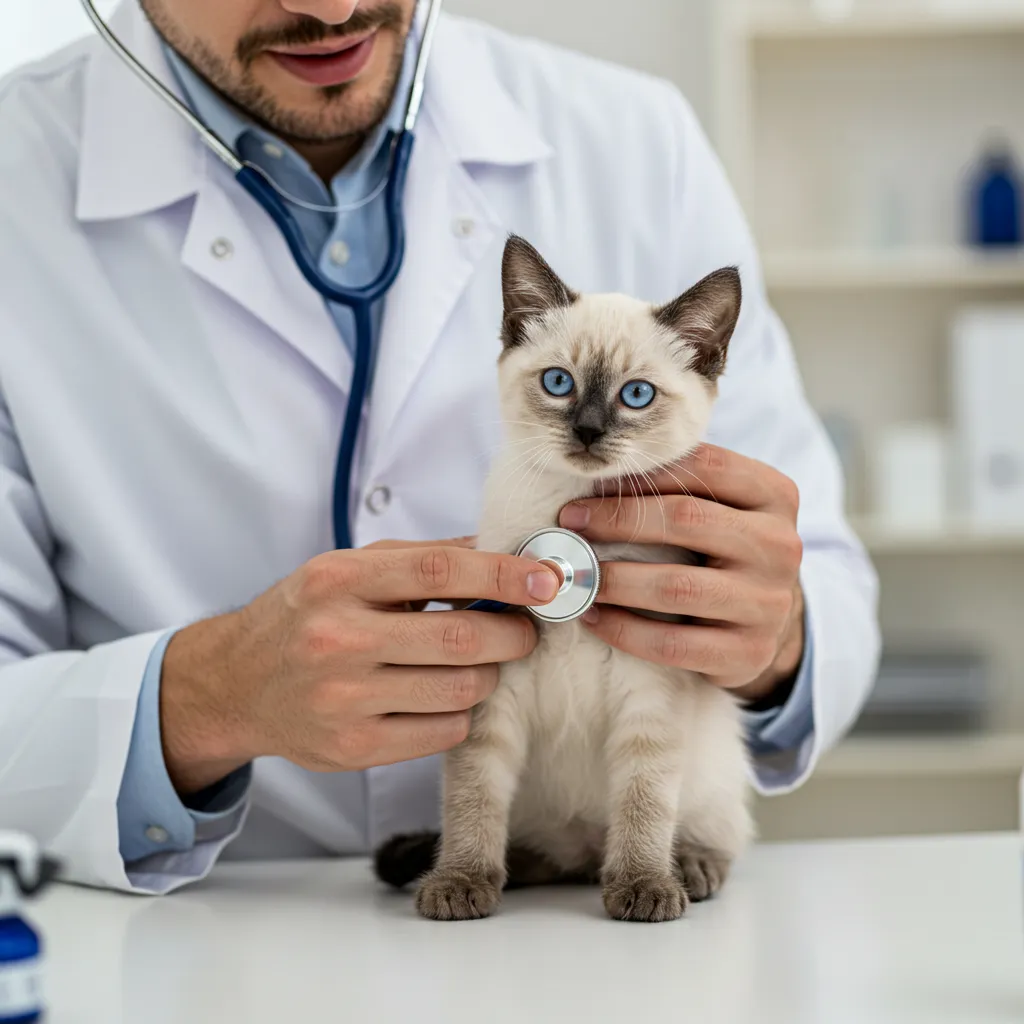
Siamese cats are generally hardy, but their genetics predispose them to certain problems. Knowing these Siamese cat health issues can help you act fast.
- Respiratory infections and asthma: Their flat faces make them prone to upper respiratory issues. Symptoms include wheezing or sneezing. Prevention: Keep air clean and avoid smoke.
- Dental problems: Gingivitis and periodontal disease are rampant. Regular cat dental care tips at home, like brushing, can help.
- Eye issues: Progressive retinal atrophy (PRA) can lead to vision loss. Annual eye checks are crucial.
- Hip dysplasia and amyloidosis: Joint pain or organ buildup—watch for limping or lethargy.
- Cancer and intestinal issues: Siamese have a higher risk; early detection via vet visits is key.
Essential Siamese Cat Vaccinations: Updated Schedule for 2025
Vaccinations are a cornerstone of cat health maintenance. For Siamese cats, who may be more susceptible to infections, staying current is non-negotiable. Here’s the cat vaccination schedule, with 2025 updates noting potential boosters for emerging strains.
Core Vaccines
- FVRCP (Feline Viral Rhinotracheitis, Calicivirus, Panleukopenia): Start at 6-8 weeks, boosters every 3-4 weeks until 16 weeks, then every 1-3 years.
- Rabies: First at 12-16 weeks, then annually or every 3 years (state-dependent).
Non-Core (Based on Lifestyle)
- FeLV (Feline Leukemia): For outdoor cats; initial series, then annual.
- 2025 Updates: Watch for new calicivirus variants; vets may recommend an extra booster if outbreaks occur.
| Vaccine | Kitten Schedule | Adult Booster |
|---|---|---|
| FVRCP | 6-8, 10-12, 14-16 weeks | Every 3 years |
| Rabies | 12-16 weeks | Annually/3 years |
| FeLV | 8-12 weeks + booster | Annual for at-risk |
What happens if you haven’t vaccinated your cat? Risk of fatal diseases like panleukopenia. Always prioritize cat vaccination updates 2025.
Step-by-Step Siamese Cat Health Check Checklist at Home
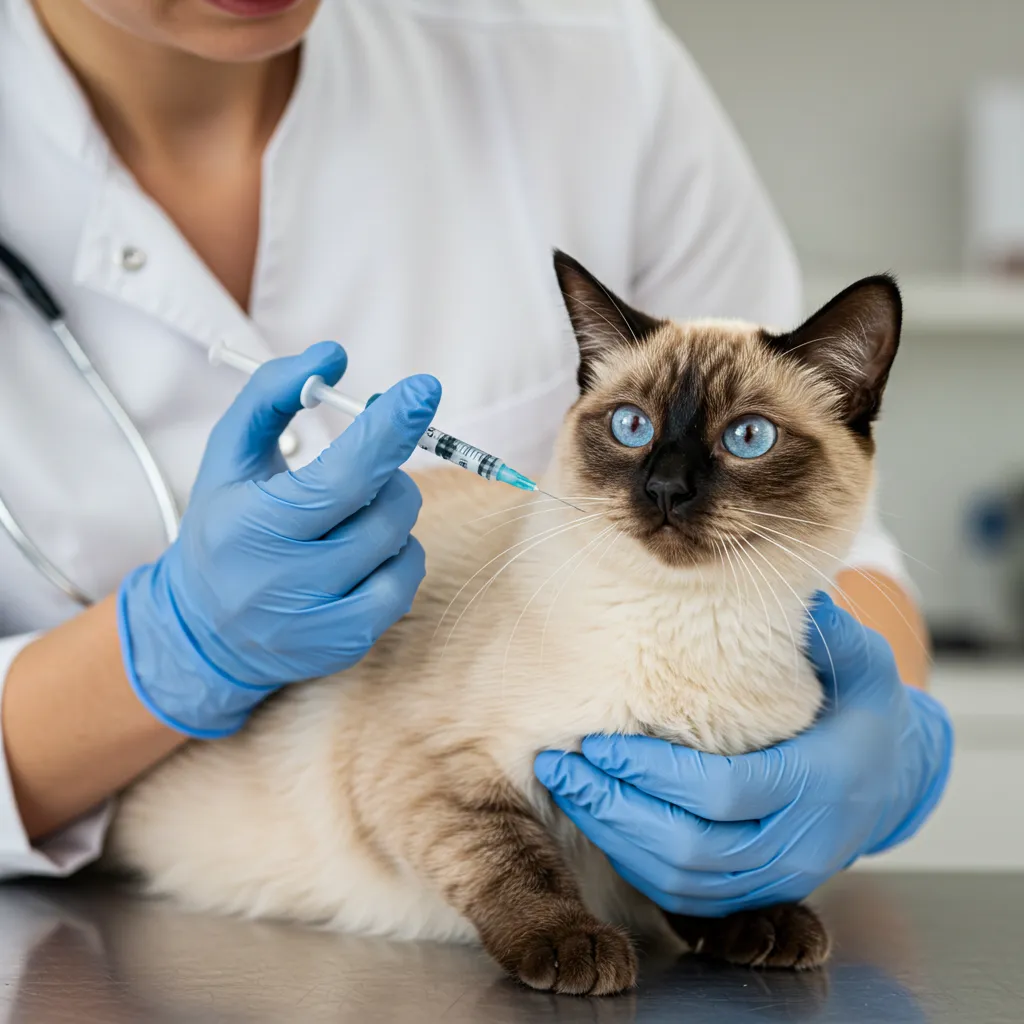
You don’t need a vet degree to monitor your cat’s health between visits. Use this Siamese cat health check checklist weekly.
- Eyes and Ears: Check for discharge or redness. Clean gently with a damp cloth.
- Mouth and Teeth: Look for bad breath or swollen gums—signs of dental issues.
- Coat and Skin: Feel for lumps; brush to check for fleas.
- Weight and Body: Weigh monthly; Siamese should be lean (6-14 lbs).
- Behavior: Note changes in appetite or play—key Siamese cat health tips.
- Litter Box: Monitor urine/stool for abnormalities.
Example: If your cat’s eyes are watery, it could tie into their respiratory vulnerabilities. Track in a journal for vet shares.
Understanding Siamese Cat Personality: Behavior, Play, and Enrichment
Siamese cats are extroverts—vocal, playful, and bond deeply. But boredom leads to mischief. Incorporate cat behavior and play enrichment daily.
- Daily Play: 15-30 minutes with feather wands or lasers to mimic hunting.
- Enrichment Ideas: Puzzle feeders, scratching posts, and window perches.
- Tips: Rotate toys to prevent boredom; Siamese thrive on interaction.
Are Siamese cats high maintenance? Not really—just engaging!
Signs Your Siamese Cat May Be Feeling Unwell: When to Rush to the Vet
How do I know if my cat should go to the vet? Look for these red flags:
- Lethargy or hiding.
- Changes in appetite or weight.
- Excessive meowing (beyond their chatty norm).
- Breathing difficulties—common in Siamese.
- Vomiting, diarrhea, or litter box avoidance.
Real example: A subtle cough in a Siamese turned out to be asthma; early intervention made all the difference.
The Importance of Regular Vet Visits for Feline Wellness
Regular vet visits aren’t just check-ups—they’re your cat’s lifeline. They catch issues early, update vaccinations, and tailor a cat wellness routine. Studies show cats with annual exams live longer. For Siamese, this means addressing breed-specific risks head-on.
Best Diet for Siamese Cats in 2025: Nutrition, Feeding, and Tips
Siamese cats need a high-protein diet to fuel their activity. The best diet for Siamese cats 2025 emphasizes quality ingredients.
- Protein Focus: At least 40% animal-based (chicken, fish).
- Portions: 20-30 calories per pound daily; two meals to prevent obesity.
- Brands: Royal Canin Siamese or Hill’s Science Diet for breed-specific formulas.
- Supplements: Omega-3 for coat health.

Cat diet and nutrition tip: Wet food for hydration, especially for respiratory-prone Siamese.
Preventing Common Infectious Diseases in Siamese Cats
Beyond vaccines, hygiene matters. Keep vaccinations current, isolate new pets, and maintain clean environments to prevent diseases like calicivirus.
Play and Exercise: The Role of Toys in Your Siamese Cat’s Health
Active play reduces stress and obesity. Use interactive toys like food puzzles for mental stimulation. Siamese love chase games—aim for daily sessions.
Senior Siamese Cat Care: Special Attention for Aging Gracefully
As your Siamese ages, adapt with softer beds, joint supplements, and lower litter boxes. Focus on kidney-friendly diets and gentle play.
Why Regular Litter Box Cleaning Is Essential for Siamese Cat Health
Litter box hygiene prevents UTIs and stress. Scoop daily, deep clean weekly. Siamese are picky—dirty boxes lead to avoidance.
Cat Grooming and Dental Care Tips at Home: Easy Routines
Brush weekly to reduce shedding. For dental: Use cat toothbrushes with enzymatic paste 2-3 times weekly. Alternatives: Dental treats or water additives.
Holistic Cat Health Care: Natural Supplements and Wellness Plans
Complement vet care with holistic approaches. Natural supplements for cats like milk thistle for liver or catnip for stress. Always vet-approved for safety.
Frequently Asked Questions
Are Siamese cats high maintenance?
No, but they crave attention and a consistent routine for optimal health.
Do Siamese cats need vaccines?
Yes, core vaccines like FVRCP and rabies are essential.
How do you keep a Siamese cat healthy?
Regular vet visits, balanced diet, play, and hygiene—follow our cat wellness plan 2025.
What happens if you haven’t vaccinated your cat?
Increased risk of deadly diseases; catch up with your vet ASAP.
How do I know if my cat should go to the vet?
Any sudden changes in behavior, eating, or elimination warrant a visit.
My Final Advice: Prioritize Your Siamese Cat’s Health Today
Wrapping up, answering “How often should I take my Siamese cat to the vet?” depends on age and health, but consistency is key—from monthly kitten checks to biannual senior exams. By following this guide’s tips on vaccinations, diet, play, and more, you’ll ensure a long, vibrant life for your Siamese. Remember, proactive care beats reactive fixes every time.