How to Make a Nursing Cat Gain Weight: A Complete Guide to Fattening Up Your Lactating Feline Safely
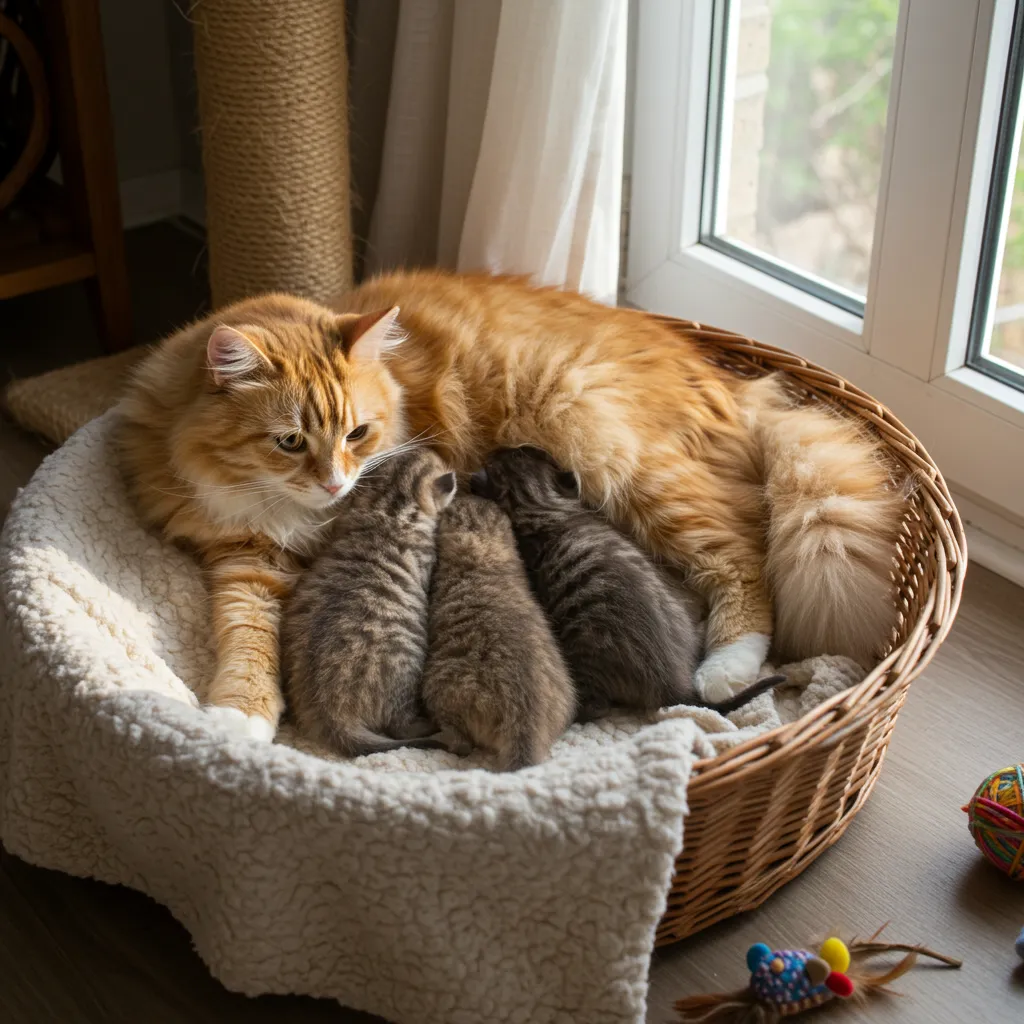
As a cat owner who’s navigated the joys and challenges of feline motherhood firsthand, I know how heartbreaking it can be to see your nursing cat looking a bit too slender while she’s pouring all her energy into feeding her kittens. If you’re searching for “how to make a nursing cat gain weight,” you’re in the right place.
Nursing cats have skyrocketing nutritional demands—up to three times their normal calorie intake—to support milk production and maintain their own health. Done wrong, attempts to fatten her up can lead to issues like bloating or nutrient imbalances. But with the right approach, you can help her regain weight safely, boost her milk supply, and ensure her kittens thrive.
In this comprehensive guide, we’ll cover everything from preparing for birth to post-weaning care. You’ll learn practical nursing cat feeding tips, high-calorie food options (including homemade recipes), and how to monitor progress. By the end, you’ll have a step-by-step plan to transform your underweight mama cat into a healthy, vibrant queen. Let’s dive in and give your cat the nourishment she deserves.
Key Takeaways
- Prioritize High-Calorie Diets: Switch to kitten-formulated foods during pregnancy and lactation for optimal weight gain in nursing cats—aim for 25-50% more calories in pregnancy and up to 2-3 times during peak nursing.
- Free-Choice Feeding Works Wonders: Allow unlimited access to food for lactating cats to meet their energy needs without overfeeding risks.
- Monitor Weight Weekly: Track your cat’s weight and kitten growth to catch issues early; consult a vet if she loses more than 10% of her body weight.
- Incorporate Homemade Boosts: Use vet-approved homemade food for lactating cats, like protein-packed recipes, to supplement commercial diets and promote healthy weight gain.
- Gradual Weaning is Key: Start weaning kittens at 4 weeks to ease the burden on the mother cat, reducing her calorie needs over time.
- Avoid Common Pitfalls: Don’t rely on adult cat food or skip vet check-ups—proper mother cat nutrition prevents health complications.
- Post-Pregnancy Focus: Transition to a balanced cat weight management plan after weaning to maintain her ideal weight long-term.
Understanding the Challenges of Nursing Cat Care
Nursing a litter is like running a marathon for your cat. Her body ramps up milk production, which can drain her reserves and lead to weight loss if her diet isn’t adjusted. Signs of an underweight nursing cat include visible ribs, lethargy, or reduced milk output, which can affect kitten health. The good news? With targeted feeding for nursing cats, you can help her gain weight while supporting lactation.
Factors like litter size (larger litters mean higher demands), her pre-pregnancy health, and stress play roles. Always start with a vet visit to rule out underlying issues like parasites or infections. Explore our detailed guide on finding the best vet for your cat to ensure expert care from the start.
Preparing for Birth and Motherhood
Before kittens arrive, set the stage for success. A well-prepared environment reduces stress, helping your pregnant cat conserve energy for weight gain.
Creating a Safe Nesting Space
Choose a quiet, warm spot away from household chaos. Use a large box lined with soft blankets—avoid deep beds where kittens could get trapped. Keep the area at 75-80°F to prevent chills, which can spike her calorie burn.
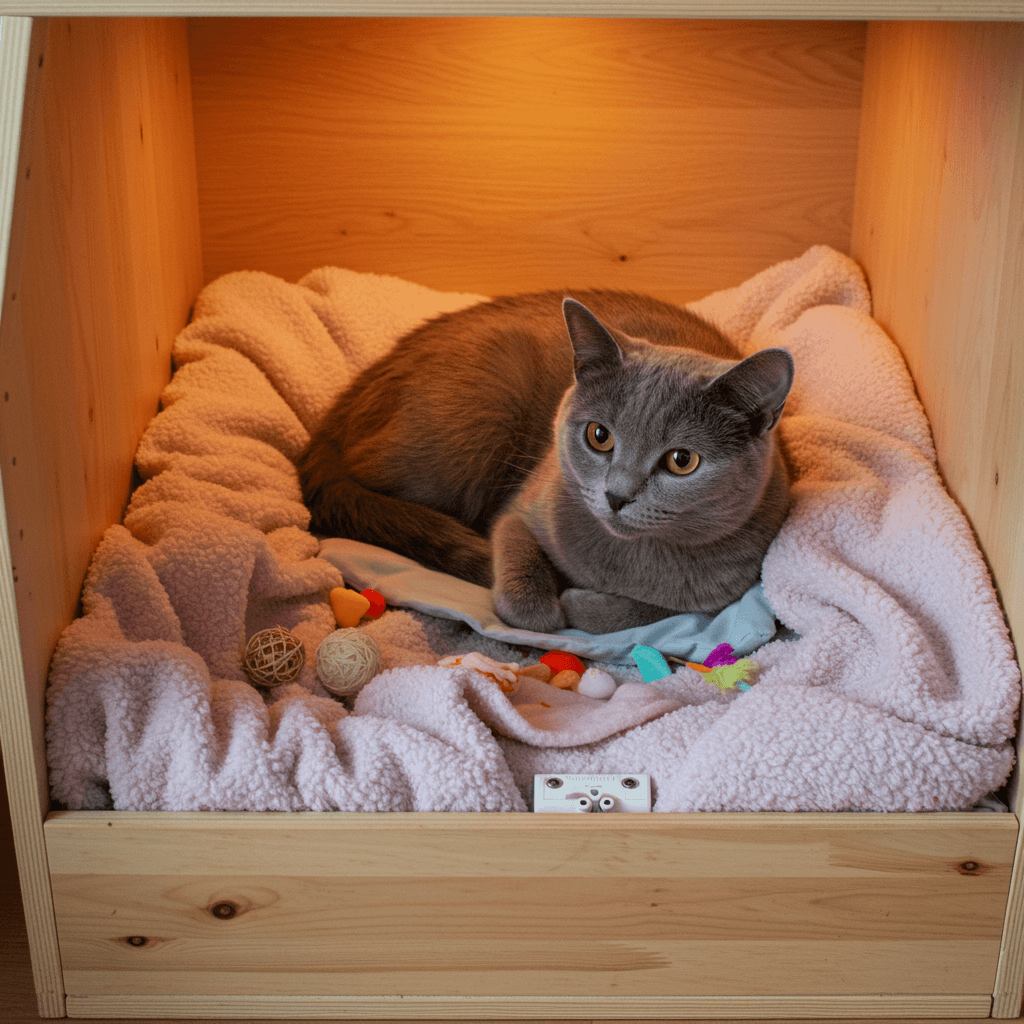
Stock up on essentials: clean towels, a heating pad (on low), and kitten-safe toys for later. This setup encourages rest, crucial for mother cat nutrition and recovery.
Scheduling a Pre-Birth Vet Visit
A check-up around week 4-5 of pregnancy is non-negotiable. Your vet can confirm the litter size, assess her weight, and recommend a pregnant cat diet. They might suggest ultrasounds or blood tests to monitor for complications.
Post-birth, plan a vet visit within 24-48 hours to check for retained placentas or infections. Learn more in our vet visit after cat birth guide for peace of mind.
Feeding for Weight Gain During Pregnancy
Pregnancy ramps up her needs gradually. Focus on quality over quantity to build reserves without excess fat.
Calorie Intake for Pregnant Cats
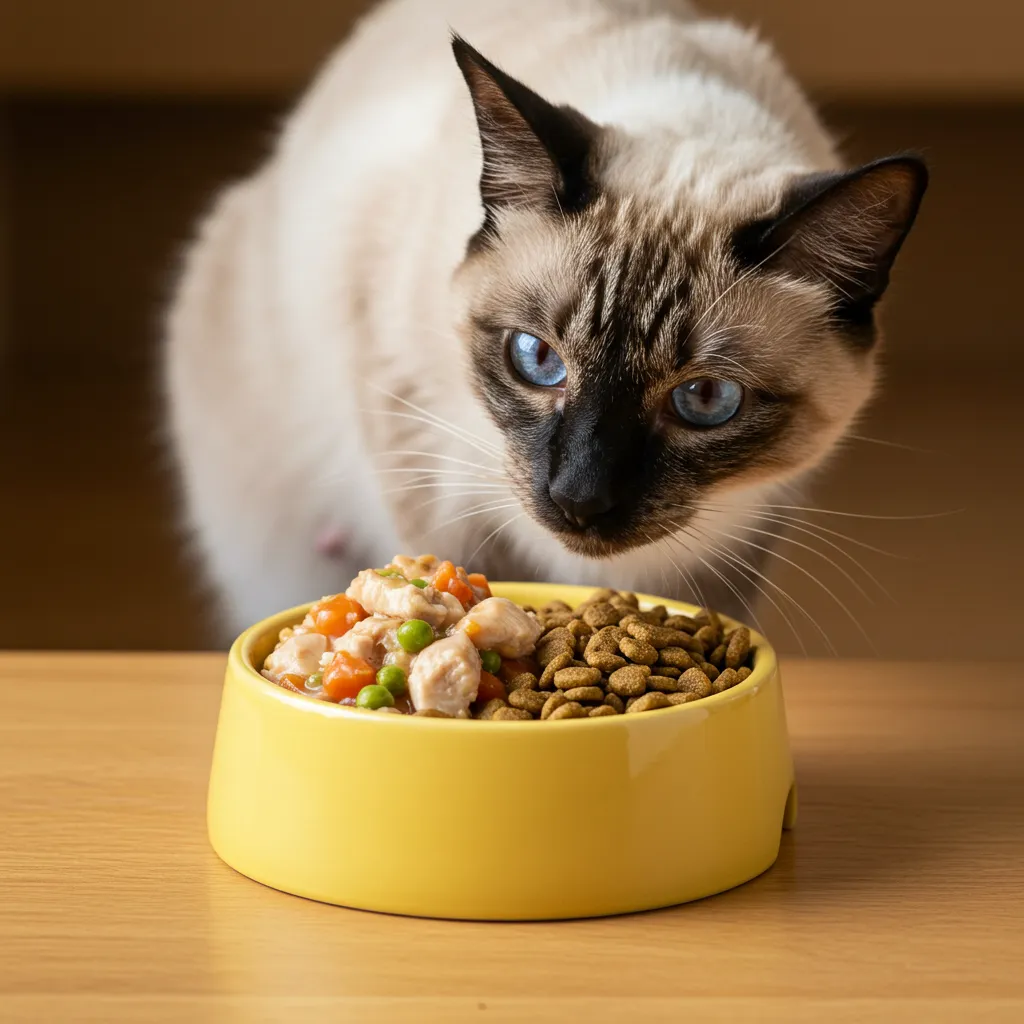
A typical adult cat needs 200-300 calories daily, but pregnant ones require 25-50% more by term. For a 10-pound cat, that’s 300-450 calories. Prioritize high-protein (30-40%) and fat (20%) foods.
Switch to kitten food early—it’s nutrient-dense and supports fetal development. Feed smaller, frequent meals to combat nausea.
| Week of Pregnancy | Daily Calorie Increase | Example Food Portion (for 10-lb Cat) |
|---|---|---|
| Weeks 1-3 | 10-20% | 1/2 cup kitten kibble + 1/4 can wet food |
| Weeks 4-6 | 20-30% | 3/4 cup kibble + 1/2 can wet |
| Weeks 7-9 | 30-50% | Free-choice kibble + full can wet |
Best Foods for Pregnant Cats
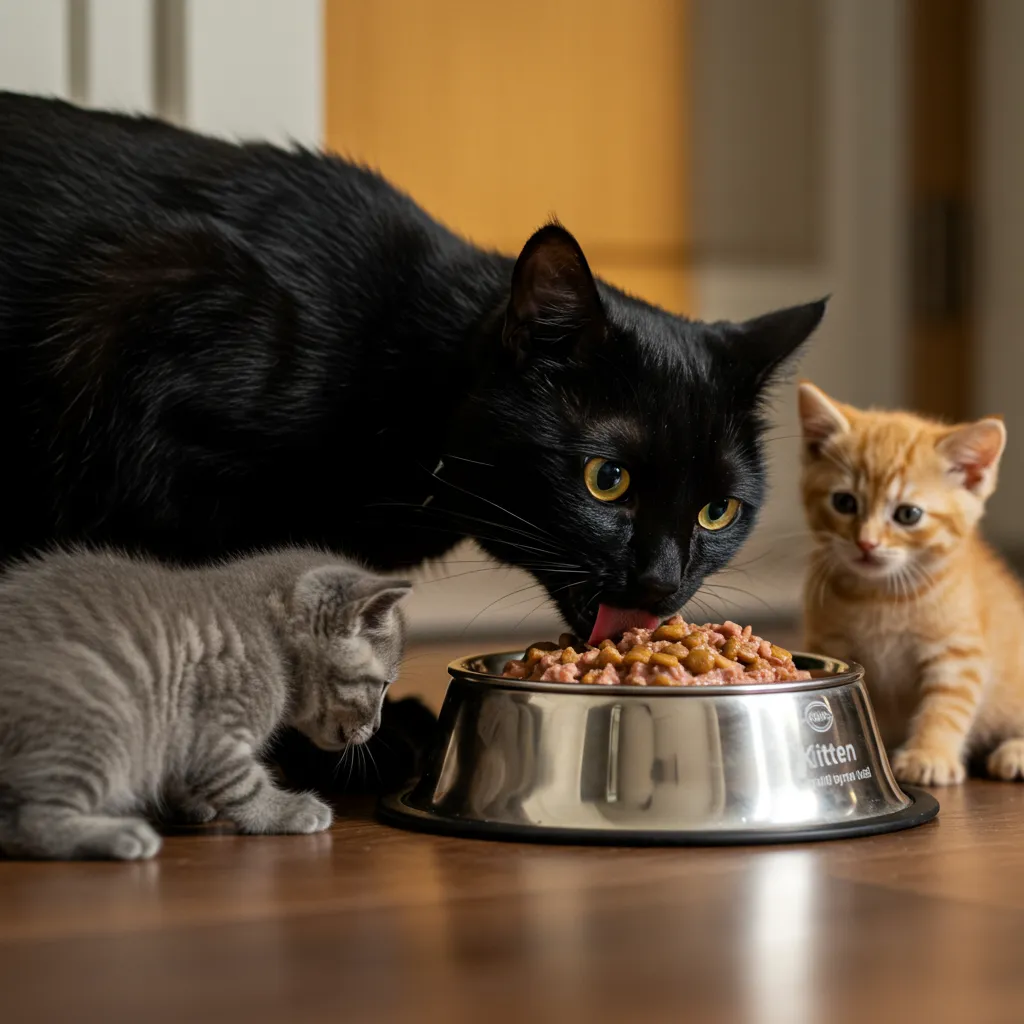
Opt for commercial kitten formulas labeled for growth and reproduction. Wet foods provide hydration, vital for preventing urinary issues. Discover more tips in our best wet cat food article.
Avoid raw diets unless vet-supervised—risks like bacterial contamination outweigh benefits during pregnancy.
Feeding for Weight Gain During Lactation
Lactation is peak demand time. Her calorie intake can double or triple, especially with 4+ kittens.
Lactation Diet for Cats: High-Calorie Essentials
Aim for 2-3 times maintenance calories—up to 900+ for a 10-pound cat with a large litter. High-calorie cat food for nursing cats should have 35-50% protein and added DHA for kitten brain health.
Free-choice feeding is ideal: Leave dry kitten food out 24/7, supplemented with wet meals 3-4 times daily. This boosts milk production in nursing cats and prevents weight loss.
How Much to Feed a Nursing Cat
Base it on her weight and litter: Monitor intake and adjust. If she’s not gaining, add calorie boosters like canned tuna (in water) or boiled chicken.
Table: Sample Daily Feeding Schedule
| Time of Day | Food Type | Portion Size | Notes |
|---|---|---|---|
| Morning | Wet kitten food | 1/2 can | Mix with warm water for palatability |
| Midday | Dry kibble | Free access | High-fat formula for energy |
| Evening | Wet + protein topper | 1/2 can + 1 oz chicken | Encourages eating |
| Overnight | Dry kibble | Free access | Refill as needed |
High-Calorie Cat Food for Nursing Cats: Commercial and Homemade Options
For store-bought, look for “mother and babycat” lines—rich in calories without fillers.
Trending: Homemade food for lactating cats. Try these vet-inspired recipes for weight gain:
- Chicken and Sweet Potato Mash (High-Protein Boost)
- Ingredients: 4 oz boiled chicken breast, 2 oz mashed sweet potato, 1 tsp olive oil.
- Prep: Blend until smooth; serve 2-3 tbsp daily as a topper.
- Benefits: 200+ calories per serving; supports digestion and energy.
- Tuna Delight (Quick Calorie Packer)
- Ingredients: 4 oz canned tuna (drained), 1 oz cooked rice, pinch of taurine supplement (vet-approved).
- Prep: Mix and warm slightly.
- Benefits: Omega-3s for coat health; ideal for picky eaters.
- Turkey Pumpkin Puree (Gut-Friendly)
- Ingredients: 4 oz ground turkey (cooked), 2 oz canned pumpkin, 1/2 tsp bone meal.
- Prep: Simmer and puree.
- Benefits: Fiber aids lactation; adds 150 calories.
Always consult your vet before homemade additions. For more on choosing cat food, check our cat food nutrition guide.
How to Boost Milk in Nursing Cats
Hydration is key—offer fresh water and wet foods. Supplements like feline milk enhancers can help if production lags, but only under vet guidance.
Monitoring Growth and Health of Kittens and Mother
Vigilance ensures everyone thrives. Track weights to spot problems early.
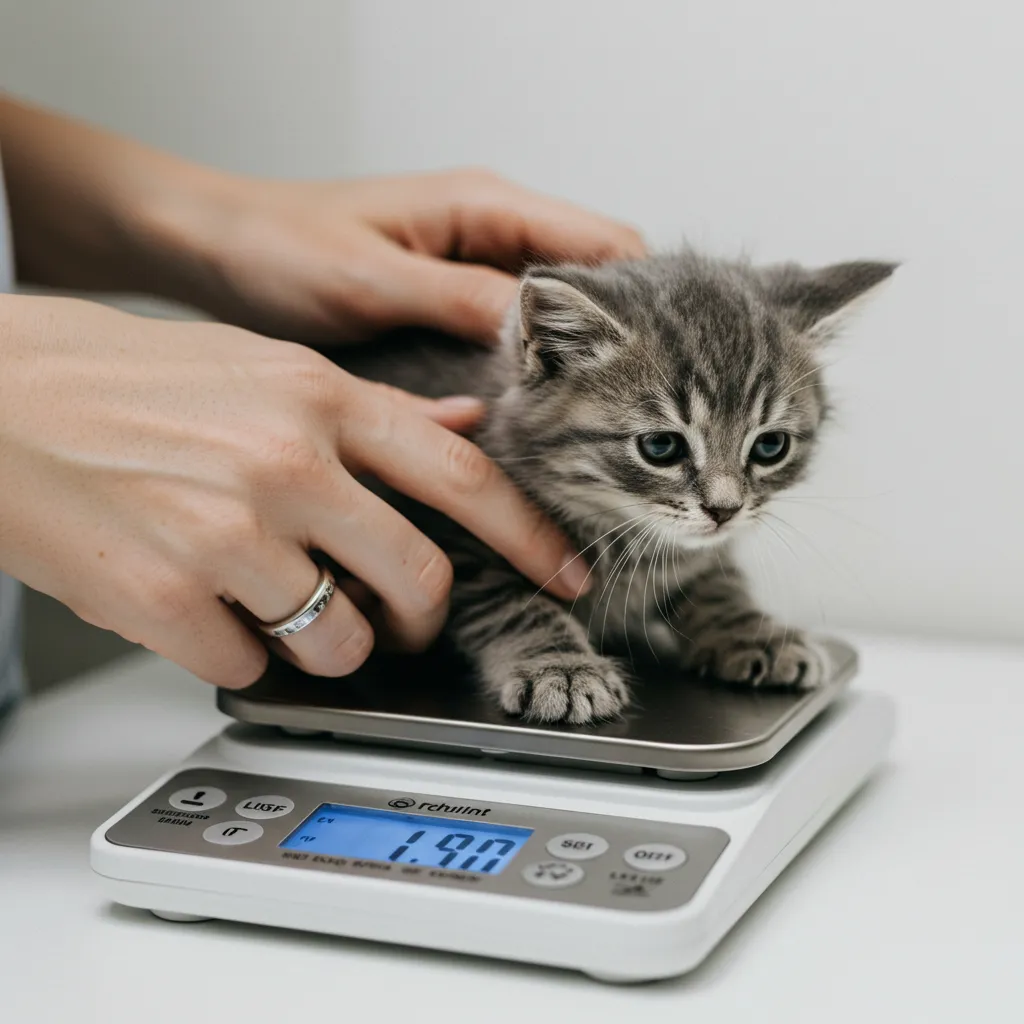
Weighing Kittens for Growth Monitoring
Newborns should double birth weight (3-4 oz) by week 1, gaining 0.5-1 oz daily. Use a digital scale; chart progress.
Kitten Growth Monitoring Chart (Average for Domestic Shorthairs):
| Age | Expected Weight | Milestones |
|---|---|---|
| Birth | 3-4 oz | Eyes closed, nursing constantly |
| 2 Weeks | 6-8 oz | Eyes open, starting to crawl |
| 4 Weeks | 12-16 oz | Teeth emerging, weaning begins |
| 8 Weeks | 2-3 lbs | Fully weaned, playful |
Checking Kitten Health
Daily checks: Round bellies post-feeding, no crying excessively. Watch for dehydration (skin tent test) or diarrhea. For tips, see our kitten health check article.
Monitoring Mother Cat’s Health
Weigh her weekly—aim for gradual gain. Signs of trouble: Lethargy, foul milk odor, or refusal to eat. Address promptly to avoid mastitis.
Weaning the Kittens and Managing Milk Production
Weaning lightens her load, allowing focus on her weight.
The Weaning Process: Step-by-Step
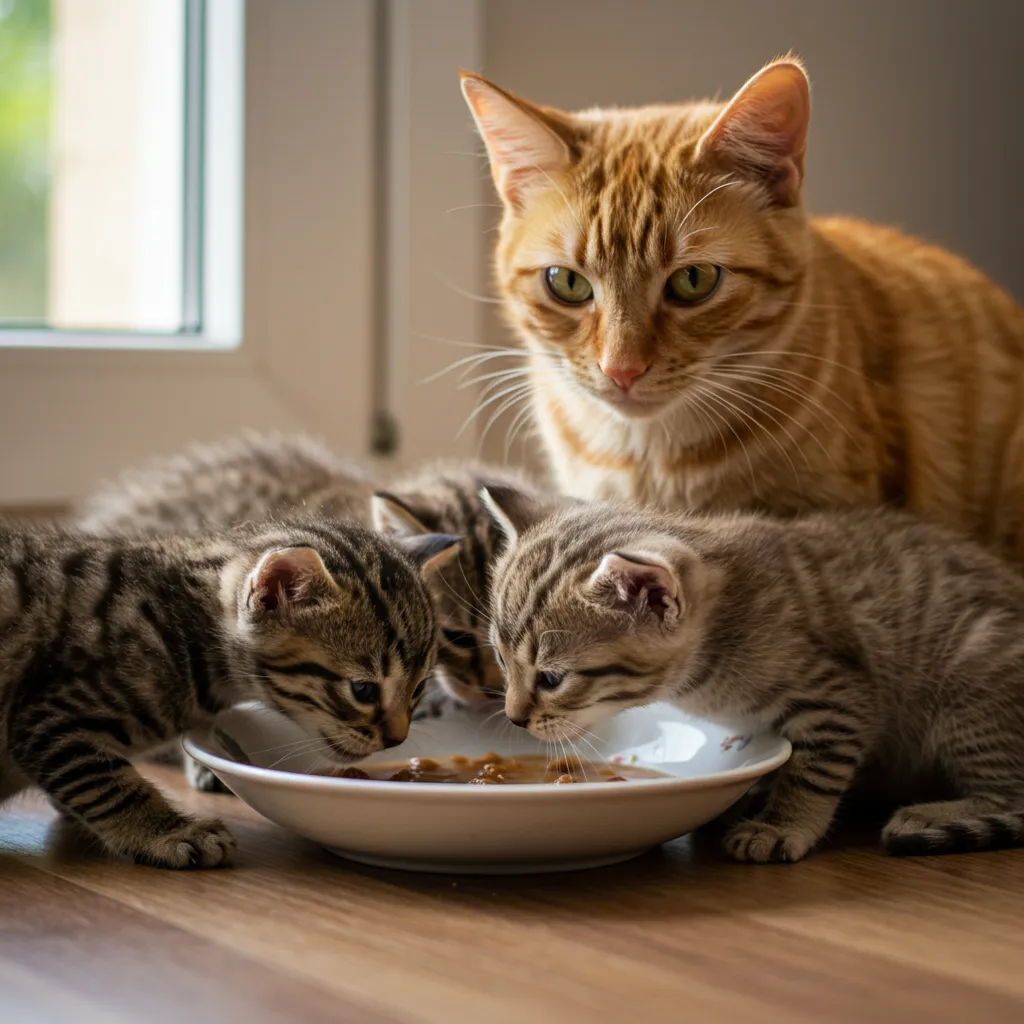
Start at 4 weeks: Introduce gruel (kitten food + formula). By 6-8 weeks, fully transition to solids.
Benefits of Gradual Weaning:
- Reduces mastitis risk.
- Eases calorie demands on mom.
- Promotes independent kitten eating.
Steps:
- Mix kitten food with warm water/formula.
- Offer 4-6 times daily; reduce nursing access.
- By 8 weeks, separate for full weaning.
For more, explore our weaning kittens guide.
Common Mistakes to Avoid in Feeding Nursing Cats
Even well-intentioned owners slip up. Here’s how to sidestep pitfalls:
- Using Adult Food: Lacks calories for lactation—stick to kitten diets.
- Over-Restricting Food: Free-choice prevents underfeeding; monitor to avoid obesity.
- Ignoring Hydration: Dry food alone can dehydrate; mix in wet.
- Skipping Supplements: Taurine deficiency risks—ensure balanced intake.
- Abrupt Weaning: Causes engorgement; go gradual.
- Neglecting Vet Input: Self-diagnosing leads to imbalances.
By avoiding these, you’ll promote sustainable weight gain for your nursing cat.
Conclusion
Helping a nursing cat gain weight isn’t just about piling on calories—it’s about balanced, thoughtful care that supports her through motherhood. With the right pregnant cat diet, lactation strategies, and monitoring, you’ll see her energy soar and her kittens flourish. Remember, every cat is unique, so partner with your vet for tailored advice.
Ready for more? Explore more expert cat health guides on Cat Bloom Haven, like our cat weight management tips or healthy diet for mother cats. Your feline family deserves the best—start implementing these changes today!
FAQ
How can I fatten up a nursing cat?
Focus on high-calorie kitten food with free-choice feeding. Add homemade toppers like chicken mash for extra calories, and monitor weight weekly for safe gains.
What preparations should I make for the mother cat’s birth and motherhood?
Set up a warm nesting box, schedule vet visits, and stock kitten-safe supplies. This reduces stress and supports her nutrition needs.
How should I feed a pregnant cat for weight gain during pregnancy?
Increase calories by 25-50% with kitten food in frequent meals. Use our calorie table for guidance to build healthy reserves.
How should I feed a nursing cat for weight gain during lactation?
Provide unlimited high-energy food, aiming for 2-3x normal intake. Incorporate wet foods and recipes to boost milk and weight.
How do I monitor the growth and health of the nursing kittens?
Weigh daily, check for milestones, and watch for signs like full bellies. Use growth charts to track progress.
How should I wean the kittens and manage milk production?
Start at 4 weeks with gruel, gradually reducing nursing over 4-6 weeks. This eases her calorie needs and prevents issues.
Why is proper nutrition important for nursing cats?
It supports milk production, prevents weight loss, and ensures kitten health. Poor diets can lead to deficiencies or complications.
Can nursing cats become bloated if trying to fatten them up?
Yes, if overfed low-quality food. Stick to balanced, high-density options and monitor portions to avoid digestive upset.