Lifespan of Cats with Lymphoma on Steroids: What Every Cat Parent Needs to Know in 2025

Imagine this: Your once-vibrant tabby, the one who greets you at the door with a playful pounce, starts losing weight despite a hearty appetite. A trip to the vet uncovers the unthinkable feline lymphoma. Your heart sinks as the doctor mentions treatment options, starting with steroids like prednisolone. But then comes the big question burning in your mind: What’s the lifespan of cats with lymphoma on steroids?
As a cat lover who’s navigated the heartbreaking world of feline cancer alongside countless pet parents, I get it—this diagnosis feels like a gut punch. Feline lymphoma remains one of the most common cancers in cats, striking without warning and demanding quick, informed decisions.
The good news? Advances in veterinary care, including smarter steroid protocols and supportive therapies, mean more cats are living longer, fuller lives than ever before. In this guide, we’ll break down everything from diagnosis to prognosis, exploring how steroids fit into cat lymphoma treatment, what to expect for life expectancy, and ways to boost your cat’s quality of life. By the end, you’ll feel empowered to advocate for your furry friend, whether you’re opting for prednisolone-only care or a multi-faceted approach.
Whether you’re searching for “how long do cats live with lymphoma” or diving deeper into “feline lymphoma prognosis,” this article arms you with actionable insights grounded in the latest 2025 data. Let’s turn fear into a roadmap for hope.
Key Takeaways: At a Glance
Before we dive in, here’s a quick snapshot to address your most pressing queries—optimized for those AI overviews that pop up in searches:
- Lifespan on Steroids Alone: Cats typically see 2-4 months of remission or symptom relief with prednisolone, but combining it with other therapies can extend this to 6-12 months or more.
- Overall Prognosis: Small cell (low-grade) lymphoma responds best, with survival up to 2-4 years using steroids plus oral chemo; high-grade cases average 6-9 months with aggressive treatment.
- Quality of Life Focus: Steroids often restore energy and appetite quickly, but monitor side effects like increased thirst to keep your cat comfortable.
- 2025 Trends: Personalized protocols incorporating holistic supports like medicinal mushrooms are boosting remission rates, with some cats hitting 1-2 years on prednisolone-only plans.
- Next Steps: Early diagnosis via biopsy is key—pair it with cat health and wellness routines to catch issues sooner. For more on preventive care, check our guide on cat health care.
These aren’t just stats; they’re lifelines for cats like yours. Now, let’s unpack the why and how.
Understanding Feline Lymphoma: The Basics
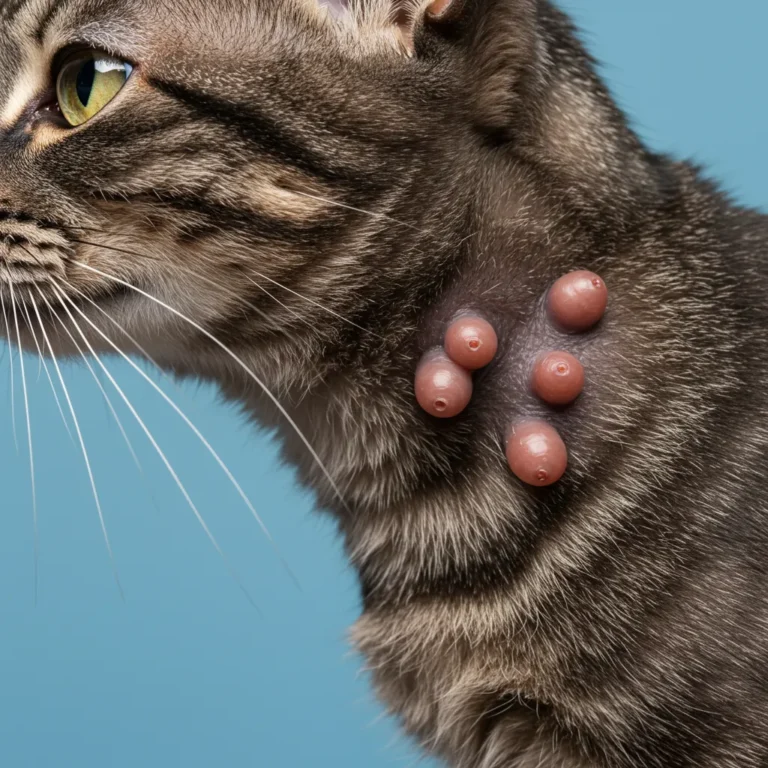
Feline lymphoma isn’t just “cat cancer”—it’s a sneaky invader targeting the lymphatic system, the body’s immune highway of lymph nodes, vessels, and fluid that fights off threats. In cats, it often masquerades as digestive woes, respiratory hiccups, or vague lethargy, making it a top culprit in about 30% of feline cancer diagnoses.
Why cats? Blame it partly on genetics, environmental toxins like secondhand smoke, or lingering risks from feline leukemia virus (FeLV), though vaccines have slashed those numbers. In 2025, gastrointestinal lymphoma reigns supreme, affecting the intestines and causing symptoms like unexplained weight loss, vomiting, or diarrhea—echoes of what many cat parents notice first.
But here’s the silver lining: Unlike some human cancers, feline lymphoma is highly treatable, especially when caught early. Symptoms of lymphoma in cats can overlap with everyday issues like stress or diet slips, so tuning into changes in your cat’s behavior is crucial. For tips on spotting subtle shifts, explore our article on cat stress signs.
Common Types of Feline Lymphoma
Not all lymphomas are equal—knowing the type shapes your treatment game plan:
| Type | Location | Key Symptoms | Typical Prognosis with Treatment |
|---|---|---|---|
| Gastrointestinal (Most Common) | Intestines, stomach | Weight loss, vomiting, poor appetite | 1-2 years (small cell); 6-9 months (large cell) |
| Mediastinal | Chest cavity | Breathing issues, coughing | 9-12 months (FeLV-negative cats) |
| Renal | Kidneys | Increased thirst, vomiting | 3-6 months, poorer outlook |
| Nasal | Nasal cavity | Sneezing, discharge | 1-2+ years with radiation |
This table highlights why location matters—GI forms respond best to steroids, while others might need radiation add-ons. Remember, small cell (low-grade) is slower-growing and steroid-friendly, while large cell (high-grade) demands heavier hitters like chemotherapy for feline lymphoma.
Diagnosing Lymphoma in Cats: Don’t Wait for the Worst
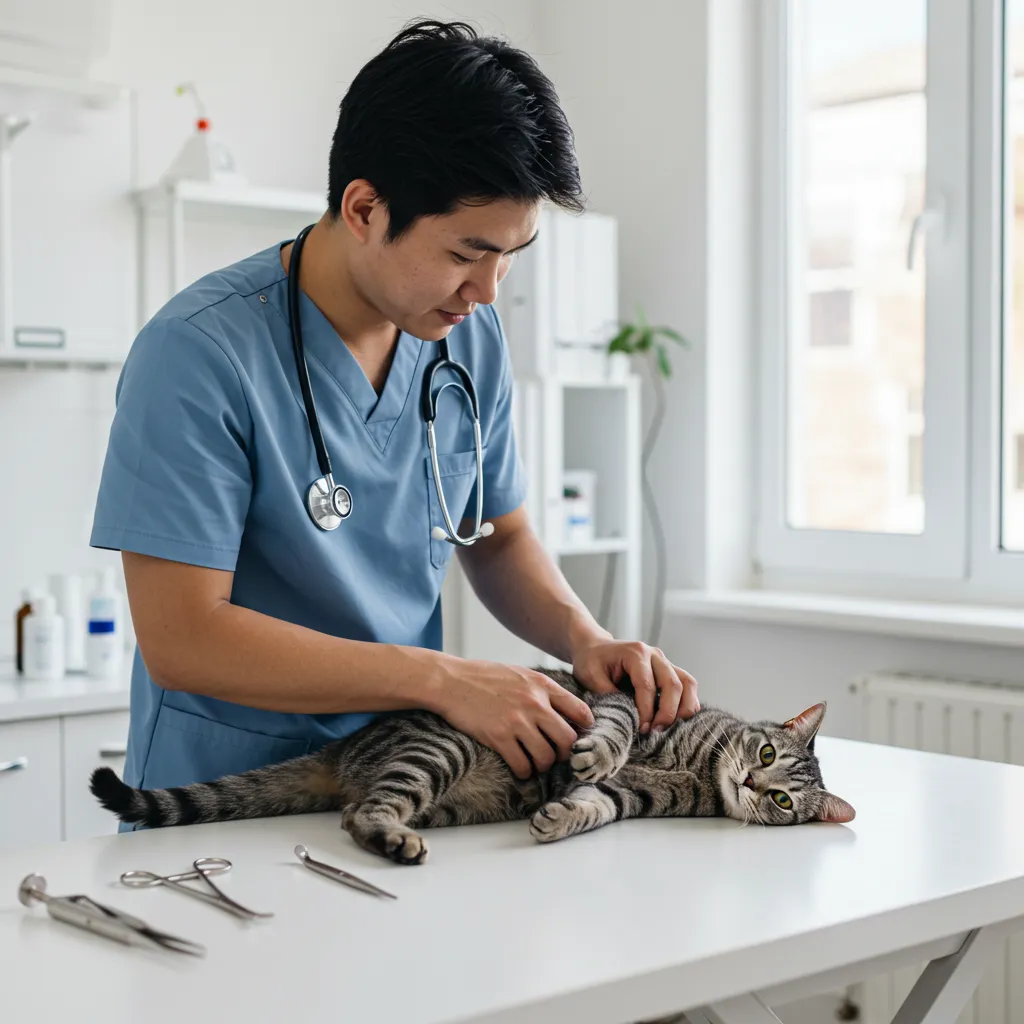
Spotting lymphoma early can double survival odds, yet many cats go undiagnosed until symptoms snowball. If your cat’s acting off—maybe hiding more or pawing at their belly—push for a full workup. Diagnosing lymphoma in cats starts with a vet chat: Expect blood tests (CBC, chemistry panel) to flag anemia or elevated enzymes, plus imaging like ultrasounds to reveal thickened intestines or swollen nodes.
The gold standard? Biopsy. A fine-needle aspirate (quick, low-risk) pulls cells for analysis, but full surgical or endoscopic biopsies confirm grade and type. In 2025, AI-assisted cytology is speeding this up, with results in days. Cost? $500-2,000, but worth every penny for peace of mind.
Pro tip: Pair diagnostics with routine checkups. Our spaying a cat guide touches on how early interventions reduce cancer risks overall.
Steroid Therapy for Cats: The Power of Prednisolone in Lymphoma Care
Enter prednisolone—the unsung hero of cat lymphoma treatment. This oral steroid isn’t a cure, but it shrinks tumors, curbs inflammation, and jump-starts appetite, often turning a listless cat into a purring machine within days. Steroid therapy for cats works by mimicking cortisol, your cat’s natural stress hormone, to suppress overactive immune cells fueling the cancer.
Dosing? Typically 1-2 mg/kg daily, tapered as symptoms ease. For prednisolone-only treatment for feline lymphoma, it’s palliative gold—affordable ($20-50/month) and home-administered. But pair it with chlorambucil (an oral chemo) for low-grade cases, and remission rates soar past 90%.
Real talk: Steroids buy time, but they’re not forever. Over-reliance can lead to resistance, so discuss combos with your oncologist.
Lifespan of Cats with Lymphoma on Steroids: Realistic Expectations for 2025
So, the million-dollar question: How long do cats live with lymphoma on steroids? Short answer: It hinges on grade, location, and extras like chemo. Untreated, it’s grim—mere weeks. But steroids flip the script.
- Steroids Alone: 2-4 months of quality extension, with many cats regaining zoomies and zest. Cat lymphoma survival rate 2025 data shows 50-70% partial response here.
- Steroids + Oral Chemo (Low-Grade): 2-4 years median, per Cornell’s latest. Think: Your cat chasing toys well into their golden years.
- With Full Chemo Protocol: 6-12 months average, up to 2+ years for responders.

Lymphoma in cats’ life expectancy improves with early intervention—2025 stats from ImpriMed note 1-2 years for GI cases on hybrid plans. One study of 38 cats on a Wisconsin protocol hit 210 days median, with complete remissions stretching to 654 days.
Prognostic Factors for Cat Lymphoma: What Tips the Scales?
Not every cat’s journey is linear. Key influencers:
- Grade & Type: Small cell > large cell (85-90% response vs. 50-70%).
- FeLV/FIV Status: Positive? Halves survival—vaccinate early!
- Age & Health: Younger, robust cats fare better; comorbidities like kidney issues shorten odds.
- Response Speed: Quick shrinkage on steroids signals longer remission.
- Location: GI best; renal/mediastinal toughest.
Track these with monthly vet check-ins. For wellness baselines, see our cat fever guide—fever can signal flare-ups.
Beyond Steroids: Comprehensive Feline Cancer Treatment Options
Steroids shine solo, but the best treatment for feline lymphoma often layers in more. Chemotherapy for feline lymphoma, like multi-drug IV protocols, boosts remission to 70% for high-grade cases, with median survival 6-9 months. Low-grade? Stick to oral chlorambucil—easy peasy.
Surgery zaps isolated masses; radiation targets nasal spots for 1-2 year wins. And trending in 2025? Feline cancer treatment options blending conventional with holistic cat cancer care.
Natural Treatment for Cat Lymphoma: Supportive Boosts
Can’t do chemo? Or want to enhance it? Holistic approaches aren’t cures but quality-of-life savers:
- Medicinal Mushrooms: Turkey Tail and Reishi amp immunity—studies show 20-30% longer survival when added to steroids. Dose: 50-100 mg/kg daily.
- Diet Tweaks: Low-carb, high-protein kibble starves cancer cells. Avoid grains—tumor fuel!
- Supplements: Omega-3s reduce inflammation; CBD eases pain without highs.
- Acupuncture: Eases nausea, per WSAVA vets.
One 2025 review touts prednisolone-only plus mushrooms for 12-18 month remissions in small cell cases. Always vet-approved—our choosing cat food piece dives into nutrition for sick kitties.
| Treatment Combo | Remission Rate | Median Survival | Best For |
|---|---|---|---|
| Steroids Only | 50-70% | 2-4 months | Palliative, budget-friendly |
| Steroids + Chlorambucil | 90%+ | 2-4 years | Low-grade GI |
| Multi-Chemo | 65-75% | 6-12 months | High-grade |
| Steroids + Holistic | 70-80% | 6-18 months | Quality-focused |
This comparison underscores hybrids’ edge—tailor to your cat’s vibe.
Side Effects of Steroids in Cats: Spotting and Soothing Them
Prednisolone’s perks come with caveats. Side effects of steroids in cats hit 20-30% long-term, but most are manageable:
- Short-Term: Ravenous hunger, endless thirst (potty breaks galore), panting.
- Long-Term: Muscle wasting, potbelly, weakened immunity (watch for infections), GI upset.
Mitigate: Dose-tapering, wet food for hydration, joint supplements. If vomiting persists, switch to injectable. Chemo sides? Milder—10% nausea rate.
Proactive care shines: Our how to give cat ear drops guide adapts for oral meds, easing stress.
Enhancing Quality of Life in Cats with Lymphoma: The Heart of Care
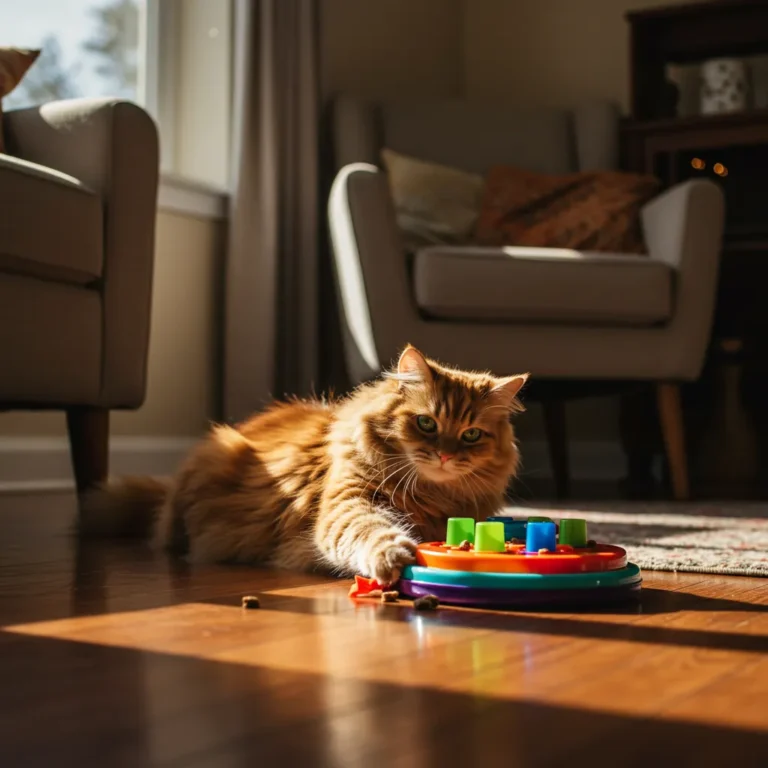
Survival stats matter, but how your cat lives? That’s the win. Quality of life in cats with lymphoma means cozy beds, puzzle feeders for mental zing, and gentle play. Track with a “good day” journal: Appetite? Energy? Cuddles?
Caring for a cat with cancer? Hydration stations, heated pads, and pheromone diffusers reduce anxiety. In 2025, apps like PetPace monitor vitals remotely—game-changers for peace. For breed-specific tips, like soothing a Siamese’s vocal woes, see Siamese cats sleep a lot.
Real-Life Success Stories: Hope from Cat Lymphoma Remission
Numbers inspire, but stories heal. Take Whiskers, a 12-year-old rescue: Diagnosed with GI small cell, he started prednisolone and mushroom extracts. Six months in? Chasing laser pointers, weight stabilized at 9 lbs. His mom shares: “He’s in remission—steroids gave us our goofy boy back.”
Or Luna, an FeLV-negative mediastinal case: Chemo plus CBD hit full remission at month 9, now cancer-free at 18 months. X posts buzz with similar wins—fenbendazole anecdotes (vet-discussed only) extending steroid benefits. These cat lymphoma remission success stories remind us: Every purr counts.
Discover more inspiration in our cat memes fun—laughter’s the best medicine.
Conclusion: Charting a Brighter Path Forward
Navigating the lifespan of cats with lymphoma on steroids isn’t easy, but knowledge lights the way. From 2-4 months of palliative peace to years of remission with smart combos, your cat’s story isn’t written yet. Prioritize early diagnosis, layered treatments, and unwavering love—2025’s tools make longer, happier tails possible.
Ready to fortify your cat’s wellness? Explore more expert cat health guides on Cat Bloom Haven, like our cat adoption guide for building resilient bonds. What’s one step you’ll take today? Share in the comments—together, we’re stronger for our cats.
FAQ: Quick Answers to Your Burning Questions
How long can a cat with lymphoma live on steroids?
With prednisolone alone, expect 2-4 months of improved quality, but adding chemo can stretch this to 1-2 years or more, depending on grade.
What are the effects of steroid therapy on cats with lymphoma?
Prednisolone reduces swelling, boosts appetite, and induces partial remission in 50-70% of cases, often restoring energy fast—but watch for thirst and weight gain.
What are the treatment options for cats with lymphoma?
Core: Steroids + chemo (chlorambucil for low-grade). Add-ons: Surgery, radiation, holistic mushrooms. Best? Tailored to type—consult an oncologist.
What is the prognosis for cats with lymphoma?
Varies: 2-4 years for small cell GI; 6-9 months for high-grade. FeLV-negative cats fare best; early catch is key.
What are the side effects of steroid therapy and chemotherapy for lymphoma in cats?
Steroids: Hunger, thirst, muscle loss. Chemo: Rare vomiting (10%). Both manageable with monitoring and supports.
How is lymphoma in cats diagnosed?
Bloodwork, ultrasound, then biopsy (fine-needle or surgical) for confirmation—quick and telling.
What is lymphoma in cats?
A lymphatic cancer causing immune chaos, often GI-based, treatable with 70%+ response rates via steroids and chemo.