Why Is My Cat Scared of Me All of a Sudden? Understanding Sudden Fearful Behavior in Cats (and How to Fix It)
Nothing hurts quite like the moment your once-cuddly cat flattens their ears, bolts under the couch, or hisses when you walk into the room. If you’re asking “why is my cat scared of me” or noticing your cat suddenly skittish for no obvious reason, you’re not alone. Sudden fearful behavior in cats is one of the most common behavior concerns cat owners search for, and it almost always has an explanation.
In this complete guide, we’ll walk through every realistic cause from subtle pain to loud noises, new people, past trauma, and even litter-box insecurity plus exactly what to do about each one. By the end, you’ll know whether your cat is shy, stressed, sick, or truly afraid, and you’ll have a clear, step-by-step plan to bring back the trust.
Quick Key Takeaways
- Sudden skittish behavior usually signals pain, illness, stress, or a negative association not that your cat suddenly “hates” you.
- Top medical triggers: arthritis, dental disease, urinary issues, abdominal pain, or unnoticed injury.
- Most common environmental triggers: loud noises, new pets/people, moving house, vet visits, fireworks, or changes in routine.
- Signs your cat is scared (not just shy): dilated pupils, flattened ears, low crouched body, hiding for hours, hissing, or striking out.
- Rebuilding trust timeline: 3 days to 3 months depending on the cause and your consistency.
- Never punish or force interaction with a fearful cat it makes fear worse.
How to Know If Your Cat Is Actually Scared of You (Cat Body Language Fear Checklist)
Cats are masters at hiding discomfort, so many owners miss the early signs. Use this checklist:
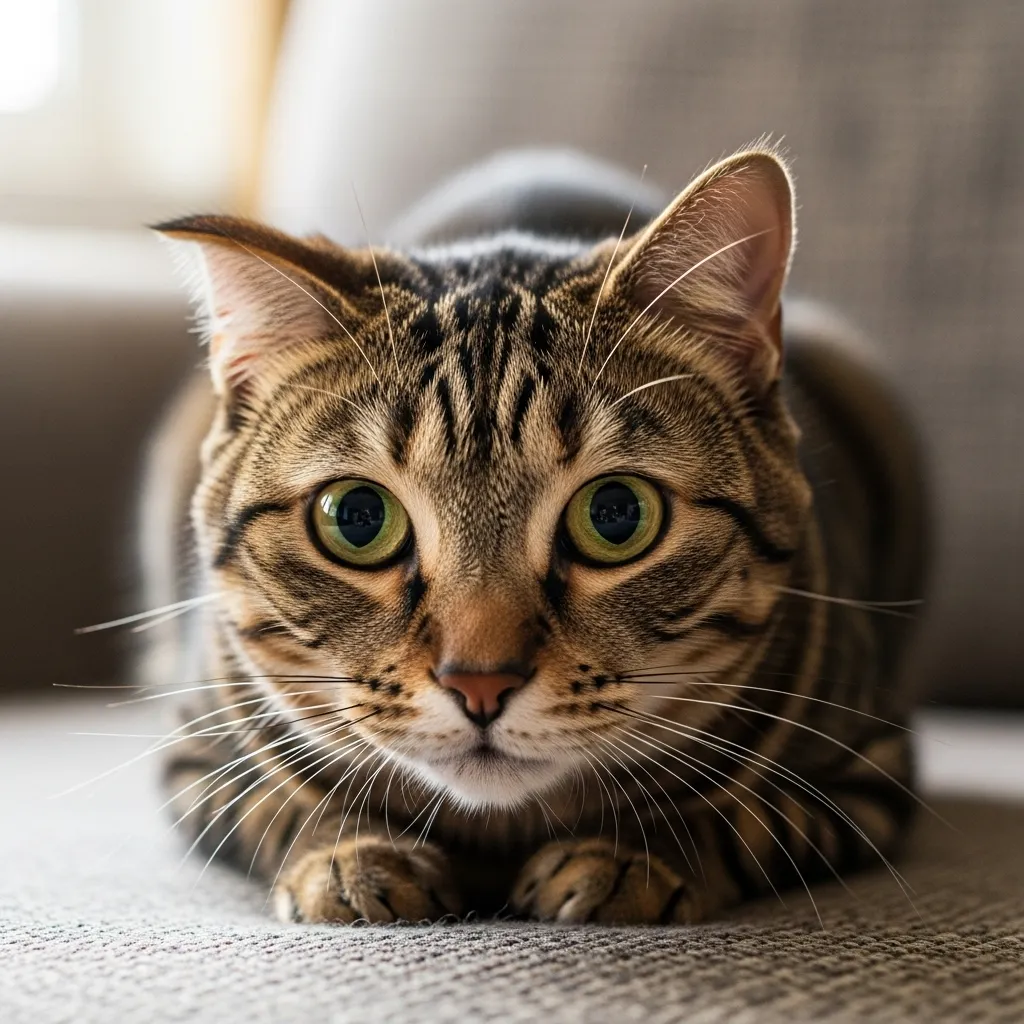
- Ears turned sideways or flat against the head
- Whiskers pulled back
- Crouched body posture or trying to look smaller
- Tail tucked tightly or thrashing
- Hissing, growling, or swatting when you approach
- Hiding in unusual places for long periods
- Refusing food near you
- Startling easily at normal sounds or movements
If you’re seeing several of these together, your cat isn’t “being dramatic” something is genuinely wrong.
For a deeper dive into reading cat body language, check our full guide on cat tail language and stress signals
The Most Common Reasons Your Cat Became Scared All of a Sudden
1. Pain or Illness (The #1 Overlooked Cause)
Cats associate pain with whatever was happening when the pain started. If you picked them up and accidentally pressed on an arthritic hip, or they jumped off the couch and landed wrong, they may now link YOU with that pain.
Common hidden illnesses that trigger sudden fear:
- Dental disease or mouth pain (very common in cats over 3 years)
- Urinary tract infections or early blockage (especially in male cats)
- Arthritis, especially in seniors
- Abdominal pain (pancreatitis, constipation, IBD)
- Unnoticed injury (tail pulled, paw stepped on, fall)
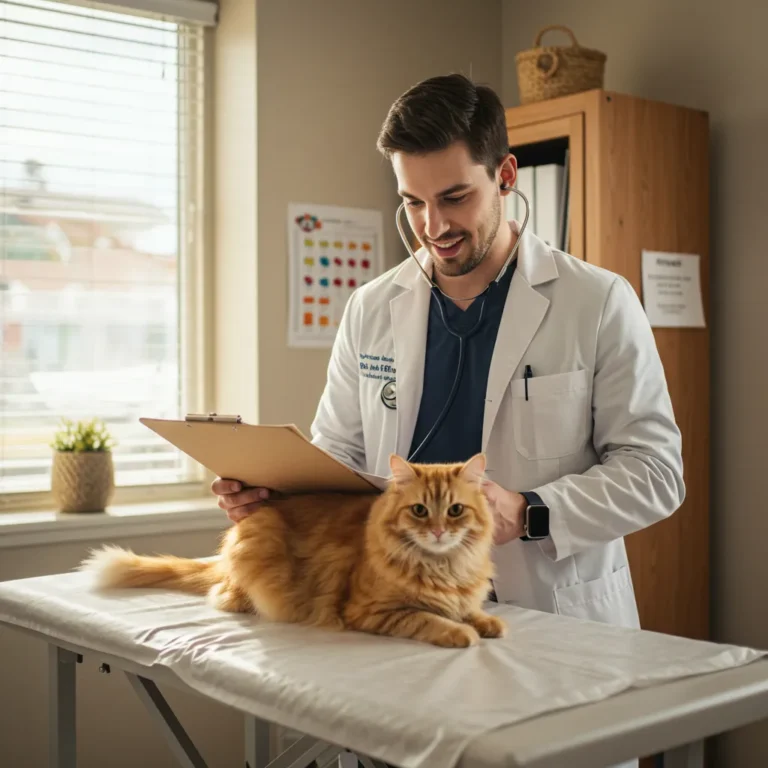
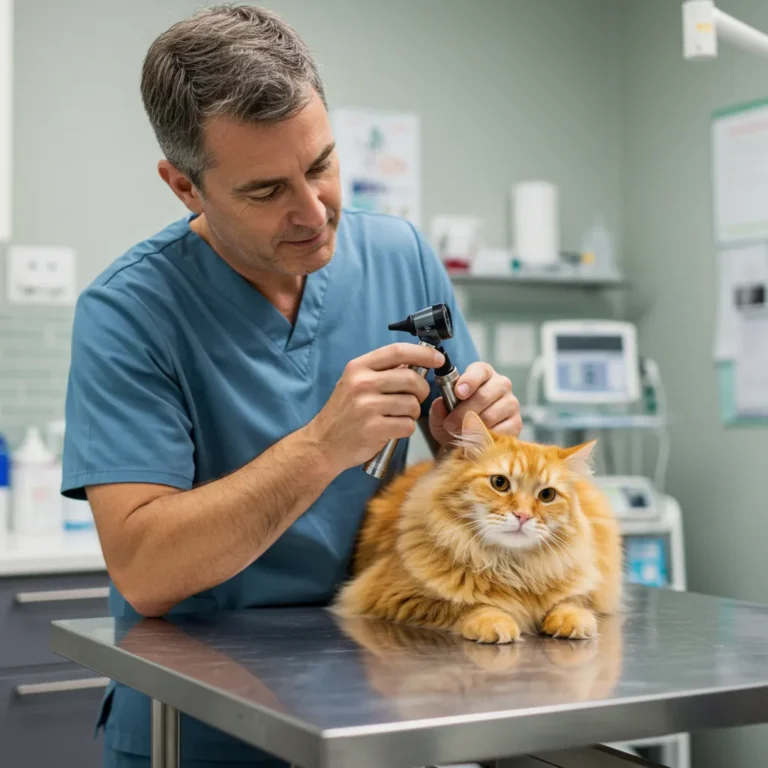
What to do: Schedule a vet visit within 48 hours if the personality change was truly overnight. Ask for a full senior/illness blood panel and a thorough physical exam, including checking the mouth and abdomen.
Related reading: Why your cat might stop eating or hide when
2. A Single Scary Incident (Trauma Response)
One bad experience can flip the trust switch:
- You accidentally stepped on their tail or paw
- A loud noise (vacuum, dropped pan, thunder, fireworks) happened while you were in the room
- Rough play or forced handling at the vet or groomer
- A child or visitor grabbed them suddenly
Cats have excellent associative memory. They don’t understand “it was an accident.”
3. Changes in the Home Environment
- New baby, partner, or roommate
- New dog or another cat
- Moving furniture or renovating
- New strong scents (cleaners, essential oils, perfume)
- Change in your schedule (working from home → back to office)
Even positive change is stressful for many cats.
See our complete guide on helping cats adjust to a new home
4. Litter Box Insecurity
If your cat feels vulnerable while using the box (hooded box, noisy washer nearby, dog bothering them), they can start associating the entire house and you with feeling unsafe.
Quick fix checklist:
- At least one box per cat + one extra
- Uncovered boxes in quiet, low-traffic areas
- Scooped daily, fully changed weekly
More litter box troubleshooting
5. Separation Anxiety or Over-attachment
Some cats become fearful when their favorite person returns because they panicked while you were gone. The relief + leftover adrenaline looks like fear.
Signs: destructive behavior when alone, excessive vocalizing, or toileting outside the box only when you leave.
6. Natural Personality vs. True Fear (Shy vs Fearful Cats)
Shy cats warm up slowly but eventually relax. Fearful cats show defensive aggression or shut down completely. Kittens under 7–8 weeks who missed early socialization are often permanently more skittish (especially Siamese, Bengals, or shelter cats).
Why New Kittens Are Often Extra Skittish (And What’s Normal)
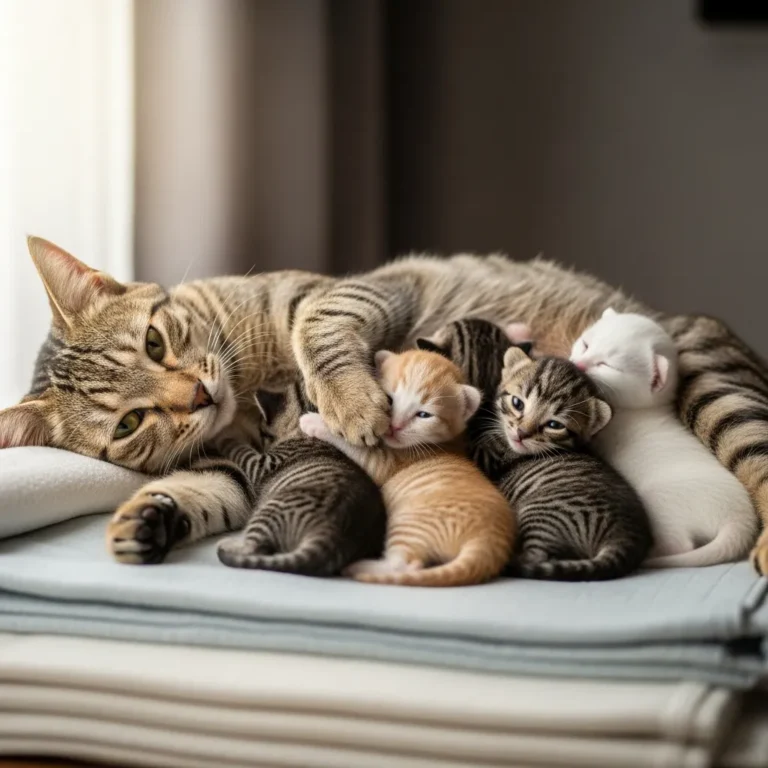
Most 8–16 week old kittens go through a “fear period” around 8–10 weeks. Sudden noises, new people, or being separated from mom and littermates can make them hide for days. This is usually temporary if you use slow, positive introductions.
Step-by-Step Plan: How to Stop Your Cat From Being Scared of You
Phase 1 – Remove the Pressure (First 3–14 Days)
- Let the cat choose interaction. No picking up, no direct staring.
- Sit on the floor, avoid looming over them.
- Blink slowly this is the cat “I’m safe” signal.
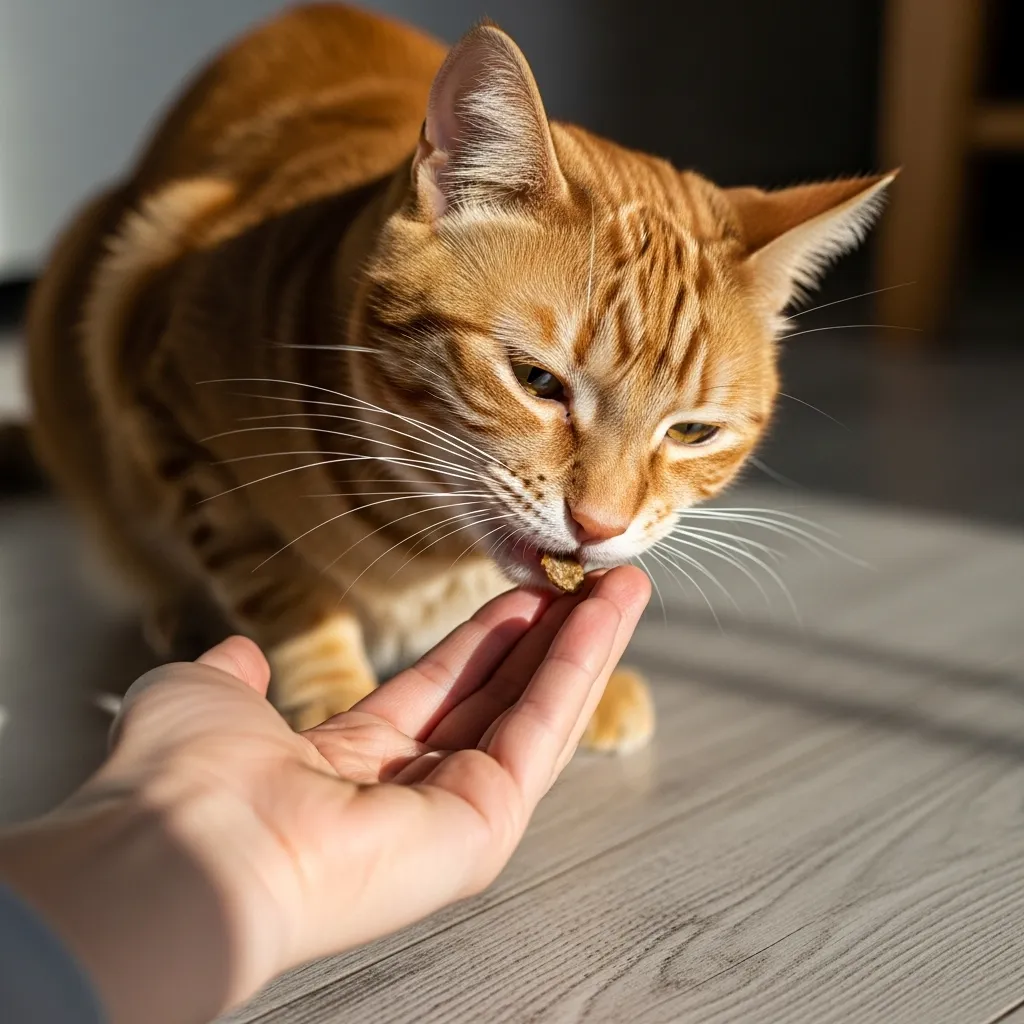
- Toss high-value treats (Churu, plain boiled chicken) without expecting approach.
Phase 2 – Rebuild Positive Associations
- Feed meals or give treats only when you’re calmly in the room.
- Play with wand toys so they associate you with fun, not threat.
- Use pheromone diffusers (Feliway Optimum) clinically proven to reduce fear.
Phase 3 – Gradual Desensitization
Once they stop running:
- Reach out slowly for brief chin scratches only when they approach.
- Reintroduce being picked up for 2–3 seconds at a time, paired with a treat.
Average trust-building timeline:
- Minor scare (loud noise): 3–10 days
- Pain-related fear: 2–8 weeks after pain is resolved
- Deep trauma or poor socialization: 3–12 months of consistent work
Calming Tools That Actually Work
- Feliway Optimum or Comfort Zone diffusers
- Gabapentin or trazodone (short-term, vet prescribed) for severe cases
- Thundershirts or snug-fitting cat sweaters
- Classical music or feline-specific relaxation tracks
- CBD treats formulated for cats (veterinarian-recommended brands only)
When to Call the Vet vs. a Behaviorist
Call the vet first if:
- Any sign of pain (limping, crying when touched, reduced appetite)
- Toileting outside the box
- Sudden aggression with hissing/swiping
See a certified behaviorist if medical causes are ruled out and fear persists beyond 6–8 weeks.
Frequently Asked Questions
How long does it take for a cat to stop being scared of you?
3 days to 3 months. Pain-related fear improves fastest once the pain is treated. Trauma or poor socialization takes the longest.
Should I ignore a scared cat?
Yes for the first few days give space. Ignoring while still providing food, quiet, and scattered treats is more effective than forcing attention.
Is my cat scared of me or just respectful?
Respectful cats rub on you, slow-blink, and relax in your presence. Scared cats avoid eye contact, crouch, hide, or flee.
Why is my cat scared of me but not my partner?
You may resemble or sound like someone from their past, or you were present during a painful incident.
Can a cat suddenly become scared after years of being friendly?
Yes usually due to an undetected illness or injury. Senior cats often develop arthritis pain that changes everything overnight.
Final Thoughts
When your cat suddenly acts scared of you, it feels personal but 99% of the time it’s not about you at all. It’s about pain, a scary experience, or loss of control in their world. With patience, the right environment changes, and sometimes a little veterinary help, almost every cat comes around.
Start with a vet check to rule out pain, create a pressure-free zone, and let your cat set the pace. You’ll be surprised how quickly that wary side-eye turns back into head boops and purrs.
Ready for more expert behavior and care tips? Explore the rest of Cat Bloom Haven everything from calming an angry cat to understanding why cats knock things over (we’ve got you covered).
You and your cat have been through a lot together. A little fear doesn’t have to be the end of the story it’s usually just a chapter.