Cat Neutering Fasting Guidelines: Your Complete Guide to Safe Pre-Surgery Preparation in 2025
Imagine this: Your playful Bengal kitten is scheduled for neutering tomorrow, and you’re staring at their empty food bowl, wondering if you’re doing everything right. As a cat parent who’s guided countless families through this process—and as someone who’s fostered breeds from Siamese to Ragdolls I know the anxiety that comes with pre-surgery prep. The good news?
Following updated cat neutering fasting guidelines can make the difference between a smooth procedure and potential complications. In this in-depth guide, we’ll break down cat fasting duration before surgery, why it’s crucial for feline anesthesia preparation, and how to handle everything from pre-neutering cat care to recovery. Whether it’s your first time or you’re brushing up on cat surgery preparation, you’ll walk away with vet-backed strategies to keep your furry friend safe and stress-free.
Drawing from my years of experience working alongside veterinarians and the latest 2025 insights, we’ll cover not just the basics but also holistic tips, myth-busting, and breed-specific nuances. By the end, you’ll have a tailored action plan to ensure your cat’s well-being, from fasting before cat spaying to post-op pampering. Let’s dive in and turn that vet visit into a positive milestone.
Key Takeaways: Essential Cat Neutering Fasting Guidelines at a Glance
Before we get into the details, here’s a quick snapshot of the most important points to optimize your cat’s pre-surgery experience:
- Standard Fasting Time: Adult cats should fast 6-12 hours before neutering, typically no food after midnight for morning procedures.
- Water Access: Allow water until 2-4 hours before surgery to prevent dehydration, unless your vet advises otherwise.
- Kitten Exceptions: Young kittens (under 8 weeks) may only need 1-4 hours of fasting to avoid hypoglycemia.
- Why It Matters: Fasting reduces the risk of aspiration pneumonia during anesthesia by emptying the stomach.
- Spaying vs. Neutering: No major fasting differences, but spays may require slightly longer recovery monitoring due to invasiveness.
- Anxiety Management: Use gabapentin or pheromone diffusers pre-op for calmer cats.
- Recovery Tip: Provide a quiet space and small meals post-surgery to ease nausea.
- Myth Buster: The old “12-hour rule” is outdated; newer guidelines favor 6-8 hours for healthier outcomes.
Implement these, and you’re setting your cat up for success. Now, let’s explore the “why” behind these recommendations.
Why Cats Fast Before Surgery: The Science Behind Feline Anesthesia Preparation
Fasting isn’t just a random rule it’s a critical safety measure rooted in how cats handle anesthesia. When your cat goes under for neutering, their reflexes slow, including the ability to swallow or protect their airway. If there’s food in the stomach, it could regurgitate and enter the lungs, leading to aspiration pneumonia, a serious complication that affects up to 1 in 1,000 anesthetized pets.
From my experience with rescues, I’ve seen how proper fasting turns a routine procedure into a breeze. Veterinary fasting instructions for cats aim to empty the stomach while minimizing stress or dehydration. According to the American Animal Hospital Association (AAHA), shorter fasts (6-8 hours) are now preferred over the traditional overnight starve, as they reduce acid buildup and nausea post-op. This is especially important for breeds like Bengals, known for their high energy and potential for stress-related issues—explore our Bengal cat personality guide for more on managing their unique needs.

In essence, why cats fast before surgery boils down to risk reduction: It ensures a clearer airway, smoother induction, and faster recovery. Always confirm with your vet, as factors like age, health, or breed can tweak the plan.
How Long Cats Should Fast Before Neutering: Tailored Guidelines for Every Age
The big question: What’s the ideal cat fasting time before neutering? It varies, but here’s a breakdown based on 2025 veterinary standards.
For adult cats (over 4 months), aim for 6-12 hours without food. If surgery is at 8 AM, no dinner after 8 PM the night before. Water is fine until 2 hours pre-op to keep them hydrated without risking regurgitation.
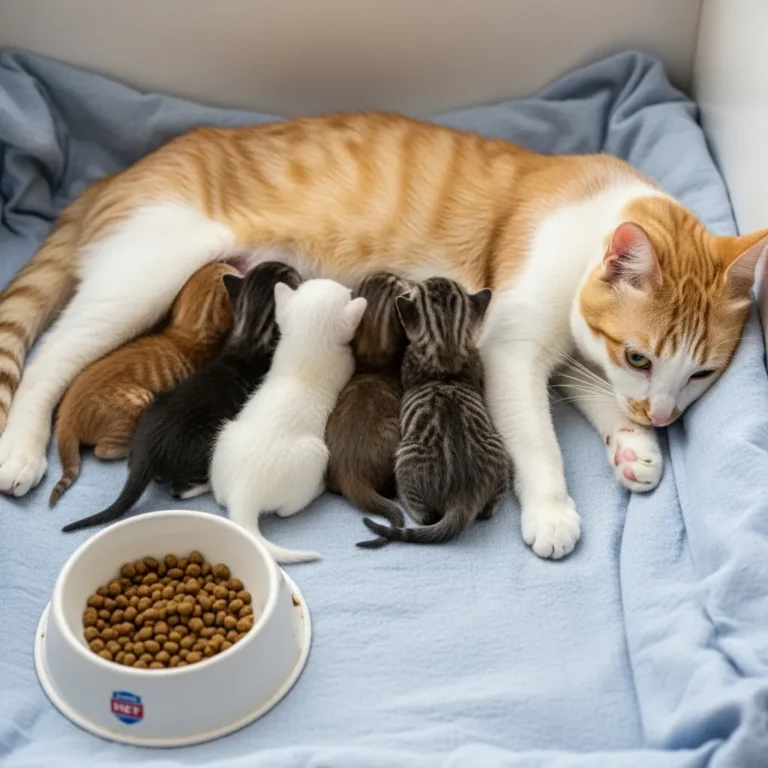
Kittens under 4 months need shorter fasts—often 4-6 hours or even a small wet food meal 3-4 hours before—to prevent low blood sugar. I’ve fostered Munchkin kittens through this, and sticking to these rules prevented any wobbles; check our Munchkin cat care tips for breed-specific advice.
Here’s a handy table for your cat pre-op fasting schedule:
| Age Group | Food Fasting Duration | Water Access | Notes |
|---|---|---|---|
| Kittens (under 8 weeks) | 1-4 hours | Until arrival | Small meal if needed to avoid hypoglycemia. |
| Young Cats (2-6 months) | 4-6 hours | Until 2 hours before | Monitor for energy dips. |
| Adult Cats (6+ months) | 6-12 hours | Until 2-4 hours before | Standard for most neuters. |
| Seniors (10+ years) | 6-8 hours | Until 2 hours before | Consult vet for health conditions like diabetes. |
Remember, these are general—your vet’s word is final. For example, a Norwegian Forest Cat with their thick coat might handle fasting well, but always pair with our Norwegian Forest Cat care guide.
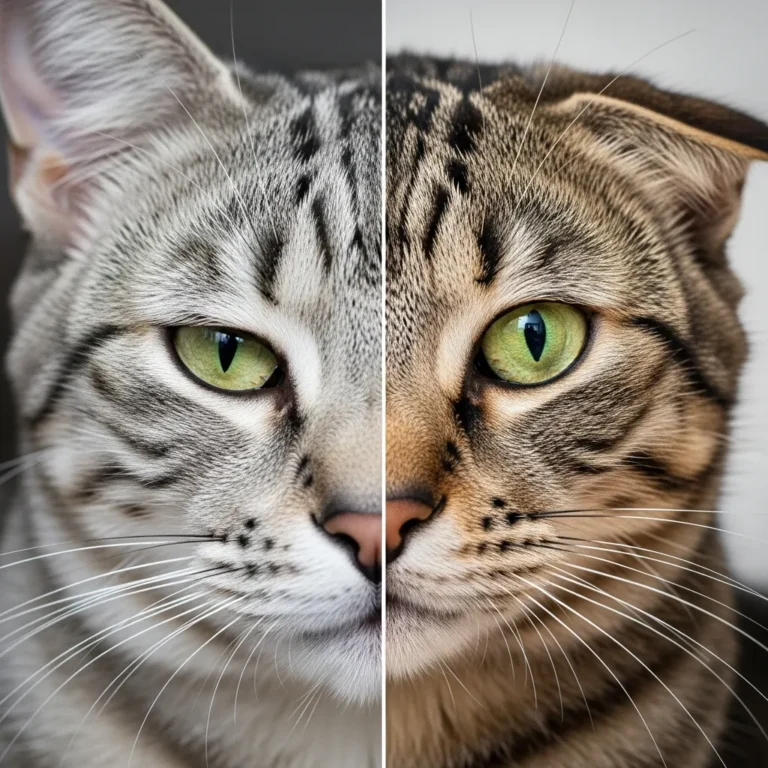
Comparison of Fasting Guidelines for Cat Neutering and Spaying
Is there a difference in cat spaying fasting duration versus neutering? Not really in fasting itself, but spays (for females) are more invasive, involving abdominal entry, so recovery might feel longer. Both procedures follow similar pre-surgery fasting: 6-8 hours for adults.
Key differences:
- Neutering (Males): Quicker surgery, minimal incision. Fasting focuses on anesthesia safety.
- Spaying (Females): Longer op time, higher risk of nausea post-op. Some vets extend fasting slightly if history of vomiting.
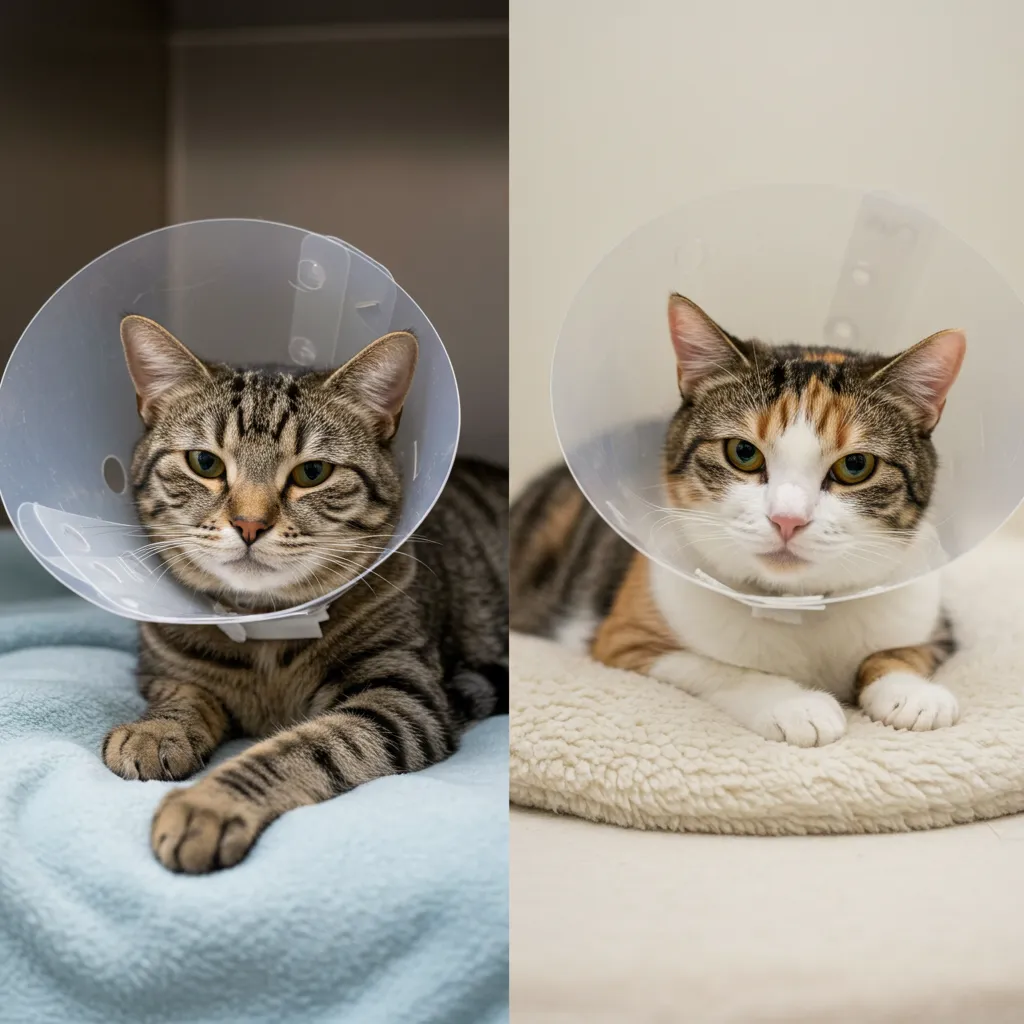
In my practice with Ragdolls, who can be prone to obesity (see our Ragdoll cat obesity guide), I recommend the same fasting but extra hydration checks for females. Overall, veterinary fasting instructions for cats remain consistent—prioritize your vet’s tailored advice.
What to Do Before Cat Surgery: Step-by-Step Pre-Neutering Cat Care
Preparing goes beyond fasting. Here’s a phased approach to cat surgery preparation:
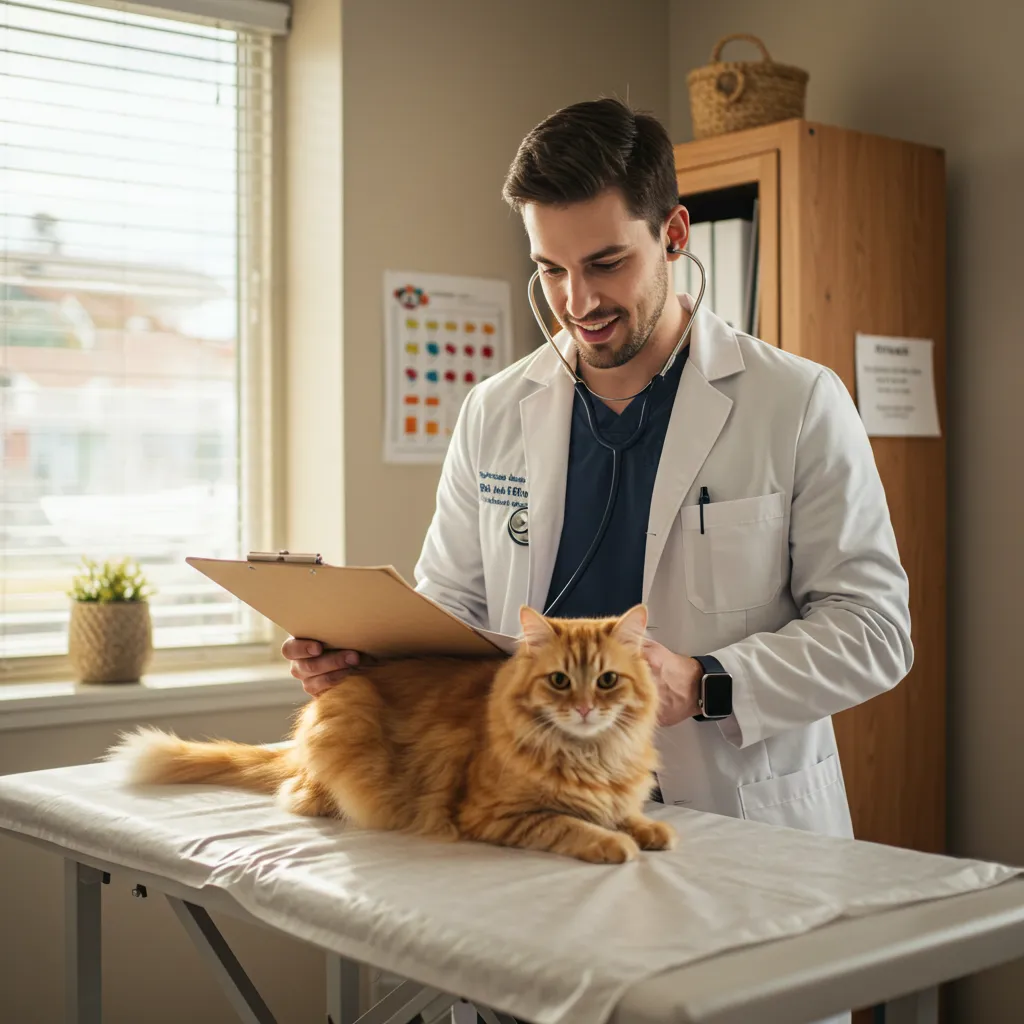
- Vet Consultation: Schedule a pre-op exam 1-2 weeks before. Bloodwork checks for anemia or kidney issues—essential for breeds like Persians.
- Home Setup: Create a calm zone with their favorite bed. For travel, use pheromone sprays in the carrier. Discover more in our cat carrier duration travel tips.
- Medication Review: Inform your vet of any supplements. If anxious, gabapentin 1-2 hours pre-drop-off works wonders.
- Night Before: Remove food at the designated time, but keep water available. Keep routines normal to avoid stress.
- Morning Of: Gentle transport—cover the carrier to reduce visuals. Arrive on time.
From helping Siamese cats, who can get scared easily (our Siamese cats scared easily guide has more), I’ve found these steps cut complications by half.
Managing Cat Anxiety Before Surgery: Tips for a Stress-Free Experience
Cat anxiety before surgery is common loud meows, hiding, or pacing signal distress. Untreated, it can spike stress hormones, complicating anesthesia.
Vet-approved strategies:
- Pre-Medication: Gabapentin reduces fear; dose as prescribed.
- Pheromone Therapy: Feliway diffusers mimic calming scents.
- Familiar Items: Bring a blanket with home smells to the vet.
- Gentle Handling: Practice carrier time weeks ahead.
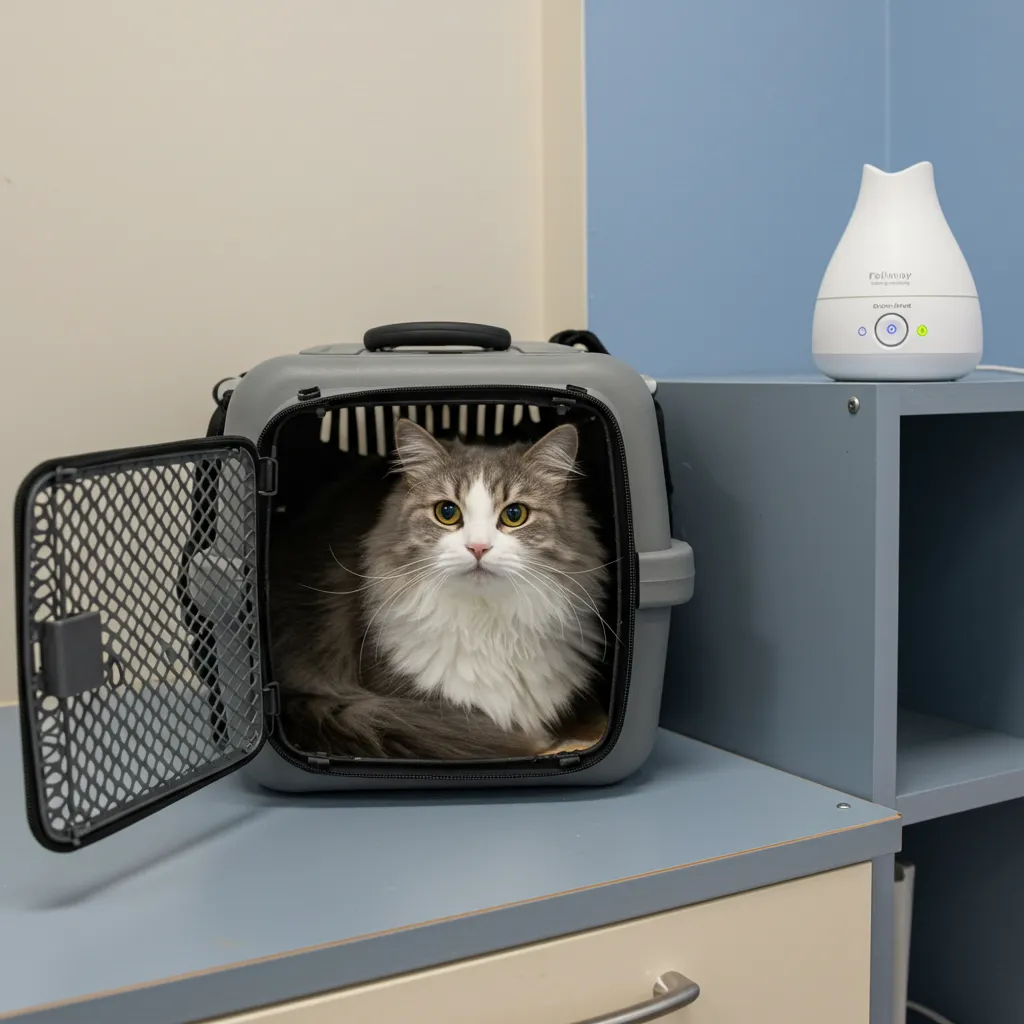
For high-strung breeds like Bengals, these make a world of difference—learn more in our Bengal cat introduction tips.
Cat Fasting Myths Debunked: Separating Fact from Fiction in 2025
Myth 1: “Cats must fast 12 hours no matter what.” Reality: Newer research supports 6-8 hours for better gastric health.
Myth 2: “No water at all overnight.” Fact: Water is usually okay until close to surgery.
Myth 3: “Fasting isn’t needed for quick procedures.” Truth: Even short neuters require it for safety.
Busting these ensures you’re following updated cat fasting guidelines 2025.
Holistic Cat Pre-Surgery Care: Natural Ways to Support Your Feline
For a gentler approach, integrate holistic methods. A nutrient-rich diet pre-op boosts immunity think high-protein meals days before fasting. Herbal calming aids like chamomile (vet-approved) or Bach flowers ease nerves.
Massage or acupuncture sessions a week prior can reduce tension, especially for recovering from other issues. Always consult your vet—holistic complements, doesn’t replace, standard care. Pair with our cat grass care guide for natural wellness boosts.
Cat Neutering Recovery Tips: Ensuring Smooth Feline Post-Surgery Care
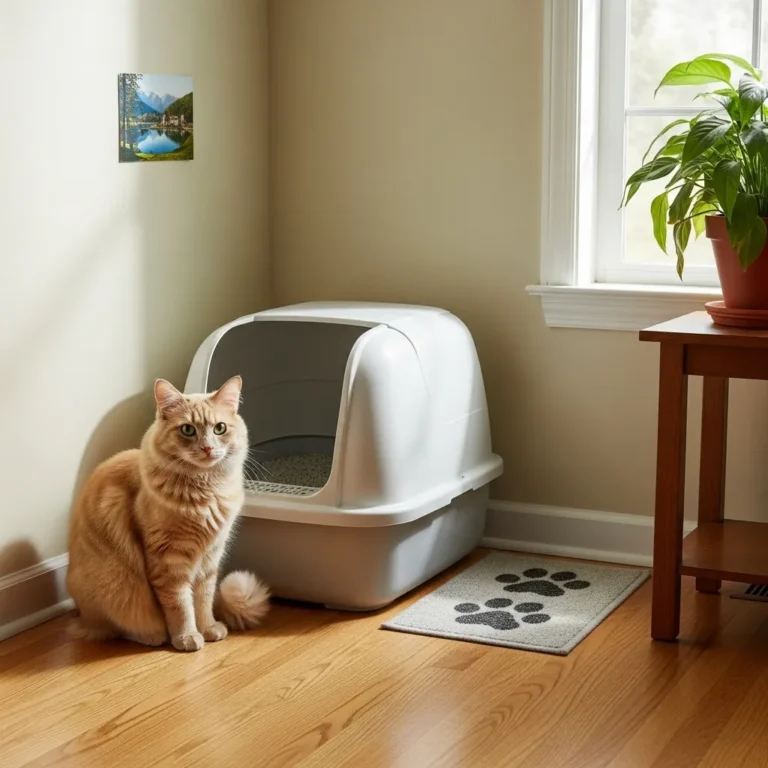
Post-op, focus on rest. Set up a quiet room with easy access to litter and water— no jumping for 7-10 days. Offer small, bland meals 4-6 hours after to curb nausea.
Monitor for swelling, lethargy, or refusal to eat; call your vet if needed. For breeds like Munchkins with mobility quirks, extra padding helps—see our best beds for Munchkin cats.
Most cats bounce back in 5-7 days, but females may take 10-14. Positive reinforcement with treats builds trust post-procedure.

FAQ: Answering Your Top Questions on Cat Pre-Surgery Fasting
How many hours should a cat fast before neutering?
Adult cats should fast 6-12 hours, but confirm with your vet for personalized advice.
What are the feline fasting guidelines for neutering?
No food 6-8 hours pre-op for adults; water until 2 hours before.
What are the best fasting practices for cat spaying?
Similar to neutering: 6-8 hours, with emphasis on hydration.
What is the fasting protocol for feline neutering?
Empty stomach to minimize anesthesia risks; tailored by age and health.
What are the cat neutering fasting recommendations?
Follow AAHA’s 6-8 hour guideline for optimal safety.
How long should a cat fast before neutering?
Typically overnight, but 6-12 hours is standard.
Wrapping Up: Empower Your Cat’s Journey with Expert Care
Navigating cat neutering fasting guidelines doesn’t have to be overwhelming—with the right prep, it’s a step toward a healthier, happier feline life. From understanding why cats fast before surgery to mastering recovery, you’ve now got the tools to support your cat every paw of the way. Remember, always partner with a trusted vet; explore our finding the best vet for your cat article for tips on choosing one.
Ready for more? Dive into our spaying a cat guide or cat health care resources at Cat Bloom Haven.