The Ultimate Guide to Cat Grass Care: Grow Lush, Pet-Safe Greens with Ease
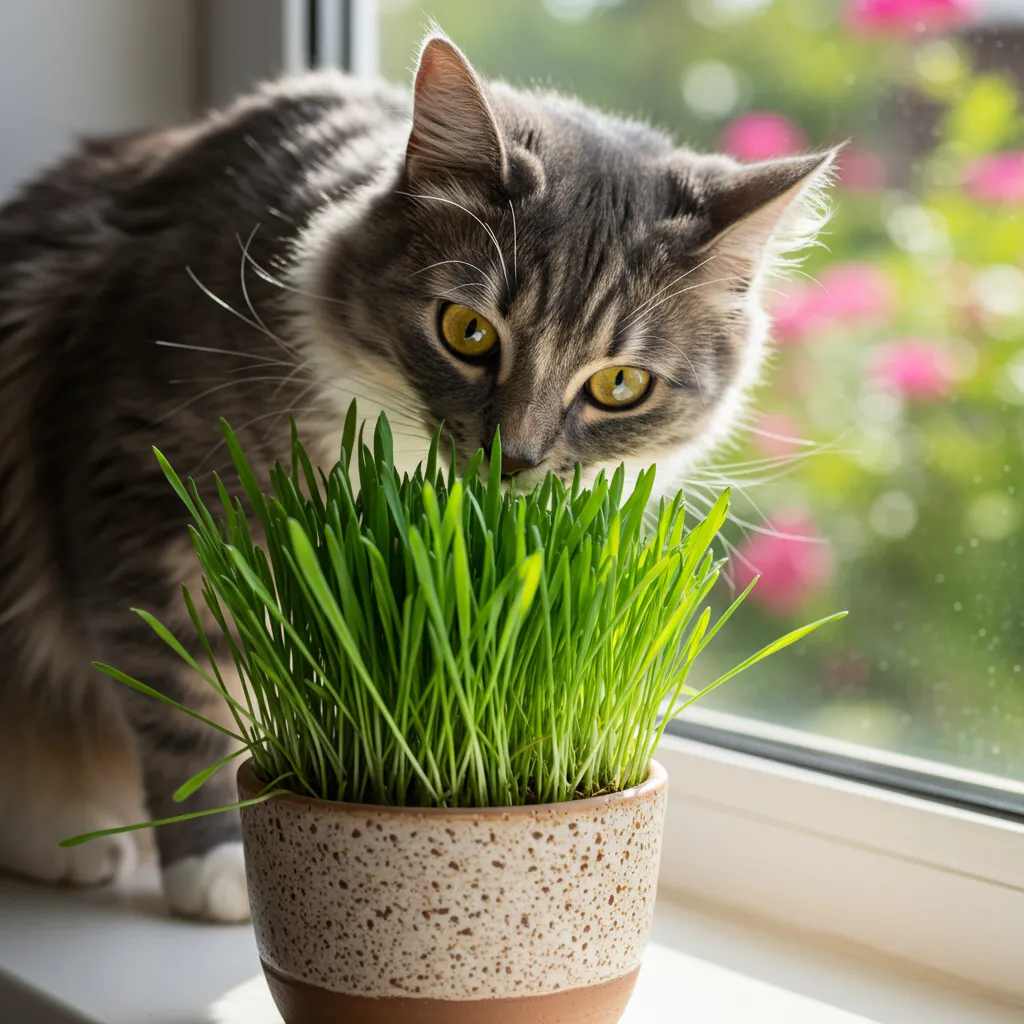
If you’re a cat parent, you’ve probably heard about cat grass—those vibrant, pet-safe blades of green that your feline friend loves to nibble on. But let’s be real: growing and maintaining cat grass can feel like a mystery. Why is it turning yellow? How much water does it need? Is that mold a problem? If you’ve ever struggled with cat grass care or wondered how to grow cat grass that thrives, you’re in the right place.
This comprehensive guide dives deep into every aspect of indoor cat grass care, from planting organic cat grass seeds to troubleshooting issues like cat grass yellow leaves or cat grass mold problems. Packed with actionable tips, step-by-step instructions, and expert insights, this article is your one-stop resource to ensure your cat enjoys lush, healthy grass—and you enjoy the process!
Why Cat Grass Matters for Your Feline Friend
Cat grass isn’t just a treat; it’s a health booster for indoor cats. It aids digestion, reduces hairballs, and provides essential nutrients like fiber and vitamins. Plus, it’s a safe alternative to outdoor plants that might be toxic. But growing cat grass for indoor cats requires more than tossing seeds in a pot. To keep it vibrant and pet-safe, you need to master cat grass maintenance tips, from watering cat grass to choosing the best soil for cat grass. Let’s break it down step by step.
Getting Started: What Is Cat Grass?
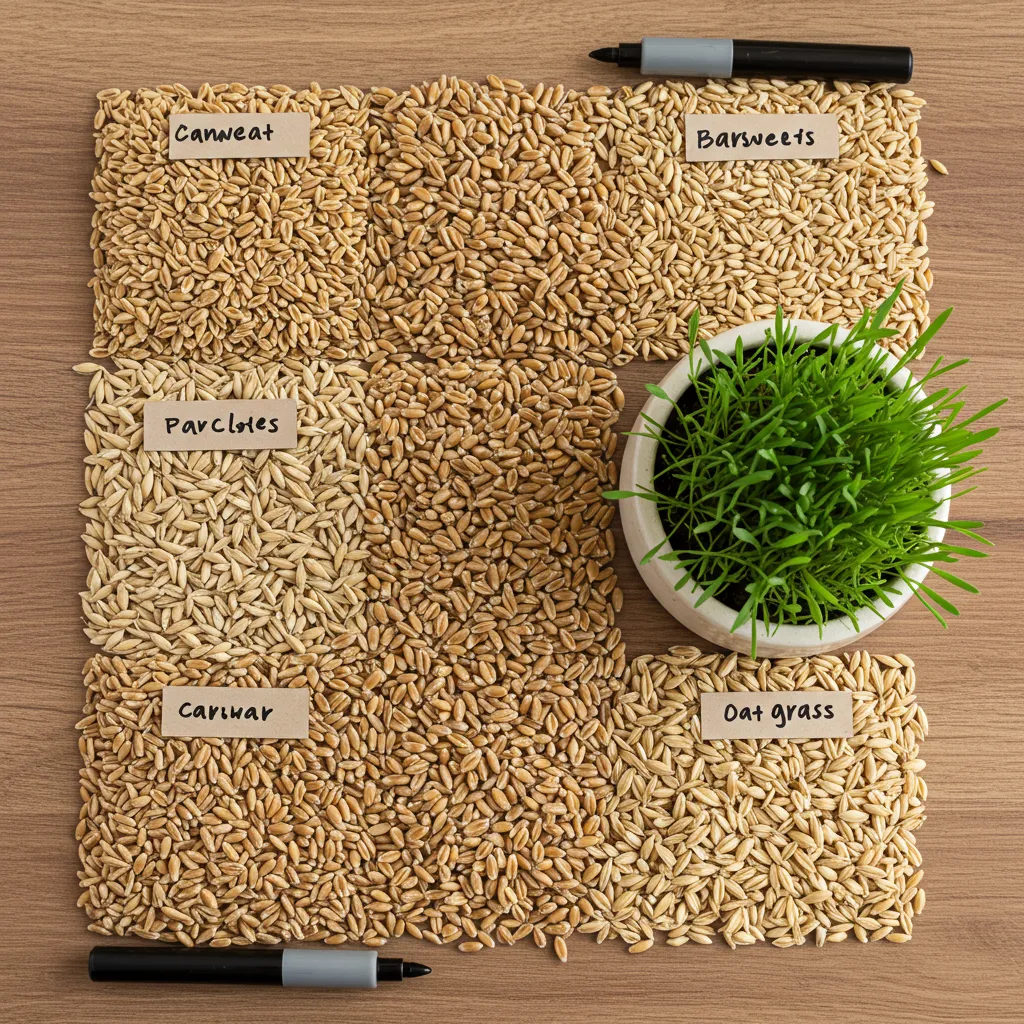
Cat grass is typically grown from seeds of wheatgrass, barley, oats, or rye. These grasses are safe for cats to chew and easy to grow indoors or outdoors. Unlike regular lawn grass, pet-safe plants for cats like cat grass are non-toxic and packed with benefits. Whether you’re using a DIY cat grass kit or starting from scratch with organic cat grass seeds, understanding the basics sets you up for success.
Benefits of Cat Grass
- Digestive Health: Helps cats pass hairballs and supports gut motility.
- Mental Stimulation: Gives indoor cats a natural outlet for chewing and play.
- Nutrient Boost: Provides folate, vitamins A and C, and chlorophyll.
- Safe Alternative: Prevents cats from nibbling on toxic houseplants.
Pro Tip: Always choose organic cat grass seeds to avoid pesticides that could harm your pet. Check trusted suppliers like The Spruce Pets for seed recommendations.
How to Grow Cat Grass: A Step-by-Step Guide
Ready to start your cat grass growing guide? Whether you’re a beginner or a seasoned plant parent, growing cat grass indoors is straightforward with the right approach. Here’s how to do it.
Step 1: Choose Your Supplies
To grow healthy cat grass, you’ll need:
- Seeds: Opt for organic cat grass seeds (wheat, barley, oats, or rye).
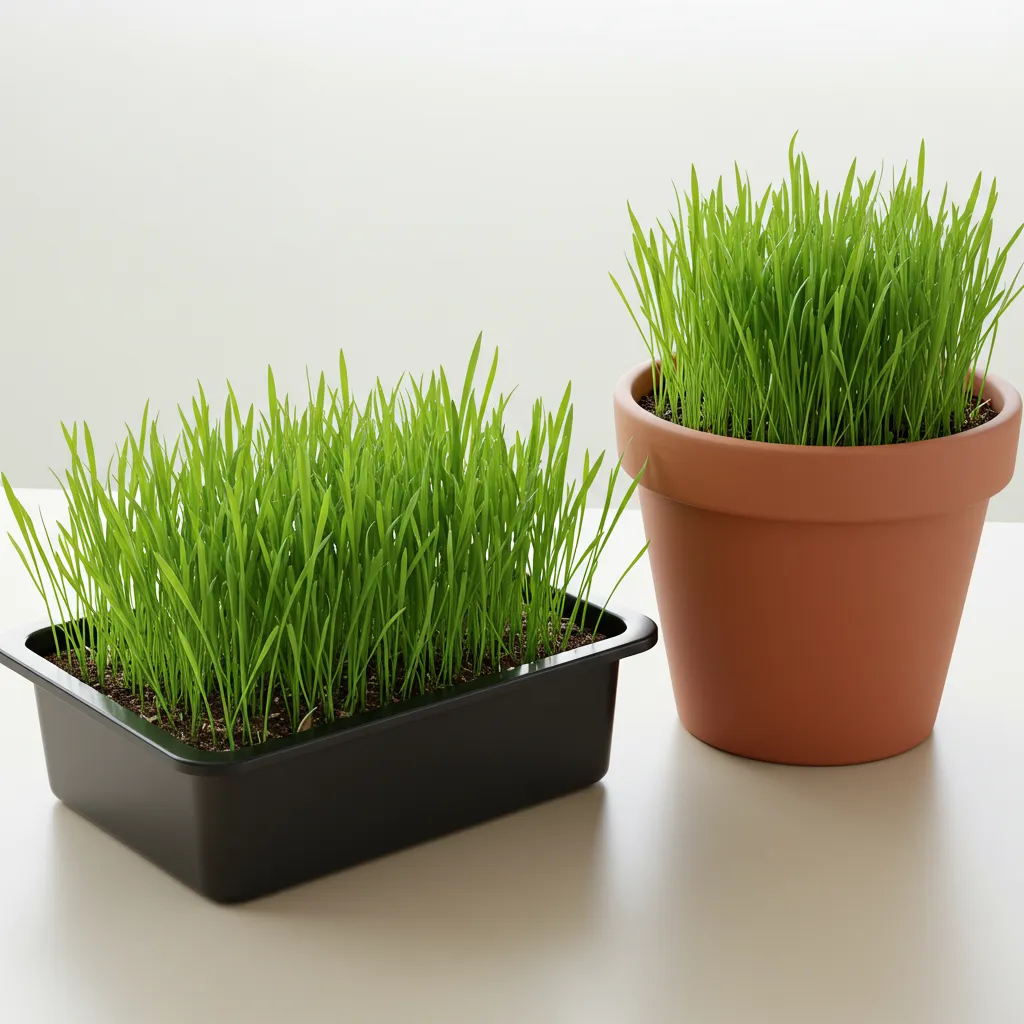
- Container: A shallow pot or tray with drainage holes works best.
- Soil: Use best soil for cat grass, like organic potting mix or coconut coir.
- Watering Can: For gentle, even watering.
- Optional: A DIY cat grass kit for convenience.
Table: Recommended Supplies for Cat Grass
| Item | Recommendation | Where to Find |
|---|---|---|
| Organic Cat Grass Seeds | Wheatgrass or barley seeds | Amazon, Petco, local nurseries |
| Potting Soil | Organic, well-draining mix | Home Depot, garden centers |
| Container | 6–8 inch shallow tray with drainage | Walmart, gardening stores |
| Watering Can | Small spout for precise watering | Any home goods store |
Step 2: Plant the Seeds
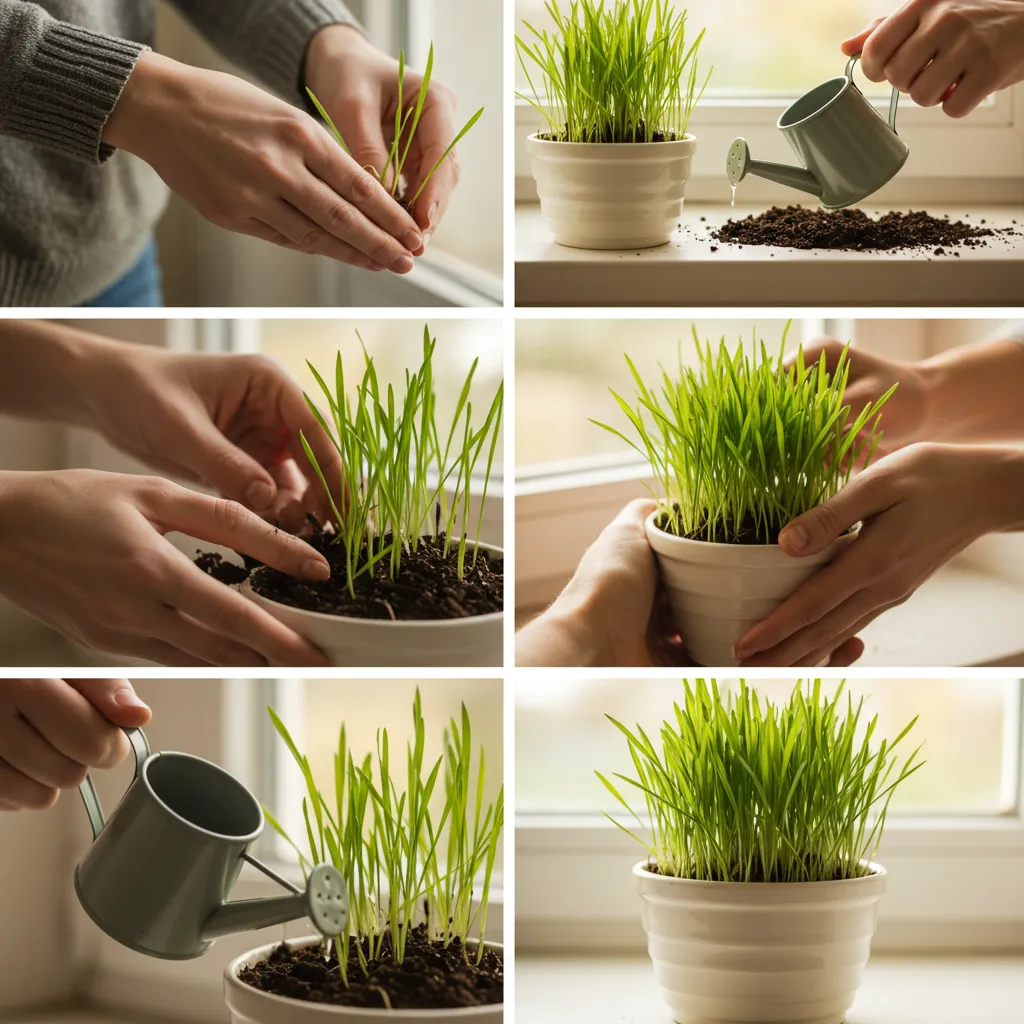
- Fill your container with 1–2 inches of best soil for cat grass.
- Sprinkle seeds evenly across the surface (about 1 tsp per 4×4 inch area).
- Lightly press seeds into the soil but don’t bury them deeply.
- Cover with a thin layer of soil (about 1/8 inch) or leave exposed for faster germination.
- Water gently until the soil is moist but not soggy.
Step 3: Place in the Right Spot
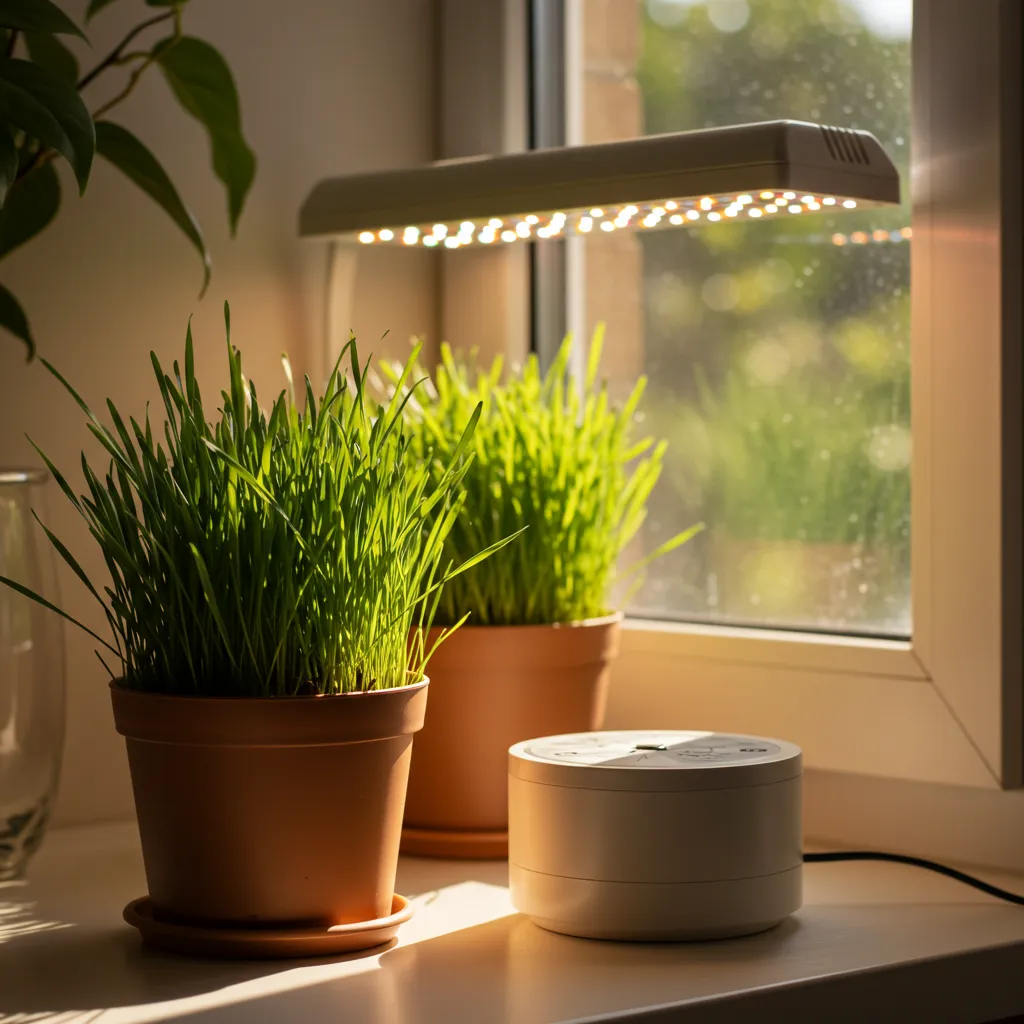
Place the container in a warm, bright location with indirect sunlight for cat grass. A windowsill with 4–6 hours of natural light is ideal. Avoid direct sun, which can scorch young blades.
Step 4: Water and Wait
Water lightly every 1–2 days to keep the soil moist. Germination typically takes 3–7 days, and your cat grass will be ready for nibbling in 10–14 days.
Pro Tip: For a continuous supply, plant new batches every 1–2 weeks. This ensures your cat always has fresh grass to enjoy.
Cat Grass Light and Watering Guide
Proper cat grass light and watering is crucial for lush, green growth. Let’s dive into the details to ensure your grass thrives.
Watering Cat Grass
Overwatering or underwatering can lead to issues like cat grass mold problems or cat grass yellow leaves. Here’s how to get it right:
- Frequency: Water every 1–2 days, keeping the soil consistently moist but not waterlogged.
- Amount: Use a watering can to add just enough water to dampen the soil (about 1/4 cup for a 6-inch pot).
- Drainage: Ensure your container has drainage holes to prevent soggy soil, which can cause mold.
- Signs of Overwatering: Soggy soil, foul odor, or white fuzz (mold).
- Signs of Underwatering: Dry, crispy blades or slow growth.
Real-Life Example: Sarah, a cat owner from Seattle, noticed her cat grass turning yellow. After switching to a pot with better drainage and watering every other day, her grass was vibrant green within a week.
Sunlight for Cat Grass
Cat grass loves bright, indirect light. Here’s how to optimize sunlight for cat grass:
- Ideal Conditions: 4–6 hours of indirect sunlight daily.
- Indoor Setup: Place near an east- or west-facing window. If light is limited, use a grow light (6500K, full-spectrum) for 8–10 hours daily.
- Avoid: Direct sunlight, which can burn the grass, or dark corners, which stunt growth.
Pro Tip: Rotate the pot every few days to ensure even light exposure, preventing lopsided growth.
Related Post: How to Choose Pet-Safe Grow Lights for Indoor Plants
Pruning and Fertilizing Cat Grass
To keep your cat grass looking its best, pruning cat grass and fertilizing cat grass are essential maintenance steps. Here’s how to do it right.
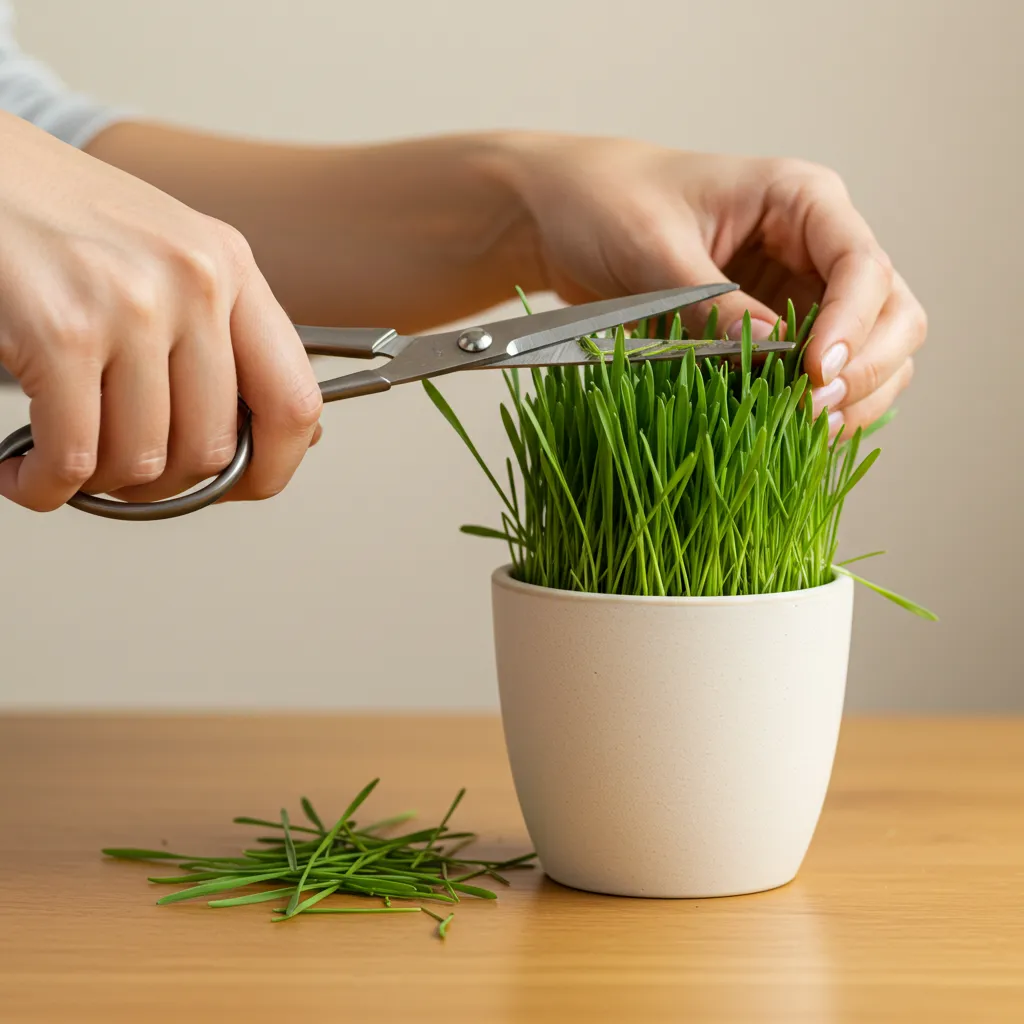
Pruning Cat Grass
Regular trimming keeps cat grass healthy and encourages new growth.
- When to Prune: Trim when grass reaches 4–6 inches or if blades look ragged.
- How to Prune: Use clean scissors to cut blades back to 1–2 inches above the soil.
- Frequency: Every 1–2 weeks, depending on your cat’s chewing habits.
- Safety Tip: Discard trimmed blades to prevent your cat from eating wilted grass, which can upset their stomach.
Fertilizing Cat Grass
Cat grass doesn’t need much fertilizer, but a little boost can enhance growth.
- Do You Need to Fertilize?: Only if growth is slow or blades look pale.
- Best Fertilizer: Use a diluted, organic liquid fertilizer (e.g., fish emulsion or seaweed extract) once every 3–4 weeks.
- How to Apply: Mix 1/4 strength fertilizer with water and apply during regular watering.
- Caution: Avoid over-fertilizing, as excess nutrients can harm your cat.
Table: Fertilizer Dos and Don’ts
| Do | Don’t |
|---|---|
| Use pet-safe, organic fertilizer | Use chemical fertilizers |
| Dilute to 1/4 strength | Over-fertilize |
| Apply every 3–4 weeks | Fertilize newly planted seeds |
Troubleshooting Common Cat Grass Issues
Even with the best care, issues like cat grass yellow leaves or cat grass mold problems can arise. Here’s how to diagnose and fix them.
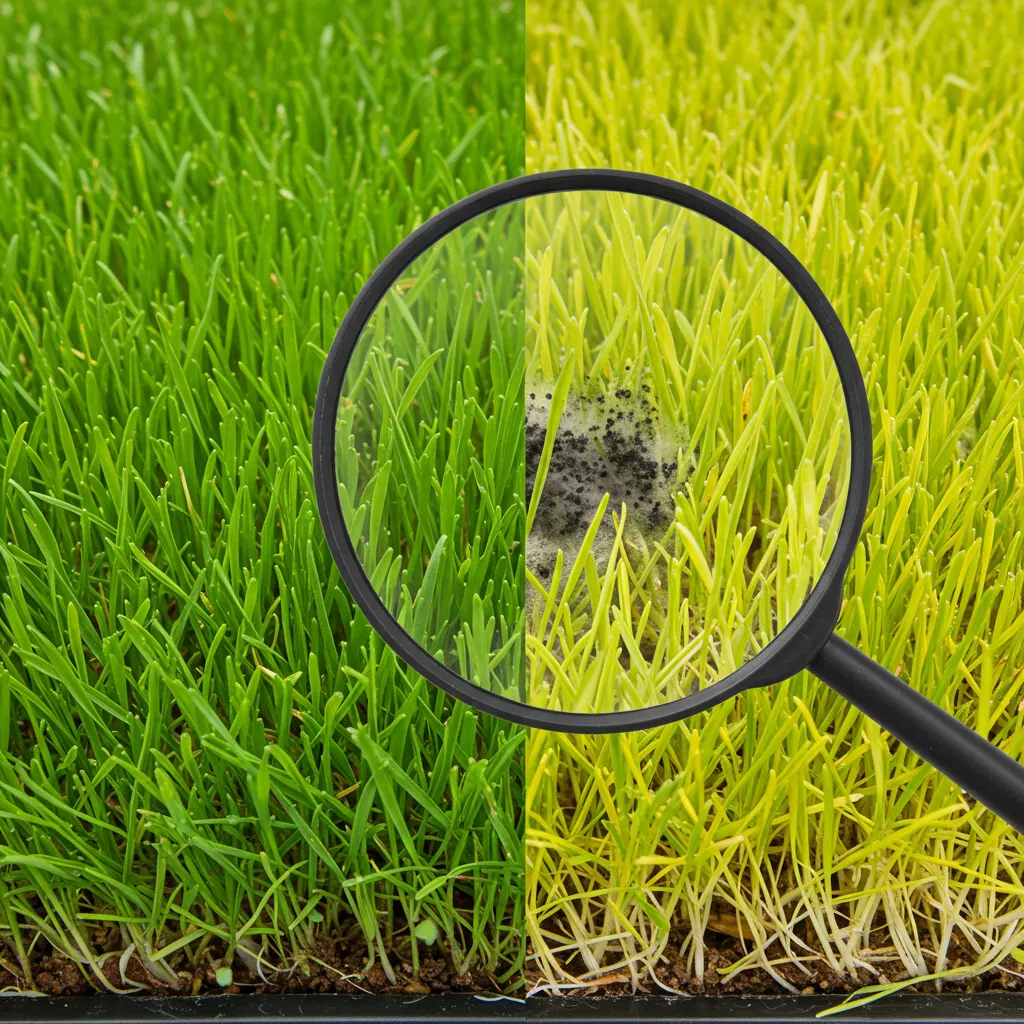
Why Is My Cat Grass Turning Yellow?
Yellowing blades signal stress. Common causes and solutions:
- Overwatering: Reduce watering and improve drainage.
- Underwatering: Increase watering frequency to keep soil moist.
- Too Much Sun: Move to indirect light.
- Nutrient Deficiency: Apply a diluted organic fertilizer.
Real-Life Example: Jake from Chicago noticed yellowing cat grass. By moving the pot away from a sunny window and watering consistently, his grass regained its green hue in days.
How to Fix Cat Grass Mold Problems
Mold is a common issue in humid conditions. Here’s how to tackle it:
- Identify Mold: Look for white, fuzzy patches on soil or grass bases.
- Solution: Scrape off affected soil, improve air circulation (use a small fan), and reduce watering. If severe, start a new batch.
- Prevention: Use well-draining soil and avoid overwatering.
Other Issues
- Slow Growth: Check light exposure and ensure seeds are fresh.
- Cat Overeating: Limit access to 10–15 minutes daily to prevent overgrazing.
Related Post: Common Mistakes in Indoor Plant Care and How to Fix Them
Advanced Cat Grass Care: Hydroponic and DIY Methods
For cat owners looking to level up, try hydroponic cat grass growing or a DIY cat grass kit for low-maintenance, high-yield results.
Hydroponic Cat Grass Growing
Hydroponics eliminates soil, reducing mess and mold risks.
- Setup: Use a hydroponic tray with a water reservoir and seed mat.
- Steps: Soak seeds for 8 hours, spread on the mat, and keep the reservoir filled with water.
- Benefits: Faster growth (7–10 days), cleaner setup, and reusable trays.
- Cons: Higher initial cost for equipment.
Pro Tip: Check out Hydroponics Simplified for beginner-friendly hydroponic kits.
DIY Cat Grass Kit
Create your own kit for a budget-friendly option:
- Buy organic cat grass seeds and a shallow container.
- Use coconut coir or organic potting mix as the growing medium.
- Package with a small watering can and instructions for gifting or personal use.
Table: Hydroponic vs. Soil-Based Cat Grass
| Method | Pros | Cons |
|---|---|---|
| Hydroponic | No soil mess, faster growth | Higher cost, setup time |
| Soil-Based | Affordable, widely available | Risk of mold, more maintenance |
Cat Grass Maintenance Tips for Long-Term Success
To keep your cat grass indoors thriving, follow these easy cat grass care tips:
- Rotate Pots: Ensure even light exposure.
- Clean Containers: Wash pots between plantings to prevent mold.
- Monitor Cat Behavior: Limit access if your cat overeats, which can stress the grass.
- Refresh Regularly: Replace grass every 3–4 weeks, as it weakens over time.
- Store Seeds Properly: Keep organic cat grass seeds in a cool, dry place to maintain viability.
Checklist: Weekly Cat Grass Care
- Water 1–2 times, ensuring moist but not soggy soil.
- Check for yellowing or mold and address immediately.
- Trim blades if overgrown.
- Rotate pot for even light.
- Plan next batch for continuous supply.
FAQ: Quick Answers to Common Cat Grass Questions
How do I take care of cat grass?
Water every 1–2 days, provide 4–6 hours of indirect sunlight, and trim regularly. Use best soil for cat grass and monitor for issues like mold or yellowing.
Can I grow cat grass indoors?
Yes! Cat grass indoors thrives in bright, indirect light with consistent watering. Use a shallow pot with drainage and organic cat grass seeds for best results.
How often should I water cat grass?
Water every 1–2 days to keep soil moist but not waterlogged. Adjust based on your home’s humidity and drainage setup.
Do I need to fertilize cat grass?
Fertilizing isn’t always necessary but can help if growth is slow. Use a diluted, pet-safe organic fertilizer every 3–4 weeks.
What should I do if my cat grass turns yellow?
Check for overwatering, underwatering, or excessive sun. Adjust water, move to indirect light, or apply a diluted fertilizer.
Is it normal for cat grass to have mold?
Mold can occur due to overwatering or poor drainage. Remove affected soil, improve air circulation, and reduce watering to prevent it.
External Resource: For more pet-safe plant tips, visit ASPCA’s Toxic and Non-Toxic Plants List.
Conclusion: Grow Vibrant Cat Grass with Confidence
Mastering cat grass care is easier than you think. By following this cat grass growing guide, you’ll provide your feline friend with a safe, nutrient-rich treat while keeping your home green and vibrant. From choosing the best soil for cat grass to troubleshooting cat grass yellow leaves or cat grass mold problems, this guide covers it all. Start with organic cat grass seeds, ensure proper cat grass light and watering, and experiment with hydroponic cat grass growing for a modern twist. Your cat will thank you, and you’ll love the satisfaction of growing lush, pet-safe plants for cats.