Cat Anesthesia for Senior Cats: Risks, Safety, and Recovery Guide
As a devoted cat parent, the thought of your senior feline undergoing anesthesia can feel daunting. With age comes wisdom, but also unique health challenges that make procedures like surgery a tougher decision. If you’re wondering, “Is my cat too old for anesthesia?” or grappling with concerns about elderly cat surgery risks, you’re not alone. This comprehensive guide dives deep into cat anesthesia for senior cats, covering risks, safety measures, preoperative care, and recovery tips to empower you with confidence and clarity.
In this article, you’ll discover expert-backed strategies to minimize anesthesia risks, ensure a smooth surgical experience, and help your older cat recover comfortably. From pre-anesthetic evaluations to post-surgery pain management, we’ve got you covered with practical advice tailored for senior feline health.
Key Takeaways
- Senior cats can safely undergo anesthesia with proper veterinary care, thorough pre-anesthetic evaluations, and tailored protocols.
- Risks increase with age, but conditions like kidney, liver, or heart issues are bigger factors than age alone.
- Preoperative care is critical, including bloodwork, imaging, and customized anesthesia plans.
- Post-surgery recovery requires a quiet environment, pain management, and close monitoring to promote healing.
- Costs vary widely—plan for diagnostics, surgery, and follow-up care to make informed decisions.
- Explore more tips in our senior cat health care guide.
Understanding Cat Anesthesia for Senior Cats
Anesthesia allows veterinarians to perform surgeries or procedures without causing pain or distress to your cat. For senior cats—typically those over 10 years old—anesthesia requires extra caution due to age-related health changes. While cat anesthesia for senior cats is generally safe with modern veterinary practices, understanding the risks and preparation steps is key to ensuring your feline’s safety.
Why Senior Cats Face Higher Anesthesia Risks
Older cats often have underlying health conditions that can complicate anesthesia. These include:
- Reduced organ function: Kidneys and livers may not process drugs as efficiently.
- Heart conditions: Heart murmurs or cardiomyopathy are common in aging cats.
- Respiratory challenges: Decreased lung capacity can affect oxygen levels during surgery.
- Weakened immune systems: Slower healing and higher infection risk post-surgery.
However, age alone doesn’t make anesthesia unsafe. A 12-year-old cat in good health may tolerate anesthesia better than an 8-year-old with chronic kidney disease. The key is identifying and managing these risks through a thorough pre-anesthetic evaluation.
Pre-Anesthetic Evaluation for Senior Cats
A pre-anesthetic evaluation is non-negotiable for elderly cat surgery risks mitigation. This step assesses your cat’s health to tailor the anesthesia protocol and reduce complications.
What to Expect in a Pre-Anesthetic Evaluation
Your vet will likely perform:
- Bloodwork: Checks kidney, liver, and thyroid function, plus blood sugar and red blood cell counts.
- Urinalysis: Detects urinary tract infections or kidney issues.
- Imaging: X-rays or ultrasounds to evaluate heart and lung health.
- Physical exam: Assesses weight, heart rate, and overall condition.
For example, if your cat has elevated kidney values, the vet might choose anesthesia drugs that are gentler on the kidneys or recommend IV fluids during surgery to support organ function.
Questions to Ask Your Vet
Before surgery, clarify:
- What specific tests are included in the evaluation?
- Are there safer anesthesia options for my senior cat?
- How will you monitor my cat during surgery?
- What’s the plan if complications arise?
Learn more about choosing the right vet in our guide on finding the best vet for your cat.
Risks of Anesthesia in Senior Cats
While modern veterinary anesthesia is safer than ever, risks of anesthesia in cats—especially older ones—can’t be ignored. Common risks include:
- Hypothermia: Senior cats struggle to regulate body temperature under anesthesia.
- Low blood pressure: Can strain organs like the kidneys and heart.
- Respiratory depression: Slowed breathing can reduce oxygen levels.
- Delayed recovery: Older cats may take longer to wake up or regain strength.
How Vets Mitigate These Risks
Veterinarians use advanced techniques to enhance feline anesthesia safety:
- Tailored drug protocols: Short-acting anesthetics like propofol or isoflurane are often safer for seniors.
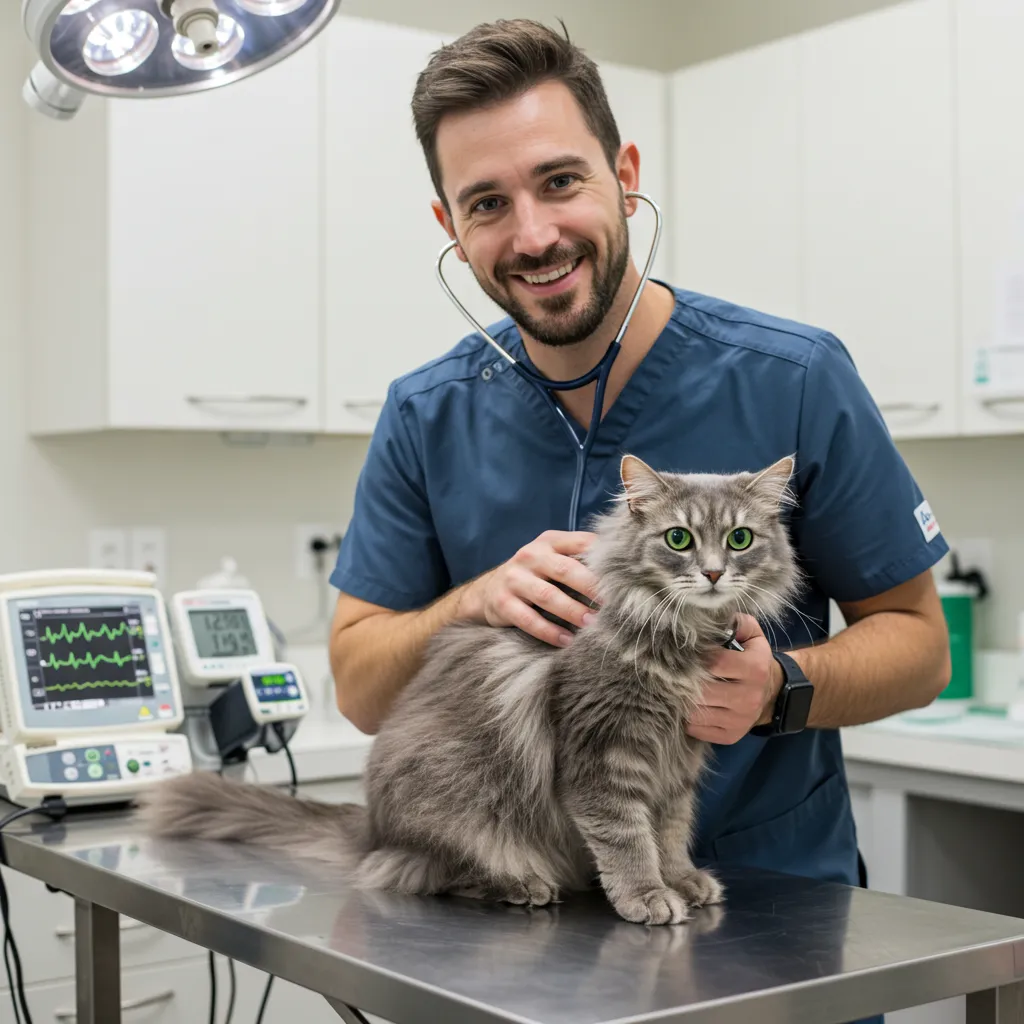
- Monitoring equipment: Tracks heart rate, oxygen levels, and blood pressure in real-time.
- IV fluids: Maintain hydration and support organ function.
- Warming devices: Prevent hypothermia during surgery.
For instance, a vet might use a lower dose of anesthetic for a 15-year-old Maine Coon with mild heart disease, combined with continuous monitoring to catch any issues early.
Is My Cat Too Old for Anesthesia?
The question “Is my cat too old for anesthesia?” is common among pet parents. The answer? It depends on your cat’s overall health, not just their age. A healthy 14-year-old cat may handle anesthesia better than a younger cat with serious health issues.
Factors That Influence Anesthesia Safety
- Chronic conditions: Diabetes, hyperthyroidism, or heart disease require careful management.
- Weight: Obesity or being underweight can affect drug dosing and recovery.
- Procedure type: Short, minimally invasive procedures (e.g., dental cleaning) carry less risk than major surgeries.
Discuss your cat’s specific health profile with your vet to weigh the cat surgery benefits vs risks. For example, a tumor removal might extend your cat’s life, but the risks must be balanced against their quality of life.
Preparing Your Senior Cat for Surgery
Senior cat preoperative care sets the stage for a successful procedure. Here’s how to prepare:
- Fasting: Follow your vet’s instructions—typically no food for 8–12 hours before surgery to prevent aspiration.
- Medications: Inform your vet about any medications or supplements your cat takes.
- Comfort: Keep your cat calm and stress-free the night before. A familiar blanket or toy can help.
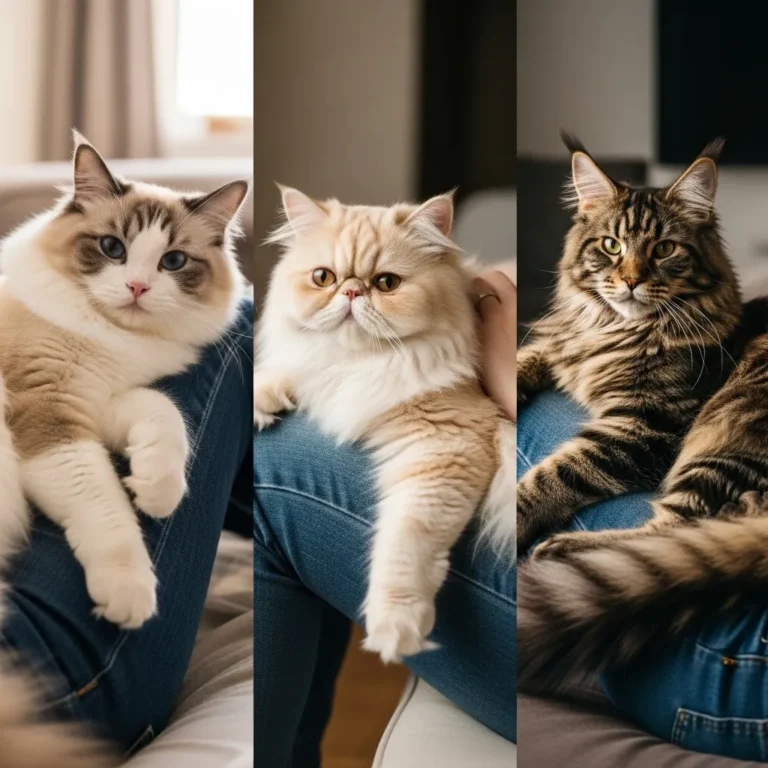
For breed-specific tips, check out our Maine Coon cat care guide or Ragdoll cat care guide.
Surgery Recovery Tips for Senior Cats
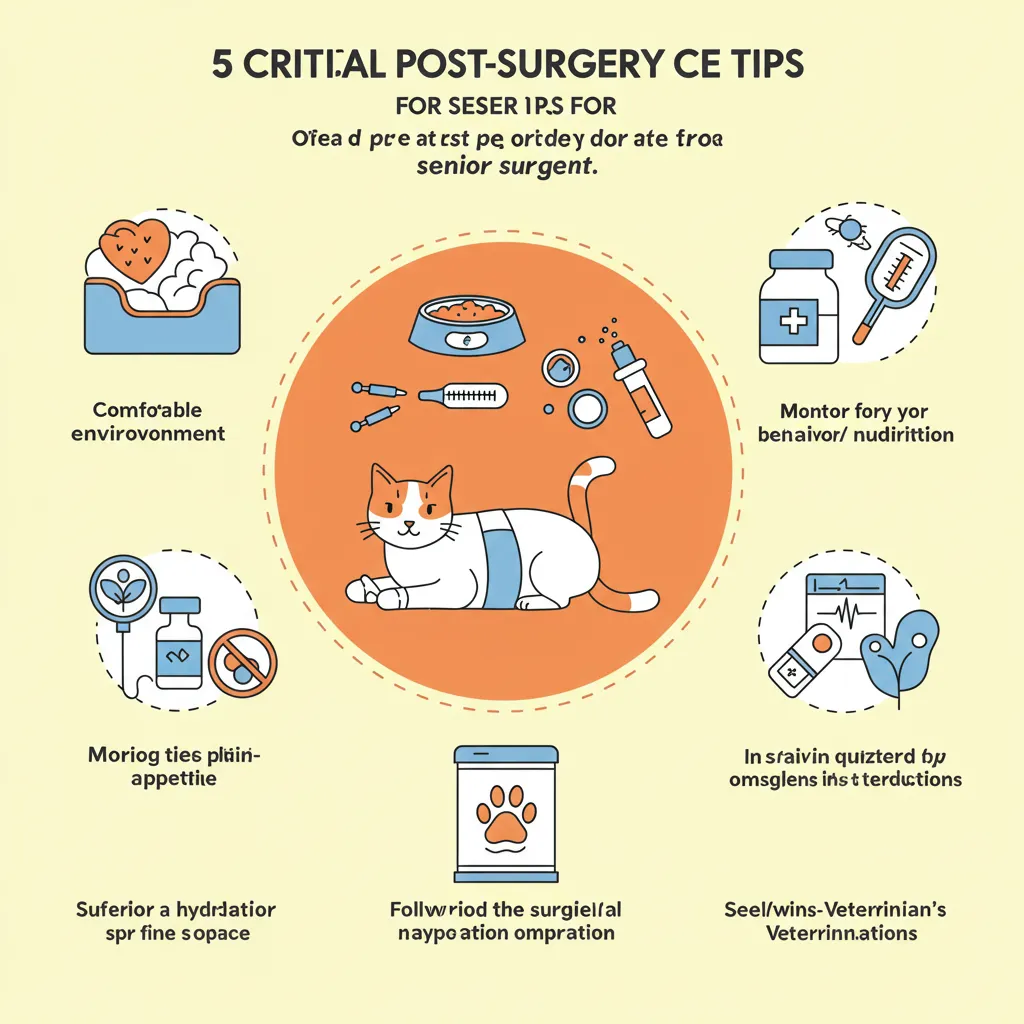
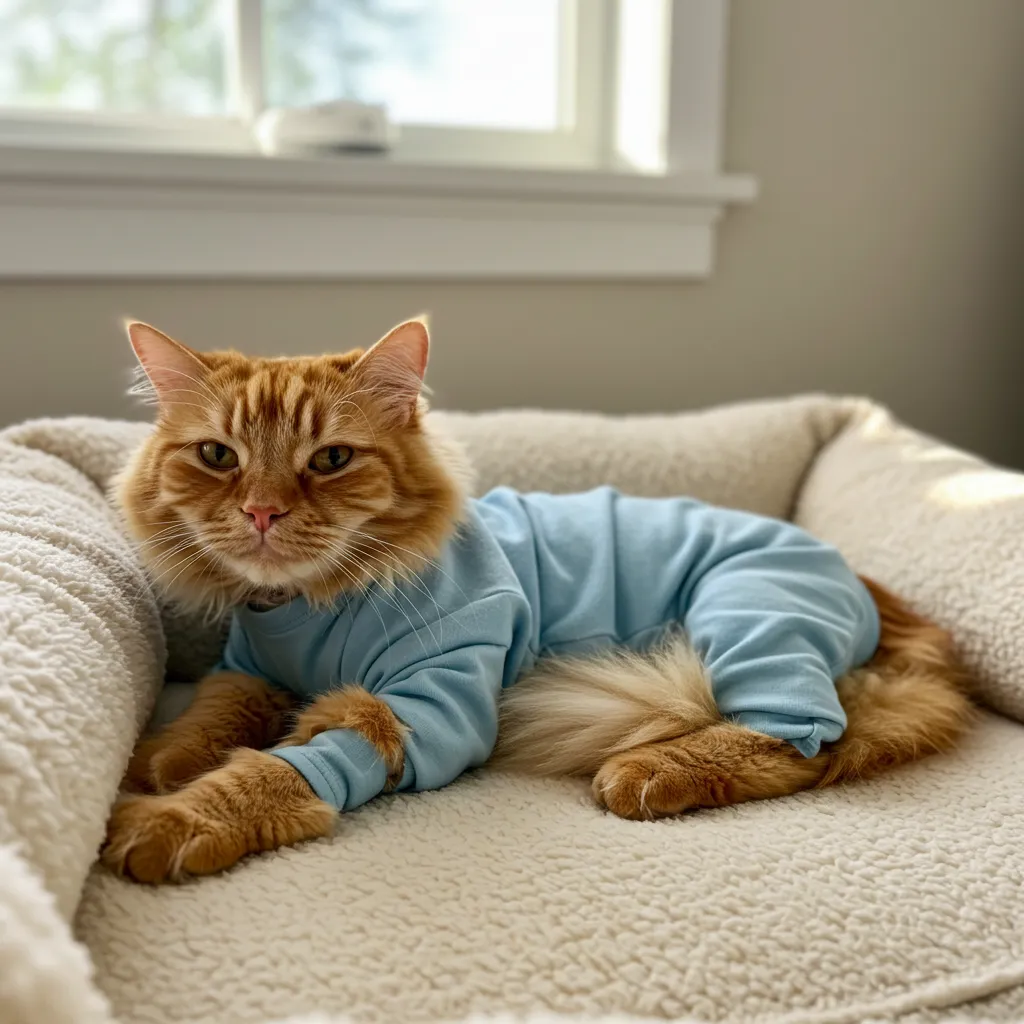
Cat surgery recovery for older cats requires extra care to ensure healing and comfort. Here’s how to support your feline post-surgery:
Creating a Recovery Space
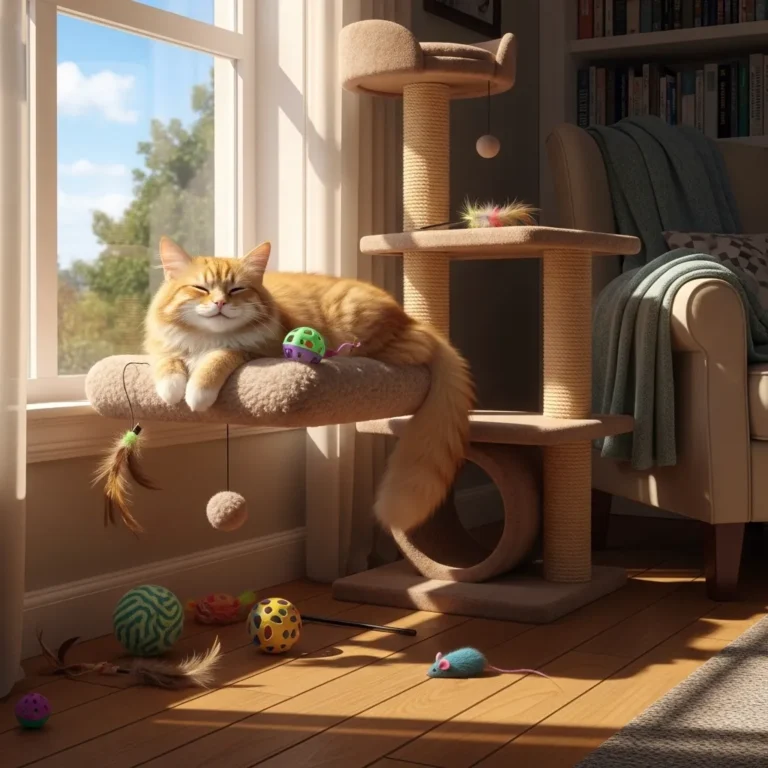
- Quiet, cozy area: Set up a warm, low-traffic spot with soft bedding. Avoid high perches to prevent jumping.
- Litter box access: Use a low-sided box to make it easy for your cat to enter and exit.
- Food and water: Place bowls nearby to minimize movement.
For bed recommendations, see our guide on best beds for Munchkin cats, adaptable for any senior cat.
Pain Management for Older Cats After Surgery
Pain management for older cats after surgery is critical for recovery. Your vet may prescribe:
- Analgesics: Drugs like buprenorphine or meloxicam to control pain.
- Anti-inflammatories: Reduce swelling and discomfort.
- Monitoring: Watch for signs of pain, like hiding, reduced appetite, or aggression.
Never give human painkillers like ibuprofen, as they’re toxic to cats. Learn more in our cat health care guide.
Monitoring Recovery
Watch for these signs of a healthy recovery:
- Eating and drinking normally within 24–48 hours.
- Using the litter box regularly.
- Gradual return to normal behavior.
Red flags to contact your vet about:
- Persistent vomiting or diarrhea.
- Lethargy beyond 48 hours.
- Swelling, redness, or discharge at the surgery site.
For more recovery tips, explore our cat post-surgical care at home guide.
Non-Surgical Alternatives for Senior Cats
Sometimes, surgery isn’t the best option. Non-surgical alternatives for senior cats may include:
- Medication: Managing conditions like hyperthyroidism or arthritis with drugs.
- Dietary changes: Specialized diets to support kidney or heart health.
- Physical therapy: Gentle exercises to improve mobility without surgery.
Discuss these options with your vet to determine what’s best for your cat’s condition.
Cat Surgery Cost Considerations in 2025
Cat surgery cost in 2025 varies based on:
- Procedure type: Dental cleanings may cost $200–$500, while tumor removals can exceed $1,500.
- Diagnostics: Bloodwork, X-rays, and ultrasounds add $100–$500.
- Follow-up care: Medications and checkups can range from $50–$200.
Pet insurance or payment plans can help manage costs. For budgeting tips, see our cat health care guide.
How to Reduce Anesthesia Risk in Older Cats
To minimize anesthesia and senior feline health risks:
- Choose a vet experienced with senior cats.
- Insist on comprehensive pre-anesthetic testing.
- Request modern anesthesia protocols and monitoring.
- Follow post-surgery care instructions meticulously.
FAQ
Is anesthesia safe for senior cats in 2025?
Yes, with proper pre-anesthetic evaluations and modern protocols, anesthesia is generally safe for senior cats. Health conditions, not age, are the primary risk factors.
What are the risks of anesthesia in older cats?
Risks include hypothermia, low blood pressure, respiratory issues, and delayed recovery. These can be managed with tailored drugs, monitoring, and supportive care.
How can I prepare my senior cat for surgery?
Ensure a thorough pre-anesthetic evaluation, follow fasting guidelines, and keep your cat calm. Discuss all medications with your vet.
How do I care for my cat after anesthesia?
Provide a quiet recovery space, monitor for pain or complications, and follow your vet’s pain management plan. Restrict activity to prevent injury.
Are there non-surgical alternatives for senior cats?
Yes, options like medication, dietary changes, or physical therapy may suit certain conditions. Consult your vet for alternatives.
What’s the cost of cat surgery in 2025?
Costs range from $200 for minor procedures to over $1,500 for complex surgeries, plus diagnostics and follow-up care. Pet insurance can help.
How can I help my older cat recover from surgery?
Offer a comfortable recovery area, monitor eating and litter box habits, and administer prescribed medications. Contact your vet if you notice red flags.
Conclusion
Navigating cat anesthesia for senior cats can feel overwhelming, but with the right preparation and care, your feline friend can safely undergo surgery and recover well. By prioritizing pre-anesthetic evaluations, choosing a skilled vet, and providing attentive post-surgery care for elderly cats, you can minimize risks and support your cat’s health. Whether it’s a routine procedure or a complex surgery, your love and diligence make all the difference.
Explore more expert cat care and behavior guides on Cat Bloom Haven to keep your senior feline thriving.