Keep Your Cat Indoors: A Comprehensive Guide to Safety, Enrichment, and Preventing Escapes
Keeping your cat indoors is one of the best ways to ensure their safety, health, and happiness. Outdoor dangers like traffic, predators, and diseases pose significant risks to cats, with studies showing that indoor cats live up to 15 years longer than their outdoor counterparts.
But how do you keep your cat indoors without them feeling trapped or bored? This guide dives deep into indoor cat safety, preventing cat escapes, and creating a stimulating home environment that keeps your feline friend content. From cat-proofing your home to training cats to stay indoors, we’ll cover practical, vet-backed strategies to help your cat thrive indoors while addressing their natural instincts.
Key Takeaways
- Indoor cat safety protects against traffic, predators, and diseases, extending your cat’s lifespan.
- Preventing cat escapes involves securing doors, windows, and using containment solutions like catios or fences.
- Environmental enrichment keeps indoor cats mentally and physically stimulated, reducing escape attempts.
- Training cats to stay indoors is possible with positive reinforcement and consistency.
- Microchipping cats ensures a safety net if they do escape.
- Explore more tips on cat health care to keep your feline thriving.
Why Keep Your Cat Indoors? The Benefits Explained
Indoor cats live longer, healthier lives. According to the American Veterinary Medical Association, outdoor cats face risks like car accidents, fights with other animals, and exposure to diseases such as feline leukemia (FeLV). Keeping your cat indoors reduces these dangers while offering a controlled environment to meet their needs. Benefits of keeping cats indoors include:
- Longer Lifespan: Indoor cats often live 12–18 years, compared to 2–5 years for outdoor cats.
- Reduced Health Risks: Indoor cats avoid parasites, toxins, and contagious diseases.
- Environmental Impact: Indoor cats don’t hunt wildlife, protecting local ecosystems.
- Peace of Mind: No worrying about your cat getting lost or injured.

But indoor life can lead to boredom or escape attempts if your cat’s instincts aren’t addressed. Let’s explore why cats try to escape and how to prevent it.
Understanding Why Cats Try to Escape
Cats are driven by instincts that can make staying indoors challenging. Cat territory instincts and cat hunting behavior often push them toward the door. Here’s why:
Prey Drive and the Hunt for Adventure
Cats are natural hunters. Even well-fed indoor cats may dart outside to chase birds or squirrels, driven by their prey drive. This instinct is especially strong in breeds like the Bengal or Siamese, known for high energy and curiosity.
Mating Behaviors in Unfixed Cats
Unneutered or unspayed cats are more likely to escape, seeking mates. Spaying or neutering, as discussed in our spaying a cat guide, reduces this urge and calms escape-driven behaviors.
Territorial Curiosity
Cats establish territories and may want to explore beyond your home. A sudden change, like a new pet or furniture rearrangement, can trigger escape attempts as they seek to reassert control.
Understanding these instincts is key to preventing cat escapes. Let’s dive into practical solutions to keep your cat safe and happy indoors.
How to Keep Your Cat Indoors: Practical Strategies
Keeping your cat indoors requires a mix of physical barriers, mental stimulation, and training. Here are proven methods to ensure indoor cat safety and prevent escapes.
Cat-Proofing Your Home
A cat-proof home is your first line of defense. Cats are agile and curious, so securing your space is critical. Follow these steps:
- Secure Doors and Windows: Install self-closing hinges on doors and window screens with pet-proof mesh. Check out our protect door frames from cat scratches guide for more tips.
- Block Small Gaps: Cats can squeeze through tiny openings. Use draft stoppers or baby gates to seal gaps under doors.
- Use Motion-Activated Alarms: Place alarms near exits to deter cats from approaching doors.
- Check Balconies: For apartments, install netting or screens to prevent falls or escapes.
Implementing Cat Containment Solutions
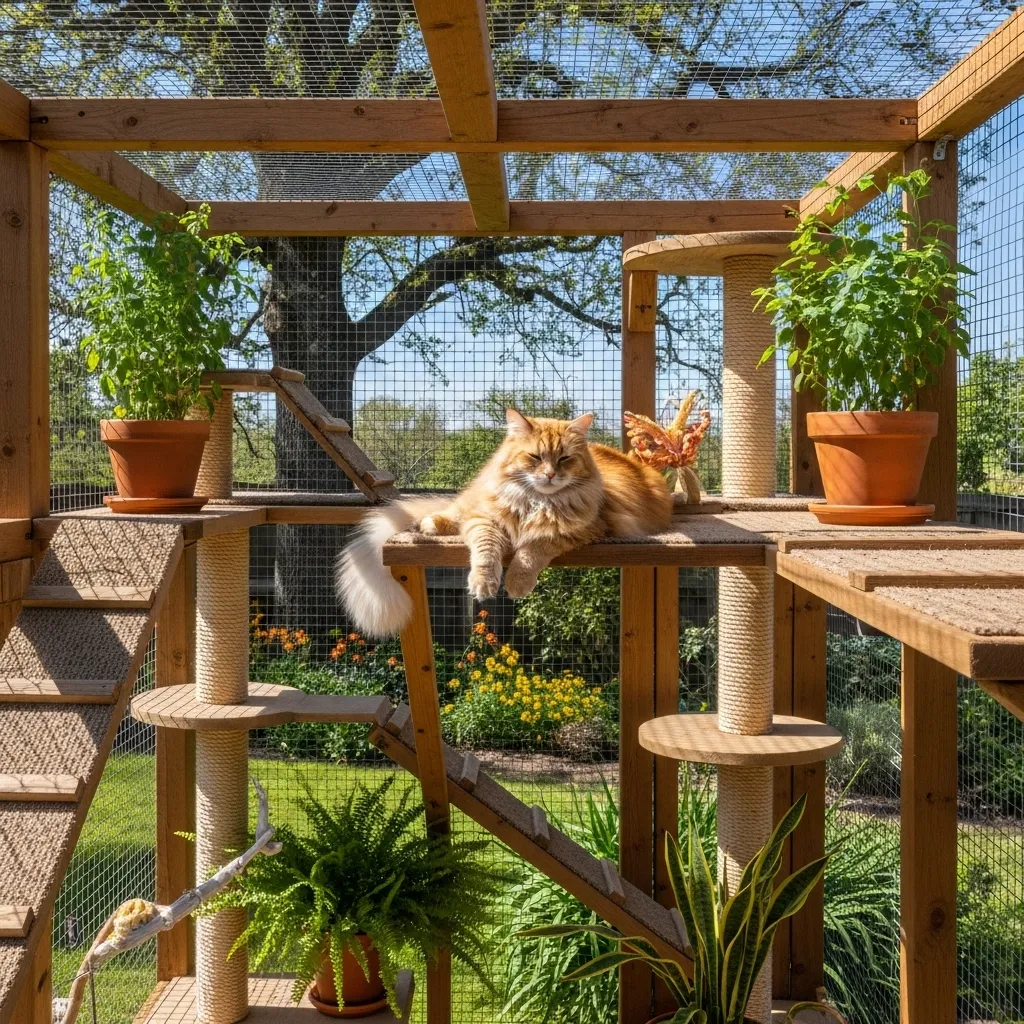
For cats craving outdoor access, cat containment solutions like catios or fences offer safe alternatives. Consider these options:
- Catios (Cat Patios): These enclosed outdoor spaces let cats enjoy fresh air safely. DIY catios can be built using netting and wood frames. Learn more about ragdoll cat outdoor enclosures.
- Cat Fences and Enclosures: Systems like Oscillot or Purrfect Fence create escape-proof yards. They use rollers or angled netting to keep cats contained.
- Supervised Outdoor Time: Use a leash or harness for safe outdoor adventures. Our Siamese cat travel guide has tips for safe outings.
| Containment Solution | Pros | Cons | Best For |
|---|---|---|---|
| Catios | Safe outdoor access, customizable | Can be costly, requires space | Cats with high outdoor curiosity |
| Cat Fences | Covers large areas, durable | Installation time, cost | Homes with yards |
| Leash/Harness | Affordable, portable | Requires supervision | Occasional outdoor trips |
Microchipping Cats for Safety
Even with precautions, accidents happen. Microchipping cats for safety ensures your cat can be identified if they escape. A microchip is a small implant under the skin that contains a unique ID linked to your contact information. Vets or shelters can scan it to reunite you with your pet. Learn more in our cat adoption guide.
Environmental Enrichment for Cats: Preventing Boredom
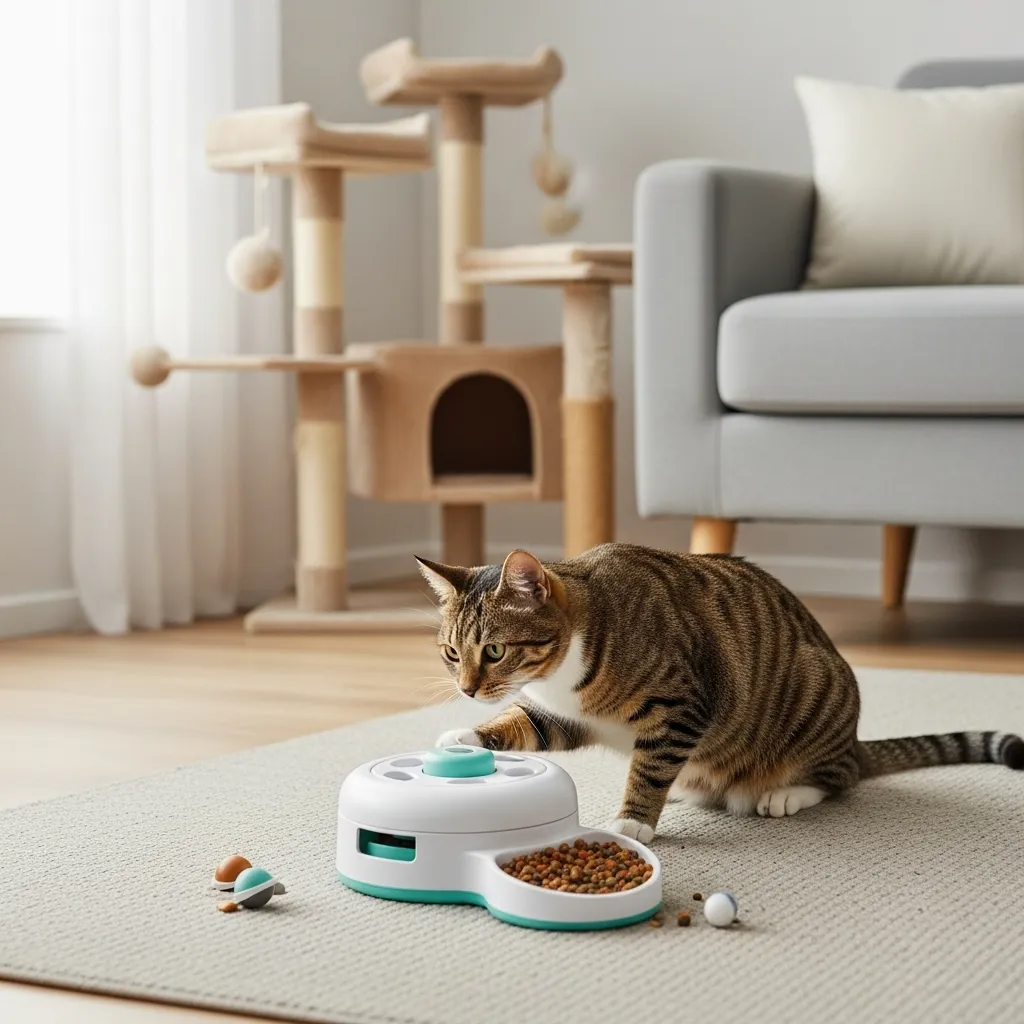
A bored cat is more likely to try escaping. Indoor cat boredom solutions and cat enrichment ideas keep your cat mentally and physically engaged. Here’s how to create a stimulating indoor environment:
Interactive Toys and Playtime
- Puzzle Feeders: Encourage problem-solving with treat-dispensing toys.
- Laser Pointers and Wands: Mimic hunting to satisfy prey drive. Try tips from our teach cat to fetch guide.
- Rotating Toys: Swap toys weekly to maintain interest.
Vertical Spaces and Exploration
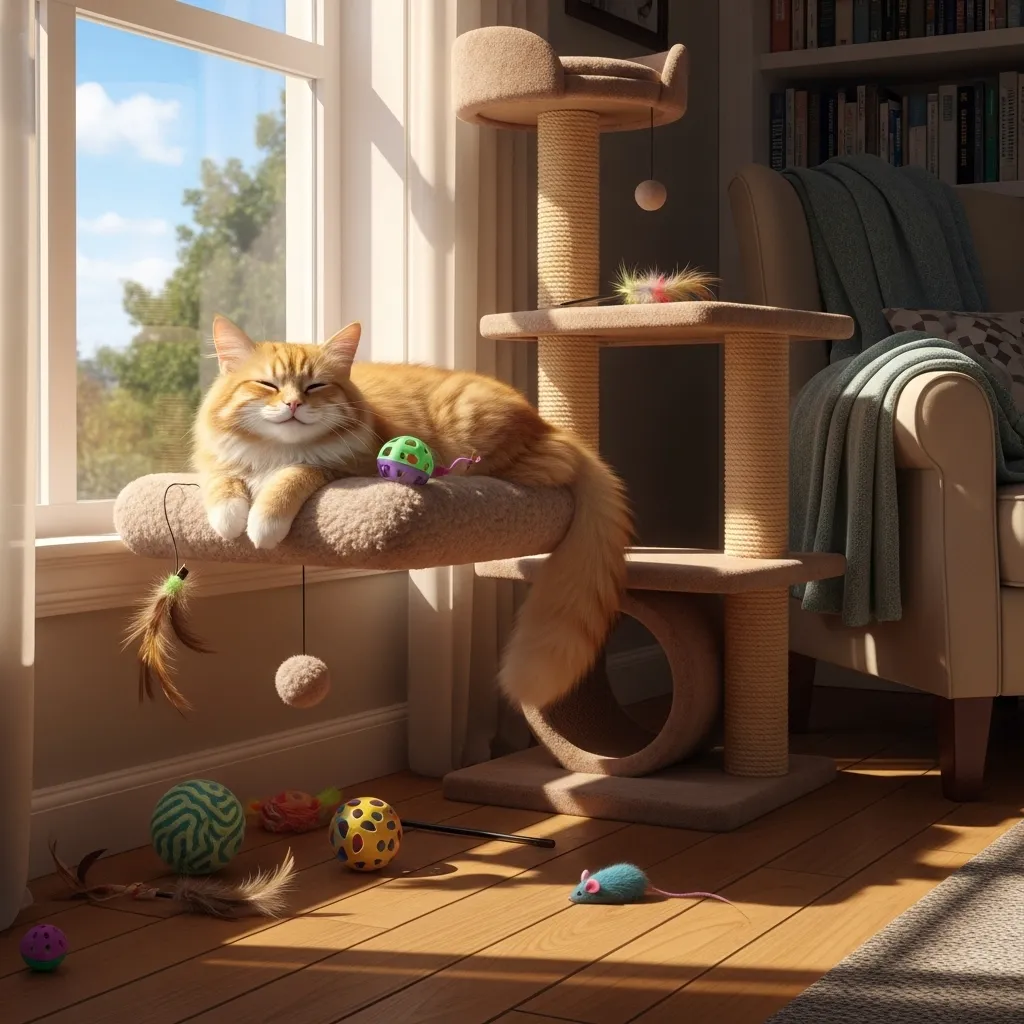
Cats love heights. Install cat trees, shelves, or window perches to create vertical territory. Our Munchkin cat playfulness guide offers breed-specific play ideas.
Sensory Stimulation
- Window Views: Place perches near windows for bird-watching.
- Cat-Safe Plants: Grow cat grass for nibbling, as outlined in our cat grass care guide.
- Scent Games: Hide treats to engage their sense of smell.
Daily Interaction
Spend at least 15–30 minutes daily playing with your cat. For high-energy breeds like the Norwegian Forest Cat, increase playtime to 45 minutes.
Training Cats to Stay Indoors
Training cats to stay indoors is possible with patience and positive reinforcement. Cats learn through rewards, not punishment. Here’s a step-by-step approach:
- Reinforce Indoor Spaces: Reward your cat with treats or praise when they stay away from doors. Use treats recommended in our Norwegian Forest Cat treats guide.
- Distract During Door Openings: Toss a toy or treat away from the door when entering or exiting.
- Desensitize to Outdoors: Gradually expose your cat to outdoor sounds (e.g., through a window) while rewarding calm behavior.
- Address Underlying Triggers: If stress or boredom drives escapes, address it with enrichment or vet advice. See our cat stress signs guide.
For breeds like the Siamese, which are prone to escape, consistent training is key.
Safe Outdoor Experiences for Cats
If your cat craves outdoor time, supervised outdoor time for cats or safe outdoor experiences for cats can satisfy their curiosity without risks. Options include:
- Leash Training: Use a harness for short walks. Start indoors to get them comfortable.
- Catios: As mentioned, these are ideal for safe outdoor access.
- Enclosed Gardens: Create a secure backyard space with DIY cat-proof fencing.
Always supervise outdoor time to prevent escapes or accidents. Our American Shorthair cat travel tips offer more on safe outings.
Addressing Common Challenges

Indoor Cat Boredom Solutions
Boredom leads to destructive behavior or escape attempts. Rotate toys, introduce new stimuli, and use puzzle feeders. For specific breeds, check our keep Siamese cats entertained guide.
Handling Escape Attempts
If your cat bolts for the door, stay calm. Use a firm “no” and redirect them with a toy. Reinforce indoor spaces with rewards. Our cat escape behavior guide has more insights.
Health and Behavior Monitoring
Escape attempts can signal health issues or stress. Regular vet visits, as outlined in our finding the best vet for your cat, ensure your cat’s well-being.
FAQ: Your Top Questions Answered
Why do indoor cats try to escape?
Cats escape due to hunting instincts, mating urges, or territorial curiosity. Spaying/neutering and enrichment reduce these behaviors.
How can I cat-proof my home?
Secure doors and windows, use pet-proof screens, block gaps, and install motion-activated alarms near exits.
What are effective cat containment solutions?
Catios, cat fences, and leash training provide safe outdoor access while keeping cats contained.
How do I train my cat to stay indoors?
Use positive reinforcement, reward indoor behavior, and distract from doors with toys or treats.
Can I allow my cat supervised outdoor time?
Yes, use a harness or catio for safe outdoor experiences, always under supervision.
Why is microchipping important for indoor cats?
Microchips help identify and return escaped cats, offering a critical safety net.
How can I prevent indoor cat boredom?
Provide interactive toys, vertical spaces, window perches, and daily playtime to keep cats engaged.
Explore more in our cat training behavior guide.
Conclusion: A Happy, Safe Indoor Cat
Keeping your cat indoors is a loving choice that protects them from outdoor dangers while fostering a stimulating, enriching environment. By cat-proofing your home, using cat containment solutions, and providing environmental enrichment for cats, you can satisfy their instincts and prevent escapes. Training, microchipping, and supervised outdoor time add extra layers of safety and happiness. With these strategies, your cat will thrive indoors, living a long, healthy, and fulfilled life.
Ready to dive deeper? Explore more expert cat care tips on Cat Bloom Haven to keep your feline friend thriving!