Protect Door Frames from Cat Scratches: The Ultimate Guide to a Cat-Friendly Home
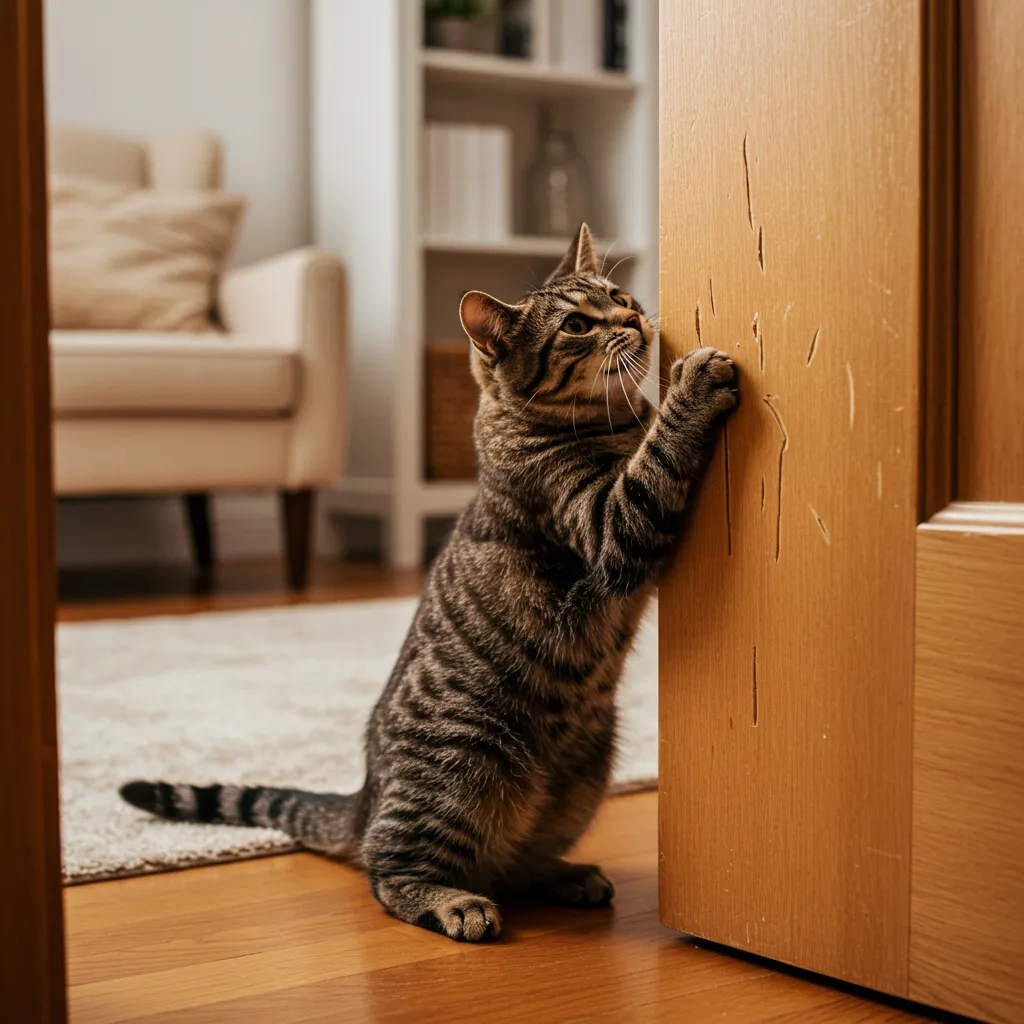
Cat owners know the struggle: you love your feline friend, but those claw marks on your door frames? Not so much. Protecting door frames from cat scratches is a common challenge, whether you’re dealing with a playful kitten or a territorial tabby. Scratching is a natural behavior for cats, but it can wreak havoc on your home’s aesthetics and your wallet.
This comprehensive guide is your one-stop solution to stop cats from scratching door frames, safeguard your home, and keep your cat happy—all while using humane, effective, and cutting-edge strategies for 2025. From cat scratch deterrents to positive reinforcement training, we’ll cover every angle to ensure your home stays scratch-free and your cat stays content.
With actionable tips, step-by-step guides, and the latest cat-proof door protectors trending in 2025, this article goes beyond basic advice to deliver expert-backed solutions. Whether you’re seeking eco-friendly cat scratch guards or the best scratching posts for cats, you’ll find everything you need to create a cat-friendly home protection plan that works.
Why Cats Scratch Door Frames (And Why It’s Normal)
Cats scratch for reasons beyond sharpening their claws—it’s instinctual and serves multiple purposes. Understanding why your cat targets door frames is the first step to redirecting their behavior.
The Science Behind Cat Scratching
Scratching is a natural behavior rooted in a cat’s biology:
- Marking Territory: Cats have scent glands in their paws, and scratching leaves both a visual mark and a scent to claim their space.
- Claw Maintenance: Scratching removes the outer layer of their claws, keeping them sharp and healthy.
- Exercise and Stress Relief: Scratching stretches muscles and relieves anxiety, especially in indoor cats who may feel bored or territorial.
- Attention-Seeking: Door frames, often in high-traffic areas, are prime targets for cats wanting to get noticed.
Why Door Frames Specifically?
Door frames are tall, sturdy, and often located at home “hotspots” like entryways, making them irresistible to cats. The texture of wood or paint also mimics tree bark, a natural scratching surface. If your cat scratches door frames, they might be reacting to:
- New changes (e.g., moving, new pets, or guests).
- Lack of suitable scratching alternatives.
- Stress or boredom from insufficient stimulation.
Real-Life Example: Sarah, a cat owner in Texas, noticed her cat Luna scratching the living room door frame after a new puppy joined the household. By understanding Luna’s stress-driven behavior, Sarah used cat behavior training for scratching and introduced a scratching post, which we’ll discuss later.
How to Stop Cats from Scratching Door Frames: A Step-by-Step Plan
Stopping your cat from scratching door frames requires a multi-faceted approach. Here’s a detailed, actionable plan to protect door frames from cat scratches while keeping your cat happy.
Step 1: Assess the Damage and Environment
Before diving into solutions, evaluate the situation:
- Inspect Damage: Check which door frames are targeted and the extent of the scratches.
- Observe Your Cat: Note when and why they scratch (e.g., after meals, when you’re home, or during quiet hours).
- Check Alternatives: Do you have scratching posts for cats? Are they appealing and well-placed?
Step 2: Redirect Cat Scratching Behavior
Redirecting your cat’s scratching to appropriate surfaces is key to stopping cat scratching walls and doors. Here’s how:
Provide the Best Scratching Posts for Cats
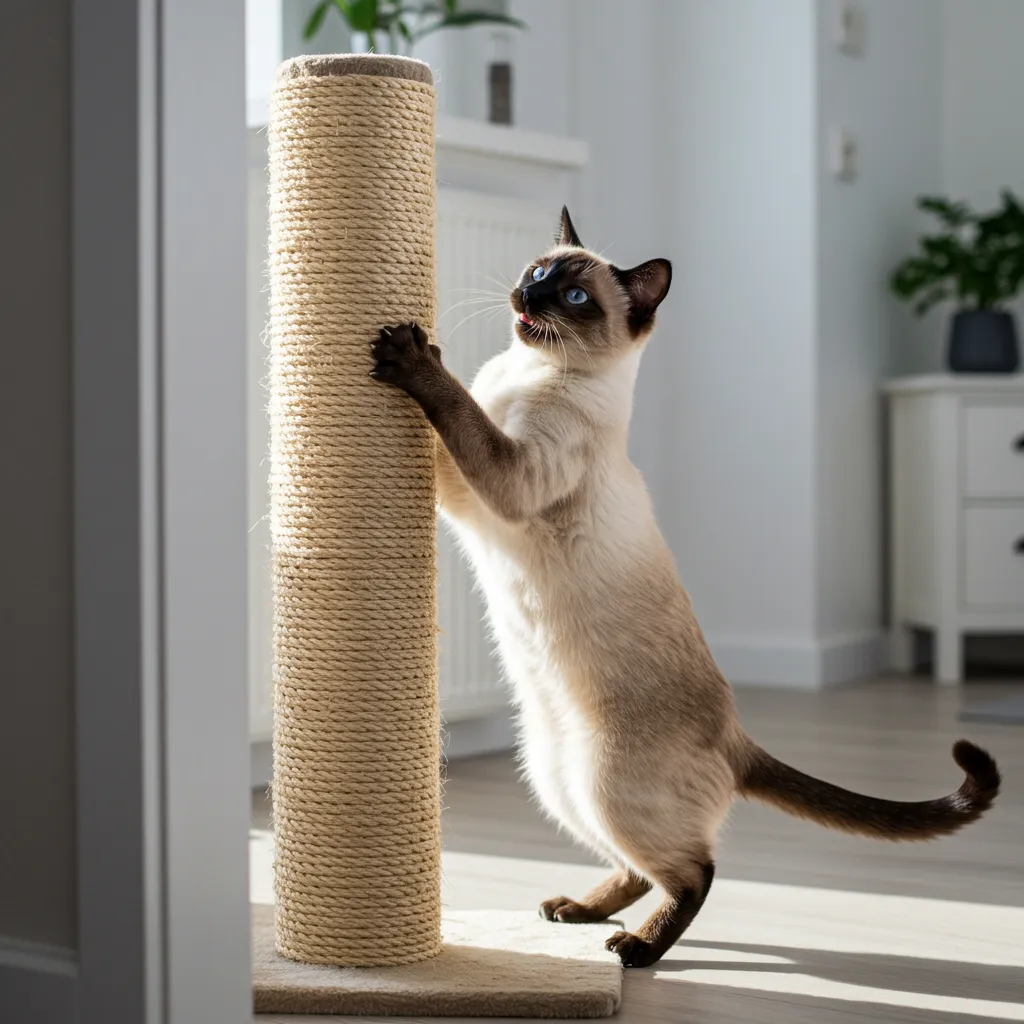
Not all scratching posts are created equal. To entice your cat away from door frames, choose posts that match their preferences:
- Material: Cats prefer sisal, cardboard, or carpet. Sisal is durable and mimics natural textures.
- Height: Posts should be tall enough for a full stretch (at least 3 feet).
- Stability: A wobbly post won’t cut it—ensure it’s sturdy.
- Location: Place posts near scratched door frames or high-traffic areas.
Top Picks for 2025:
| Scratching Post | Features | Why Cats Love It |
|---|---|---|
| SmartCat Ultimate Scratching Post | 32” tall, sisal-wrapped, sturdy base | Perfect for stretching and durable for heavy scratchers |
| PetFusion 3-Sided Vertical Scratcher | Cardboard, multi-angle design | Ideal for cats who love variety |
| Frisco Cat Tree with Scratcher | Multi-level with sisal posts | Combines scratching with climbing for active cats |
Tip: Sprinkle catnip or use a cat scratch deterrent spray 2025 (like PetSafe SSSCAT) on the post to make it irresistible.
Use Cat Scratch Deterrents
Deterrents make door frames less appealing without harming your cat. Try these cat-proof door protectors:
- Double-Sided Tape: Cats hate sticky surfaces. Apply tape (e.g., Sticky Paws) to scratched areas.
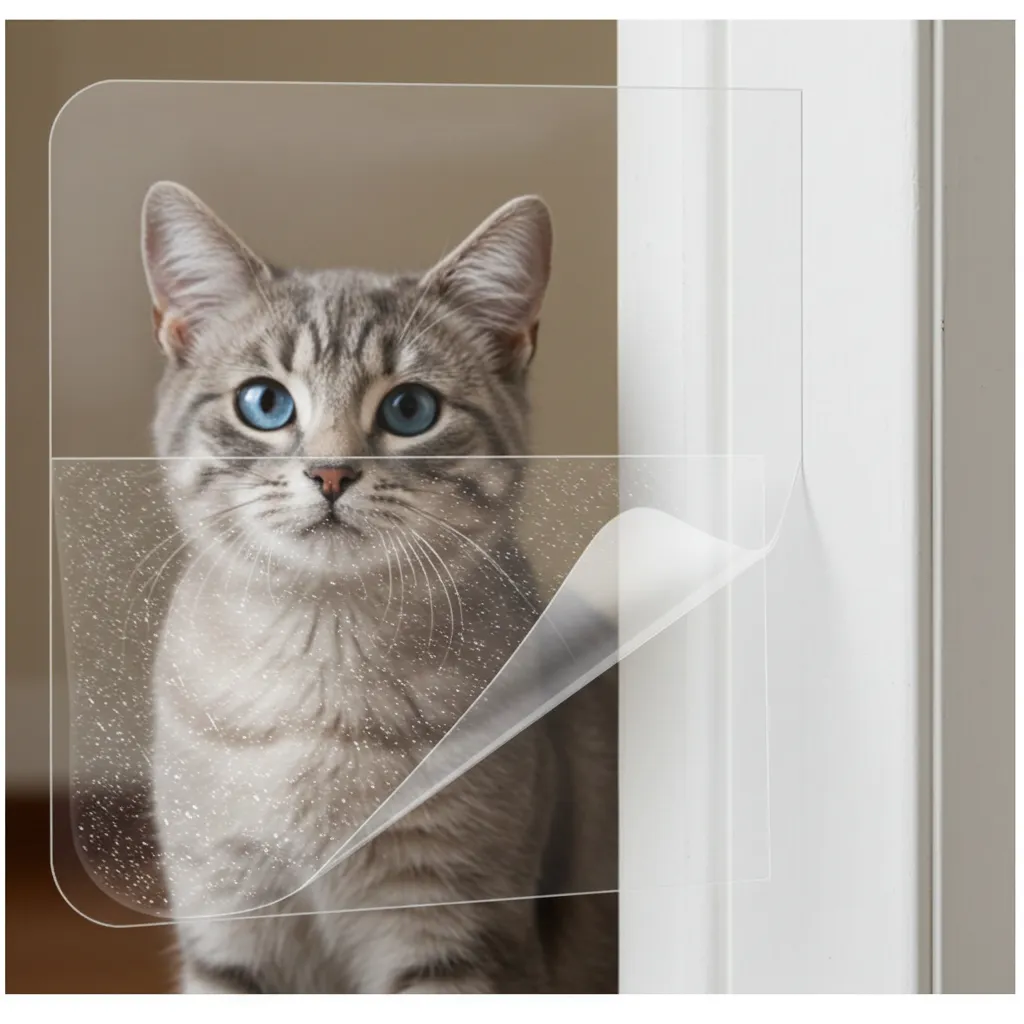
- Eco-Friendly Cat Scratch Guards: Products like Clawguard or Furniture Defender offer clear, removable shields for door frames.
- Citrus or Motion-Activated Sprays: Cats dislike citrus scents. Use a cat scratch deterrent spray 2025 like NaturVet Pet Organics No-Scratch Spray or motion-activated sprays for humane deterrence.
Pro Tip: Test sprays on a small area first to ensure they don’t damage your door frame’s finish.
Step 3: Implement Cat Behavior Training for Scratching
Training your cat to avoid door frames requires patience and positive reinforcement cat training. Here’s a step-by-step guide:
- Catch Them in the Act: Gently interrupt scratching with a clap or a toy to redirect attention.
- Reward Good Behavior: When your cat uses a scratching post, reward them with treats, praise, or playtime.
- Avoid Punishment: Yelling or spraying water can stress your cat, worsening the behavior.
- Consistency is Key: Reinforce training daily for at least 2–3 weeks to build new habits.
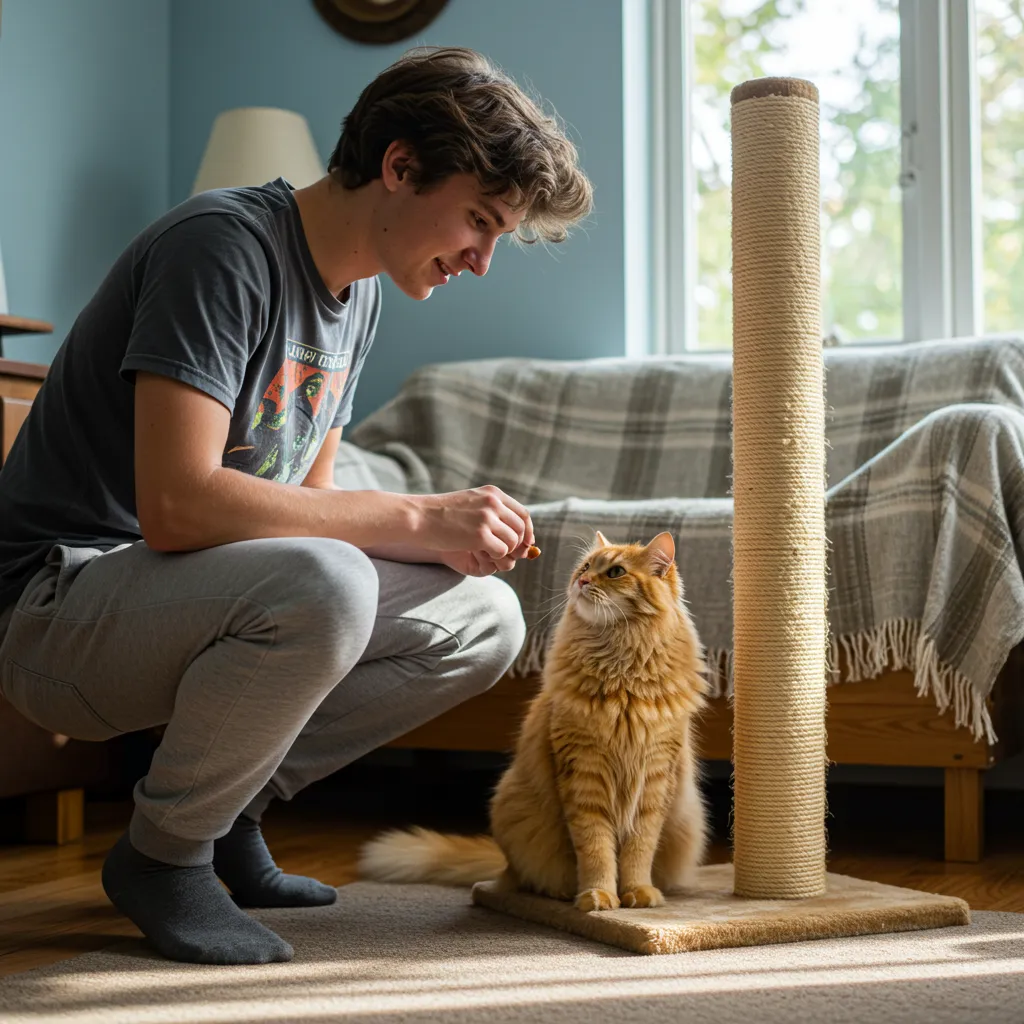
Example: John trained his cat, Max, by placing a sisal post near the scratched bedroom door frame. Every time Max used the post, John offered a treat and verbal praise. Within a month, Max stopped scratching the door entirely.
Step 4: Trim Your Cat’s Nails Regularly
Cat nail trimming tips can reduce damage from scratching:
- Tools: Use sharp, cat-specific clippers like Millers Forge.
- Technique: Trim only the sharp tips, avoiding the pink “quick” (blood vessel).
- Frequency: Every 2–3 weeks for indoor cats.
- Calming Your Cat: Wrap them in a towel or trim during nap time for less stress.
Step-by-Step Nail Trimming Guide:
- Gather supplies: clippers, treats, and a towel.
- Hold your cat gently, pressing a paw pad to extend claws.
- Clip the white tip of each claw, avoiding the quick.
- Reward with treats and praise after each paw.
Step 5: Enrich Your Cat’s Environment
Boredom often drives scratching. Indoor cat enrichment ideas keep your cat mentally and physically stimulated:
- Interactive Cat Toys for Boredom: Try puzzle feeders, laser pointers, or feather wands (e.g., Petstages Tower of Tracks).
- Window Perches: Cats love watching birds or squirrels, reducing stress-related scratching.
- Climbing Structures: Cat trees or shelves offer vertical space for exploration.

Table: Top Interactive Toys for 2025:
| Toy | Features | Benefits |
|---|---|---|
| PetSafe Bolt Laser Toy | Auto-rotating laser | Keeps cats active for hours |
| Catit Senses 2.0 Circuit | Customizable track | Stimulates hunting instincts |
| KONG Catnip Toy | Refillable catnip | Encourages play over scratching |
Advanced Solutions: Cat-Proof Door Protectors and Smart Home Products
For persistent scratchers, consider these cutting-edge solutions trending in 2025:
- Cat-Proof Door Protectors: Products like Door Buddy or Clear Vinyl Scratch Shields are easy to install and blend with decor.
- Smart Home Products for Cat Owners: Motion-activated cameras (e.g., Furbo 360) let you monitor scratching behavior remotely and intervene with sounds or treats.
- Eco-Friendly Cat Scratch Guards: Made from recycled materials, brands like Scratchy Paws offer sustainable protection.
Pros and Cons of Cat-Proof Door Protectors:
| Protector Type | Pros | Cons |
|---|---|---|
| Vinyl Shields | Easy to install, removable, affordable | May not match all decor |
| Metal Guards | Durable, long-lasting | More expensive, permanent |
| Fabric Covers | Stylish, soft | Less durable for heavy scratchers |
Protect Home from Cats Naturally: Long-Term Strategies
For a sustainable cat-friendly home protection plan, focus on these evergreen strategies:
- Prevent Cat Scratching Furniture: Apply the same deterrents and redirection techniques to furniture.
- Cat Scratching Behavior Solutions: Regularly rotate scratching posts and toys to maintain interest.
- Cat Nail Care and Grooming: Combine nail trimming with brushing to reduce shedding and stress.
- Humane Cat Training Techniques: Use clicker training to reinforce positive behaviors.
FAQ: Quick Answers to Common Questions
How can I prevent my cat from scratching my door frames?
Use cat scratch deterrents like double-sided tape or sprays, install cat-proof door protectors, provide best scratching posts for cats, and train with positive reinforcement cat training.
Why do cats scratch door frames?
Cats scratch to mark territory, maintain claws, exercise, or relieve stress. Door frames are appealing due to their height, texture, and location in high-traffic areas.
How can I redirect my cat’s scratching behavior?
Offer sturdy, tall scratching posts, place them near scratched areas, and use catnip or treats to encourage use. Consistently reward post-scratching with positive reinforcement.
Should I trim my cat’s nails to prevent scratching?
Yes, regular cat nail trimming reduces damage. Trim every 2–3 weeks using cat-specific clippers, avoiding the quick, and reward your cat to keep them calm.
How can I keep my cat entertained to prevent scratching furniture?
Use interactive cat toys for boredom, like laser pointers or puzzle feeders, and provide window perches or cat trees for indoor cat enrichment.
What can I use as a cat scratch repellent?
Try cat scratch deterrent spray 2025 (e.g., NaturVet No-Scratch), double-sided tape, or citrus-based sprays. Always test on a small area first.
Conclusion: Create a Scratch-Free, Cat-Happy Home
Protecting your door frames from cat scratches doesn’t mean sacrificing your cat’s happiness. By combining cat scratch deterrents, best scratching posts for cats, cat behavior training, and indoor cat enrichment ideas, you can redirect your cat’s instincts while keeping your home intact. Start with simple steps like nail trimming and deterrents, then level up with eco-friendly cat scratch guards or smart home products for cat owners for a future-proof solution.