Why Is My Cat Moving Her Kittens? The Ultimate Guide to Feline Maternal Instincts
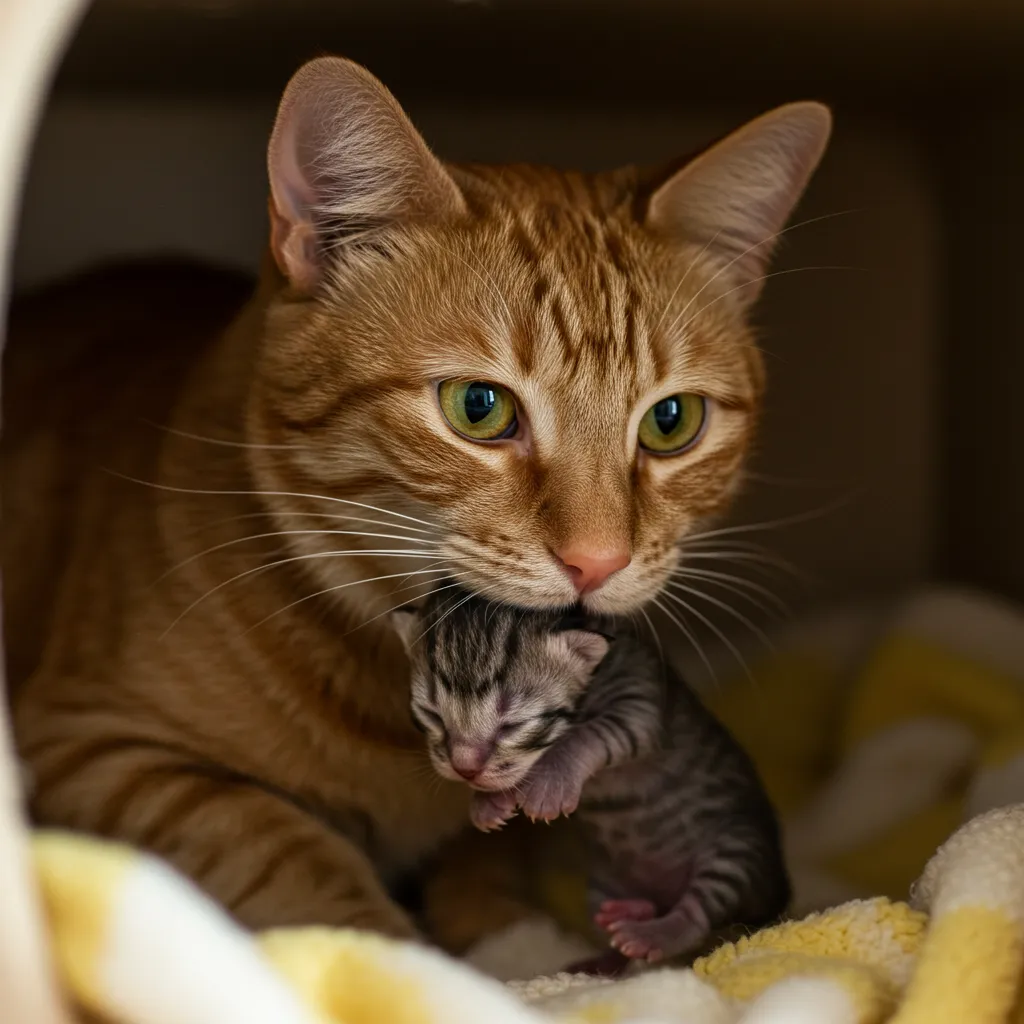
Imagine waking up to find your mother cat tucking her tiny kittens under your bed or in a cozy corner of your closet. If you’re wondering, “Why is my cat moving her kittens?” you’re not alone. This quirky yet instinct-driven behavior often leaves pet owners puzzled, worried, or even frustrated. Whether it’s a one-time relocation or your cat moving kittens repeatedly,
understanding cat moving kittens is key to ensuring their safety and your peace of mind. In this comprehensive guide, we’ll unravel the mysteries of feline maternal instincts, explore why cats move their kittens, and provide actionable kitten care tips to support your furry family. Packed with expert insights, practical advice, and real-life examples, this article is your go-to resource for mastering cat parenting behavior and creating a safe, nurturing environment for your kittens.
What Drives a Mother Cat to Move Her Kittens?
Mother cats are guided by powerful feline maternal instincts that prioritize their kittens’ safety and survival. Relocating their litter is a natural behavior rooted in evolutionary instincts. But what exactly prompts this nesting behavior in cats? Let’s dive into the reasons behind mother cat relocating kittens and how you can support her instincts.
Evolutionary Roots of Kitten Relocation
In the wild, a mother cat moves her kittens to protect them from predators, environmental threats, or compromised nesting sites. This instinct persists in domestic cats, even in the safety of your home. For example, if a cat senses her kittens are too exposed or the area feels unsafe, she’ll scout for a better spot—like under your bed or in a quiet closet.
Common Triggers for Moving Kittens
Here are the top reasons why your cat might be relocating her kittens:
- Safety Concerns: Loud noises, frequent human traffic, or other pets may make the current nesting spot feel insecure.
- Cleanliness Issues: A dirty or cramped space can prompt a move to a cleaner, more comfortable area.
- Temperature Regulation: Kittens need a warm, stable environment (around 85–90°F for newborns). If the spot is too hot, cold, or drafty, the mother may relocate.
- Predator Instincts: Even in a safe home, a mother cat’s instincts may interpret sudden changes (like a new visitor) as threats.
- Privacy Needs: Cats crave secluded, low-traffic areas for their kittens to thrive undisturbed.
Real-Life Example: Sarah, a cat owner in Texas, noticed her cat, Luna, moving her kittens from a busy living room basket to a quiet laundry room corner. After observing Luna’s stress around frequent guests, Sarah created a secluded nesting box, and Luna stopped relocating her kittens.
How to Identify If Your Cat Feels Unsafe
Watch for these signs:
- Frequent pacing or scouting new areas.
- Hissing or growling when you approach the nest.
- Moving kittens to hidden spots like under furniture or in closets.
Actionable Tip: If your cat is moving her kittens repeatedly, assess the nesting area for noise, light, or accessibility issues. A simple fix, like moving the nest to a quieter room, can make a big difference.
Creating a Safe Haven for Kittens
To prevent cat moving kittens and support cat maternal instincts, you need to create a safe place for kittens. A well-designed nesting area not only keeps the mother cat calm but also ensures kitten health and nutrition. Here’s how to set up the perfect environment.
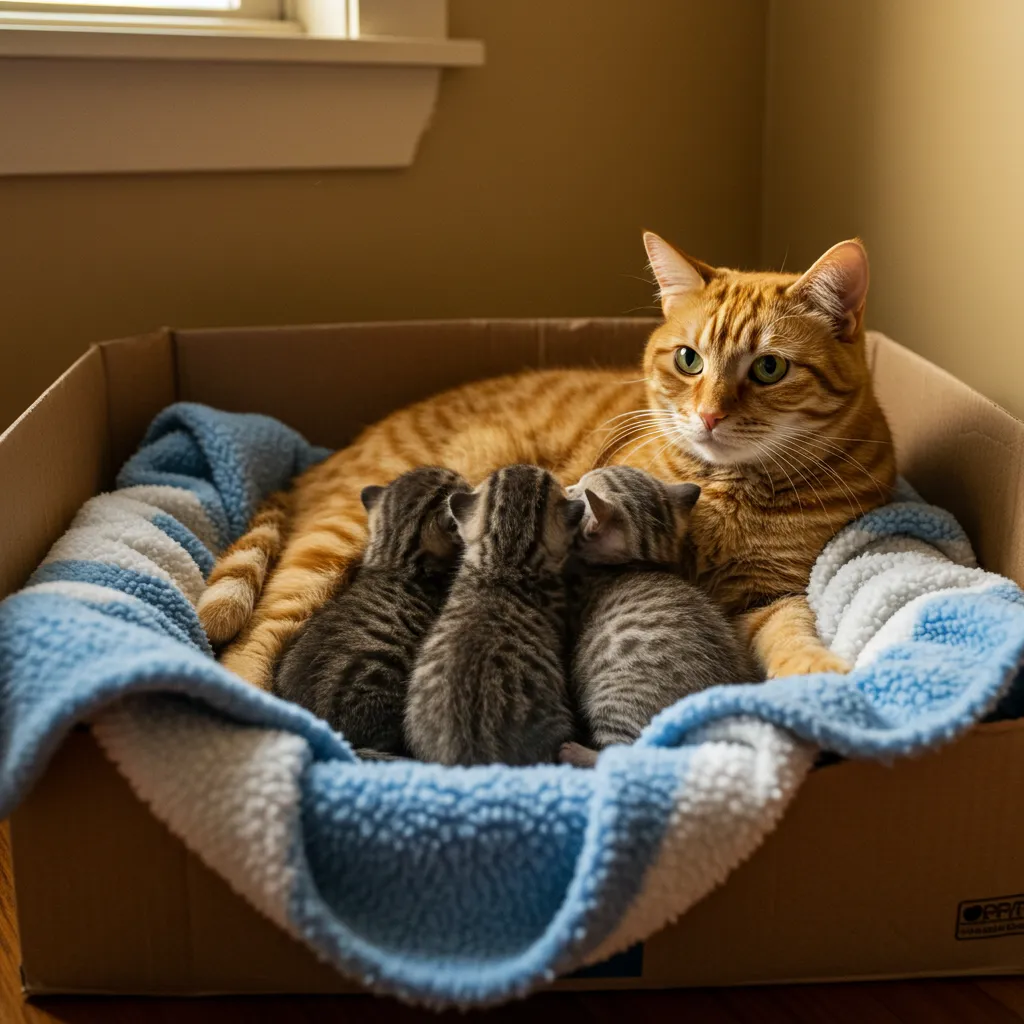
Step-by-Step Guide to Building a Kitten Nest
- Choose a Quiet Location: Pick a low-traffic area, like a spare bedroom or a corner of your home office. Avoid busy areas like kitchens or living rooms.
- Use a Comfortable Box: A sturdy cardboard box or pet crate lined with soft blankets works well. Ensure it’s large enough for the mother and her litter.
- Maintain Optimal Temperature: Use a heating pad (set to low, covered with a towel) or a warm water bottle to keep newborns cozy. Aim for 85–90°F for kittens under 2 weeks old.
- Keep It Clean: Replace bedding regularly and clean any messes to prevent infections.
- Provide Privacy: Drape a light blanket over part of the box to create a cave-like feel, reducing stress for the mother cat.
- Ensure Easy Access: The mother should be able to enter and exit easily but keep the sides high enough to prevent kittens from wandering.
Table: Ideal Nesting Conditions for Kittens
| Factor | Ideal Condition | Why It Matters |
|---|---|---|
| Temperature | 85–90°F for newborns, 75–80°F for 3+ weeks | Prevents hypothermia in young kittens |
| Bedding | Soft, washable blankets or towels | Ensures comfort and hygiene |
| Location | Quiet, low-traffic, dimly lit area | Reduces stress for mother and kittens |
| Size | At least 2 ft x 2 ft for mother and litter | Allows space for nursing and movement |
Kitten Care Tips for a Healthy Start
- Monitor Weight: Newborn kittens should gain 10–15 grams daily. Weigh them daily using a kitchen scale to ensure proper growth.
- Check for Dehydration: Gently pinch the skin on the back of a kitten’s neck. If it doesn’t snap back quickly, consult a vet.
- Provide Fresh Water and Food: Place water and high-quality kitten food near the mother to support her energy needs while nursing.
External Link: For more on kitten health and nutrition, check out the ASPCA’s guide to kitten care.
Understanding Kitten Development Stages
Knowing the kitten development stages helps you support both the mother cat and her litter. Each stage influences nesting behavior in cats and the mother’s urge to relocate her kittens.
Newborn Stage (0–2 Weeks)
- Characteristics: Kittens are blind, deaf, and fully dependent on their mother. They need constant warmth and frequent nursing.
- Mother’s Behavior: Highly protective, may move kittens if the nest feels unsafe or uncomfortable.
- Care Tips: Ensure the nest is warm and quiet. Avoid handling kittens unless necessary to prevent stressing the mother.
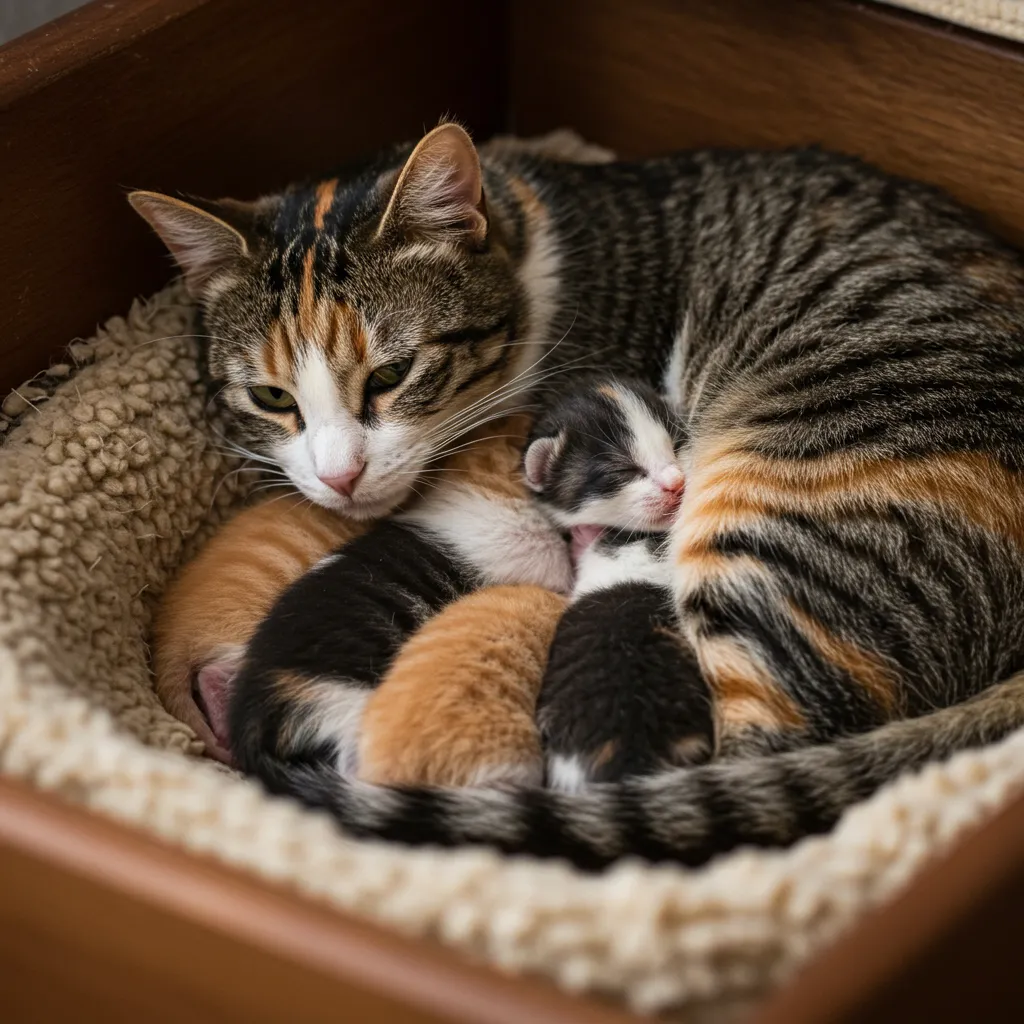
Transitional Stage (2–4 Weeks)
- Characteristics: Kittens open their eyes, start moving, and develop hearing. They begin to explore their surroundings.
- Mother’s Behavior: May relocate kittens to a larger or safer space as they become more active.
- Care Tips: Add low-sided barriers to the nest to keep curious kittens contained while allowing the mother easy access.
Socialization Stage (4–8 Weeks)
- Characteristics: Kittens start playing, interacting, and learning social skills. They begin weaning onto solid food.
- Mother’s Behavior: Less likely to move kittens unless disturbed, as she focuses on teaching them.
- Care Tips: Introduce safe toys and start litter training. Monitor for kitten play behavior problems like excessive scratching.
Internal Link Suggestion: Read our related post on “How to Care for Newborn Kittens” for a deep dive into early-stage care.
Why Is My Cat Moving Kittens Under the Bed?
One of the most common questions pet owners ask is, “Why is my cat moving her kittens under my bed?” This behavior is a classic example of cat moving kittens repeatedly to a perceived safe place for kittens. Let’s break it down.
Reasons for Choosing Under the Bed
- Seclusion: Under the bed is dark, quiet, and low-traffic, mimicking a den-like environment.
- Safety: It’s hard for other pets or humans to reach, reducing perceived threats.
- Comfort: The enclosed space feels secure and cozy for nesting.
Risks of Under-the-Bed Nests
- Inaccessibility: It’s hard to monitor kittens for health issues or ensure cleanliness.
- Dust and Allergens: Under-bed areas can harbor dust, which may affect kitten health.
- Trapping Risk: Kittens could get stuck in tight spaces or tangled in bedding.
How to Stop Cat from Moving Her Kittens
If under-the-bed nesting is problematic, try these steps:
- Create a Better Alternative: Set up a cozy nesting box in a similar quiet, dark area.
- Gently Redirect: Move the kittens to the new nest when the mother is calm. She’ll likely follow.
- Block Access: Use storage bins or foam boards to block under-the-bed access without stressing the cat.
- Monitor Behavior: If the mother seems stressed, consult a vet to rule out health issues.
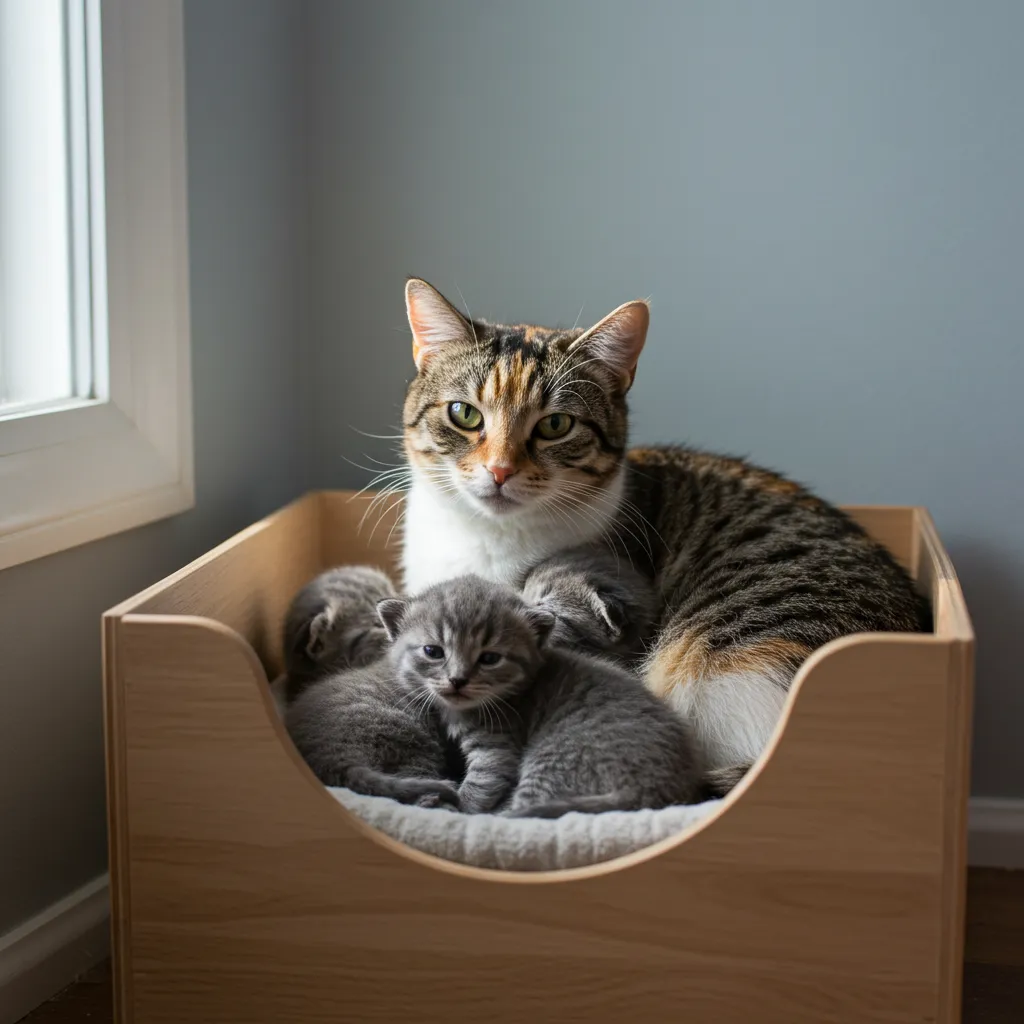
Pro Tip: Place a familiar blanket with the mother’s scent in the new nest to encourage her to stay.
Managing Kitten Play Behavior
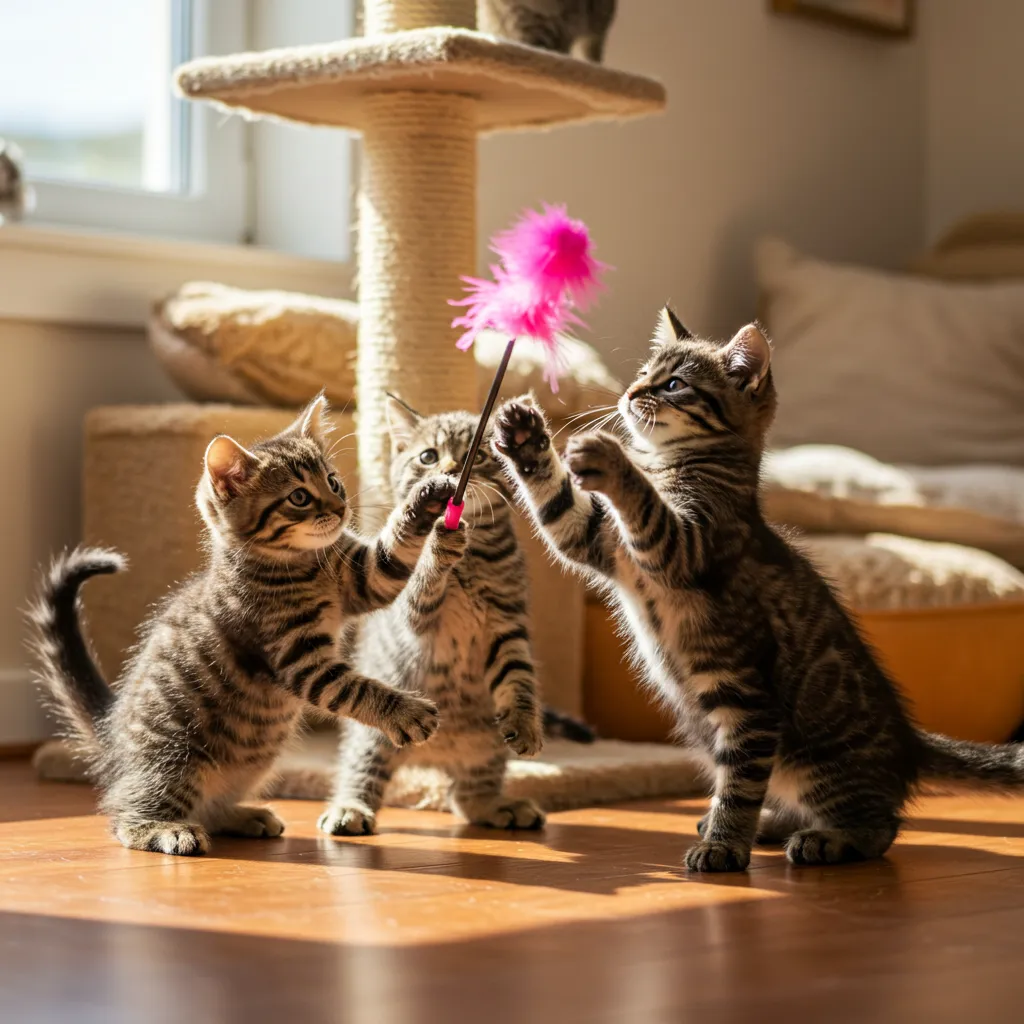
As kittens grow, play behavior in kittens becomes a key part of their development. However, it can lead to kitten play behavior problems or preventing kitten mischief. Here’s how to channel their energy constructively.
Benefits of Play for Kittens
- Physical Development: Builds strength, coordination, and agility.
- Social Skills: Teaches boundaries and interaction with littermates or humans.
- Mental Stimulation: Prevents boredom, reducing destructive behaviors.
Common Play Behavior Problems
- Excessive Scratching: Kittens may claw furniture or carpets.
- Biting: Playful nips can escalate if not redirected.
- Knocking Over Items: Curious kittens may cause chaos in your home.
Channeling Play Behavior Effectively
- Provide Safe Toys: Use feather wands, balls, or crinkle toys to engage kittens. Rotate toys weekly to maintain interest.
- Set Up a Play Area: Create a kitten-friendly zone with scratching posts and climbing structures.
- Interactive Playtime: Spend 15–20 minutes daily playing with kittens to burn off energy and strengthen bonds.
- Redirect Misbehavior: If a kitten scratches furniture, gently move them to a scratching post and reward with treats.
Table: Top Kitten Toys for Healthy Play
| Toy Type | Example | Benefits |
|---|---|---|
| Feather Wand | Petstages Feather Teaser | Encourages chasing and jumping |
| Crinkle Ball | Hartz Just For Cats Ball | Stimulates auditory senses |
| Scratching Post | Catit Scratcher with Catnip | Prevents furniture damage |
| Interactive Puzzle | Trixie Activity Puzzle | Boosts mental stimulation |
Preventing Kitten Mischief and Damage
Preventing kitten mischief is crucial for maintaining a harmonious home. Here’s a checklist to keep your home and kittens safe.
Preventing Damage Checklist
- Secure Fragile Items: Store breakables out of reach or use museum putty to anchor them.
- Protect Cords: Use cord covers or bitter spray to deter chewing.
- Provide Scratching Alternatives: Place multiple scratching posts around the house.
- Use Deterrents: Double-sided tape or aluminum foil on furniture can discourage scratching.
- Supervise Early Exploration: Monitor kittens in new areas to prevent accidents.
Real-Life Example: John, a new kitten owner, struggled with his kitten, Milo, scratching his couch. By placing a catnip-infused scratching post nearby and using double-sided tape on the couch, John redirected Milo’s behavior within a week.
Kitten Health and Nutrition Essentials
A healthy diet and regular care are vital for kitten health and nutrition. Supporting the mother cat’s needs also ensures she can nurse effectively.
Nutritional Needs for Kittens
- Newborns (0–4 Weeks): Rely on mother’s milk or kitten formula (e.g., KMR) if orphaned.
- Weaning (4–8 Weeks): Introduce wet kitten food mixed with water for easy digestion.
- Post-Weaning (8+ Weeks): Feed high-protein kitten food (e.g., Royal Canin Kitten) 3–4 times daily.
Veterinary Care Tips
- Vaccinations: Start at 6–8 weeks for FVRCP (feline viral rhinotracheitis, calicivirus, panleukopenia).
- Deworming: Begin at 2–3 weeks, repeated every 2 weeks until 12 weeks.
- Spay/Neuter: Schedule around 6 months to prevent future litters.
Conclusion
Understanding cat moving kittens is about tapping into feline maternal instincts and creating a supportive environment for both mother and litter. By addressing the reasons behind the mother cat relocating kittens, setting up a safe place for kittens, and managing kitten play behavior problems, you can ensure a happy, healthy start for your feline family. From building the perfect nesting box to preventing kitten mischief, this guide equips you with everything you need to navigate cat parenting behavior. Ready to take the next step? Subscribe to our blog for more kitten care tips, share your experiences in the comments, or explore our related posts for deeper insights!
FAQs
Why is my cat moving her kittens under my bed?
Your cat likely sees the area as a safe, secluded spot. Create a cozy nesting box in a quiet area to redirect her.
What is the reason behind a mother cat moving her kittens?
Mother cats move kittens to protect them from perceived threats, ensure cleanliness, or find a more comfortable space.
How can I stop my cat from moving her kittens?
Set up a clean, warm, private nesting box and gently relocate the kittens there. Block access to unsafe areas like under the bed.
How can I ensure the area under the bed is suitable for kittens?
Clean the area, add soft bedding, and ensure it’s warm and safe, but a dedicated nesting box is a better long-term solution.
How can I encourage appropriate play behavior in my kitten?
Provide toys, scratching posts, and daily playtime. Redirect destructive behavior to appropriate outlets.
What can I do if my kitten is engaging in destructive play behavior?
Use deterrents like double-sided tape, offer alternative toys, and supervise to redirect energy.
How can I prevent mischief and damage caused by my kitten?
Secure fragile items, protect cords, and provide scratching posts. Consistent training and supervision are key.
How can I understand and meet my cat’s behavioral needs?
Observe her instincts, provide a safe nesting area, and support her with proper nutrition and vet care.