Why Does My Cat Groan When She Lays Down? Unraveling the Mystery Behind Those Curious Sounds
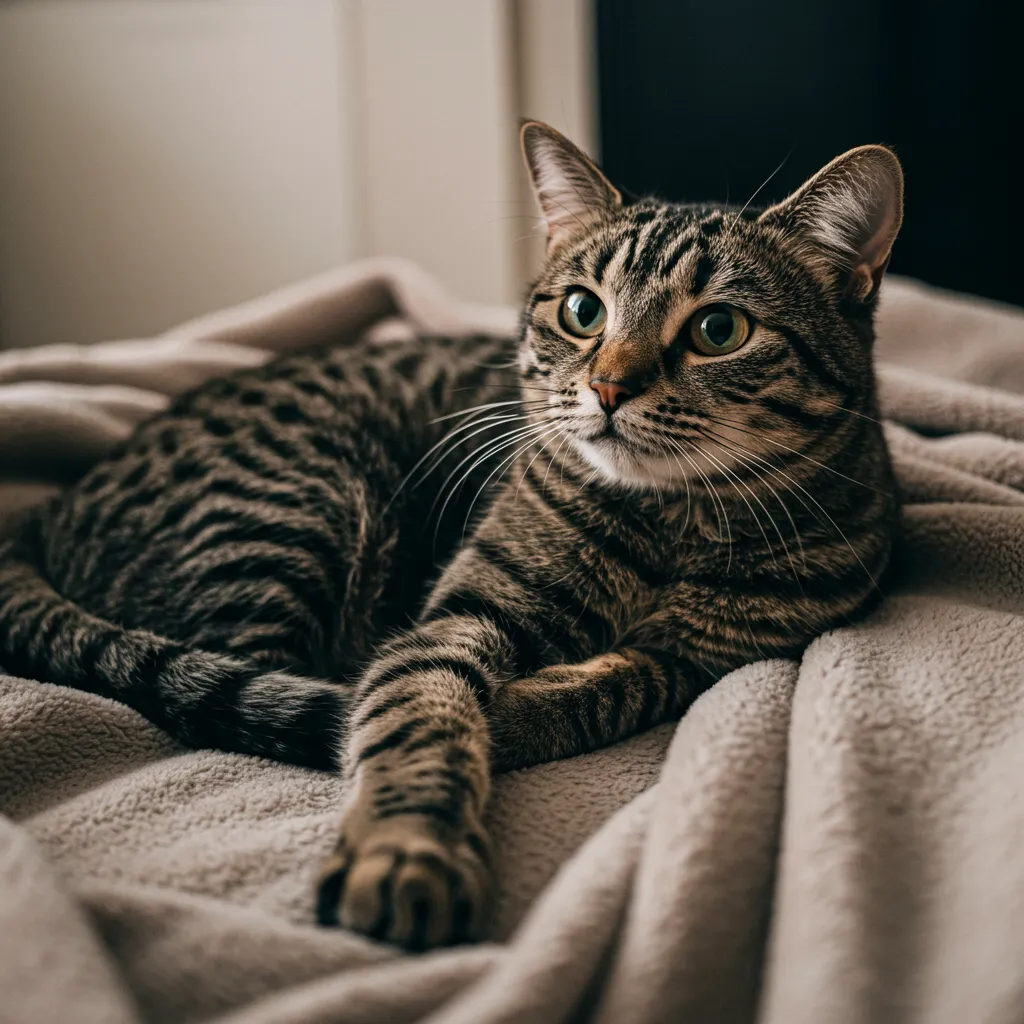
Picture this: It’s a lazy afternoon, and your furry companion circles her spot on the couch a few times before finally flopping down with a deep, almost human-like groan. Adorable, right? But then you pause and wonder—why does my cat groan when she lays down? Is it just her way of saying “ah, finally relaxing,” or could it be a subtle hint of discomfort or even pain? As cat owners, we’ve all been there, decoding those enigmatic cat noises meaning while trying to ensure our pets are happy and healthy.
If you’re searching for answers to questions like “cat groaning sound meaning” or “cat making noises when lying down,” you’ve landed in the right place. This in-depth article draws from veterinary expertise, real pet owner experiences, and the latest insights on cat behavior to provide a complete guide. We’ll explore everything from common cat vocalizations explained to signs your cat is in pain, helping you understand your cat’s body language and sounds. By the end, you’ll feel confident in interpreting those groans and knowing when it’s time to call the vet. Let’s dive in and turn those mysterious moans into meaningful insights for better cat wellness and comfort.
Key Takeaways
Before we get into the nitty-gritty, here’s a quick overview of what you’ll learn in this article. These points are designed to give you actionable insights right away:
- Groaning Often Signals Relaxation or Mild Discomfort: Many cats groan when resting as a sign of contentment, but it can also indicate joint pain, especially in older felines.
- Context is Key in Cat Vocalizations: Always pair sounds with body language—relaxed posture means all is well, while restlessness could point to health issues.
- Common Causes Include Arthritis and Dreaming: Senior cats might groan due to arthritis, while younger ones could be vocalizing during REM sleep.
- When to Act: If groaning is frequent, intense, or accompanied by other signs like limping or reduced activity, consult a vet immediately.
- Prevention and Care Tips: Simple steps like providing orthopedic beds or regular check-ups can enhance your cat’s comfort and prevent issues.
These takeaways are based on reliable sources like PetMD and VCA Animal Hospitals, ensuring you’re getting trustworthy advice.
Exploring Common Cat Vocalizations and Their Meanings
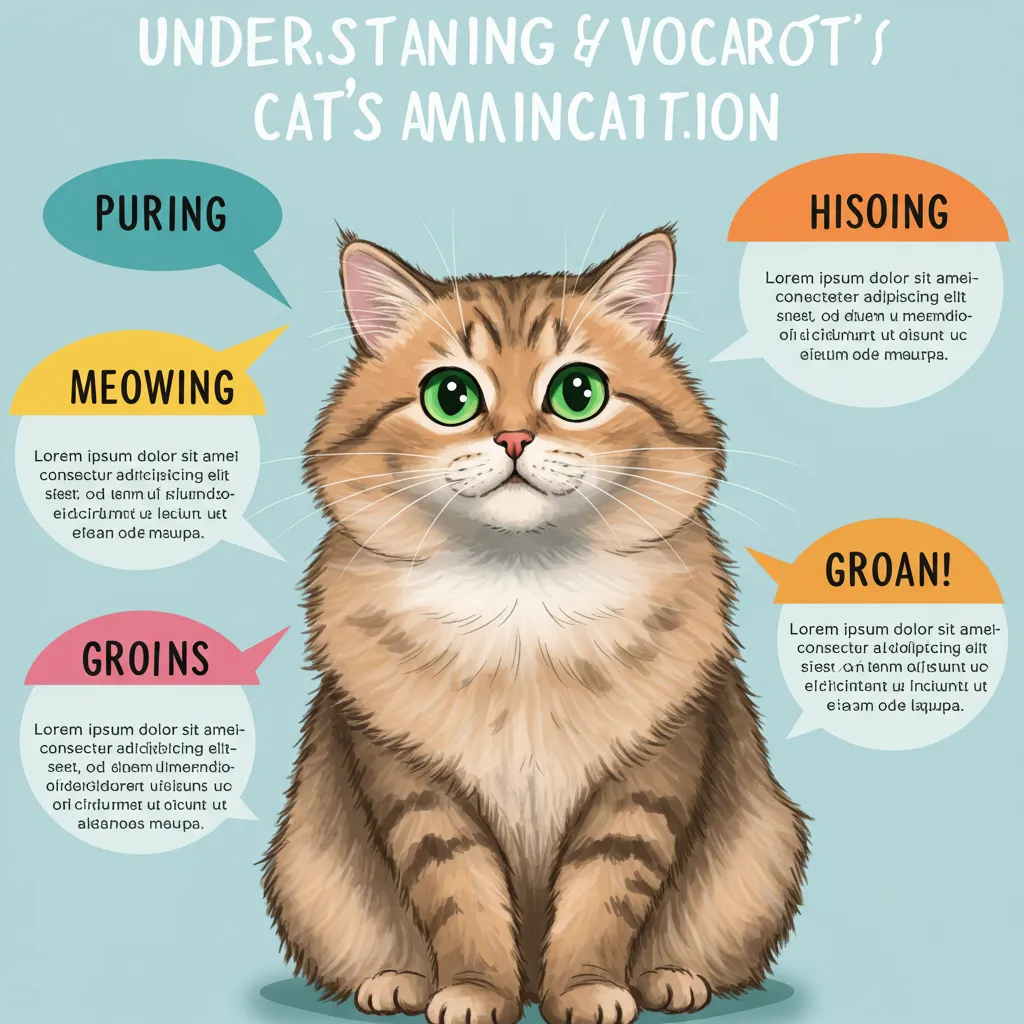
Cats are masters of communication, but they don’t use words like we do. Instead, they rely on a symphony of sounds, from soft purrs to sharp hisses, to express their feelings. Understanding cat behavior starts with decoding these vocal cues, especially unusual cat sounds explained like groaning when resting. Why do cats make strange noises? It’s often tied to their emotions, needs, or physical state.
To make this easier, let’s break down the most common cat noises and what they typically mean. Remember, every cat is unique, so observe your pet’s patterns over time.
Purring: Not Always a Happy Sound
We all love that soothing rumble, but purring isn’t just about contentment. Cats purr when they’re relaxed and happy, like during a cozy cuddle session. However, they also purr to self-soothe during stress, fear, or even pain. If your cat is purring while groaning and seems tense, it might be masking discomfort.
Meowing: A Chat Just for Humans
Adult cats rarely meow at each other—they save this for us! Meows can signal hunger, greeting, or frustration. A drawn-out, lower-pitched meow might indicate anxiety or illness, especially if it happens when your cat is trying to settle down. For instance, if your cat meows before lying down, it could be whining about a sore spot.
Hissing and Yowling: Warnings of Distress
Hissing is a clear “back off” signal, often from fear or aggression, with an open mouth and exposed teeth. Yowling, a louder, drawn-out moan, points to distress like pain, boredom, or mating urges in unspayed cats. If your cat’s groaning turns into yowling while relaxing, it could be a sign of deeper issues like cognitive dysfunction in seniors.
Groaning and Moaning: Relaxation or Red Flag?
Ah, the star of our show cat groaning when resting. This low, rumbling sound often happens as your cat exhales while getting comfy, similar to a human sigh of relief. Many pet owners report their cats groaning like “toddlers fighting sleep” before dozing off. But cat moaning while lying down can also mean mild discomfort, like from arthritis or respiratory irritation.
Here’s a quick table to compare common cat noises:
| Sound | Typical Meaning | When to Worry |
|---|---|---|
| Purr | Contentment or self-soothing | If paired with tense body language or hiding |
| Meow | Greeting, need (food, attention) | Increased frequency or pitch change |
| Hiss | Fear/aggression warning | Sudden onset toward family members |
| Yowl | Distress, pain, or mating | In spayed/neutered cats or at night |
| Groan/Moan | Relaxation or discomfort | Frequent, with limping or appetite loss |
This table draws from expert analyses to help you quickly reference cat noises meaning.
Real-life example: One Reddit user shared how their senior cat groans when settling for sleep, attributing it to getting “so comfy they can’t control themselves.” But if it’s a new behavior, it warrants a closer look.
Is Your Cat’s Groaning a Sign of Health Concerns?
Now, let’s address the elephant—or should I say, the cat—in the room: Could that cat groaning behavior causes be linked to health problems? Absolutely, though it’s not always the case. Cat health issues signs are often subtle because felines are pros at hiding pain, a survival instinct from their wild ancestors.
Common Causes of Cat Groaning When Resting
Cat groaning when sleeping or lying down can stem from several factors. Here’s a breakdown with examples and tips:
- Relaxation and Contentment: Sometimes, it’s purely blissful. As your cat stretches and settles, the groan is like an audible exhale. Think of it as their version of “ahh, this spot is perfect.”
- Dreaming During Sleep: Cats enter REM sleep and might moan, twitch, or make low groans while chasing dream mice. If it only happens when they’re fully asleep, it’s likely harmless.
- Age-Related Discomfort (e.g., Arthritis): Older cats often groan due to joint pain from osteoarthritis. They might have trouble finding a comfortable position, leading to repeated getting up and lying down. Signs include limping, reluctance to jump, or trembling legs.
- Respiratory or Digestive Issues: A groaning sound could mimic snoring (stertor) from nasal blockages or indicate stomach gurgling from mild irritation. If accompanied by wheezing or diarrhea, see a vet.
- Stress or Anxiety: Changes in routine can cause low growls or moans, especially at night when the house is quiet.
Pros and Cons of Ignoring vs. Investigating Groans:
- Pros of Investigating: Early detection of common cat health problems like hyperthyroidism or CDS prevents worsening.
- Cons of Ignoring: Untreated pain can lead to behavioral changes, like aggression or house-soiling.
If your cat is making noises when lying down more frequently, track it in a journal: Note the time, intensity, and any other behaviors.
Decoding Your Cat’s Groans and Moans While Lying Down
To truly understand cat groaning when resting, you need to become a detective. Combine sounds with cat body language and sounds for the full picture. Here’s a step-by-step guide to interpreting:
- Observe the Context: Is the groan short and followed by deep sleep? Likely relaxation. If it’s prolonged and they shift positions often, suspect discomfort.
- Check Body Language: Relaxed ears and slow blinking = content. Flattened ears, dilated pupils, or hunched posture = potential pain.
- Monitor Frequency and Changes: New or intensifying groans? Note if they’re paired with reduced appetite or grooming neglect.
- Record and Compare: Use your phone to capture the sound and compare it to online examples of cat noise while relaxing vs. distress calls.
- Consult Resources: For more on understanding cat behavior
Real example from pet forums: A owner described their cat “groaning and moaning” like a baby, but it turned out to be normal for their vocal breed.
When to Worry: Signs Your Cat is in Pain or Discomfort
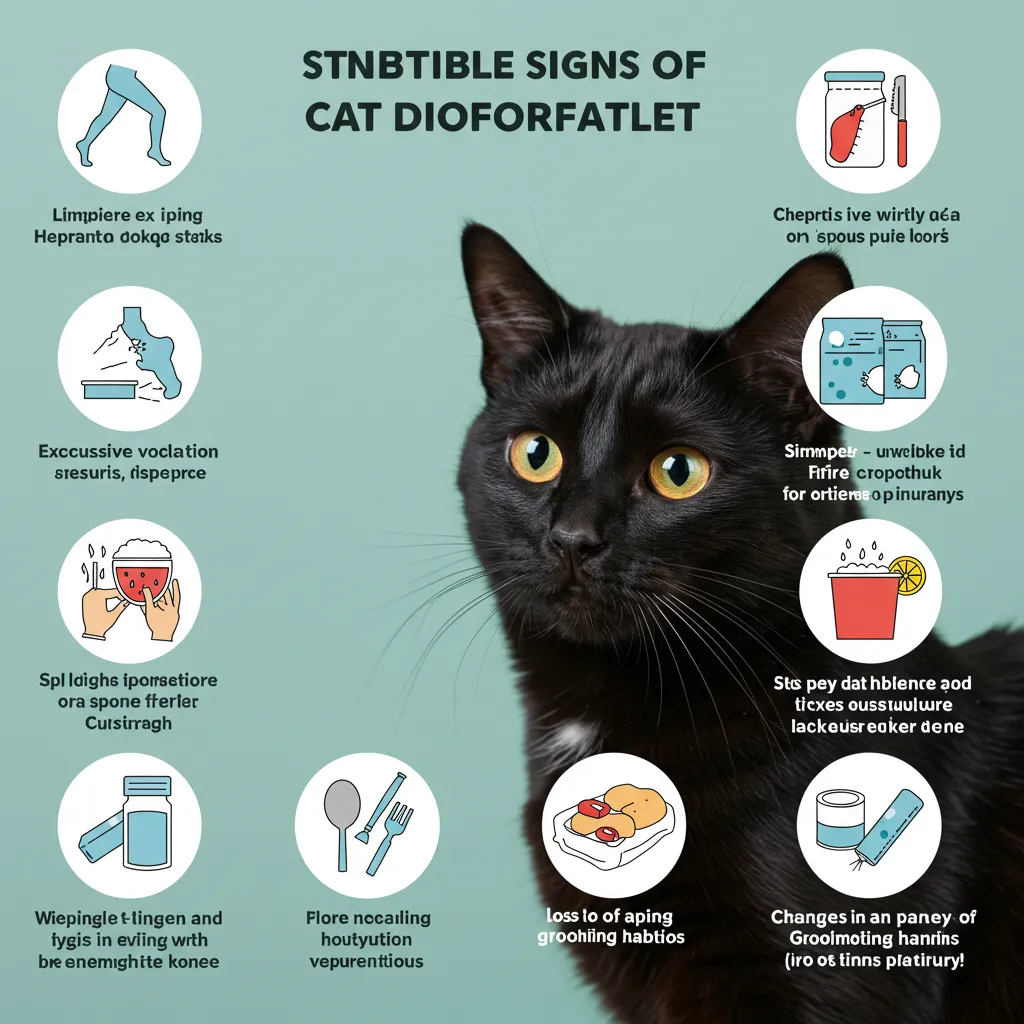
Not all groans are benign. How to tell if your cat is uncomfortable? Look for these cat pain or discomfort signs, especially if groaning is a symptom:
- Increased Vocalization: More frequent or intense groaning, meowing, or growling when touched or moving.
- Behavioral Shifts: Hiding, aggression, or loss of interest in play.
- Physical Changes: Limping, trembling, or difficulty jumping; unusual postures like keeping legs tucked.
- Daily Habit Alterations: Decreased eating, sleeping in odd spots, or house-soiling.
- Facial Cues: Grimacing, squinting, or a vacant stare.
Tips for Improving Your Cat’s Comfort and Wellness
Preventive care is key to minimizing cat groaning behavior causes. Here’s how:
- Provide Cozy Spots: Invest in orthopedic beds or heated pads for joint support.
- Encourage Exercise: Gentle play sessions to maintain mobility without strain.
- Diet and Supplements: Omega-3-rich foods for joint health; consult your vet for glucosamine.
- Regular Check-Ups: Annual exams catch common cat health problems early.
- Stress Reduction: Use pheromone diffusers for anxious cats.
Step-by-Step Comfort Routine:
- Assess your cat’s favorite spots—add soft blankets.
- Monitor weight to ease joint pressure.
- Introduce low-impact toys.
- Track changes and adjust as needed.

Conclusion
So, why does my cat groan when she lays down? It could be as innocent as savoring that perfect nap spot or a nudge to check for underlying discomfort like arthritis or stress. By understanding cat vocalizations explained, recognizing cat noises meaning, and watching for signs your cat is in pain, you’re taking proactive steps toward their wellness.
FAQ
Why does my cat groan when she lays down?
Cats often groan when laying down as a sign of relaxation, similar to a sigh, but it can also indicate mild discomfort from arthritis or joint issues, especially in seniors.
What does cat groaning behavior indicate?
Cat groaning behavior causes can range from contentment and dreaming to pain or stress. Observe accompanying signs like restlessness for clues.
What are some common cat vocalizations and their meanings?
Common ones include purring (contentment or pain), meowing (needs), hissing (fear), and groaning (relaxation or discomfort).
Should I be concerned if my cat’s groaning becomes frequent or intense?
Yes, frequent or intense groaning could signal health concerns like pain; consult a vet if it persists or changes.
Can cat groaning while lying down be a sign of a health problem?
Absolutely—it might point to arthritis, respiratory issues, or other cat health issues signs. Monitor for additional symptoms.
How can I understand and interpret my cat’s groaning?
Combine the sound with body language, frequency, and context. If unsure, record it and show your vet for expert interpretation.