Why Does My Cat Smack Her Lips? Unraveling This Puzzling Feline Behavior
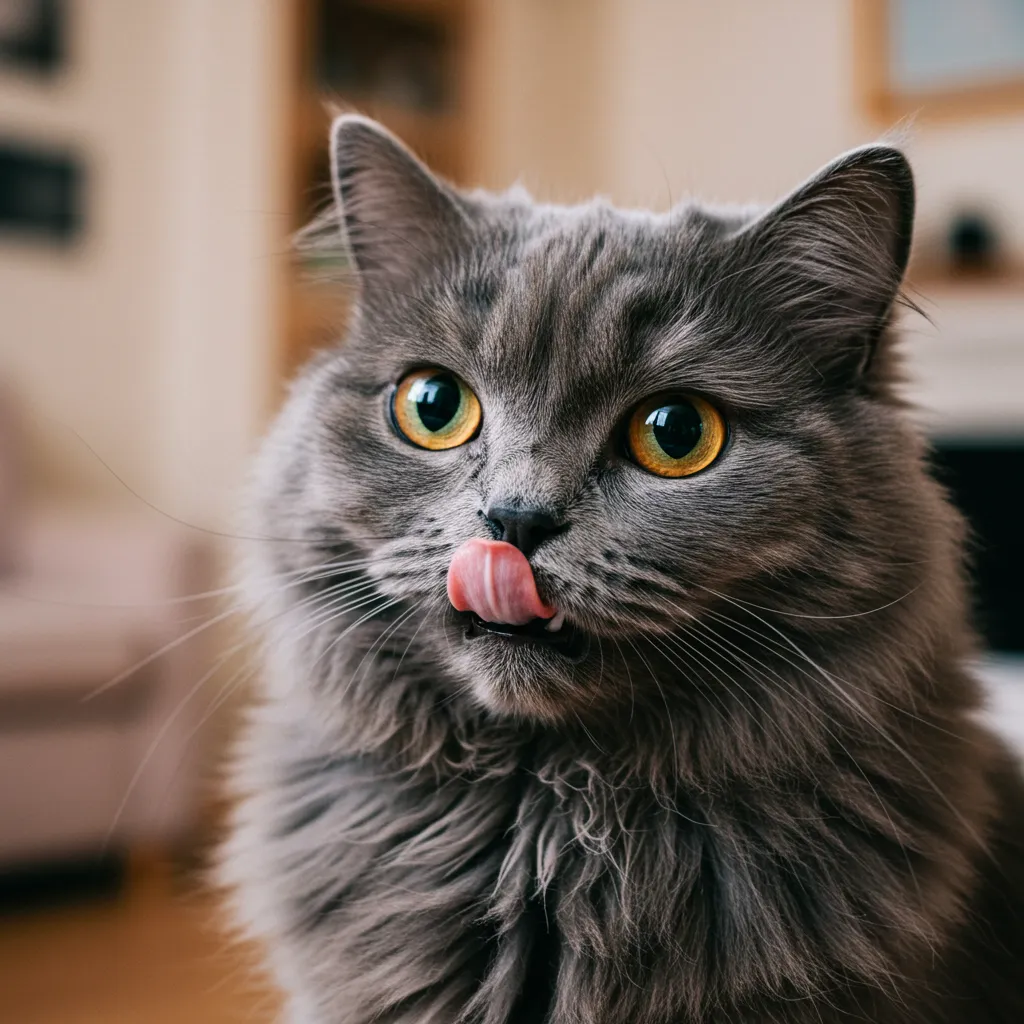
Have you ever caught your furry friend in the act of smacking her lips like she’s savoring an invisible treat, and wondered, “Why does my cat smack her lips?” It’s one of those quirky cat behaviors that can leave pet owners scratching their heads—literally. Maybe it’s happening after meals, or perhaps it’s a random habit that’s popped up out of nowhere. As a cat lover myself, I’ve seen this in my own pets, and it’s often more than just a cute quirk. It could signal everything from simple satisfaction to underlying health issues like cat dental problems or nausea.
In this comprehensive guide, we’ll dive deep into the world of cat lip-smacking, exploring the reasons behind it, associated symptoms, and when it’s time to worry. Drawing from veterinary insights and real cat owner experiences, this article is your ultimate resource to decode your cat’s body language and ensure her well-being. Whether you’re dealing with a kitten or a senior feline, you’ll walk away with actionable tips to keep your cat healthy and happy. Let’s get to the bottom of this lip-smacking mystery!
Understanding Cat Lip-Smacking: What It Really Means
Cat lip-smacking, also known as cat smacking lips behavior, is that audible chomping or licking motion cats make with their mouths. It’s not always a cause for alarm—sometimes it’s just your cat being a cat! But understanding the context is key to interpreting cat body language explained through this action.
From my experience working with feline health experts and observing countless cats, lip-smacking often ties into sensory or emotional responses. For instance, cats have a highly developed sense of taste and smell, so even a lingering flavor can trigger it. However, if it’s excessive or paired with other signs, it might point to feline lip-smacking causes like discomfort or illness.
Here’s a quick overview in a table to help you gauge the severity:
| Behavior Type | Frequency | Possible Meaning | Action Needed |
|---|---|---|---|
| Occasional after eating | Rare | Normal grooming or satisfaction | None—monitor casually |
| Repeated licking with drooling | Frequent | Potential nausea or pain | Vet check recommended |
| Sudden onset with anxiety signs | Sudden | Stress-related | Identify stressors; consult if persists |
| Constant, with swallowing | Ongoing | Dental issues or foreign object | Immediate vet visit |
This table simplifies common cat behaviors, but remember, every cat is unique. If your cat keeps smacking her lips in 2025 (or any year), trends in pet health show that early detection is crucial for preventing escalation.
Common Reasons for Lip-Smacking in Cats
Why cats smack their lips can stem from a variety of sources, both benign and serious. Based on veterinary resources like PetMD and Cats.com, here are the top causes, expanded with real-life examples and tips.
Dental Problems: A Leading Culprit in Cat Mouth Pain
Cat dental problems are incredibly common—up to 70% of cats over age 3 show signs of dental disease. This often manifests as cat smacking lips and drooling due to pain or inflammation.
- Plaque and Tartar Buildup: Bacteria in the mouth form plaque, which hardens into tartar, irritating gums and causing gingivitis. Your cat might smack her lips to alleviate the discomfort.
- Broken Teeth or Abscesses: From chewing hard objects, this leads to sharp pain, prompting excessive licking.
- Stomatitis: A severe inflammation of the mouth tissues, common in some breeds, causing chronic lip-smacking.
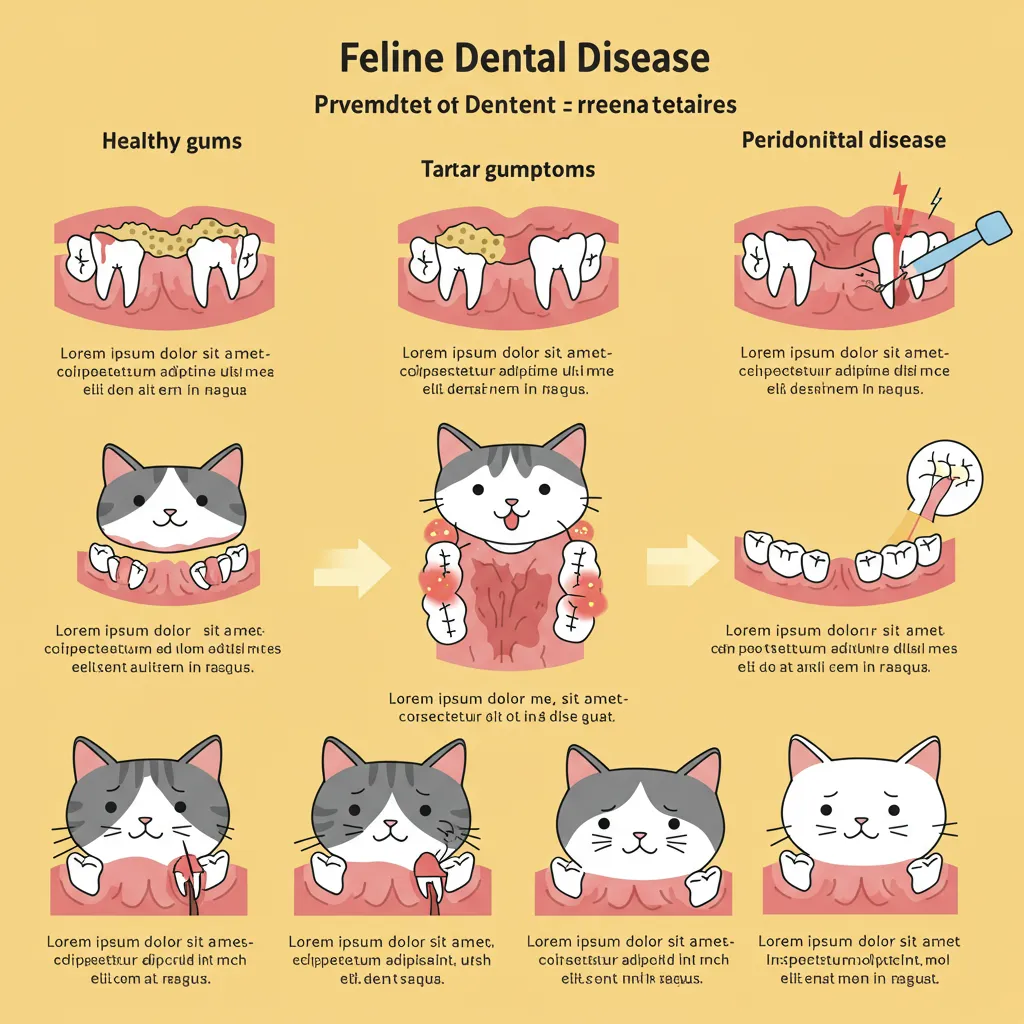
Real-life example: A cat owner on Reddit shared how their tabby started smacking lips after eating dry kibble, only to discover a cracked molar during a vet exam. Tip: Brush your cat’s teeth weekly with pet-safe toothpaste to prevent buildup. For more on cat dental disease symptoms,
Nausea and Digestive Issues: When Tummy Troubles Show in the Mouth
Cat nausea symptoms often include cat smacking lips and swallowing repeatedly. Nausea triggers excess saliva (ptyalism), making your cat smack her lips to manage it.
- Hairballs or Ingestion of Toxins: After grooming, fur can accumulate, causing nausea and lip-smacking.
- Kidney Disease or Infections: Chronic conditions lead to nausea, with lip-smacking as an early sign.
- Dietary Indiscretion: Eating something off-limits, like a plant or human food, can cause immediate nausea.
Step-by-step guide to spot nausea:
- Watch for lip-smacking after eating or grooming.
- Note if there’s drooling or retching.
- Check for reduced appetite or vomiting.
- Offer a hairball remedy paste if hairballs are suspected.
- Consult a vet if symptoms last over 24 hours.
Pros of home monitoring: Catches issues early. Cons: Delaying vet care can worsen conditions like kidney failure.
Anxiety and Stress: Emotional Triggers for Lip-Smacking
Cat anxiety signs, such as cat excessive licking behavior, can include lip-smacking as a self-soothing mechanism. Stress from changes like moving or new pets disrupts their routine.
- Environmental Stressors: Loud noises or unfamiliar visitors might cause it.
- Separation Anxiety: Some cats smack lips when left alone.
- Overstimulation: During petting, if overdone, they might signal discomfort.
How to calm an anxious cat:
- Create a safe space with pheromone diffusers (like Feliway).
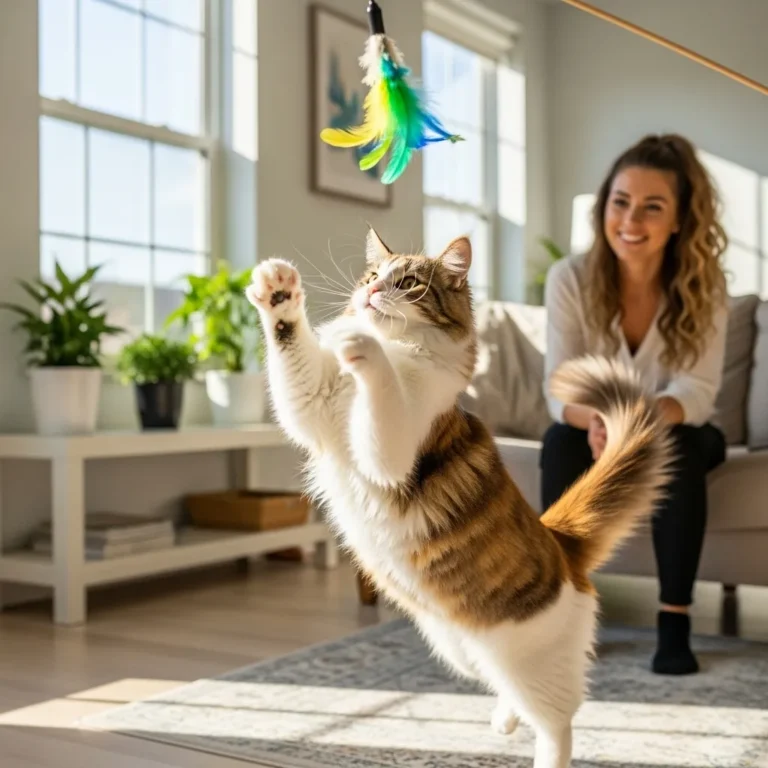
- Use interactive toys for mental stimulation.
- Gradual desensitization to stressors, e.g., short absences building up.
Example: An X user described their cat smacking lips during thunderstorms, linking it to fear. Related post suggestion: “Decoding Cat Anxiety: Signs and Solutions.”
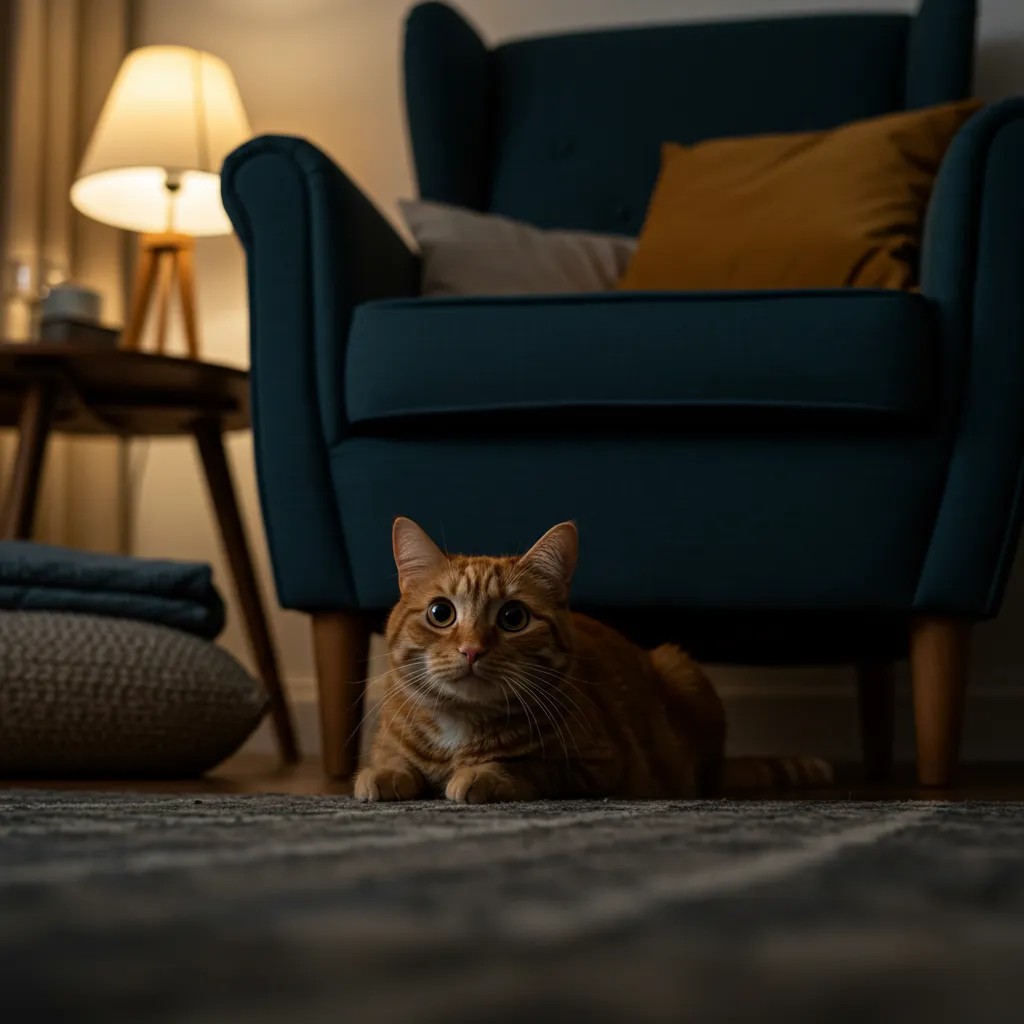
Other Behavioral or Sensory Causes
Sometimes, it’s not medical. Cat lip-smacking after eating could just be savoring flavors, or a foreign body like a grass blade stuck in the mouth.
- Bad Tastes: Licking something bitter, like cleaning residue, prompts smacking.
- Grooming Habits: Normal after meals to clean whiskers.
- Seizures or Neurological Issues: Rare, but focal seizures can mimic lip-smacking.
If it’s behavioral, enrichment like puzzle feeders can redirect energy.
Other Symptoms Associated With Lip-Smacking
Lip-smacking rarely occurs in isolation. Pairing it with other signs helps pinpoint the issue.
Signs of Pain: Beyond the Mouth
Cat mouth pain often shows as pawing at the face, bad breath, or reluctance to eat hard food. Combined with lip-smacking, it screams dental woes.
Bullet points of pain indicators:
- Drooling excessively.
- Weight loss from avoiding food.
- Head shaking or hiding.
Lip-Smacking Due to Nausea: Spotting the Subtle Cues
Look for cat smacking lips and drooling, plus lethargy or vomiting. Home remedy: Offer bland food like boiled chicken, but see a vet for cat nausea treatment home remedy limits.
Lip-Smacking Due to Fear or Irritation
Tail flicking, dilated pupils, or ear pinning accompany anxiety-related smacking. Pros/cons of ignoring: Pros—none; cons—worsens trust issues.
Table of combined symptoms:
| Symptom Combo | Likely Cause | Urgency Level |
|---|---|---|
| Lip-smacking + Drooling + Bad Breath | Dental Disease | High—Vet ASAP |
| Lip-smacking + Vomiting + Lethargy | Nausea | Medium—Monitor 24hrs |
| Lip-smacking + Hiding + Tail Flick | Anxiety | Low—Address stressors |
When to Seek Veterinary Care
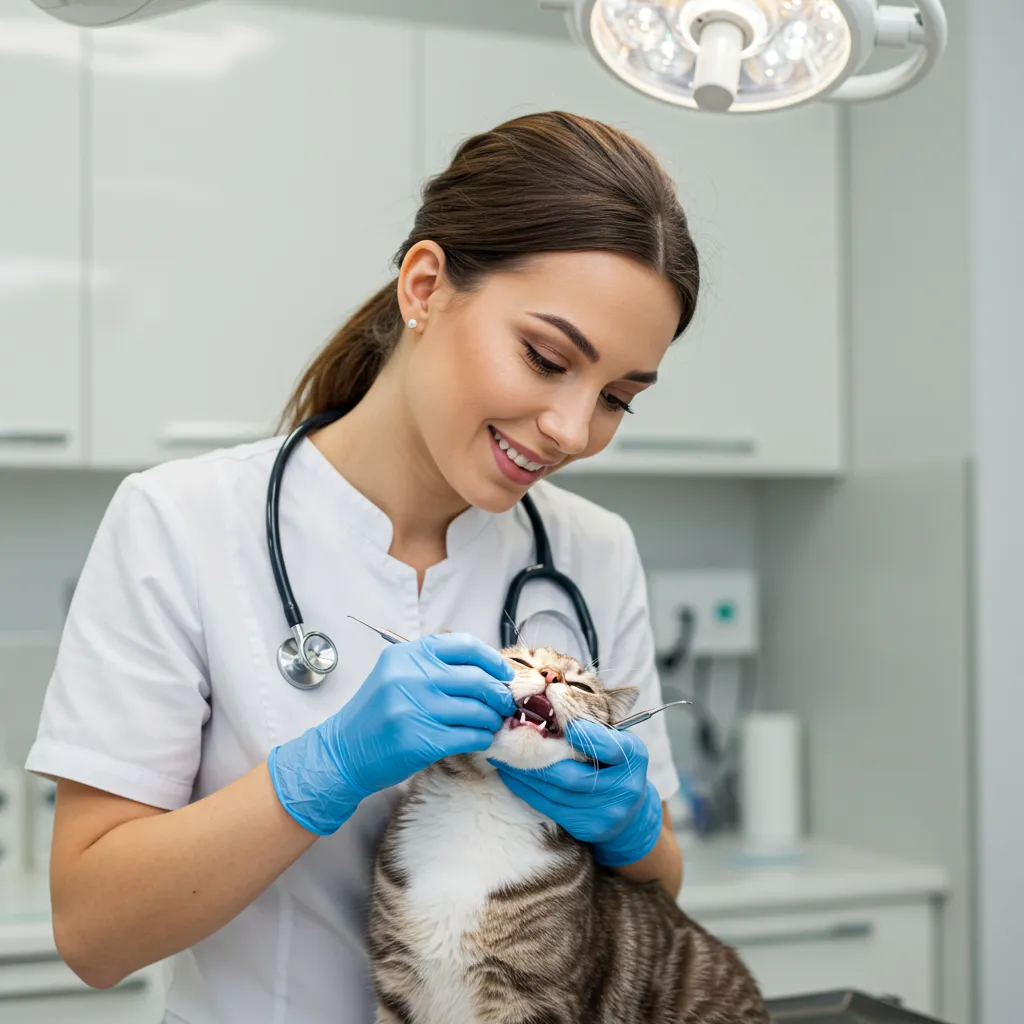
Signs your cat is sick include persistent lip-smacking lasting days, especially with weight loss or behavioral changes. When to see a vet for your cat: If it’s new in 2025 or worsens.
Step-by-step vet visit prep:
- Note frequency and triggers.
- Record diet and recent changes.
- Bring stool/urine samples if possible.
- Discuss preventive care like dental cleanings.
Cat Health and Behavior Tips: Prevention and Management
Prevent cat acting weird smacking lips with these tips:
- Regular dental check-ups.
- Balanced diet to avoid nausea.
- Stress-free environment.
For cat nausea treatment home remedy: Ginger tea (diluted) or probiotics, but vet-approved only.
Conclusion
In summary, why does my cat smack her lips? It could be harmless grooming, but often signals dental problems, nausea, or anxiety. By understanding these feline lip-smacking causes and watching for associated symptoms, you can act swiftly to keep your cat thriving. Remember, early intervention is key—don’t hesitate to consult your vet.
FAQ
Why does my cat smack her lips?
Cat smacking lips meaning often relates to grooming, but persistent cases may indicate pain, nausea, or stress.
What are the common reasons for lip-smacking in cats?
Common causes include dental issues, nausea from hairballs, anxiety, or bad tastes. Monitor for patterns.
Are there other symptoms associated with lip-smacking?
Yes, like drooling, vomiting, bad breath, or hiding—key cat nausea symptoms or anxiety signs.
When should I seek veterinary care for my cat’s lip-smacking?
If it’s frequent, sudden, or with other signs like weight loss, see a vet immediately to rule out serious issues.
What is the significance of cat lip-smacking?
It’s a form of cat body language explained as either normal behavior or a red flag for health concerns like cat dental problems.