Why Does My Cat Howl at Night? Unraveling the Mystery Behind Nighttime Yowling
If you’ve ever been jolted awake by your cat’s eerie howls echoing through the house, you’re not alone. Cat howling at night can turn peaceful evenings into frustrating ordeals for many pet owners. This behavior often stems from a mix of instinct, health concerns, or simple unmet needs. In this guide, we’ll explore the root causes, offer practical solutions, and share expert insights to help you restore quiet nights. You’ll learn how to decode your cat’s vocalizations, address common triggers, and prevent future disruptions.
As a cat behavior specialist with years of experience working alongside veterinarians, I’ve helped countless owners navigate these noisy nights. The good news is that most cases are manageable with the right approach. Let’s dive in.
Key Takeaways: Quick Insights on Cat Howling at Night
- Cats are crepuscular, meaning they’re naturally active at dawn and dusk, which can lead to nighttime vocalization.
- Common causes include boredom, hunger, mating instincts, anxiety, or health issues like hyperthyroidism or cognitive dysfunction in older cats.
- Solutions range from increasing daytime play to scheduling vet checkups and establishing routines.
- Ignoring attention-seeking howls while addressing underlying needs often works best.
- Spaying or neutering can significantly reduce yowling related to heat cycles.

Understanding Why Cats Howl at Night: The Basics of Feline Vocalization
Cats don’t howl just to annoy you. Their sounds serve as communication tools, honed over thousands of years of evolution. Howling, often described as a long, drawn-out yowl, differs from everyday meows. It’s louder, more insistent, and frequently happens at night when the house is quiet.
Why the nighttime preference? Cats are crepuscular creatures, wired for activity during twilight hours. This behavior traces back to their wild ancestors, who hunted at dawn and dusk to avoid larger predators. In your home, this translates to bursts of energy when you’re trying to sleep. But excessive howling signals something more.
Consider this: a study from the University of Lincoln found that cats use over 20 distinct vocalizations to express needs or emotions. Nighttime yowling often means your cat feels frustrated, lonely, or uncomfortable. If it’s sudden or intense, it could point to health problems. Always rule out medical causes first.
Common Reasons for Cat Yowling at Night: A Detailed Breakdown
Let’s break down the most frequent triggers. I’ve organized them into categories for clarity, drawing from veterinary insights and real owner experiences.
Behavioral and Environmental Causes
Many howls stem from your cat’s daily routine or surroundings. These are often the easiest to fix.
- Boredom and Excess Energy: Cats sleep up to 16 hours a day, but if they nap too much during daylight, they’re wired at night. This leads to “night zoomies” accompanied by yowls. One owner shared on social media how their cat would race around howling until they introduced evening play sessions.
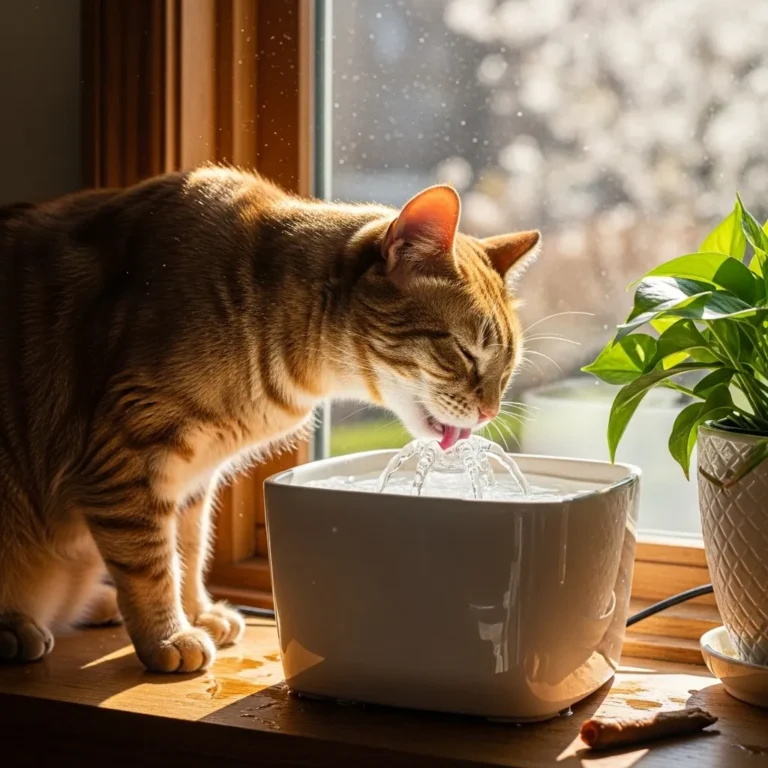
- Hunger or Thirst: An empty bowl can prompt persistent cries. Cats on strict feeding schedules might howl for a midnight snack. Thirst, especially in dry climates, amplifies this.
- Attention-Seeking: If your cat learns that howling gets you out of bed, they’ll repeat it. This is common in single-cat households where the pet craves interaction.
- Stress or Anxiety: Changes like moving homes, new pets, or even rearranged furniture can trigger separation anxiety at night. Yowling becomes a call for reassurance.
- Territorial Instincts: Outdoor sounds, like other animals, might provoke defensive howls. Windowsills become prime spots for this.
Hormonal and Reproductive Factors
Unspayed or unneutered cats are notorious for nighttime vocalizations.
- Cat in Heat Yowling at Night: Female cats in estrus yowl to attract mates, a sound often compared to a baby’s cry. This can happen every few weeks during breeding season. Males respond with their own calls.
- Male vs. Female Cat Vocalization: Males tend to yowl more territorially, while females focus on mating signals. Spaying and neutering reduce this by 90%, according to vet data. Explore our detailed guide on spaying a cat for more on behavioral benefits.
Age-Related Changes in Cat Behavior at Night
As cats age, their habits shift, often leading to more vocal nights.
- Older Cat Yowling: Senior cats (over 10 years) may develop Cognitive Dysfunction Syndrome (CDS), akin to dementia in humans. Symptoms include disorientation, leading to confused howls. One vet-reported case involved a 15-year-old cat yowling due to forgotten litter box locations.
- Senior Cat Behavior Changes: Reduced vision or hearing can make nights scary, prompting cries. Arthritis pain might also play a role.
For more on caring for aging felines, check out our senior cat care article.
Health Issues Causing Cat Yowling
Never ignore persistent howling; it could signal illness.
- Hyperthyroidism: Common in older cats, this overactive thyroid causes restlessness and increased vocalization. Blood tests confirm it.
- Kidney Disease: Toxin buildup leads to discomfort, often manifesting as nighttime cries.
- Pain from Other Conditions: Dental issues, urinary tract infections, or arthritis can cause yowls. Sudden onset suggests urgency.
- Cat Dementia (Cognitive Dysfunction Syndrome): Beyond confusion, it includes altered sleep patterns.
If you suspect health problems, learn more in our cat health and behavior section.
Here’s a table summarizing common causes and signs:
| Cause Category | Specific Reason | Key Signs | When to Worry |
|---|---|---|---|
| Behavioral | Boredom | Pacing, zooming | If it persists despite play |
| Environmental | Stress | Hiding during day | After home changes |
| Hormonal | In Heat | Rubbing, restlessness | Unspayed females |
| Age-Related | CDS | Confusion, accidents | In seniors over 10 |
| Medical | Hyperthyroidism | Weight loss, appetite increase | Sudden vocal changes |
Decoding Cat Communication Sounds: What Your Cat’s Howl Really Means
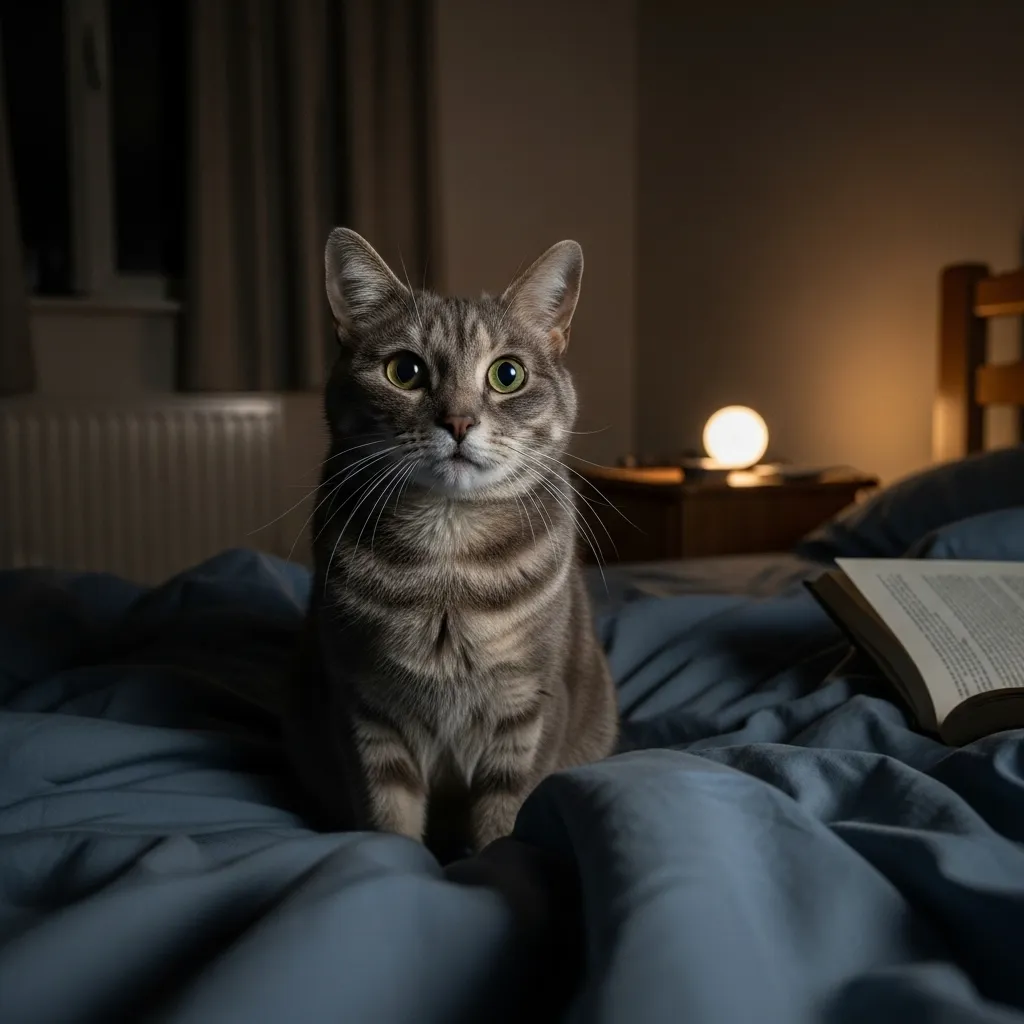
Cats have a rich vocal repertoire. Yowling differs from meowing: it’s deeper, more prolonged, and often carries urgency. Short meows might mean “hello” or “feed me,” but howls signal distress or desire.
From my experience, context matters. A howl near the door could mean “let me out.” One in an empty room might indicate loneliness. Listen for patterns: Is it rhythmic, like a mating call? Or erratic, suggesting pain?
Excessive feline vocalization at night ties into crepuscular cat behavior. They peak in activity when we’re winding down. Understanding this helps you respond effectively.
How to Stop Your Cat from Crying at Night: Step-by-Step Solutions
Addressing cat yowling requires patience and consistency. Start with basics, then escalate if needed.
- Rule Out Medical Issues: Schedule a vet visit. Bloodwork can detect hyperthyroidism or kidney problems. One client found their cat’s howls stopped after treating an infection. Discover tips in our finding the best vet for your cat.
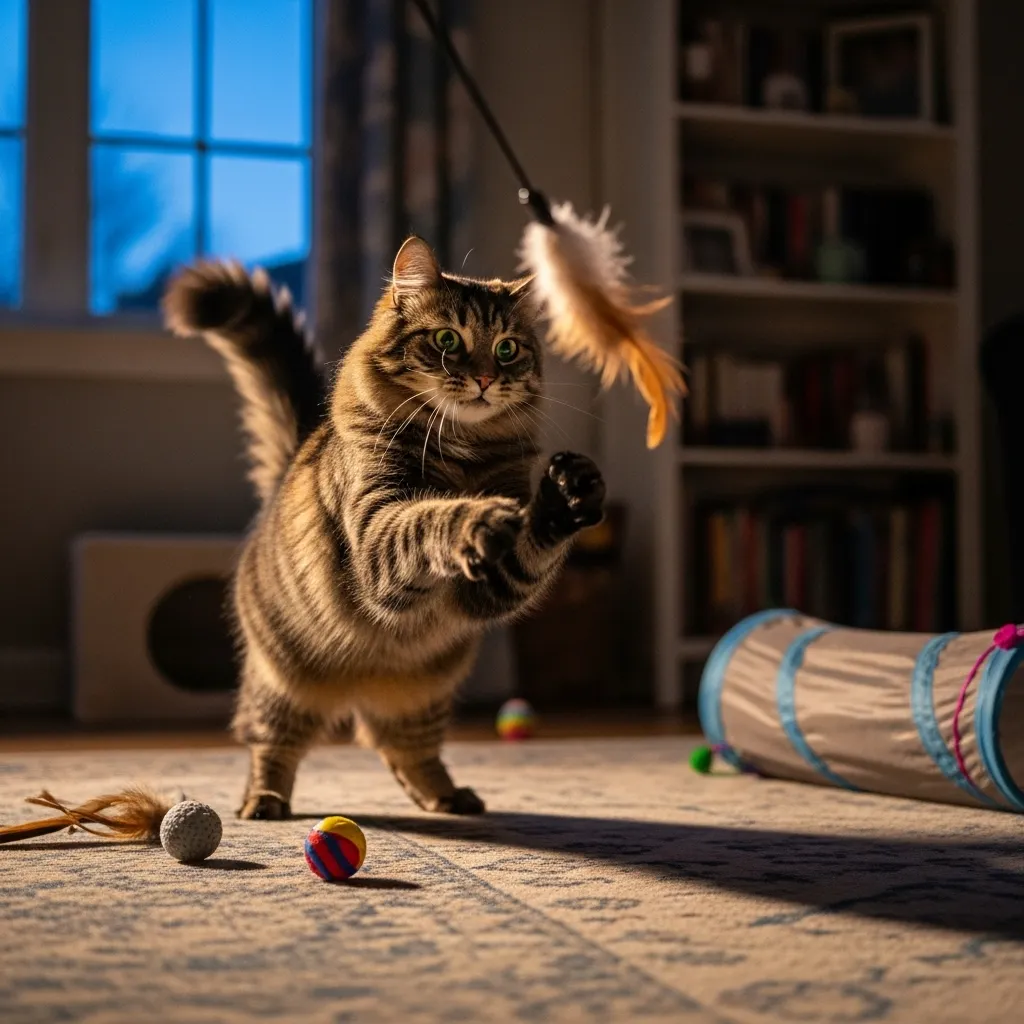
- Boost Daytime Activity: Tire your cat with interactive toys or laser pointers. Aim for 15-20 minutes twice daily. This reduces night zoomies vs. yowling.
- Adjust Feeding Schedule: Offer a late-evening meal to prevent hunger howls. Automatic feeders help maintain consistency.
- Create a Calming Routine: Dim lights early, play soft music. Pheromone diffusers like Feliway ease anxiety.
- Ignore Attention-Seeking: Don’t respond to howls; it reinforces the behavior. Wait for quiet moments to interact.
- Spay or Neuter: Essential for hormone-driven yowls. It calms behavior in 80-90% of cases.
- Enrich the Environment: Add scratching posts, window perches. For seniors, night lights prevent disorientation.
- Consider Supplements: CBD oil or calming treats, under vet guidance, help some cats.
For cat anxiety symptoms, read our cat separation anxiety guide.
If your cat yowls after moving, it might be adjustment stress. Gradual introductions to new spaces help.
The Role of Spaying and Neutering in Reducing Nighttime Cat Meowing
Intact cats yowl more due to hormones. Females in heat emit loud calls; males respond aggressively. Spaying eliminates cycles, while neutering curbs roaming urges.
Post-surgery, many owners report quieter nights within weeks. It’s also healthier, preventing cancers and infections. If your cat’s in heat, signs include excessive rubbing and yowling. Act early.
Learn more in our neutering your cat guide.
Cat Night Activity Patterns: Why They Peak When You Sleep
Cats’ internal clocks favor low-light hours. This crepuscular nature explains why your cat might howl at 3 a.m. Align their schedule with yours by encouraging daytime wakefulness.
Track patterns: Does yowling coincide with dawn? Adjust play accordingly.
Handling Sudden Cat Yowling: When It’s “For No Reason”
Sudden changes warrant attention. It could be pain, a hidden injury, or even environmental shifts like new neighbors. One X user described their cat howling due to a thyroid imbalance, resolved with meds.
Don’t assume it’s baseless; observe and consult a pro.
Tips to Calm a Cat at Night: Practical Advice for Peaceful Sleep
- Use white noise machines to drown out howls.
- Provide a cozy bed in a quiet spot.
- Try herbal remedies like valerian, but vet-approved.
- For multi-cat homes, separate sleep areas reduce conflicts.
If yowling persists, consider a behaviorist.
Frequently Asked Questions About Cat Howling at Night
Is it normal for cats to howl at night?
Yes, occasional howls are normal due to their crepuscular nature. Persistent or loud yowling might indicate issues like hunger or health problems.
What to do if your cat is yowling at night?
First, check for basic needs like food or litter. If it continues, visit a vet to rule out medical causes. Increase play and ignore attention-seeking.
Should I ignore my cat yowling at night?
Yes, for behavioral reasons, but not if it’s due to pain or distress. Differentiate by observing patterns.
Why is my cat screaming at night?
Screaming-like yowls often signal mating urges, pain, or anxiety. Spay/neuter or vet checks help.
Why does my cat cry like a baby at night?
This mimics heat calls in females or distress in others. It’s attention-grabbing by design.
Cat yowling suddenly: What does it mean?
Sudden yowling could indicate injury, illness, or stress. Monitor and seek vet advice promptly.
For more on cat vocalization guide, see our cat sounds how many.

Final Thoughts: Reclaiming Your Quiet Nights
Cat howling at night disrupts sleep, but understanding the causes empowers you to act. Whether it’s boredom, health, or hormones, targeted solutions like more play, routines, or vet care make a difference. Remember, your cat isn’t trying to frustrate you; they’re communicating in their way.
If you’ve tried these tips and need more, explore our expert cat care guides on Cat Bloom Haven. For related reading, check out why cats get aggressive at night or how to calm a cat at night. Sweet dreams ahead.