Why Cats Get Aggressive at Night: Causes, Types, and Solutions for Peaceful Evenings
Imagine this: It’s 2 a.m., and you’re jolted awake by sharp claws digging into your ankle or a sudden pounce on your chest. Your once-cuddly cat has turned into a nighttime ninja, leaving you puzzled and perhaps a bit scratched up. If you’ve ever wondered, “Why cats get aggressive at night,” you’re not alone. This common feline quirk can disrupt your sleep and strain your bond with your pet. But don’t worry—understanding cat aggression at night is the first step to reclaiming those restful evenings.
In this comprehensive guide, we’ll dive deep into nighttime cat behavior problems, exploring the causes of cat aggression, types of cat aggression, and practical cat aggression solutions. Whether it’s play aggression in cats, fear aggression in cats, or something else, we’ll cover signs of aggression in cats and share expert tips on managing cat aggression. By the end, you’ll have actionable strategies to calm an aggressive cat and foster better feline behavior management. Let’s turn those chaotic nights into harmonious ones.
Key Takeaways
- Nighttime Instincts Rule: Cats are crepuscular creatures, meaning they’re naturally more active at dawn and dusk, which can lead to aggressive outbursts if their energy isn’t channeled properly.
- Common Triggers: Lack of playtime, hunger, health issues, or environmental stress often spark cat aggression towards owners at night.
- Types to Identify: From play aggression to territorial aggression in cats, recognizing the type helps tailor effective solutions.
- Calming Techniques: Interactive play, routine adjustments, and calming aids can significantly reduce stress in cats at night.
- Prevention is Key: Regular vet checkups, enriched environments, and consistent training prevent escalation of cat behavior at night issues.
- When to Seek Help: If aggression persists, consult a vet to rule out underlying medical causes like pain or anxiety.
These insights are drawn from veterinary expertise and real-world cat owner experiences, ensuring you get reliable advice to improve your cat’s behavior.
Understanding Cat Behavior at Night
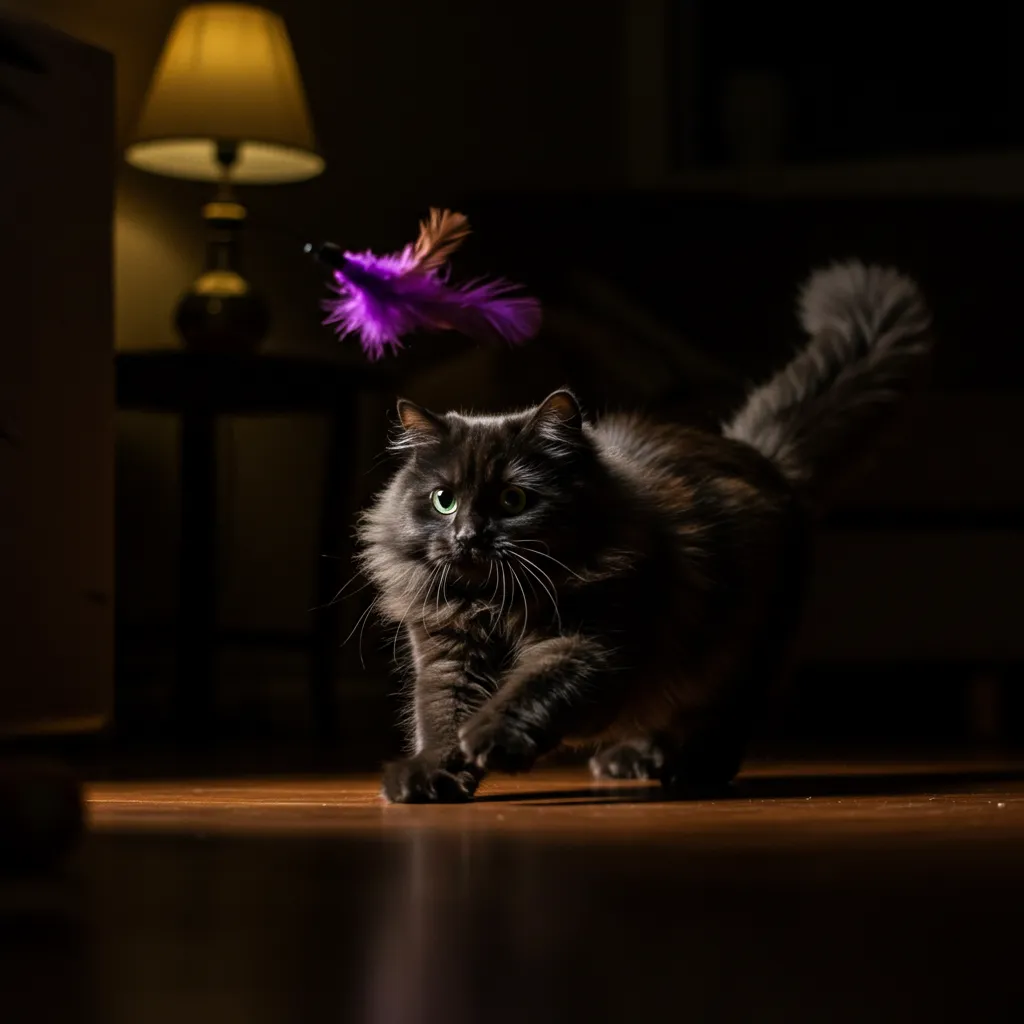
Cats aren’t nocturnal like owls, but they’re crepuscular—wired for peak activity during twilight hours. This evolutionary trait stems from their wild ancestors who hunted at dawn and dusk to avoid larger predators. In your home, this translates to bursts of energy when you’re winding down, often manifesting as cat fighting at night or sudden attacks.
But why does this lead to aggression? When cats don’t expend energy during the day, it builds up, resulting in “nighttime cat zoomies” or frenzied play that can turn rough. Overstimulation from the day’s events or even subtle changes in routine can heighten this. Understanding cat aggression starts here: It’s rarely about spite; it’s about unmet needs or instincts kicking in.
For more on feline quirks, explore our detailed guide on cat behavior explained.
Think of your cat like a toddler with a sugar rush—they need outlets for that pent-up vigor. Without them, playful nips can escalate into full-blown swats. Observing your cat’s daily patterns can reveal if boredom or anxiety is fueling these episodes.
Common Causes of Cat Aggression at Night
Delving into the causes of cat aggression reveals a mix of biological, environmental, and health-related factors. Here’s a breakdown:
Instinctual Hunting Drive
Cats’ crepuscular nature means they’re programmed to “hunt” when light is low. Your moving feet under the covers might mimic prey, triggering play aggression in cats. This isn’t malice; it’s instinct. Studies from veterinary sources note that indoor cats, deprived of natural outlets, redirect this drive toward owners.
Lack of Daytime Stimulation
If your cat lounges all day, expect hyperactivity at night. Boredom leads to frustration, which can manifest as aggressive play. Cat aggression triggers like this are common in single-cat households where there’s no playmate.
Hunger or Feeding Schedule Issues
A rumbling tummy can make anyone cranky. If dinner is too early, your cat might wake you for a midnight snack, using aggressive tactics to get attention.
Health and Pain Issues
Underlying medical conditions, such as hyperthyroidism, arthritis, or dental pain, can cause irritability. Pain-induced aggression often peaks at night when the house is quiet, amplifying discomfort. Always rule out health problems with a vet visit—discover more in our cat health care guide.
Environmental Stressors
Changes like new furniture, loud noises, or even a new pet can spike anxiety, leading to fear aggression in cats. Multi-cat homes might see territorial aggression in cats flare up after dark when territories feel threatened.
Overstimulation or Attention-Seeking
Petting-induced aggression happens when affection turns overwhelming. At night, when you’re relaxed, your cat might misinterpret signals, leading to bites or scratches.
Real-life example: One cat owner shared on social platforms how their Bengal cat’s nighttime attacks stopped after introducing evening play sessions. Adjusting routines can make a world of difference.
Types of Cat Aggression
Recognizing types of cat aggression is crucial for targeted interventions. Based on expert classifications, here are the main ones:
| Type | Description | Common Nighttime Signs |
|---|---|---|
| Play Aggression | Energetic, predatory behavior mimicking hunting; common in young cats. | Pouncing on feet, biting ankles during zoomies. |
| Fear Aggression | Defensive response to perceived threats. | Hissing, swatting when startled in the dark. |
| Petting-Induced Aggression | Overstimulation from touch. | Sudden bites after prolonged petting sessions. |
| Territorial Aggression | Protecting space from intruders (other pets or humans). | Growling at family members approaching “their” spot at night. |
| Redirected Aggression | Lashing out at the wrong target after external stimuli. | Attacking owner after seeing outdoor animals through windows. |
| Pain-Induced Aggression | Due to discomfort or illness. | Uncharacteristic snapping when touched. |
| Maternal Aggression | Protective behavior in mother cats (rare at night unless kittens are involved). | Guarding litter aggressively. |
| Status-Induced Aggression | Establishing dominance. | Challenging owners for prime sleeping spots. |
| Inter-Cat Aggression | Conflicts between household cats. | Nighttime fights over resources like beds. |
These align with insights from feline behaviorists, emphasizing that aggression is often fear-based rather than dominance-driven. For breed-specific behaviors, check our Bengal cat personality guide.

Signs of Aggression in Cats
Early detection prevents escalation. Watch for these body language cues:
- Ears: Flattened against the head signal fear or anger.
- Eyes: Dilated pupils or narrowed slits indicate arousal.
- Tail: Thrashing or puffing up shows agitation.
- Body Posture: Arched back, piloerection (fur standing up), or sideways stance means defensiveness.
- Vocalizations: Growling, hissing, or yowling are clear warnings.
- Physical Actions: Swatting, biting, or scratching without play intent.
A “ladder of aggression” from subtle (ear flicks) to overt (biting) helps owners intervene early. If your cat shows these, step back and assess triggers.
For tips on reading your cat’s mood, see our article on what is my cat thinking.
Factors Influencing Nighttime Cat Aggression
Several elements shape why cats become aggressive:
Genetics and Breed
Some breeds, like Siamese, are more vocal and energetic, potentially leading to aggressive play. Explore breed traits in our Siamese cat breed guide.
Socialization History
Poor early socialization can result in fear-based responses. Kittens separated too soon from littermates miss learning bite inhibition.
Environment
Cluttered spaces or lack of vertical territory (like cat trees) heighten tension. Enriched homes reduce cat aggression towards owners.
Age and Life Stage
Kittens exhibit play aggression; seniors might snap due to pain. Spaying/neutering often curbs hormonal drives—learn more in our spaying a cat guide.
Human Interactions
Inconsistent handling or punishment exacerbates issues. Positive reinforcement builds trust.
How to Calm an Aggressive Cat
Calming aggressive cats requires patience and strategy. Here’s how:
- Create Space: Give your cat room to decompress. Avoid forcing interactions.
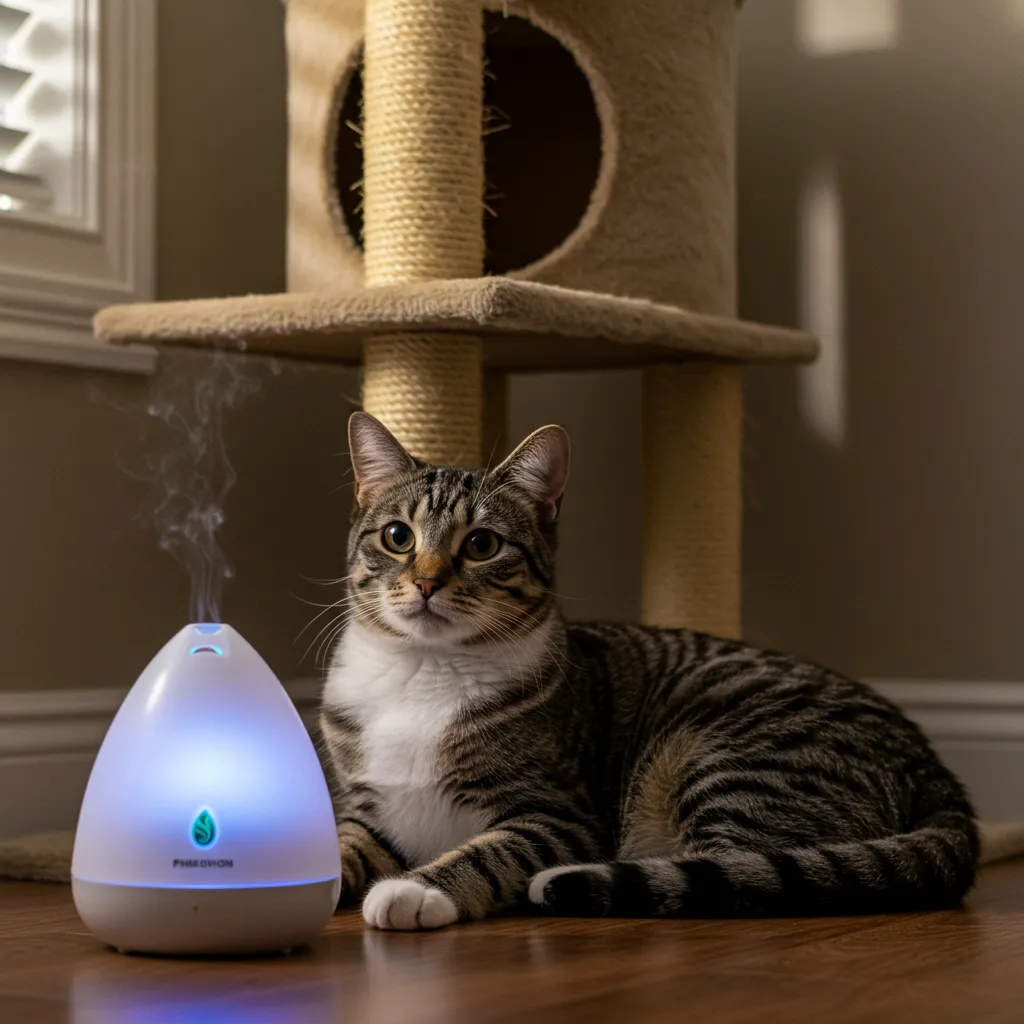
- Use Pheromone Diffusers: Products like Feliway mimic calming scents, reducing anxiety.
- Interactive Play: Redirect energy with toys before bed. Aim for 15-20 minutes.
- Calming Supplements: Options like Zylkene or probiotics can help.
- Routine Adjustments: Consistent bedtime routines signal wind-down time.
- Environmental Enrichment: Add scratching posts, window perches, and hiding spots.
For anxious cats, try our tips on how to calm an anxious cat.
A case study: A Munchkin cat owner reduced nighttime attacks by introducing a puzzle feeder, tiring the cat mentally before sleep. Discover Munchkin care in our Munchkin cat breed guide.
Managing Cat Aggression: Practical Tips and Prevention
To stop a cat from attacking at night, implement these cat aggression solutions:
- Scheduled Playtime: Exhaust your cat with laser pointers or feather wands in the evening.
- Feeding Strategy: Offer a small meal before bed to mimic hunting success.
- Comfortable Sleep Setup: Provide cozy beds away from high-traffic areas. See our best beds for American Shorthair cats.
- Training Techniques: Use clicker training for positive behaviors. Check cat behavior training tips.
- Multi-Cat Harmony: Introduce cats gradually to avoid inter-cat aggression. Tips in Bengal cats dogs compatibility.
- Vet Interventions: Medications or behaviorists for severe cases.
Preventing nighttime cat behavior problems involves consistency. Track patterns in a journal to identify triggers.
For socialization, read our cat socialization and training guide.
FAQ
Why does my cat get aggressive at night?
Cats often become aggressive at night due to built-up energy from daytime inactivity, instinctual hunting drives, or stress. Crepuscular habits make them more playful or territorial after dark.
What are the reasons for cat aggression?
Key causes include fear, pain, overstimulation, territorial disputes, or lack of socialization. Health issues like hyperthyroidism can also contribute.
How can I handle my cat’s aggression at night?
Start with evening play sessions, adjust feeding times, and create a calming environment. If needed, use pheromone diffusers or consult a vet.
What are the different types of aggression in cats?
Common types include play, fear, petting-induced, territorial, redirected, pain-induced, maternal, status-induced, and inter-cat aggression.
What factors can influence a cat’s aggression?
Genetics, early socialization, environment, age, and human interactions all play roles. Poor environments amplify issues.
How can I calm down an aggressive cat?
Give space, use calming aids, redirect with toys, and maintain routines. Avoid punishment, as it worsens fear.
How can I manage cat aggression?
Through enrichment, training, vet checkups, and addressing triggers. Consistency is key for long-term success.
Conclusion
Dealing with cat aggression at night can be frustrating, but with insight into feline behavior management, you can foster a calmer household. Remember, aggression is often a cry for help—whether it’s more play, better health care, or a stress-free space. By implementing these tips, you’ll not only stop nighttime disruptions but also strengthen your bond with your furry friend.
Ready for more? Explore more expert cat health guides on Cat Bloom Haven, like our cat zoomies guide or how to deal with an aggressive cat. Your peaceful nights await!