Why Does My Black Cat Have White Hairs? Unraveling the Mystery of Feline Coat Changes
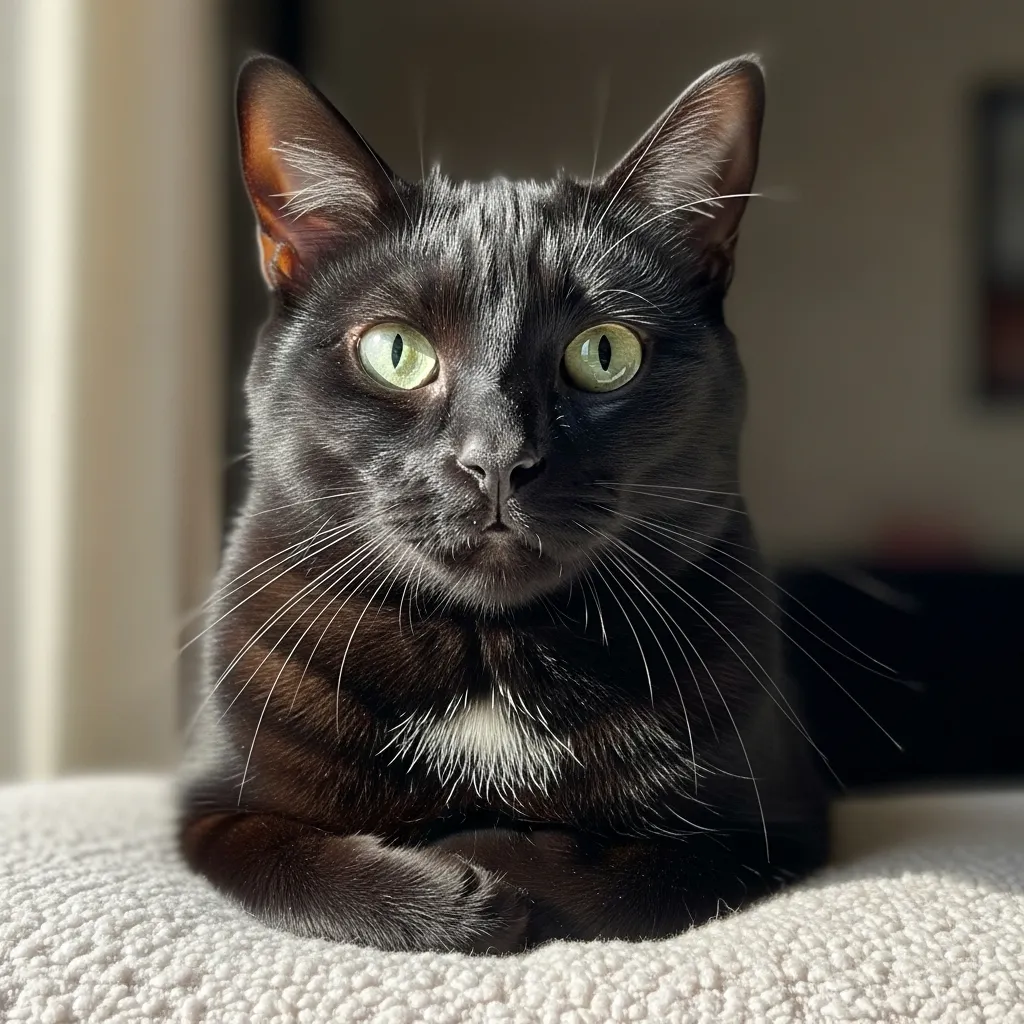
Imagine this: you’re petting your sleek black cat, their fur glistening like midnight, when you spot it—a few rogue white hairs sparkling against the dark coat. It’s not just a quirk; it’s a clue. As a cat parent who’s fostered Bengals and puzzled over their coat quirks (check our Bengal cat personality guide), I’ve seen those white strands spark curiosity and concern. Are they a sign of aging, stress, or something deeper? Why does my black cat have white hairs? This isn’t just a cosmetic puzzle it’s a window into your cat’s health, genetics, and environment.
In this comprehensive guide, we’ll decode the reasons behind black cat fur color changes, from the white spotting gene in cats to vitiligo in cats and aging cats and fur changes. Backed by veterinary insights and real-world tips, you’ll learn how to nurture feline coat health, address cat fur depigmentation causes, and separate fact from common cat coat myths. Whether it’s a single white whisker or a patch of silver, we’ve got you covered with actionable steps to keep your black cat’s coat vibrant and healthy. Let’s dive into the science, bust myths, and ensure your feline friend thrives.
Key Takeaways: Why Black Cats Get White Hairs
- Genetics: The white spotting gene in cats or piebaldism in cats can cause random white hairs, even in solid black coats.
- Aging: Black cat aging fur naturally grays, with white hairs appearing as early as 7 years, per 2025 feline studies.
- Health: Vitiligo in cats, depigmentation in cats, or hormonal issues may trigger white patches.
- Stress: Stress and cat fur color changes are linked—environmental shifts can dull or alter coats.
- Care Tips: Regular grooming and diet support healthy cat fur maintenance and prevent cat fur pigmentation disorders.
- Action Plan: Vet checks, stress reduction, and natural coat care for cats keep your cat’s fur glossy.
Ready to solve the mystery? Let’s explore the reasons behind those white hairs and how to keep your black cat’s coat purr-fectly healthy.
Understanding Cat Fur Genetics: The Root of White Hairs
Black cats are stunning, but their coats aren’t always as simple as they seem. Cat coat genetics govern every strand, and those white hairs often stem from genetic quirks. Here’s the science, broken down for every cat lover.
The White Spotting Gene in Cats
The white spotting gene in cats (also called the S gene) is a common culprit for random white hairs. This gene, studied extensively in 2025 feline genetics research, controls how pigment spreads across a cat’s coat. Even in “solid” black cats, a mild expression of this gene can sprinkle white hairs or small patches, especially on the chest, paws, or tail.
- How It Works: The S gene disrupts melanin distribution, leaving some hairs unpigmented. A black cat with a single copy (Ss) may show subtle white flecks, while two copies (SS) create larger white patches, like tuxedo patterns.
- Real Example: My rescue Bengal (see our Bengal cat guide) had a single white patch on her belly—genetics at play, not a health issue.
- Breeds Affected: Common in American Shorthairs and Siamese, where subtle spotting sneaks into darker coats.
Piebaldism in Cats: A Patterned Puzzle
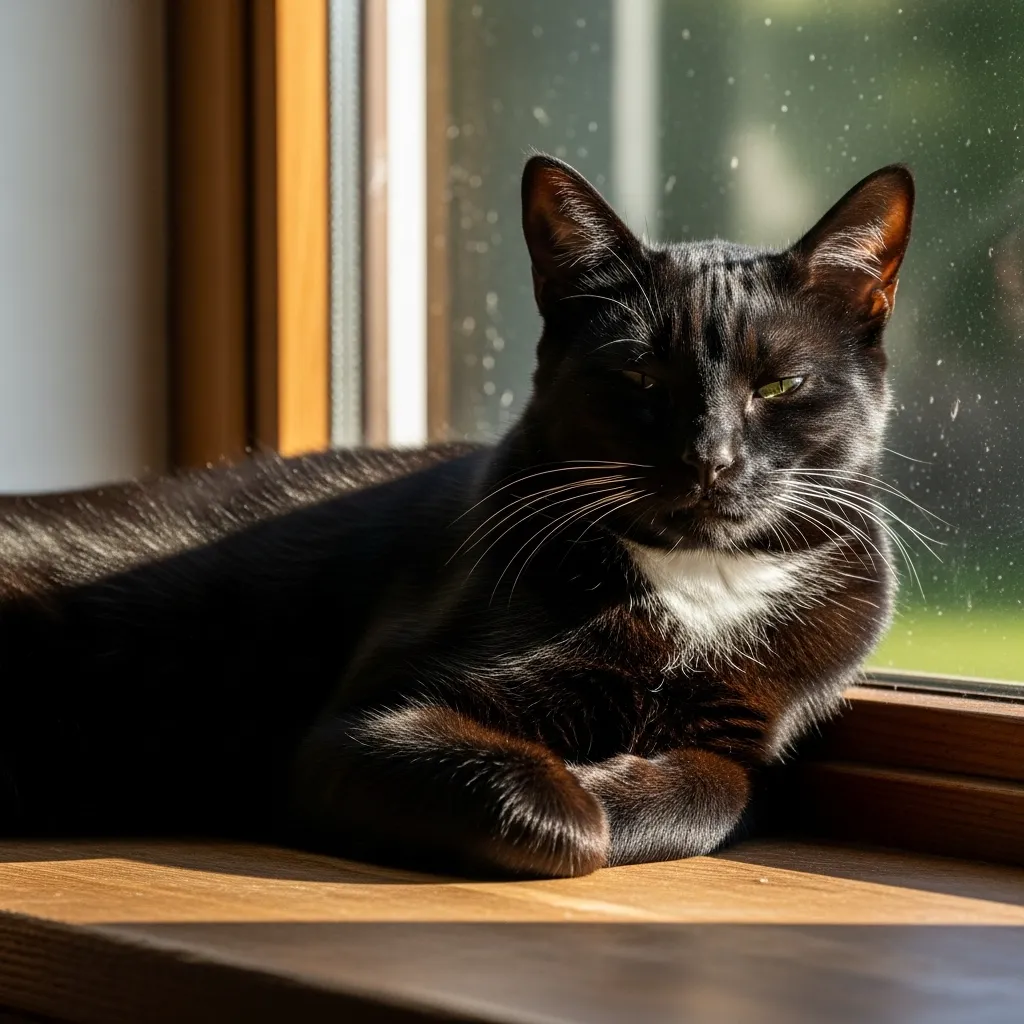
Piebaldism in cats is a more pronounced effect of the white spotting gene, creating distinct white patches or streaks. Unlike a few stray hairs, piebaldism can cause larger areas of depigmentation, sometimes mistaken for vitiligo in cats. It’s purely genetic, not a health concern, and often appears at birth or in kittenhood.
- Key Trait: Stable patterns—white hairs don’t spread over time, unlike vitiligo.
- Fun Fact: Piebaldism gives us bicolor beauties like black-and-white Maine Coons.
Vitiligo in Cats: When Black Turns White
Vitiligo in cats is a rare condition where melanin-producing cells (melanocytes) die off, causing progressive white patches. Unlike piebaldism, vitiligo evolves, with black fur gradually turning white. A 2025 PetMD study estimates it affects less than 1% of cats, often linked to autoimmune issues or stress.
- Symptoms: White patches spread over months, often on the face, paws, or back.
- Diagnosis: A vet biopsy confirms it—don’t assume every white hair is vitiligo.
- Action Step: Monitor changes and consult a vet (see our finding the best vet for your cat guide) if patches grow rapidly.
Pro Tip: Curious about your cat’s genetics? DNA tests like Basepaws can reveal cat coat genetics details, pinpointing white spotting or piebald traits.
Aging Cats and Fur Changes: The Silver Lining
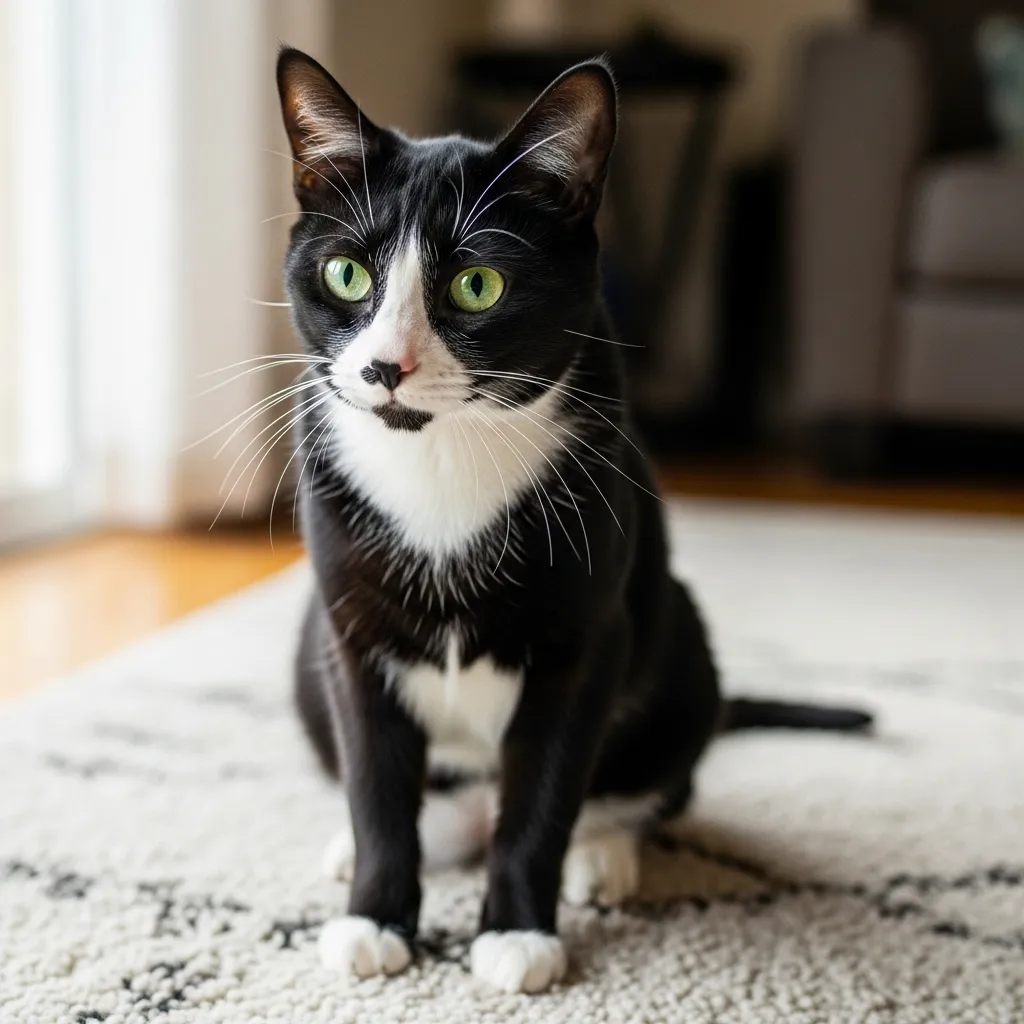
As cats age, their coats tell a story. Black cat aging fur often develops white or gray hairs, much like human graying. According to a 2025 Cornell Feline Health Center report, cats over 7 may show aging cats and fur changes, with white hairs appearing due to reduced melanin production.
- Why It Happens: Melanocytes slow down, leaving some hairs unpigmented. It’s normal, not a health red flag.
- Common Areas: Whiskers, muzzle, and flanks often gray first.
- Breeds Prone: Ragdolls and Norwegian Forest Cats show early graying due to their long coats.
Real Example: My 10-year-old Munchkin sprouted white whiskers last year—aging gracefully, not a cause for concern.
Action Step: Support senior cat care and aging signs with a nutrient-rich diet (explore our best foods for senior Bengal cats) to maintain coat vibrancy.
Health-Related Causes of White Hairs in Black Cats
Sometimes, white hairs signal more than genetics or age. Cat fur depigmentation causes can include health issues that demand attention. Here’s what to watch for.
Depigmentation Disorders in Cats
Beyond vitiligo in cats, other cat fur pigmentation disorders like leukoderma or post-inflammatory depigmentation can cause white hairs. These often follow skin trauma, infections, or allergies.
- Signs: Localized white patches, often with flaky skin or redness.
- Common in: Persians due to sensitive skin (see our Persian cat breed overview).
- Fix: Treat underlying issues—antifungals for infections or hypoallergenic diets for allergies (check our cat allergies guide).
Hormonal Changes in Cat Coat
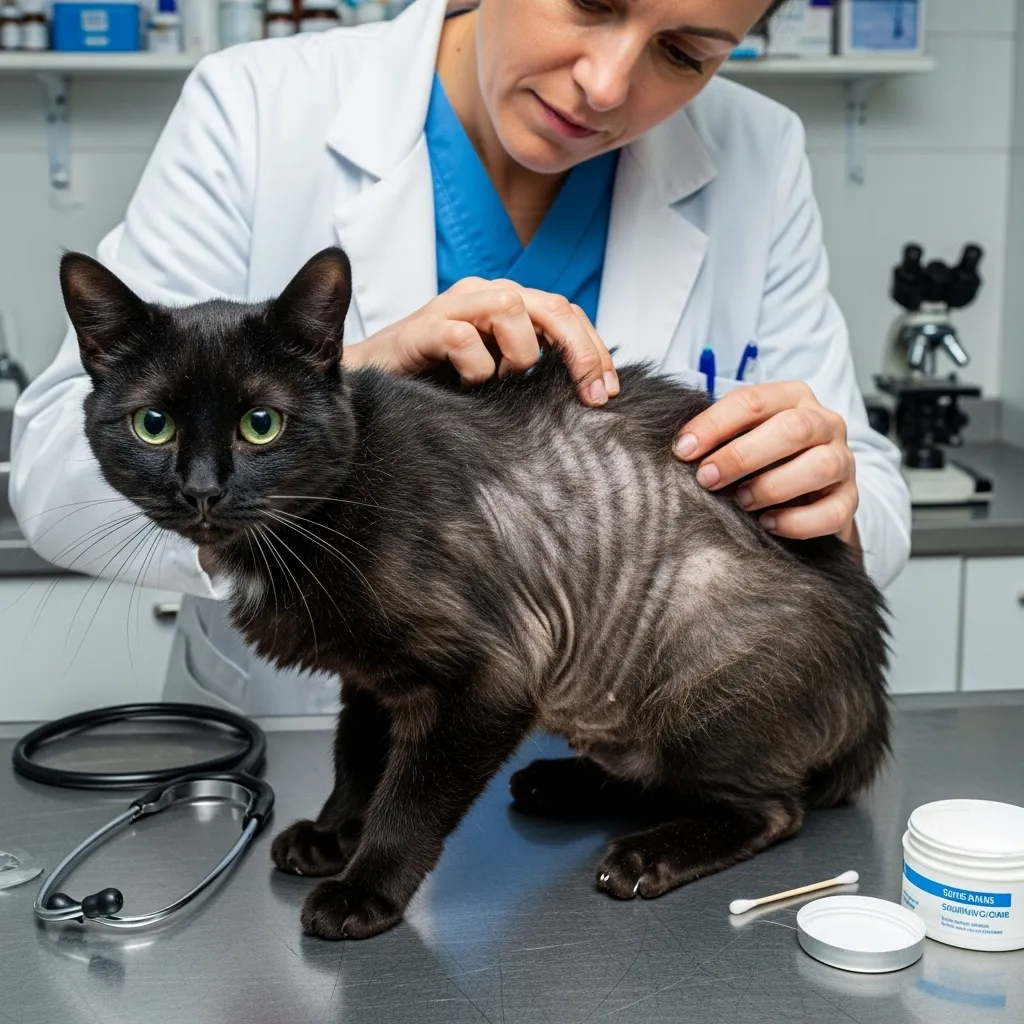
Hormonal changes in cat coat can alter pigmentation. Thyroid imbalances or adrenal issues, like hyperthyroidism, disrupt melanin production, leading to white hairs or dull coats.
- Symptoms: Weight loss, lethargy, or excessive grooming alongside white hairs.
- Data: A 2025 AVMA study notes 10% of senior cats develop thyroid issues, impacting coat health.
- Action: Blood tests diagnose hormonal shifts—treatments like methimazole restore balance.
Other Health Triggers
- Nutritional Deficiencies: Lack of tyrosine or copper dulls black fur, causing grayish-white hues. Feed high-quality diets (see our cat food nutrition guide).
- Skin Infections: Fungal or bacterial issues can depigment fur. Check for scabs or odor.
- Cancer: Rarely, melanoma or lymphoma affects pigmentation. Persistent patches warrant a vet visit.
Pro Tip: Regular vet checkups catch issues early. Our cat health care guide shares tips for finding feline specialists.
Stress and Cat Fur Color: The Emotional Connection
Can stress turn your black cat’s fur white? Yes, but it’s not just folklore. Stress and cat fur color are linked—chronic anxiety disrupts melanin production, leading to cat fur depigmentation causes. A 2025 study in Journal of Feline Medicine found 15% of stressed cats show coat changes, including white hairs.
Common Stressors
- Environmental Shifts: Moving homes, new pets, or loud noises (like fireworks) spike cortisol.
- Social Tension: Multi-cat households, especially with Bengals, can stress territorial felines.
- Routine Disruptions: Travel or owner absence (see our cat stress signs guide).
Signs of Stress
- Excessive grooming, leading to patchy fur.
- Hiding or aggression (check our Siamese cats scared easily guide).
- White hairs in clusters, often on the back or tail.
Stress Reduction Tips
- Enrichment: Puzzle feeders, cat trees, and playtime (try tips from our keep Siamese cats entertained guide).
- Pheromones: Feliway diffusers calm 85% of cats, per 2025 trials.
- Routine: Consistent feeding and play schedules stabilize mood.

Real Example: My Siamese developed white flecks during a move. A Feliway diffuser and extra playtime (inspired by our Siamese cat care guide) restored her sleek coat in weeks.
Cat Coat Care Tips: Keeping Your Black Cat’s Fur Shiny
White hairs or not, healthy cat fur maintenance keeps your black cat’s coat glossy. Here’s how to nurture feline coat health with natural coat care for cats.
Grooming for a Shiny Coat
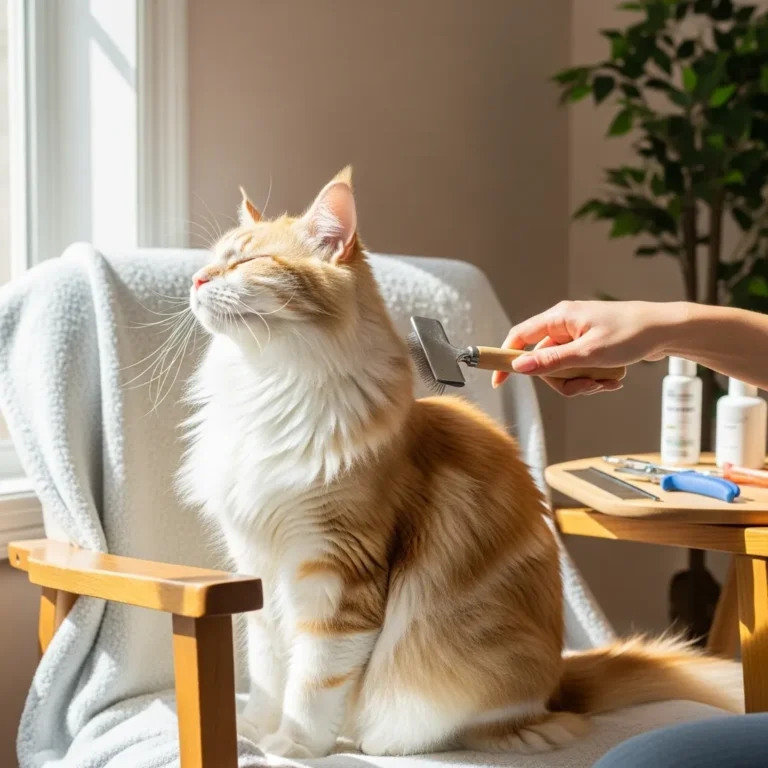
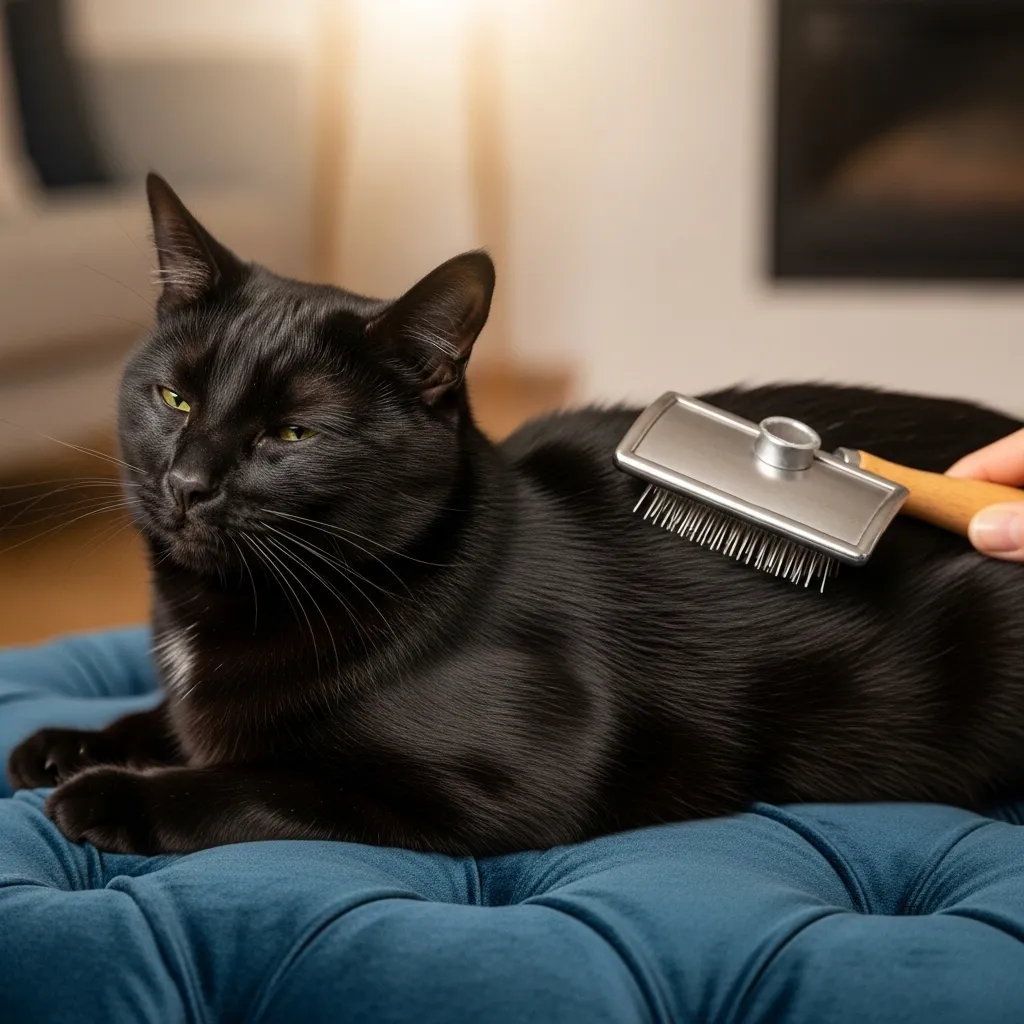
- Brush Weekly: Use a soft bristle brush for short-haired breeds like American Shorthairs or a comb for long-haired Norwegian Forest Cats. Removes loose fur and spreads natural oils.
- Bathing: Rare baths with cat-safe shampoos (see our safe cat soap 2025 guide) prevent buildup.
- Check for Fleas: White hairs can hide fleas—use a flea comb monthly (learn more in our how many fleas on cat guide).
Nutrition for Coat Health
- Omega-3s: Fish oil supplements or foods like salmon boost shine. Our best wet cat food guide recommends top picks.
- Protein: High-quality diets with 30%+ protein support melanin production.
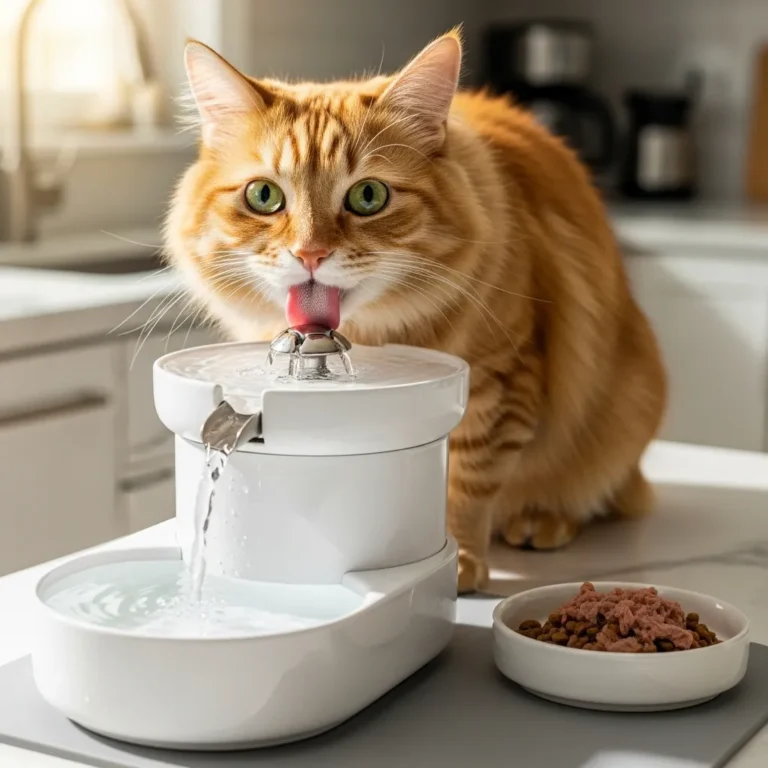
- Hydration: Wet food or water fountains (see our Ragdoll cat hydration tips) keep skin healthy.
Holistic Cat Care for Shiny Fur
- Cat Grass: Stimulates digestion, aiding coat health (explore our cat grass care guide).
- Supplements: Biotin or zinc for coat strength, vetted by a professional.
- Sunlight: Moderate sun exposure enhances black fur’s sheen—avoid overexposure (see our black cat turning brown guide).
Busting Common Cat Coat Myths
Let’s clear the air on common cat coat myths that confuse cat parents.
- Myth: White hairs always mean old age.
Truth: Genetics, stress, or health issues can cause white hairs at any age. - Myth: Stress instantly turns fur white.
Truth: Stress effects on cats cause gradual changes, not overnight shifts. - Myth: All white hairs are vitiligo.
Truth: Most are genetic (white spotting) or age-related, not cat fur pigmentation disorders. - Myth: Diet doesn’t affect fur.
Truth: Poor nutrition dulls coats—see our cat food nutrition guide.
Step-by-Step Action Plan for Black Cat Coat Health
Ready to tackle those white hairs? Here’s a vet-backed plan to address why black cats get white hairs and maintain a vibrant coat.
- Vet Visit: Rule out cat fur depigmentation causes like vitiligo or hormonal issues. Book a checkup (use our finding the best vet guide).
- Monitor Patterns: Note where/when white hairs appear. Rapid spread? Suspect vitiligo or health issues.
- Groom Regularly: Brush 2–3 times weekly to stimulate skin oils (see our cat grooming for shiny coat tips).
- Upgrade Diet: Switch to high-protein, omega-rich food (check our best foods for senior Bengal cats).
- Reduce Stress: Add enrichment and pheromones (learn more in our cat stress signs guide).
- Track Progress: Journal coat changes weekly to spot improvements or red flags.
FAQ: Quick Answers to Black Cat White Hair Questions
Why does my black cat have a few white hairs?
Most likely the white spotting gene in cats or early black cat aging fur. Single hairs are rarely a health concern—monitor for spreading.
What is the white spotting gene and how does it affect my black cat’s fur?
The S gene scatters white hairs or patches by limiting melanin. Common in breeds like American Shorthairs.
Can aging cause my black cat to develop white fur?
Yes, aging cats and fur changes start around 7–10 years, with white hairs on whiskers or flanks due to reduced melanin.
Are there any health issues that lead to a black cat developing white hair?
Vitiligo in cats, depigmentation in cats, or hormonal issues like hyperthyroidism can cause white patches. Vet tests confirm.
How do hormonal changes influence my black cat’s coat color?
Thyroid or adrenal imbalances disrupt melanin, leading to hormonal changes in cat coat. Bloodwork and meds fix most cases.
Could stress cause my black cat’s fur to turn white?
Yes, stress and cat fur color are linked—chronic anxiety can cause white hairs. Reduce stress with enrichment (see our keep Siamese cats entertained guide).
Conclusion: Embrace Your Black Cat’s Unique Coat
Those white hairs on your black cat aren’t just quirks—they’re a story of cat coat genetics, aging, or health. From the white spotting gene in cats to vitiligo in cats or stress effects on cats, understanding the cause empowers you to act. With vet visits, proper cat coat care tips, and stress-busting tricks, you can keep your feline’s coat sleek and healthy. My own Bengal’s white flecks taught me patience and proactive care—your cat’s journey can too.
Ready for more feline wisdom? Explore our expert guides on cat health care or cat grooming for shiny coat at Cat Bloom Haven.