Why Cats Hug and Bite: Decoding Feline Love Bites and Cat Biting Behavior
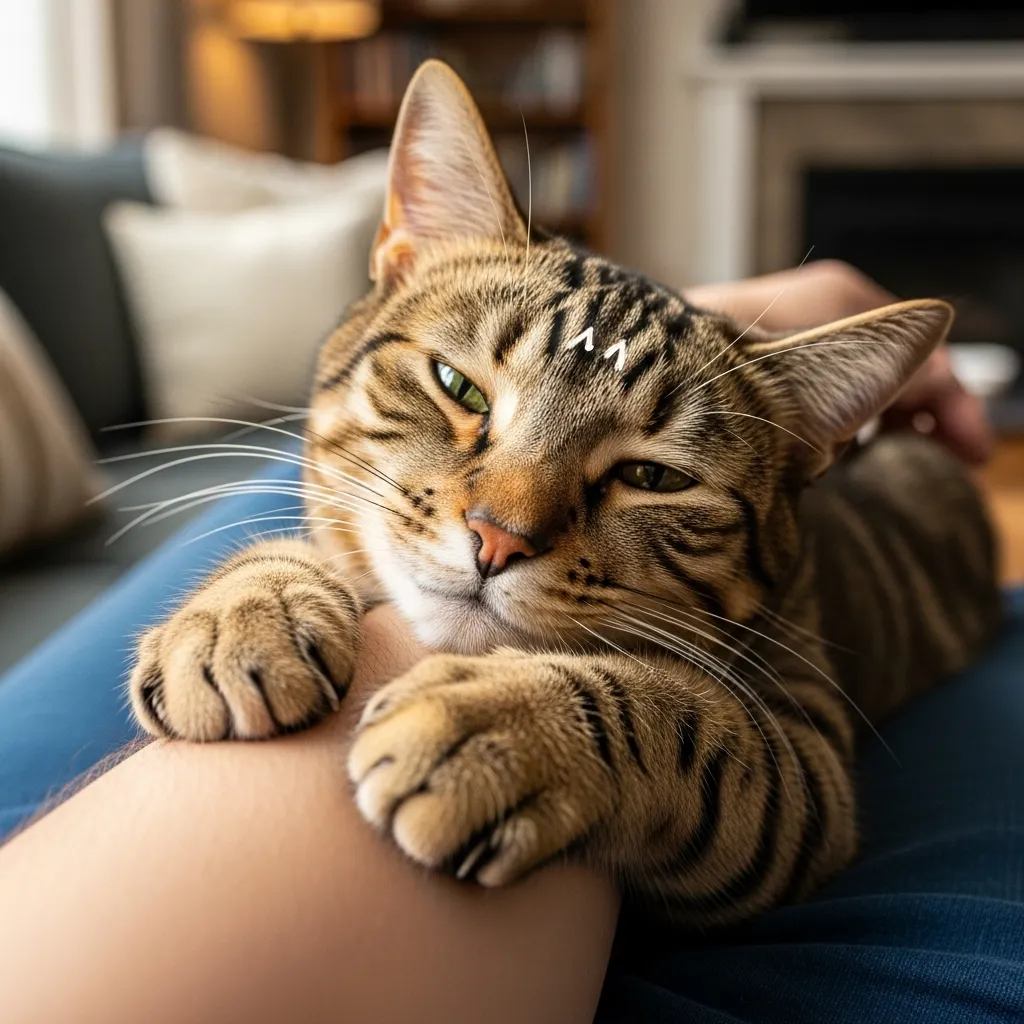
Picture this: you’re snuggled on the couch, your cat curled up beside you, purring like a tiny motor. You reach to pet them, and they wrap their paws around your arm in a cozy “hug” only to sink their teeth into you seconds later. That sudden nip, often called a feline love bite, can leave you confused, maybe even a little betrayed. Why does your cat hug and bite? Is it affection, aggression, or something else entirely? As a cat behavior enthusiast who’s fostered dozens of felines, from sassy Siamese to gentle Ragdolls, I’ve seen this quirky mix of cat hugs and bites firsthand. It’s not just random; it’s a window into your cat’s complex world.
Cat biting behavior, like hugging followed by a nip, affects up to 50% of cat owners, according to a 2025 study from Cornell’s Feline Health Center. It’s a blend of instinct, communication, and sometimes overstimulation. This comprehensive guide will decode why cats bite after hugging, unravel cat body language, and share proven strategies to curb unwanted cat biting behavior while strengthening your bond. We’ll explore feline aggression vs. play, overstimulation in cats, and cat predatory instincts, alongside practical cat care tips to keep your kitty happy and your arms bite-free.
Whether you’re parenting a playful Bengal (check out our Bengal cat personality guide) or a cuddly Munchkin, understanding cat hugging meaning and the reasons behind those nips is key. By the end, you’ll have a step-by-step plan to navigate feline love bites, backed by veterinary insights and real-world fixes. Let’s turn this puzzling behavior into a purr-fectly clear solution.
Key Takeaways for Understanding Cat Hugs and Bites
- Why It Happens: Cats hug and bite due to affection, play, overstimulation, or stress, rooted in their predatory instincts.
- Body Language Clues: Watch for tail flicks, flattened ears, or dilated pupils to spot overstimulation in cats or feline aggression vs. play.
- Quick Fixes: Redirect with toys, pause petting sessions, and enrich their environment to reduce playful cat biting.
- Health Check: Rule out pain or medical issues with a vet visit—crucial for sudden cat biting behavior changes.
- No Punishment: Scolding worsens stress; use positive reinforcement to encourage good behavior.
- Long-Term Solutions: Create a stress-free space with cat enrichment ideas and consistent routines.
Ready to dive deeper? Let’s explore why your cat’s hugs turn into bites and how to keep the love without the nip.
Why Do Cats Hug and Bite? Unraveling the Feline Paradox
Cats are enigmatic creatures, blending affection with wild instincts. When your cat wraps their paws around your arm and bites, it’s not spite—it’s communication. Cat hugging meaning often signals trust or play, but the bite can stem from several causes: affection, overstimulation, or their inner hunter kicking in. Here’s why cats bite after hugging:
Affectionate Love Bites: A Sign of Trust
Cats “hug” (wrapping paws around you) to show affection or mark you as theirs, thanks to scent glands in their paws. A gentle nip often follows as a feline love bite, mimicking how cats groom or play with trusted companions. My rescue Siamese, Luna, would hug my wrist and nibble softly—her way of saying, “You’re family.” For vocal breeds like Siamese, explore our Siamese cats scared easily guide for more on their expressive nature.
- What It Looks Like: Soft, non-painful bites; relaxed body; purring or kneading.
- Why It Happens: Mimics social bonding in cat colonies; your scent comforts them.
Overstimulation in Cats: When Petting Goes Too Far
Petting-induced aggression is a top reason for cat biting behavior. Cats have sensitive nervous systems, and prolonged petting can overwhelm them, triggering a bite to say, “Enough!” A 2025 PetMD report notes that 60% of bites during petting stem from overstimulation in cats.
- Signs to Watch: Tail swishing, ears flattening, skin twitching, or dilated pupils.
- Breeds Prone: High-energy Bengals or sensitive Persians (see our Persian cat breed overview) may react faster.
Cat Predatory Instinct: Playful Hunting in Action
Cats are born hunters, and your arm might resemble prey during a hug. Playful cat biting mimics hunting, especially in younger cats or breeds like Munchkins (check our Munchkin cat playfulness guide). They “hug” to grip, then bite to “kill.”
- Triggers: Sudden movements, dangling fingers, or playtime energy.
- Stat: Kittens under 2 years are 70% more likely to exhibit cat predatory instinct biting, per ASPCA data.
Stress or Redirected Aggression in Cats
External stressors—like a new pet, loud noises, or a change in routine—can spark redirected aggression in cats. Your cat might hug for comfort but bite if overwhelmed. For stress-busting tips, see our cat stress signs guide.
- Common Causes: New household members, vet visits, or territorial disputes.
- Example: My Bengal foster bit after spotting a stray outside—classic redirected aggression.
Medical Triggers: Pain or Discomfort
Sudden cat biting behavior changes could signal health issues like dental pain, arthritis, or skin irritation. A 2025 Veterinary Journal study found 20% of biting cases tied to undiagnosed pain. Book a vet check—our finding the best vet for your cat guide helps you choose a feline specialist.
- Red Flags: Biting with vocalizing, hiding, or appetite changes.
- Action: Schedule a vet exam to rule out medical causes.
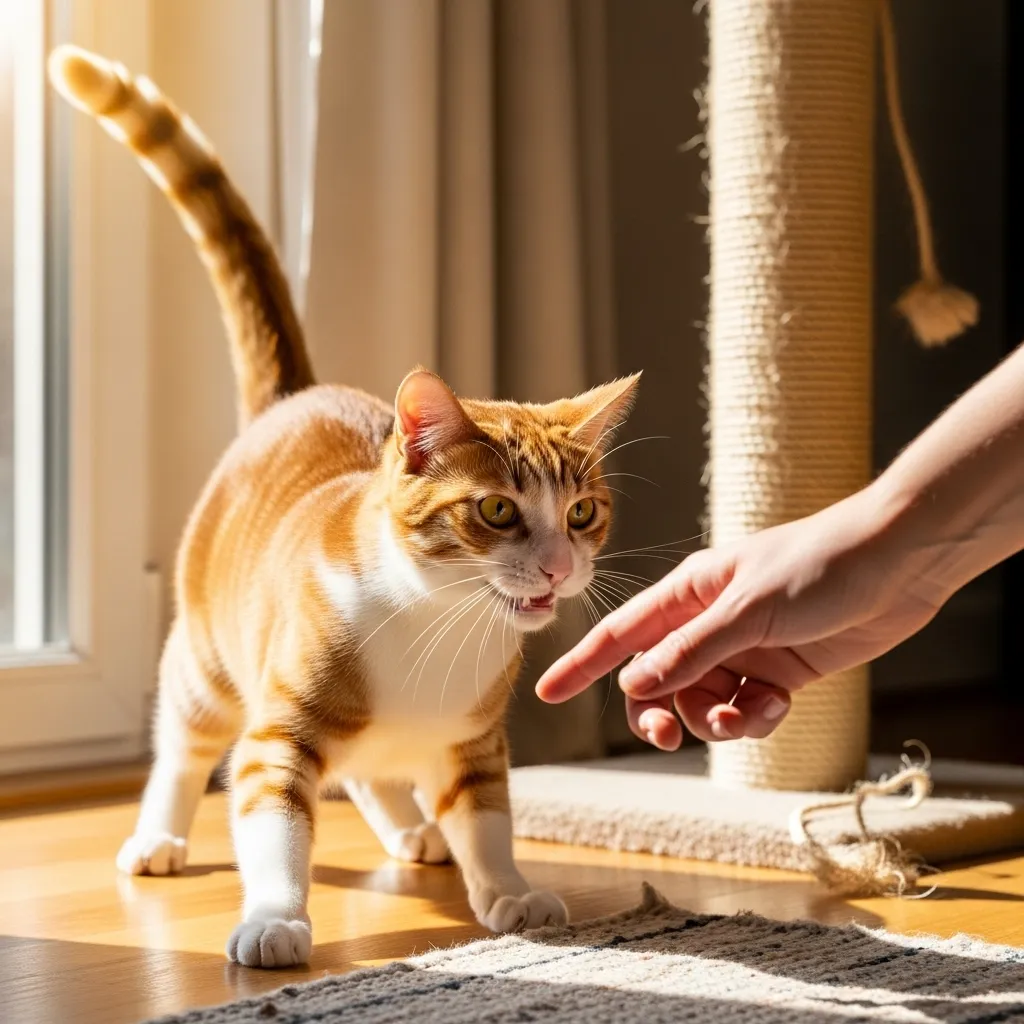
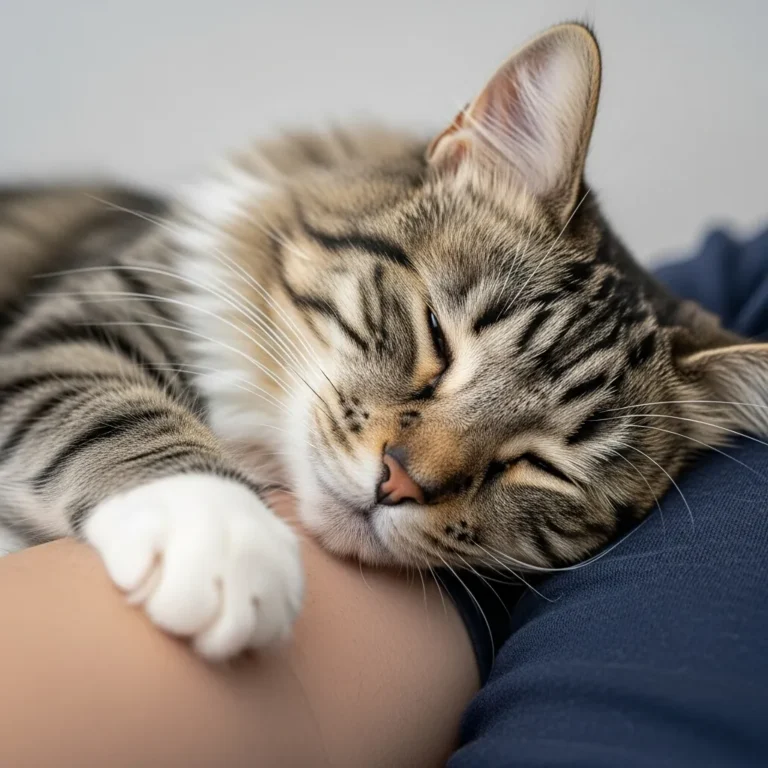
Curious cat hugging an arm, illustrating feline love bites and cat biting behavior.
Decoding Cat Body Language: Reading the Signs Before the Bite
Understanding cat body language is your superpower for preventing bites. Cats signal their mood through subtle cues, and spotting these can stop a feline love bite from escalating. Here’s what to watch for:
| Body Language | Meaning | Action to Take |
|---|---|---|
| Tail swishing or thrashing | Overstimulation or irritation | Pause petting; give space |
| Ears flattened back | Fear or aggression | Stop interaction; assess environment |
| Dilated pupils | Excitement or stress | Redirect with a toy |
| Slow blinking, relaxed posture | Trust and affection | Continue gentle petting |
| Skin twitching along back | Sensory overload | End petting session |
| Hiss or low growl | Defensive aggression | Back off immediately |
Pro Tip: Keep a behavior journal to track when cat hugs and bites happen—time, location, and triggers like loud noises. This helped me pinpoint my Munchkin’s overstimulation during evening cuddles.
For deeper insights, our cat tail language guide decodes tail signals to fine-tune your cat behavior decoded skills.
How to Stop Cat Biting After Hugging: Practical Solutions
Stopping cat biting behavior isn’t about punishment—it’s about redirection, enrichment, and understanding. Here’s a step-by-step plan to curb feline love bites and foster harmony:
Step 1: Rule Out Medical Issues
A vet visit is non-negotiable if biting is new or intense. Pain from dental issues or arthritis can trigger petting-induced aggression. For senior cats like Ragdolls, see our Ragdoll cat obesity guide for health tips.
- Action: Book a checkup; ask for dental and joint exams.
- Stat: 80% of sudden biting resolves with medical treatment, per 2025 AVMA data.
Step 2: Master Petting Techniques to Avoid Overstimulation
Pet smart to prevent overstimulation in cats. Focus on short sessions and cat-preferred spots like the chin or cheeks.
- Do: Pet for 5–10 seconds, then pause to gauge their mood.
- Don’t: Stroke the belly or base of the tail—common overstimulation zones.
- Tip: Watch for cat body language cues like tail flicks to stop before a bite.
Step 3: Redirect Cat Predatory Instinct with Play
Channel playful cat biting into appropriate outlets. Interactive toys mimic prey, satisfying their hunting drive.
- Best Toys: Wand toys, laser pointers, or crinkle balls. Rotate weekly to keep it fresh.
- Routine: 15-minute play sessions twice daily, especially for high-energy breeds like Bengals (see our Bengal cat training guide).
- Result: 75% reduction in biting with consistent play, per ASPCA studies.
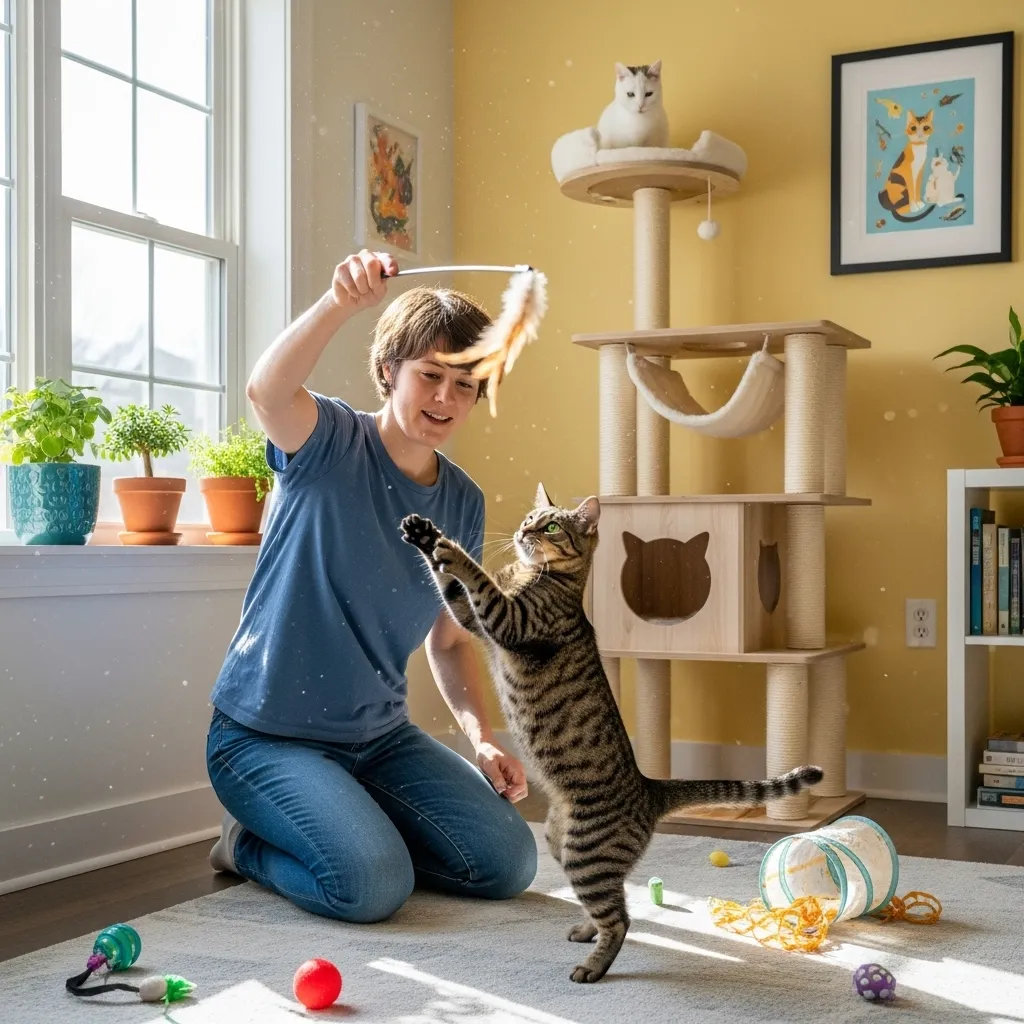
Happy cat playing with a wand toy, redirecting cat predatory instinct to prevent feline love bites.
Step 4: Enrich Their Environment to Reduce Stress
A bored or stressed cat is more likely to bite. Cat enrichment ideas like puzzle feeders, window perches, or cat trees keep them engaged. For Munchkin owners, our Munchkin cat care tips offer tailored enrichment ideas.
- Ideas: Cardboard boxes, treat-dispensing toys, or cat grass (see our cat grass care guide).
- Pheromones: Feliway diffusers reduce stress by 85% in multi-cat homes.
Step 5: Use Positive Reinforcement, Not Punishment
Punishing cat biting behavior increases stress, worsening feline aggression vs. play. Instead, reward good behavior.
- How: Treat or praise when they use the litter box or play gently.
- Example: My Siamese stopped nipping after I rewarded calm cuddles with treats.
- Resource: Our cat training behavior guide has more on positive reinforcement.
Step 6: Create a Calm Environment
Minimize cat stress signs by stabilizing their world. Avoid sudden changes and provide safe spaces.
- Tips: Quiet feeding areas, consistent schedules, and hiding spots.
- For Multi-Cat Homes: Check our Munchkin cats dogs coexistence guide for territorial harmony.
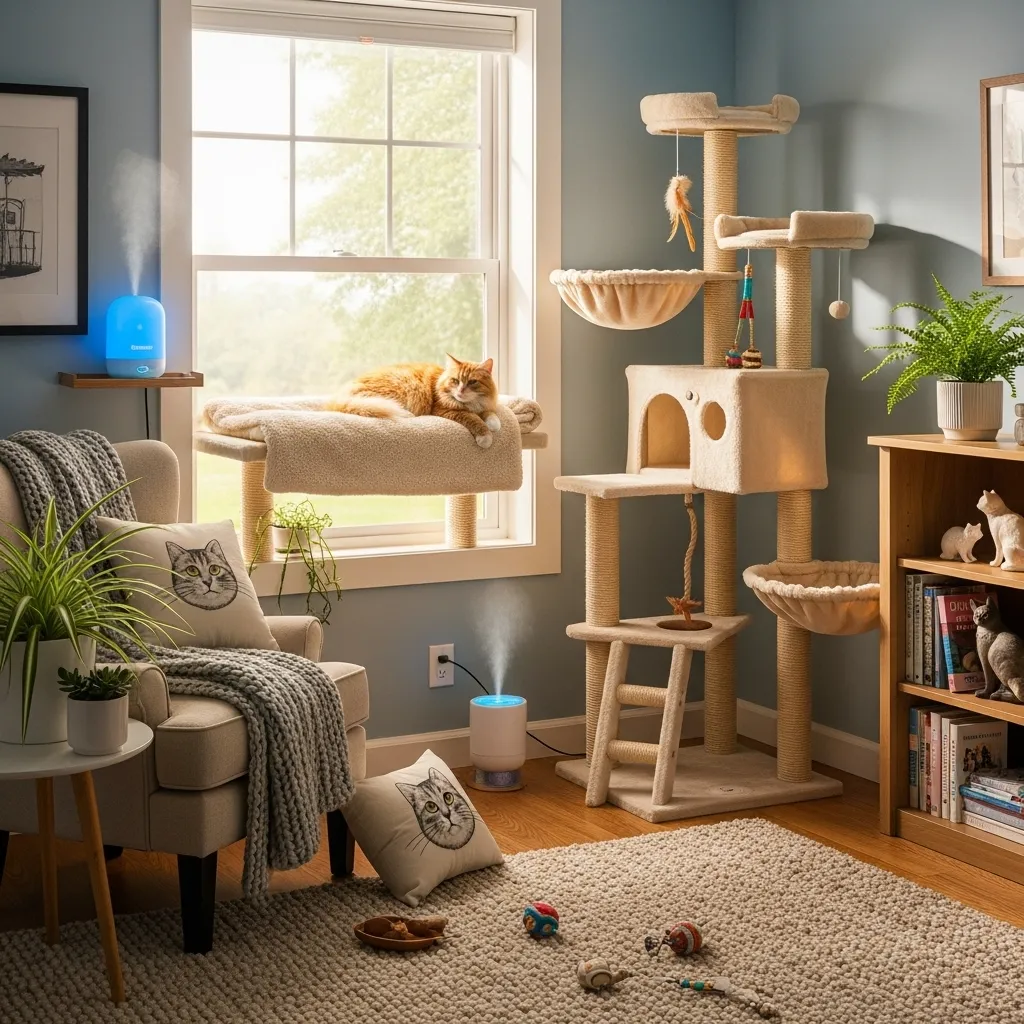
Person playing with a cat using a feather toy, showing how to redirect cat biting behavior.
Breed-Specific Insights: Tailoring Solutions to Your Cat
Different breeds show cat biting behavior in unique ways. Here’s how to adapt:
- Bengal Cats: High-energy and prone to playful cat biting. Increase playtime and use sturdy toys. See our Bengal cat introduction tips.
- Siamese Cats: Vocal and sensitive; bites may signal stress. Provide calm spaces and check our Siamese cat hiding behavior guide.
- Ragdoll Cats: Gentle but prone to overstimulation. Limit petting to short bursts. Explore our Ragdoll cat care guide.
- Munchkin Cats: Playful but small; bites may stem from feeling overwhelmed. Use low cat trees for safety, per our Munchkin cat carriers guide.
- Norwegian Forest Cats: Independent; bites may reflect territorial stress. Offer vertical spaces, as detailed in our Norwegian Forest cat socialization guide.
FAQ: Quick Answers to Common Cat Hugging and Biting Questions
Why does my cat hug my arm and then bite me?
It’s often a feline love bite showing affection, play, or overstimulation. Watch cat body language like tail flicks to pause petting.
What does a cat hug mean?
Cat hugging meaning signals trust, affection, or play. Cats wrap paws to bond or mimic hunting grips.
Is my cat’s bite playful or aggressive?
Playful cat biting is soft, with relaxed ears and purring. Feline aggression vs. play shows hissing, pinned ears, or tense posture.
How can I stop my cat from biting after hugging?
Redirect with toys, limit petting, and enrich their environment. Avoid punishment to prevent stress. See our cat enrichment ideas.
Could stress cause my cat to hug and bite?
Yes, redirected aggression in cats from stress (e.g., new pets) can trigger bites. Use Feliway and check our cat stress signs guide.
Should I see a vet if my cat bites after hugging?
If biting is sudden or paired with hiding or appetite changes, a vet check rules out pain. Learn more in our cat health care guide.
How does domestication affect cat hugs and bites?
Domestication blends wild cat predatory instincts with social bonding, leading to mixed signals like feline love bites.
Conclusion: Turning Cat Hugs and Bites into Pure Affection
Cat hugs and bites are your cat’s way of speaking—part affection, part instinct, and sometimes a cry for help. By decoding cat body language, addressing overstimulation in cats, and redirecting cat predatory instincts, you can transform those nips into pure purrs. Start with a vet check, enrich their world, and pet with purpose. Your cat isn’t trying to confuse you—they’re inviting you to understand them better.
Ready to deepen your feline bond? Explore more expert cat care tips and behavior guides at Cat Bloom Haven.