How to Hydrate a Cat with a Syringe: A Step-by-Step Guide to Save Your Cat from Dehydration
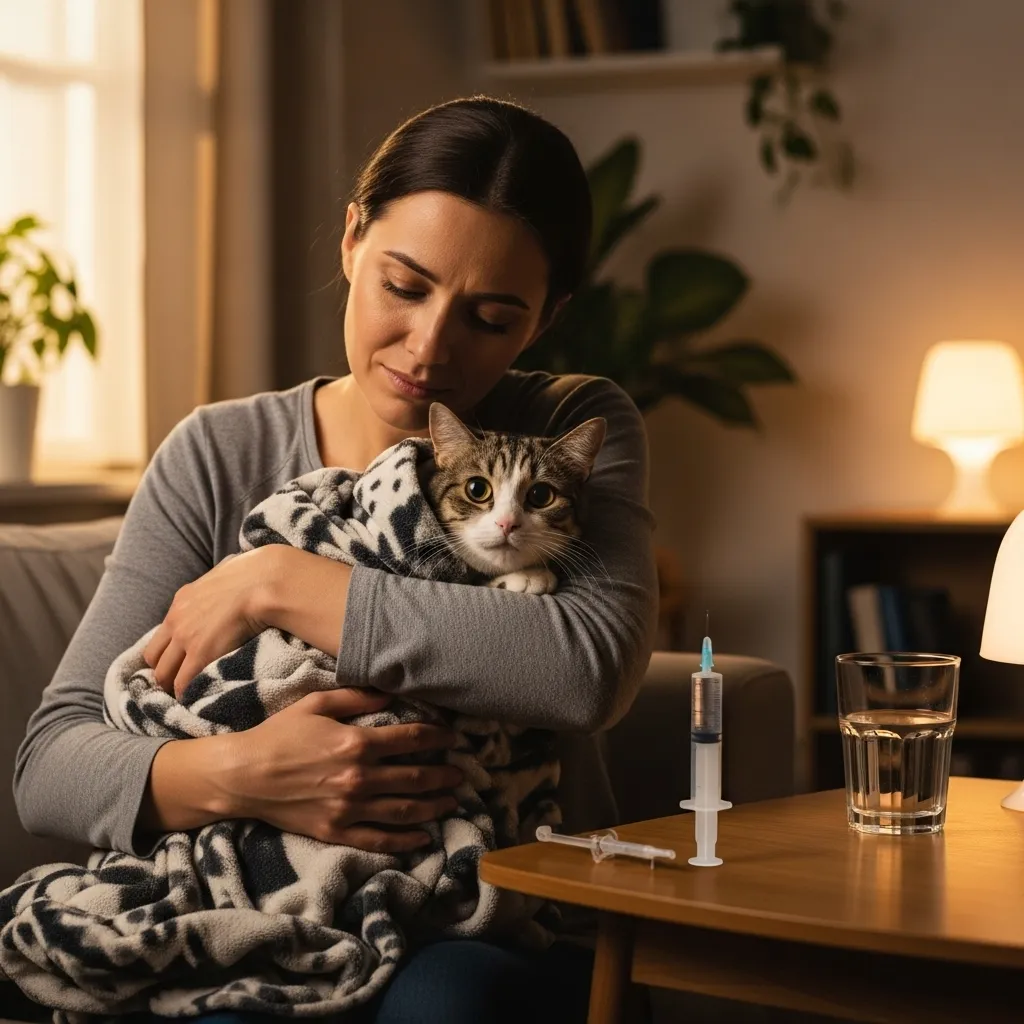
Imagine reaching to pet your cat, only to feel dry, sunken skin and notice a dull coat or lethargic eyes staring back. Your heart races—your feline friend might be dehydrated, a silent threat that affects up to 1 in 5 cats, especially seniors or those with health issues like kidney disease. Whether it’s a finicky Siamese refusing water (explore our Siamese cat care guide) or a Munchkin battling urinary issues (see our Munchkin cat urinary issues guide), dehydration can escalate fast, risking organ damage or worse. But here’s the good news: you can take charge with safe syringe hydration for cats, a vet-approved method to restore your cat’s vitality at home.
In this comprehensive guide, we’ll walk you through how to hydrate a cat with a syringe, covering everything from spotting signs of cat dehydration to mastering cat hydration techniques for stress-free results. You’ll learn how much water to give a cat by syringe, the best fluids for cat hydration, and cat rehydration tips to prevent future scares. Backed by veterinary insights and real-world experience from fostering cats like Bengals and Ragdolls, this article equips you with a foolproof plan to keep your cat hydrated and healthy. Let’s dive in and turn your worry into confidence.
Key Takeaways for Quick Action
- Spot Dehydration Early: Look for sunken eyes, sticky gums, or skin that doesn’t snap back when pinched—symptoms of dehydration in cats signal urgent action.
- Vet First, Always: Rule out cat kidney function and dehydration issues with a vet visit before starting cat dehydration treatment at home.
- Syringe Basics: Use a 5–10 mL syringe with safe syringe hydration for cats, administering 10–20 mL per kg of body weight daily, as guided by a vet.
- Best Fluids: Sterile water or vet-prescribed electrolyte solutions like Pedialyte (unflavored) are ideal for cat hydration at home.
- Stress-Free Approach: Go slow, use treats, and create a calm environment for stress-free syringe feeding.
- Prevention Wins: Offer wet food, water fountains, and monitor intake to prevent cat dehydration. Check our cat food nutrition guide for tips.
- Track Progress: Log hydration dosage for cats and behavior to adjust your cat hydration schedule.
Ready to help your cat? Let’s break down why dehydration happens and how to fix it.
Why Cats Get Dehydrated: The Hidden Dangers
Dehydration occurs when a cat loses more water than they take in, disrupting vital functions like circulation and temperature regulation. According to a 2025 Veterinary Medicine Journal, dehydration is a top concern for cats with chronic conditions, affecting 20% of felines over age 10. Cat not drinking water? What to do starts with understanding the causes:
- Medical Triggers: Cat kidney function and dehydration are closely linked—chronic kidney disease (CKD) reduces water retention, common in Ragdolls (see our Ragdoll cat hydration tips). Diabetes, hyperthyroidism, or vomiting also spike risk.
- Environmental Factors: Hot summers, low humidity, or lack of appealing water sources (like stagnant bowls) deter drinking.
- Behavioral Issues: Stress from a new pet or move can make cats, especially Siamese, skip water (learn more in our Siamese cats scared easily guide).
- Diet Gaps: Dry kibble alone provides only 10% moisture, compared to 80% in wet food, per ASPCA data.
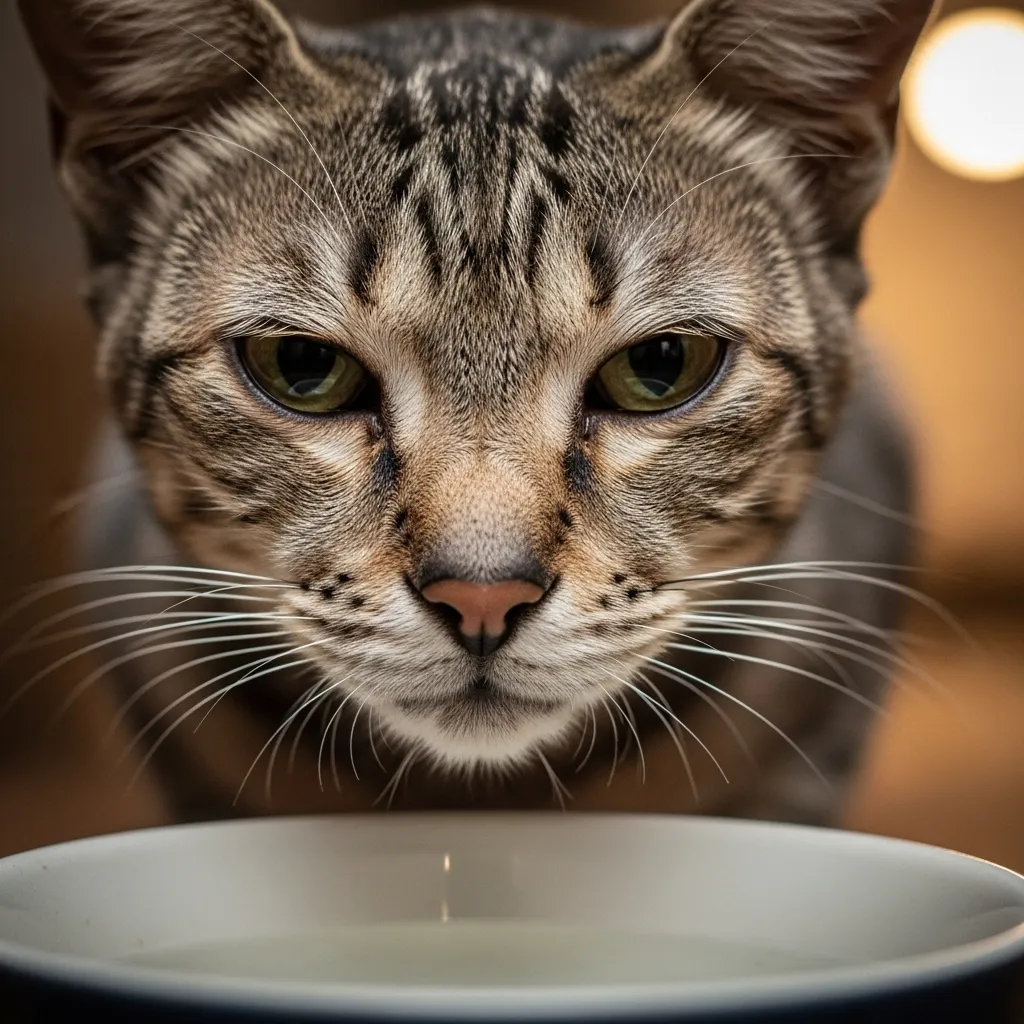
Ignoring signs of feline dehydration—like lethargy or reduced urination—can lead to kidney failure or urinary blockages, especially in breeds like Munchkins (check our Munchkin cat health issues). Syringe hydration is a lifesaver when cats won’t drink, but it starts with spotting the problem.
Recognizing Symptoms of Dehydration in Cats
Catching dehydration early can save your cat’s life. Here’s how to tell if your cat needs fluids:
- Skin Elasticity Test: Gently pinch the skin between your cat’s shoulders. If it stays “tented” or snaps back slowly (over 2 seconds), dehydration is likely.
- Gum Check: Press their gums—pale, sticky, or dry gums signal trouble. Normal gums are moist and pink.
- Eyes and Energy: Sunken eyes, dull coat, or lethargy are red flags. Cats may also pant or hide.
- Urination Drop: Fewer litter box trips or small, dark urine clumps indicate low fluid levels.
Pro Tip: For seniors, like Norwegian Forest Cats, monitor closely (see our Norwegian Forest cat care guide). A 2025 PetMD study notes seniors lose 15% more water daily than younger cats.
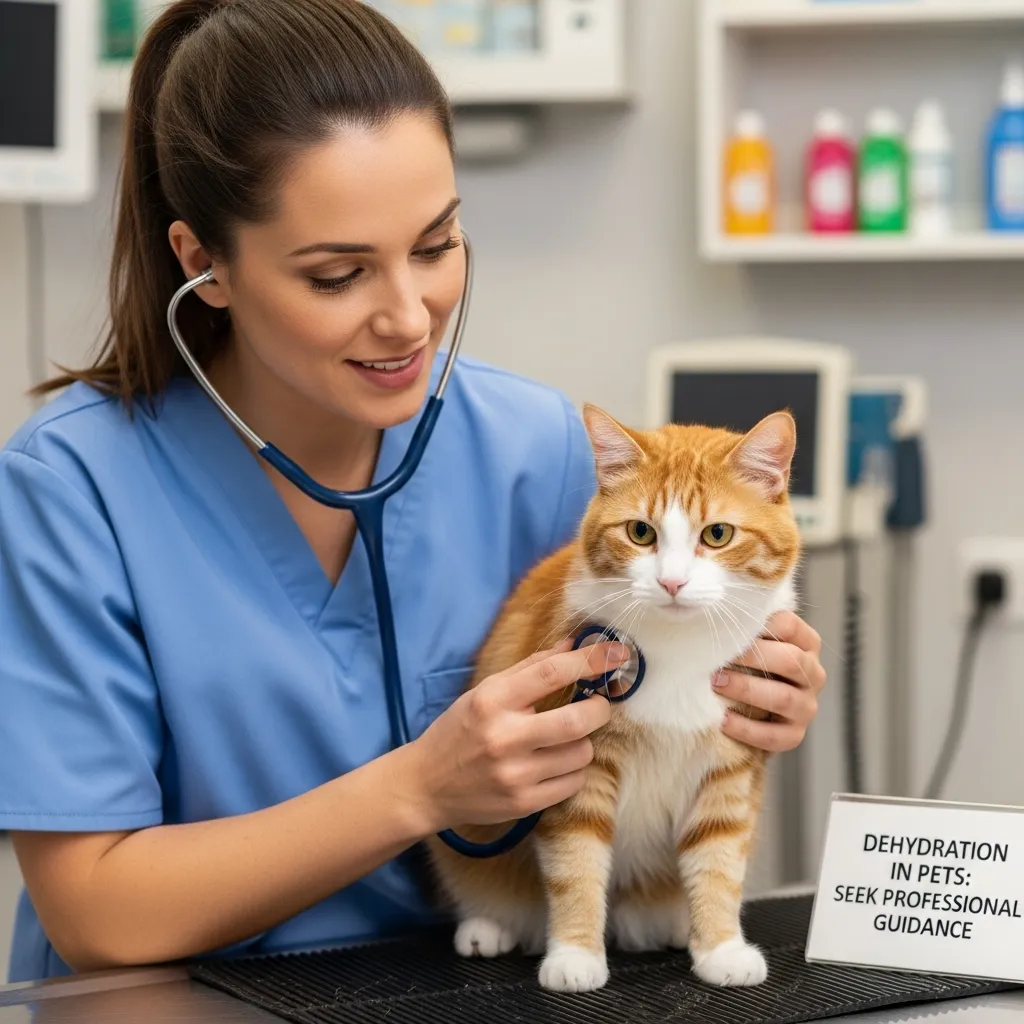
Action Step: If you spot these cat dehydration symptoms, call your vet immediately. They may recommend syringe feeding cat water or professional fluids. Our finding the best vet for your cat guide helps you choose a feline expert.
Preparing for Syringe Hydration: Tools and Setup
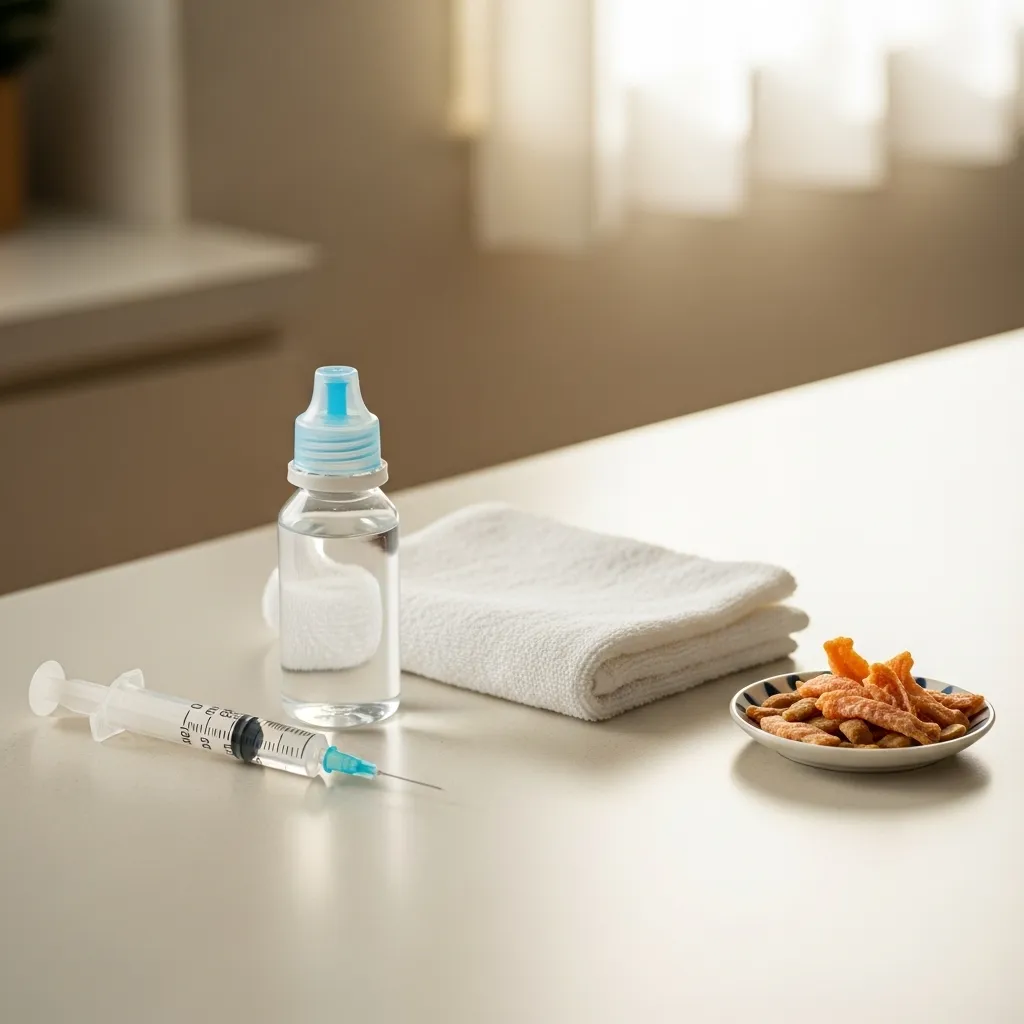
Before you start how to give fluids to a cat with a syringe, gather the right tools needed for syringe hydration to ensure safety and comfort. Here’s what you’ll need:
- Syringe: A 5–10 mL oral syringe (needle-free) from a vet or pharmacy. Avoid human syringes with sharp tips.
- Fluids: Sterile water or vet-approved electrolyte solutions like unflavored Pedialyte. Never use sugary or flavored drinks.
- Towel: For wrapping your cat to reduce stress and keep them still.
- Treats: High-value rewards like freeze-dried chicken for stress-free syringe feeding.
- Clean Bowl: To hold fluids for easy syringe filling.
- Notebook: Track hydration dosage for cats and behavior changes.
Setup Tip: Choose a quiet, familiar spot like a bathroom counter. For anxious cats like Bengals (explore our Bengal cat personality guide), dim lights and play soft music.
Choosing the Best Fluids for Cat Hydration
Not all liquids are safe for cat dehydration treatment at home. A 2025 Cornell Feline Health Center report warns against milk, juice, or broth, which can upset stomachs. Stick to:
- Sterile Water: Safest for short-term use; available at pharmacies.
- Electrolyte Solutions: Unflavored Pedialyte or vet-prescribed Lactated Ringer’s for hydration for sick cats. Dilute Pedialyte 1:1 with water to avoid salt overload.
- Prescription Fluids: For severe cases, vets may provide subcutaneous fluid bags for home use, but these require training.
Caution: Always consult a vet for best fluids for cat hydration. For cats with CKD, incorrect fluids can worsen cat kidney function and dehydration.
Step-by-Step Guide: How to Hydrate a Cat with a Syringe
Mastering how to syringe feed a cat with water is about technique, patience, and empathy. Follow these steps for safe syringe hydration for cats:
- Consult Your Vet: Confirm dehydration and get a cat hydration schedule. Vets typically recommend 10–20 mL per kg of body weight daily, split into small doses.
- Prepare the Syringe: Fill a 5–10 mL syringe with room-temperature sterile water or vet-approved fluid. Remove air bubbles by tapping gently.
- Calm Your Cat: Wrap them loosely in a towel (burrito style) to secure paws without stress. For tips, see our how to calm an angry cat guide.
- Position Properly: Hold your cat upright or at a 45-degree angle. Gently tilt their head back, keeping the neck relaxed.
- Administer Slowly: Insert the syringe tip into the side of their mouth, behind the canine teeth. Release 1–2 mL at a time, letting them swallow naturally. Pause if they resist.
- Reward Immediately: Offer a treat or praise after each session to build positive associations.
- Monitor Reactions: Watch for coughing or distress, which signals fluid aspiration. Stop and contact your vet if this happens.
Real Example: My rescue Ragdoll, prone to obesity and dehydration (see our Ragdoll cat obesity guide), resisted drinking post-surgery. Syringe-feeding 10 mL of water twice daily, paired with wet food, restored her energy in a week.
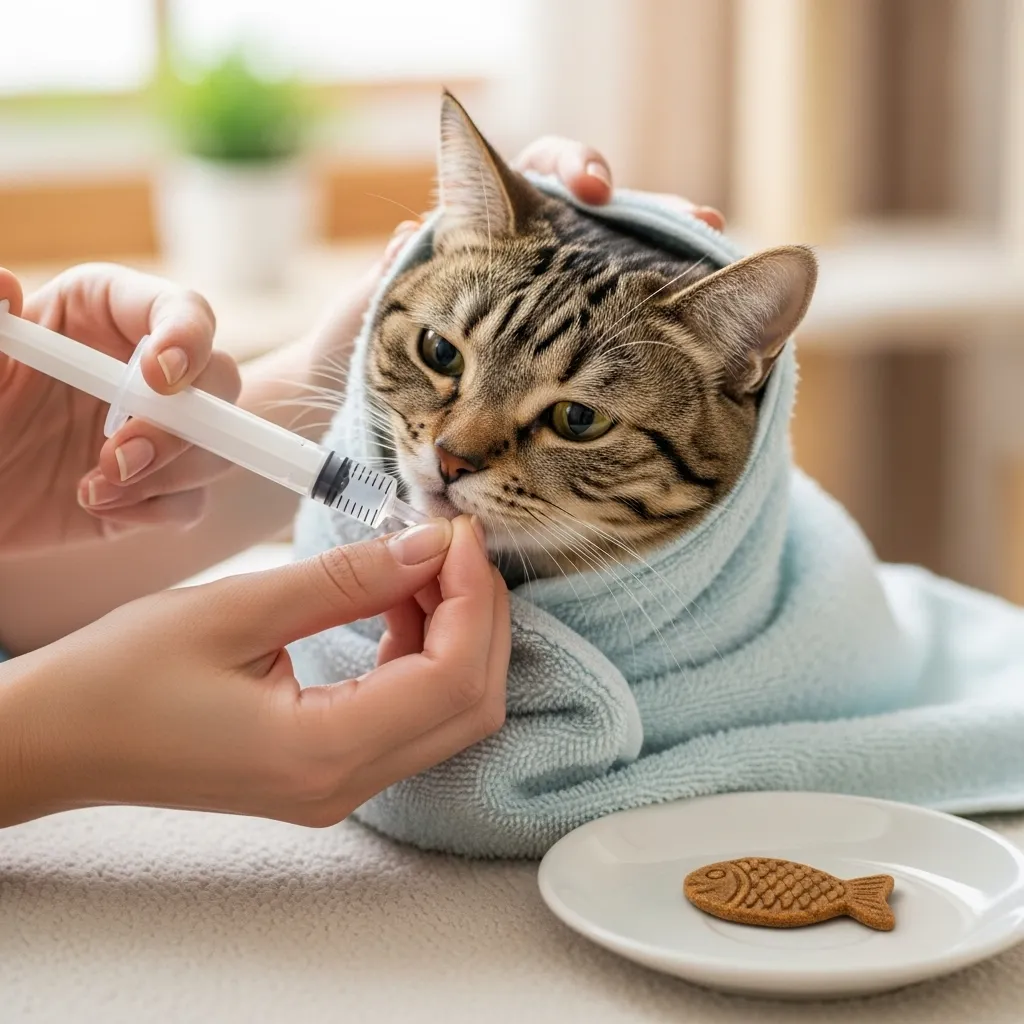
Visual Cue: Picture a cozy corner, your cat snug in a towel, purring as you gently syringe water, followed by a treat nibble. This is stress-free syringe feeding in action.
Calculating How Much Water to Give a Cat by Syringe
Measuring cat hydration needs depends on weight, age, and health. A general guideline from 2025 Veterinary Guidelines:
- Healthy Cats: 10–15 mL per kg daily (e.g., a 4 kg cat needs 40–60 mL, split into 2–3 sessions).
- Sick or Senior Cats: Up to 20 mL per kg, as advised by a vet, for hydration for sick cats or how to rehydrate an older cat.
- Frequency: 2–4 sessions daily, 5–10 mL per dose, to avoid stomach upset.
Pro Tip: Use a kitchen scale to weigh your cat weekly. Log doses in a notebook to track hydration dosage for cats. For example, a 5 kg Maine Coon might get 15 mL morning and evening.
Caution: Overhydration risks fluid overload, especially in cats with heart issues. Always follow vet guidance for cat hydration schedule.
Preventing Cat Dehydration: Long-Term Strategies
Once your cat is stable, prevent cat dehydration with these cat care and hydration tips:
- Wet Food Diet: Boosts moisture by 80%. Explore our best wet cat food guide for options.
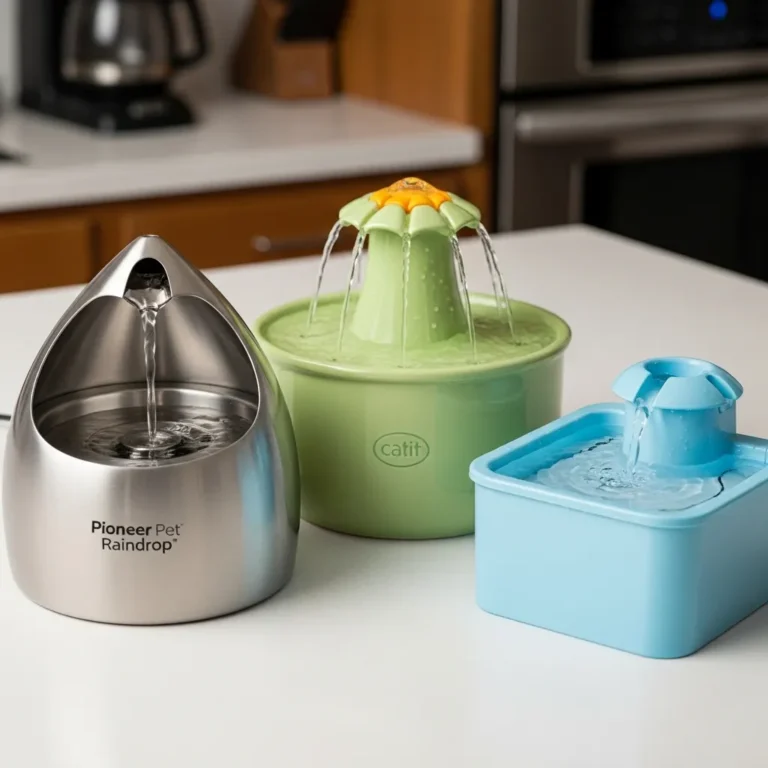
- Water Fountains: Cats prefer running water; fountains increase intake by 30%, per a 2025 PetMD study.
- Multiple Water Stations: Place bowls in quiet areas, away from litter boxes. Ceramic or glass bowls are best.
- Flavor Tricks: Add a splash of tuna juice (low-sodium) to water for picky drinkers like Persians (see our Persian cat breed guide).
- Regular Vet Checks: Screen for preventing cat kidney issues every 6 months, especially for seniors.
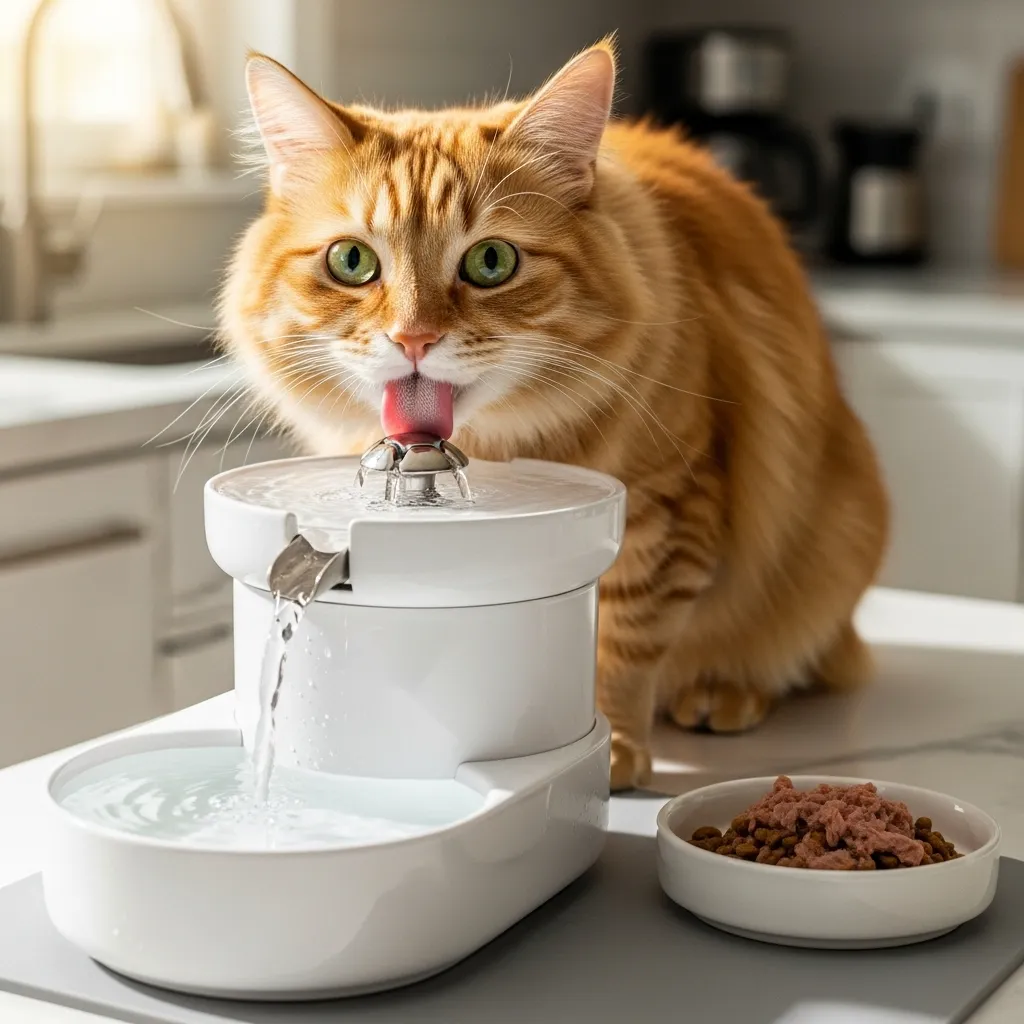
Home cat hydration hacks: Freeze wet food into ice cubes for a fun, hydrating treat. For outdoor cats, check our Ragdoll cat outdoor enclosure guide for safe water access.
Handling Stress and Challenges
Can syringe feeding cause my cat stress? Yes, if rushed. Cats like Munchkins (read our Munchkin cat care tips) may squirm or hide. To ensure stress-free syringe feeding:
- Go slow: 1 mL every 10–15 seconds.
- Use a soft voice and gentle touch.
- Pair with play or cuddles post-session, as suggested in our cat stress signs guide.
If your cat resists repeatedly, consult a behaviorist via our cat training behavior resources.
Emergency Hydration for Cats: When to Act Fast
If your cat shows severe signs of feline dehydration collapse, rapid breathing, or no urination for 24 hours—this is an emergency hydration for cats situation. Rush to a vet for IV fluids. Cat dehydration treatment at home is a bridge, not a cure for critical cases.
Pro Tip: Keep a vet’s number handy. Our finding the best vet for your cat guide helps you prepare.
FAQ: Quick Answers to Common Questions
How can I safely hydrate my cat using a syringe?
Use a 5–10 mL needle-free syringe with sterile water or vet-approved fluids. Administer 1–2 mL slowly into the side of the mouth, pausing for swallowing. Always consult a vet first.
What are safe hydration methods for my cat?
Syringe feeding, wet food, water fountains, and vet-prescribed subcutaneous fluids are safe. Avoid milk or sugary drinks.
What are the signs and symptoms of cat dehydration?
Sunken eyes, sticky gums, slow skin elasticity, lethargy, and reduced urination. Check gums and skin daily.
How does dehydration impact kidney function in cats?
It strains kidneys, worsening CKD or causing blockages. Seniors and breeds like Ragdolls are at higher risk.
What do I need to prepare for syringe hydration for my cat?
A 5–10 mL syringe, sterile water or electrolyte solution, towel, treats, and a calm environment.
How do I calculate my cat’s hydration needs?
10–20 mL per kg daily, split into 2–4 doses, as advised by a vet. A 4 kg cat may need 40–80 mL total.
How often and how much fluid should I administer to my cat?
2–4 sessions daily, 5–10 mL per dose, based on weight and vet guidance.
What is the best way to rehydrate a cat fast?
Syringe feed small amounts of sterile water or Pedialyte every 2–3 hours, paired with wet food. Severe cases need vet IV fluids.
Conclusion: Keep Your Cat Hydrated and Thriving
Dehydration doesn’t have to be a recurring nightmare for you or your cat. By mastering how to hydrate a cat with a syringe, spotting cat dehydration symptoms, and using cat rehydration tips like wet food and fountains, you can restore your feline’s health and prevent future issues. Whether it’s a playful Bengal or a cuddly Ragdoll, your cat deserves a hydrated, happy life.
Start today: Check your cat’s water intake, grab a syringe, and consult your vet. For more expert advice, explore our cat health care guide or cat diabetes guide at Cat Bloom Haven.