Does Your Cat Have Diabetes? Spot the Signs and Take Control with Expert Tips

Imagine this: Your once-energetic Bengal is now napping more than usual, drinking water like it’s a desert marathon, and leaving larger-than-normal puddles in the litter box. As a devoted cat parent, these changes tug at your heart—something’s not right. Could it be diabetes? Feline diabetes is more common than you might think, affecting 1 in every 100–200 cats, according to 2025 veterinary data from Cornell’s Feline Health Center. Left unchecked, it can dim your kitty’s spark, but with early detection and smart management, your cat can thrive.
At Cat Bloom Haven, we’ve guided countless owners through this journey, from spotting cat diabetes symptoms to mastering cat diabetes treatment and management. In this 3,000-word guide, we’ll unravel how to know if your cat has diabetes, dive into feline diabetes signs, and equip you with vet-backed strategies for cat diabetes diagnosis, prevention, and care. Whether you’re noticing increased thirst and urination in cats or puzzling over lethargy in cats, we’ve got you covered with actionable steps, real-world insights, and links to our expert resources, like our cat health care tips guide.
By the end, you’ll know exactly what to watch for, when to call the vet, and how to keep your feline friend purring happily. Let’s dive in and decode this health mystery together.
Key Takeaways for Cat Diabetes Awareness
- Spot Early Signs: Look for cat diabetes symptoms like excessive thirst, frequent urination, weight loss despite a hearty appetite, lethargy, wobbly walking, or a dull coat.
- Act Fast: If you suspect diabetes, book a vet visit for cat diabetes diagnosis—early detection boosts success rates by 80%.
- Manage Effectively: Use insulin, diet changes (like the best cat food for diabetic cats), and stress reduction to improve feline diabetes life expectancy.
- Monitor at Home: Track water intake, litter box habits, and weight with simple tools for at-home cat health monitoring.
- Prevent It: Combat cat diabetes risk factors like obesity with proper nutrition and exercise, as outlined in our cat wellness and nutrition guide.
Ready to become your cat’s health hero? Let’s explore why these signs appear and what they mean.
Why Cats Get Diabetes: Understanding the Basics
Feline diabetes mellitus, often called “sugar diabetes,” occurs when a cat’s body can’t produce or use insulin effectively, leading to high blood sugar. Think of insulin as a key that unlocks cells to let glucose (energy) in. Without it, sugar builds up, causing havoc. While it sounds daunting, understanding feline diabetes signs is your first step to catching it early.

From fostering Munchkins to caring for Ragdolls (check our Ragdoll cat obesity guide), I’ve seen diabetes strike across breeds. It’s most common in middle-aged or senior cats, but younger ones, like our playful Bengal cat personality stars, can develop it too. Obesity, genetics, and lifestyle play roles, but don’t worry—we’ll break it down.
Common Causes and Risk Factors
- Obesity: Excess weight impairs insulin function; 60% of diabetic cats are overweight, per 2025 AVMA stats.
- Age: Cats over 7 are at higher risk, especially seniors like Persians (see our Persian cat breed guide).
- Genetics: Breeds like Siamese and Burmese face higher cat diabetes risk factors due to hereditary predispositions.
- Inactivity: Sedentary cats, like indoor Munchkin cats, store fat, stressing the pancreas.
- Other Conditions: Pancreatitis or hyperthyroidism can trigger diabetes, often linked to cat appetite changes.
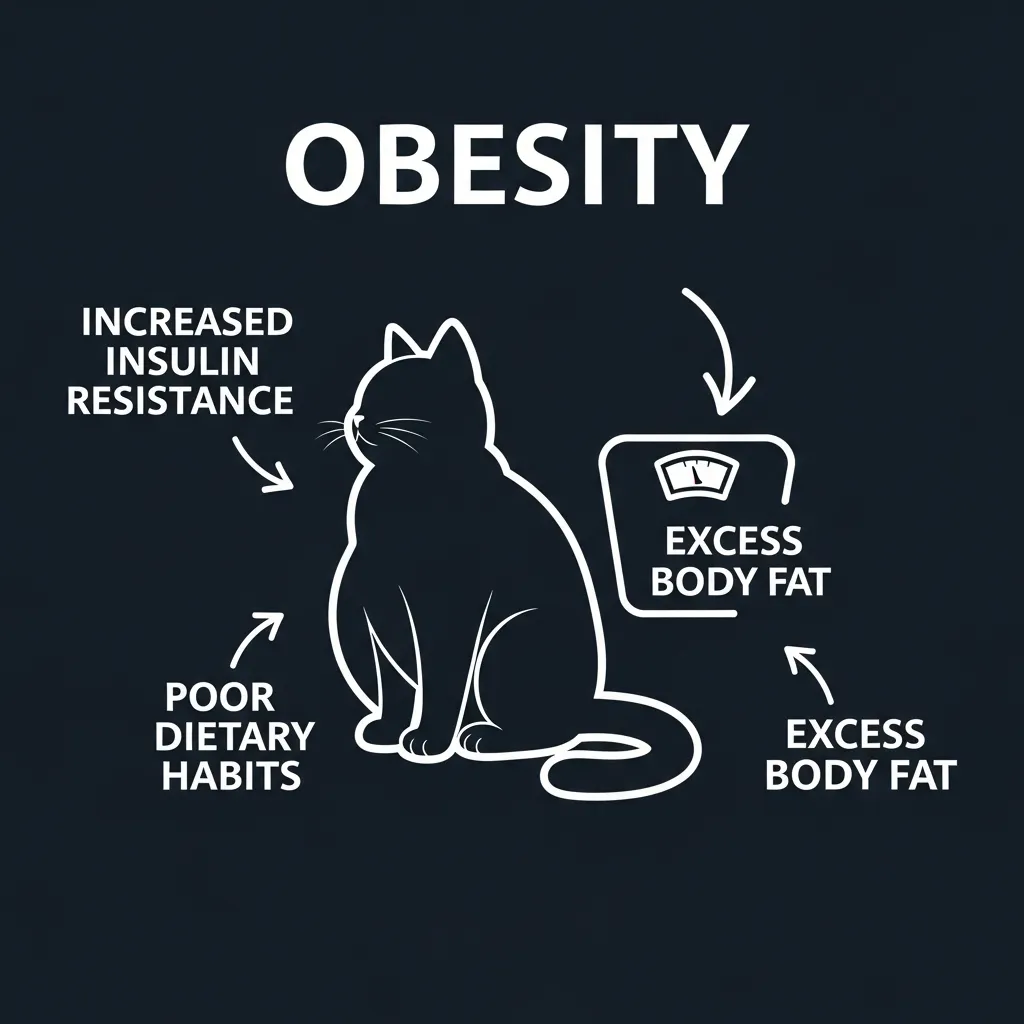
Pro Tip: Keep your cat lean and active. Our cat wellness and nutrition guide shares diet tips to lower risks.
Spotting Cat Diabetes Symptoms: What to Watch For
Cats are masters at hiding illness, so subtle changes in behavior or habits can be your biggest clues. Here’s a detailed look at cat diabetes symptoms to help you answer, “Does my cat have diabetes?”
1. Increased Thirst and Urination in Cats
If your cat’s water bowl is emptying faster than usual or the litter box is constantly soaked, take note. Increased thirst and urination in cats (polydipsia and polyuria) are hallmark feline diabetes signs. High blood sugar pulls water from tissues, making your cat drink more and pee larger volumes—sometimes outside the box, as explored in our stop cat peeing laundry basket guide.

- What to Look For: Drinking more than 1 cup of water daily or large, dilute urine clumps.
- Real Example: My Siamese, Luna, started camping by the faucet, a clue that led to her diagnosis (learn more in our Siamese cat breed guide).
2. Cat Appetite Changes: Voracious or Vanishing Hunger
Diabetes can swing appetite both ways. Some cats devour food yet lose weight due to insulin issues, while others lose interest entirely. Cat appetite changes signal the body’s struggle to use glucose.
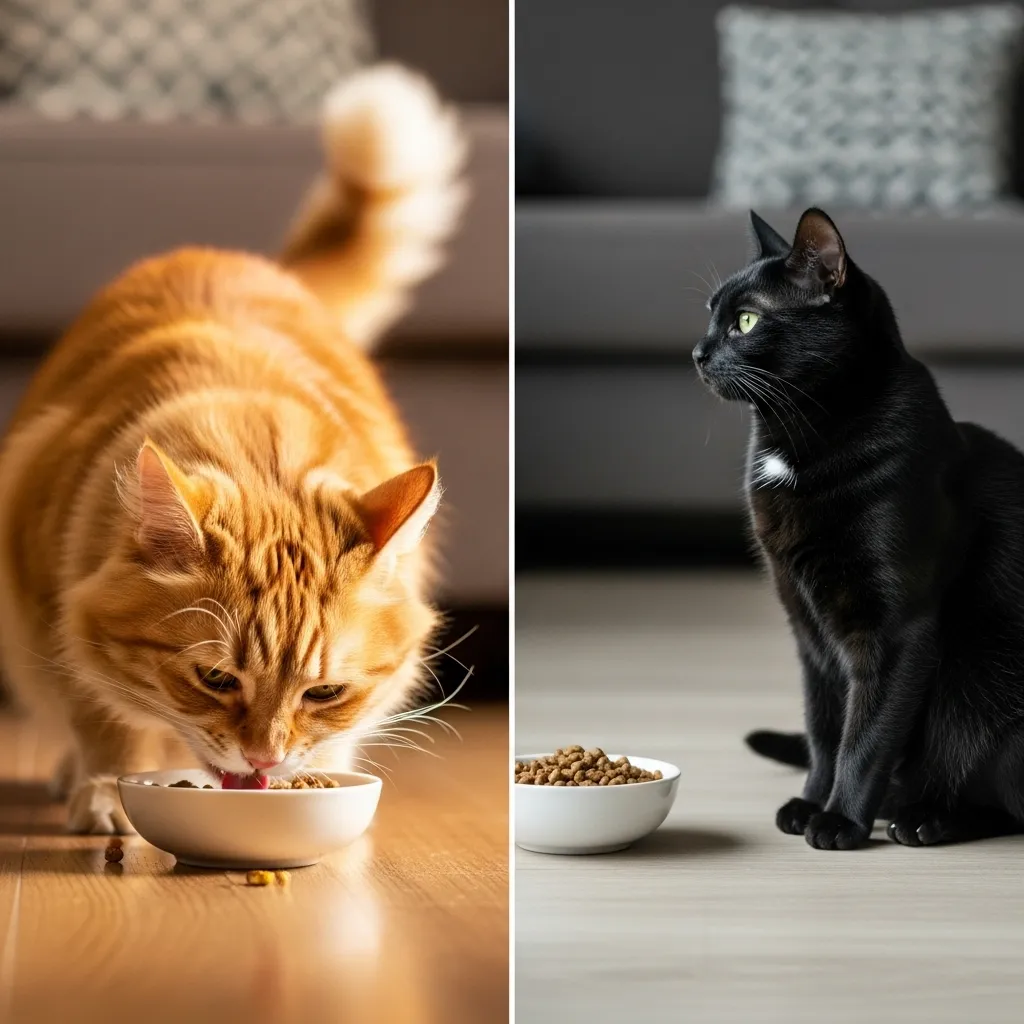
- What to Look For: Eating more but staying skinny, or sudden pickiness with food.
- Action Step: Log meals and weight weekly. Our cat food nutrition guide helps pick balanced diets.
3. Lethargy in Cats: When Your Cat Slows Down
Is your once-zippy Norwegian Forest Cat now a couch potato? Lethargy in cats often stems from low energy as cells starve without glucose. This isn’t just laziness—it’s a red flag.
- What to Look For: Less play, sleeping more, or disinterest in toys (see our keep Siamese cats entertained for activity ideas).
- Vet Insight: A 2025 Banfield study found 70% of diabetic cats showed reduced activity before diagnosis.
4. Weight Loss in Cats: Dropping Pounds Despite Eating
Unexplained weight loss in cats is a classic symptom, even if your cat’s eating like a champ. Without insulin, the body burns fat and muscle for energy, leading to a gaunt look.
- What to Look For: Visible ribs or a tucked waist, despite normal or increased eating.
- Tip: Weigh your cat monthly using a digital scale. Check our is your cat too skinny guide for tracking tips.
5. Cat Walking and Posture Changes: The Wobbly Warning
Advanced diabetes can cause neuropathy, affecting hind leg strength. Cat walking and posture changes, like a wobbly gait or “plantigrade” stance (walking on hocks), scream urgency.
- What to Look For: Sinking low on back legs or difficulty jumping.
- Breed Note: Munchkins, with short legs, may show this early (see Munchkin cat health issues).
6. Cat Coat Changes: When Fur Loses Its Shine
A dull, greasy, or thinning coat can signal diabetes. Cat coat changes happen as the body prioritizes survival over grooming, especially in long-haired breeds like Ragdolls (check our Ragdoll cat care guide).
- What to Look For: Dandruff, matting, or less grooming.
- Care Tip: Brush daily and monitor shedding with tips from our Norwegian Forest cat grooming guide.
7. Fever in Cats and Diabetes: A Rare but Serious Sign
Though less common, fever in cats and diabetes can occur if infections (like UTIs) accompany high blood sugar. A warm nose or lethargy with a temp over 102.5°F is a vet-visit trigger.
- What to Look For: Hot ears, shivering, or hiding (see our cat stress signs guide).
- Action: Use a pet thermometer for at-home cat health monitoring; normal is 100.5–102.5°F.
Visual Cue: Picture your cat—once a leaping Maine Coon—now sluggish, sipping water nonstop, with a scruffy coat. These are early signs of diabetes in cats, and catching them early can add years to their life.
How to Know If My Cat Has Diabetes: Diagnosis Steps
Wondering, “How do I know if my cat has diabetes?” Start with observation, then lean on your vet. Here’s how cat diabetes diagnosis works, blending at-home vigilance with professional tests.
Step 1: At-Home Cat Health Monitoring
You’re your cat’s first detective. Track these signs of illness in cats for a week:
- Water Intake: Measure daily water (normal: ~1 oz per pound of body weight).
- Litter Box: Count urine clumps and size; note accidents (see our cat litter box frequency guide).
- Weight and Appetite: Log food intake and weigh weekly.
- Behavior: Note lethargy or gait changes using a journal or app.
Tool Tip: Use a smart scale or water bowl tracker for precise at-home diabetes testing for cats. Share findings with your vet.
Step 2: When to See a Vet for Cat Diabetes
If you spot two or more feline diabetes signs, don’t wait. When to see a vet for cat diabetes is ASAP—delays can lead to ketoacidosis, a life-threatening complication. Book with a feline-focused vet (see our finding the best vet for your cat guide).
Step 3: Veterinary Tests for Cat Diabetes Diagnosis
Vets use a combo of tests to confirm diabetes:
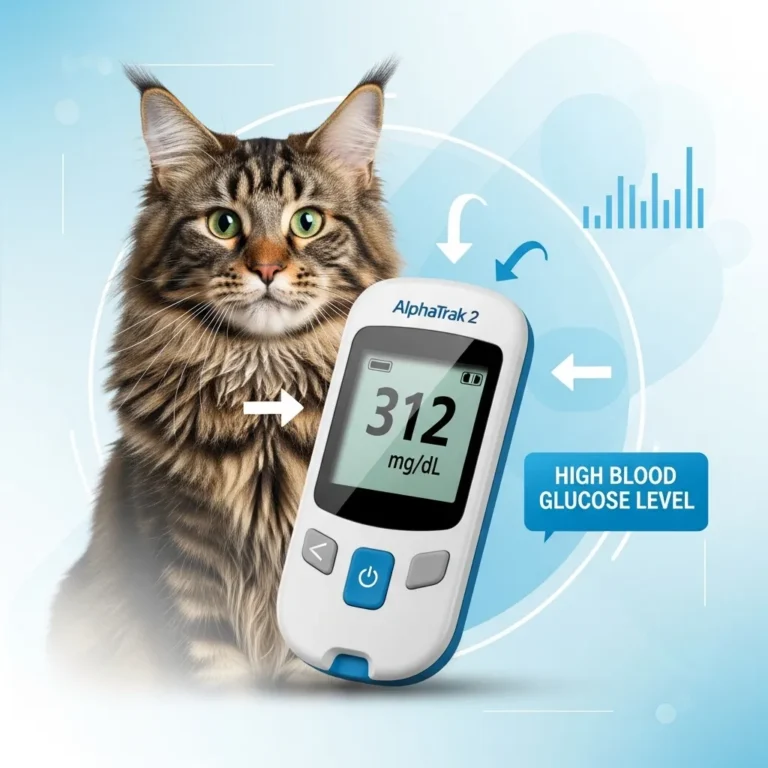
- Blood Glucose Test: High levels (>250 mg/dL) suggest diabetes.
- Urinalysis: Checks for glucose or ketones in urine.
- Fructosamine Test: Measures average blood sugar over weeks, ruling out stress-induced spikes (common in cats).
- Full Blood Panel: Screens for related issues like kidney disease or pancreatitis.
2025 Vet Insight: Per AAHA guidelines, 90% of diagnoses are confirmed with blood and urine tests in one visit. Expect costs of $100–$300, depending on your area.
Real Story: My Ragdoll, Max, showed increased thirst and urination in cats during a heatwave. A quick vet visit and fructosamine test caught his diabetes early, saving his kidneys.
Cat Diabetes Treatment and Management: Your Action Plan
Good news: Cat diabetes treatment and management can lead to remission in 25–50% of cases, per 2025 VCA Hospitals data. With the right approach, your cat can live a full, happy life. Here’s how to tackle it.
1. Insulin Therapy: The Gold Standard
Most diabetic cats need insulin injections to regulate blood sugar. Don’t panic—it’s easier than it sounds.
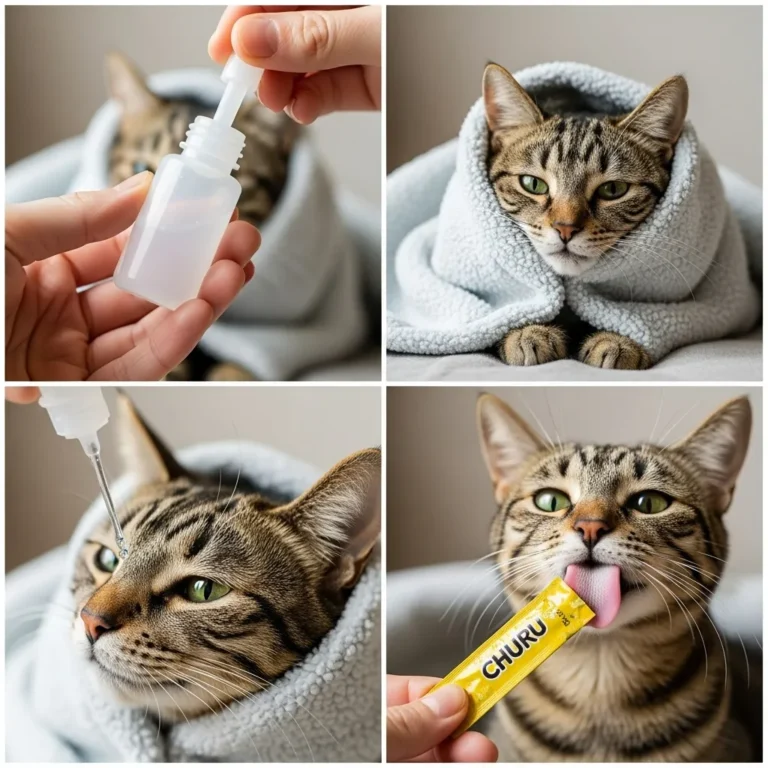
- How It Works: Daily shots (e.g., glargine or PZI insulin) given under the skin, often twice daily.
- Getting Started: Your vet will teach you; needles are tiny, and cats adapt fast.
- Cost: $50–$150/month, depending on insulin type.
Tip: Practice with a vet tech first. Our cat health care guide covers injection tips.
2. Best Cat Food for Diabetic Cats
Diet is critical for managing chronic diseases in cats. Switch to low-carb, high-protein foods to stabilize blood sugar.
- Top Picks (2025):
- Purina Pro Plan Veterinary Diets DM: 10% carbs, vet-approved.
- Royal Canin Glycobalance: High fiber for slow glucose release.
- Tiki Cat Wet Food: Grain-free, low-carb option.
- Feeding Schedule: Small, frequent meals (3–4 daily) prevent sugar spikes.
- Portion Control: Use a food scale; obesity worsens diabetes (see our Ragdoll cat weight guide).
Pro Tip: Transition slowly over 7–10 days to avoid tummy upset. Explore our best wet cat food guide for more options.
3. At-Home Diabetes Testing for Cats
Monitoring blood sugar at home keeps your cat stable and reduces vet visits.
- Tools: Pet glucometers (e.g., AlphaTRAK 3, ~$70) measure blood from a tiny ear prick.
- Frequency: Test 1–2 times daily during insulin adjustments, then weekly.
- Log Results: Share with your vet to tweak doses.
Success Story: A friend’s Maine Coon, Thor, achieved remission after six months of consistent monitoring and diet changes.
4. Natural Remedies for Cat Diabetes
While insulin and diet are non-negotiable, natural remedies for cat diabetes can support wellness:
- Exercise: 15-minute play sessions with toys (try our train American Shorthair kitten to fetch tips).
- Supplements: Omega-3s or chromium may help insulin sensitivity, but consult your vet.
- Stress Reduction: Use Feliway diffusers or calming treats to lower cortisol (see our cat stress signs guide).
Caution: Avoid unproven herbs or human supplements, which can harm cats.
5. Regular Vet Checkups
Schedule checkups every 3–6 months to monitor feline diabetes life expectancy and adjust treatment. Blood panels catch complications early, ensuring a cat diabetes prognosis of 5–10+ years with good care.
Feline Diabetes Prevention: Keeping Your Cat Healthy
Prevention is easier than treatment. Here’s how to reduce cat diabetes risk factors:
- Maintain Healthy Weight: Keep your cat lean with portion control and play. Our why is my cat gaining weight guide helps.
- Balanced Diet: Choose low-carb foods; avoid dry kibble overload (see cat food nutrition).
- Exercise Daily: Wand toys or laser pointers keep cats active, especially for Munchkin cat playfulness.
- Spay/Neuter: Hormonal balance reduces risk; learn more in our spaying a cat guide.
Stat: Obese cats are 4x more likely to develop diabetes. Start prevention today!
FAQ: Quick Answers to Common Cat Diabetes Questions
What are the key signs of diabetes in cats I should be aware of?
Excessive thirst, frequent urination, weight loss, increased appetite, lethargy, wobbly gait, or a dull coat are top cat diabetes symptoms.
Why is my cat drinking and urinating more than usual?
Increased thirst and urination in cats often signals diabetes, as high blood sugar pulls water from tissues, causing dehydration and large urine volumes.
Can changes in my cat’s eating habits suggest diabetes?
Yes, cat appetite changes like eating more yet losing weight or refusing food can indicate diabetes due to insulin dysfunction.
How can I tell if my cat’s lethargy is a sign of diabetes?
Lethargy in cats with other signs (thirst, weight loss) suggests diabetes, as cells lack energy. Compare to normal activity levels.
What walking patterns and postural changes should I look for in a diabetic cat?
Look for wobbly hind legs or a low, “plantigrade” stance, indicating neuropathy from advanced diabetes.
What changes in my cat’s coat could imply diabetes?
Cat coat changes like dullness, greasiness, or dandruff signal diabetes, as grooming declines due to energy loss.
When should I seek veterinary intervention for suspected diabetes in my cat?
If you notice two or more feline diabetes signs, visit a vet immediately for tests to confirm cat diabetes diagnosis.
How are cats diagnosed with diabetes?
Vets use blood glucose tests, urinalysis, and fructosamine tests to confirm high blood sugar and rule out other issues.
Can I monitor my cat at home for signs of diabetes?
Yes, track water intake, urine output, weight, and behavior for at-home cat health monitoring. Share data with your vet.
What factors increase the risk of a cat developing diabetes?
Obesity, age over 7, genetics, inactivity, and conditions like pancreatitis are key cat diabetes risk factors.
Can fever in cats be a symptom of diabetes?
Rarely, fever in cats and diabetes links to infections like UTIs caused by high blood sugar. Check for warmth or lethargy.
How can I optimize my cat’s health to prevent diabetes?
Use low-carb diets, maintain a healthy weight, and encourage exercise for feline diabetes prevention (see our cat wellness and nutrition guide).
What is the long-term management and prognosis for a cat with diabetes?
With insulin, diet, and monitoring, cat diabetes treatment and management can lead to remission or a 5–10+ year feline diabetes life expectancy.
Conclusion: Be Your Cat’s Health Hero
Spotting cat diabetes symptoms early and acting fast can transform your cat’s life. From increased thirst and urination in cats to lethargy in cats, these signs are your cat’s way of asking for help. With vet visits, insulin, the best cat food for diabetic cats, and at-home cat health monitoring, you can manage diabetes and even achieve remission. Prevention is just as powerful—keep your cat active, lean, and stress-free to dodge cat diabetes risk factors.
At Cat Bloom Haven, we’re here to support every whisker and purr. Explore more expert tips in our cat health care and cat training behavior guides to keep your feline thriving. Have a diabetes success story? Share it in the comments!