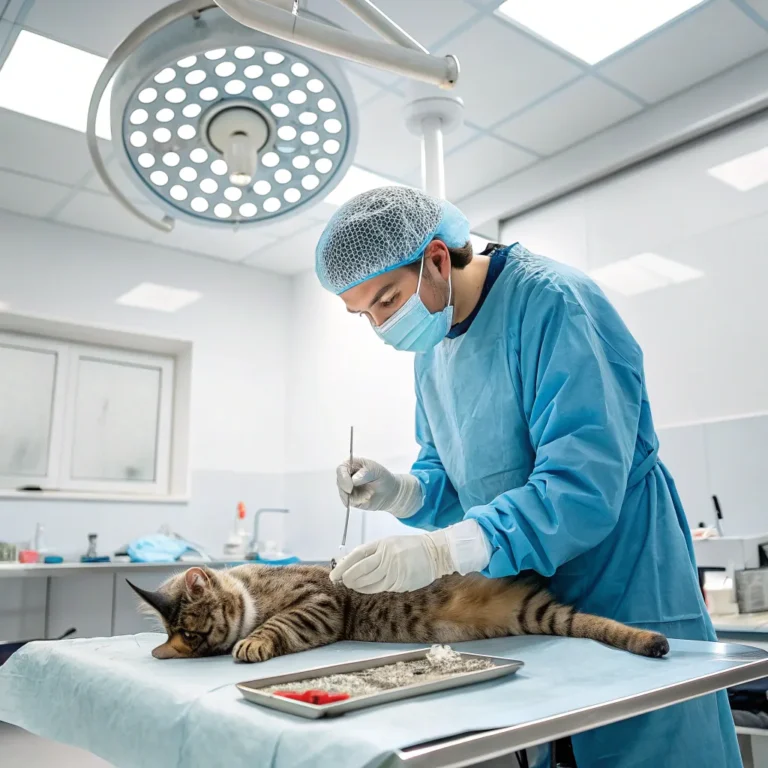
How Much Should a 7-Month-Old Cat Weigh? A Complete Guide to Kitten Growth and Health

As a cat parent, you’re likely watching your 7-month-old kitten transform from a tiny fluffball into a sleek, curious feline. But one question keeps popping up: How much should a 7-month-old cat weigh? It’s a valid concern your kitten’s weight is a key indicator of their health, growth, and overall well-being. Whether you’re wondering if your cat is hitting the right milestones or curious about breed-specific differences, this guide has you covered.
At 7 months, your kitten is in a critical growth phase, teetering between kittenhood and adulthood. Getting their weight right ensures they’re on track for a healthy life. In this article, you’ll discover the ideal weight range for a 7-month-old cat, factors that influence growth, and practical tips for keeping your feline friend thriving. From nutrition advice to weight management strategies, we’ll dive deep into everything you need to know to help your kitten flourish. Let’s get started!
Key Takeaways for 7-Month-Old Cat Weight
- Ideal Weight Range: Most 7-month-old cats weigh between 5.5 and 8.5 pounds, depending on breed, gender, and individual factors.
- Growth Stage: At 7 months, kittens are in late adolescence, with rapid growth slowing as they approach adulthood.
- Nutrition Matters: A balanced diet tailored to kittens supports healthy weight and development.
- Breed Variations: Larger breeds like Maine Coons may weigh more than smaller breeds like Siamese at this age.
- Health Check: Monitor for signs of underweight or overweight conditions to catch issues early.
- Actionable Steps: Regular weigh-ins, proper feeding schedules, and vet checkups ensure optimal growth.
Explore our detailed guide on kitten growth stages for more insights into your cat’s development journey.
Understanding Kitten Growth at 7 Months
At 7 months, your kitten is in the late stages of adolescence, a time of significant physical and behavioral changes. Their growth rate starts to slow compared to their earlier months, but they’re still developing muscle, bone, and organ systems. Knowing what’s normal for this stage helps you gauge if your cat’s weight is on track.
Kitten Developmental Milestones at 7 Months
By 7 months, most kittens are:
- Physically Active: They’re mastering their coordination, jumping, and climbing with confidence.
- Socially Engaged: Bonding with humans and other pets, showing their unique personality.
- Nearing Sexual Maturity: Unspayed or unneutered cats may show signs of puberty, like marking or vocalizing.
- Teething Complete: Adult teeth are fully in, supporting a shift to more solid foods.
These milestones directly influence weight. For example, high activity levels burn calories, while a balanced diet fuels growth. Learn more about kitten behavior in our cat training and behavior guide.
Why Weight Matters at This Stage
A healthy weight supports:
- Bone and Muscle Development: Proper nutrition ensures strong skeletal growth.
- Immune Health: Adequate weight helps kittens fight off infections.
- Long-Term Wellness: Early weight management prevents obesity or malnutrition later in life.
If your kitten’s weight is off, it could signal nutritional gaps, health issues, or breed-specific traits. Let’s break down what’s normal.

How Much Should a 7-Month-Old Cat Weigh?
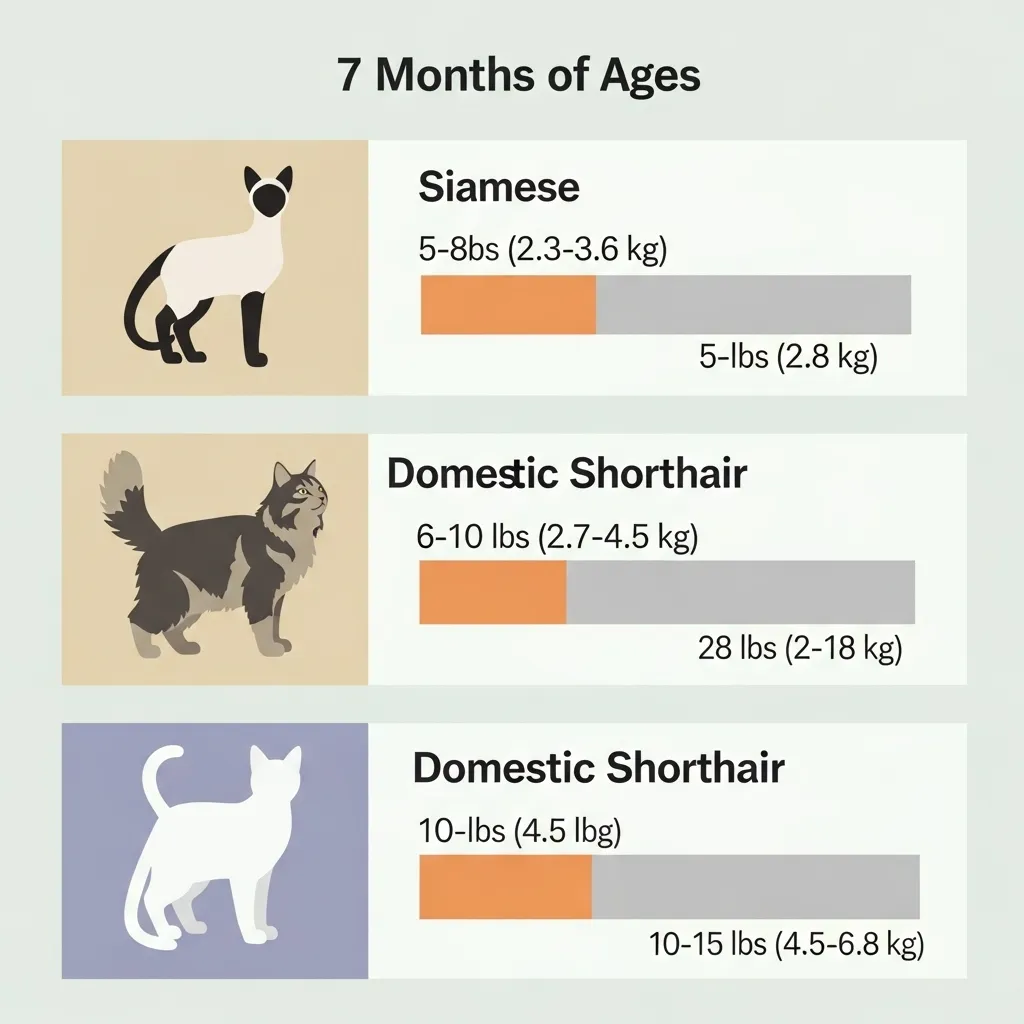
The ideal weight for a 7-month-old cat typically ranges from 5.5 to 8.5 pounds for most domestic breeds. However, this varies based on breed, gender, and individual factors like genetics or spay/neuter status.
Healthy Weight Range by Breed
Here’s a 7-month-old kitten weight chart to guide you:
| Breed | Average Weight (lbs) | Notes |
|---|---|---|
| Domestic Shorthair | 5.5–8.0 | Mixed-breed cats vary widely based on genetics. |
| Siamese | 5.0–7.5 | Leaner build; often on the lower end of the range. |
| Maine Coon | 8.0–12.0 | Larger breed; may grow more slowly but weigh more. |
| Persian | 5.5–8.0 | Compact frame; weight depends on diet and activity. |
| Bengal | 6.0–9.0 | Athletic build; weight reflects muscle development. |
| Ragdoll | 7.0–10.0 | Larger, slower-maturing breed; may approach higher end. |
| Munchkin | 4.5–7.0 | Smaller frame due to short legs; typically lighter. |
| Norwegian Forest Cat | 7.5–11.0 | Sturdy, slow-growing breed; often heavier at this age. |
For more breed-specific insights, check out our guides on Siamese cats, Maine Coons, and Norwegian Forest Cats.
Factors Influencing Weight
Several factors affect your kitten’s weight at 7 months:
- Breed: Larger breeds (e.g., Maine Coon) naturally weigh more than smaller ones (e.g., Munchkin).
- Gender: Males are often slightly heavier than females due to muscle mass.
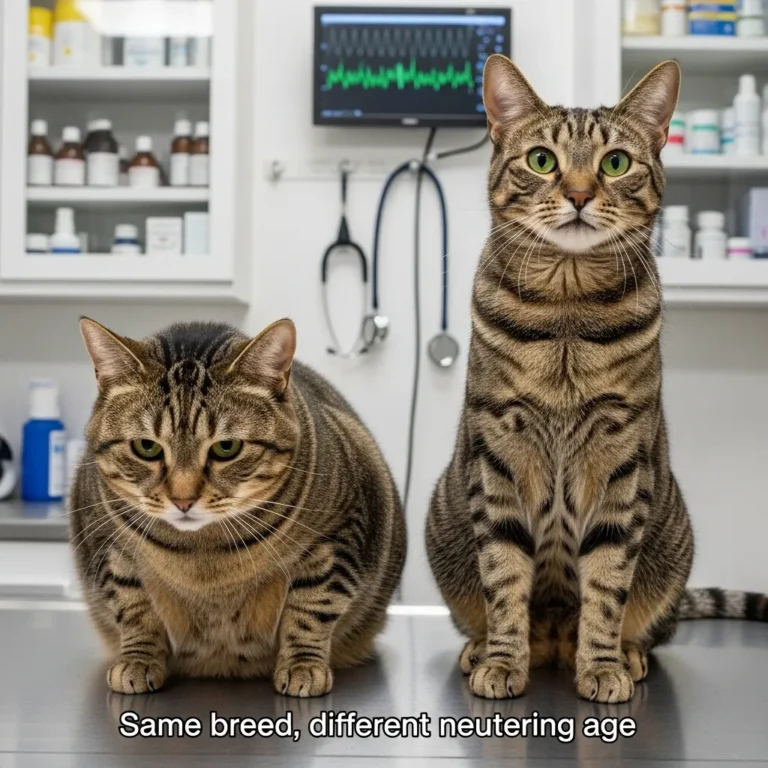
- Spay/Neuter Status: Neutered cats may gain weight more easily due to hormonal changes.
- Diet: High-quality kitten food supports healthy growth, while overfeeding can lead to excess weight.
- Activity Level: Active kittens burn more calories, affecting their weight.
If you’re wondering about your cat’s specific breed, explore our cat breed growth comparison for detailed insights.
Is My 7-Month-Old Cat Underweight or Overweight?
Monitoring your kitten’s weight is crucial to catch potential health issues early. Here’s how to spot if your cat is underweight, overweight, or just right.
Signs of an Underweight 7-Month-Old Cat
Your kitten may be underweight if you notice:
- Visible ribs or spine with little fat cover.
- Lethargy or low energy levels.
- Poor coat quality (dull or patchy fur).
- Reduced appetite or picky eating habits.
Possible Causes:
- Inadequate nutrition or poor-quality food.
- Parasites like worms (learn more in our guide on worms in cats).
- Underlying health issues like hyperthyroidism or dental problems.
Action Steps:
- Consult a vet to rule out medical issues.
- Switch to a high-calorie, nutrient-dense kitten food.
- Follow our guide to help your cat gain weight.
Signs of an Overweight 7-Month-Old Cat
Your kitten may be overweight if you observe:
- A rounded belly with no visible waistline.
- Difficulty feeling ribs under a layer of fat.
- Reduced activity or reluctance to play.
- Breathing issues during mild exertion.
Possible Causes:
- Overfeeding or free-feeding without portion control.
- Low activity levels, especially in indoor cats.
- High-calorie treats or human food.
Action Steps:
- Adjust portion sizes based on vet recommendations.
- Increase playtime with toys (see our guide to keeping cats entertained).
- Explore our cat weight management tips for practical advice.
How to Check Your Cat’s Body Condition
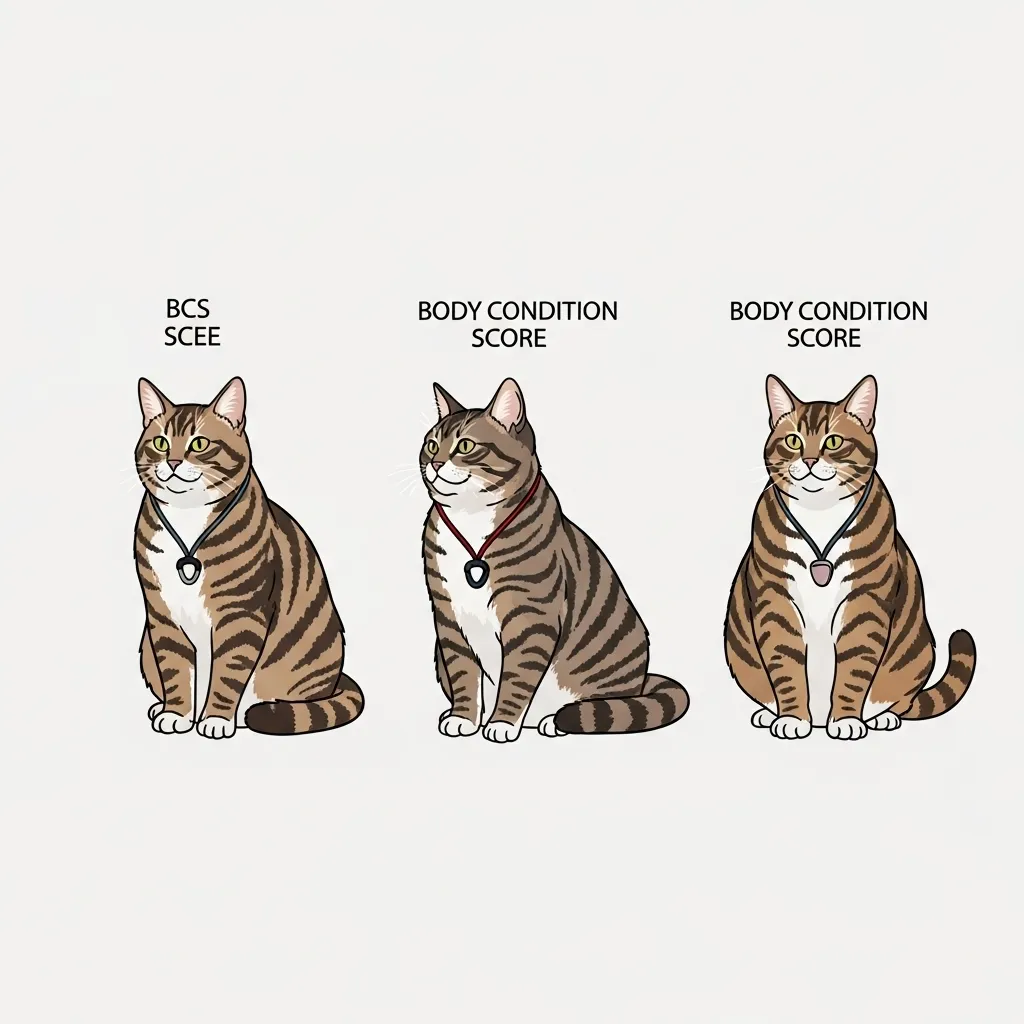
Use the Body Condition Score (BCS) to assess your cat’s weight:
- Score 4–5 (Ideal): Ribs are felt with slight fat cover; waistline is visible.
- Score 1–3 (Underweight): Ribs and spine are prominent; no waistline.
- Score 6–9 (Overweight): Thick fat cover over ribs; no defined waist.
For a visual guide, check out our is your cat too skinny? article.
How to Measure Your Cat’s Weight at Home
Knowing how to measure cat weight accurately helps you track their progress. Here are two simple methods:
- Using a Digital Scale:
- Place a lightweight container on the scale and tare it to zero.
- Gently place your cat in the container and record the weight.
- Weigh yourself holding the cat, then subtract your weight alone.
- Using a Baby Scale:
- Ideal for kittens, as they’re designed for small, wiggly creatures.
- Place a soft towel on the scale for comfort.
Tips:
- Weigh your cat at the same time weekly (e.g., before breakfast).
- Reward them with a treat to make it stress-free.
- If your cat resists, consult your vet for a professional weigh-in (see our cat vet visit schedule).
Nutrition and Diet for a 7-Month-Old Kitten
A balanced diet is the cornerstone of healthy weight and growth. At 7 months, your kitten needs nutrient-rich food designed for their developmental stage.
Key Nutritional Needs
- High-Quality Protein: Supports muscle growth (look for chicken, turkey, or fish as primary ingredients).
- Healthy Fats: Fuels energy and coat health.
- Vitamins and Minerals: Calcium and phosphorus are critical for bones.
- Taurine: Essential for heart and eye health.
For a deeper dive, explore our cat food and nutrition guide.
Choosing the Right Food
- Kitten-Specific Formulas: These have higher calories and nutrients than adult cat food.
- Wet vs. Dry Food: Wet food aids hydration, while dry food supports dental health. A mix is often ideal.
- Avoid Human Foods: Foods like chocolate, onions, or dairy can harm kittens.
Check out our best wet cat food guide for top recommendations.
Kitten Feeding Schedule
A structured cat feeding schedule prevents overfeeding:
- Frequency: Feed 3–4 small meals daily to match their small stomachs.
- Portion Size: Follow package guidelines based on weight (e.g., 1/4–1/3 cup of dry food per meal for a 7-pound kitten).
- Treats: Limit to 10% of daily calories to avoid weight gain.
For detailed portion advice, see our raw food portions for cats.
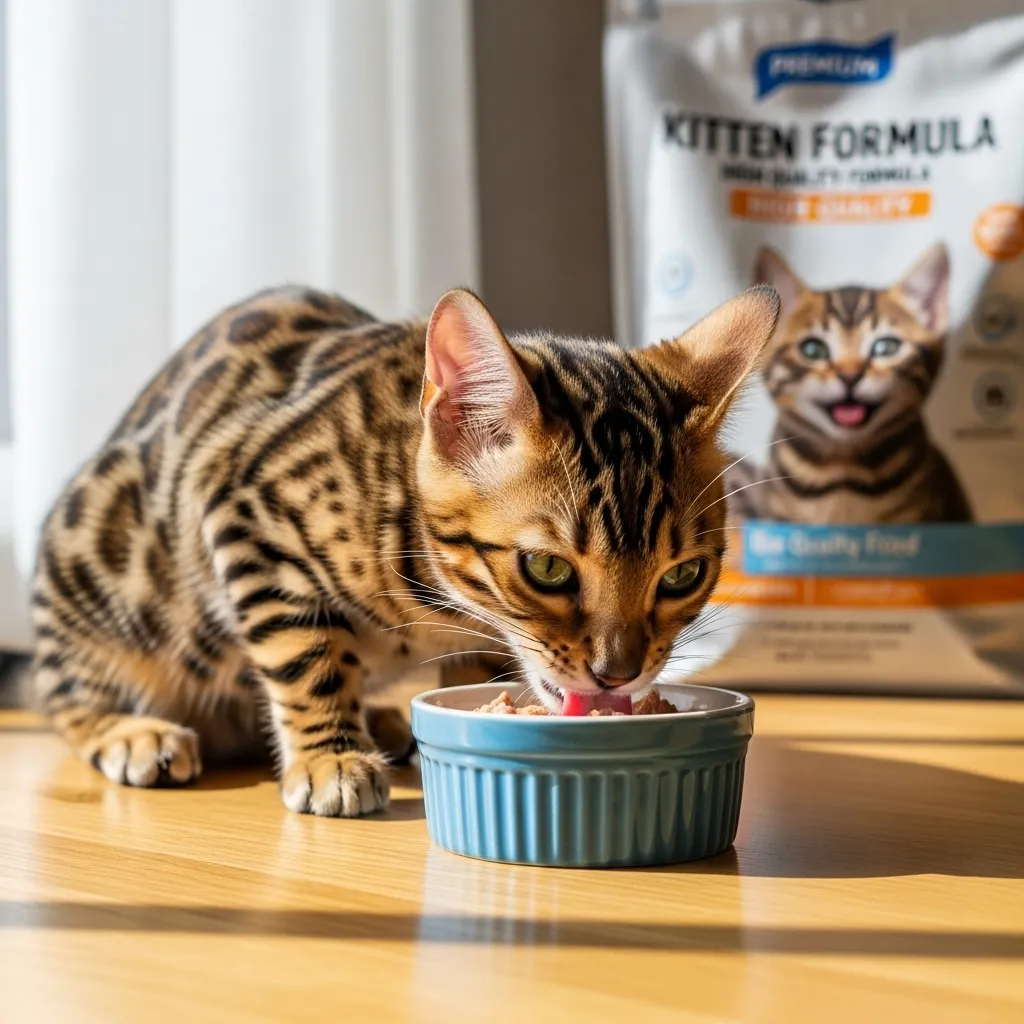
Cat Weight Management Tips for 7-Month-Old Kittens
Keeping your kitten at a healthy weight requires a proactive approach. Here are vet-backed strategies:
- Stick to a Feeding Schedule: Avoid free-feeding to control portions.
- Encourage Play: Interactive toys like feather wands or laser pointers burn calories. Learn more in our Munchkin cat playfulness guide.
- Monitor Treats: Use low-calorie treats or kibble as rewards.
- Regular Vet Checkups: Schedule visits to track growth and address issues early (see our finding the best vet guide).
- Spay/Neuter Considerations: Neutered cats may need fewer calories, so adjust portions post-surgery (learn more in our male cat neutering changes guide).
Cat Breed Growth Comparison
Different breeds grow at different rates, affecting their weight at 7 months. For example:
- Siamese: Lean and slender, often weighing 5–7.5 pounds.
- Maine Coon: Larger and slower to mature, potentially reaching 10–12 pounds.
- Persian: Compact, typically 5.5–8 pounds with a fluffier appearance.
- Bengal: Muscular and athletic, around 6–9 pounds.
For a full comparison, explore our cat breeds and personalities guide.
Common Health Issues Affecting Weight
Certain health conditions can impact your kitten’s weight:
- Parasites: Worms can cause weight loss despite a good appetite.
- Dental Issues: Painful teeth may reduce eating, leading to weight loss.
- Hyperthyroidism: Can cause rapid weight loss in young cats.
- Obesity: Overfeeding or low activity can lead to excess weight, risking diabetes.
If you suspect an issue, consult our cat health care guide or visit a vet.

FAQ: 7-Month-Old Cat Weight and Growth
What is the ideal weight for a 7-month-old cat?
Most 7-month-old cats weigh 5.5–8.5 pounds, but this varies by breed, gender, and health. Larger breeds like Maine Coons may weigh up to 12 pounds.
What developmental milestones should I expect at 7 months?
Your kitten should be active, coordinated, and showing adult-like behaviors. They’ll have all adult teeth and may reach sexual maturity if not spayed/neutered.
Why do different cat breeds have different growth patterns?
Genetics determine growth rates. Larger breeds like Ragdolls grow slower and weigh more, while lean breeds like Siamese stay lighter.
How does nutrition impact a kitten’s weight?
A balanced diet with high protein and proper nutrients supports healthy growth. Poor nutrition can lead to underweight or overweight issues.
What signs indicate my kitten is underweight or overweight?
Underweight kittens have visible ribs and low energy. Overweight kittens have a round belly and no waistline. Use the Body Condition Score to assess.
How can I use a cat weight chart by age?
Compare your kitten’s weight to breed-specific ranges (like our chart above) to ensure they’re on track. Weigh weekly for consistency.
What’s an ideal feeding schedule for a 7-month-old kitten?
Feed 3–4 small meals daily, with portions based on their weight and food type. Avoid free-feeding to prevent overeating.
How do I measure my cat’s weight effectively?
Use a digital or baby scale, weigh at the same time weekly, and ensure your cat is calm. Subtract the container’s weight for accuracy.
For more answers, explore our cat health and nutrition guide.
Conclusion: Keep Your 7-Month-Old Cat Thriving
Ensuring your 7-month-old cat maintains a healthy weight sets the foundation for a long, vibrant life. By understanding their ideal weight range (5.5–8.5 pounds for most breeds), monitoring their growth, and providing a balanced diet, you’re giving your kitten the best shot at thriving. Regular weigh-ins, a structured feeding schedule, and plenty of playtime will keep them on track.
If you’re ever unsure about your kitten’s weight or health, consult a vet for personalized advice. For more expert tips on raising a healthy, happy cat, explore our comprehensive resources at Cat Bloom Haven. From cat nutrition guides to breed-specific care, we’ve got everything you need to be the best cat parent possible. Let’s keep your feline friend blooming with health! 😺