How Often Should Cats See a Vet? A Preventive Care Guide
Many cat owners wonder about the right schedule for veterinary visits. Cats hide illness well, so regular checkups catch problems early and keep them healthy longer. Preventive care saves money and stress over time.
Key Takeaways
- Kittens need visits every 3-4 weeks until about 16-20 weeks old for vaccinations and growth monitoring.
- Healthy adult cats (1-10 years) should see a vet at least annually.
- Senior cats (over 10-11 years) benefit from checkups every 6 months to monitor age-related issues.
- All cats require at least one veterinary exam per year, per guidelines from the AVMA and AAFP.
- Indoor cats still need routine care, as many diseases are airborne or develop silently.
These visits include physical exams, vaccinations, parasite control, and discussions about nutrition and behavior. Early detection of common issues like dental disease or kidney problems makes a real difference.

Why Regular Vet Visits Matter for Cats
Cats age faster than we do. One year for them equals several human years in terms of health changes. Skipping visits means missing subtle signs of trouble.
Regular checkups allow vets to spot issues before they become serious. For example, kidney disease affects many older cats, but bloodwork during a routine exam can flag it early when it’s manageable with diet changes.
Preventive care extends life expectancy and improves quality of life. Studies and expert guidelines show that cats with consistent veterinary care live healthier, longer lives.
Benefits include:
- Early detection of hidden illnesses
- Up-to-date vaccinations against deadly viruses
- Parasite prevention for fleas, ticks, and worms
- Dental health checks to avoid painful mouth issues
- Weight and nutrition guidance to prevent obesity or diabetes
- Behavioral advice to address stress or changes
One client shared how annual visits caught hyperthyroidism in their 12-year-old cat early. Simple medication kept her energetic for years longer.
Explore our detailed guide on senior cat care for more on supporting aging felines.
Recommended Vet Visit Schedule by Life Stage
Guidelines from the American Veterinary Medical Association (AVMA) and American Association of Feline Practitioners (AAFP) provide clear recommendations. Frequency depends on age, health, and lifestyle.
Kittens (Birth to 1 Year)
Kittens grow rapidly and need protection as maternal antibodies fade.
- Start visits around 6-8 weeks old.
- Schedule every 3-4 weeks until 16-20 weeks.
- Include core vaccinations (FVRCP for respiratory viruses and panleukopenia), deworming, and FeLV testing if needed.
- Discuss spaying/neutering around 4-6 months.
This frequent schedule builds immunity and catches congenital issues early.
Adult Cats (1-10 Years)
Healthy adults settle into a routine.
- Annual exams are the minimum.
- Indoor cats still need this, as problems like dental disease or obesity develop quietly.
Vets perform full physicals, update boosters, and screen for emerging issues.
Discover more tips in finding the best vet for your cat.
Senior and Geriatric Cats (Over 10 Years)
Changes accelerate here. Many practices consider cats senior at 11.
- Bi-annual visits (every 6 months) are ideal.
- Include bloodwork, urinalysis, and blood pressure checks to monitor kidneys, thyroid, and heart.
Early intervention for arthritis or chronic conditions keeps seniors comfortable.
| Life Stage | Recommended Frequency | Key Focus Areas |
|---|---|---|
| Kitten (0-1 year) | Every 3-4 weeks until 16-20 weeks, then at 6 months and 1 year | Vaccinations, deworming, spay/neuter |
| Adult (1-10 years) | At least annually | Wellness exam, boosters, parasite control |
| Senior (11+ years) | Every 6 months | Bloodwork, dental, chronic disease screening |
What Happens During a Routine Vet Visit
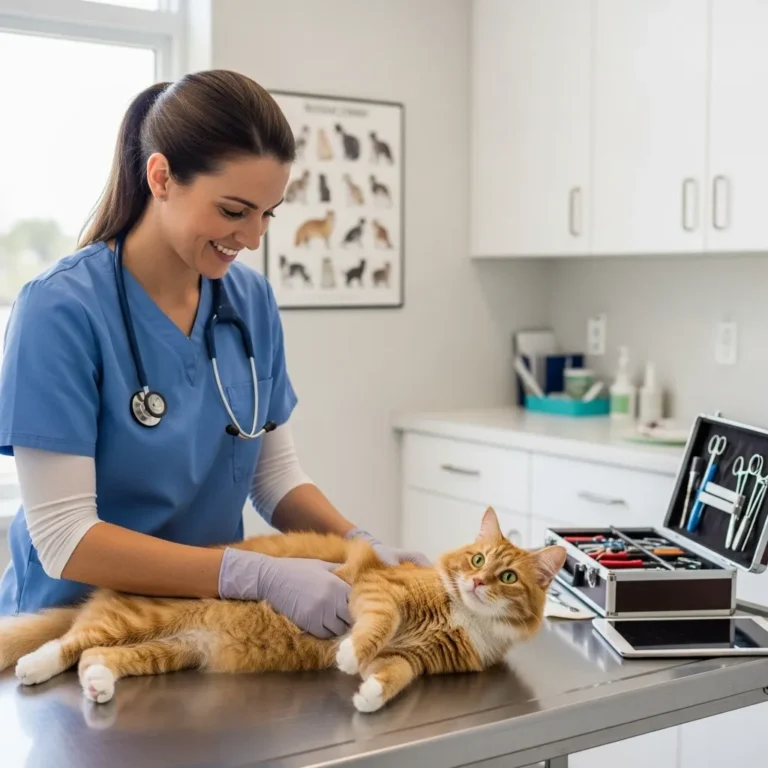
A typical checkup is thorough but gentle.
- History Review: Discuss appetite, litter box habits, energy, and any concerns.
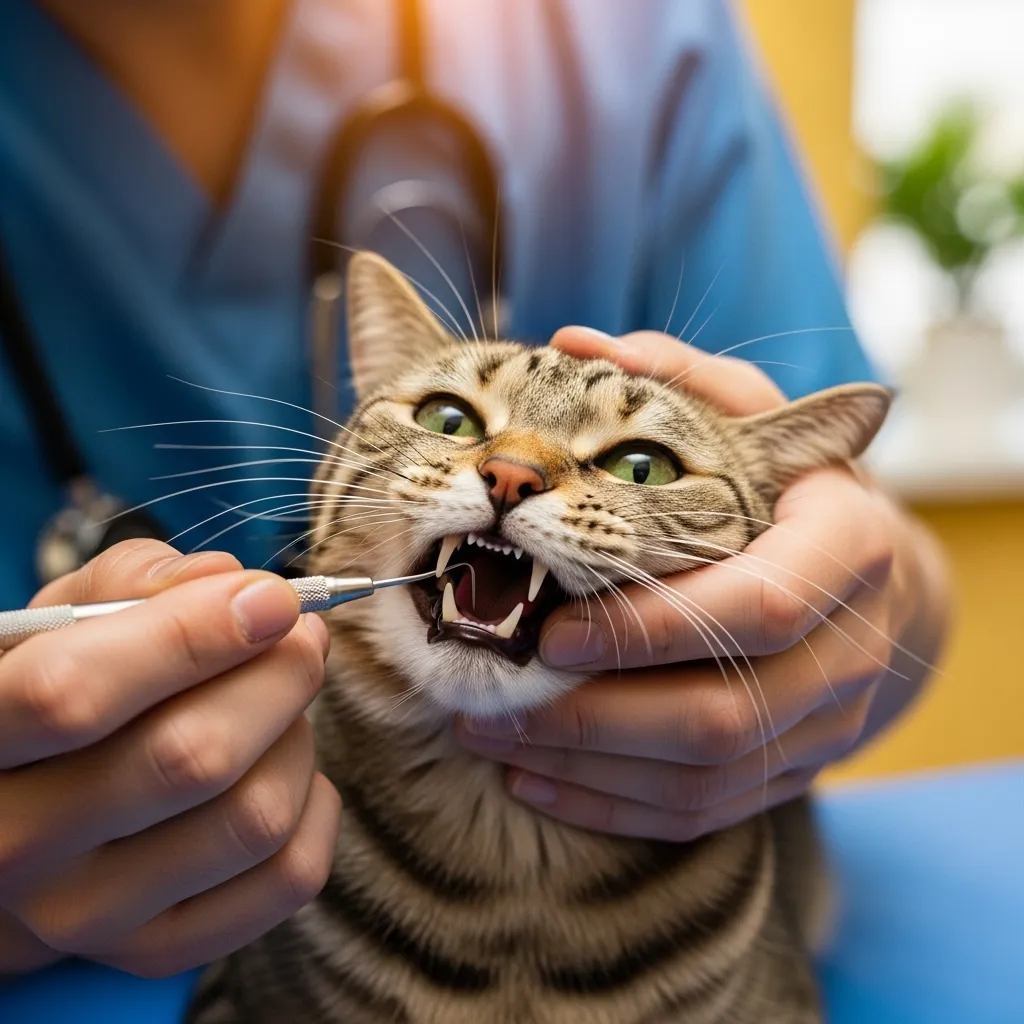
- Physical Exam: Check eyes, ears, teeth, heart, lungs, abdomen, skin, and joints.
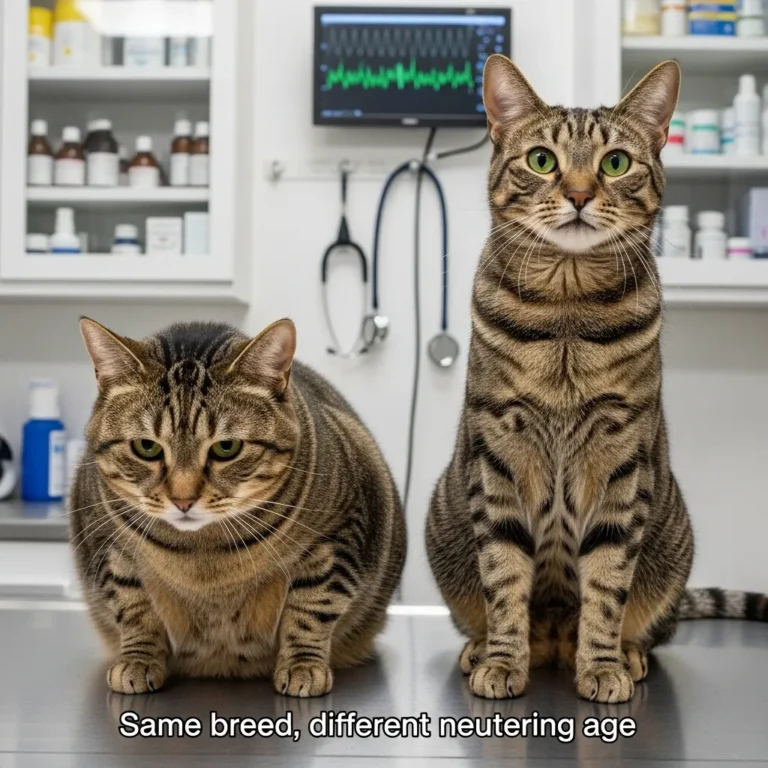
- Weight and Body Condition: Assess for obesity or unexplained loss.
- Vaccinations and Preventives: Update as needed.
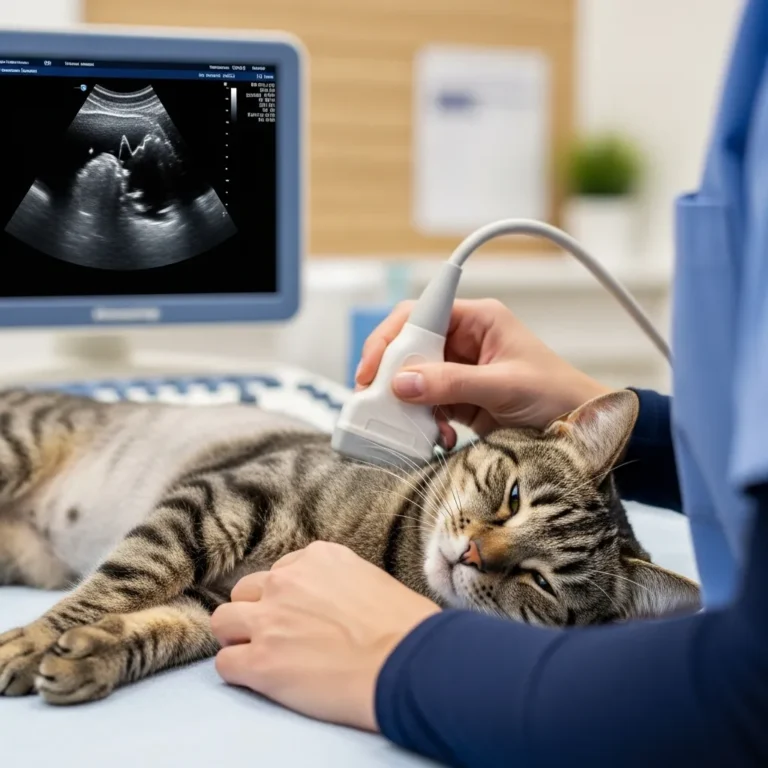
- Diagnostics if Recommended: Bloodwork or fecal tests for baselines.
For seniors, add thyroid checks or urinalysis.
These visits also educate owners. Vets offer tailored advice on diet or enrichment.
Core Vaccinations and Preventive Treatments
Vaccines protect against serious diseases.
Core Vaccines for All Cats:
- FVRCP (feline viral rhinotracheitis, calicivirus, panleukopenia): Boosters every 1-3 years after kitten series.
- Rabies: Required by law in most areas; initial dose, then 1-3 year boosters.
Non-Core (Lifestyle-Based):
- FeLV (feline leukemia): For kittens and at-risk adults.
- Others like Bordetella for boarding cats.
Parasite prevention is year-round. Heartworm, fleas, and intestinal worms pose risks even indoors.
Check our cat health care section for nutrition and wellness tips.
Signs Your Cat Needs an Immediate Vet Visit
Between scheduled checkups, watch for red flags.
Seek emergency care if you notice:
- Difficulty breathing or open-mouth panting
- Straining to urinate or no urine production (especially males – blockage risk)
- Persistent vomiting or diarrhea
- Sudden lethargy or hiding more than usual
- Unexplained weight loss
- Seizures or collapse
- Bleeding, trauma, or toxin exposure
Subtler signs like increased thirst, bad breath, or appetite changes warrant prompt attention.
How to Choose the Right Veterinarian for Your Cat
Finding a good fit matters.
- Ask friends, family, or local rescues for recommendations.
- Look for Cat Friendly Practices (AAFP-certified) with separate cat areas and gentle handling.
- Check AAHA accreditation for high standards.
- Visit the clinic: Observe cleanliness, staff kindness, and cat-specific knowledge.
- Discuss philosophy on preventive care and fear-free techniques.
A trusting relationship encourages regular visits.
Understanding the Costs of Preventive Care
Routine visits vary by location and services.
- Basic exam: $50-150
- With vaccines/labwork: $200-400 for annual/senior
- First-year kitten care: Higher due to series
Preventive investment often costs less than treating advanced disease.
Conclusion
Knowing how often cats should see a vet empowers better care. Stick to age-based guidelines, prioritize prevention, and build a partnership with your veterinarian. Your cat relies on you to spot needs they hide.
Explore more expert cat care and behavior guides on Cat Bloom Haven, from breed-specific advice like our Maine Coon cat guide to health topics in cat urinary health.

Frequently Asked Questions
How often should indoor cats see a vet?
At least annually for adults, every 6 months for seniors. Indoor cats face risks like obesity and dental issues.
Is an annual vet visit really necessary if my cat seems healthy?
Yes. Cats mask illness, and early detection prevents suffering and high costs.
What vaccines do adult cats need yearly?
Core boosters (FVRCP, rabies) every 1-3 years based on risk and vaccine type.
When should kittens first see a vet?
Around 6-8 weeks for initial exam and vaccinations.
How much does a routine cat vet visit cost?
Typically $50-150 for the exam, plus extras like vaccines bringing it to $200+.
What if my senior cat hates vet visits?
Choose a cat-friendly practice and discuss sedation or home options if available.