Signs Your Cat Is in Pain but Hiding It
Cats are masters at masking discomfort. This instinct traces back to their wild ancestors, who hid weakness to avoid predators. Even in a safe home, that behavior persists. Many cat owners miss early clues because their feline friend seems “fine” until the issue worsens. Recognizing subtle changes can make a real difference in your cat’s comfort and health.
As someone who has spent years observing cats and talking with veterinarians, I know how frustrating it can feel when something seems off but you can’t pinpoint it. This guide breaks down the most reliable indicators that your cat might be experiencing pain, even if they’re trying hard not to show it. You’ll learn what to watch for, why these signs appear, and steps to take next.
Key Takeaways: Quick Signs Your Cat Might Be Hurting
- Hiding more than usual Seeking quiet spots to avoid interaction.
- Changes in grooming Either excessive licking of one area or neglecting their coat entirely.
- Reduced appetite or avoiding the food bowl Pain often affects eating habits.
- Altered posture or movement Hunched back, reluctance to jump, or stiff walking.
- Behavioral shifts Increased irritability, less playfulness, or unusual vocalization.
- Subtle facial cues Squinted eyes, flattened ears, or tense muzzle (use the Feline Grimace Scale for reference).
If you notice two or more of these, contact your vet promptly. Early intervention often leads to better outcomes.
Why Cats Hide Pain So Well
In the wild, showing vulnerability could mean becoming prey. Domestic cats retain this survival trait strongly. Veterinary sources, like those from VCA Hospitals and PetMD, note that cats rarely vocalize or limp dramatically unless pain is severe. Instead, they withdraw or adapt their behavior quietly.
This makes chronic conditions like arthritis, dental disease, or urinary issues—easy to overlook. Studies show up to 90% of cats over age 10 have some form of osteoarthritis, yet owners often attribute slower movement to “just getting older.”
Understanding this instinct helps you stay vigilant. Your cat isn’t being stubborn; they’re wired to cope silently.
Common Behavioral Changes That Signal Pain
Behavior often provides the first clues. Watch for deviations from your cat’s normal routine.
Hiding or Withdrawing
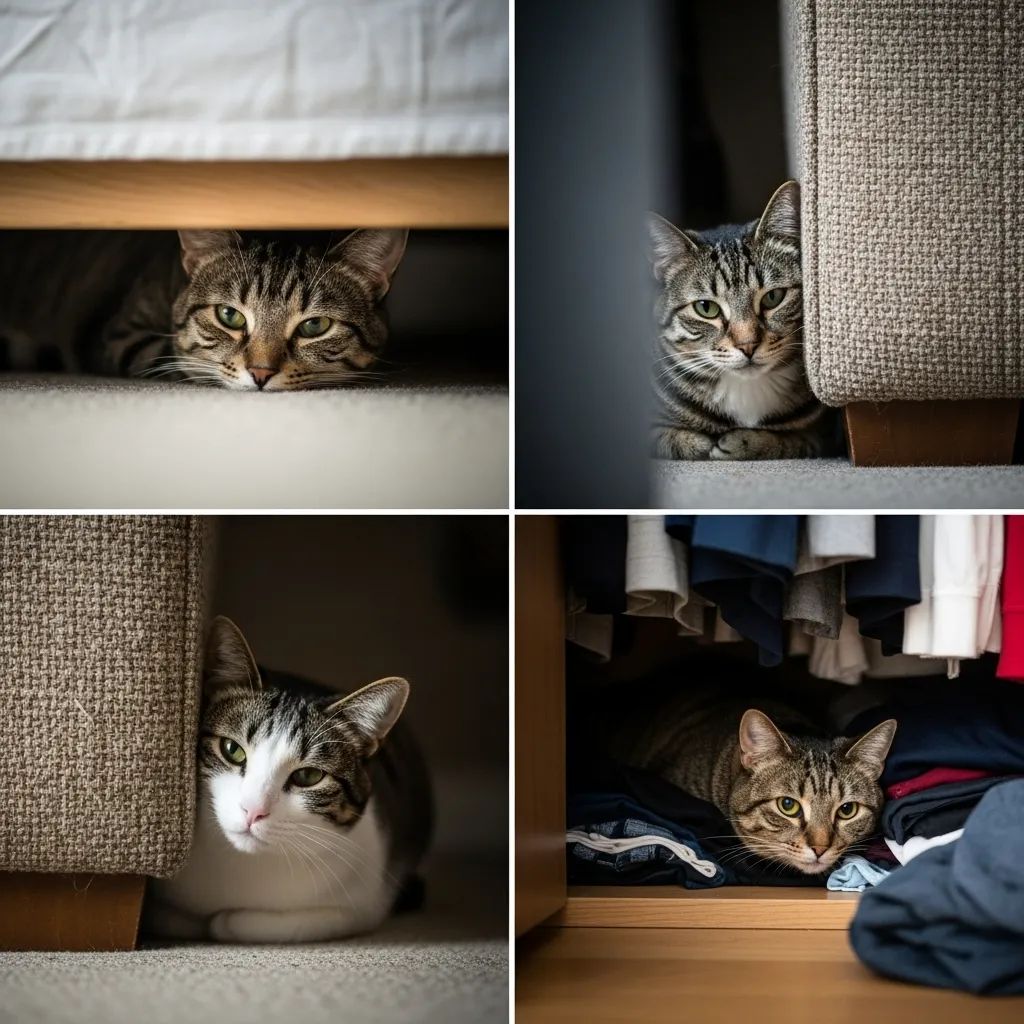
A sudden preference for solitude stands out as one of the top indicators. Painful cats seek dark, quiet places to rest undisturbed. If your social cat starts avoiding family members or favorite perches, take note.
Less Interest in Play or Affection
Cats in pain conserve energy. A once-enthusiastic player might ignore toys, or a lap cat could dodge petting—especially if touch near the sore area hurts.
Irritability or Aggression
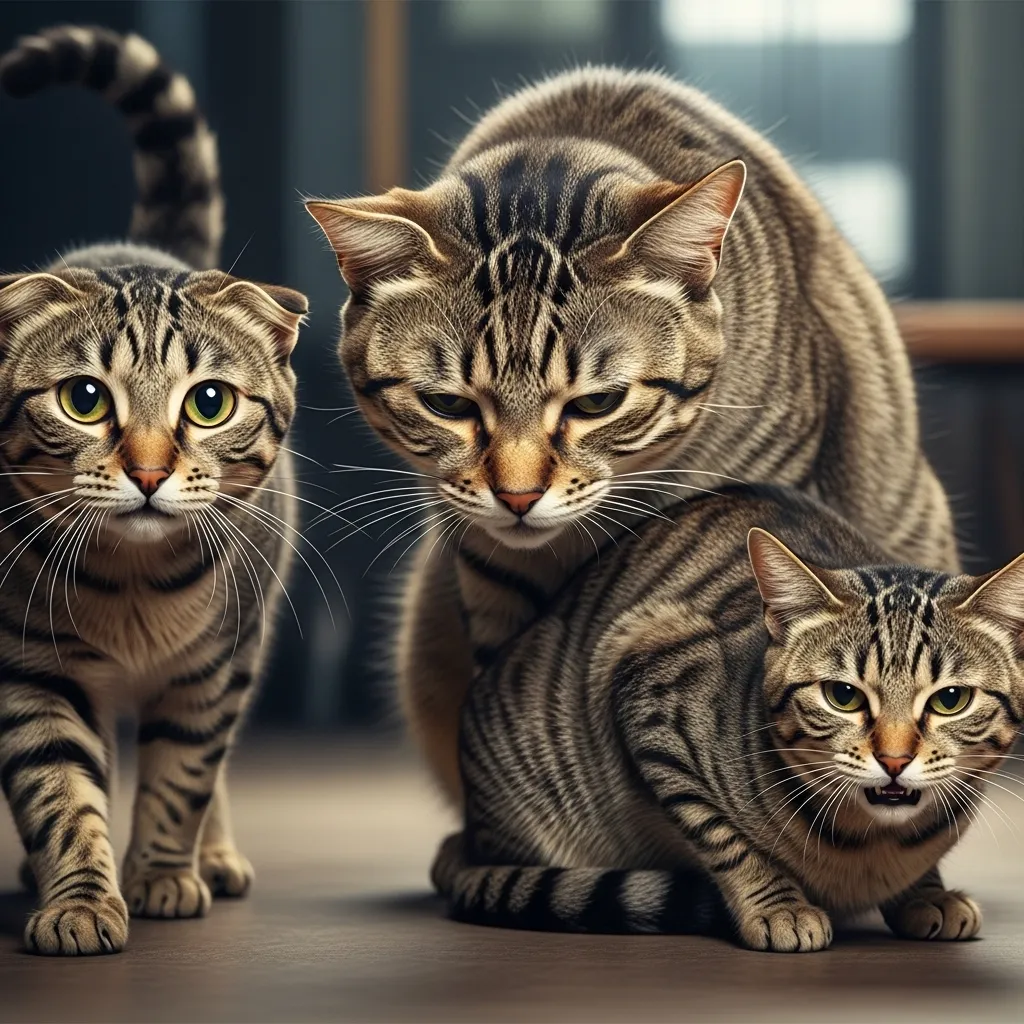
Pain can make even gentle cats snap or swat when approached. This isn’t “bad behavior”; it’s a defensive response. Never punish it address the underlying cause instead.
Changes in Vocalization
Some cats purr to self-soothe when uncomfortable (not always a happy sign). Others growl lowly, hiss more, or meow in a strained way.
Real-life example: One owner noticed their cat purring excessively while isolated. A vet visit revealed dental pain the purring helped the cat cope.
Explore more on feline behavior in our guide to cat stress signs.
Physical and Posture-Related Signs
Body language speaks volumes when words (or meows) don’t.
Hunched or Tense Posture
Cats experiencing abdominal or joint pain often arch their back, tuck their belly, or sit rigidly. They might lower their head below shoulder level.
Reluctance to Move or Jump
Stiffness, limping, or hesitation on stairs/furniture points to joint or muscle issues. Senior cats commonly face this from arthritis.
Altered Grooming Habits
- Over-grooming: Licking one spot repeatedly (sometimes causing bald patches) to soothe localized pain.
- Under-grooming: A dull, matted coat because reaching certain areas hurts.
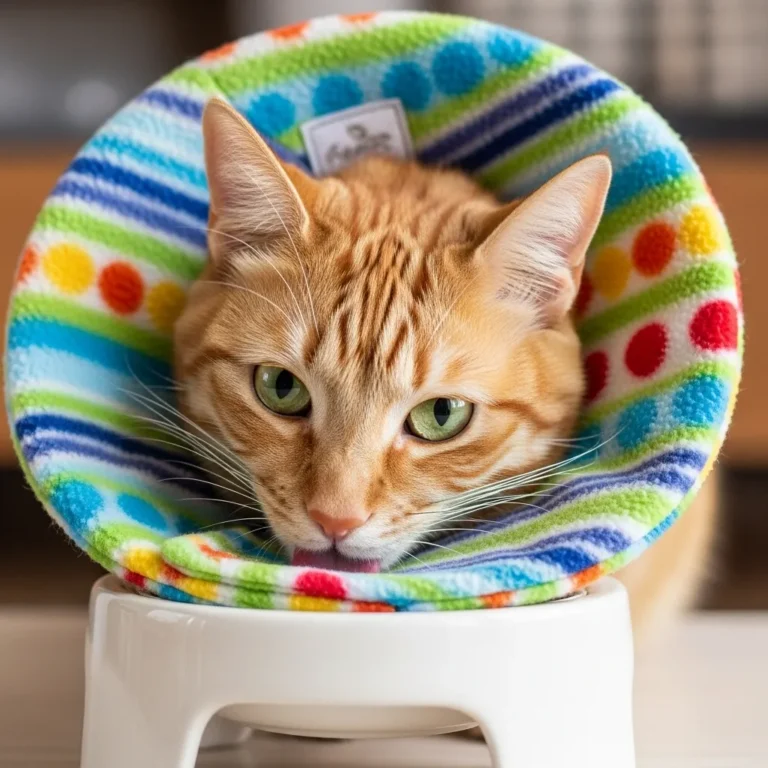
[Image Placement Suggestion: Carousel of 4 images illustrating posture and facial signs.]
- Image Prompt: Cats with hunched backs, squinted eyes, flattened ears, or tense expressions.
- Alt Text: “Cat with hunched posture indicating possible pain”; “Subtle facial tension in a cat (squinted eyes)”; “Cat crouching protectively due to discomfort”; “Head lowered below shoulders, a pain indicator.”
Appetite and Litter Box Changes
These daily habits reveal a lot.
Eating Less or Avoiding Food
Pain in the mouth (dental disease is common), abdomen, or anywhere can reduce interest in food. Weight loss often follows if unchecked.
Litter Box Issues
Straining, vocalizing in the box, or accidents outside can signal urinary pain, constipation, or mobility problems making access difficult.
Discover tips for litter box problems in our cat litter box problems guide.
Using the Feline Grimace Scale at Home
Veterinarians rely on the Feline Grimace Scale (FGS) for acute pain assessment. It scores five facial action units: ear position, eye tightening, muzzle tension, whisker position, and head position.
A score of 4 or higher out of 10 suggests pain requiring attention. You can practice this at home with clear photos of your cat’s face (relaxed vs. current).
This tool proves especially useful for post-surgery or injury monitoring.
Common Causes of Hidden Pain in Cats
Pain arises from many sources:
- Dental disease → Very common; bad breath, drooling, or dropping food.
- Arthritis → Affects most older cats; stiffness worsens in cold weather.
- Urinary tract issues → Straining or frequent attempts (emergency if blocked).
- Internal problems → Gastrointestinal upset, cancer, or organ issues.
- Injuries → Even minor ones like abscesses from fights.
Regular wellness exams help catch these early. Learn about finding the best vet for your cat.
When to Contact Your Vet
Don’t wait for obvious distress. Seek help if:
- Changes last more than 24-48 hours.
- You see multiple signs combined.
- Your cat stops eating entirely or strains to urinate (emergency).
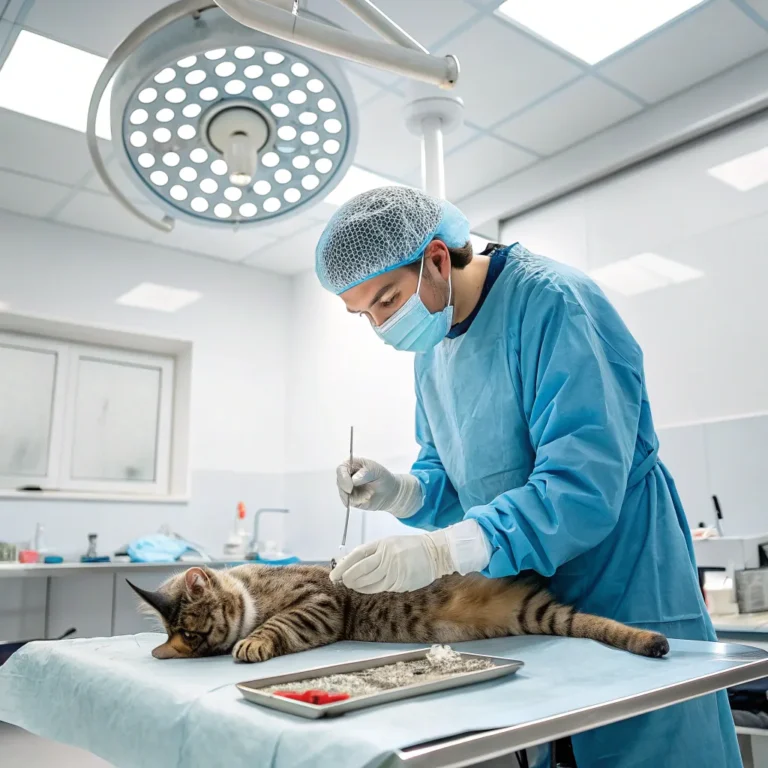
Vets may recommend exams, bloodwork, or imaging. Pain management options range from medications to supplements or lifestyle adjustments.
Supporting Your Cat’s Comfort at Home
While waiting for a vet visit:
- Provide soft, accessible bedding.
- Use shallow litter boxes if mobility is an issue.
- Offer warmed food to encourage eating.
- Create quiet retreat spots (but monitor them).
For chronic pain, discuss long-term plans like joint supplements or environmental enrichments.
Check our senior cat care guide for more tips.
FAQ: Common Questions About Cats Hiding Pain
How can I tell if my senior cat’s slower movement is pain or just age?
Arthritis is common in cats over 10. Look for hesitation jumping, stiffness after rest, or reduced grooming. A vet can confirm with an exam.
Does purring always mean my cat is happy?
No. Cats sometimes purr to self-soothe during stress or pain.
What if my cat only shows one sign, like hiding occasionally?
Monitor closely. One sign might not indicate pain, but combined with others or persistence warrants a check.
Are some breeds more prone to hiding pain?
All cats hide pain well, but stoic breeds like British Shorthairs may show even fewer signs.
Can over-the-counter pain meds help?
Never. Human medications like ibuprofen are toxic to cats. Always consult a vet.
Final Thoughts
Your cat depends on you to notice what they can’t say. By tuning into these subtle signs your cat is in pain but hiding it, you can act early and improve their quality of life significantly.
Pain isn’t a normal part of aging or life it deserves management. Trust your instincts; if something feels off, reach out to your vet.
Explore more expert cat care and behavior guides on Cat Bloom Haven, from cat health care to breed-specific tips like our American Shorthair cats guide.
Your observant care makes all the difference.