Why Does My Cat Have One Black Whisker? Unraveling the Mystery of Feline Whisker Color
Have you ever noticed your cat’s single black whisker standing out among the rest? It’s a curious detail that sparks questions: Why does my cat have one black whisker? Is it a quirk, a genetic fluke, or something more? At Cat Bloom Haven, we’re diving deep into this feline phenomenon to uncover the science, meaning, and charm behind that lone dark whisker. In this guide, you’ll discover the purpose of whiskers, the genetics behind their color, what a single black whisker might mean, and how to understand your cat’s unique traits. Let’s solve the mystery together!

Key Takeaways
- Whisker Purpose: Cat whiskers are sensory tools for navigation, communication, and detecting environmental changes.
- Color Variations: A single black whisker is often a natural variation due to genetics or pigmentation, not a health concern.
- Genetics at Play: Whisker color is influenced by the same genes controlling coat color, with melanin determining shades.
- Body Language: Whiskers reveal emotions—watch their position to understand your cat’s mood.
- When to Worry: Sudden whisker loss or changes could signal health issues; consult a vet if you notice abnormalities.
- Care Tips: Never trim whiskers, and monitor for stress-related changes.
Explore more feline quirks in our Cat Colors and Patterns Guide.
The Fascinating Role of Cat Whiskers
Whiskers, or vibrissae, are far more than just facial hair. They’re a cat’s superpower, acting as finely tuned sensory organs that help them interact with the world. Understanding their purpose is key to appreciating why a single black whisker stands out.
What Do Whiskers Do?
Whiskers are deeply embedded in a cat’s skin, connected to nerve endings that send signals to the brain. They serve multiple functions:
- Navigation: Whiskers detect air currents and obstacles, helping cats move in low-light conditions or tight spaces.
- Spatial Awareness: They measure openings—cats use whiskers to judge if they can fit through a gap.
- Communication: Whisker positions signal emotions, from relaxed to alert or defensive.
- Hunting: Whiskers help detect prey movement, enhancing a cat’s precision.
For a deeper dive into feline senses, check out our Feline Behavior Explained.
Why Are Whiskers So Sensitive?
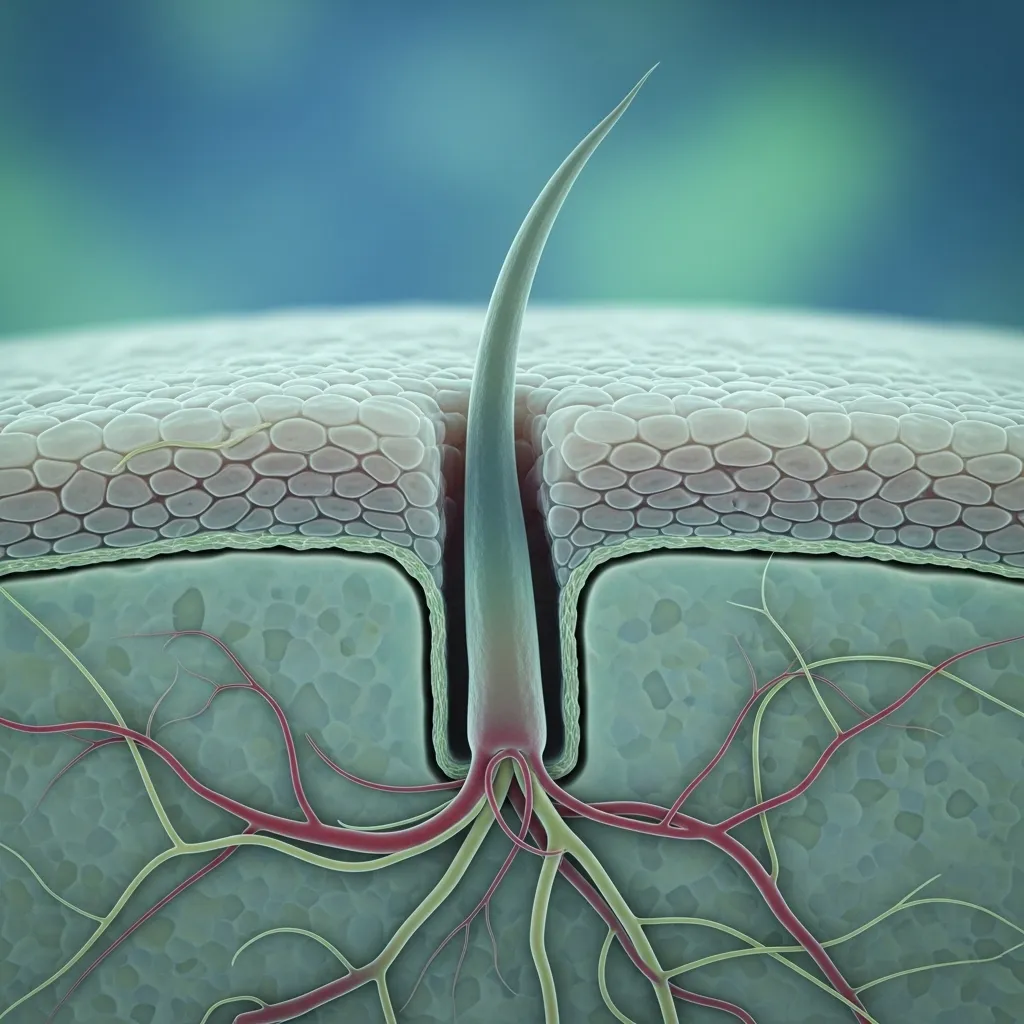
Each whisker is rooted in a follicle packed with nerves and blood vessels, making them incredibly sensitive. Think of them as a cat’s radar system, picking up subtle environmental changes humans can’t detect. This sensitivity explains why cats hate having their whiskers touched or confined.
Why Does My Cat Have One Black Whisker? The Core Question
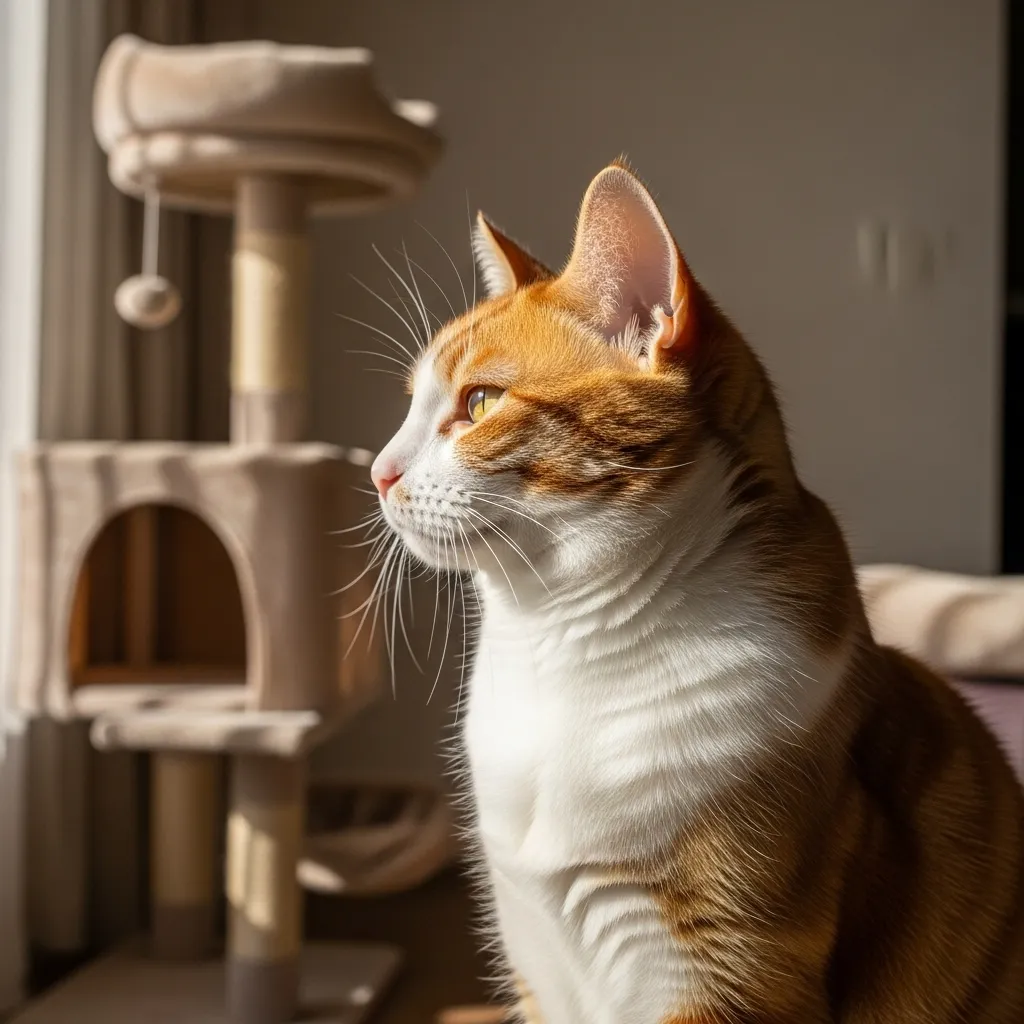
A single black whisker on a cat with otherwise white or light whiskers is intriguing, but it’s usually not a cause for alarm. Let’s explore the reasons behind this unique trait.
Pigmentation and Whisker Color
Whisker color is determined by melanin, the same pigment responsible for coat and skin color. Here’s how it works:
- Melanin Types: Eumelanin produces black or brown hues, while pheomelanin creates red or yellow tones.
- Random Variation: A single black whisker may result from a localized surge of eumelanin during whisker growth.
- Aging: As cats age, melanin distribution can shift, causing new whiskers to grow in different colors.
For example, a white cat with one black whisker might simply have a genetic quirk where one follicle produced more eumelanin. It’s like a single gray hair in humans—unique but normal.
Genetic Factors Behind Whisker Color
Whisker color is tied to the same genes controlling coat patterns. Key points:
- Polygenes: Multiple genes influence pigmentation, leading to variations even within a litter.
- Breed-Specific Traits: Some breeds, like Siamese or Bengals, may show more pronounced whisker color changes due to their genetic makeup. Learn more in our Siamese Cat Breed Guide or Bengal Cat Personality.
- Random Mutations: A single black whisker could stem from a minor genetic mutation, harmless but noticeable.
If your cat’s coat has multiple colors (like a tabby or tortoiseshell), a black whisker might reflect those genetics showing up in a single follicle.
Is a Black Whisker a Sign of Health Issues?
In most cases, a single black whisker is purely cosmetic. However, sudden changes in whisker color, texture, or loss could indicate:
- Nutritional Deficiencies: Lack of certain vitamins or minerals can affect hair pigmentation.
- Stress or Hormonal Changes: Stress can alter hair growth cycles, sometimes changing color.
- Skin Conditions: Infections or allergies may impact whisker follicles.
If you notice other symptoms like hair loss or lethargy, consult a vet. Our Cat Health Care Guide offers tips on spotting health red flags.
The Science of Whisker Color Variation
Whisker color isn’t always uniform, and variations are common. Let’s break down why cats have such diverse whisker hues.
Why Whiskers Change Color
Whiskers grow, fall out, and regrow in cycles, much like human hair. Color changes can occur due to:
- Age: Older cats may develop lighter or darker whiskers as melanin production shifts.
- Environmental Factors: Sun exposure or diet can subtly influence pigmentation.
- Breed Traits: Breeds like Norwegian Forest Cats or Maine Coons may show more whisker color diversity. See our Norwegian Forest Cat Care Guide for breed-specific insights.
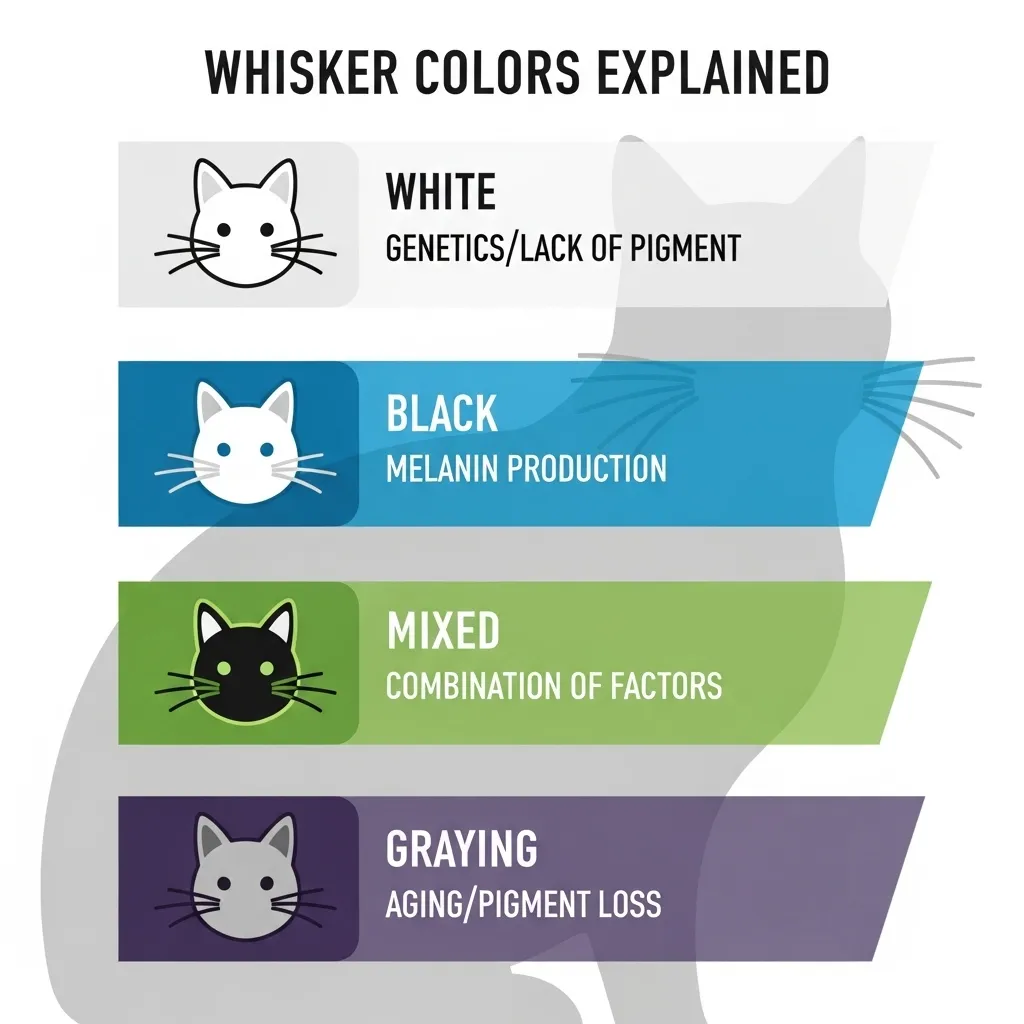
Common Whisker Color Patterns
| Whisker Color | Likely Cause | Associated Breeds |
|---|---|---|
| White | Low melanin | Siamese, Persian |
| Black | High eumelanin | Bengals, American Shorthair |
| Mixed | Genetic variation | Tabbies, Tortoiseshells |
| Graying | Aging | Senior cats |
For more on how coat colors tie to genetics, explore our Cat Genetics and Traits.
Whisker Anomalies: When to Pay Attention
While a single black whisker is usually normal, watch for these red flags:
- Sudden Loss: Losing multiple whiskers at once could indicate stress or illness.
- Brittle Whiskers: Dry, breaking whiskers may point to poor nutrition or skin issues.
- Color Shifts with Symptoms: If color changes come with lethargy, appetite loss, or skin problems, see a vet.
Our Cat Whisker Care Guide has tips on keeping whiskers healthy.
Whiskers and Cat Communication: What’s Your Cat Saying?
Whiskers are a window into your cat’s emotions. A single black whisker might catch your eye, but its movement tells a bigger story.
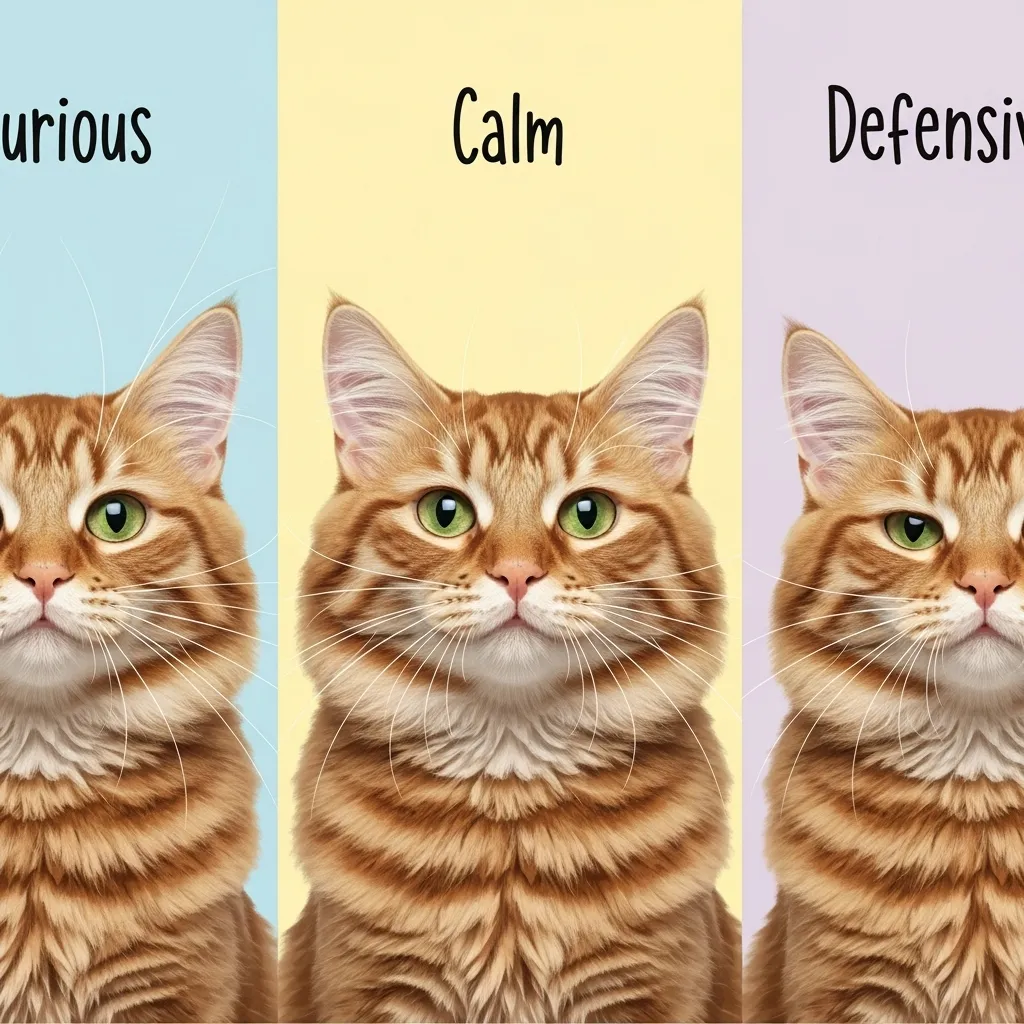
Decoding Whisker Positions
- Forward: Curious or aggressive, often during play or hunting.
- Relaxed: Neutral, indicating a calm or content cat.
- Pinned Back: Fearful, defensive, or angry—your cat feels threatened.
- Twitching: Excitement or irritation, often during high-energy moments.
For example, if your cat’s black whisker is forward while they’re staring at a toy, they’re likely in “hunt mode.” Learn more about feline signals in our Cat Body Language Guide.
Whiskers and Emotional Health
Whiskers can reflect stress or discomfort. A cat with constantly pinned-back whiskers might be anxious. Common stressors include:
- New environments or pets
- Loud noises
- Changes in routine
If you suspect stress, check out our Cat Stress Signs Guide for calming techniques.
Unique Cat Features: Embracing the Oddities
A single black whisker is just one of many quirky traits that make your cat special. Cats are full of surprises, from heterochromia (two-colored eyes) to polydactyl toes. Here’s why these oddities matter:
- Individuality: A black whisker can be a charming signature, like a beauty mark.
- Bonding Opportunity: Noticing unique traits helps you connect with your cat’s personality.
- Storytelling: That lone whisker might spark fun conversations with fellow cat lovers.
For more quirky feline traits, read our Unique Cat Features Guide.
Practical Tips for Whisker Care
To keep your cat’s whiskers—black or otherwise—in top shape, follow these vet-backed tips:
- Never Trim Whiskers: Cutting them disrupts sensory functions and can stress your cat.
- Provide Wide Bowls: Narrow dishes can cause “whisker fatigue,” where whiskers constantly touch the sides, leading to discomfort.
- Monitor Changes: Note any sudden whisker loss or texture changes and consult a vet.
- Healthy Diet: Feed nutrient-rich food to support hair growth. See our Choosing Cat Food Guide for recommendations.

When to Consult a Vet
While a single black whisker is usually harmless, certain whisker-related issues warrant a vet visit:
- Multiple Whisker Loss: Could indicate skin infections, allergies, or parasites.
- Behavioral Changes: If your cat seems disoriented or less active, whisker issues might be a symptom.
- Physical Symptoms: Redness, swelling, or sores around whisker follicles need immediate attention.
Our Finding the Best Vet for Your Cat guide helps you choose a trusted professional.
FAQ: Quick Answers to Common Whisker Questions
What is the purpose of my cat’s whiskers?
Whiskers help cats navigate, detect objects, and communicate emotions by sensing air currents and environmental changes.
Why does my cat have one black whisker?
It’s likely a natural variation due to genetics or melanin distribution, not a health issue.
Are whisker color changes normal?
Yes, changes can occur with age, diet, or genetics, but sudden shifts with other symptoms should be checked by a vet.
What do whisker movements tell me?
Forward whiskers show curiosity, relaxed whiskers indicate calm, and pinned-back whiskers signal fear or aggression.
When should I worry about whisker changes?
Consult a vet if you notice multiple whisker losses, brittleness, or symptoms like lethargy or skin issues.
How can I care for my cat’s whiskers?
Avoid trimming, use wide bowls, and ensure a balanced diet to support whisker health.
For more answers, explore our Cat Whisker Facts.
Conclusion: Celebrate Your Cat’s Unique Whisker Charm
A single black whisker is a delightful quirk that highlights your cat’s individuality. Whether it’s a genetic fluke, a sign of aging, or just a random burst of melanin, it’s a reminder of how fascinating felines are. By understanding whisker functions, genetics, and care, you’re better equipped to appreciate your cat’s unique traits and keep them healthy.
At Cat Bloom Haven, we’re passionate about helping you decode your cat’s mysteries. Dive into our expert guides for more tips on feline behavior, health, and care:
What’s the quirkiest trait your cat has? Share your stories, and let’s celebrate the magic of feline oddities together!