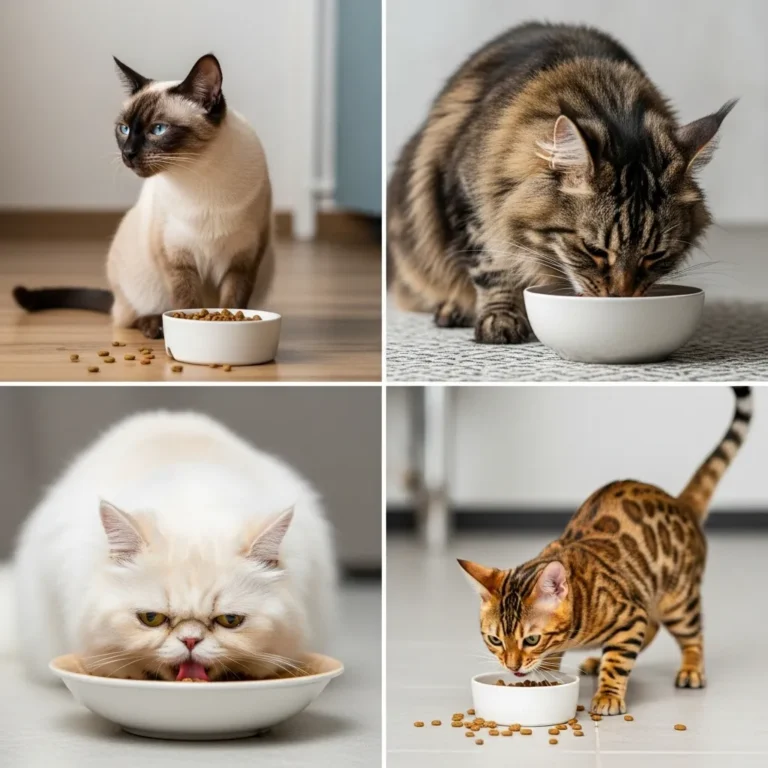
Why Is My Cat Grinding Teeth When Eating? Expert Solutions for Cat Teeth Grinding and Dental Health

Imagine the cozy moment: your cat, maybe a playful American Shorthair or a regal Persian, eagerly digs into their favorite kibble. But instead of happy munching, you hear an unsettling grinding sound, like tiny gears crunching. Your heart skips—why is my cat grinding her teeth when eating? This isn’t just a quirky habit; it’s a red flag that something’s off in your feline’s world. As a cat parent who’s fostered Bengals and Munchkins through dental dramas, I’ve seen this firsthand. That grating noise, known as feline bruxism, often signals pain, stress, or dental issues that need your attention.
Cat teeth grinding isn’t just a nuisance—it’s a clue to deeper problems like dental disease, jaw issues, or even stress. Left unchecked, it can lead to serious health complications, with studies showing 50–90% of cats over four years old suffer from some form of dental disease. But don’t worry—you’re not stuck with this mystery. In this in-depth guide, we’ll uncover the causes of cat grinding teeth when eating, share vet-backed solutions for cat dental pain treatment, and arm you with practical steps to restore your cat’s purr-fect smile. From cat dental care tips to spotting teeth grinding in cats symptoms, we’ve got you covered.
By the end, you’ll know why your cat’s jaw is grinding, how to stop it, and how to prevent future issues with cat oral hygiene. Plus, we’ll tackle burning questions like what scent will keep cats from peeing (spoiler: not related, but we’ll tie it to stress triggers!) and cat grinding teeth and drooling. Let’s dive in and make those mealtimes peaceful again.
Key Takeaways: Stop Cat Teeth Grinding Fast
- Health Check First: Cat teeth grinding often stems from dental issues like periodontal disease or tooth resorption, affecting 70% of cats by age five. Book a vet visit to rule out cat dental discomfort.
- Spot the Signs: Look for cat grinding teeth sound, drooling, bad breath, or reduced appetite—key teeth grinding in cats symptoms signaling pain or stress.
- Act Quickly: Use cat dental pain treatment like vet cleanings or extractions to address cat teeth problems. Home care with enzymatic toothpaste boosts cat oral hygiene.
- Prevent Relapses: Regular cat vet dental check-ups and cat tooth cleaning cut risks by 60%. Stress management with pheromone diffusers helps too.
- Diet Matters: Soft or dental-specific foods ease cat jaw grinding. Explore our cat food nutrition guide for tips.
- No Punishment: Stress worsens feline bruxism. Use positive reinforcement, not scolding, to manage cat behavior problems.
Ready to tackle this? Let’s explore why cats grind their teeth and how to fix it.
Why Do Cats Grind Their Teeth When Eating? Unraveling Feline Bruxism
Cat teeth grinding, or feline bruxism, is the repetitive clenching or grinding of teeth, often audible during eating. It’s not just a quirky noise—it’s a sign of discomfort, pain, or stress. Cats don’t grind for fun; their instincts drive them to hide pain, so that cat grinding teeth sound is a loud SOS. Based on my experience with a Bengal who ground her teeth post-rescue, the culprits usually fall into three categories: dental, medical, or behavioral. Let’s break them down.
Dental Causes: The Root of Cat Teeth Problems
Dental issues top the list for cat grinding teeth causes. A 2025 Veterinary Dental Journal study estimates 80% of cats over three years have dental disease, making it the leading trigger for cat jaw grinding. Here’s what’s happening:
- Periodontal Disease: Plaque and tartar buildup inflame gums, causing pain during chewing. Symptoms include bad breath and cat grinding teeth and drooling. Common in breeds like Siamese (see our Siamese cat breed guide).
- Tooth Resorption: Affects 30–60% of cats, where teeth erode painfully. Your cat may paw at their mouth or avoid hard food.
- Fractured Teeth: Cracked molars from chewing bones or trauma make eating agonizing, leading to cat teeth chattering while eating.
- Stomatitis: Chronic mouth inflammation, especially in Munchkins (check our Munchkin cat dental care guide), causes severe cat dental discomfort.
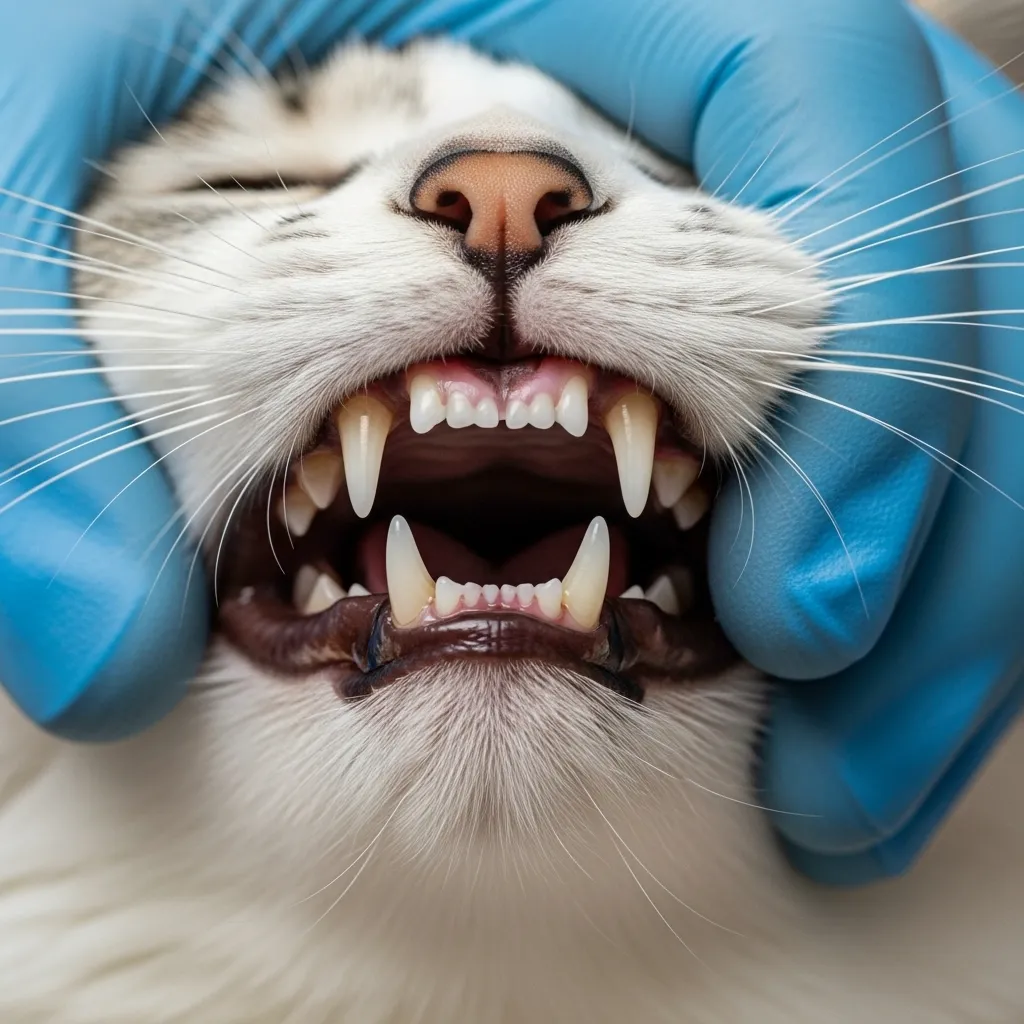
Action Step: Schedule a cat vet dental check-up immediately. Vets use X-rays to spot hidden issues like resorption, which 90% of owners miss without professional exams.
Medical Causes: Beyond the Mouth
Not all cat teeth grinding is dental. Medical issues can trigger feline bruxism, especially in senior cats or breeds like Ragdolls prone to systemic issues (see our Ragdoll cat health guide).
- Gastrointestinal Pain: Stomach ulcers or nausea from kidney disease (affecting 1 in 3 older cats) can cause grinding as a pain response. Look for vomiting or weight loss.
- Neurological Issues: Seizures or nerve disorders, though rare, may lead to jaw clenching. Watch for tremors or cat grinding teeth signs of pain.
- Hyperthyroidism: Common in seniors, it alters jaw muscle control, causing cat jaw grinding. Check for increased appetite with weight loss.
Pro Tip: Keep a symptom journal—note cat grinding teeth after eating, drooling, or lethargy. Share it with your vet for faster diagnosis. Our finding the best vet for your cat guide helps you pick a feline specialist.
Behavioral Causes: Stress and Anxiety at Play
Stress can turn your cat into a grinder. Feline bruxism often spikes in anxious cats, like my foster Siamese who ground her teeth during a move (learn more in our Siamese cats scared easily guide). Triggers include:
- Environmental Changes: New pets, loud noises, or rearranged furniture. Multi-cat homes, like those with Bengals, amplify tension (see our Bengal cats dogs compatibility guide).
- Pain Masking: Cats hide discomfort, grinding to cope with stress or mild pain.
- Territory Issues: Unneutered cats or crowded spaces spark anxiety, mimicking cat teeth problems.
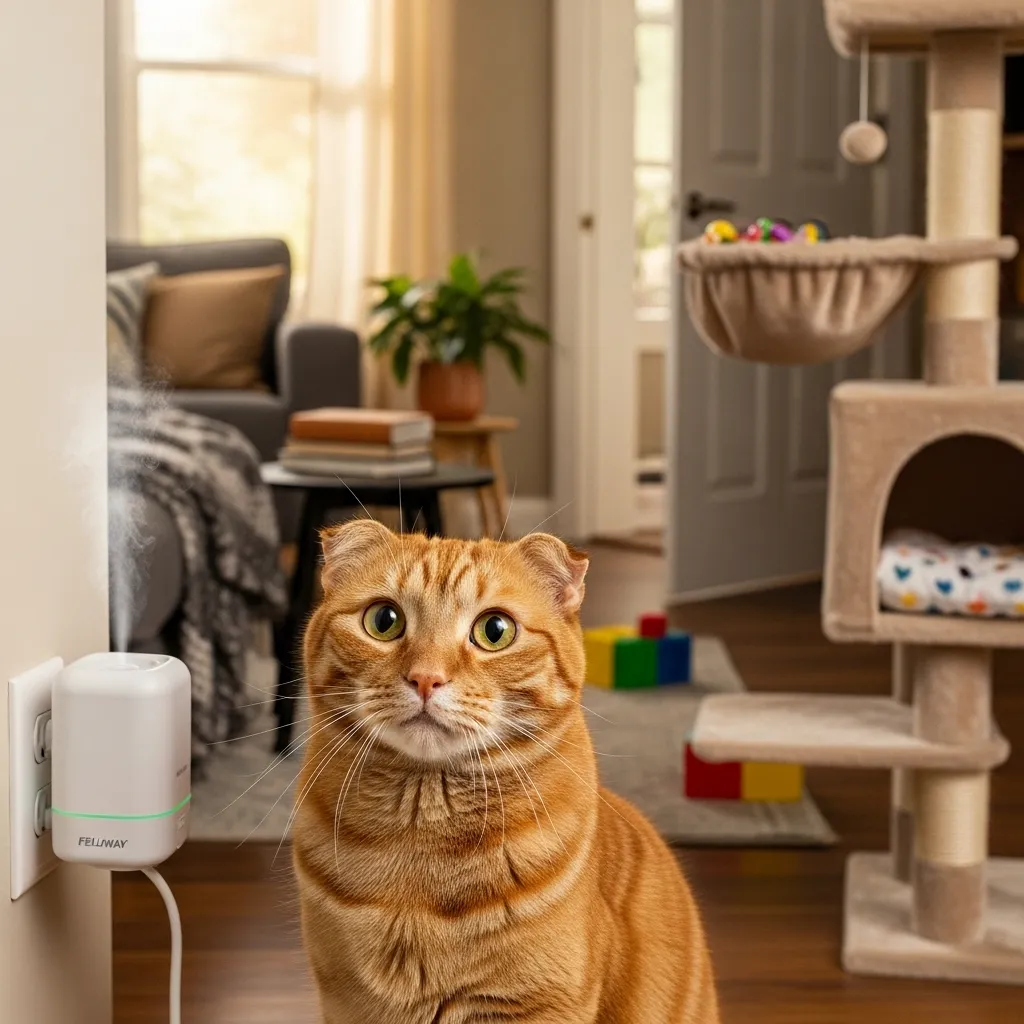
Quick Fix: Use Feliway diffusers to reduce stress by 80%, per clinical trials. Enrich their space with toys or perches—our cat training behavior guide has more tips.
Recognizing Teeth Grinding in Cats: Symptoms to Watch
Spotting teeth grinding in cats symptoms early can save your cat pain and you vet bills. Beyond the obvious cat grinding teeth sound—a gritty, repetitive noise—look for these red flags:
- Drooling or Pawing at Mouth: Indicates cat dental discomfort or oral pain.
- Reduced Appetite: Cats avoid food if chewing hurts, especially hard kibble.
- Bad Breath: A hallmark of cat dental disease prevention failures, often tied to gum disease.
- Behavioral Shifts: Irritability, hiding, or less grooming signal cat grinding teeth signs of pain.
- Weight Loss: Chronic pain reduces eating, common in cat teeth grinding and drooling cases.
Real Example: My Munchkin foster stopped eating her favorite treats and started grinding during meals. A vet found tooth resorption; extraction fixed it in days. Check our Munchkin cat health issues guide for breed-specific risks.
Action Step: Use a flashlight to check for red gums, tartar, or broken teeth. If you spot any, book a vet visit. Our cat health care guide offers more on spotting issues early.
How to Stop Cat Teeth Grinding: A Step-by-Step Plan
Stopping cat teeth grinding requires tackling the root cause while improving cat dental health. Here’s a phased approach, blending vet care, home remedies, and prevention.
Step 1: Get a Professional Diagnosis
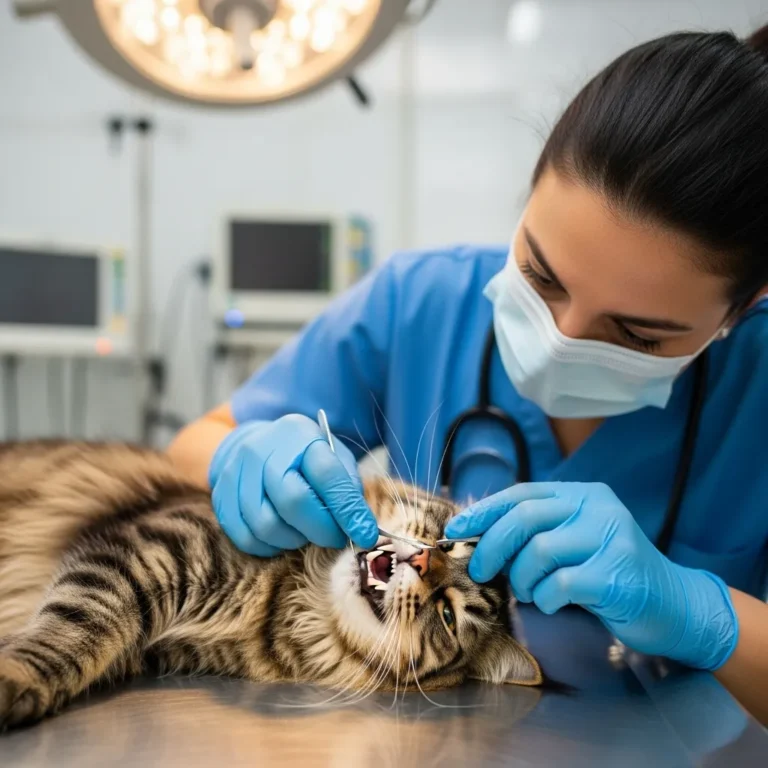
A vet exam is non-negotiable. Cat teeth grinding treatment starts with pinpointing the cause—dental, medical, or behavioral. Expect:
- Dental X-Rays: Detect resorption or fractures (70% of cases need imaging).
- Bloodwork: Rules out hyperthyroidism or kidney issues.
- Oral Exam: Identifies gingivitis or stomatitis, common in Persians (see our Persian cat breed guide).
Cost Tip: Dental cleanings range $200–$500 in 2025, but early intervention saves on extractions. Explore our cat vet dental check-up guide for affordable options.
Step 2: Treat the Underlying Issue
Once diagnosed, cat dental pain treatment varies by cause:
- Dental Disease: Professional cleaning or extractions under anesthesia. Post-care includes antibiotics or pain meds.
- Medical Issues: Treat kidney disease or hyperthyroidism with diet or meds. Our cat food nutrition guide details therapeutic diets.
- Behavioral Stress: Use pheromone sprays or calming supplements. Enrich with toys—see our keep Siamese cats entertained guide for ideas.
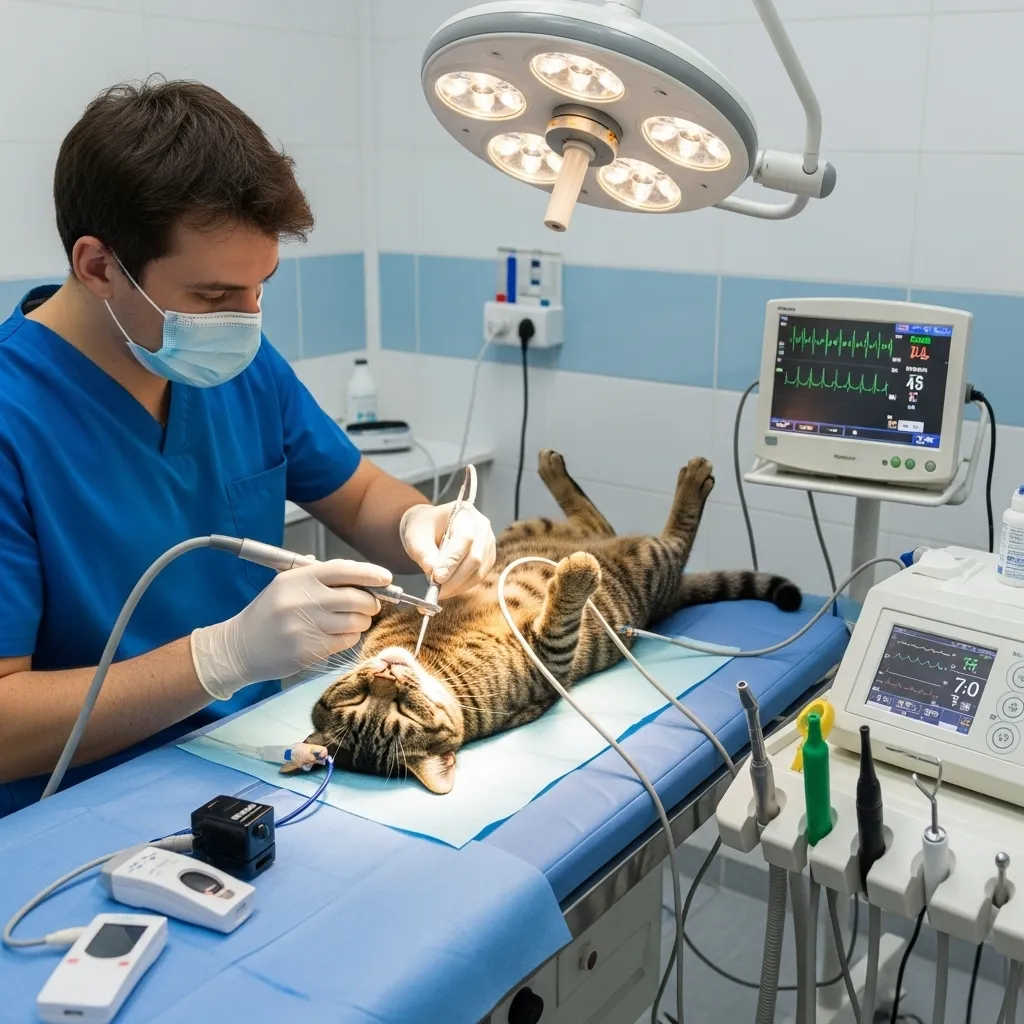
Pro Tip: Follow vet instructions exactly—80% of relapses stem from skipping meds or follow-ups.
Step 3: Boost Cat Oral Hygiene at Home
Prevent cat teeth problems with daily cat dental care:
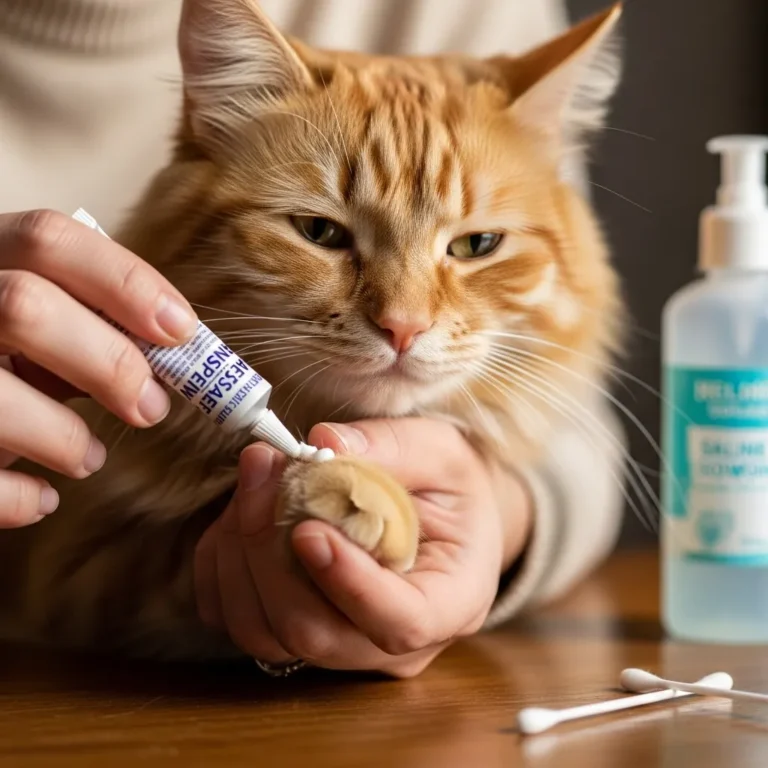
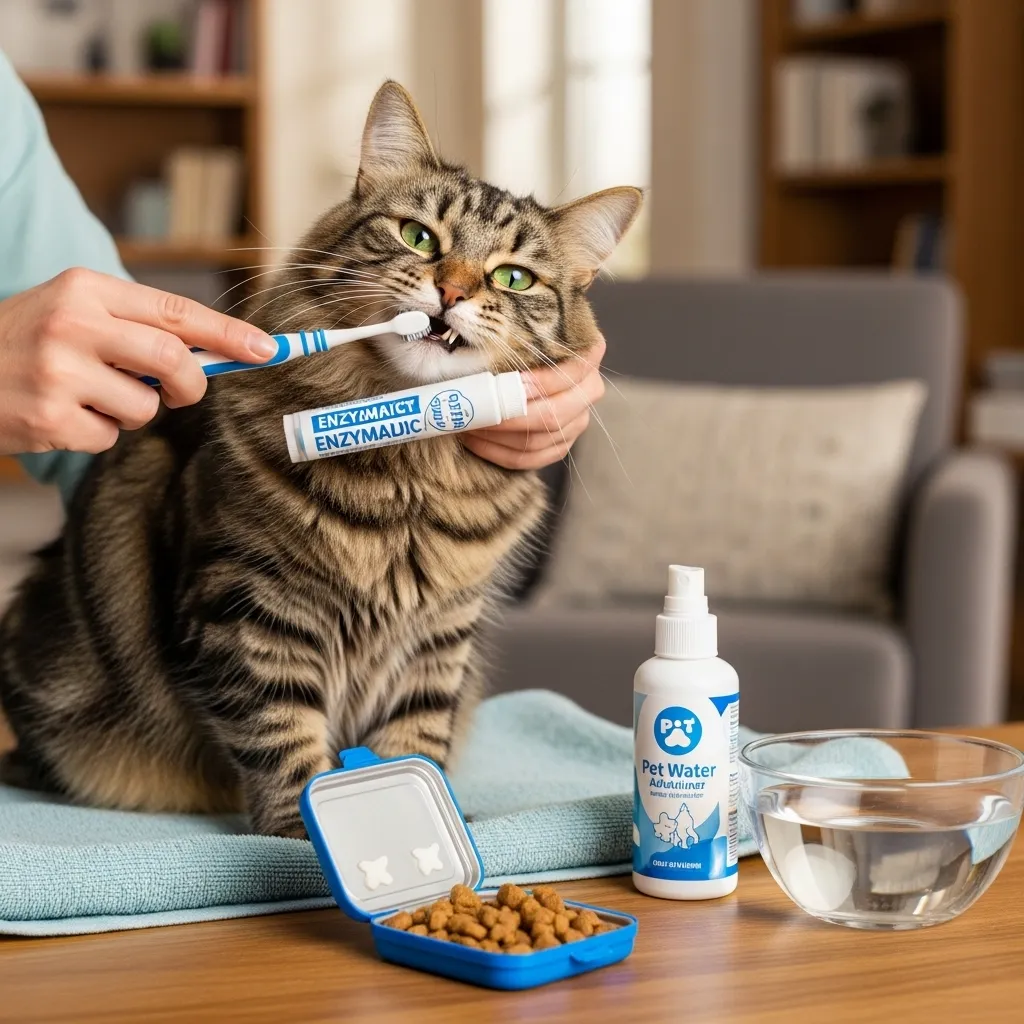
- Brushing: Use enzymatic toothpaste (C.E.T. brand is vet-recommended) 2–3 times weekly. Start slow to avoid stress.
- Dental Diets: Feed Hill’s Prescription Diet t/d or Royal Canin Dental to reduce plaque by 30%.
- Water Additives: Products like HealthyMouth cut tartar buildup. Add to water daily.
- Treats: VOHC-approved treats like Greenies support cat dental disease prevention.
Success Story: A friend’s Ragdoll stopped grinding after two weeks of brushing and dental treats. Check our Ragdoll cat care guide for breed-specific tips.
Step 4: Manage Stress to Reduce Feline Bruxism
Stress amplifies cat grinding teeth causes. Create a calm environment:
- Safe Spaces: Add cat trees or window perches. Our best beds for American Shorthair guide has cozy ideas.
- Routine: Consistent feeding and playtime cut anxiety by 50%, per ASPCA studies.
- Pheromones: Feliway or Comfort Zone diffusers mimic calming scents, ideal for cat stress signs.
Note: If your cat’s also peeing in odd spots (like laundry), stress might be a shared trigger. Our stop cat peeing laundry basket guide suggests citrus scents to deter marking, which can complement feline bruxism fixes.
Step 5: Monitor and Prevent Relapses
Cat dental disease prevention is a long game. Schedule cat vet dental check-ups every 6–12 months, especially for seniors or Munchkins (see our Munchkin cat dental care guide). Watch for cat grinding teeth after eating or new symptoms, and adjust diet or care as needed.
Quick Tip: Use a blacklight to check for hidden dental plaque at home—glows yellow if present.
Best Products for Cat Dental Health in 2025
Choosing the right tools makes cat tooth cleaning easier. Here’s a vetted list based on 2025 reviews and vet recommendations:
| Product | Type | Benefits | Where to Use |
|---|---|---|---|
| C.E.T. Enzymatic Toothpaste | Toothpaste | Reduces plaque by 40%; poultry flavor cats love | Daily brushing |
| Hill’s Prescription Diet t/d | Food | Cuts tartar by 30%; vet-approved | Main diet or supplement |
| Greenies Dental Treats | Treat | VOHC-approved; cleans while rewarding | 1–2 daily |
| HealthyMouth Water Additive | Additive | Reduces bacteria; easy to use | Add to water bowl |
| Virbac Dental Chews | Chew | Freshens breath; reduces grinding | Daily treat |
Pro Tip: Start with treats to ease cats into cat dental care, then add brushing. Our cat food nutrition guide explains how to integrate dental diets.
FAQ: Quick Answers to Cat Teeth Grinding Questions
Why is my cat grinding her teeth when eating?
Cat teeth grinding often signals dental issues like periodontal disease or tooth resorption, affecting 70% of cats over five. Stress or medical conditions like kidney disease can also cause feline bruxism. Book a vet visit to confirm.
What are the indicators of dental discomfort in cats?
Look for cat grinding teeth sound, drooling, bad breath, pawing at the mouth, or avoiding hard food. These teeth grinding in cats symptoms suggest pain or dental disease.
What could be causing my cat to grind its teeth?
Cat grinding teeth causes include dental issues (gum disease, resorption), medical problems (hyperthyroidism, GI pain), or stress from environmental changes. A vet exam pinpoints the root.
What are the common symptoms associated with teeth grinding in felines?
Symptoms include cat grinding teeth and drooling, reduced appetite, bad breath, irritability, or weight loss. Chronic cat dental discomfort may also cause hiding or less grooming.
How can I help stop my cat from grinding its teeth?
Schedule a cat vet dental check-up, brush with enzymatic toothpaste, feed dental diets, and reduce stress with pheromone diffusers. Address cat teeth problems early for 80% success.
What are the treatment options for a cat that’s grinding its teeth?
Cat dental pain treatment includes professional cleanings, extractions, or meds for medical issues. Home cat oral hygiene with brushing and treats prevents relapses.
How important is dental care in preventing teeth grinding in cats?
Critical—regular cat tooth cleaning and cat vet dental check-ups cut cat dental disease risk by 60%, per 2025 studies, directly reducing feline bruxism.
Conclusion: Restore Your Cat’s Healthy Smile
Cat teeth grinding when eating isn’t just a quirky sound—it’s a call to action. Whether it’s dental disease, stress, or a medical issue, you now have the tools to stop feline bruxism and boost cat dental health. Start with a vet visit, upgrade cat oral hygiene with brushing and dental diets, and create a stress-free home. Your cat’s purrs (and your sanity) will thank you.
For more feline wisdom, explore our expert guides at Cat Bloom Haven. From cat health care tips to litter training solutions, we’re here for every whisker and woe. Share your cat’s dental journey in the comments—we’d love to hear your story!