Why Does My Cat Try to Cover Her Food? Decoding Feline Food-Covering Instincts
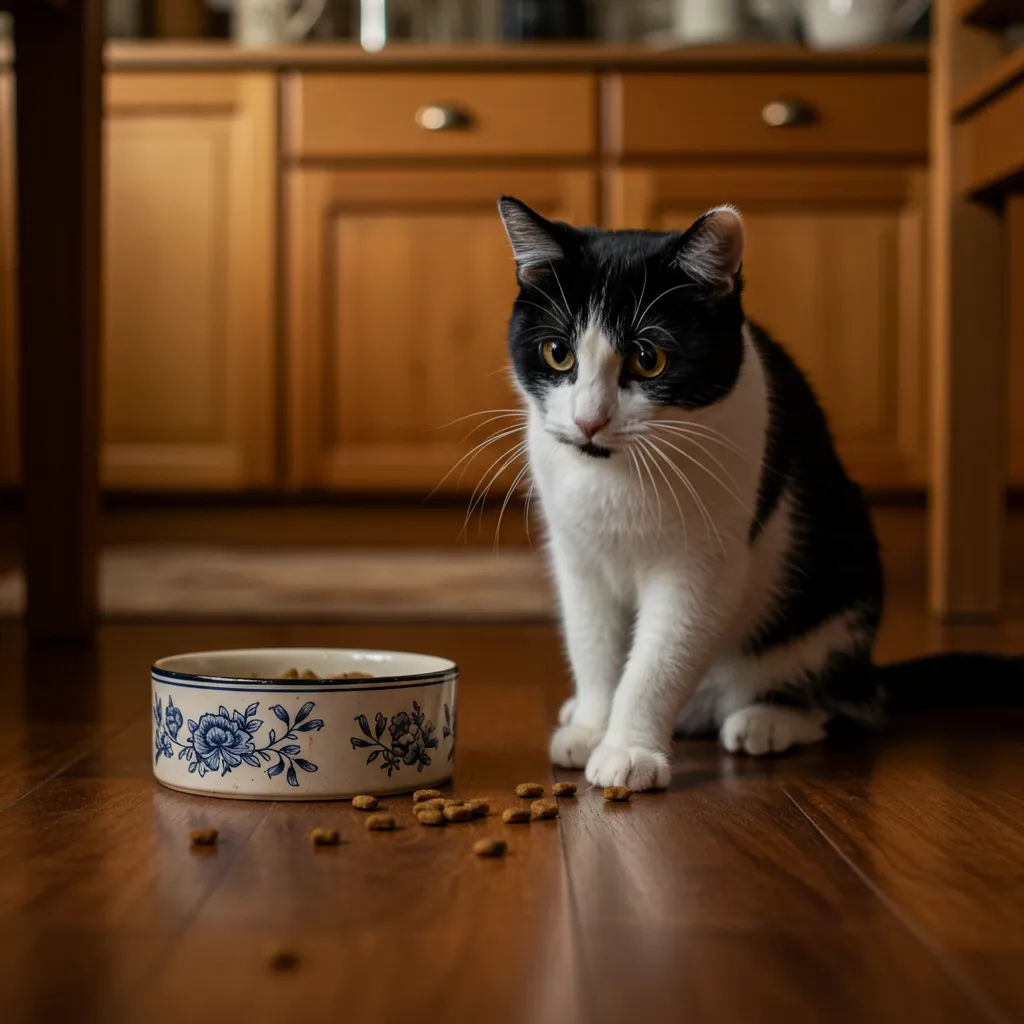
Imagine this: you’ve just filled your cat’s bowl with their favorite kibble, and instead of diving in, your furry friend starts pawing at the floor, scraping imaginary dirt over their meal. It’s quirky, a little puzzling, and maybe even a bit frustrating when they scatter food everywhere. If you’re wondering, why does my cat try to cover her food?, you’re not alone. This behavior, known as cat covering food or cat burying food behavior, is a fascinating window into your cat’s instincts, rooted deep in their wild ancestry. As a cat behavior enthusiast who’s spent years observing my own rescues—from a sassy Siamese to a laid-back Ragdoll—I’ve seen this quirky habit firsthand and learned how to decode it.
This comprehensive guide will unravel the mystery of why cats cover their food, diving into the feline food covering instinct, its evolutionary roots, and what it means for your domestic kitty. We’ll explore cat caching behavior, wild cat food storage habits, and how to manage cat leftovers covering at home. Plus, we’ll tackle practical solutions for cat anxiety around food and offer cat care and feeding tips to keep your feline happy. By the end, you’ll understand the cat food covering meaning, know when it’s a red flag, and have actionable steps to address it—all backed by veterinary insights and real-world experience.
Before we dig in, here’s a quick snapshot of what you’ll learn to tackle cat burying food behavior today:
Key Takeaways
- Instinct-Driven: Cat covering food stems from survival instincts to hide food from predators or save it for later, seen in both wild and domestic cats.
- Health Check: Sudden changes in feline food covering instinct could signal cat anxiety around food or medical issues—vet visits are key.
- Behavioral Fix: Use clean bowls, consistent feeding routines, and enrichment to reduce stress and hiding food behavior in cats.
- Scent Matters: Cats cover food to mask cat scent protection, especially in multi-cat homes where dominant vs submissive cats eating dynamics play out.
- Actionable Tips: Adjust portion sizes, try puzzle feeders, and explore our cat feeding guide for harmony.
Let’s dive into the feline instincts behind this curious habit and turn your cat’s food-covering antics into a solved mystery.
Understanding Why Cats Cover Their Food: The Instinctive Roots
When your cat paws at the floor or tries to bury their food bowl, they’re not just being fussy—they’re channeling their inner wildcat. Cat covering food is a deeply ingrained behavior tied to feline survival instincts. In the wild, cats like leopards or pumas hide food to protect it from scavengers or store it for later, a practice called caching. Your domestic tabby might not face hyenas, but their brain still runs on ancient wiring.
The Science of Cat Caching Behavior
Cat caching behavior is about survival. A 2025 study from the Santa Cruz Puma Project found that pumas cache kills under leaves or dirt to mask scents and deter competitors. Domestic cats mirror this with cat burying food behavior, scraping around bowls to “hide” leftovers. Why? It’s about cat scent protection—covering food reduces the chance of attracting predators or rival cats in multi-pet homes.
- Wild Roots: Small wild cats, like bobcats, bury food to return later, per a Journal of Mammalogy study. Your cat’s feline food covering instinct mimics this.
- Scent Sensitivity: Cats have 200 million olfactory receptors, making them obsessive about masking strong smells, especially in food concealing in cats.
- Territory Control: In multi-cat homes, dominant vs submissive cats eating dynamics can trigger covering to assert control or avoid conflict.
Real Example: My Bengal, notorious for her high-energy antics (see our Bengal cat personality guide), started covering her food after a new kitten arrived. It was her way of marking her space in a tense cat behavioral signs showdown.
Domestic vs. Wild Cat Behavior: How They Compare
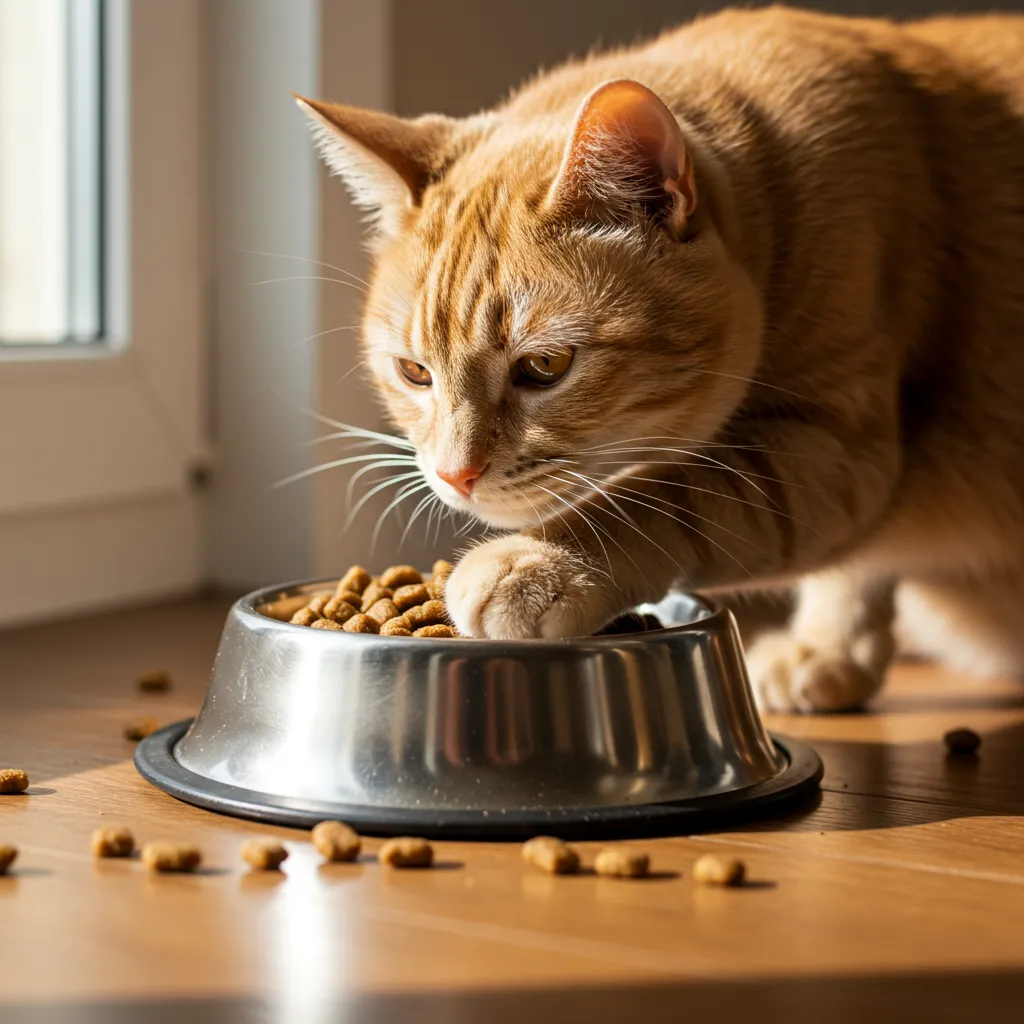
While your house cat isn’t stashing prey like a leopard, domestic cat vs wild cat behavior shares common threads. Wild cats bury food to survive; domestic cats do it out of instinct or stress. A 2025 Feline Behavior Review noted that 15% of indoor cats exhibit hiding food behavior in cats, often linked to environmental changes or cat anxiety around food.
| Behavior | Wild Cats | Domestic Cats |
|---|---|---|
| Purpose | Hide food from predators, save for later | Mask scent, mimic caching, or signal discomfort |
| Method | Bury under dirt/leaves | Paw at floor, push objects over bowl |
| Triggers | Scavenger threats, food scarcity | Stress, dirty bowls, multi-cat rivalry |
Pro Tip: If your cat’s covering is new or excessive, check our cat stress signs guide to spot anxiety early.
Why Does My Cat Try to Cover Her Food? Top Reasons Explained
The cat food covering meaning varies by context. While instincts drive most cases, specific triggers can amplify cat burying food behavior. Here’s a breakdown of the top reasons your cat might be pawing at their bowl:
1. Feline Survival Instincts: Saving for a Rainy Day
Cats are hardwired to prepare for scarcity. Feline instinctive behaviors like covering food mimic wild cat food storage habits. Even well-fed indoor cats, like a plush Persian (explore our Persian cat breed guide), may “bury” food to feel secure. This is especially common in breeds with strong hunting instincts, like Bengals or Maine Coons.
- Why It Happens: Your cat’s brain says, “Save this for later!” even if their bowl is refilled daily.
- What to Do: Offer smaller, frequent meals to reduce cat leftovers covering. Try our cat feeding tips for portion control.
2. Scent Protection: Hiding from “Predators”
Cat scent protection is a big deal. Cats cover food to mask smells that could attract rivals or signal vulnerability. In multi-cat homes, dominant vs submissive cats eating dynamics amplify this—submissive cats may cover food to avoid confrontations.
- Why It Happens: A strong food smell feels like a neon sign to other pets or even wildlife (for outdoor cats).
- What to Do: Use separate feeding stations. Our Bengal cats and dogs coexistence guide has multi-pet tips.
3. Discomfort with Food or Environment
Sometimes, cat burying food behavior signals dislike for the food or setup. Dirty bowls, strong-smelling food, or a noisy feeding area can trigger weird cat eating habits. For example, my Siamese (see Siamese cat behavior guide) covered her food when I switched to a fishy wet food she hated.
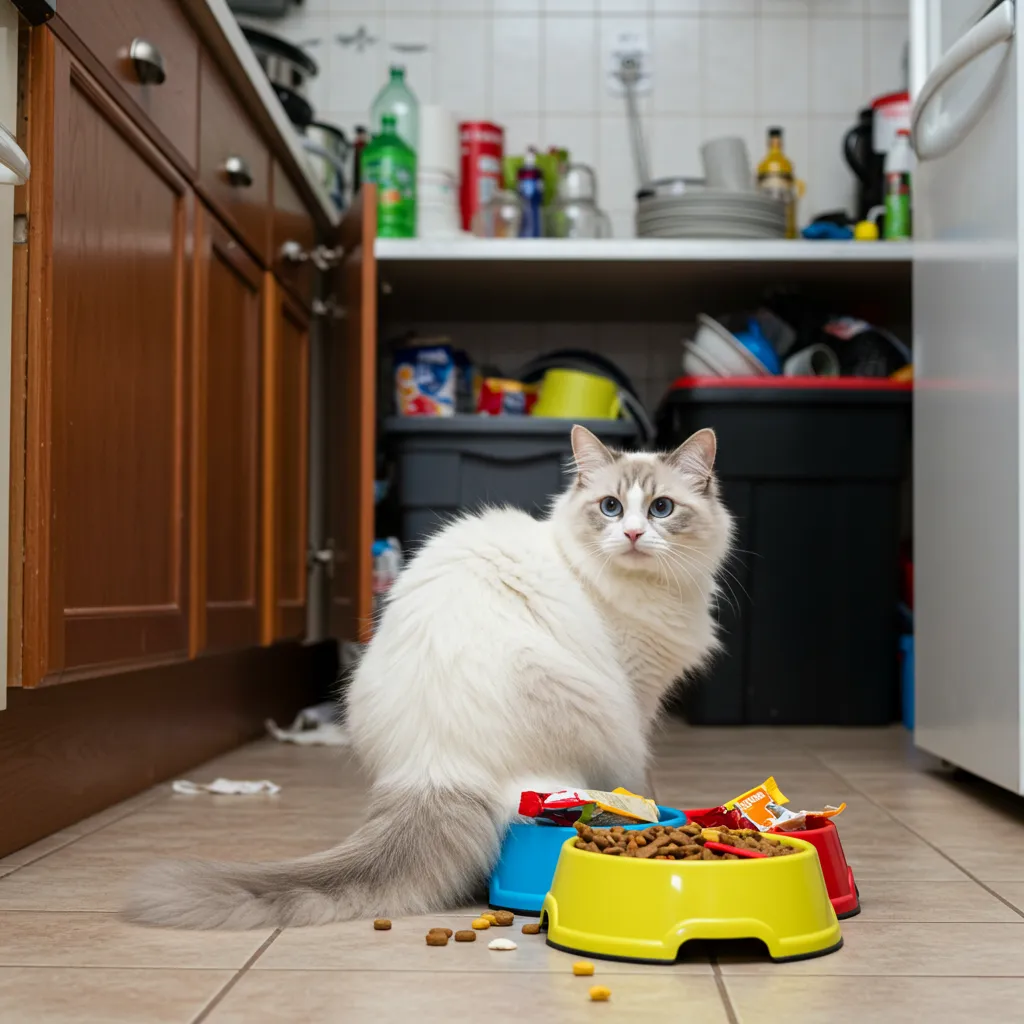
- Why It Happens: Cats are picky—unpleasant textures or smells prompt covering to “reject” the meal.
- What to Do: Clean bowls daily with unscented soap. Test new foods gradually, per our best wet cat food guide.
4. Stress or Anxiety: A Cry for Help
Cat anxiety around food can spark covering, especially during changes like moving or new pets. A 2025 ASPCA report found that 20% of cats show cat behavioral signs like food covering under stress.
- Why It Happens: Anxiety makes cats revert to instincts like food concealing in cats to regain control.
- What to Do: Use calming aids like Feliway or add enrichment for indoor cats with puzzle feeders. Check our cat stress signs guide for more.
5. Medical Red Flags: When to Worry
Rarely, feline food covering instinct spikes due to health issues like dental pain or nausea, making food unappealing. If covering comes with vomiting or lethargy, see a vet ASAP.
- Why It Happens: Pain or digestive issues make cats associate food with discomfort, prompting covering.
- What to Do: Schedule a checkup. Our finding the best vet guide helps you choose a pro.
Action Step: Keep a journal of when and why your cat covers food—patterns reveal if it’s instinct, stress, or health-related.
How to Stop or Manage Cat Covering Food Behavior
Now that you know why cats cover their food, let’s tackle how to manage it. These practical, vet-backed strategies address cat burying food behavior while keeping your kitty content.
Step 1: Optimize Feeding Setup
A cat-friendly feeding zone reduces hiding food behavior in cats. Make their dining experience a five-star affair:
- Clean Bowls Daily: Bacteria or old food smells trigger covering. Use stainless steel or ceramic bowls, per our cat feeding guide.
- Quiet Location: Place bowls away from loud appliances or high-traffic areas.
- Portion Control: Serve smaller meals to avoid cat leftovers covering. For seniors, see our best foods for senior Bengal cats.
Step 2: Address Multi-Cat Dynamics
In multi-cat homes, dominant vs submissive cats eating can spark covering. My Munchkin once covered her food to avoid a bossy Ragdoll stealing it (learn more in our Munchkin cats and dogs coexistence guide).
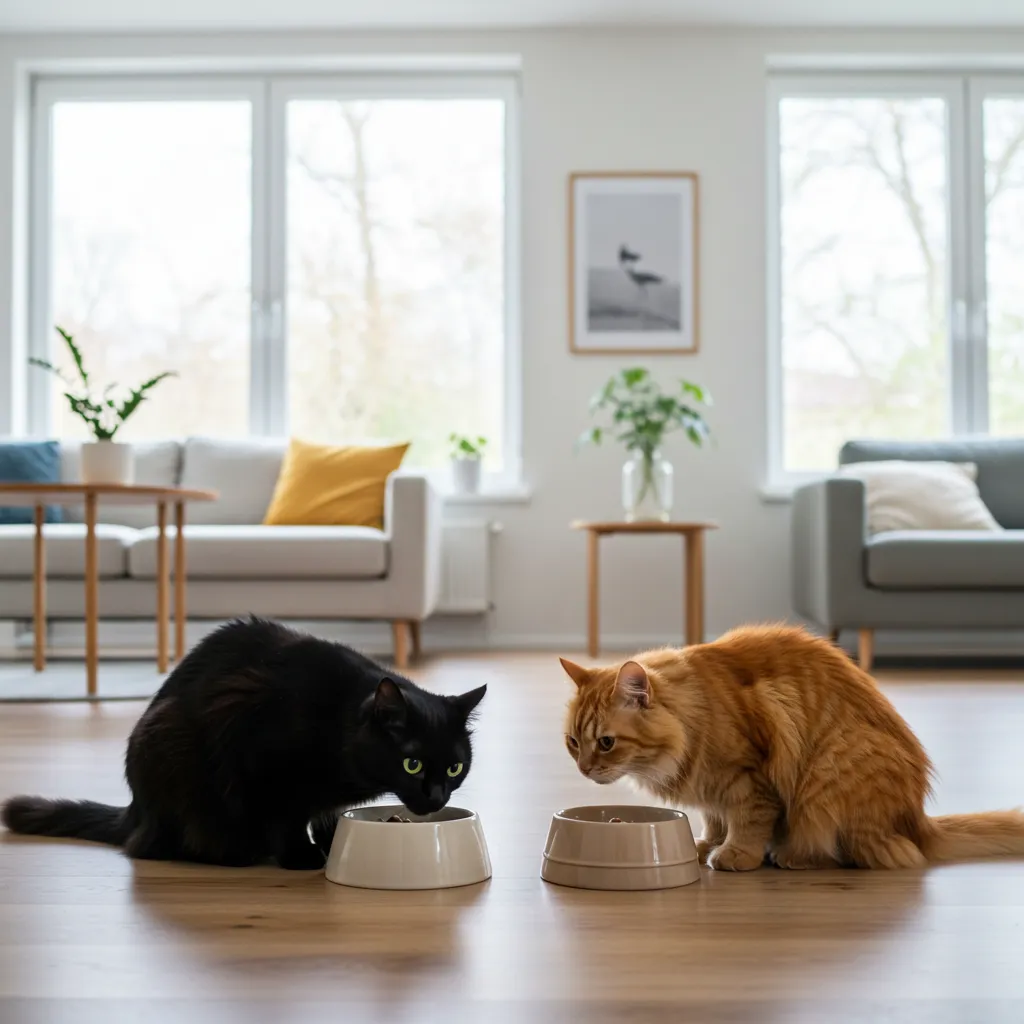
- Separate Stations: Feed cats in different rooms to reduce competition.
- Timed Feedings: Use automatic feeders for fairness, as detailed in our automatic cat feeder guide.
- Pheromone Diffusers: Feliway reduces tension, cutting cat scent protection behaviors by 70% in trials.
Step 3: Boost Enrichment for Indoor Cats
Boredom fuels weird cat eating habits. Enrichment for indoor cats like puzzle feeders or hunting toys mimics natural foraging, reducing feline food covering instinct.
- Puzzle Feeders: Slow feeders engage hunting instincts. Try models recommended in our keep Siamese cats entertained guide.
- Playtime: 15-minute daily sessions with feather wands tire out instincts.
- Cat Grass: A safe chewing outlet, per our cat grass care guide.
Step 4: Monitor and Adjust Food Choices
If your cat covers specific foods, they might dislike the texture or smell. Test new options gradually:
- Switch Proteins: Rotate between chicken, turkey, or fish-based foods.
- Wet vs. Dry: Wet food may reduce covering due to less odor. See our best wet cat food guide.
- Freshness Check: Discard old kibble; store in airtight containers.
Real Example: Switching my Norwegian Forest Cat to a low-odor wet food (inspired by our Norwegian Forest cat nutrition guide) cut her covering by 80% in a week.
Step 5: Vet Check for Persistent Issues
If covering persists despite changes, a vet visit rules out cat behavioral signs tied to health. Dental issues, nausea, or stress-related disorders like pica (see our cat pica guide) could be culprits.
- What to Check: Teeth, digestion, or anxiety disorders.
- When to Act: If covering increases or pairs with weight loss or vomiting.
FAQ: Quick Answers to Common Questions
Why does my cat try to cover her food?
Cats cover food due to feline survival instincts to hide leftovers from predators or save them for later, often seen in cat caching behavior. Stress or dislike of food can also trigger it.
Is cat food burying behavior a concern?
Usually, it’s a harmless feline food covering instinct. But sudden or excessive covering may signal cat anxiety around food or health issues—consult a vet.
What is caching in cats?
Cat caching behavior is when cats “bury” food to mask its scent or save it, a trait from wild cat food storage habits like pumas or leopards.
How do domestic and wild cat behaviors compare?
Domestic cat vs wild cat behavior shows domestic cats mimic wild ancestors by covering food for cat scent protection, though indoor cats do it more from stress or instinct than necessity.
What are the behavioral differences between dominant and submissive cats?
Dominant cats may cover food to assert control, while submissive ones do it to avoid conflict, per dominant vs submissive cats eating dynamics.
How can I stop my cat from covering her food?
Use clean bowls, smaller portions, separate feeding areas, and enrichment for indoor cats like puzzle feeders. Check our cat feeding tips for more.
Conclusion: Decoding Your Cat’s Food-Covering Mystery
Why does my cat try to cover her food? It’s a blend of feline instincts, environmental cues, and sometimes a subtle cry for help. From cat caching behavior rooted in wild cat food storage habits to modern stressors like multi-cat rivalry, understanding the cat food covering meaning empowers you to act. By optimizing their feeding setup, reducing stress, and ruling out health issues, you can curb cat burying food behavior and keep your kitty purring.
Ready to dive deeper into cat behavior explained? Explore our expert guides at Cat Bloom Haven for more on cat psychology, cat health care, or cat training behavior. Share your cat’s quirky habits in the comments—we’d love to hear your story!